
Reviewed · KYOTO TEA CEREMONIES
The Art of Mindful Living: Tea Ceremony in Kyoto
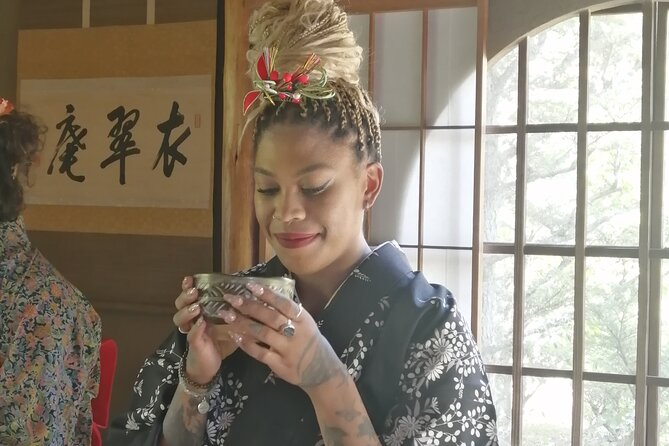
A Kyoto tea ceremony can be more than watching someone whisk a bowl of matcha. At Kaze no Waon, host Naomi explains the customs, serves tea and a sweet, then invites you to make matcha yourself in a traditional home with a garden.
I like two things here: the hands-on preparation gives you a better feel for the ritual than observation alone, and the small, calm setting leaves room for questions and photos. The organic Uji matcha and choice of Japanese sweets add a taste of Kyoto to the lesson.
The main consideration is location. Kaze no Waon is outside central Kyoto, toward the Kinkakuji and Arashiyama direction, and can be awkward to reach if you are staying downtown. Allow time for the journey, and check your route before booking.
The details that matter before you book
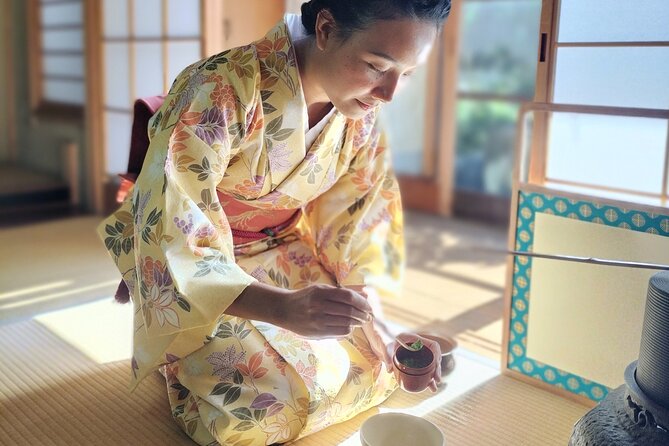
- Naomi leads the ceremony and lesson. You hear about tea ceremony history, matcha, Japanese tea, and how to drink matcha before trying the preparation yourself.
- Organic Uji matcha is served. One Japanese sweet is included, with a choice of traditional bean-paste cake or fresh-fruit daifuku.
- You can take part, not just watch. The session includes a demonstration and a chance to make matcha by yourself.
- The room and garden give the visit its character. The tea ceremony takes place in a dedicated room at an old Japanese home, with a garden for photos.
- Options suit different needs. Vegan and food-allergy accommodations are available, children can have cocoa instead of matcha, and kimono rental costs extra.
- Plan for the out-of-center address. The session lasts about an hour, but getting there may take longer than the activity itself.
A lesson in a traditional Kyoto home
The setting is part of the appeal. Rather than meeting in a large attraction or a busy public venue, you visit Kaze no Waon, a traditional Japanese home with a room set aside for tea ceremony and a garden out back. The atmosphere is intended to be quiet and unhurried, a good fit for an activity built around attention and small gestures.
Naomi guides the session. The teaching covers the history of tea ceremony, the effects of matcha, types of matcha and Japanese tea, and how to drink matcha. That context helps turn a bowl of tea into something more than a quick tasting. You get a sense of why preparation and mindful attention are part of the practice.
The hour is designed to be approachable, not like a long formal ceremony where you are expected to know the rules in advance. You can observe Naomi first, hear what is happening, then take a turn making matcha. If you have never encountered tea ceremony before, that mix of explanation and participation gives you a useful introduction without demanding prior knowledge.
Chairs are provided, an important practical detail if sitting on the floor would be uncomfortable. The activity is also listed as suitable for a small group, with a maximum of six participants for the standard session. Larger groups may be accommodated, but ask about arrangements before booking rather than assuming everyone can join the same sitting.
More tea ceremonies in Kyoto:
- Kyoto: Tea Ceremony in a Traditional Tea House in Kiyomizu
★ 4.9 · 3,519 reviews - Kyoto: Tea Ceremony Ju-An at Jotokuji Temple
★ 4.9 · 3,207 reviews - Kyoto: 45-Minute Tea Ceremony Lesson Experience
★ 4.3 · 2,378 reviews
Watching, tasting, then making matcha
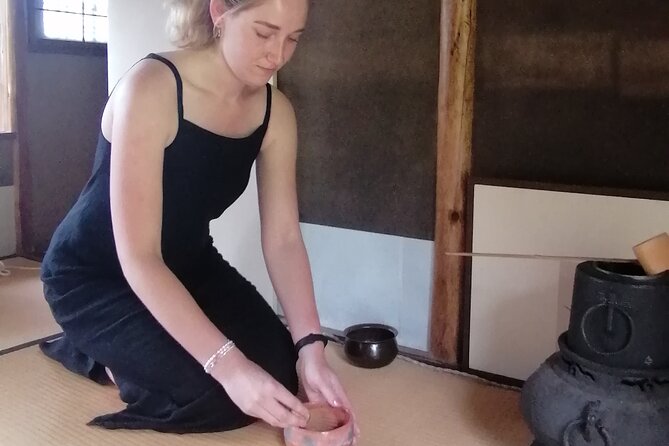
The session has three clear parts. First comes the explanation: Naomi introduces the tea ceremony and explains how to drink matcha. This is the time to ask questions and get a feel for the custom before the bowl is in your hands.
Next, you watch the ceremony while enjoying matcha and a Japanese sweet. The tea is organic Uji matcha made in Kyoto. Uji is closely associated with Japanese tea, so using tea from the region gives this tasting a local connection. The host says it is not a famous brand, but describes it as high quality. The important point for you is that the focus is on the tea itself, not a name-brand tasting.
One sweet is included. You can choose a traditional sweet with bean paste or fresh-fruit daifuku, a soft mochi confection with fruit. If you want to sample both, the additional cost is ¥500 per person. The sweet is not an incidental extra: it is served alongside the matcha, and offers a contrast in flavor and texture.
Then you get to make matcha yourself. The chance to try the preparation is a real strength of the visit. Watching gives you the outline; doing it helps you notice the care involved. The goal is not to leave as a tea master after an hour. It is to come away knowing more about the ritual and how to prepare a bowl at home.
A peaceful garden, with time for photos
The garden is a major part of the setting. You can take photos during the ceremony and in the garden before it begins. The garden gives you a quieter place to pause and makes the visit feel distinct from a tasting in a plain indoor room.
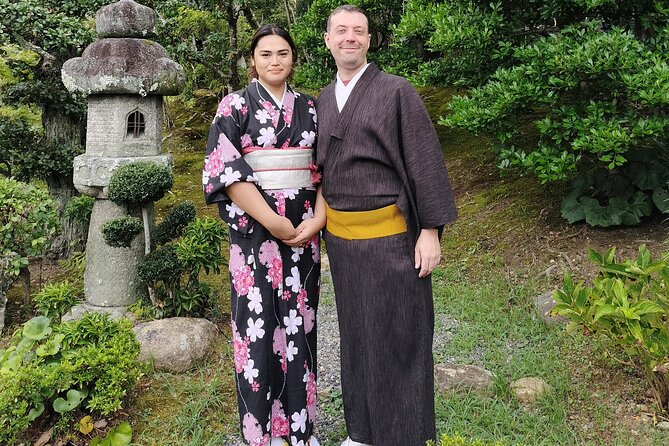
If you are planning to wear a rented kimono, the garden also provides a natural backdrop for pictures. In rainy weather, the host asks you to take photos while holding an umbrella. You cannot take photos in a kimono without an umbrella while getting wet, so do not count on a dry-weather garden session if the forecast turns.
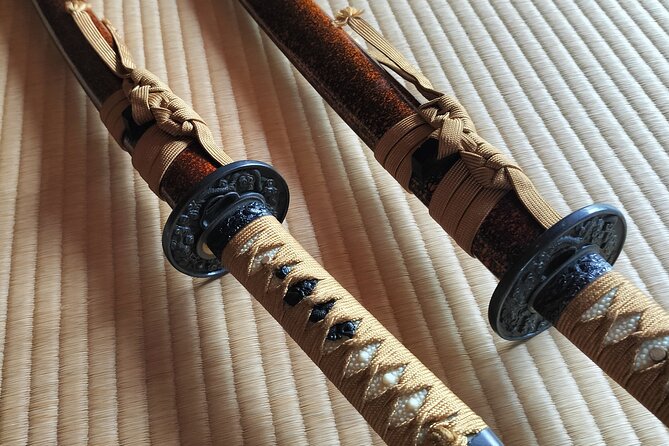
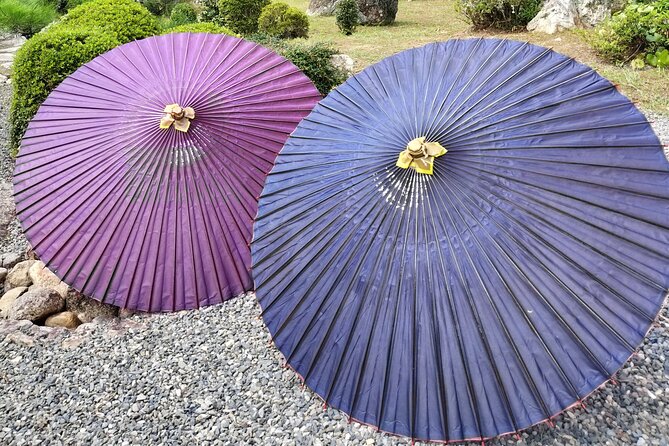
The private tea ceremony option has an additional photo detail: guests may use a traditional Japanese umbrella and an imitation sword for pictures. The sword is a prop for photos only. Contact the provider before booking if you want a private session, and confirm any extra charges directly so there is no confusion about what is included.
Kimono choices and extra costs
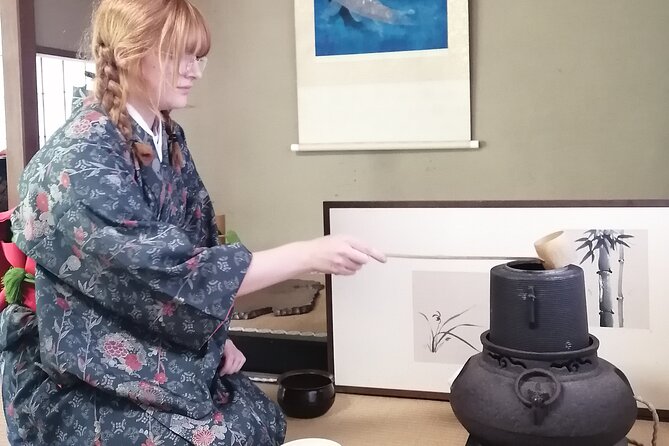
Kimono rental is an option during the ceremony and costs ¥4,000. A hakama rental costs ¥8,000, while a baby romper-style kimono costs ¥600. An undershirt rental costs ¥200. Hair styling and makeup are not provided, though hair accessories are available for guests who rent a kimono.
These choices can make the visit more memorable if dressing up is part of what you want from a Kyoto cultural activity. They also add time and cost, so decide whether the clothing is central to your plans or simply a nice extra. If you do want to rent something, ask about the details before you arrive, especially if you are coordinating for a family or group.
The advertised price is $44.42 per person for the roughly one-hour experience, with a snack included. That is reasonable for a small-group cultural lesson in a traditional home, particularly because you get a guided explanation, tea, a sweet, and a hands-on turn. It is less compelling if you are looking only for a quick cup of matcha, since the trip to the venue may take significant time and the main value is in the teaching and setting.
More Kyoto tours in Kyoto:
- PERFECT KYOTO 1-Day Bus Tour
★ 5.0 · 13,518 reviews - Kyoto: Fushimi Inari, Kinkakuji, Bamboo Grove 1 Day Bus Tour
★ 4.8 · 4,316 reviews - Kyoto Geisha Walking Tour: Gion District & Hidden Gems
★ 4.7 · 3,273 reviews - Kyoto: Gion Magical Night Walking Tour with Geisha Trivia
★ 4.9 · 2,393 reviews
Food needs and family visits
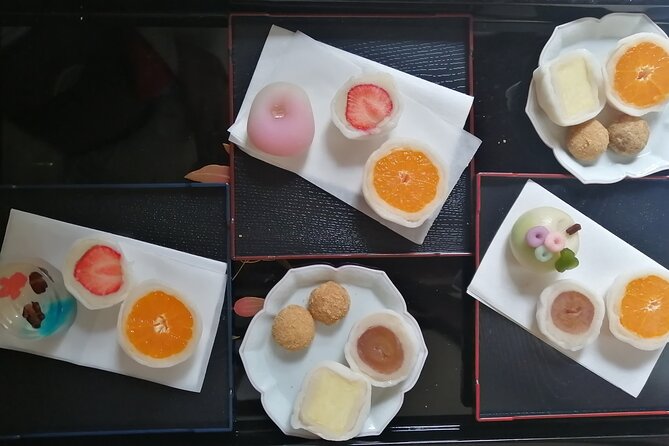
Food allergies and vegan diets can be accommodated. Contact the provider in advance with clear details so the host can plan appropriately. The included sweet comes in two styles, a traditional bean-paste option or fresh-fruit daifuku, but do not assume either will meet a particular dietary need without checking.
Children can have cocoa instead of matcha. That gives younger family members a drink option while the adults take part in the tea tasting. The experience still centers on learning and quiet attention, so it is a better fit for children who can enjoy a short, seated activity than for those who need a lot of movement.
You can bring a stroller onto the premises, but it cannot go inside the building. Plan to leave it outside the interior space during the session, and consider whether that arrangement works for your family.
Getting to Kaze no Waon
The meeting point is Kaze no Waon, at 14 Utanokitanoinchō in Kyoto’s Ukyo Ward. The activity ends back at the same place. It is near public transportation, but that does not make it especially convenient from every part of the city. The address is away from central Kyoto, in the direction of Kinkakuji Temple and Arashiyama, and there is not much nearby.
That location is both a drawback and a reason the visit feels removed from the city’s busier sights. If your day already takes you toward this side of Kyoto, the tea ceremony may fit naturally into the route. If you are based downtown and squeezing the activity between central attractions, travel time could eat into your schedule. Check the address and your route before paying.
The session itself is about an hour. Add transport time on both ends when planning your day, especially if you have a timed reservation elsewhere. Mobile tickets are accepted, and booking confirmation is subject to availability.
Who will get the most from this tea ceremony
This is a good choice if you want more than a photo opportunity: the history, explanation, tasting, and chance to prepare matcha make it a compact cultural lesson. It suits first-time visitors to tea ceremony, couples, families with children who can manage a quiet hour, and anyone interested in Japanese food customs.
It is also a good option if you value a small setting and a personal host. Naomi has been praised for her warm manner, clear explanations, and ability to keep the ceremony both informative and relaxed. Her approach emphasizes theory as well as the experience itself, so you are not left guessing why each part matters.
You may want to choose another activity if your schedule is tight, you want a venue in central Kyoto, or you mainly want a formal, extended ceremony. This visit is short and introductory, and its location requires planning. The standard group is small, but check in advance if you have a larger party or want a private session.
Should you book?
Book this if a calm, participatory introduction to matcha sounds more appealing than a quick tasting. The included sweet, garden setting, and chance to make tea yourself give the hour substance, while Naomi’s explanations help put the ritual in context. Check the route first, and ask about any private-session or clothing upgrades before confirming. If the out-of-center location works for your plans, it offers a thoughtful Kyoto experience at a fair price.
FAQ
How long does the tea ceremony last?
The activity lasts about one hour.
Where does the experience take place?
It takes place at Kaze no Waon, 14 Utanokitanoinchō, Ukyo Ward, Kyoto. The activity ends at the same meeting point.
What is included in the price?
The experience includes the tea ceremony, matcha, and one Japanese sweet. Snacks are listed as included.
Can I make matcha myself?
Yes. After an explanation and a demonstration, you can try making matcha yourself.
What kinds of sweets can I choose?
You can choose a traditional sweet with bean paste or fresh-fruit daifuku. One sweet is included. Trying both costs an additional ¥500 per person.
Can food allergies or vegan diets be accommodated?
Yes. Food allergies and vegan needs can be accommodated. Contact the provider with your requirements before the experience.
Is there an option for children who do not drink matcha?
Yes. Children can have cocoa instead of matcha.
Is kimono rental available?
Yes. Kimono rental costs ¥4,000, hakama rental costs ¥8,000, and a baby romper-style kimono costs ¥600. An undershirt rental costs ¥200. Hair styling and makeup are not provided, but hair accessories are available.
Can I book a private session or bring a larger group?
Private sessions are available, but you should contact the provider before booking. The standard group maximum is six, and larger groups may be accommodated by arrangement.
What happens if the weather is poor?
The experience requires good weather. If it is canceled because of poor weather, you will be offered another date or a full refund.
Newly added in Kyoto
- Whisk Your Own Matcha: A Zen Matcha Experience at Temple★ 3.6 · 7 reviews
- Uji: Private immersion into Kyoto’s tea and reglious culture★ 5.0 · 17 reviews
- Kyoto tea town for matcha lovers★ 5.0 · 16 reviews
- Treasures of Kyoto: Gion & historical Walking Tour★ 5.0 · 6 reviews
- Kyoto Matcha Green Tea Tour★ 4.5 · 23 reviews
- Uji and Wazuka Matcha Farm Half Day Private Guided Tour★ 5.0 · 21 reviews
- Uji Tea Ceremony and UNESCO Heritage Walking Tour★ 5.0 · 20 reviews
- Utilising upcycled Matcha! Creating matcha incense (Uji, Kyoto)★ 5.0 · 6 reviews
Kyoto Tea Ceremonies, compared.

Tea Ceremony in a Traditional Tea House in Kiyomizu
Read our review →

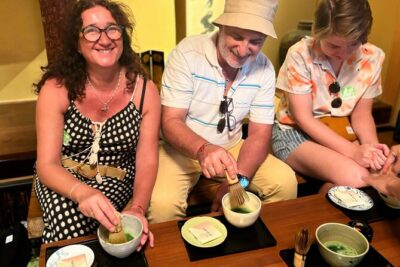
World Heritage Kyoto & Nara Uji Authentic Matcha Experience
Read our review →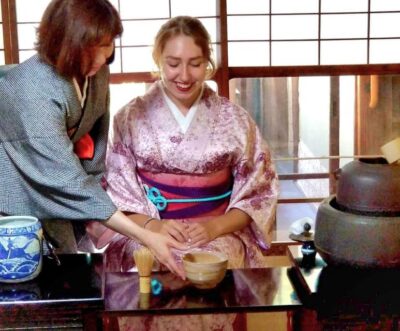
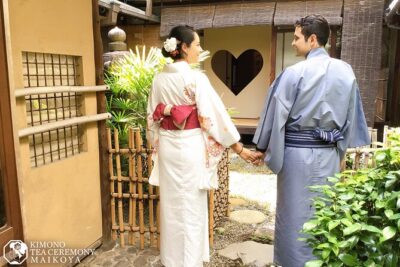

Arashiyama Bamboo Forest, Monkeys, Matcha & Temple Tour
Read our review →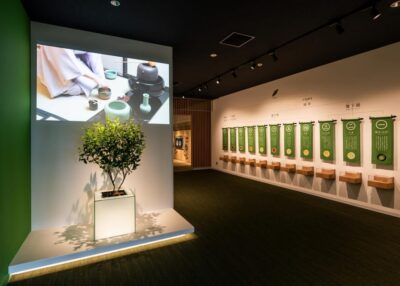
Tea Museum Tickets and Matcha Grinding Experience
Read our review →Browse the lists this tour appears in