
Reviewed · KYOTO TEA CEREMONIES
Kyoto Japanese Tea Ceremony Experience in Ankoan
At Ankoan, tea is not just something to watch. You begin with a welcome cup and conversation, then see a tea ceremony before making matcha yourself and offering it to someone else in the group. That hands-on exchange gives the ritual a human scale: you learn by doing, not by sitting through a lecture.
I like two things especially: Yuka’s clear, friendly explanations in English and the chance to ask about customs beyond tea, including how Japanese culture took shape. The small group, capped at eight, should make it easier to follow the demonstration and take part.
One point to plan around: the advertised duration is inconsistent, ranging from about an hour to 90 minutes, and one account describes a session closer to two hours. The studio is also not recommended for people with knee pain, so check with the operator if that could affect your comfort.
What Makes Ankoan’s Tea Ceremony Worth Considering
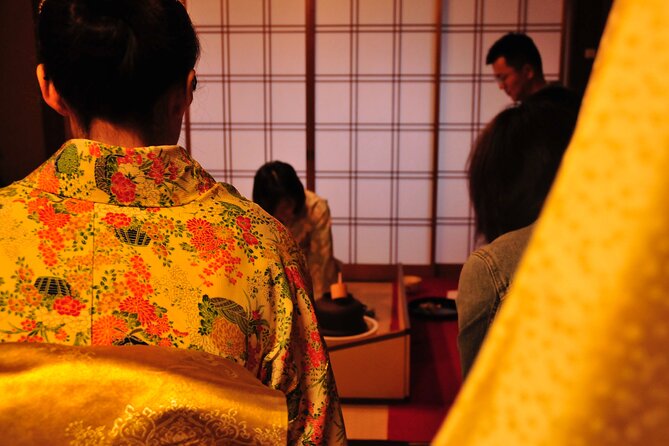
- You prepare matcha yourself: Yuka demonstrates first, then guides you through making your own tea.
- The session pairs ritual with conversation: Ask about tea customs, Japanese life, and culture as you go.
- You taste wagashi with matcha: The Japanese sweet adds a small but welcome part of the tea experience.
- You share the tea you make: The experience includes offering your matcha to another person in the group.
- The group is limited to eight: A small cap makes this a more personal activity than a large demonstration.
- Indoor photos are allowed: You can take pictures inside the studio during the experience.
A Welcome Cup Before the Ceremony
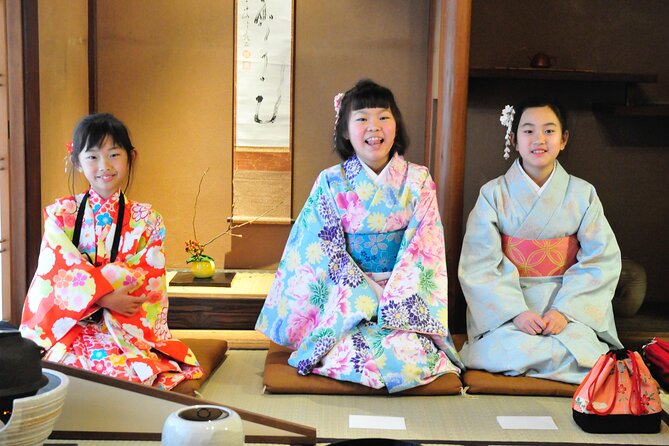
The experience begins at Tea ceremonyJapan, the Ankoan studio in Kyoto’s Kita Ward. Yuka offers a welcome tea and gives you a chance to settle in. If you have spent the day walking between temples or navigating a new city, this gentle start is useful: you can pause, sip, and get comfortable before the formal part begins.
The opening conversation matters. Rather than launching straight into a set performance, Yuka invites questions and talk about tea and other aspects of Japanese culture. You can bring your curiosity, even if you know little about matcha or ceremony customs. The atmosphere is described as relaxed and welcoming, with English explanations that make the session accessible to international participants.
There is also room to discuss how people live in Japan and how cultural traditions developed. That broader context helps the ceremony make more sense. The tea ritual is not presented as a collection of mysterious gestures to copy; it becomes a way to talk about manners, attention, and shared experience.
More tea ceremonies in Kyoto:
- Kyoto: Tea Ceremony in a Traditional Tea House in Kiyomizu
★ 4.9 · 3,519 reviews - Kyoto: Tea Ceremony Ju-An at Jotokuji Temple
★ 4.9 · 3,207 reviews - Kyoto: 45-Minute Tea Ceremony Lesson Experience
★ 4.3 · 2,378 reviews
Watching Yuka Prepare Matcha
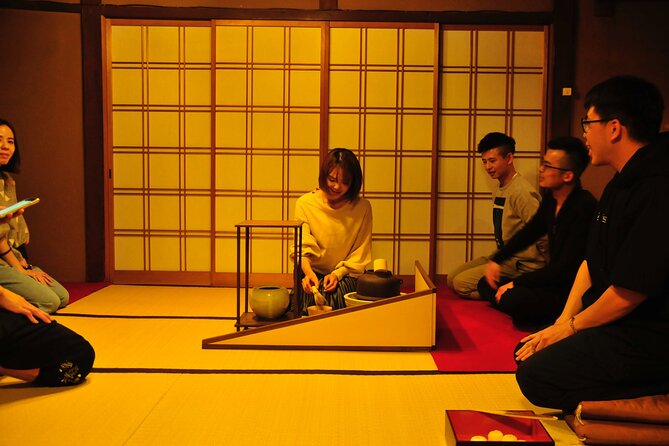
After the welcome, you move to a separate matcha tearoom for the demonstration. Yuka shows how matcha is prepared and served, explaining the steps and the customs attached to them. Watching first gives you a frame of reference before you try the process yourself.
The ceremony’s value is in the details you might otherwise miss. You are encouraged to notice how the preparation is done and to learn about the meanings behind the actions, symbols, and phrases used during the ritual. The session aims to explain not just what happens, but why the ceremony has a place in Japanese culture.
This is still a short introduction, not an advanced course in tea practice. If you are already familiar with formal tea ceremony, you may want a longer or more specialized class. For a first encounter, though, the mix of demonstration and plain-language explanation offers a useful starting point.
Tasting Matcha and Wagashi
Once the demonstration is complete, you taste matcha with wagashi, a Japanese sweet. That pairing gives you a chance to slow down and pay attention to the tea itself, rather than treating it as a quick sample between activities.
The tasting also helps bridge observation and practice. You have seen how the tea is made and served; now you can experience the result before preparing your own. It is a simple sequence, but a helpful one. You are not expected to arrive with prior knowledge, and the host’s step-by-step approach keeps the process approachable.
The included items are described as coffee and/or tea, while the session itself specifically features welcome tea, matcha, and wagashi. If you have dietary needs or want to confirm exactly what will be served, contact the provider before booking; that information is not specified here.
Making Your Own Matcha
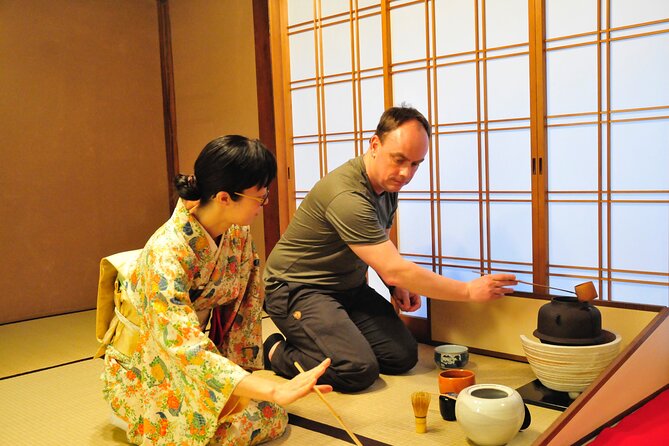
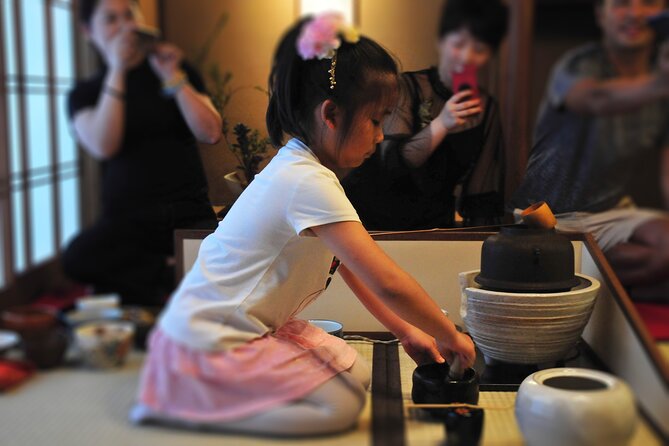
The most engaging part for many first-timers is getting a turn to make matcha. Yuka stays nearby to guide you, explain the process, and help you understand what you are doing. The approach is practical: watch, try it, then learn through the act of preparing the tea.
You do not need to be an expert or worry about getting every step perfect. The point is to take part and understand the key ideas behind the ceremony. Families have brought children, including young children who joined in, and the activity has been described as flexible with an eight-year-old. That suggests it can work for families, although parents should judge their own child’s interest and ability to take part calmly.
A particularly thoughtful element is that you offer the matcha you have prepared to another person in the group. That turns the activity from a solo demonstration into a shared moment. You are not only practicing a technique; you are taking part in the exchange that gives the ceremony its social warmth.
More Kyoto tours in Kyoto:
- PERFECT KYOTO 1-Day Bus Tour
★ 5.0 · 13,518 reviews - Kyoto: Fushimi Inari, Kinkakuji, Bamboo Grove 1 Day Bus Tour
★ 4.8 · 4,316 reviews - Kyoto Geisha Walking Tour: Gion District & Hidden Gems
★ 4.7 · 3,273 reviews - Kyoto: Gion Magical Night Walking Tour with Geisha Trivia
★ 4.9 · 2,393 reviews
Conversation Is Part of the Experience
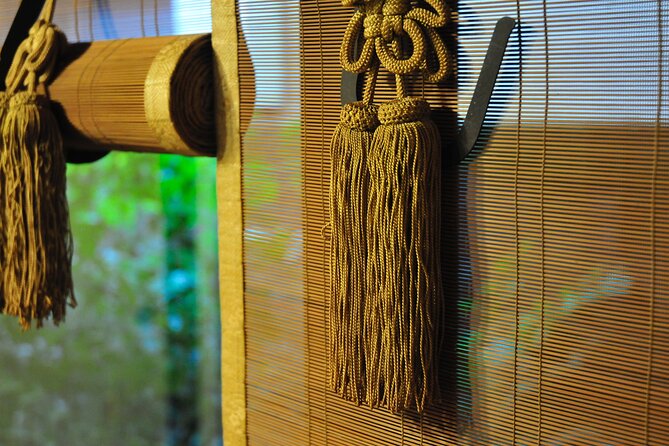
Ankoan’s session is as much about talking as it is about tea. You can ask questions about Japanese customs and share what you notice or feel during the ceremony. The conversation is not an add-on after the main event; it is woven into the experience.
That makes this a good fit if you like cultural activities that leave room for questions rather than delivering a fixed speech. Yuka’s English is described as strong, and her welcoming manner helps make discussion feel natural. Chinese and English are also noted as available languages from the provider, though you should confirm language arrangements when booking if that matters to your plans.
The atmosphere is intended to be serene, but it is not rigid. You get a formal demonstration and a chance to practice, balanced with informal conversation. That combination helps make the ritual understandable without stripping away its sense of care and ceremony.
How Long to Set Aside
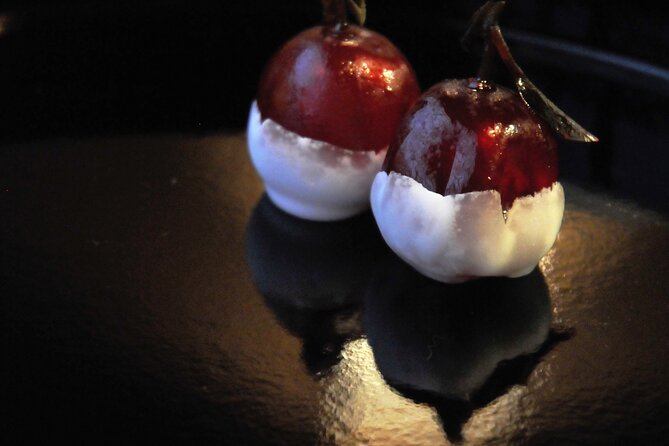
The listed duration is not entirely consistent. The tour summary gives an approximate one-hour duration, while the experience description calls it a 90-minute service. One account describes a session lasting around two hours. Allow extra time rather than planning a tight connection immediately afterward, and confirm the expected length when you reserve.
That variation may reflect how much time a group spends on questions and practice. Since conversation is part of the format, the experience can feel less like a timed show and more like a hosted cultural session. If your schedule is packed, ask the provider about the session length before finalizing your day.
The group size is capped at eight. That is small enough for an interactive lesson, but you may still share the preparation time with other participants. If you are hoping for a private class, this experience is not described as private.
Location, Price, and Practical Details
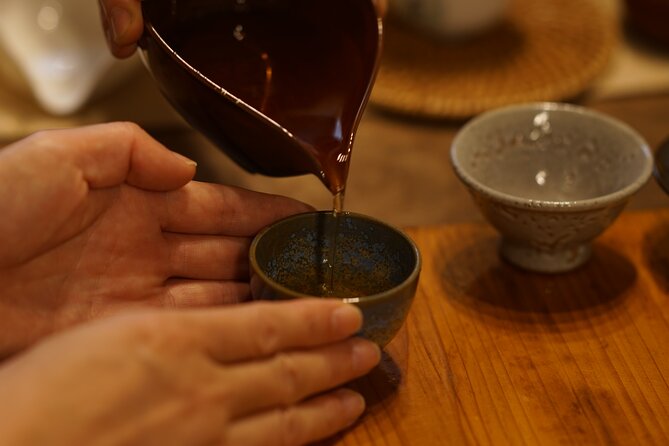
The studio is at 63 Murasakino Monzenchō in Kita Ward, Kyoto. It is near public transportation, and the activity ends back at its starting point. Private transportation is not included, so plan to get to the studio independently. One visitor noted visiting nearby temples before the session, which may make it a useful cultural stop to pair with other sights in the area, but check your route and timing before setting out.
At $32.84 per person, the price is reasonable for a guided, hands-on cultural activity that includes a demonstration, matcha preparation, tasting, and discussion. Its value is not in the quantity of food or the length of the session. It is in getting instruction from a host, trying the process yourself, and having the cultural context explained in English.
If you simply want to drink matcha, you can find tea elsewhere for less. Book this if you want to understand the custom and take part in it. The small group size and personal instruction make the fee easier to justify, especially if tea ceremony is something you have wanted to experience rather than just photograph.
Confirmation is provided within 48 hours of booking and is subject to availability. The experience requires good weather; if poor weather causes a cancellation, you are offered another date or a full refund. You can cancel for a full refund up to 24 hours before the start time. Indoor photography is allowed. The activity is not recommended for people with knee pain, so consider your comfort before booking.
Who Will Enjoy This Kyoto Tea Experience
This is a strong choice for first-time visitors who want a friendly introduction to matcha and Japanese tea customs. It also suits curious couples, small groups, and families with children who are happy to participate in a quiet, guided activity. You do not need prior experience, and the host’s explanations are meant to make the steps clear.
It may be less suitable if you want an elaborate, highly formal ceremony, a private session, or a class devoted to advanced tea technique. The session focuses on a practical introduction, tasting, and cultural conversation. Think of it as a welcoming way to understand the ritual, not a certification course.
The location also asks you to consider mobility. The activity is specifically not recommended for people with knee pain. Since the details do not describe seating arrangements or the physical setup, contact the provider in advance if you need to know what participation involves.
Should You Book Ankoan?
Book Ankoan if you want more than a quick cup of matcha. You will see a demonstration, learn why the steps matter, prepare tea with Yuka’s guidance, and share it with someone else. The format’s best feature is its balance of instruction and conversation, with room for both cultural questions and hands-on practice.
Skip it if your schedule cannot absorb a session that may run longer than an hour, or if knee pain could make the activity uncomfortable. Otherwise, at about $33, this is a fairly priced way to pause your Kyoto sightseeing and take part in a Japanese tea custom rather than merely watch one.
FAQ
How long does the tea ceremony experience last?
The duration is listed as approximately one hour in one description and 90 minutes in another. One account describes a session of around two hours, so allow extra time and confirm the expected length with the provider.
Where does the experience start and end?
It starts at Tea ceremonyJapan, 63 Murasakino Monzenchō in Kita Ward, Kyoto, and ends back at the meeting point.
Is transportation included?
No. Private transportation is not included. The meeting point is near public transportation.
How many people can join?
The activity has a maximum group size of eight travelers.
Can I take photos inside?
Yes. Indoor photography is allowed.
What is the cancellation policy?
You can cancel up to 24 hours before the experience’s start time for a full refund. Cancellations made less than 24 hours before the start time are not refunded.
Newly added in Kyoto
- Uji: Private immersion into Kyoto’s tea and reglious culture★ 5.0 · 17 reviews
- Whisk Your Own Matcha: A Zen Matcha Experience at Temple★ 3.6 · 7 reviews
- Kyoto tea town for matcha lovers★ 5.0 · 16 reviews
- Treasures of Kyoto: Gion & historical Walking Tour★ 5.0 · 6 reviews
- Kyoto Matcha Green Tea Tour★ 4.5 · 23 reviews
- Uji and Wazuka Matcha Farm Half Day Private Guided Tour★ 5.0 · 21 reviews
- Uji Tea Ceremony and UNESCO Heritage Walking Tour★ 5.0 · 20 reviews
- Utilising upcycled Matcha! Creating matcha incense (Uji, Kyoto)★ 5.0 · 6 reviews
Kyoto Tea Ceremonies, compared.

Tea Ceremony in a Traditional Tea House in Kiyomizu
Read our review →


World Heritage Kyoto & Nara Uji Authentic Matcha Experience
Read our review →


Arashiyama Bamboo Forest, Monkeys, Matcha & Temple Tour
Read our review →
Tea Museum Tickets and Matcha Grinding Experience
Read our review →Browse the lists this tour appears in