
Reviewed · KYOTO SAMURAI & NINJA EXPERIENCES
Ancient Katana Training in Kyoto with Local Students
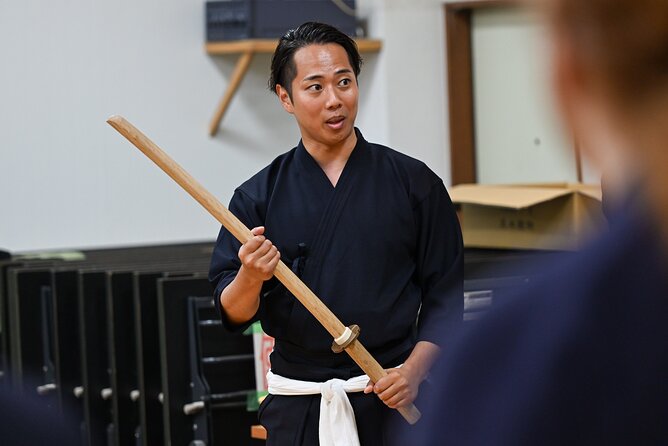
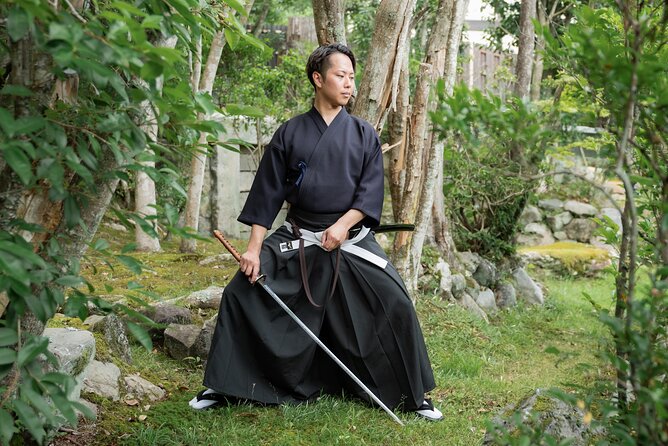
At 6:30 pm, you step into a working Kyoto dojo, not a set built for a photo opportunity. Under Shogo’s guidance, you join regular students of Asayama Ichiden Ryu Hyōhō, a classical martial art tradition with more than 400 years of practice behind it, and learn with a wooden katana.
I like two things here: you train alongside actual dojo members, so the class has a purpose beyond entertaining visitors, and the practice covers both iaijutsu, the art of drawing the sword, and kenjutsu, swordsmanship. Shogo is also described as able to teach in English and Japanese, which can make detailed instruction easier to follow.
The main consideration is important: this is not designed as a beginner-friendly tourist activity. The dojo generally does not accept people with no budo experience, though you can contact Shogo to discuss your interest. It also asks for moderate fitness, so be ready for a real training session rather than a passive demonstration.
What to know before you book
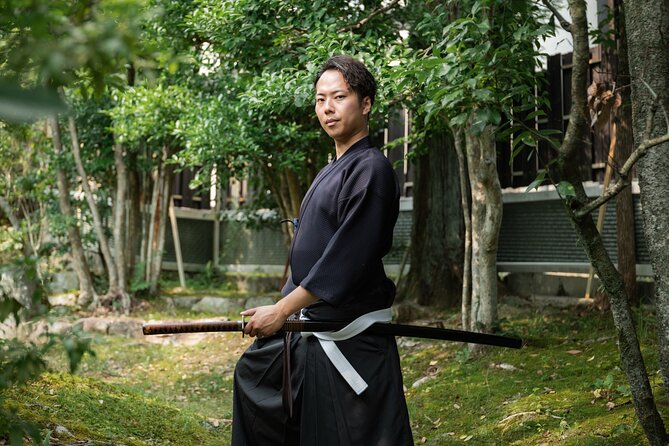
- A real dojo class: You practise alongside the Kyoto branch’s regular students, rather than watching a staged performance.
- Wooden katana training: The session covers iaijutsu and kenjutsu using a bokutō, or wooden sword.
- Etiquette is part of the lesson: Reihō, the formal conduct of the dojo, is included in the training.
- Shogo leads the session: He teaches in English and Japanese, and works with participants at different levels.
- A small group: The activity has a maximum of four participants, apart from the regular students training with you.
- Experience matters: Prior budo practice is generally expected. Contact the dojo before booking if you are new but strongly interested.
A working Kyoto dojo, not a samurai show
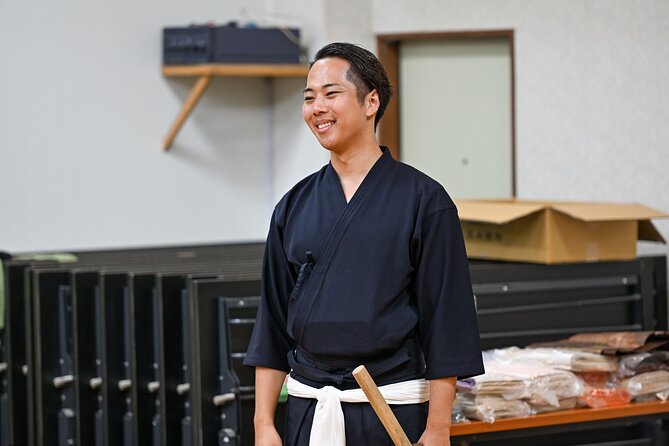
The appeal of this three-hour session is its ordinary setting: you are joining a regular class in the Kyoto branch of Asayama Ichiden Ryu Hyōhō. The distinction matters. A tourist demonstration is built around what an audience can see; this activity is built around practice, conduct and learning the movements correctly.
Asayama Ichiden Ryu Hyōhō is a form of kobudo, or classical Japanese martial arts. Its techniques trace back more than 400 years, to a period when samurai fought in armor. The school includes several weapons arts, but this session focuses on the sword: iaijutsu and kenjutsu.
That background gives the training a different feel from a simple lesson in how to swing a katana. The sword work belongs to a larger system, with rules and movement shaped by a martial tradition. You will not cover every weapon or technique in three hours, of course. The value is in getting an introduction to the discipline through a real class.
More samurai and ninja experiences in Kyoto:
- Kyoto Samurai Experience
★ 5.0 · 1,294 reviews - Kyoto: Kendo and Samurai Experience with Uniform and Gear
★ 4.9 · 815 reviews - Kyoto: Samurai Sword Class by Experts in Traditional Arts
★ 4.9 · 657 reviews
Meeting Shogo and joining the regular students
The session is led by Shogo, who trains with the Kyoto branch and teaches alongside its regular members. His ability to communicate in both English and Japanese is a practical plus, especially when learning movements where a small correction can make a difference.
You are not the only person in the room, and that is part of the point. Training alongside regular students lets you see how a dojo class works as a shared practice, not just a private demonstration arranged around a visitor. At the same time, the group is capped at four participants, which keeps the visiting group small.
One participant who arrived without a sword was provided with one by Shogo. The activity itself specifies wooden swords, or bokutō, as the training equipment. If you have questions about what to bring or what will be supplied, contact the provider rather than assuming you need to arrive with your own gear.
Reihō: learning how to behave in the dojo
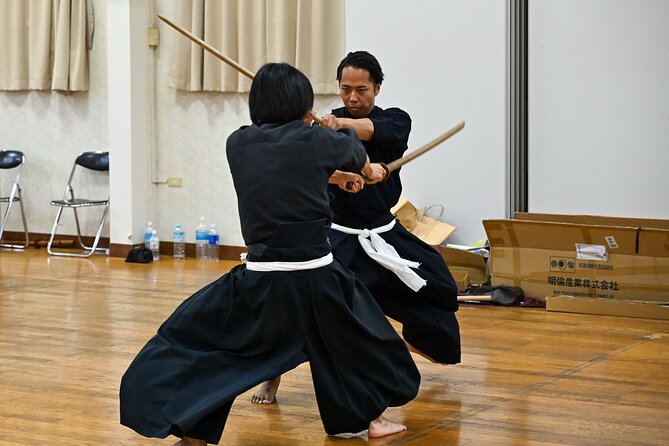
The class includes reihō, the etiquette and formal conduct of training. This is not a decorative opening before the sword work begins. In a traditional martial arts setting, learning how to enter, follow instruction and practise with care is part of learning the art itself.
For a first-time visitor to a dojo, this can be one of the most useful parts of the session. It gives you a way to take part respectfully, even if you are still finding your feet with the techniques. Listen closely, watch the students around you and follow Shogo’s guidance rather than trying to anticipate what comes next.
Etiquette also helps explain why the experience is not pitched as a casual drop-in activity for everyone. You are joining a class with its own standards and routines. If you are curious about the culture but not ready to take part in martial arts training, a performance or demonstration may be a better fit.
Iaijutsu and kenjutsu with a wooden sword
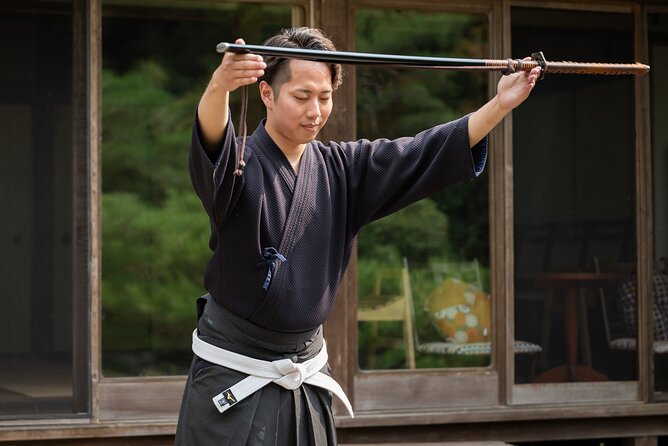
The sword practice has two related parts. Iaijutsu focuses on drawing the sword quickly and correctly, while kenjutsu concerns swordsmanship. The session uses a bokutō, a wooden katana, rather than a live blade.
That choice suits a training class. You can work on posture, handling and movement without the risk of using a sharpened sword. Still, wooden does not mean pretend. You are practising real techniques within the limits of an introductory session, and you should expect to pay attention to control and instruction.
Shogo is said to tailor instruction to a participant’s level. That can help if you have some martial arts experience but have not studied this particular school. It does not mean the class is automatically suitable for someone with no background: the dojo’s general rule is that participants should have prior budo experience. If you are keen but new, consult the provider before paying.
The wider school also preserves training in kama, bō, jō, tanbō, kusarifundō and shuriken. These include sickle, staff, short staff, short stick, chain-and-weight and throwing-dart techniques. They help show that Asayama Ichiden Ryu Hyōhō is a broader martial system, but they are not described as part of this particular session. Book for the sword training, not with the expectation of trying every weapon.
More Kyoto tours in Kyoto:
- PERFECT KYOTO 1-Day Bus Tour
★ 5.0 · 13,518 reviews - Kyoto: Fushimi Inari, Kinkakuji, Bamboo Grove 1 Day Bus Tour
★ 4.8 · 4,316 reviews - Kyoto: Tea Ceremony in a Traditional Tea House in Kiyomizu
★ 4.9 · 3,519 reviews - Kyoto Geisha Walking Tour: Gion District & Hidden Gems
★ 4.7 · 3,273 reviews
Three hours at 6:30 pm
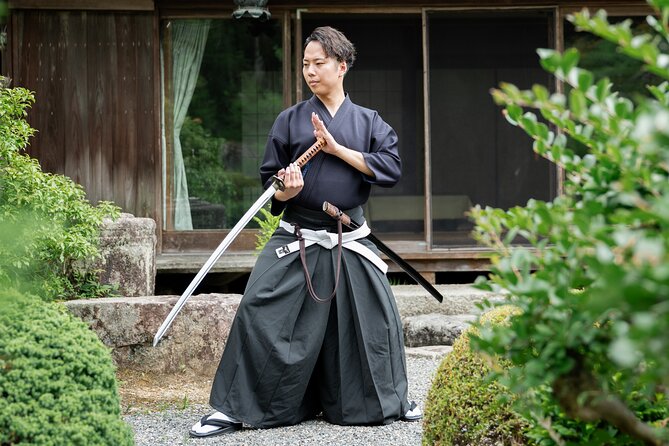
The activity lasts about three hours and starts at 6:30 pm. That makes it an evening commitment, so plan the rest of your day in Kyoto accordingly. You will finish at the same place you started, at 7-chōme-27-1 Honmachi in Higashiyama Ward.
The meeting point is near public transportation, though the exact route and nearest stop are not specified. Check the address before you set out and leave enough time to arrive ready for class. A late arrival could mean missing the opening etiquette and instructions, which are part of the experience.
The session asks for moderate physical fitness. No specific fitness test or exercise routine is given, so you should not assume that the class is either strenuous or effortless. If you have an injury, mobility concern or question about whether you can participate, ask the provider before booking.
Is $45.61 good value?
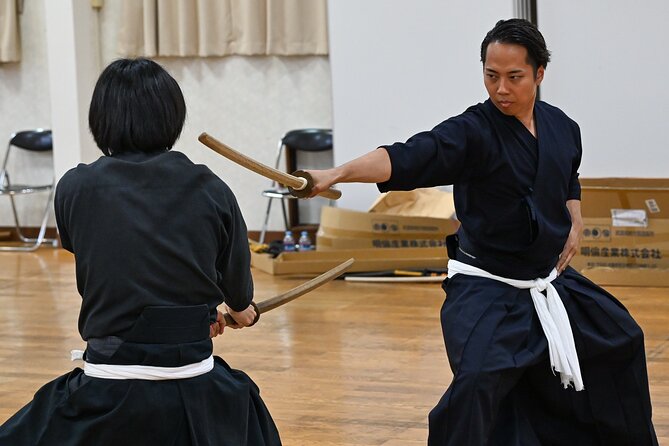
At $45.61 per person for roughly three hours, the price works out to about $15 an hour. The value is not in a long list of attractions or a souvenir photo. You are paying for access to a small-group training session, instruction from Shogo and the chance to practise alongside members of a traditional dojo.
That is a fair proposition if you already have a connection to martial arts, or if the chance to experience a real class is more appealing than a polished tourist activity. The small cap of four participants is useful: you are less likely to feel lost in a crowd, and the instructor can pay attention to individual needs.
The price is less compelling if you want a one-off samurai costume experience, a staged sword fight or a no-experience-required activity. This is a specialised class with an entry expectation. You should decide based on whether you are ready to participate, not just whether the price seems modest.
Who will get the most from this class
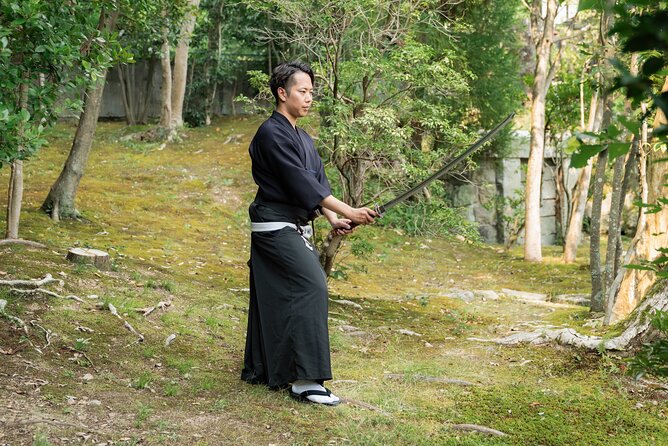
This experience best suits someone who has already practised budo or another martial art and wants to see how a classical Japanese school trains. If you have studied iaido, kenjutsu or related arts, you may find the dojo setting and instruction especially meaningful. Shogo’s willingness to adapt guidance to a participant’s level is useful for people who are experienced but new to this specific tradition.
It can also suit a serious beginner who is willing to ask first, take instruction carefully and accept that attendance is not guaranteed. The provider invites people with no prior experience to get in touch for a consultation, so do that before you book. Enthusiasm is welcome, but it does not replace the dojo’s judgement about fit.
If your interest is mainly in samurai history, this session offers a physical way to connect with the subject. Just keep expectations grounded: the class is about practising fundamentals, not reenacting a battle or touring a museum. You will learn by doing, and you will be sharing the room with people who train regularly.
Booking details worth checking
The price is listed at $45.61 per person, and the activity is usually booked about 18 days in advance. That is a useful planning signal, especially if this session is a priority on a short Kyoto visit. The maximum group size is four participants, but the number of regular dojo members attending is not specified.
Confirmation is provided at the time of booking, and the ticket is mobile. The cancellation terms allow a full refund if you cancel at least 24 hours before the start time. Changes or cancellations made less than 24 hours before the activity are not accepted for a refund.
Should you book the Kyoto katana class?
Book this if you want a genuine training session, have some budo experience or have checked with Shogo about joining as a beginner, and are comfortable following dojo etiquette. The combination of a small visiting group, bilingual instruction and practice beside regular students gives the class a stronger sense of purpose than a quick sword-themed stop.
Skip it if you want a relaxed, no-prerequisite tourist activity or mainly want to watch sword techniques. The best next step for anyone uncertain is to contact the provider before booking, explain your experience level and ask whether the class is a good fit. For the right participant, this is a memorable way to meet Kyoto through the discipline of its martial arts, one careful movement at a time.
FAQ
How long is the training session?
It lasts approximately three hours.
What time does the class start?
The listed start time is 6:30 pm.
Where does the activity meet?
It meets at 7-chōme-27-1 Honmachi, Higashiyama Ward, Kyoto, 605-0981, Japan.
Does the activity return to the meeting point?
Yes. It ends back at the meeting point.
What martial arts will I practise?
The session includes reihō etiquette, iaijutsu, or sword drawing, and kenjutsu, or swordsmanship.
What kind of sword is used?
The training uses a bokutō, which is a wooden katana.
Do I need prior martial arts experience?
The dojo generally does not accept participants with no prior budo experience. If you are new but eager to join, contact the provider for a consultation.
Who leads the training?
Shogo leads the session with regular members of the Kyoto branch of Asayama Ichiden Ryu Hyōhō.
How many participants can book?
The activity has a maximum of four travelers.
Is free cancellation available?
Yes. You can cancel at least 24 hours before the start time for a full refund. Cancellations or changes made less than 24 hours before the start time are not accepted for a refund.
Newly added in Kyoto
- Uji: Private immersion into Kyoto’s tea and reglious culture★ 5.0 · 17 reviews
- Whisk Your Own Matcha: A Zen Matcha Experience at Temple★ 3.6 · 7 reviews
- Kyoto tea town for matcha lovers★ 5.0 · 16 reviews
- Treasures of Kyoto: Gion & historical Walking Tour★ 5.0 · 6 reviews
- Kyoto Matcha Green Tea Tour★ 4.5 · 23 reviews
- Uji and Wazuka Matcha Farm Half Day Private Guided Tour★ 5.0 · 21 reviews
- Uji Tea Ceremony and UNESCO Heritage Walking Tour★ 5.0 · 20 reviews
- Utilising upcycled Matcha! Creating matcha incense (Uji, Kyoto)★ 5.0 · 6 reviews
Kyoto Samurai & Ninja Experiences, compared.
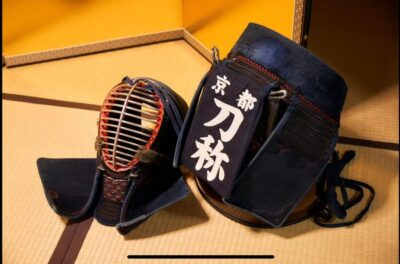
Kendo and Samurai Experience with Uniform and Gear
Read our review →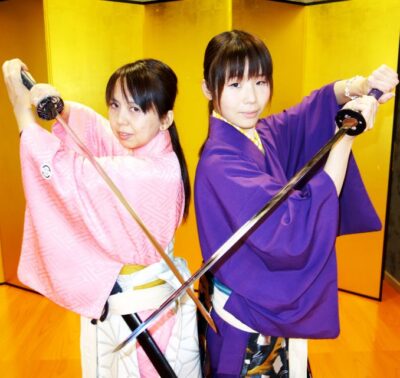
Samurai Sword Class by Experts in Traditional Arts
Read our review →
Skip the lines Basic Ticket at SAMURAI NINJA MUSEUM KYOTO
Read our review →
Ninja 1-hour Hands-on Lesson by Japanese master in Kyoto -Entry
Read our review →
Samurai Training with Modern day Musashi in Kyoto
Read our review →Browse the lists this tour appears in