
Reviewed · KYOTO COOKING CLASSES
Kyoto Family Kitchen Cooking Class
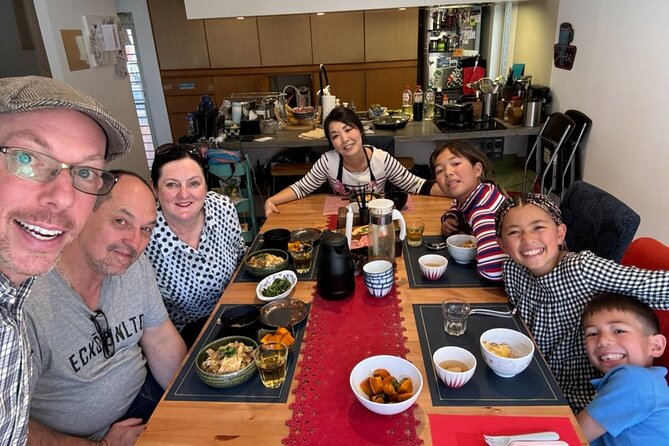
A cooking class in a local home can show you more about everyday Kyoto than another restaurant meal. At Kyoto Family Kitchen, you join Anthony and Naomi and their children for dinner, helping prepare familiar Japanese dishes before sitting down to eat together. The family’s cat and dog are part of the household, too.
I like two things about this experience: you learn how basic ingredients such as dashi, soy sauce, mirin, and sake work in home cooking, and you get a personal look at family life beyond Kyoto’s tourist center. It’s a private activity, so the evening belongs to your group rather than a roomful of strangers.
One consideration: this is an informal home cooking session, not necessarily a step-by-step culinary lesson. You may share tasks with the hosts and learn through doing, rather than practice each technique in a structured class. If you want a polished cooking demonstration or a set menu guaranteed in advance, clarify expectations when arranging your visit.
What to Know Before You Book
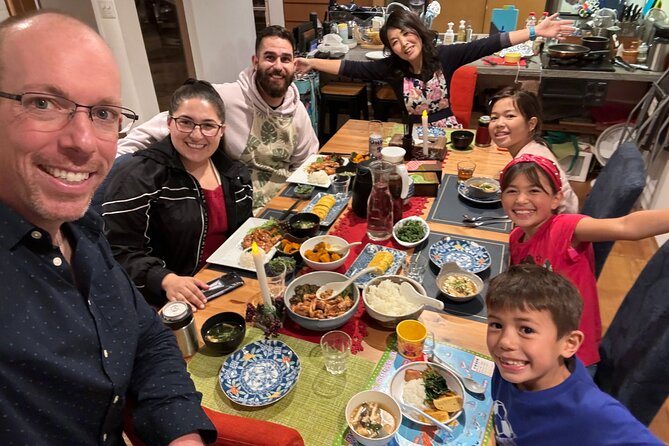
- Dinner is part of the experience: You cook together, then eat the meal at the family table.
- The setting is a real home: Anthony and Naomi host with their children, cat, and dog around.
- You’ll cover everyday Japanese staples: Expect to talk about dashi, soy sauce, mirin, and sake.
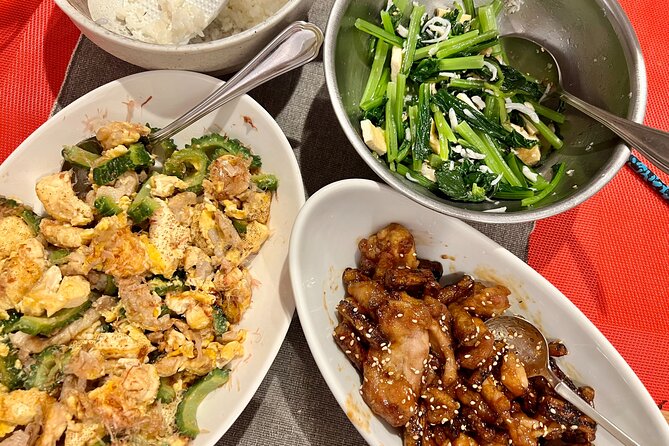
- The menu is arranged with the host: Dishes from past sessions have included gyoza, tamago yaki, okonomiyaki, and teriyaki chicken.
- It’s a private, 2.5-hour activity: The stated price is $96.84 per person, with a two-person minimum.
- Plan for an evening outside central Kyoto: The meeting address is in Sakyo Ward, and transportation to Kokusaikaikan subway station is included.
A Home-Cooked Welcome in Suburban Kyoto
The evening begins at a family home at 33-50 Kamitakano Saimyōjiyama in Sakyo Ward, outside Kyoto’s city center. The hosts describe their place as a home on a hill, and the change of scene is part of the point. You’re not entering a restaurant or a demonstration kitchen. You’re stepping into a household where children and pets may come and go while dinner takes shape.
The planned visit starts with tea and a chance to talk about your trip. Food comes into the conversation, then Anthony and Naomi preview the dishes you’ll prepare. That welcome matters: it gives you time to settle in before the practical business of chopping and mixing begins.
The atmosphere is meant to be relaxed and sociable. Past meals have included groups with children and older relatives, as well as couples and small groups of friends. Children can join in, and the hosts’ children may play with them. That can make the evening easier for families, though a lively household is not the same as a quiet, tightly managed classroom.
The activity is private, so only your party takes part. That gives you room to ask questions and spend time talking with the family. It also means the evening’s rhythm can feel personal rather than standardized. If you’re hoping for a formal lesson with every minute planned, this loose style may not suit you.
More cooking classes in Kyoto:
- Ramen Cooking Class at Ramen Factory in Kyoto
★ 5.0 · 1,937 reviews - Sushi Making in Kyoto! Same-day bookings welcome!
★ 5.0 · 713 reviews - Kyoto: Ramen Cooking Class at a Ramen Factory with Souvenir
★ 4.9 · 532 reviews
Cooking Japanese Food for an Everyday Meal
Once the conversation turns to dinner, you put on aprons and gather around the kitchen counter to prepare the meal. You’ll slice, dice, and mix, with the hosts guiding the work. The focus is on dishes that Japanese families might cook on an ordinary night, not on elaborate restaurant techniques.
The ingredients offer a useful introduction to the foundations of Japanese home cooking. Dashi is a savory stock used in many dishes; soy sauce, mirin, and sake help build flavor in sauces and seasonings. The class is a chance to learn how these staples fit together, then see them in use while you cook.
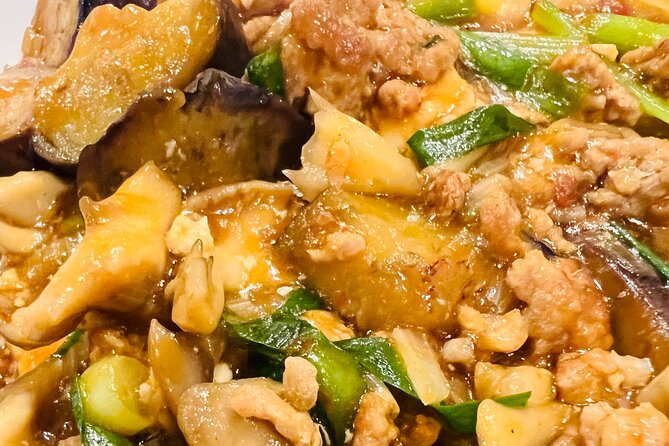
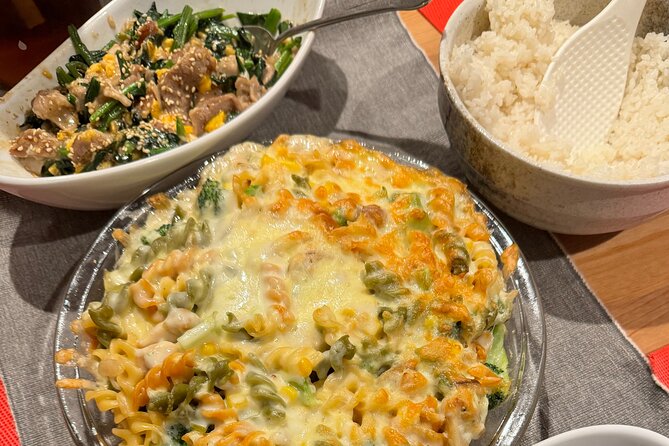
The exact menu is finalized with the hosts after booking. Past dishes have included gyoza, tamago yaki (Japanese rolled omelet), and okonomiyaki, as well as sautéed vegetables and teriyaki chicken. These examples give you a sense of the range, but don’t treat them as a fixed promise. Ask which dishes are planned for your visit.
That flexibility can be a real advantage if your group has dietary needs. A vegetarian guest has been accommodated with plenty to eat, and the hosts are described as willing to discuss food requirements. Still, tell them about restrictions when you arrange the menu. The available information does not guarantee that every request can be met.
There is also a useful distinction between cooking together and cooking every component from scratch. Hosts may prepare some parts before you arrive, so you can have time to cook, talk, and eat within the 2.5-hour visit. One past guest felt the class involved helping the host family more than receiving formal instruction. I’d keep that in mind if your main aim is to master recipes or techniques.
Dinner, Conversation, and the Family Table
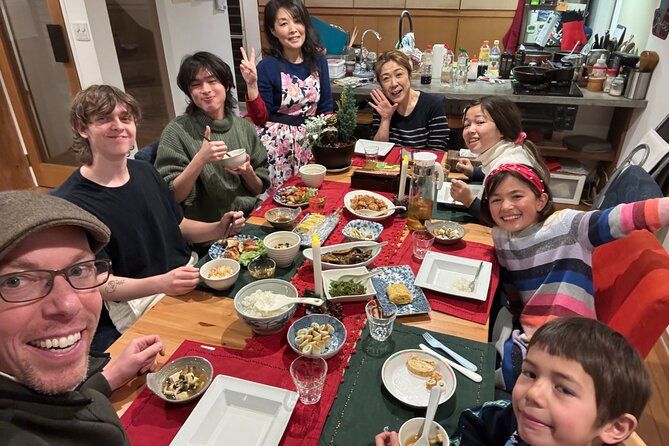
After cooking, everyone gathers for dinner. This is where the experience shifts from a class into a shared meal. You eat the food you helped prepare, talk with the family, and get a glimpse of the small exchanges that make a meal at home different from dining out.
The meal is included in the price, as are coffee or tea. Alcoholic drinks are not included. The hosts speak English, which makes it easier to ask about ingredients and cooking methods, or simply talk about daily life in Kyoto. Some past visitors have also picked up useful Japanese phrases during the conversation.
The best reason to book may be the human side of the evening. You’re not just learning how to season a dish; you’re spending time with a local family in their own home. For a child, meeting the hosts’ children and pets may be as memorable as making dinner. For adults, the conversation can bring a personal scale to a city often experienced through temples, shops, and busy streets.
That personal setting also asks something of you. You should be comfortable entering a family home, sharing a counter, and talking with your hosts. If you prefer a quiet, highly structured class focused mainly on cooking skills, a studio-based option may be a better fit.
What the $96.84 Price Includes

At $96.84 per person, this is more than a cooking lesson with a take-home recipe. Your price covers a private experience, an English-speaking instructor, dinner, tea or coffee, cooking ingredients and seasonings, and all fees and taxes. Transportation to Kokusaikaikan subway station is also included.
The value depends on what you want from an evening in Kyoto. If you measure a class by the number of techniques demonstrated, you may find the session less formal than expected. If you value a home-cooked meal, conversation, and a chance to spend time with a local family, the price buys a broader experience than a standard group lesson.
The two-person minimum means you can’t book as a party of one. Since it’s private, the experience is best considered as a shared activity for your own group. The average booking lead time is 43 days, so it’s sensible to plan ahead, especially if your Kyoto dates are fixed.
More Kyoto tours in Kyoto:
- PERFECT KYOTO 1-Day Bus Tour
★ 5.0 · 13,518 reviews - Kyoto: Fushimi Inari, Kinkakuji, Bamboo Grove 1 Day Bus Tour
★ 4.8 · 4,316 reviews - Kyoto: Tea Ceremony in a Traditional Tea House in Kiyomizu
★ 4.9 · 3,519 reviews - Kyoto Geisha Walking Tour: Gion District & Hidden Gems
★ 4.7 · 3,273 reviews
Timing, Location, and Practical Details
The stated schedule is Monday through Friday from 6:00 to 8:30 p.m. The meeting and ending point are the same, at 33-50 Kamitakano Saimyōjiyama, Sakyo Ward, Kyoto. The home is outside the city center, so include the journey in your evening plans rather than assuming it’s a quick walk from central sights.
Transportation to Kokusaikaikan subway station is included, but the precise arrangement is not spelled out. After booking, confirm the meeting time, menu, and directions with Anthony. The hosts specifically ask to work out those details with you, which is useful for a home visit in a residential area.
The ticket is mobile, and confirmation is received at booking. Service animals are allowed. Free cancellation is available up to 24 hours before the start time; cancellations or changes made later are not accepted. Those are practical details worth checking before you commit, especially if your plans are still moving around.
Is Kyoto Family Kitchen Right for You?
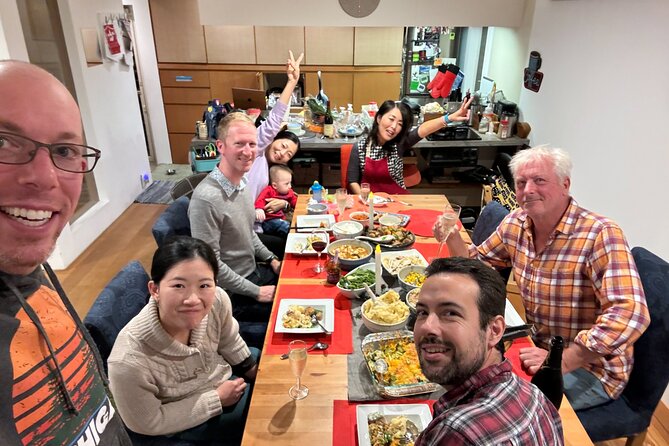
I’d choose this experience if you want a personal evening, not just a cooking demonstration. It suits families with children, couples, and small groups who enjoy sharing food and conversation. The relaxed setting, flexible menu planning, and chance to meet Anthony, Naomi, and their family are its strongest draws.
I’d look elsewhere if you want a formal lesson with a fixed menu, detailed technique training, or a quiet adult-only setting. The cooking is hands-on, but the heart of the evening is sharing a meal in a family home. If that sounds like the kind of Kyoto memory you’re after, book ahead and discuss your menu and dietary needs with the hosts.
FAQ
How long does the Kyoto Family Kitchen class last?
The experience lasts approximately 2 hours and 30 minutes.
What is the price?
The stated price is $96.84 per person. A minimum of two guests is required.
What food and drinks are included?
Dinner, coffee or tea, cooking ingredients, and seasonings are included. Alcoholic beverages are not included.
Where does the experience take place?
It takes place at 33-50 Kamitakano Saimyōjiyama, Sakyo Ward, Kyoto, 606-0064, Japan. The activity ends back at the meeting point.
When is the class offered?
The stated opening hours are Monday through Friday, from 6:00 p.m. to 8:30 p.m.
Is the class private?
Yes. Only your group participates.
Can dietary requirements be accommodated?
The hosts arrange the menu with you after booking. Vegetarian food has been accommodated for a past group, but contact the hosts about your specific requirements.
What is the cancellation policy?
You can cancel at least 24 hours before the start time for a full refund. Cancellations or changes made less than 24 hours before the experience are not accepted.
Newly added in Kyoto
- Uji: Private immersion into Kyoto’s tea and reglious culture★ 5.0 · 17 reviews
- Whisk Your Own Matcha: A Zen Matcha Experience at Temple★ 3.6 · 7 reviews
- Kyoto tea town for matcha lovers★ 5.0 · 16 reviews
- Treasures of Kyoto: Gion & historical Walking Tour★ 5.0 · 6 reviews
- Kyoto Matcha Green Tea Tour★ 4.5 · 23 reviews
- Uji and Wazuka Matcha Farm Half Day Private Guided Tour★ 5.0 · 21 reviews
- Slow Cycling Tour at Uji’s Matcha Green Tea Fields and Heritage★ 5.0 · 25 reviews
- Uji Tea Ceremony and UNESCO Heritage Walking Tour★ 5.0 · 20 reviews
Kyoto Cooking Classes, compared.

Ramen Cooking Class at Ramen Factory in Kyoto
Read our review →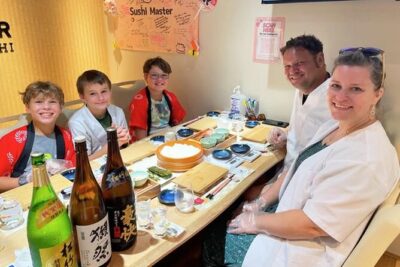
Sushi Making in Kyoto! Same-day bookings welcome!
Read our review →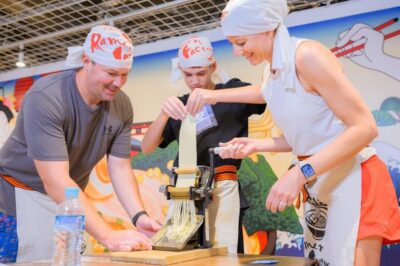
Ramen Cooking Class at a Ramen Factory with Souvenir
Read our review →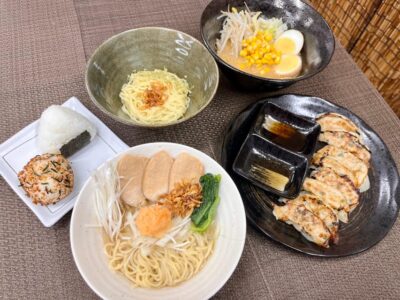
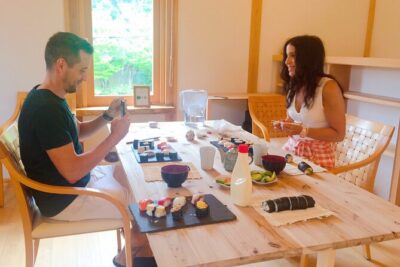
The Original Small-Group Sushi Making Class in Kyoto
Read our review →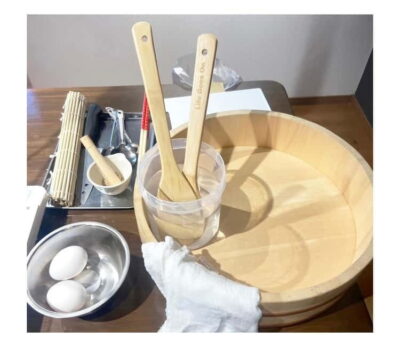
Japanese Washoku Bento Small Group Cooking Class
Read our review →
Japanese Traditional Sweets Making and Tea Ceremony
Read our review →
Kyoto Ramen and Gyoza Cooking Class with Professional Chefs
Read our review →Browse the lists this tour appears in