
Reviewed · KYOTO BUS TOURS
Kyoto Hop-On, Hop-Off Sightseeing Bus Tour
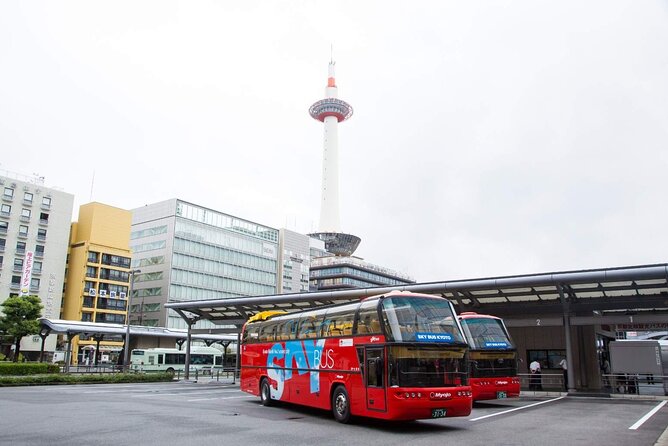
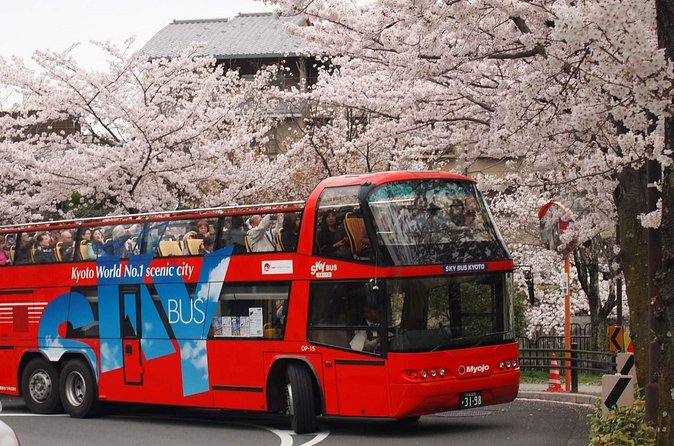
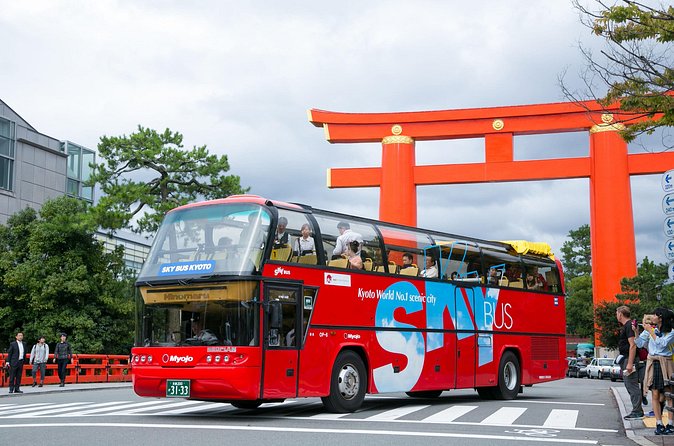
Kyoto’s temples and neighborhoods are spread across a wide area, and the SKY HOP BUS KYOTO gives you a way to connect several of them without planning every leg by train or bus. Its stops range from Kyoto Station and Nishiki Market to Kiyomizu-dera, Gion, and Kinkaku-ji. The open-top double-decker also gives you a higher view of the streets between visits.
I like two things in particular: you can hop on and off as often as you like during your pass, and multilingual audio commentary helps fill in some of the context as you ride. The listed stops cover a useful spread of central Kyoto and major sights, while Wi-Fi, earphones, and a rain poncho are included.
The catch is timing. One rider found buses came about every 50 minutes, which can limit how much you fit into a day if you miss a connection. At $45.56 per person, it’s worth comparing prices with other operators, and checking the route carefully: Fushimi Inari and Arashiyama are mentioned in the tour description but not in the supplied stop lists.
Key points
- Two route sequences cover different corners of Kyoto, from Ginkaku-ji and Gion to Nijo Castle and Kinkaku-ji.
- A pass allows unlimited boarding and exiting at Sky Hop Bus stops within its validity period.
- The bus is described as open-top, with panoramic views and multilingual audio commentary.
- Plan around a reported 50-minute wait between buses, especially if you have a tight sightseeing schedule.
- Not every famous sight is on the listed routes, including Fushimi Inari and Arashiyama.
- One-day and two-day passes are offered, but the supplied price is $45.56 per person.
A useful overview, not a substitute for the city buses
Kyoto is easy to admire and surprisingly demanding to cover. The sights are spread out, and a day built around temples can mean frequent transfers and a fair bit of route planning. A hop-on, hop-off bus trades some of that planning for a fixed set of stops and a simple rule: get off when something appeals, then board again when the next bus comes.
The ticket is offered as a one-day pass or a two-day pass. During that period, you can board and exit as many times as you like at Sky Hop Bus stops. The stated ride duration is about 1 hour and 8 minutes, but that is not the same as the time needed to explore the sights. Once you start hopping off, the day’s pace depends on how long you stay and when the next bus arrives.
The price is $45.56 per person. That may make sense if you use the bus for several journeys and value a direct ride between major sightseeing areas. It is less compelling if you plan to visit only one or two sights, or if you expect a bus to arrive every few minutes. One rider found the buses came about every 50 minutes, so treat the service as a sightseeing circuit with waits, not a rapid shuttle.
More bus tours in Kyoto:
- PERFECT KYOTO 1-Day Bus Tour
★ 5.0 · 13,518 reviews - Kyoto: Fushimi Inari, Kinkakuji, Bamboo Grove 1 Day Bus Tour
★ 4.8 · 4,316 reviews - Kyoto: Hop-on Hop-off Sightseeing Bus Ticket
★ 3.9 · 2,034 reviews
The Kyoto Station route starts with practical landmarks
Kyoto Station is the main starting point in both route sequences. That makes it an easy place to begin if you arrive by rail or are staying nearby, though the station is large. One rider found the boarding point hard to locate in the terminal area, so give yourself time to find the stop rather than arriving at the last moment.
The first sequence goes from Kyoto Station to Karasuma Gojo, then Shijo Karasuma and Nishiki-Ichiba Market. Karasuma Gojo is a useful central stop, while the Nishiki Market area gives you a chance to step into one of Kyoto’s best-known food and shopping districts. The bus gets you close to the area, but the market itself is explored on foot.
From there, the route calls at Kyoto City Hall before heading east to Ginkaku-ji, also known as the Silver Pavilion. That change from central streets to a major temple area is one of the route’s strengths. If you want to see the temple, check how much time you have before getting off: a hop-on pass gives you flexibility, but the wait for the next bus can eat into a tightly packed schedule.
Ginkaku-ji and Okazaki bring a different side of town
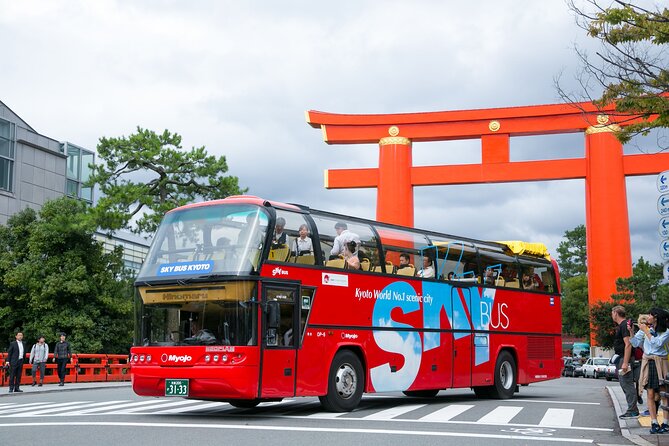
Ginkaku-ji is followed by Heian-jingu Shrine and Okazaki Park. These stops give the eastern side of the route a strong cultural focus, with a major temple and a shrine precinct in the same general stretch of the day. You can choose one as a longer visit and keep moving, or make both a priority if you have a two-day pass.
The route then reaches KOTOWA KYOTO YASAKA, in the Gion area. Gion is a good place to walk rather than simply pass through by bus: streets, shops, and traditional-looking buildings are part of the appeal. The stop gives you a convenient point to explore the neighborhood on foot, but it does not guarantee a particular encounter or performance.
Gojozaka is the stop for Kiyomizu-dera. The temple is among Kyoto’s headline sights, and the stop puts it on the route alongside Gion and the museum area. Expect a visit to involve walking from the bus stop to the attraction and allowing time on site. The bus helps with the broader journey, not the final steps around each complex.
The sequence also includes Sanjusangendo, the Kyoto National Museum, and the Hyatt Regency Kyoto. This is a practical cluster if you want to focus on temples and museums in one part of the city. You will need to choose based on your interests and the time remaining before the next bus.
The northern and western stops add castles and gardens
A second route sequence also begins at Kyoto Station, then stops at Nishi Hongan-ji Temple. The temple is a worthwhile contrast to the better-known eastern sights, and its location makes it an early option if you want to begin with a religious site close to the station.
Next comes Nijo-jo Castle, a major historical stop in central Kyoto. The route then continues to Kitano-tenmangu Shrine and Kamishichiken. That pairing offers a change of pace from castle grounds to a shrine area and a historic neighborhood. If these are priorities, check the bus timing before getting off so you know how long your stop may keep you waiting.
Kinkaku-ji, the Golden Pavilion, is another key stop. It is one of Kyoto’s most recognizable sights, and having a bus stop on the route can simplify the trip across town. The stop list also includes Daitoku-ji Temple, followed by Kyoto Imperial Palace and Doshisha University, before returning to Shijo Karasuma and Nishiki Market.
This northern and western sequence helps make the pass useful for more than a quick tour of central Kyoto. Still, the route should not be mistaken for a door-to-door service to every major attraction. Fushimi Inari Shrine and Arashiyama are named in the general tour description, but neither appears in the supplied stop lists. If either is central to your plans, confirm the current route before buying rather than assuming the bus goes there.
More Kyoto tours in Kyoto:
- Kyoto: Tea Ceremony in a Traditional Tea House in Kiyomizu
★ 4.9 · 3,519 reviews - Kyoto Geisha Walking Tour: Gion District & Hidden Gems
★ 4.7 · 3,273 reviews - Kyoto: Tea Ceremony Ju-An at Jotokuji Temple
★ 4.9 · 3,207 reviews - Kyoto: Gion Magical Night Walking Tour with Geisha Trivia
★ 4.9 · 2,393 reviews
The views and commentary are part of the ride
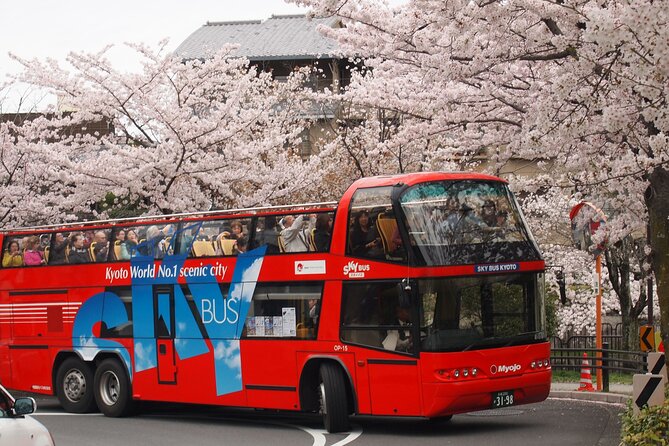
The bus is described as an open-top double-decker, so the ride itself can be a pleasant way to get a broad view of Kyoto between stops. From above street level, you can watch the city change as the route moves between central shopping streets, temple districts, and major landmarks. The experience is as much about getting oriented as it is about transportation.
A multilingual audio guide, earphones, and onboard Wi-Fi are included. The commentary can add context during the ride, while Wi-Fi is handy for checking your plans between stops. No individual guide names are provided, so expect recorded audio rather than a named live guide leading the tour.
Weather matters on an open-top bus. A poncho is included in case of rain, and poor weather can lead to cancellation, with a different date or full refund offered in that situation. One rider also found the bus very hot on a summer day and wished water were available. Bring your own water, particularly in warm weather, and do not count on refreshments being provided.
All seats are unreserved. That means you cannot rely on a particular seat being held for you, and getting on at a busy stop may affect where you sit. The tour information says most people can participate, and children under five can ride free if seated on a parent or guardian’s lap.
Is the ticket good value for your Kyoto plans?
At $45.56 per person, this is not an automatic bargain. The value depends on how much of the route you use, how often you get off, and how much you care about a sightseeing ride with commentary. A one-day pass could work well if you plan several stops across different parts of the city. A two-day pass may suit a slower itinerary, although the supplied information does not give a separate price for that option.
The main value is convenience. You can connect named sights without arranging each bus or train leg yourself, and the open-top ride gives the journey a sightseeing quality. The main cost is time: a reported wait of about 50 minutes can turn a missed connection into a long pause. Build in room for delays and avoid trying to squeeze too many stops into a single day.
There is also a price-comparison question. One rider felt Viator charged significantly more than other operators. The experience is sold through Trevopedia Wonders, and the stated price here is $45.56, but check comparable options before paying. Compare what each ticket covers, including its validity period and route stops, rather than looking only at the headline price.
The ticket is non-refundable and cannot be changed, except that poor-weather cancellation brings an offer of another date or a full refund. That makes it especially important to confirm your travel dates and route needs before booking.
Should you book the Kyoto hop-on bus?
I would consider this bus if you want a simple way to connect several listed sights, enjoy the view from an open-top double-decker, and can keep your schedule flexible. It is a better fit for a broad overview than for a tightly timed day of temple visits. The two route sequences include plenty of useful stops, but a roughly 50-minute interval can make spontaneity slower than you might expect.
Before you book, check that the stops match your priorities, particularly if you have your heart set on Fushimi Inari or Arashiyama. Compare the price with other operators, bring water in hot weather, and allow extra time to find the Kyoto Station boarding point. If those conditions suit your plans, the bus can be a comfortable way to get your bearings and cover ground. If you need frequent departures or precise timing, Kyoto’s other transport options may serve you better.
FAQ
How long is the tour?
The approximate duration is 1 hour and 8 minutes. Your total sightseeing time will be longer if you hop off at stops.
Can I get on and off more than once?
Yes. You can hop on and off as many times as you like at Sky Hop Bus stops during the validity of your ticket.
Is a one-day pass available?
Yes. A one-day pass is included, and a two-day pass is offered if selected.
Which Kyoto sights are on the routes?
Listed stops include Ginkaku-ji, Heian-jingu Shrine, Gion, Kiyomizu-dera, Sanjusangendo, Nishi Hongan-ji, Nijo-jo Castle, Kitano-tenmangu Shrine, Kinkaku-ji, Daitoku-ji, and Kyoto Imperial Palace.
Does the listed route include Fushimi Inari or Arashiyama?
Neither appears in the supplied stop lists. Check the current route before booking if either is a priority.
Is audio commentary included?
Yes. A multilingual audio guide and earphones are included.
Does the bus have Wi-Fi?
Yes. Onboard Wi-Fi is listed as an included feature.
Are seats reserved?
No. All seats on the bus are unreserved.
Can children under five ride for free?
Yes. Children under five can ride free when seated on a parent or guardian’s lap.
What happens if poor weather cancels the tour?
You will be offered a different date or a full refund if the experience is canceled due to poor weather.
Newly added in Kyoto
- Uji: Private immersion into Kyoto’s tea and reglious culture★ 5.0 · 17 reviews
- Whisk Your Own Matcha: A Zen Matcha Experience at Temple★ 3.6 · 7 reviews
- Kyoto tea town for matcha lovers★ 5.0 · 16 reviews
- Treasures of Kyoto: Gion & historical Walking Tour★ 5.0 · 6 reviews
- Kyoto Matcha Green Tea Tour★ 4.5 · 23 reviews
- Uji and Wazuka Matcha Farm Half Day Private Guided Tour★ 5.0 · 21 reviews
- Uji Tea Ceremony and UNESCO Heritage Walking Tour★ 5.0 · 20 reviews
- Utilising upcycled Matcha! Creating matcha incense (Uji, Kyoto)★ 5.0 · 6 reviews
Kyoto Bus Tours, compared.


Fushimi Inari, Kinkakuji, Bamboo Grove 1 Day Bus Tour
Read our review →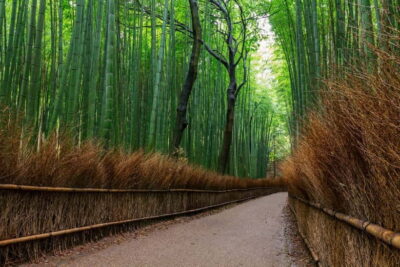
Nara, Fushimi Inari Taisha, Arashiyama Bus Tour
Read our review →
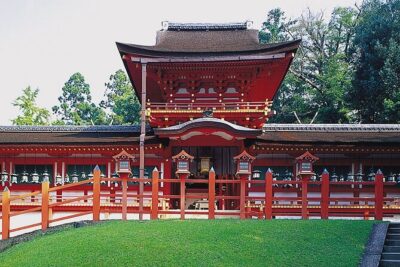
Nara History Guided Half Day Bus Tour with Lunch
Read our review →
Perfect Nara Park Half-Day Bus Tour with English Speaking Guide
Read our review →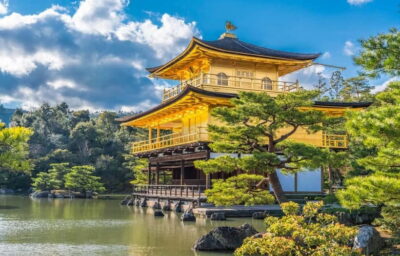

Amanohashidate & Miyama 1-Day Bus Tour: From Osaka/Kyoto w/ Lunch
Read our review →Browse the lists this tour appears in