
Reviewed · KYOTO TEA CEREMONIES
Tea Ceremony Experience in Kyoto
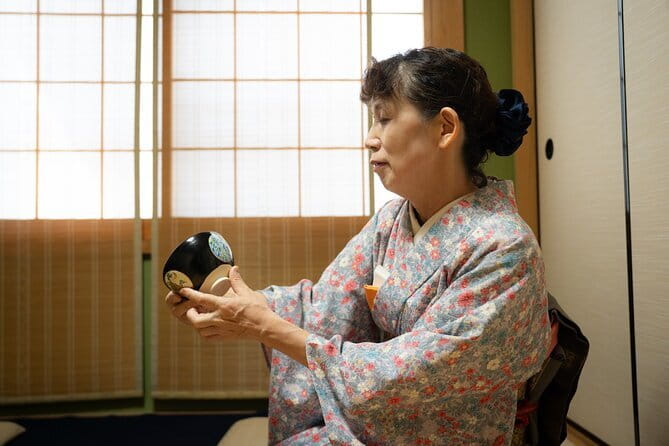
A Kyoto tea ceremony is not just a cup of matcha. It is a lesson in attention: how the tea is prepared, how the bowl is handled, and how small actions express respect. At this one-hour session, teacher Chisato guides you through the tradition and lets you try whisking matcha yourself if you wish.
I like two things in particular: the chance to make your own tea turns a cultural introduction into a hands-on lesson, and the small group limit of six gives the experience room to feel personal. A possible drawback is that the setting is not wheelchair accessible, so check that detail before booking if it affects your plans.
- Chisato brings more than 30 years of tea ceremony experience.
- You can learn to whisk matcha yourself, with no prior experience needed.
- Matcha and wagashi, a Japanese traditional sweet, are included.
- The group is limited to six people.
- The location is about a 15-minute walk from Demachiyanagi Station and Kamogawa Delta.
- The session lasts about one hour and is not wheelchair accessible.
A one-hour introduction to Kyoto tea
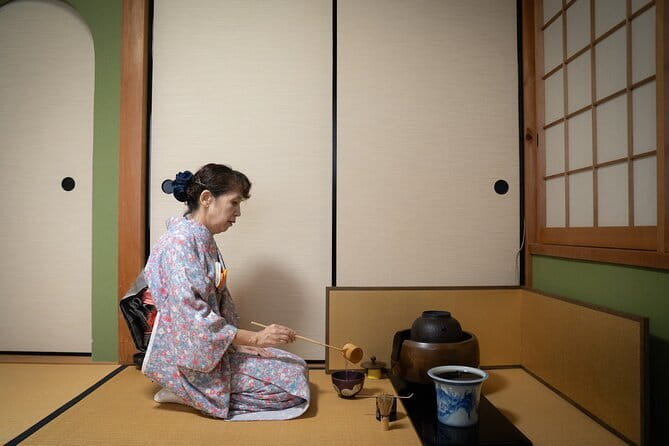
Tea ceremony can seem formal from the outside, with rules and gestures that are easy to worry about getting wrong. This session is designed to make the tradition approachable, whether you are new to matcha or already know a little about tea.
Chisato, the host and teacher, has more than 30 years of experience. Her focus is not simply on showing you a sequence of movements. She explains how the preparation reflects respect and mindfulness, and why being present matters as much as getting each step right.
That makes this a useful choice if you want more than a quick taste of matcha but do not want a long, highly formal ceremony. The hour gives you time to watch, ask questions, and take part without needing to arrive with any background knowledge.
The experience is conducted in English. If you have a detailed question, keep it clear and simple so it is easy to follow. That practical tip can make the conversation smoother, especially when the subject involves subtle ideas or specific gestures.
What happens during the ceremony
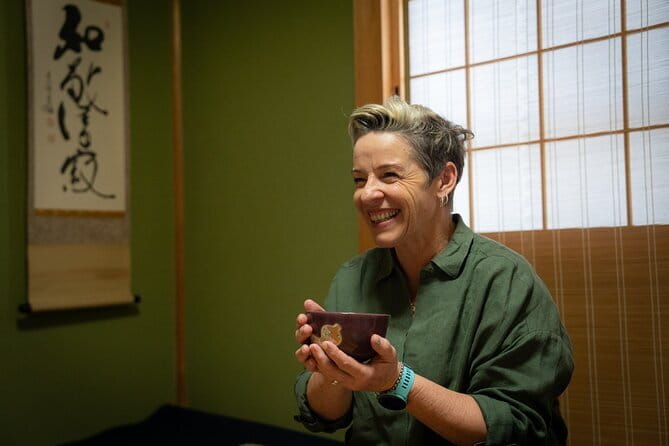
Expect the session to center on the preparation of matcha and the customs around it. Chisato introduces the ceremony, demonstrates how the powdered tea is whisked, and explains the movements and care that shape the ritual.
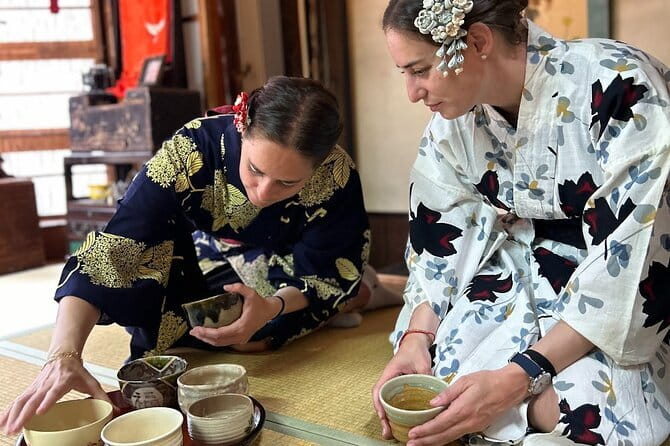
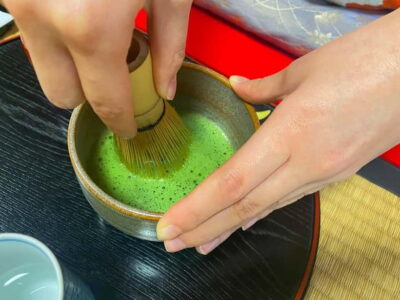
You are invited to make your own tea if you wish. That option matters: watching a ceremony can be lovely, but handling the whisk helps you understand the patience and intention involved. You do not need to get every movement perfect. The aim is to learn, not to pass a tea-making exam.
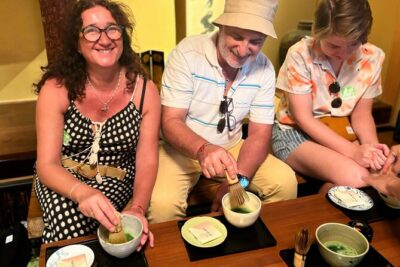
Matcha and wagashi are included. The sweet offers a traditional accompaniment to the tea, and the pairing gives you a taste of how the ceremony is experienced rather than treating matcha as an isolated drink. If you enjoy Japanese sweets, this is a small but worthwhile part of the hour.
The session is meant to feel welcoming, not intimidating. You can arrive as a beginner, follow the teacher’s lead, and take part at your own pace. Families with small children may find the gentle format appealing: Chisato has been described as accommodating to young children, though you should still consider whether your child will enjoy a quiet, focused activity.
More tea ceremonies in Kyoto:
- Kyoto: Tea Ceremony in a Traditional Tea House in Kiyomizu
★ 4.9 · 3,519 reviews - Kyoto: Tea Ceremony Ju-An at Jotokuji Temple
★ 4.9 · 3,207 reviews - Kyoto: 45-Minute Tea Ceremony Lesson Experience
★ 4.3 · 2,378 reviews
The value of making your own matcha
The hands-on part is the main reason I would choose this experience over simply ordering matcha at a café. A prepared bowl lets you taste the result; making it yourself gives you a better sense of the care behind it.
You will learn to whisk powdered tea and notice how even a simple action has a place in the ceremony. The exact movements matter, but the larger lesson is about slowing down and paying attention. That idea can stay with you after the bowl is empty.
The activity does not require prior familiarity with tea ceremony. If you already know a little, you can still use the session to ask questions and see the preparation up close. If you are new, the teacher’s explanations help make the ritual understandable without asking you to memorize a long list of rules.
One reasonable expectation to set: this is a short introduction, not a full course in tea ceremony. In about an hour, you can learn key ideas and try the matcha-making process, but there is not time to master every custom. That is part of the appeal for visitors fitting several activities into a Kyoto day.
A small group and a personal teaching style
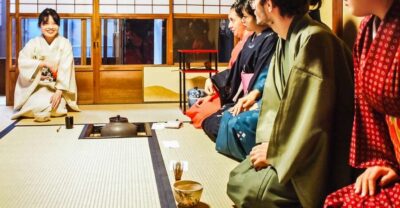
The maximum group size is six. That is a practical advantage for an activity built around demonstration and participation. You are less likely to feel lost in a crowd, and the teacher has more room to guide the group through the preparation.
Chisato is described as kind and patient, and her long experience gives the session a strong human center. The ceremony is not only about watching a polished performance. You meet a teacher who can explain what she is doing and help make the tradition feel accessible.
The tone is relaxed, but tea ceremony still asks for a little attention. If you arrive expecting a lively show or constant entertainment, the quiet pace may feel restrained. If you enjoy learning through observation and careful practice, that calm is the point.
Near Kamogawa Delta and Demachiyanagi Station
The meeting point is Tea Ceremony Experience Chisato at 67-23 Shimogamo Matsunokichō, Sakyo Ward, Kyoto. The activity ends back at the same place, so you will not need to arrange a separate return from another part of the city.
The location is about a 15-minute walk from Kamogawa Delta, a riverside spot where locals and visitors enjoy the scenery. You can pair the ceremony with a walk by the river, either before or after, if your schedule allows.
Demachiyanagi Station is also about a 15-minute walk away. It is noted as a starting point for exploring Kibune Shrine and Rurikou Temple, so the tea ceremony can fit into a day built around the area. The stated walking times are helpful for planning, but leave room for your own pace and route.
This is not a ceremony inside a major sightseeing landmark, and that can be a plus if you want a focused activity away from the busiest attractions. The trade-off is that you need to make your way to the meeting address yourself. The experience includes a guide, matcha, and wagashi, but no transport.
More Kyoto tours in Kyoto:
- PERFECT KYOTO 1-Day Bus Tour
★ 5.0 · 13,518 reviews - Kyoto: Fushimi Inari, Kinkakuji, Bamboo Grove 1 Day Bus Tour
★ 4.8 · 4,316 reviews - Kyoto Geisha Walking Tour: Gion District & Hidden Gems
★ 4.7 · 3,273 reviews - Kyoto: Gion Magical Night Walking Tour with Geisha Trivia
★ 4.9 · 2,393 reviews
Is $39.09 a fair price?
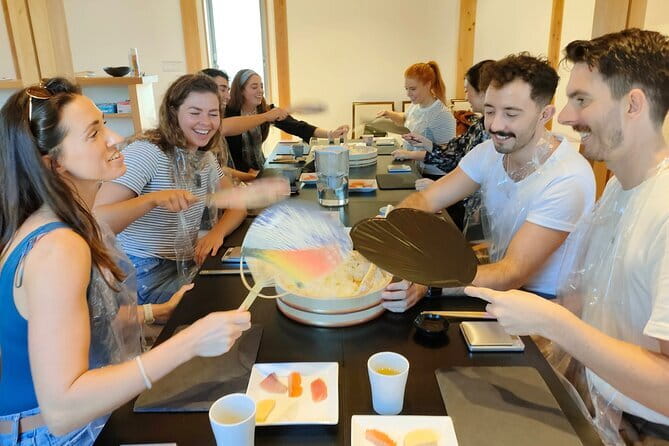
At $39.09 per person, the price buys about an hour with an experienced teacher, an introduction to the ceremony, the chance to prepare matcha, and the tea and wagashi. That is a reasonable package if you value a guided cultural activity and want to take part rather than just observe.
The group cap of six helps the price feel more worthwhile. You are paying for access to a small-scale lesson, not a large group demonstration where your role might be limited to watching from the back.
It is less compelling if you are mainly looking for a quick drink or a photo opportunity. You can find matcha in plenty of places in Kyoto, but that is not the same as learning how to prepare it and hearing why the ritual matters. Consider what you want from the hour: a calm cultural lesson, or simply a break between sightseeing stops.
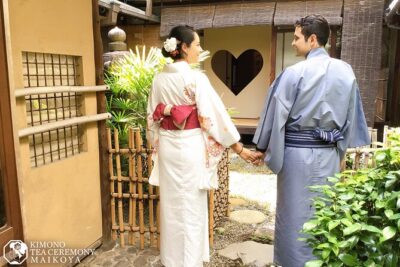
Kimono is not included, and tips are not included. Neither is needed to take part in the activity as described, but it is useful to know what the price covers before you book.
Who will enjoy this experience most
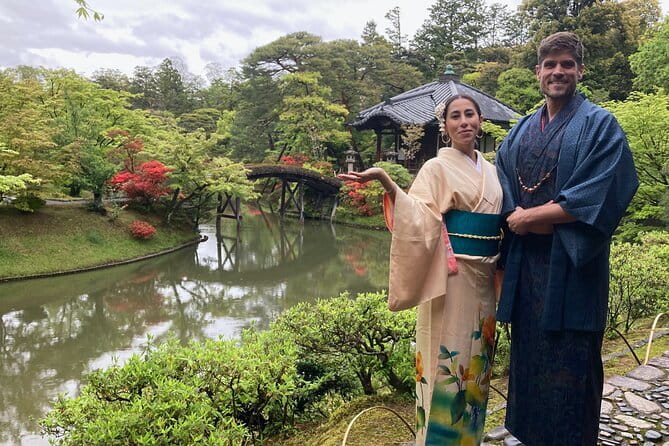
This is a good fit for first-time visitors who want a clear introduction to Japanese tea customs without committing to a long session. It also suits anyone curious about matcha preparation, mindful rituals, or the way everyday actions can carry cultural meaning.
Families may appreciate that the teacher has been accommodating with small children. Still, the activity is quiet and focused, so think about your child’s comfort with sitting and listening before adding it to a family itinerary.
You may prefer a different activity if you need step-free access, since this experience is not wheelchair accessible. The location and format also call for a little advance planning: it is a set meeting-point activity, not a drop-in tea tasting.
Should you book this Kyoto tea ceremony?
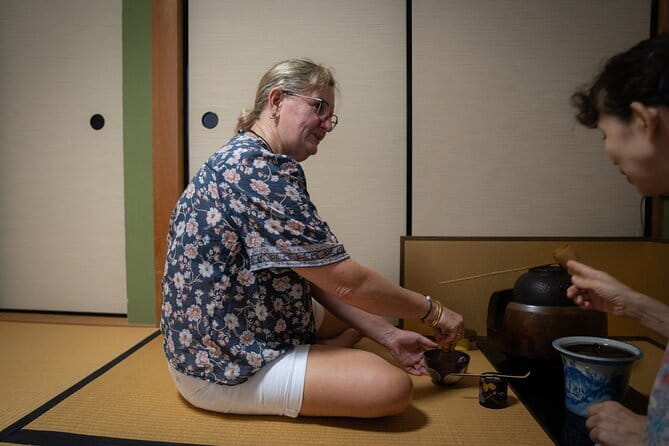
Book it if you want a personal, beginner-friendly lesson with a chance to whisk your own matcha. The combination of Chisato’s long experience, a small group, and included wagashi gives the hour substance beyond a simple tasting.
Skip it if your priority is a highly elaborate ceremony, a long study session, or a wheelchair-accessible venue. For most curious visitors with an hour to spare near Demachiyanagi, it offers a thoughtful pause in a busy Kyoto itinerary and a practical way to understand the care behind a bowl of tea.
FAQ
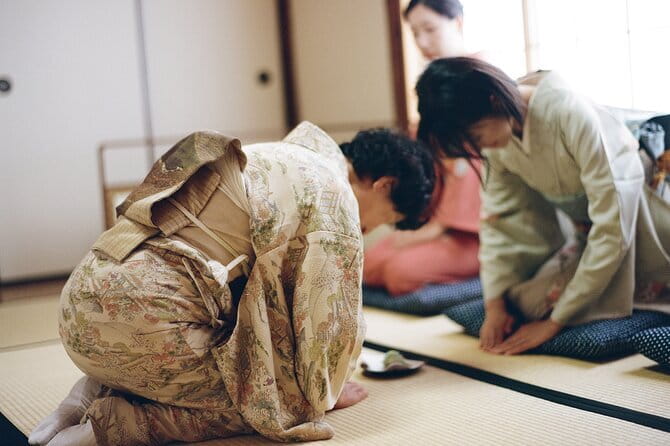
How long does the tea ceremony last?
The experience lasts about one hour.
Can I make matcha myself?
Yes. You can try preparing your own tea, including whisking the powdered matcha, if you wish.
What is included in the price?
Matcha, wagashi (Japanese traditional sweets), and a guide are included.
Is a kimono included?
No. Kimono is not included.
How many people can join?
The maximum group size is six travelers.
Where does the activity meet, and where does it end?
Meet at Tea Ceremony Experience Chisato, 67-23 Shimogamo Matsunokichō, Sakyo Ward, Kyoto. The activity ends back at the meeting point.
Is the experience wheelchair accessible?
No. The experience is not wheelchair accessible.
Can I cancel for a refund?
You can cancel at least 24 hours before the start time for a full refund. Cancellations or changes made less than 24 hours before the start time are not accepted for a refund or change.
Newly added in Kyoto
- Uji: Private immersion into Kyoto’s tea and reglious culture★ 5.0 · 17 reviews
- Whisk Your Own Matcha: A Zen Matcha Experience at Temple★ 3.6 · 7 reviews
- Kyoto tea town for matcha lovers★ 5.0 · 16 reviews
- Treasures of Kyoto: Gion & historical Walking Tour★ 5.0 · 6 reviews
- Kyoto Matcha Green Tea Tour★ 4.5 · 23 reviews
- Uji and Wazuka Matcha Farm Half Day Private Guided Tour★ 5.0 · 21 reviews
- Utilising upcycled Matcha! Creating matcha incense (Uji, Kyoto)★ 5.0 · 6 reviews
- Slow Cycling Tour at Uji’s Matcha Green Tea Fields and Heritage★ 5.0 · 25 reviews
Kyoto Tea Ceremonies, compared.
Tea Ceremony in a Traditional Tea House in Kiyomizu
Read our review →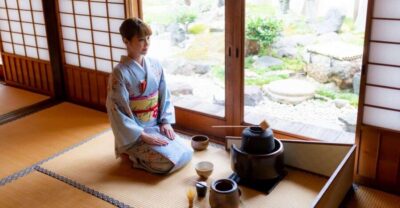
World Heritage Kyoto & Nara Uji Authentic Matcha Experience
Read our review →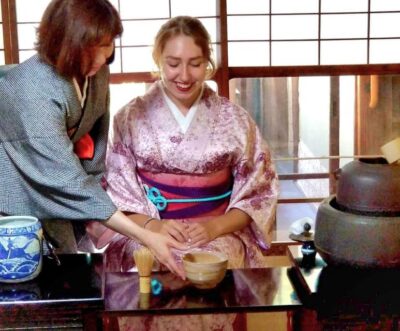
Arashiyama Bamboo Forest, Monkeys, Matcha & Temple Tour
Read our review →
Tea Museum Tickets and Matcha Grinding Experience
Read our review →Browse the lists this tour appears in