
Reviewed · KIYOMIZU-DERA TOURS
Kyoto Tea Ceremony & Kiyomizu-dera Temple Walking Tour
Kiyomizu-dera’s great wooden stage is the headline, but the route there is part of the pleasure. This three-hour walk links a UNESCO World Heritage temple and Otowa Waterfall with Kyoto’s old shopping lanes, then adds a traditional tea ceremony.
I like two things in particular: a group capped at six makes it easier to ask questions, and the guide puts temple customs into context rather than leaving you to puzzle them out alone. The trade-off is that the route includes sloping streets and can feel hot in summer, so bring water and a hat.
What makes this walk worthwhile
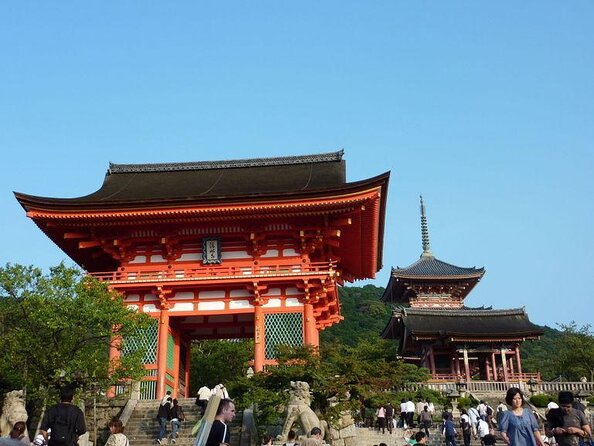
- Kiyomizu-dera’s wooden stage sits 13 meters above the ground, with views toward Kyoto and surrounding cherry and maple trees.
- Otowa Waterfall’s three streams are part of a local worship custom. You choose one stream and drink from a cup attached to a long pole.
- Kiyomizu-zaka and the nearby lanes bring you past traditional shops, sweets, souvenirs, and historic streets on the way to the temple.
- The tea ceremony and matcha offer a quieter cultural experience alongside the walking and sightseeing.
- A maximum of six people keeps the group small, while admission, snacks, photos, and a local guide are included.
- The 9 a.m. start puts the tour on the day’s schedule early, and it returns to the original meeting point after about three hours.
From Yasaka Shrine into Kyoto’s old streets
The meeting point is Yasaka Shrine’s Nishiromon Gate, in Gion. Arrive ready to start at 9 a.m. The tour begins here and ends back at the same point, so you do not need to plan a separate return journey from the final stop.
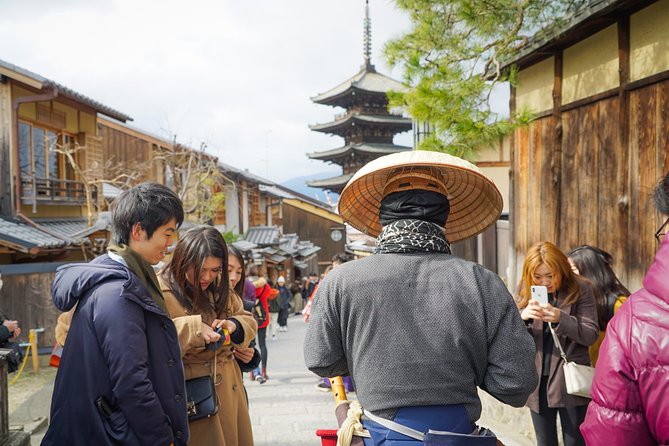
The walk takes you toward Kiyomizu-zaka, a group of traditional-feeling streets leading up to Kiyomizu-dera. Shopfronts include teashops, Japanese sweets shops, and sellers of traditional dried foods. The guide helps you read the place as more than a row of attractive facades: these lanes connect the everyday business of the neighborhood with one of Kyoto’s most visited temples.
You will also visit Yasakakoshindo, described as one of Kyoto’s most colorful temples. It adds a different visual note to the route and gives you another place to pause for photos. The tour includes photos during the walk, a useful extra if you would rather look around than keep reaching for your phone.
The old streets are a key part of the experience, but they are not a quiet village scene. The route passes souvenir shops and busy visitor areas near the temple. That mix is part of the appeal: you get the traditional streetscape, but also see how Kyoto’s heritage sites work as living, visited places.
More Kiyomizu-dera tours in Kyoto:
- Kyoto: Tea Ceremony in a Traditional Tea House in Kiyomizu
★ 4.9 · 3,519 reviews - Kyoto: Nijo Castle, Kiyomizu & Fushimi Inari Guided Tour
★ 4.7 · 700 reviews - Kyoto: Nijo, Kinkaku-ji, Arashiyama, Kiyomizu & Fushimi Inari
★ 5.0 · 699 reviews
Kiyomizu-dera, from the stage to the waterfall
Kiyomizu-dera was built on the site of Otowa Waterfall about 1,200 years ago. Its name refers to the waterfall’s pure water. A guide can explain the site’s history and temple customs as you explore, and you can ask questions instead of relying on a map or trying to piece together signs on your own.
The best-known view comes from the temple’s wooden stage, 13 meters above the ground. From here, you can look across trees toward Kyoto. Cherry trees and maples make the setting especially appealing in their respective seasons, though the view is still the main event at other times of year.
This is a popular temple, so expect other people at the main sights. The small tour group does not make the temple itself private, but it does mean your own group is limited to six. That can make it easier to hear the guide and keep the visit personal.
At Otowa Waterfall, the water divides into three streams, each associated with a different benefit. You choose one and drink from a cup fixed to a long pole, following a Japanese way of worshipping. The custom is simple to understand once explained, but it is more meaningful when you know what you are doing and why.
The waterfall stop also gives you a practical choice: you do not need to drink from all three streams. The experience is built around selecting one. If you are unsure about the custom, this is a good moment to ask the guide.
The Sannenzaka and Ninenzaka approach
The route passes Kiyomizu-zaka, Sannenzaka, and Ninenzaka, historic lanes around the approach to the temple. Kiyomizu-zaka climbs toward the temple gate, with souvenir shops and food sellers along the way. You may see Kyoto specialties such as pickles and yatsuhashi, a local sweet.
Sannenzaka is known for a local legend that falling on the slope brings death within three years, or shortens your life by three years. The story is often treated as a warning to watch your footing. That is sound advice even without the legend: these are sloping streets, and the route includes walking uphill.
The historic setting is not just scenery. The lanes have served as a pilgrimage approach to Kiyomizu-dera, and the shop-lined stretch reflects the steady stream of people making their way to the temple. The route gives you time to notice that transition, from neighborhood streets to a major religious site.
These streets can be crowded, especially around the shops. Keep your pace relaxed, watch for other pedestrians, and allow yourself time to look. The guide is there to lead the route, so you can pay attention to the surroundings rather than constantly checking a map.
A tea ceremony and a slower pace
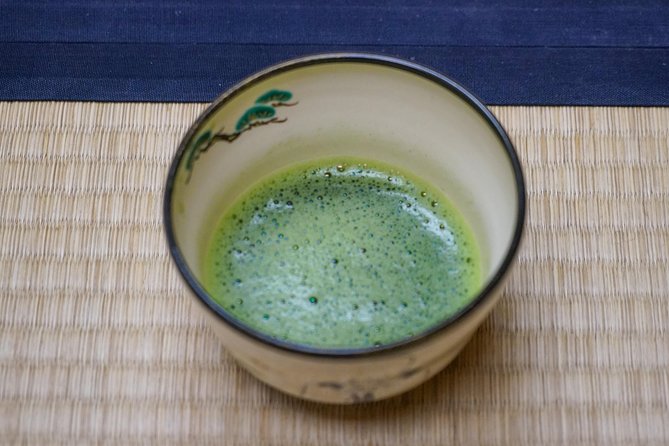
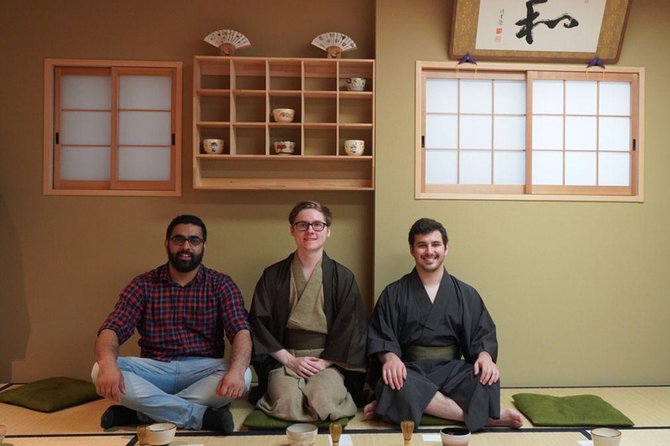
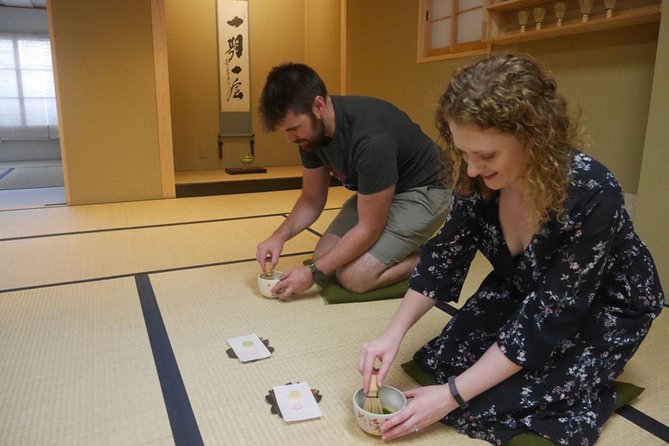
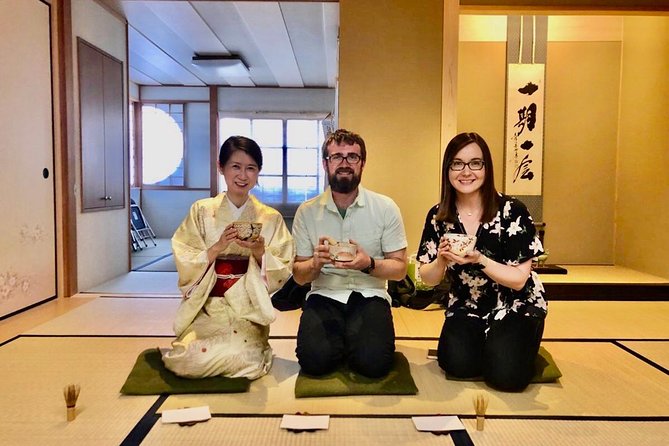
The tea ceremony is the tour’s change of rhythm. After walking through busy streets and temple grounds, you get a chance to sit and focus on the careful movements involved in preparing and serving matcha. The experience includes drinking green tea and snacks.
The ceremony is not simply a drink break. It introduces a formal cultural practice in a way that is easier to appreciate when someone explains what is happening. Past tour experiences name Haruki as a tea host, while Hide is named as a guide. These names may vary, but the accounts point to a friendly, relaxed approach and an opportunity to ask questions.
You should not expect a full meal. A few food samplings and snacks are included, but additional food and drinks cost extra. If you have dietary restrictions or allergies, the operator cannot guarantee allergy-free food or accommodate every request, since the food is prepared in kitchens it does not control. Substitutions may not be possible at every stop.
More tea ceremonies in Kyoto:
- Kyoto: Tea Ceremony Ju-An at Jotokuji Temple
★ 4.9 · 3,207 reviews - Kyoto: 45-Minute Tea Ceremony Lesson Experience
★ 4.3 · 2,378 reviews - World Heritage Kyoto & Nara Uji Authentic Matcha Experience
★ 5.0 · 1,573 reviews - Kyoto: Table-Style Tea Ceremony at a Kyo-Machiya
★ 4.9 · 1,211 reviews
The guide, group size, and value
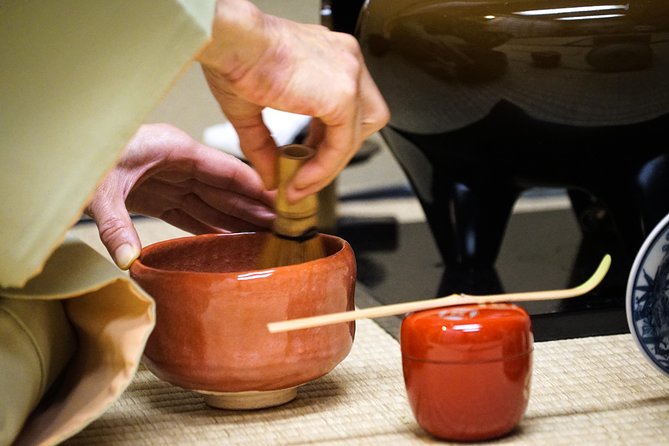
At $109.39 per person, this is not the cheapest way to see Kiyomizu-dera. The value comes from combining temple admission, a local guide for three hours, a tea ceremony, matcha, snacks, and photos in one small-group outing. If you want to visit the temple on your own and skip the ceremony, you can spend less by arranging your own visit. If you want help understanding the route and customs, the added cost has a clearer purpose.
The guide is an important part of the experience. Hide is named in past tour accounts as a guide who discussed both Shinto and Buddhist traditions, temple formalities, and even baseball. That mix suggests a tour that can move from religious context to easy conversation without turning into a lecture. The guide may differ on your date.
The group limit is six, which is small enough to make questions practical. It can also make the walk feel less like following a large tour flag through crowded streets. The group size does not remove the crowds at Kiyomizu-dera, but it can make the guided part more personal.
This tour is booked about 30 days ahead on average. If your Kyoto dates are fixed, planning ahead is sensible, especially if you want this specific morning start. It has free cancellation up to 24 hours before the start time; changes or cancellations inside that window are not accepted for a refund.
Practical details before you book
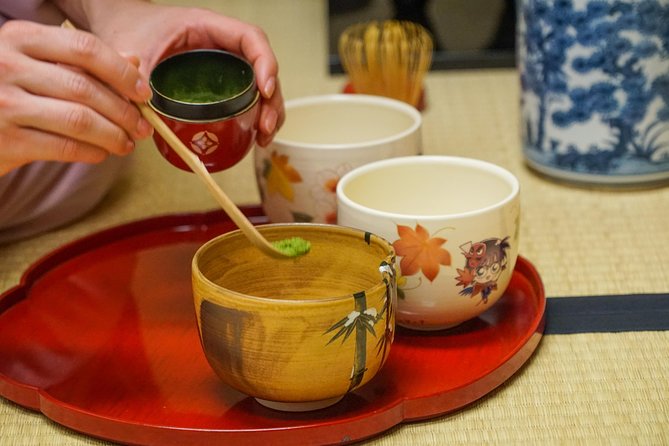
The tour lasts about three hours and starts at 9 a.m. at Yasaka Shrine’s Nishiromon Gate. It returns to the same meeting point. A mobile ticket is provided, and confirmation comes at booking.
Wear comfortable shoes for a walking route that includes slopes and temple grounds. In summer, Kyoto is hot and humid, so bring water and a hat to reduce the risk of heat illness. The tour notes that most people can participate, but children under six are not allowed.
The included snacks are modest, so eat beforehand if you need a substantial breakfast. Also, plan to pay separately for any extra food or drinks. For allergies or dietary needs, contact the operator in advance, but do not count on substitutions being available at each stop.
Who should choose this tour?
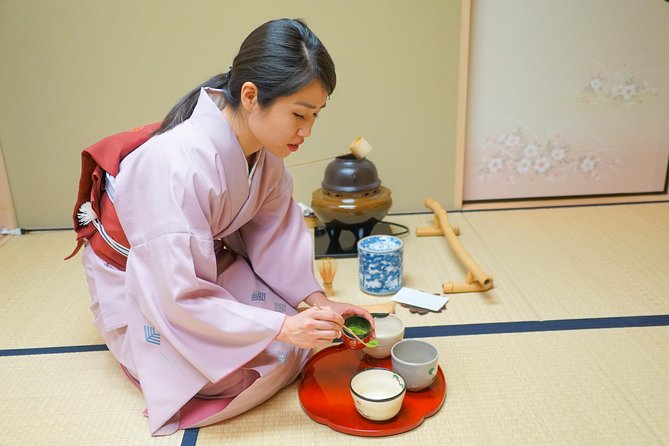
I’d choose this tour if you want an introduction to Kyoto’s eastern temple district without spending the morning navigating on your own. It suits first-time visitors especially well: the walk connects the temple, waterfall, and nearby streets, while the guide can explain the customs that are easy to miss when you are focused on directions.
It also works for anyone who wants a cultural activity beyond sightseeing. The tea ceremony offers a calmer counterpoint to the temple visit, and the group size gives you room to ask questions. If your priority is simply seeing Kiyomizu-dera at your own pace, or you prefer a quiet visit away from popular lanes, an independent visit may suit you better.
At this price, the tour makes most sense when you value the guide and ceremony as much as the temple. If you do, the combination of historic streets, temple views, Otowa Waterfall, and matcha makes a well-rounded morning.
FAQ
Where does the tour start and end?
It starts at Yasaka Shrine’s Nishiromon Gate and ends back at the same meeting point.
What time does the tour start?
The start time is 9 a.m.
How long does the tour last?
It lasts about three hours.
Is Kiyomizu-dera admission included?
Yes. The temple entrance fee is included.
What food and drink are included?
The tour includes matcha, snacks, and a few food samplings. Additional food and drinks are not included.
Can children under six join?
No. Children under six years old are not allowed on this tour.
Can the tour accommodate allergies or dietary restrictions?
The operator cannot guarantee allergy-free food or meet every dietary request. Food is prepared in kitchens outside its control, and substitutions may not be possible at every stop.
More temple and shrine tours in Kyoto
- Arashiyama Bamboo, Temple, Monkeys, or Secret Sake Brewery
★ 4.8 · 886 reviews - Kyoto: Arashiyama Bamboo Forest, Monkeys, Matcha & Temple Tour
★ 5.0 · 759 reviews - Osaka/Kyoto: Arashiyama, Nara & Fushimi Inari Shrine w/Lunch
★ 4.4 · 754 reviews - Kyoto: Imperial Palace & Nijo Castle Guided Walking Tour
★ 4.7 · 453 reviews
More walking tours in Kyoto
- Kyoto Geisha Walking Tour: Gion District & Hidden Gems
★ 4.7 · 3,273 reviews - Kyoto: Gion Magical Night Walking Tour with Geisha Trivia
★ 4.9 · 2,393 reviews - Kyoto: Gion Geisha District Walking Tour – Stories of Geisha
★ 4.7 · 2,187 reviews - Night Walk in Gion: Kyoto’s Geisha District
★ 4.5 · 2,003 reviews
Newly added in Kyoto
- Uji: Private immersion into Kyoto’s tea and reglious culture★ 5.0 · 17 reviews
- Whisk Your Own Matcha: A Zen Matcha Experience at Temple★ 3.6 · 7 reviews
- Kyoto tea town for matcha lovers★ 5.0 · 16 reviews
- Treasures of Kyoto: Gion & historical Walking Tour★ 5.0 · 6 reviews
- Kyoto Matcha Green Tea Tour★ 4.5 · 23 reviews
- Uji and Wazuka Matcha Farm Half Day Private Guided Tour★ 5.0 · 21 reviews
- Uji Tea Ceremony and UNESCO Heritage Walking Tour★ 5.0 · 20 reviews
- Utilising upcycled Matcha! Creating matcha incense (Uji, Kyoto)★ 5.0 · 6 reviews
Kiyomizu-dera Tours, compared.

Tea Ceremony in a Traditional Tea House in Kiyomizu
Read our review →
Nijo Castle, Kiyomizu & Fushimi Inari Guided Tour
Read our review →
Nijo, Kinkaku-ji, Arashiyama, Kiyomizu & Fushimi Inari
Read our review →
Private Rickshaw Tour of Gion and Higashiyama Area
Read our review →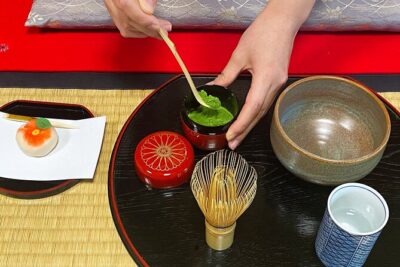
Kyoto Kiyomizu Tea Ceremony with Scenic Garden Views
Read our review →
Kimono/Yukata Rental 5 Minute from Kiyomizu-dera
Read our review →
Kyoto Gion Kiyomizudera Kimono Yukata Hairstyle | Photoshoot
Read our review →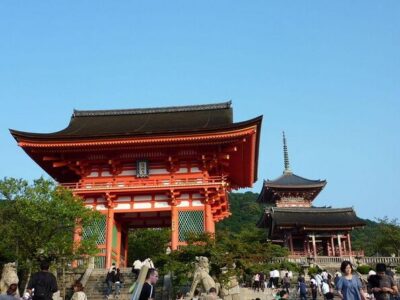
Kiyomizu Temple and Backstreets of Gion, Half Day Group Tour
Read our review →Browse the lists this tour appears in