
Reviewed · KYOTO TEA CEREMONIES
Kyoto: Quiet and Graceful Tea Ceremony
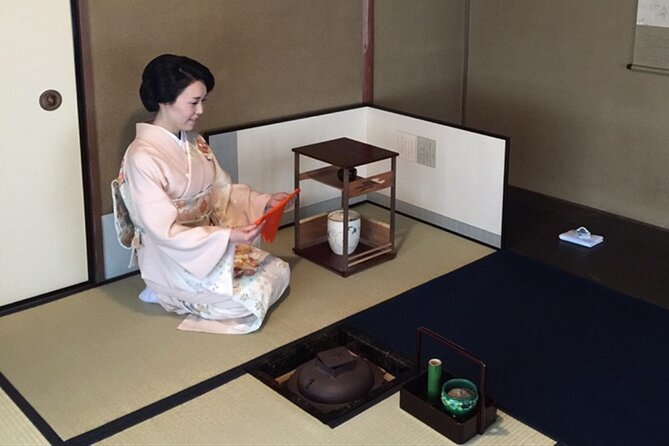
Kyoto’s tea ceremony is not a show built around grand gestures. Its appeal is in the small ones: the careful handling of a bowl, the measured preparation of matcha, and the hush that settles while the tea is made. At Omotenashi Tea Ceremony, a tea master guides a short session in a private setting, with seasonal sweets and Kyoto matcha included.
I like two things here: you get an explanation of the ritual instead of simply watching it, and the small group size, capped at eight, gives the session room to feel personal. Some hosts, including Mai, have been praised for clear explanations and a warm manner. The main consideration is that this is a quiet, traditional ceremony, not a kimono-and-photo package, and some people may find the room or pace a little austere.
- Watch the tea prepared by a tea master: The deliberate movements and utensil placement are a central part of the ceremony, not decoration.
- Taste matcha with seasonal Japanese sweets: Both tea and snacks are included, so there is no need to arrange refreshments separately.
- Learn basic etiquette: The host explains how to enter and sit in the tea room, helping you follow the ritual with more confidence.
- Take part in making tea: The experience includes a chance to prepare matcha yourself after watching the demonstration.
- Expect a small group: The stated maximum is eight people, though the description also refers to private groups of up to ten. Confirm your group size when booking if that detail matters.
- Plan for a simple, quiet setting: Kimono rental is not included, and photography is restricted during the tea performance.
A quiet ceremony, not a costume show
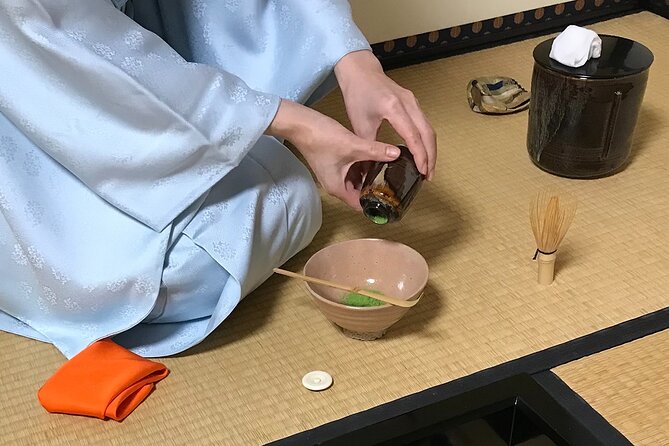
The heart of this 45-minute session is the tea preparation itself. A tea master demonstrates the steps used to make matcha, with attention to movement, utensils, and the calm rhythm of the room. You are there to watch closely, ask questions, and understand why each part of the process matters.
That focus suits Kyoto. The city is often treated as a checklist of temples and shrines, but a tea ceremony offers a different kind of cultural stop: still, small-scale, and built around hospitality. The ceremony’s spirit of omotenashi, or thoughtful care for others, is part of what the host aims to share.
This is not described as a theatrical performance, nor does it promise elaborate costumes or a staged tea-house setting. The ceremony takes place in a private home designed for tea practice. That may feel pleasingly personal if you value an intimate setting; if you expect a polished tourist attraction with lots of visual extras, it may feel plain.
The tea room and the first few minutes
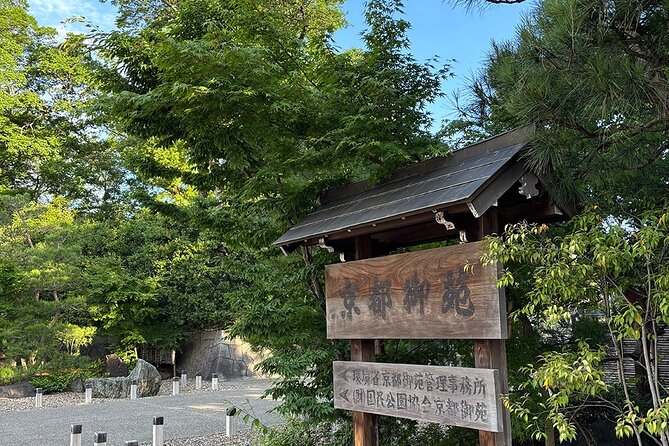
The meeting point is listed as 南総合会計事務所, 450-1 Sanbongichō, Nakagyo Ward, Kyoto, 604-0871. The activity ends back at the same meeting point, and the address is described as near public transportation. Because the named location may not look like a conventional tea venue, check your booking details and map pin before setting out.
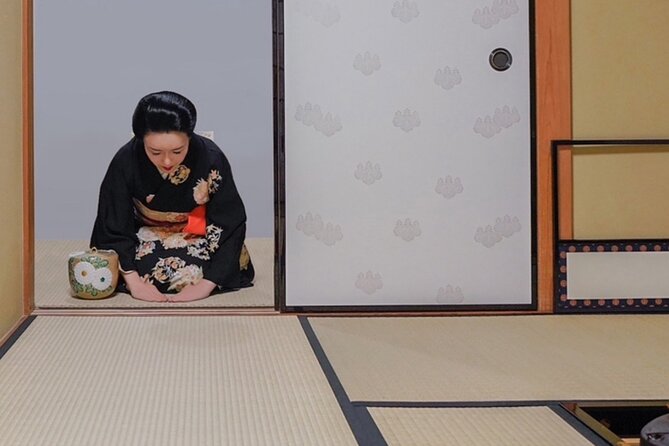
Once inside, the setting shifts from city errands to a tatami room and a more measured pace. You’ll be shown how to enter and sit, then the host will explain what is about to happen. This short orientation matters. Without it, the ceremony’s precise movements can look like a sequence of mysterious rules; with a little context, you can notice how the gestures fit together.
The room is intended to feel private and calm, but comfort can depend on the season. One person found the house cold in November, so bring an extra layer if you tend to feel chilly. That small bit of preparation can help you focus on the ceremony rather than the temperature.
More tea ceremonies in Kyoto:
- Kyoto: Tea Ceremony in a Traditional Tea House in Kiyomizu
★ 4.9 · 3,519 reviews - Kyoto: Tea Ceremony Ju-An at Jotokuji Temple
★ 4.9 · 3,207 reviews - Kyoto: 45-Minute Tea Ceremony Lesson Experience
★ 4.3 · 2,378 reviews
Watching matcha take shape
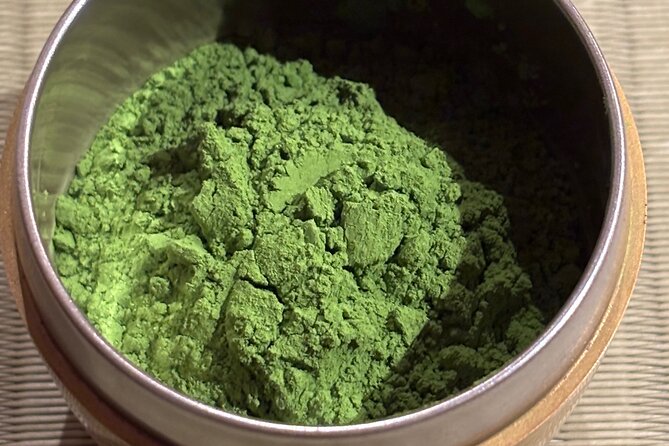
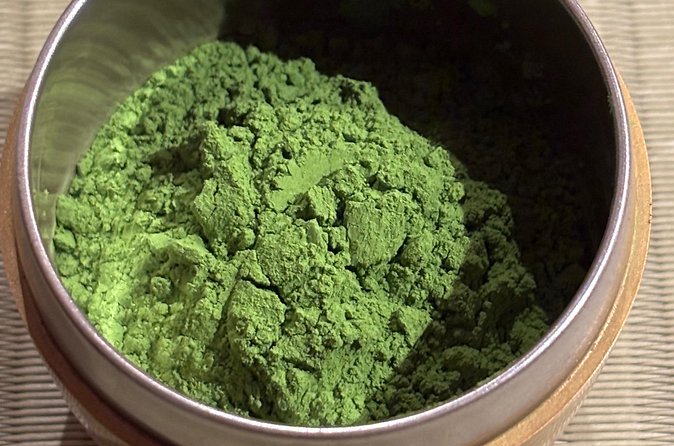
The demonstration is the main event. The host prepares premium matcha sourced from Kyoto producers, using deliberate movements that give the process its graceful quality. The quiet is part of the point. You are not expected to rush from one photo opportunity to the next.
Pay attention to the details: how the utensils are arranged, the sequence of preparation, and the care given to serving the tea. The ceremony’s formality is not just a set of manners to memorize. It creates a shared pause, giving host and participant a way to show attention through simple actions.
The host’s explanations help make that quiet legible. Mai is named in several accounts of the experience and has been described as both precise and welcoming, but the host may vary. English explanations have also been noted, though the supplied details do not promise a particular language for every session. If clear English instruction is essential to you, ask before booking rather than assume.
Sweets, matcha, and your turn
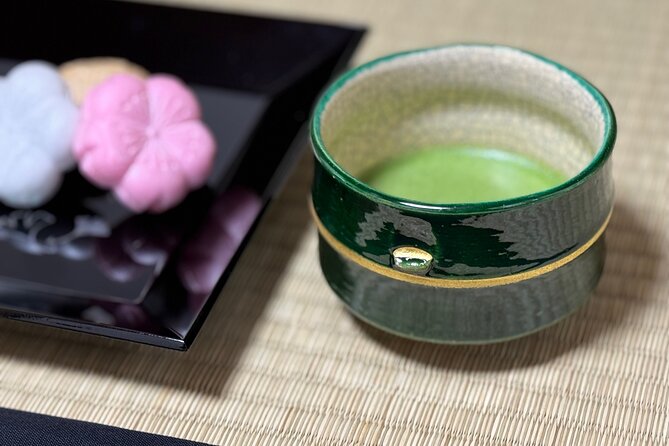
Traditional Japanese seasonal sweets accompany the matcha. Their sweetness balances the tea’s stronger, sometimes grassy flavor, and their seasonal character adds a small connection to the time of year. The sweets are included in the price, so the ceremony feels like a complete short activity rather than a demonstration you watch and then leave.
After the host’s preparation, you may have the chance to make matcha yourself. This is a useful part of the session: watching a tea master is beautiful, but trying the motions helps you understand the care and technique involved. The experience details describe an opportunity to prepare tea, and participants have also described making their own.
Do not expect every element of a longer tea-school lesson in 45 minutes. This is an introduction, not a full course. You should leave with a clearer sense of the ritual and a memorable taste of Kyoto matcha, not mastery of every rule.
What the small group changes
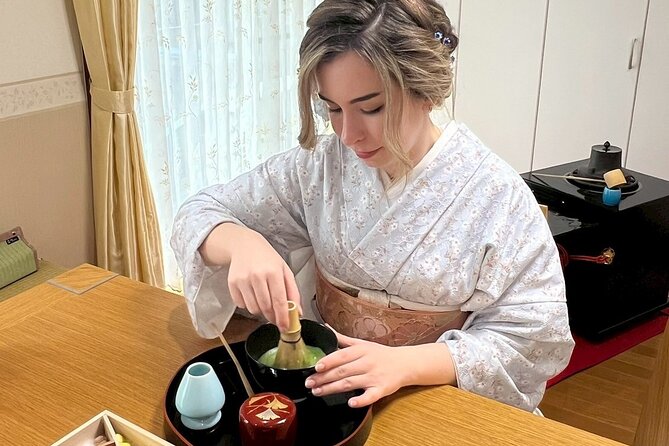
The activity is capped at eight people according to the additional information, while the description refers to private small groups of up to ten. Since those figures differ, treat eight as the stated maximum and confirm directly if your party size or group atmosphere is important. Either way, this is designed to be small rather than a large audience gathered around a stage.
A compact group gives you more opportunity to follow the host’s explanation and ask questions. It can also make the room feel more personal, especially if you are visiting alone or as a couple. The trade-off is that small, private settings can feel less polished than a purpose-built public venue. One person felt the house setting was not fancy, while others valued its quiet, genuine character.
Arrive on time. An early arrival by other participants has interrupted one session, and a late arrival can make the start more stressful, even though one group was still welcomed warmly after running late. The ceremony benefits from a settled beginning, so give yourself a little margin.
More Kyoto tours in Kyoto:
- PERFECT KYOTO 1-Day Bus Tour
★ 5.0 · 13,518 reviews - Kyoto: Fushimi Inari, Kinkakuji, Bamboo Grove 1 Day Bus Tour
★ 4.8 · 4,316 reviews - Kyoto Geisha Walking Tour: Gion District & Hidden Gems
★ 4.7 · 3,273 reviews - Kyoto: Gion Magical Night Walking Tour with Geisha Trivia
★ 4.9 · 2,393 reviews
The practical limits to know before booking
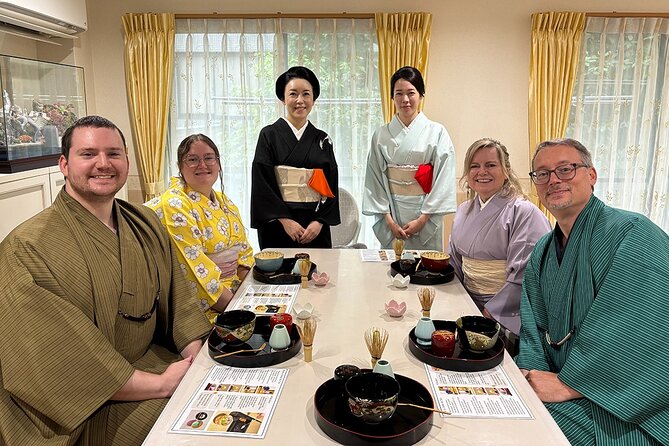
The session lasts about 45 minutes, a manageable length between sightseeing stops. It is long enough for a demonstration, explanation, sweets, and participation, but short enough that you should not expect a broad lesson in Japanese tea culture. If you want a quiet introduction rather than an extended workshop, the timing is sensible.
The listed price is $56.49 per person. That is a meaningful spend for less than an hour, so value depends on what you want. Tea, seasonal sweets, an expert demonstration, etiquette guidance, and a small-group setting are included. If you value personal instruction and a calm cultural activity, the price may feel fair. If your priority is a low-cost tasting, a kimono rental, or a long hands-on class, this is probably not the best match.
Photography is not allowed during the tea performance, though the host’s response to one participant indicated that photos can be taken before and after, and while participants are making their matcha. Treat the ceremony itself as a phone-free interval, and ask the host about permitted moments rather than interrupting the ritual.
Kimono dressing is not included. That is worth spelling out because some tea experiences bundle clothing and photos, but this one focuses on the ceremony. Service animals are allowed, and the location is near public transportation. Confirmation is received at booking, and free cancellation is available until 24 hours before the start time. Within 24 hours, the payment is not refunded.
Who will enjoy this Kyoto tea ceremony
I’d choose this for a couple, a solo visitor, or a small family looking for a calm activity with genuine cultural context. Families have taken part, and children have enjoyed the ceremony, though a sweet was not to every child’s taste. The host was kind enough to offer Oreos in that case, but that is a thoughtful one-off detail, not a promised menu option.
It is also a good fit if you are curious about matcha beyond ordering a bowl in a café. You’ll see how the tea is prepared, learn some basic etiquette, and have a chance to try it yourself. The host’s patient explanations and willingness to answer questions are among the strongest features described.
Less suitable: anyone who wants a kimono included, unrestricted photography, a lavish tea-house interior, or a long class. The session’s appeal is its quiet focus. A few people have found it cold, rushed, or not worth the price, which is a reminder that a restrained ceremony can feel moving to one person and too simple to another.
Should you book it?
Book this if you want a short, personal introduction to matcha and tea ceremony etiquette, and you can appreciate quiet details more than spectacle. The seasonal sweets, small group, and chance to prepare tea yourself make the session more engaging than simply watching a demonstration.
Skip it if the kimono, photo opportunities, or an elaborate venue are central to your idea of a tea ceremony. At $56.49, the value rests on the host’s teaching and the calm setting. If those are what you came to Kyoto for, this is a thoughtful use of 45 minutes.
FAQ
How long does the tea ceremony last?
The session lasts approximately 45 minutes.
What is included in the price?
The experience includes matcha and traditional Japanese sweets.
How many people can attend?
The additional information gives a maximum of eight participants. The description also refers to private groups of up to ten, so confirm the limit for your booking if needed.
Can I make matcha myself?
The experience description includes an opportunity to prepare tea yourself, and participants have described taking part in making their matcha.
Is kimono rental included?
No. Kimono rental is not included in this tea ceremony.
Can I take photos during the ceremony?
Photography is not allowed during the tea performance. The host has indicated that photos can be taken before and after, and while participants make their matcha.
Where does the activity start and end?
It starts at 南総合会計事務所, 450-1 Sanbongichō, Nakagyo Ward, Kyoto, and ends back at the meeting point.
Is the location near public transportation?
Yes. The location is described as being near public transportation.
What is the cancellation policy?
You can cancel at least 24 hours before the start time for a full refund. Cancellations or changes made less than 24 hours before the experience are not accepted, and the payment is not refunded.
Newly added in Kyoto
- Uji: Private immersion into Kyoto’s tea and reglious culture★ 5.0 · 17 reviews
- Whisk Your Own Matcha: A Zen Matcha Experience at Temple★ 3.6 · 7 reviews
- Kyoto tea town for matcha lovers★ 5.0 · 16 reviews
- Treasures of Kyoto: Gion & historical Walking Tour★ 5.0 · 6 reviews
- Kyoto Matcha Green Tea Tour★ 4.5 · 23 reviews
- Uji and Wazuka Matcha Farm Half Day Private Guided Tour★ 5.0 · 21 reviews
- Uji Tea Ceremony and UNESCO Heritage Walking Tour★ 5.0 · 20 reviews
- Utilising upcycled Matcha! Creating matcha incense (Uji, Kyoto)★ 5.0 · 6 reviews
Kyoto Tea Ceremonies, compared.

Tea Ceremony in a Traditional Tea House in Kiyomizu
Read our review →


World Heritage Kyoto & Nara Uji Authentic Matcha Experience
Read our review →


Arashiyama Bamboo Forest, Monkeys, Matcha & Temple Tour
Read our review →
Tea Museum Tickets and Matcha Grinding Experience
Read our review →Browse the lists this tour appears in