
Reviewed · KYOTO HIKING TOURS
Hike and explore the Kurama and Kibune ancient Paths
North of Kyoto, the route from Kurama to Kibune swaps city traffic for cedar woods, temple steps, mountain paths, and a shrine devoted to water and rain. This is a half-day outing with a clear purpose: connect two storied villages on foot, with a guide to explain the sacred sites and legends along the way.
I like two things in particular: the mix of temple visits and a real forest hike, and the included rail and local transport that make this route easier to manage than piecing it together yourself. The small group, capped at 12, also leaves more room for questions than a big coach tour.
One consideration: this is not a flat stroll. The trail has steep, uneven sections, and wet or hot weather can make footing and effort harder. You should be comfortable with moderate physical activity and stairs before booking.
What makes this route worth your time
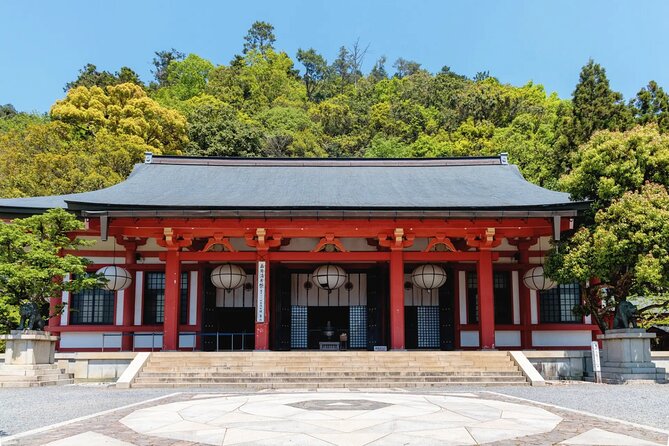
- Kurama-dera gives the hike a dramatic start: The temple sits on Mount Kurama, with a main hall known for mountain views and guardian statues.
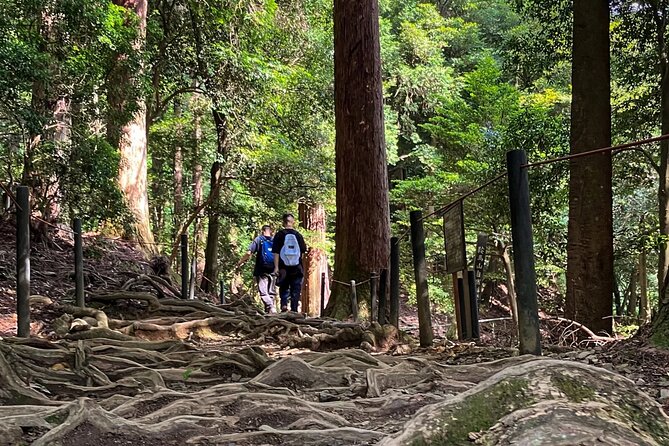
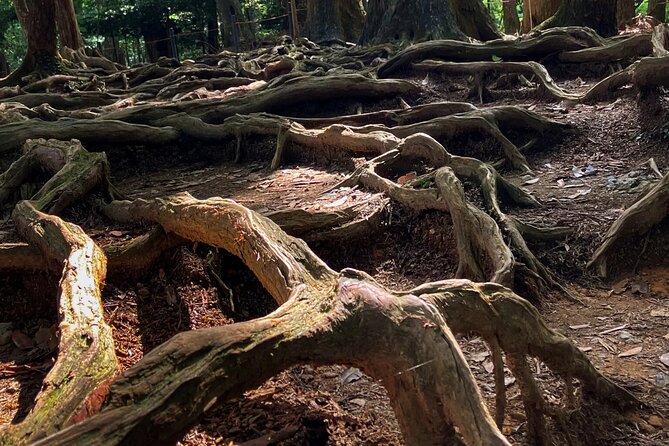
- The forest crossing is the heart of the outing: Expect cedar woods, hidden shrines, steep stairways, and a rugged path rather than a paved village walk.
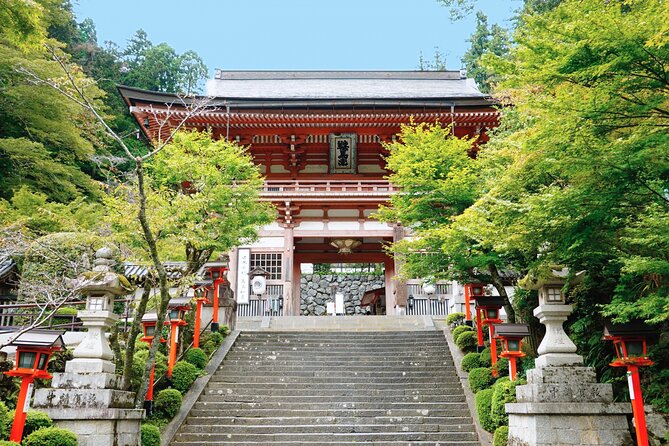
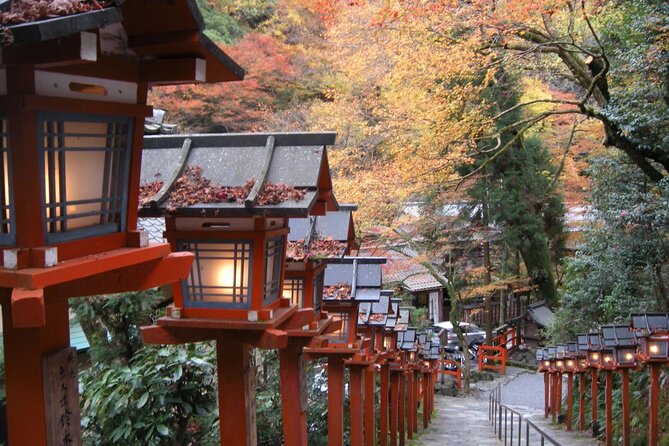
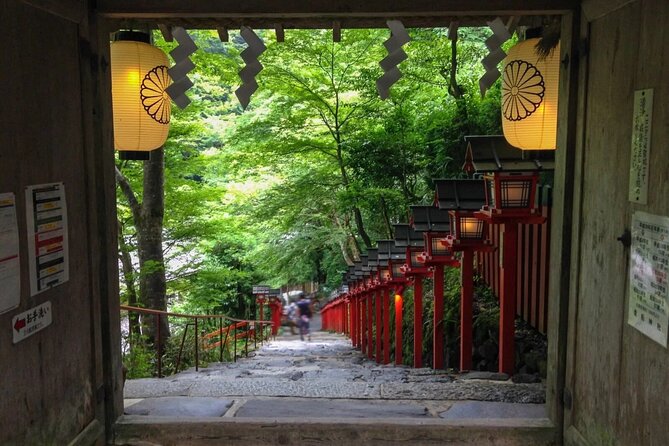
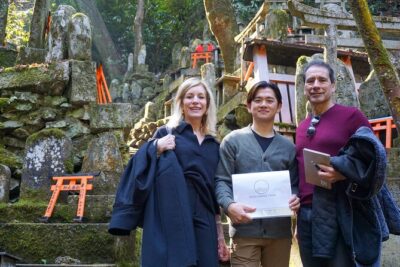
- Kifune Shrine offers a different kind of sacred stop: Its red lantern-lined staircase leads to a shrine dedicated to the goddess of water and rain.
- Your guide adds context to the route: Guides including Justin have shared local legends and pointed out places beyond the obvious stops.
- Transport and entry fees are included: At $165.18 per person, the price covers more than the guiding, though you’ll need to budget separately for lunch.
From Kyoto Station to the Kurama trailhead
The morning begins at 9:30 a.m. at Starbucks Coffee in Kyoto Tower Sando, near Kyoto Station. From there, the group takes the Karasuma Subway Line to Kokusaikaikan Station, then walks about 15 to 20 minutes through a residential area to Iwakura Station.
That short walk is worth factoring into your morning. It is part of the transfer, not the mountain hike, but you’ll already be on your feet before reaching Kurama. From Iwakura, the Eizan Railway carries the group north through the Kyoto countryside. The ride takes about 30 minutes and provides a calm transition from the city to the wooded edge of the region.
The tour includes transportation during the outing, so you are not left to figure out each leg on your own. That is useful on a route involving a subway, a walk between stations, and a local railway. The activity ends back at the original meeting point, making this a round-trip outing rather than a one-way hike that leaves you to arrange your return.
The group is limited to 12 people. That is a practical size for walking together on narrow or uneven sections and for hearing a guide without relying on a loudspeaker. It also gives you a chance to ask about the temples, shrines, and stories that catch your attention.
More hikes in Kyoto:
- Fushimi Inari Hidden Hiking Tour (Private Option Available)
★ 5.0 · 1,750 reviews - Kyoto: 3-Hour Fushimi Inari Shrine Hidden Hiking Tour
★ 4.9 · 270 reviews - Kyoto Hiking Tour: The Nature and Legends of Kurama and Kibune
★ 5.0 · 75 reviews
Kurama-dera: temple steps, mountain views, and guardian figures
Kurama-dera is the first major stop, and the visit gives the day its spiritual and historical frame before the trail takes over. Set on the slopes of Mount Kurama, the temple is known for its main hall, panoramic views, and mysterious guardian statues. You’ll spend about two hours in this part of the outing, including the temple visit and time around the grounds.
The setting matters. Rather than treating Kurama-dera as a quick photo stop, the route gives you time to take in the temple grounds and understand why this mountain has drawn monks, warriors, and mystics over the centuries. Your guide can explain the local stories and point out sacred places that are easy to pass without context.
There is also a physical side to this first section. Temple grounds on a mountain slope mean steps and uphill walking, so save some energy for the trail that follows. The exact pace and amount of climbing can vary, but the experience is not simply a bus ride between two famous buildings.
I like that the temple visit comes before the forest crossing. You begin with architecture, religious context, and views, then experience the mountain as a route between communities rather than scenery from a distance. If you prefer a tour focused only on interiors or formal temple history, this one may feel too active. Its appeal is the combination.
The mountain path: cedar woods and uneven footing
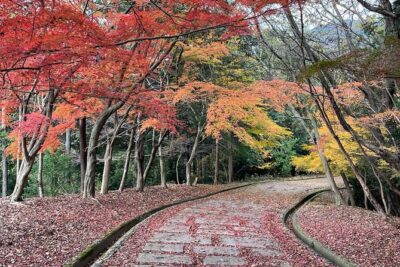
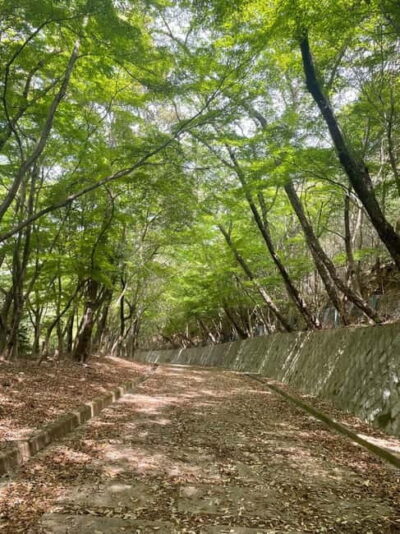
After Kurama-dera, the group crosses the mountain toward Kibune. This is the central event of the tour: a forest route through dense cedar trees, hidden shrines, and steep stairways. It is scenic and atmospheric, but it is also described as rugged, with uneven ground that can be tricky to navigate.
The route has a steady, purposeful feel. You are not just walking a marked path for exercise; the guide connects the landscape to the stories and spiritual beliefs tied to the mountain. Places thought to hold spiritual energy give the walk a sense of meaning beyond the views, while the wooded setting keeps the focus on nature and the route itself.
You should expect to watch your footing, especially if it has rained or the weather is hot. The trail’s conditions can make a moderate hike feel more demanding, and a guide can help set a safe, steady pace. Still, a guide cannot make a steep path flat, so sturdy footwear and a sensible approach to the weather matter.
The tour is described as suitable for people with a moderate fitness level. That does not mean you need to be an expert hiker, but you should be at ease with a few hours of walking, inclines, steps, and uneven surfaces. If your ideal Kyoto outing is mostly seated or on smooth pavement, this is the wrong choice. If you like walking and want a closer look at the wooded country north of town, the trail is the reason to book.
Kifune Shrine: lanterns and water fortunes
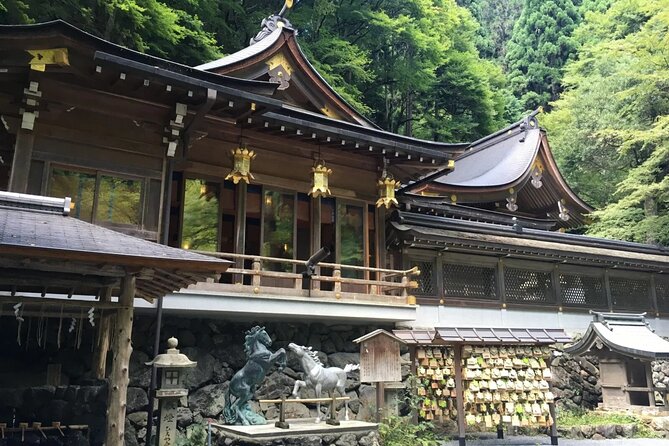
The descent brings you into Kibune, where the hike ends at Kifune Shrine. Dedicated to the goddess of water and rain, the shrine is known for its red lantern-lined staircase. The stairs make a memorable finish after the forest path, and the shrine’s mood differs from Kurama-dera: the focus here is strongly tied to water and the natural world.
One distinctive detail is the water-activated omikuji, or fortune slip. You write or draw a fortune and reveal its message with water. It is a small ritual, but one that connects directly to the shrine’s association with water. If you enjoy customs that are both simple and rooted in place, this is a good moment to slow down and take part.
The Kibune portion lasts about three hours, including the mountain crossing and time at the shrine. That is a substantial share of the 5-hour-30-minute tour, so do not think of Kifune as a brief stop at the end. The village and shrine are part of the route’s full story, and the contrast between the forest trail and lantern-lined approach helps the day feel varied.
The setting is described as beautiful in every season. Even so, weather can change the feel of the walk, and wet or hot conditions deserve attention. The tour does not include lunch, so plan ahead rather than assuming a meal is part of the schedule. The information provided does not specify a meal stop or how much free time you’ll have for food.
More Kyoto tours in Kyoto:
- PERFECT KYOTO 1-Day Bus Tour
★ 5.0 · 13,518 reviews - Kyoto: Fushimi Inari, Kinkakuji, Bamboo Grove 1 Day Bus Tour
★ 4.8 · 4,316 reviews - Kyoto: Tea Ceremony in a Traditional Tea House in Kiyomizu
★ 4.9 · 3,519 reviews - Kyoto Geisha Walking Tour: Gion District & Hidden Gems
★ 4.7 · 3,273 reviews
What the $165.18 price includes
At $165.18 per person, this is a guided half-day outing, not just a paid hiking route. The price includes an English-speaking guide, transportation during the tour, and entry fees at the locations visited. You also get a planned route that links two mountain communities and includes the rail journey from Kyoto’s northern edge.
The value depends on what you want from the day. If you are comfortable navigating transit and prefer to hike alone, you could approach the area independently, though you would need to arrange the route and transport yourself. If you want the cultural context, help with the transfers, and a guide to explain the local stories, the package offers a more complete experience.
The guide is a meaningful part of that value. Justin is one guide associated with the outing, and the details shared about his approach point to a friendly manner, generous explanations, and attention to places beyond the standard stops. Guides can vary, so you should not assume Justin will lead your date. The broader benefit is having someone interpret the mountain route as you go instead of treating it as a walk between two points.
Lunch is not included. That is a modest but important budget detail, especially because the outing lasts around five and a half hours and involves physical activity. Bring money for any food you choose to buy, and do not count on a meal being provided.
The group limit of 12 adds to the value if you like a more personal tour. It does not guarantee a private experience, but it keeps the group smaller than a large sightseeing outing. You can ask questions, hear the guide’s explanations, and move through the trail as a group.
Who will enjoy this hike most
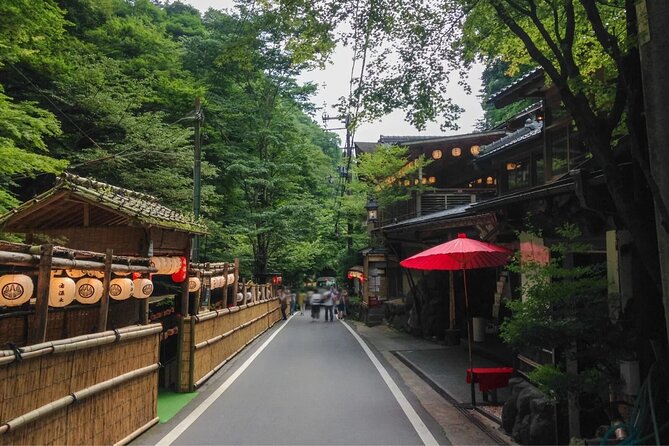
This tour suits you if you want to see a quieter, more rural side of Kyoto and are happy to trade some convenience for a walk in the mountains. It is a good fit for people who enjoy temples and shrines but want more than a sequence of city stops. The combination of rail travel, forest trails, and two distinct sacred sites makes the outing feel like a change of pace from central Kyoto.
It should also suit you if you like having a guide on a route with local stories and uneven terrain. The path is not presented as strenuous for everyone, but its steep and rough sections call for reasonable fitness. If you have concerns about stairs, balance, heat, or wet ground, consider those carefully before booking.
This is less suitable if you want a relaxed, flat walk, a long lunch, or a tour focused on extensive time inside buildings. The appeal is outdoors, movement, and the transition between Kurama and Kibune. The temples and shrine matter, but so does the walk that connects them.
Practical planning is straightforward: the start time is 9:30 a.m., confirmation is provided at booking, and the experience has a mobile ticket. The meeting point is Starbucks Coffee at Kyoto Tower Sando, and the tour returns there. Free cancellation is available until 24 hours before the start time; cancellations inside that window are not refunded.
Should you book the Kurama and Kibune hike?
Book it if you want a guided, active day that joins Kyoto’s temple culture with forest walking, and if steep, uneven ground is within your comfort zone. The included transport, entry fees, small group, and local explanations make the price easier to justify than a hike alone. The most compelling parts are the contrast between Kurama-dera and Kifune Shrine, the cedar-forest crossing, and the chance to see a less urban side of Kyoto.
Skip it if you need a flat route, want lunch included, or would rather spend the day in town. For the right walker, though, this is a practical way to reach the northern mountains and connect two atmospheric places without planning every transfer yourself.
FAQ
How long is the tour?
The tour lasts approximately 5 hours and 30 minutes.
What time does it start?
The tour starts at 9:30 a.m. at Starbucks Coffee in Kyoto Tower Sando.
Where does the tour end?
It ends back at the original meeting point.
Is transportation included?
Yes. Transportation during the tour is included, including the described subway and Eizan Railway journey.
Are entry fees included?
Yes. Entry fees at all tour locations are included.
Is lunch included?
No. Lunch is not included.
How strenuous is the hike?
The tour calls for a moderate fitness level. The route includes steep stairways and uneven sections, which may be harder in wet or hot weather.
How many people can join the tour?
The group is limited to a maximum of 12 people.
Newly added in Kyoto
- Uji: Private immersion into Kyoto’s tea and reglious culture★ 5.0 · 17 reviews
- Whisk Your Own Matcha: A Zen Matcha Experience at Temple★ 3.6 · 7 reviews
- Kyoto tea town for matcha lovers★ 5.0 · 16 reviews
- Treasures of Kyoto: Gion & historical Walking Tour★ 5.0 · 6 reviews
- Kyoto Matcha Green Tea Tour★ 4.5 · 23 reviews
- Uji and Wazuka Matcha Farm Half Day Private Guided Tour★ 5.0 · 21 reviews
- Uji Tea Ceremony and UNESCO Heritage Walking Tour★ 5.0 · 20 reviews
- Utilising upcycled Matcha! Creating matcha incense (Uji, Kyoto)★ 5.0 · 6 reviews
Kyoto Hiking Tours, compared.
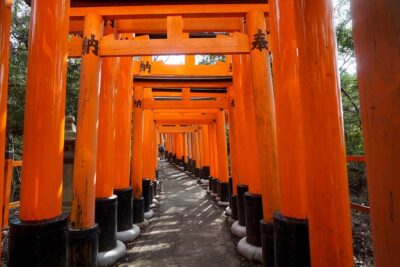
Fushimi Inari Hidden Hiking Tour (Private Option Available)
Read our review →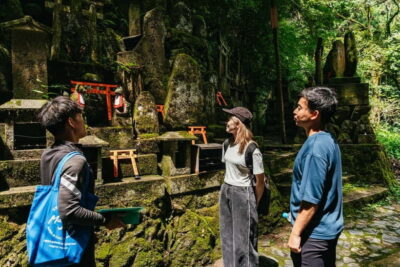
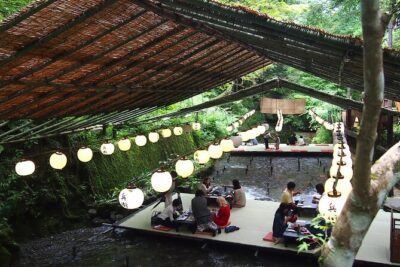
Kyoto Hiking Tour: The Nature and Legends of Kurama and Kibune
Read our review →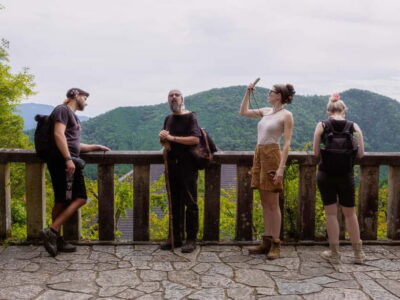
Kyoto Arashiyama Bamboo Forest Hiking Tour(Hidden Temples)
Read our review →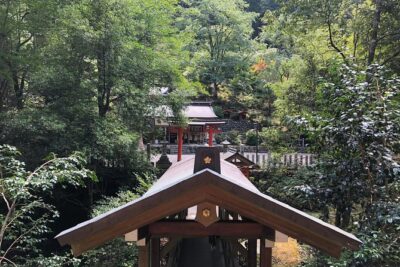
Browse the lists this tour appears in