
Reviewed · KYOTO SAMURAI & NINJA EXPERIENCES
Skip the lines Basic Ticket at SAMURAI NINJA MUSEUM KYOTO
The best part of this Kyoto stop is that the history comes with something to do. You’ll hear about samurai and ninja life, see swords and armor, then try on samurai gear and throw replica ninja stars. It’s a lively hour, not a lecture.
I like the guide-led stories, which give the displays context, and the hands-on finale, especially for families with children. Guides named Naromi, Raito, Saku, and Nobu have all led sessions, with visitors praising their energy and clear explanations.
One caution: the museum is small, and the tour can feel rushed or crowded when the group is large. Book this for a fun introduction with photo opportunities, not for hours of quiet study among extensive exhibits.
- The star-throwing activity turns a history stop into a game, using replica shuriken.
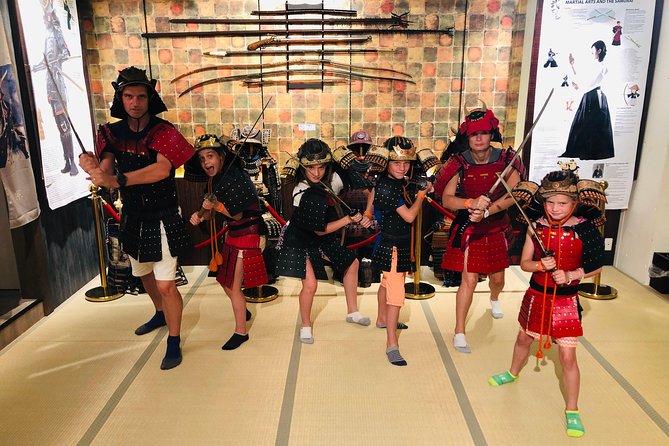
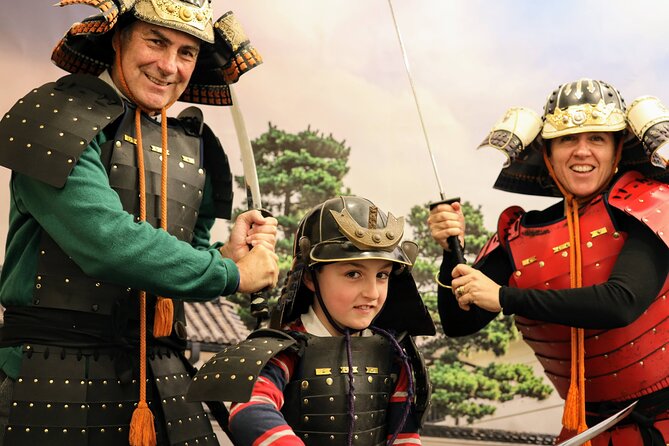
- Samurai dress-up gives you a chance to try on costume pieces and pose with a sword.
- The guided tour lasts about an hour, with an overview of samurai and ninja culture.
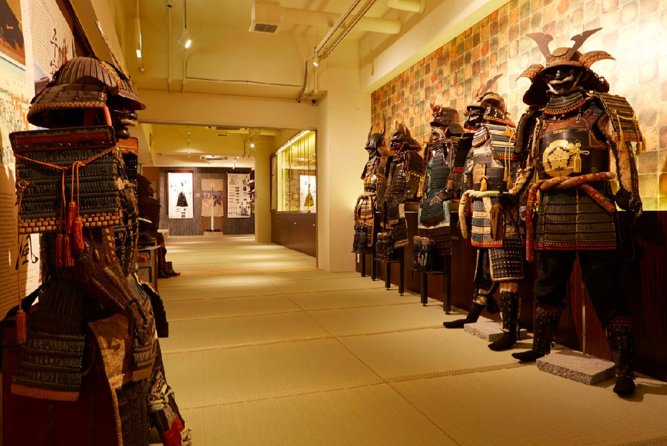
- The museum is compact, with swords, armor, weapons, and a recreation of a samurai house.
- The $28.52 ticket includes a guide and activities, but transportation to the museum is not included.
- Do not assume the ticket guarantees a line-free entrance: one account describes joining the group for admission rather than bypassing a queue.
Kyoto’s samurai history, with a hands-on finish
This is a short, lively introduction to samurai and ninja culture in the middle of Kyoto. The appeal is not a vast museum collection or a deep academic seminar. It is a guided look at weapons and armor, a bit of historical background, and the chance to put on samurai gear and take a turn throwing ninja stars.
That mix makes the experience especially useful if you want to add something interactive to a Kyoto day. The tour gives you enough context to connect the displays to Japan’s feudal past, while the activities keep the hour moving. Children often have a clear favorite: throwing the stars, dressing up, or both.
Keep your expectations in the right place. The museum is small, and the experience tends to suit first-timers and families better than visitors seeking a large collection of rare objects or long, detailed interpretation. If you’re already well read on samurai history, you may find the explanations familiar.
Inside the small museum
The Samurai Ninja Museum is in central Kyoto, described as being in a shopping arcade. You make your own way there and meet the guide and group at the museum. The ticket does not include transportation, so plan your route separately and allow time to find the entrance. One visitor found the location difficult to spot, so checking the directions in your booking app before setting off is sensible.
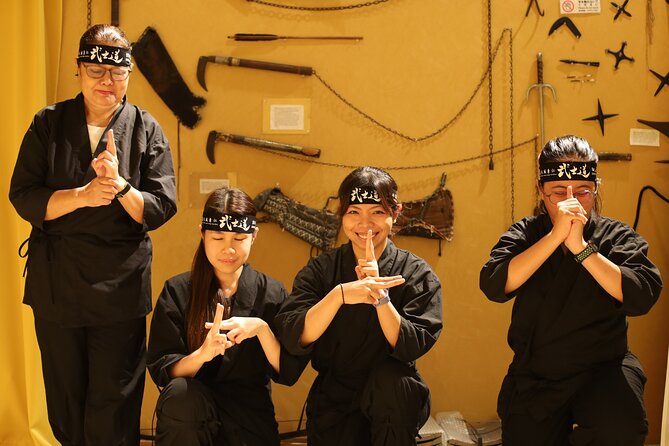
Inside, expect a compact space rather than a sprawling institution. The displays include swords and other weapons, samurai armor, and a recreation of a samurai house. The setting helps the guide explain the social and political world these figures lived in, and why samurai and ninja have such different places in popular imagination.
The collection’s scale is the main point to weigh. A small museum can make a guided visit feel focused, but it also means there is less room to browse and fewer objects than some people expect from the word museum. If you want to study each display at length, ask whether you can continue looking around after the guided portion. The museum has said that visitors may explore at their own pace after the tour, rather than having to leave when the guide finishes.
More samurai and ninja experiences in Kyoto:
- Kyoto Samurai Experience
★ 5.0 · 1,294 reviews - Kyoto: Kendo and Samurai Experience with Uniform and Gear
★ 4.9 · 815 reviews - Kyoto: Samurai Sword Class by Experts in Traditional Arts
★ 4.9 · 657 reviews
A guide puts the weapons in context
The guide leads the group through the history of samurai and ninja, explaining Japan’s feudal system and the culture associated with these figures. The value here is the human explanation. A sword or suit of armor is more interesting when you understand who used it and what role it played.
The session is designed as an accessible overview, not a specialist lecture. Guides including Naromi, Raito, Saku, and Nobu have been praised for making the material engaging, with humor and enthusiasm helping the history land. That approach is a plus for families and anyone new to the subject. It can be less satisfying if you arrive hoping for lengthy discussion of every artifact.
Group size matters in a place this small. The booking information gives different maximums in different places, listing both 15 and 30 people. That is a sizeable difference, so check the limit shown for your specific date. If the room is crowded, it may be harder to see displays clearly or ask the guide questions. A quieter time slot may make the tour feel more personal, though no specific time is promised to be less busy.
Samurai armor, swords, and photo time

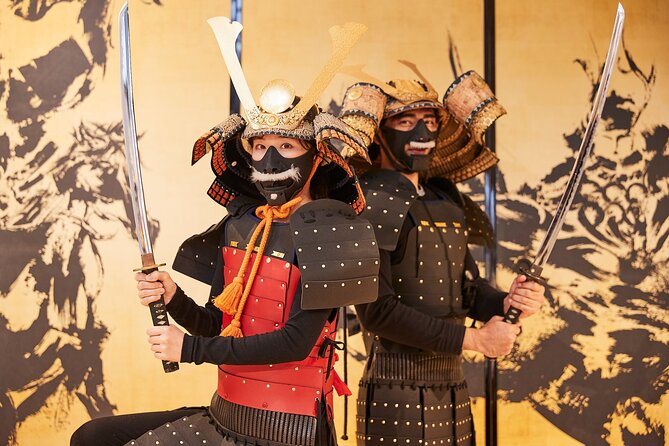
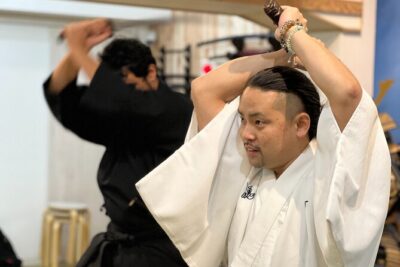
After the history portion, you get a chance to put on samurai costume pieces and pose with a sword. The tour description mentions an optional katana trial, and the included items list a samurai costume. Treat this as a photo opportunity and a playful taste of the gear, not a full historical reenactment or a chance to handle an antique weapon.
The costume activity is one of the experience’s strongest features for families. It gives children a concrete memory of the visit, and adults can join in rather than just watch. There are also reports of limited costume choices and worn-looking pieces, so don’t expect a large wardrobe or elaborate dressing session. If dress-up is your main reason for booking, keep that modest expectation in mind.
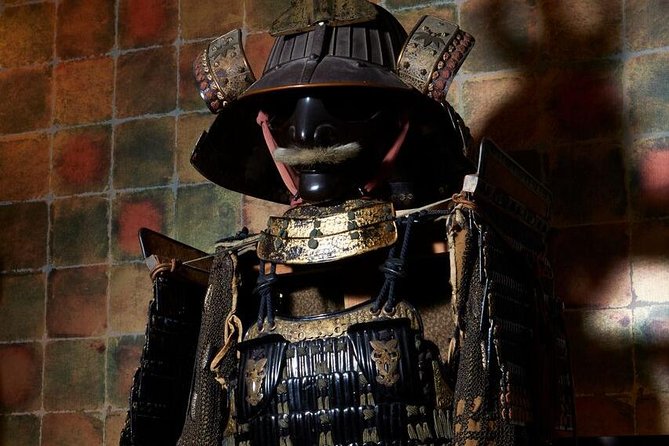
The swords and armor on display are also a chance to look closely at objects that can feel abstract in a textbook. Still, the museum’s small size means you may not find the breadth of artifacts you would in a major museum. The appeal is the combination of objects, guide commentary, and participation.
Throwing ninja stars

The ninja star activity is the other crowd-pleaser. You get to try throwing replica stars, and the session can include a friendly competition. The point is fun and participation, not expert training. It breaks up the historical explanation and gives children, in particular, a reason to stay engaged.
This activity is one reason the tour works well for mixed-age groups. A child can enjoy the game even if the feudal history is new, while adults still get a useful overview from the guide. Some participants have even won a star, though you should not count on taking one home unless that is confirmed for your session.
The stars are replicas, not real weapons. That distinction matters: this is a supervised activity intended for visitors, not a lesson in handling historical arms. Listen to the instructor and follow the directions before taking your turn.
More museum visits in Kyoto:
- Kyoto: Tea Museum Tickets and Matcha Grinding Experience
★ 4.9 · 739 reviews - Kyoto : Geiko Maiko Dance of Kyoto & Visits of Gion Museum
★ 4.6 · 415 reviews - Kyoto Sword Experience – includes Museum Ticket/Ninja Experience
★ 4.5 · 149 reviews - Kyoto: Samurai Ninja Museum guided tour
★ 4.8 · 145 reviews
Is $28.52 a fair price for an hour?
At $28.52 per person, this is a moderate-priced activity for a short, guided stop in central Kyoto. The fee includes a professional guide, samurai costume, and ninja star throwing. You are paying for the explanation and hands-on activities as much as for access to the displays.
The value depends on what you want from the visit. For a family or a first-time visitor who likes interactive history, the combination can make an hour feel well spent. It is easier to justify the price if you take part in the dress-up and star throwing, rather than treating the museum as a quick walk past objects.
For a serious history enthusiast, the compact collection and short format may not provide enough depth for the price. You might prefer a larger museum or a longer history-focused tour. This experience is best viewed as an entertaining introduction, not a substitute for a full museum visit.
The ticket is described as skip-the-line, but do not rely on that phrase alone. One account describes a regular admission process where the group entered together, rather than a separate line bypass. If avoiding a queue is essential to your plan, verify what the ticket provides for your chosen time.
Timing, access, and practical details
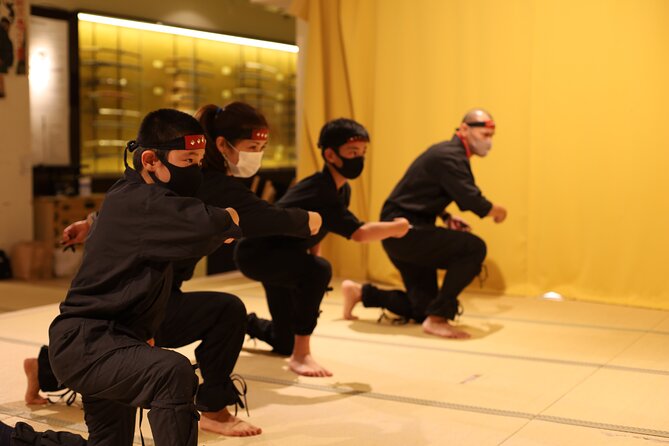
Plan on about one hour, though some people spend closer to 90 minutes. The guided portion is short, but the total time can vary with group size and pace. Multiple time slots are offered, which can help you fit the visit between other Kyoto plans.
You’ll need to get to the museum independently. It is near public transportation, but transportation to and from the attraction is not included. Confirmation is provided at booking, and mobile tickets are accepted.
The activity is suitable for most people, and service animals are allowed. Children must be accompanied by an adult. The elevator is scheduled to be out of service from January 24 through February 19, 2026, so check access arrangements if you need the elevator during that period.
Activities may change due to coronavirus-related conditions. The experience also requires good weather; if poor weather causes a cancellation, you are offered another date or a full refund. You can cancel for a full refund up to 24 hours before the start time. Changes or cancellations inside that window are not accepted for a refund.
Who will enjoy this Kyoto stop?
I’d put this on the shortlist for families, first-time visitors, and anyone who wants a light, participatory break from temples and formal museum rooms. The guided overview gives the activities a historical frame, and the costume and star throwing make the visit easy to remember.
It can also suit a couple or a solo visitor who is curious about samurai and ninja but does not want to commit half a day. The hour-long format is easy to fit into a city itinerary, provided you allow time to find the entrance and reach the museum.
I’d skip it if your main goal is a large collection, quiet contemplation, or highly detailed historical analysis. The small rooms and possible crowding are real considerations, and the hands-on elements take up part of the visit. If that sounds like a trade-off you’re happy with, the tour offers a cheerful and accessible introduction.
Should you book it?
Book the Samurai Ninja Museum if you want a compact, guided introduction with a fun physical element. The guide’s explanations, samurai costume, and replica star throwing are the strongest reasons to go, particularly with children.
Pass if you expect a large, artifact-heavy museum or an in-depth seminar. Before paying, check the group-size limit for your time slot and confirm what the skip-the-line ticket means in practice. With those expectations set, this is a good-value hour for curious beginners and families who want history with a little action.
FAQ
How long does the tour take?
The experience is listed as about one hour. Some visits may take around one to one and a half hours.
What is included in the ticket?
The ticket includes a professional guide, samurai costume, and ninja star throwing activity.
Is transportation to the museum included?
No. You make your own way to the museum, which is near public transportation.
Can children take part?
Yes. Most people can participate, and children must be accompanied by an adult.
Do I get to wear samurai armor?
The experience includes a samurai costume and a chance to pose with a sword. The katana trial is described as optional.
Are the ninja stars real?
The activity uses replica ninja stars.
How many people can be in a group?
The booking details give different maximums, listing both 15 and 30 people. Check the group limit shown for your selected session.
What is the cancellation policy?
You can cancel for a full refund at least 24 hours before the experience starts. Cancellations made less than 24 hours before the start time are not refunded.
Newly added in Kyoto
- Uji: Private immersion into Kyoto’s tea and reglious culture★ 5.0 · 17 reviews
- Whisk Your Own Matcha: A Zen Matcha Experience at Temple★ 3.6 · 7 reviews
- Kyoto tea town for matcha lovers★ 5.0 · 16 reviews
- Treasures of Kyoto: Gion & historical Walking Tour★ 5.0 · 6 reviews
- Kyoto Matcha Green Tea Tour★ 4.5 · 23 reviews
- Uji and Wazuka Matcha Farm Half Day Private Guided Tour★ 5.0 · 21 reviews
- Uji Tea Ceremony and UNESCO Heritage Walking Tour★ 5.0 · 20 reviews
- Utilising upcycled Matcha! Creating matcha incense (Uji, Kyoto)★ 5.0 · 6 reviews
Kyoto Samurai & Ninja Experiences, compared.
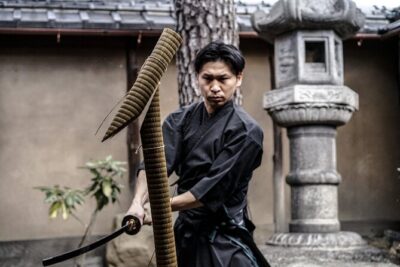
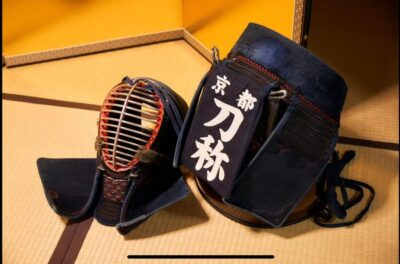
Kendo and Samurai Experience with Uniform and Gear
Read our review →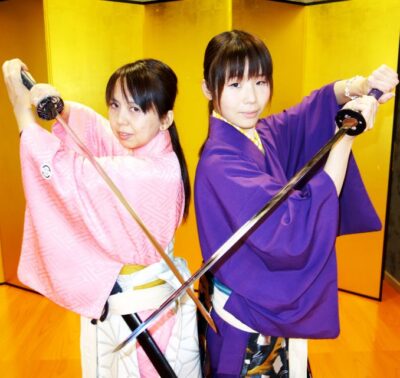
Samurai Sword Class by Experts in Traditional Arts
Read our review →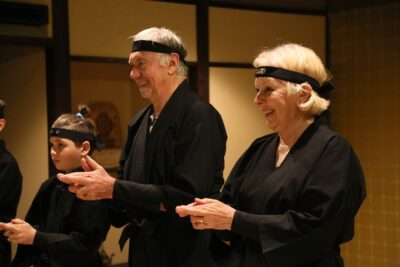
Ninja 1-hour Hands-on Lesson by Japanese master in Kyoto -Entry
Read our review →
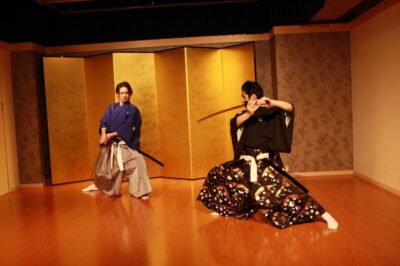
Samurai Training with Modern day Musashi in Kyoto
Read our review →
Browse the lists this tour appears in