
Reviewed · KYOTO TEA CEREMONIES
Stunning Private Tea Ceremony: Camellia Garden Teahouse
Camellia Garden’s private tea ceremony gives you a rare kind of Kyoto hour: a quiet room, a traditional garden beyond the tea-room threshold, and no strangers sharing your session. You’ll hear about matcha and its rituals, watch the host prepare tea, then use the whisk, scoop, and bowl yourself.
I like two things in particular: the session joins cultural context to hands-on practice, and the move from the sofa room to the garden-facing tearoom gives the hour a pleasing rhythm. The main consideration is price: at $118.60 per person, it costs more than a shared demonstration, so the private setting matters most if you value privacy and time for questions.
At a glance
- A private session: Only your party takes part, so you can ask questions without competing for the host’s attention.
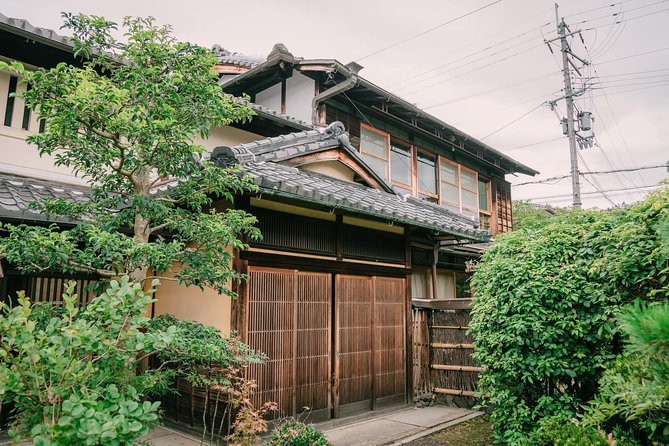
- Two traditional gardens: The 100-year-old property sits across from Ryoan-ji and looks onto a garden during the ceremony.
- A taste of Kyoto: Your introduction includes seasonal sweets from a well-regarded local confectioner.
- Watch, then make: See the tea ritual performed, then prepare your own bowl of matcha with provided tools.
- A practical comfort: Chairs are available if sitting on the floor is not comfortable for you.
- About an hour: The experience is short enough to fit into a day of temple visits, but gives you time to learn and take photos.
A quiet house across from Ryoan-ji
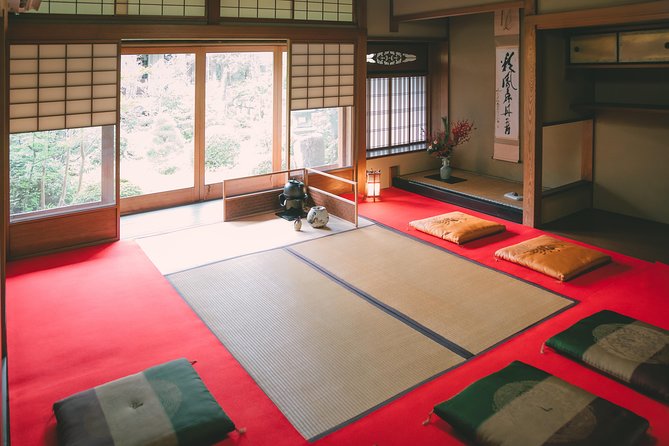
The teahouse is at 18 Ryōanji Ikenoshitachō, across the road from Ryoan-ji, a well-known temple in Kyoto. Camellia Garden describes the 100-year-old property as having a long connection to the temple, and its two traditional gardens set the tone before the ceremony begins.
That location makes this a natural pairing with a visit to Ryoan-ji. You can spend time at the temple, then step into a much smaller, private setting for a different kind of cultural experience. The contrast is part of the appeal: a famous temple draws attention to architecture and grounds, while the tea session asks you to focus on a bowl, a sequence of gestures, and the company around you.
The house is presented as a retreat from the outside world, not as a grand performance venue. That distinction matters. You are not signing up for a large show with a crowd watching from rows of seats. Your group gets the host’s attention, the garden as a backdrop, and room to pause when a question comes to mind.
The setting is also the reason to keep expectations grounded. The experience lasts about an hour, so it is an introduction rather than an in-depth course in Japanese tea practice. If you want an accessible first look at the ceremony, that compact format works well. If you hope to study the tradition in detail, treat this as a starting point.
More tea ceremonies in Kyoto:
- Kyoto: Tea Ceremony in a Traditional Tea House in Kiyomizu
★ 4.9 · 3,519 reviews - Kyoto: Tea Ceremony Ju-An at Jotokuji Temple
★ 4.9 · 3,207 reviews - Kyoto: 45-Minute Tea Ceremony Lesson Experience
★ 4.3 · 2,378 reviews
The welcome: tea culture and seasonal sweets
The session begins in a sofa room overlooking the front garden. Your instructor offers a short introduction to the history and culture of tea before the group moves into the tearoom. It is a useful order: a little context helps the movements you see later feel like more than a set of pretty gestures.
Seasonal sweets from a respected Kyoto confectioner are served during this opening. The sweets are part of the experience, not just a quick snack before the main event. They offer a taste of the local confectionery tradition and give you time to settle in before the ceremony begins.
Mochi is mentioned by people who have attended, and it was a particular hit. The exact sweet is seasonal, so do not count on one specific type. If you enjoy Japanese sweets, this part adds another small pleasure to the hour. If you do not, the main value remains the tea lesson and the setting.
The introduction is also the best time to ask basic questions. You may want to know how matcha differs from other tea, why the bowl and whisk matter, or what the host is doing at each stage. The private format is helpful here. Rather than trying to catch a guide’s explanation over a crowd, you can ask in a quieter setting and keep the discussion at a pace that suits your group.
Yumiko is one named instructor associated with the experience. Her sessions have been described as warm and welcoming, with time for questions. The host can vary, so you should not assume that Yumiko will lead your particular visit.
In the tearoom: watch the ritual unfold
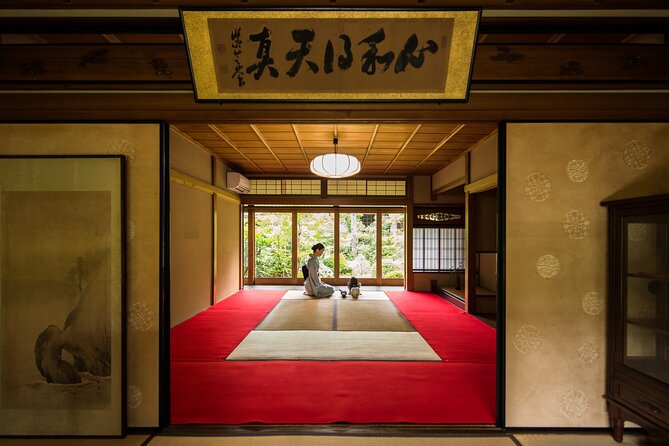
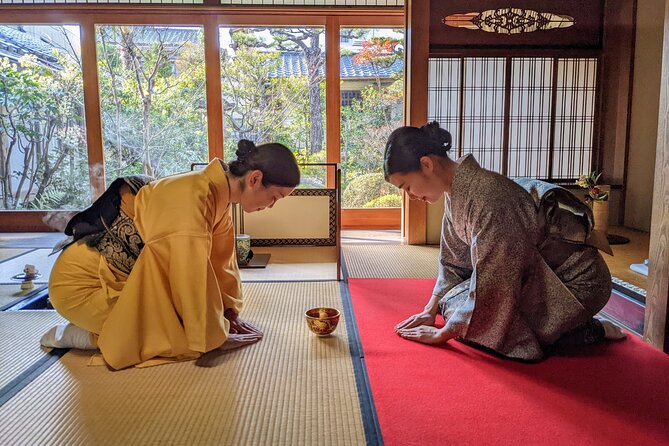
After the introduction, the host moves you into the tearoom, where the main garden becomes the backdrop for the ceremony. You first watch the host prepare and serve matcha. This is the part to slow down for: the ceremony is built from deliberate actions, and the quiet setting helps you notice how each one fits into the whole.
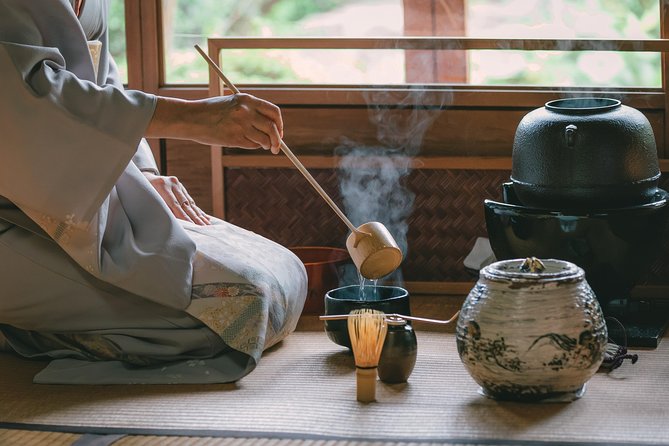
A tea ceremony is not simply a method for making a drink. The preparation gives attention to the utensils, the serving, and the shared moment. Even a short demonstration can show how much care goes into the process. The host explains the ritual as it unfolds, so you are not left guessing at the meaning of each movement.
The garden view adds to the sense of calm, but the ceremony is not dependent on a dramatic vista. Its focus is closer at hand: the bowl, the tools, and the host’s movements. That makes this a good choice if you want a cultural activity that is reflective rather than fast-paced.
The private arrangement changes the feel of the demonstration. With only your group taking part, you can concentrate without the distraction of a room full of unrelated parties. You also have more freedom to ask questions and take photographs when there is time. The host still leads the session, but the experience feels less like watching a staged presentation and more like being welcomed into a small practice.
Your turn with the whisk, scoop, and bowl
Once you have seen the host make tea, you get to prepare your own bowl of matcha. Tea bowls, scoops, and whisks are provided, so you do not need to bring equipment or know the steps in advance. The hands-on part is simple in concept but satisfying: you handle the tools, follow the host’s instruction, and see how the finished tea comes together.
This practical turn is one of the strongest reasons to choose the experience over a demonstration alone. You leave with a better sense of what the utensils are for and how the preparation feels in your own hands. It is a modest skill, not a formal qualification, but it gives the ceremony a personal dimension.
You are also served tea during the session. The chance to taste matcha after watching its preparation helps connect the ritual to the drink itself. The tea and sweets are praised as delicious, though taste is personal and the menu can vary with the season.
There is time for questions and photographs, according to the experience details. Still, this is a one-hour visit, not an open-ended workshop. If you have many questions, choose the ones you most want answered and ask as the ceremony progresses. That keeps the session lively without turning the final minutes into a rushed interview.
More private tours in Kyoto:
- Fushimi Inari Hidden Hiking Tour (Private Option Available)
★ 5.0 · 1,750 reviews - Private Kyoto Tour with a Local, Highlights & Hidden Gems, Personalised
★ 5.0 · 1,543 reviews - Kyoto 6hr Private Tour with Government-Licensed Guide
★ 5.0 · 1,369 reviews - 10 Must-see Spots in Kyoto One Day Private Tour (up to 7 people)
★ 5.0 · 1,108 reviews
Why the private format may be worth the price
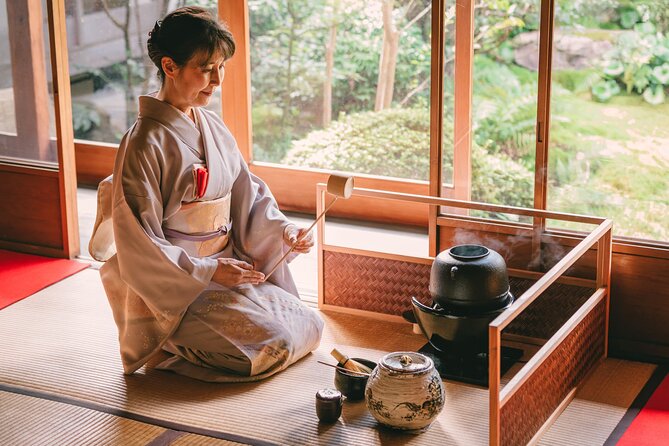
At $118.60 per person, this is a premium-priced hour. The strongest justification is the private format: only your party participates, which buys you quiet, personal attention, and a more relaxed chance to ask questions. Group discounts are offered, which may improve the per-person value if you are booking with family or friends.
The price also covers more than the tea itself. You get an introduction to tea culture, seasonal sweets, a ceremony performed in a garden-facing tearoom, and a chance to make matcha with the traditional tools. The historic house and garden setting are part of the experience, too. If you were already planning to visit Ryoan-ji, the location makes this an especially convenient cultural addition.
It may be harder to justify for a solo visitor on a tight budget, or for someone who mainly wants to taste matcha. You can find simpler tea experiences, but they may not offer the same privacy or time with an instructor. Here, the value depends on whether you care about the setting and the explanation as much as the drink.
The high level of satisfaction associated with the experience points to its strengths: the hosts are praised for being welcoming and clear, the history is engaging, and the atmosphere is calm. Those details matter more than a long list of included items. A kind host who answers questions can make a short ceremony feel worthwhile; a rushed or impersonal delivery would undercut the price.
Comfort, clothing, and planning your visit
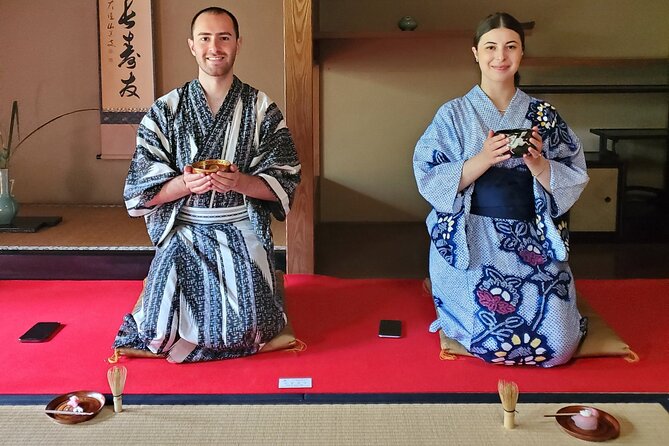
You do not have to sit on the floor for the ceremony. Chairs are available for people who prefer them, an important detail if kneeling or sitting on tatami is uncomfortable. You can mention your preference when you arrive, and there is no need to make the activity harder on yourself in the name of tradition.
The information about kimono is not fully consistent. Kimono rental is listed as unavailable at this location, while the description also invites you to ask about dressing for the experience. Do not plan your visit around wearing a rental kimono unless Camellia confirms that option directly. The ceremony itself does not require special clothing.
The meeting point is Camellia Garden Teahouse at 18 Ryōanji Ikenoshitachō in Ukyo Ward, Kyoto. The activity ends back there. The location is near public transportation, and service animals are allowed. The session is about one hour, though the exact pace can depend on how many questions your group has.
The experience requires good weather. If poor weather leads to cancellation, you will be offered another date or a full refund. For a change of plans, free cancellation is available up to 24 hours before the start time; changes or cancellations inside that window are not accepted for a refund. Those terms are worth noting if your Kyoto schedule is tight.
Who will enjoy this Kyoto tea ceremony
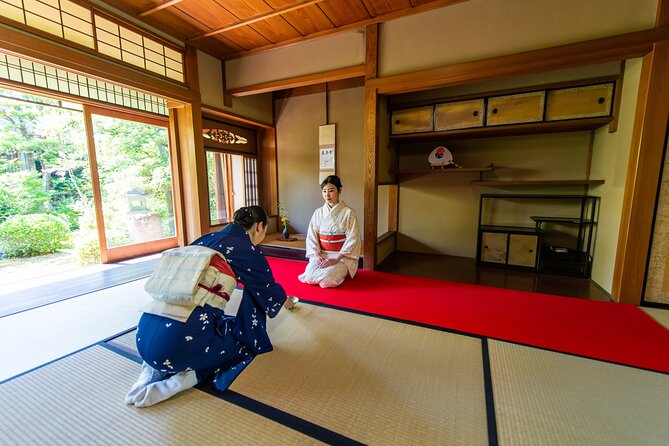
This experience suits couples, families, and small groups who want a quiet cultural activity with room to talk. It is especially appealing if you are curious about Japanese tea practice but would rather not join a large group. The chance to make matcha yourself also gives children and hands-on learners something to do beyond watching, though the activity is presented as a traditional ceremony rather than a children’s class.
It is a strong fit for anyone visiting Ryoan-ji who wants to add a calm, nearby activity to the day. The setting and private format can also suit visitors who have already seen Kyoto’s major sights and want a slower hour. If your trip is packed, its short duration makes it easier to fit in than a longer workshop.
You may want to choose another option if you are primarily seeking a low-cost tasting, a full-day study of tea, or a guaranteed kimono experience. The session is focused and introductory. That is a virtue when you want a clear, well-paced first encounter, but not enough for someone hoping to master the ceremony.
Should you book Camellia Garden?
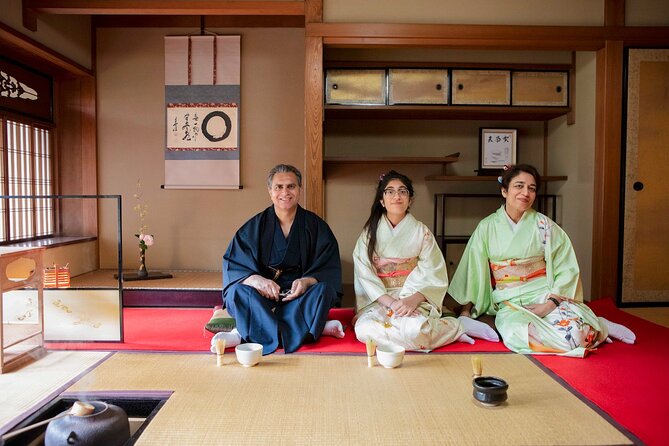
Book it if you value a private setting, a garden-facing tearoom, and a host who can explain the ritual as you watch and try it. The combination of history, sweets, demonstration, and hands-on matcha makes the hour feel complete rather than like a quick photo stop. Its position across from Ryoan-ji is another practical plus.
Think carefully about the cost if privacy is not important to you. At $118.60 per person, the experience makes most sense when you want personal attention and a tranquil setting, not merely a cup of tea. For a small group interested in Kyoto’s tea culture, it is a thoughtful use of an hour. For a budget-minded visitor who only wants to sample matcha, it may be more than you need.
FAQ
How long does the tea ceremony last?
The experience lasts about one hour.
What is the price?
The listed price is $118.60 per person. Group discounts are available.
Is the tea ceremony private?
Yes. Only your party participates in the activity.
Where does the experience take place?
It takes place at Camellia Garden Teahouse, 18 Ryōanji Ikenoshitachō, Ukyo Ward, Kyoto. The teahouse is across the road from Ryoan-ji.
What happens during the session?
Your instructor introduces tea history and culture, serves seasonal sweets, performs a tea ceremony, and gives you a chance to make your own matcha.
Are tea-making tools provided?
Yes. Tea bowls, tea scoops, and tea whisks are provided for you to use.
Do I have to sit on the floor?
No. Chairs are available for people who prefer not to sit on the floor.
Is kimono rental included?
No. Kimono rental is listed as not available at this location. The activity details also invite you to ask about dressing in kimono, so confirm directly with Camellia before making plans around it.
Can I cancel for a refund?
You can cancel at least 24 hours before the start time for a full refund. Cancellations made less than 24 hours before the start time are not refunded.
What happens if poor weather cancels the experience?
If the activity is canceled due to poor weather, you will be offered a different date or a full refund.
Newly added in Kyoto
- Uji: Private immersion into Kyoto’s tea and reglious culture★ 5.0 · 17 reviews
- Whisk Your Own Matcha: A Zen Matcha Experience at Temple★ 3.6 · 7 reviews
- Kyoto tea town for matcha lovers★ 5.0 · 16 reviews
- Treasures of Kyoto: Gion & historical Walking Tour★ 5.0 · 6 reviews
- Kyoto Matcha Green Tea Tour★ 4.5 · 23 reviews
- Uji and Wazuka Matcha Farm Half Day Private Guided Tour★ 5.0 · 21 reviews
- Utilising upcycled Matcha! Creating matcha incense (Uji, Kyoto)★ 5.0 · 6 reviews
- Slow Cycling Tour at Uji’s Matcha Green Tea Fields and Heritage★ 5.0 · 25 reviews
Kyoto Tea Ceremonies, compared.

Tea Ceremony in a Traditional Tea House in Kiyomizu
Read our review →


World Heritage Kyoto & Nara Uji Authentic Matcha Experience
Read our review →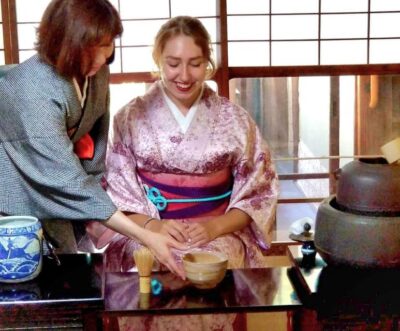


Arashiyama Bamboo Forest, Monkeys, Matcha & Temple Tour
Read our review →
Tea Museum Tickets and Matcha Grinding Experience
Read our review →Browse the lists this tour appears in