Reviewed · KYOTO TOURS
TAIKO, Japanese Drum Experience from Kyoto
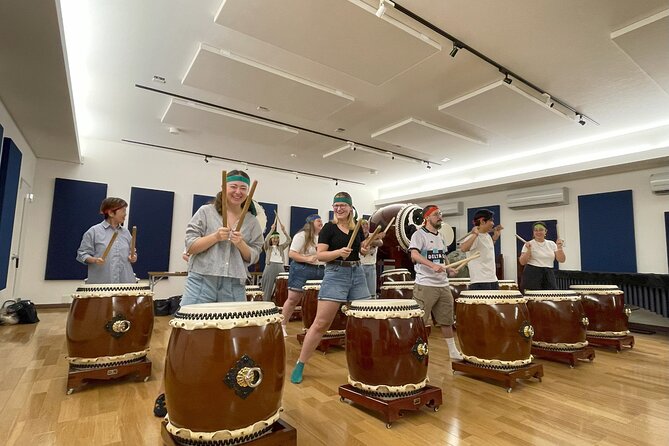
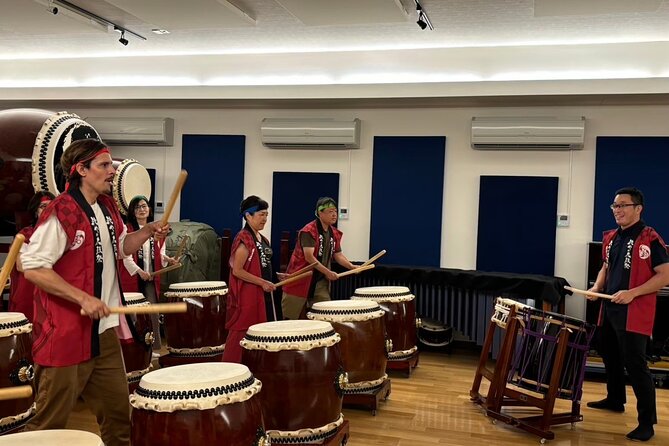
Taiko is not a quiet museum lesson. You stand at a large Japanese drum, learn how to strike it, and finish by playing a short piece with the group. The session pairs a professional demonstration with beginner-friendly instruction, so you can take part even if you have never held drumsticks.
I like two things in particular: you get context about taiko’s place in Japanese culture, and you do more than watch, with time to write on a hachimaki and learn a rhythm yourself. The small group, capped at 15, also gives you a better chance to follow the instructor closely.
One practical catch: the studio is outside Kyoto, and the group meets at a specific spot in the large Kyoto Station. Arrive early. The train schedule leaves little room for latecomers, and the activity can take up to three hours, including transfers.
What makes this taiko session worth considering
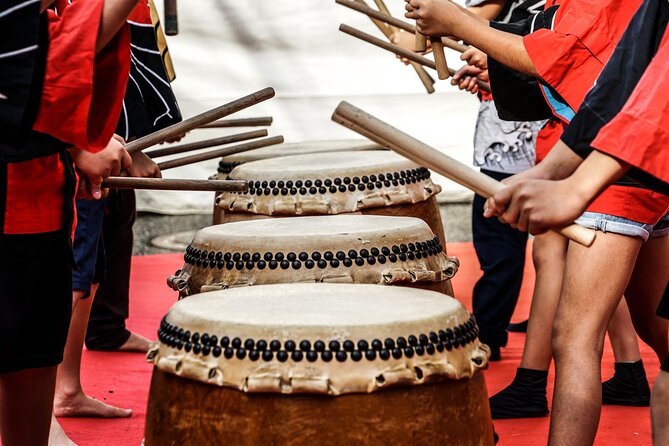
- You play, not just observe: Learn basic movements and rhythms, then perform a short piece alongside the group.
- A professional demonstration sets the tone: Instructors including Aoi have performed live before the lesson.
- The class welcomes beginners: Instruction is adjusted to participants’ skill and fitness levels.
- The headband adds a personal touch: Write a wish in simple calligraphy on a hachimaki before drumming.
- The studio is near Takatsuki, not central Kyoto: Plan for a train ride and a short car transfer each way.
- A small group keeps instruction close: The maximum group size is 15 people.
From Kyoto Station to the taiko studio
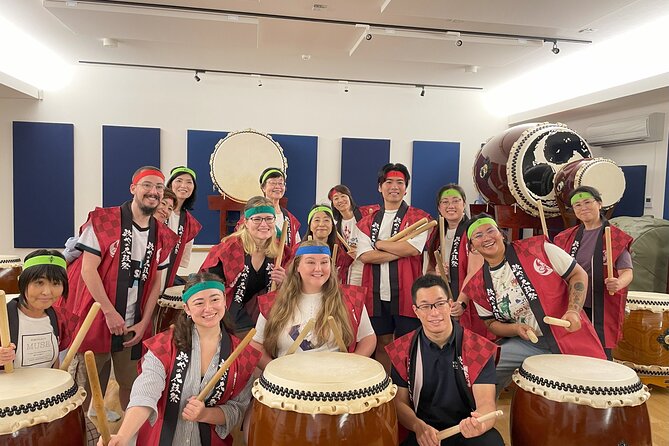
The experience begins at Kyoto Station, where an English-speaking guide meets the group. Guides have included Michiko, Kumi, Akemi, and Akiko, though the person leading your session may differ. The meeting point is near the station’s central exit, not the Shinkansen central ticket gate, so check the location before setting out.
From there, you take a JR train to Takatsuki, the nearest station to the studio. The train ride is about 12 minutes, followed by a car or taxi transfer of roughly 10 minutes. The direct taxi ride from Kyoto is not a good substitute: it can take more than an hour and cost considerably more.
The guide may share local details on the way, but this is primarily a practical transfer to the studio, not a sightseeing tour. The total activity lasts about two and a half hours, though the return to Kyoto Station can take closer to three hours depending on the train schedule. Leave breathing room before any later plans.
More Kyoto tours in Kyoto:
- PERFECT KYOTO 1-Day Bus Tour
★ 5.0 · 13,518 reviews - Kyoto: Fushimi Inari, Kinkakuji, Bamboo Grove 1 Day Bus Tour
★ 4.8 · 4,316 reviews - Kyoto: Tea Ceremony in a Traditional Tea House in Kiyomizu
★ 4.9 · 3,519 reviews
A short introduction before the drums
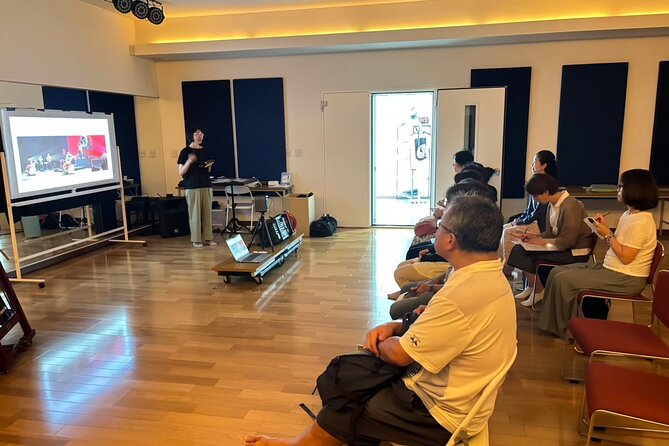
At the studio, you begin with an explanation of taiko’s history and its place in Japanese culture. That context matters: the session is more than a chance to make a loud noise. It gives you a little grounding before you pick up the sticks and try to understand the posture, rhythm, and coordinated movement involved.
The class then offers a simple calligraphy activity. You write a wish on a hachimaki, a traditional headband, which you wear during the drumming. It is a modest craft element rather than an extended calligraphy lesson, but it gives you a personal souvenir and helps mark the shift from watching to participating.
The demonstration: a chance to hear taiko at full force
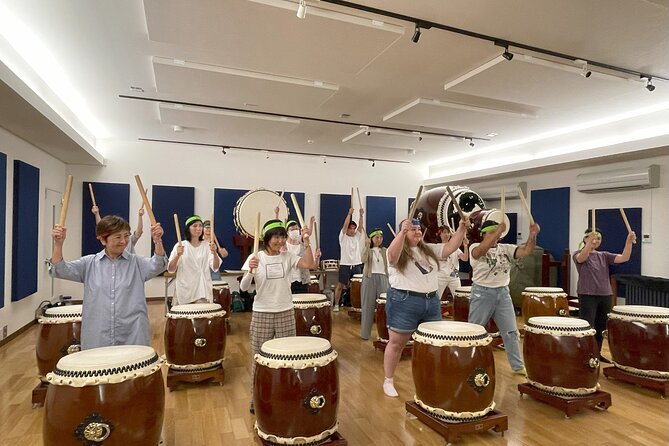
Before your lesson, a professional instructor gives a taiko demonstration. This is one of the session’s strongest moments: the drum’s physical presence becomes clear when you hear a skilled player bring it to life. Some performances may combine a live drummer with recorded video of another drummer, rather than featuring several live performers.
The demonstration also gives you a useful preview of what the instrument can do. Taiko is about more than striking hard. Timing, posture, arm movement, and working together all shape the sound. Watching first makes the beginner lesson easier to follow, and gives you a more realistic sense of the skill behind even a simple rhythm.
Learning a rhythm, one movement at a time
After the performance, the instructor teaches basic techniques and movements. You do not need musical experience, and the lesson is adjusted to the group’s ability and fitness. That is welcome news if your musical background begins and ends with tapping on a table.
The aim is not to turn you into a taiko performer in one class. Instead, you learn enough to play a simple piece with the other participants. The group format is part of the fun: you listen, keep time, and try to make your part fit with everyone else’s. The lesson can also be more physical than it first appears. One participant noted that sustained drumming can provide a cardiovascular workout, so expect to move your arms and stand while playing.
The instruction is described as patient and encouraging, with English interpretation provided by the guide. Past sessions have included instructors such as Aoi and Mr. Sakurai. The exact teacher may vary, but the combination of a professional drummer and a guide who can translate helps make the lesson accessible to international visitors.
Same city, a different side of it:
- Kyoto Geisha Walking Tour: Gion District & Hidden Gems
★ 4.7 · 3,273 reviews - Kyoto: Tea Ceremony Ju-An at Jotokuji Temple
★ 4.9 · 3,207 reviews - Kyoto: Gion Magical Night Walking Tour with Geisha Trivia
★ 4.9 · 2,393 reviews - Kyoto: 45-Minute Tea Ceremony Lesson Experience
★ 4.3 · 2,378 reviews
The group performance and costume photo
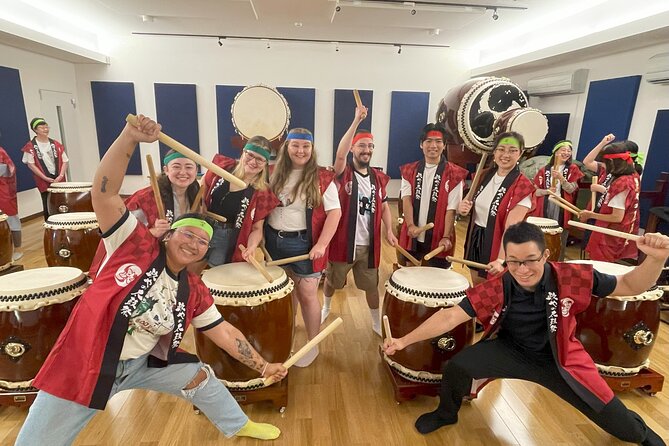
The class ends with a simple group performance, giving you a chance to put the movements together rather than leaving with only a few practice strokes. It is a small but satisfying finish: you have heard the instrument, learned a rhythm, and played it with other people.
Afterward, you can take a commemorative photo wearing a happi coat and hachimaki. The costume is part of the closing activity, not an elaborate dressing-up session. Still, it makes a cheerful keepsake and gives the experience a clear ending before the transfer back to Kyoto Station.
Is $115.62 a fair price?
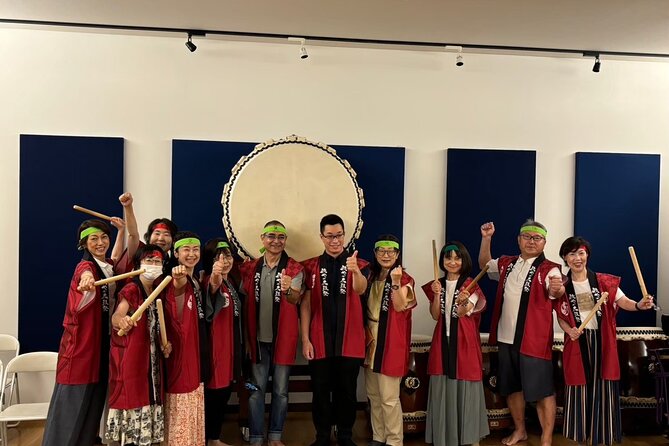
At $115.62 per person, this is not the cheapest way to fill a few hours in Kyoto. But the price covers more than a short drum lesson: you get an English-speaking guide, train and car transfers to the studio, a taiko instructor, a live demonstration, the headband activity, and time to learn and play a group piece.
That mix is what makes the price easier to justify. You are paying for access to a professional studio and instruction, as well as transport to a location that is not convenient to reach directly from Kyoto. If you only want to watch a performance, this is probably more involvement and cost than you need. If you want a cultural activity where you actually learn a skill, the value is stronger.
The listed cost for someone observing without joining the drumming is 9,000 yen, paid in cash at the studio. Tell the operator in advance if you are bringing an observer; without notice, transport may not be arranged. The main experience price is listed in dollars, while this observer fee is in yen, so check the amount and payment details when booking.
Who will enjoy this experience most
This session suits curious beginners, families with older children, and anyone looking for a break from temples and sightseeing. Children under seven cannot participate, but one family described children aged eight and 11 joining in and enjoying the class. The maximum group size is 15, which keeps the lesson smaller than a large tour bus activity.
You do not need to be a musician, though people who enjoy rhythm may find an extra layer of pleasure in learning the measures. The class can also suit someone who wants an active cultural experience without committing to a long course. If you have limited mobility or concerns about standing and repeated arm movement, ask the operator for current details before booking; the available information says the lesson is adjusted to skill and fitness, but does not give specific accessibility details.
The experience is less suitable if your Kyoto schedule is packed tightly. You should expect to be away for two and a half to three hours, and leaving the class early is discouraged. It is also a poor fit for anyone who dislikes fixed meet-up times or has difficulty navigating a large station.
Arrival, timing, and a few useful cautions
Arrive at the Kyoto Station meeting point at least 15 minutes before the start time. The station is large, and the operator cannot wait for late arrivals because the train schedule sets the pace. If you get turned around, ask station staff for the central exit, not the Shinkansen central exit.
The stated duration includes the lesson and transfers. Allow up to three hours before scheduling another activity, since train timing can shift the return. If you are booking alone, note that single-person reservations are unavailable on certain dates; on those dates, the operator may allow you to book and pay for two places.
The activity is listed as requiring good weather. If poor weather causes a cancellation, you are offered another date or a full refund. For a regular cancellation, you can receive a full refund if you cancel at least 24 hours before the start time. Cancellations or changes inside that window are not accepted.
Should you book the taiko experience?
Book it if you want to do something more participatory than watch a cultural performance. The best reasons are the chance to learn from a professional instructor, the short but useful cultural introduction, and the satisfying group rhythm at the end. The headband calligraphy and costume photo add color without taking over the session.
Skip it if you have only a narrow gap in your Kyoto itinerary, prefer a performance with no lesson, or are uncomfortable committing to a strict station meeting time. For everyone else, it offers a lively look at taiko and a genuine chance to make some music yourself.
FAQ
How long does the taiko experience take?
The experience lasts about two and a half hours, including transfers. Depending on the train schedule, you may return to Kyoto Station closer to three hours after the start.
Where do I meet the group?
Meet at Kyoto Station, near the central exit. This is not the Shinkansen central ticket gate, so check the meeting point in advance and arrive 15 minutes early.
How do I get to the studio?
The group takes a JR train from Kyoto Station to Takatsuki Station, about a 12-minute ride, then travels by car or taxi for roughly 10 minutes. A direct taxi from Kyoto is not recommended.
Do I need taiko or music experience?
No. The class is suitable for beginners, and the instructor adjusts the lesson to participants’ skill and fitness levels.
Is the session taught in English?
An English-speaking guide is included. The guide helps explain and interpret during the session.
Can children take part?
Children under seven are not allowed to participate. The activity information says most participants can join, and families with older children have taken part.
How many people can join?
The group has a maximum of 15 participants.
Can someone come along just to observe?
Yes. The observer fee is 9,000 yen per person, payable in cash at the studio. Notify the operator in advance so transportation can be arranged.
What happens if I arrive late or need to cancel?
The group cannot wait for late arrivals because of the train schedule, and no refund is issued if you miss the start. You can cancel at least 24 hours before the start time for a full refund; cancellations or changes made later are not accepted.
Newly added in Kyoto
- Uji: Private immersion into Kyoto’s tea and reglious culture★ 5.0 · 17 reviews
- Whisk Your Own Matcha: A Zen Matcha Experience at Temple★ 3.6 · 7 reviews
- Kyoto tea town for matcha lovers★ 5.0 · 16 reviews
- Treasures of Kyoto: Gion & historical Walking Tour★ 5.0 · 6 reviews
- Kyoto Matcha Green Tea Tour★ 4.5 · 23 reviews
- Uji and Wazuka Matcha Farm Half Day Private Guided Tour★ 5.0 · 21 reviews
- Slow Cycling Tour at Uji’s Matcha Green Tea Fields and Heritage★ 5.0 · 25 reviews
- Uji Tea Ceremony and UNESCO Heritage Walking Tour★ 5.0 · 20 reviews
Kyoto Tours, compared.


Fushimi Inari, Kinkakuji, Bamboo Grove 1 Day Bus Tour
Read our review →
Tea Ceremony in a Traditional Tea House in Kiyomizu
Read our review →
Kyoto Geisha Walking Tour: Gion District & Hidden Gems
Read our review →
Gion Magical Night Walking Tour with Geisha Trivia
Read our review →