
Reviewed · KYOTO TEA CEREMONIES
Tea Ceremony in 150 Years Old Townhouse with Tables and Chairs
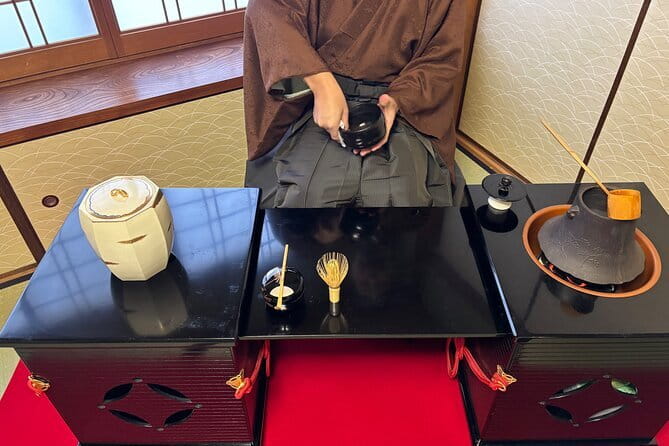
In a 150-year-old townhouse in Kyoto’s Ninenzaka district, you can learn the practical steps and quiet rituals of a Japanese tea ceremony, then make your own matcha. The session is short, but it gives you more than a taste: you’ll hear why the utensils and gestures matter.
I like two things in particular: you get hands-on instruction from a tea master, and the session pairs two cups of Uji matcha with two seasonal Japanese sweets. The tables and chairs also make this a more approachable introduction if sitting on the floor is not your preference.
One consideration: the session is shared, with up to 15 participants, so it is not a private ceremony. Arrive on time, wear socks, and leave perfume behind; these small courtesies matter in the tea room.
The key details at a glance
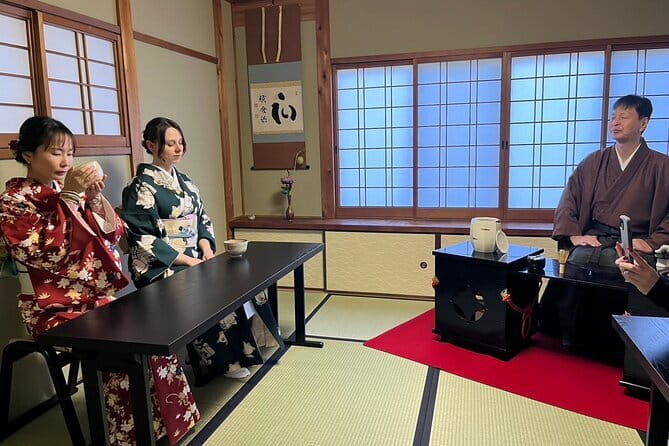
- A historic Ninenzaka townhouse: The ceremony takes place at Kangetsu Kyoto in a 150-year-old building near the Sannenzaka and Ninenzaka area.
- A 50-minute introduction: Expect an explanation of tea etiquette, utensils, and rituals, followed by a chance to prepare matcha yourself.
- Two cups, two sweets: The included tasting features high-quality matcha from Uji, Kyoto, and two kinds of seasonal Japanese sweets.
- English instruction every day: The tea master and supporting staff explain the process in English, with room for questions.
- A group, not a private session: The maximum is 15 participants. The set-up uses tables and chairs.
- A modest add-on option: A two-piece kimono rental is available for 1,000 yen per person. Socks are not provided.
A tea lesson in the old streets of Ninenzaka
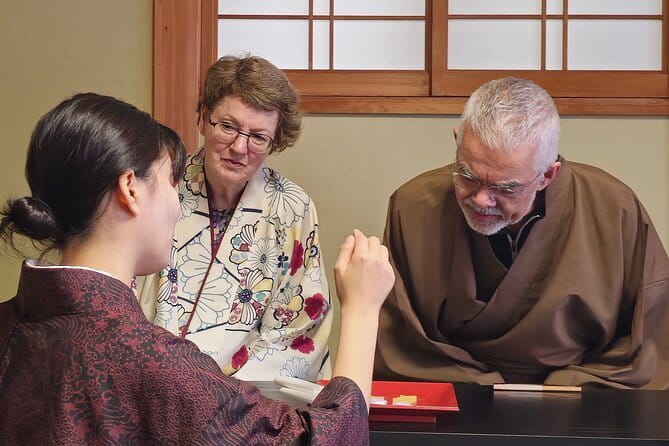
Kangetsu Kyoto is at 349-19 Masuyacho, Higashiyama Ward, in the Ninenzaka area. The location gives the activity a useful sense of place: you are not learning about tea in a generic event room, but in a traditional townhouse amid one of Kyoto’s best-known historic districts.
The activity lasts about 50 minutes and returns you to its starting point. That makes it easy to fit into a day of sightseeing, especially if you are already spending time around Ninenzaka or Sannenzaka. It is a focused cultural stop rather than a long lesson in every school and variation of Japanese tea practice.
The townhouse is described as 150 years old, a detail that helps frame the experience. The setting adds atmosphere, while the tea master’s explanations give you a way to understand what is happening beyond the room itself. The goal is not to turn you into a tea practitioner in under an hour. It is to help you notice the thought behind the ceremony and take part in a few of its essential actions.
More tea ceremonies in Kyoto:
- Kyoto: Tea Ceremony in a Traditional Tea House in Kiyomizu
★ 4.9 · 3,519 reviews - Kyoto: Tea Ceremony Ju-An at Jotokuji Temple
★ 4.9 · 3,207 reviews - Kyoto: 45-Minute Tea Ceremony Lesson Experience
★ 4.3 · 2,378 reviews
What happens during the 50-minute session
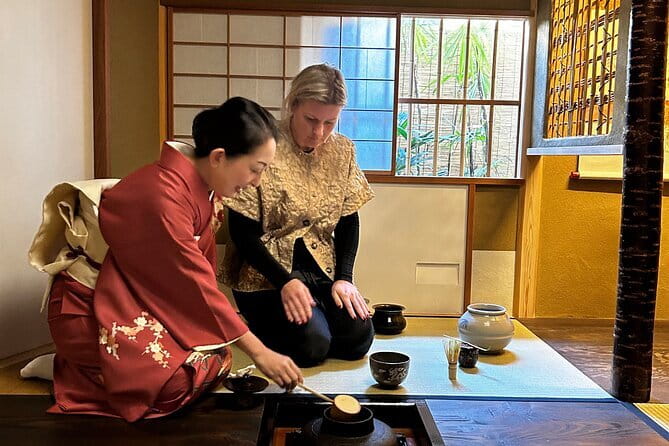
The session begins with an introduction to the tea ceremony and its customs. You can expect the tea master to explain the utensils, etiquette, and rituals, with English instruction available every day. That background matters: without it, the ceremony can look like a sequence of precise movements; with it, you have some context for why those movements are performed.
The teaching is described as step by step, and the format includes time for questions. This makes the activity suitable even if you know little about matcha or Japanese tea culture. You do not need to arrive with specialist knowledge, but you should come ready to listen and follow the room’s rules.
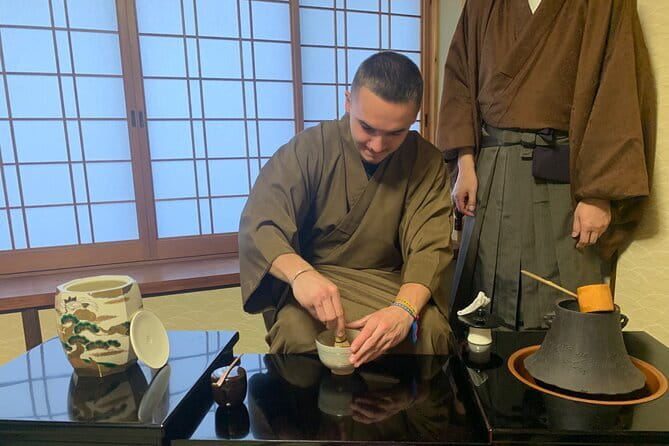
The session then brings the explanation into practice. You have the chance to use the tools and prepare your own cup of matcha. Making it yourself is a small but valuable part of the visit: you move from watching a demonstration to understanding, through your own hands, how the tea is prepared.
The experience includes two cups of high-quality matcha made in Uji, a tea-producing area in Kyoto Prefecture. Two kinds of seasonal Japanese sweets are served with the tea. The sweets are described as handcrafted and traditional, and their seasonal character offers a small reminder that Japanese food culture often changes with the time of year.
You should expect a guided cultural introduction, not a full-length formal ceremony or a private lesson. The 50-minute limit keeps the pace manageable, but it also means the explanations need to be concise. If you are especially interested in the history or finer points of tea practice, use the question period to ask what matters most to you.
Why making the tea yourself matters
A demonstration can show you what a tea ceremony looks like. Preparing your own matcha gives you a different kind of understanding. You handle the tools, follow the instructions, and see how attention to small actions shapes the result.
That hands-on element is particularly useful for first-timers. You do not have to guess what the tea master is doing or simply watch from the side. The instruction is intended to make the process accessible, and the opportunity to ask questions helps fill in gaps as they arise.
The experience also gives you a chance to learn why matcha is treated with care. The ceremony is not just a way to serve a drink. The etiquette, utensils, and gestures all contribute to the ritual, and the introduction explains those parts in a way that gives the cup more meaning.
There is a practical reward, too: you can taste two cups during the session. If you discover that you like the tea, a participant has mentioned being able to buy high-quality matcha at the shop. Treat that as an optional extra rather than part of the included activity, and check the current availability and price on site.
A townhouse setting, with tables and chairs
The title’s reference to tables and chairs is worth noting. Tea ceremonies are often imagined as requiring guests to sit on the floor, but this session is arranged with chairs and tables. That can make the activity more comfortable for people who prefer not to kneel or sit on tatami for an extended period.
The room still has its own etiquette. You must wear socks, and perfume is strictly prohibited because it can interfere with the smell of incense and tea. Clothing should not expose too much skin. These are not complicated demands, but they do ask you to approach the setting with some care.
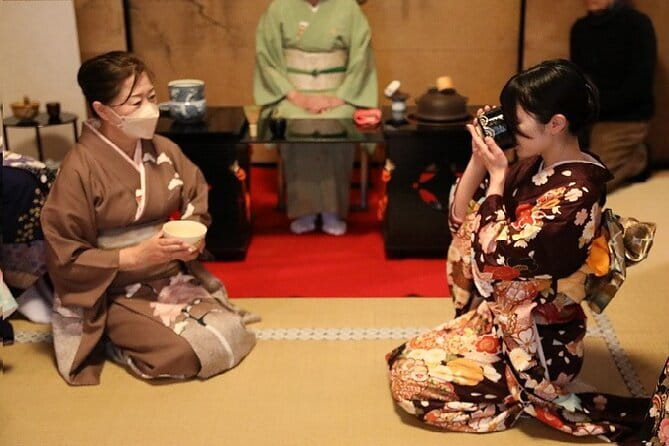
The smartphone rules are also specific. Only smartphones are allowed in the tea room, and video recording during the instructor’s demonstration is prohibited. If you want a picture, follow the staff’s directions and keep the demonstration itself free from filming.
This is a shared activity, with a maximum of 15 participants. That is small enough to allow questions and follow the instruction, but it is not an intimate one-to-one booking. If you want a private session, do not assume this option provides one. The available experience is a group session.
More Kyoto tours in Kyoto:
- PERFECT KYOTO 1-Day Bus Tour
★ 5.0 · 13,518 reviews - Kyoto: Fushimi Inari, Kinkakuji, Bamboo Grove 1 Day Bus Tour
★ 4.8 · 4,316 reviews - Kyoto Geisha Walking Tour: Gion District & Hidden Gems
★ 4.7 · 3,273 reviews - Kyoto: Gion Magical Night Walking Tour with Geisha Trivia
★ 4.9 · 2,393 reviews
What the price includes, and what it does not
At $28.90 per person, the price covers about 50 minutes of guided instruction, the use of tools to prepare your own tea, two cups of Uji matcha, two seasonal sweets, and all fees and taxes. For a short activity, that is a useful bundle: you are paying for an instructor-led cultural lesson as well as food and drink.
I see the strongest value in the combination of explanation and participation. A cup of matcha and a sweet alone would be a brief tasting; here, you also learn the customs and try the preparation yourself. The traditional townhouse and the English-language teaching add context that can be hard to get from simply ordering tea at a café.
The listed price does not include socks, bottled water, soda, or alcohol. A two-piece kimono rental is available for an additional 1,000 yen per person. The kimono is optional, not a required part of the ceremony, so you can keep costs down by wearing your own comfortable clothing.
Do not book this expecting a kimono to be included or a long, private tea lesson. The best way to judge the price is as a compact introduction to matcha and tea customs in a historic Kyoto setting. If that is what you want, the included instruction, tasting, and hands-on preparation make the cost reasonable.
Who will appreciate this ceremony most
This is a good fit if you want a structured cultural activity that does not take half a day. It can suit first-time visitors to a tea ceremony, matcha fans who want to learn how the drink is prepared, and families with older children. Children under seven are not allowed, but children aged 11 and 13 have taken part and enjoyed the history and activity.
You will get the most from it if you are curious and willing to follow the room’s etiquette. The ceremony depends on a respectful atmosphere, and other participants share the space. Arriving promptly helps the session begin smoothly and avoids making the tea master and the rest of the group wait.
The activity may be less suitable if you want complete privacy, plan to film the demonstration, or prefer an unstructured tasting. The group format and clear rules are part of the experience. They are not obstacles, but they do shape what you can do in the room.
If anyone in your party has an allergy, tell the organizers in advance. The sweets are part of the experience, so it is better to raise dietary concerns before arriving rather than assume the ingredients can be changed on the spot.
A few practical points before you go
The meeting point is Tea Ceremony & Cultural Experience Kangetsu Kyoto at 349-19 Masuyacho, Higashiyama Ward, Kyoto, 605-0826. The activity ends back at the same location. The venue is near public transportation, and the staff may send a text explaining how to find it, so check your messages before setting out.
Plan to arrive on time. A previous group running late has caused a wait, and punctuality is a simple courtesy to the tea master as well as to the people booked after you. Keep your phone handy for directions, then follow the rules once you enter the tea room.
Wear socks, choose modest clothing, and skip perfume. Do not bring a camera other than a smartphone into the tea room, and do not record the instructor’s demonstration. These rules protect the atmosphere and let everyone focus on the ceremony.
The activity offers free cancellation up to 24 hours before the start time. Changes or cancellations made less than 24 hours before the start are not accepted for a refund. If poor weather causes the activity to be canceled, you will be offered another date or a full refund.
Should you book the Kangetsu Kyoto tea ceremony?
Book it if you want a short, approachable way to learn how matcha is prepared and why the tea ceremony uses particular customs and tools. The most useful combination is the tea master’s explanation, your own turn preparing tea, and the tasting of Uji matcha with seasonal sweets.
It is also a practical choice if you are exploring Ninenzaka and want a cultural activity that fits neatly into a sightseeing day. The old townhouse and table-and-chair arrangement add character without making the session physically demanding.
Skip it if you are looking for a private ceremony, a long course, or permission to film the demonstration. For everyone else, arrive on time, respect the room’s rules, and use the question period well. At $28.90, it offers a clear, hands-on introduction to one of Kyoto’s best-known traditions.
FAQ
How long does the tea ceremony last?
The session lasts approximately 50 minutes.
Where does the activity take place?
It takes place at Tea Ceremony & Cultural Experience Kangetsu Kyoto, at 349-19 Masuyacho in the Ninenzaka area of Kyoto’s Higashiyama Ward.
Is the instruction available in English?
Yes. English-language experiences are provided every day.
What is included in the price?
The price includes all fees and taxes, use of tools to prepare your own tea, two cups of Uji matcha, and two seasonal Japanese sweets.
How many people can join the session?
The activity has a maximum group size of 15 participants.
What should I wear?
Wear socks and clothing that does not expose too much skin. Perfume is prohibited in the tea room.
Can children take part?
Children under seven are not allowed to participate.
Can I cancel for a full refund?
You can cancel at least 24 hours before the start time for a full refund. If poor weather cancels the activity, you will be offered another date or a full refund.
Newly added in Kyoto
- Uji: Private immersion into Kyoto’s tea and reglious culture★ 5.0 · 17 reviews
- Whisk Your Own Matcha: A Zen Matcha Experience at Temple★ 3.6 · 7 reviews
- Kyoto tea town for matcha lovers★ 5.0 · 16 reviews
- Treasures of Kyoto: Gion & historical Walking Tour★ 5.0 · 6 reviews
- Kyoto Matcha Green Tea Tour★ 4.5 · 23 reviews
- Uji and Wazuka Matcha Farm Half Day Private Guided Tour★ 5.0 · 21 reviews
- Uji Tea Ceremony and UNESCO Heritage Walking Tour★ 5.0 · 20 reviews
- Utilising upcycled Matcha! Creating matcha incense (Uji, Kyoto)★ 5.0 · 6 reviews
Kyoto Tea Ceremonies, compared.

Tea Ceremony in a Traditional Tea House in Kiyomizu
Read our review →


World Heritage Kyoto & Nara Uji Authentic Matcha Experience
Read our review →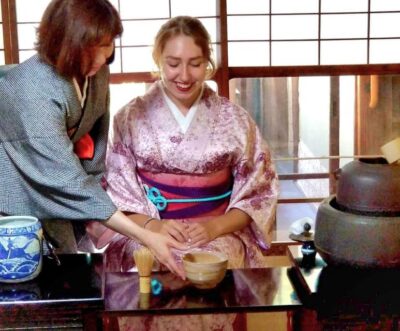


Arashiyama Bamboo Forest, Monkeys, Matcha & Temple Tour
Read our review →
Tea Museum Tickets and Matcha Grinding Experience
Read our review →Browse the lists this tour appears in