
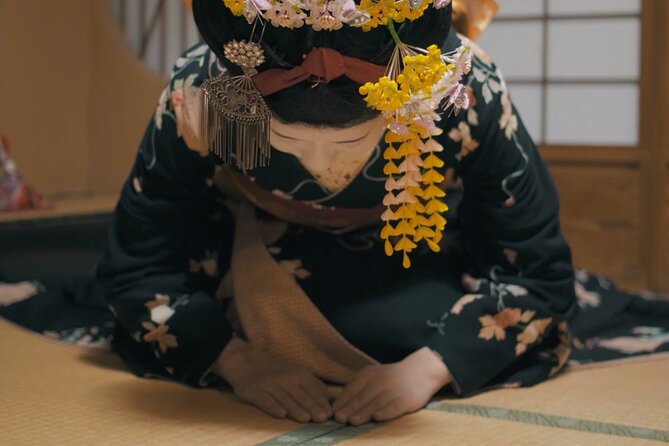
Reviewed · KYOTO GEISHA TOURS
Kyoto Gion Cultural Walk & Geisha Show with Dining Options
Gion’s geiko culture is easier to understand when you hear about its history on the streets where it is practiced, then meet a maiko face to face. This tour pairs a guided walk with a performance and conversation, so the experience is more than a glimpse of kimono and dance.
I like two things in particular: the guides explain the difference between geiko and maiko while correcting familiar myths, and the meeting gives you time to ask questions rather than simply watch a show. One consideration: the meal is part of the experience, but dinner’s eight sharing plates may not satisfy a large appetite.
Key points
- Start beside the Izumo no Okuni statue: Meet near exit 4 of Keihan Gion Shijo Station, a practical landmark in central Kyoto.
- Learn about geiko and maiko in Gion: The walk covers history, customs and the working life behind these traditional arts.
- Meet a maiko, not just watch from afar: The session includes a performance, a question-and-answer period and, depending on the occasion, one or two songs.
- Pick a meal or tea format: Options include lunch, an afternoon tea break or dinner with eight different sharing dishes.
- Keep the group small: The tour is limited to eight people, making it easier to hear the guide and take part in the conversation.
- Plan for walking: The route is not suited to people with mobility impairments, and large bags are not allowed.
Why Gion makes a good classroom
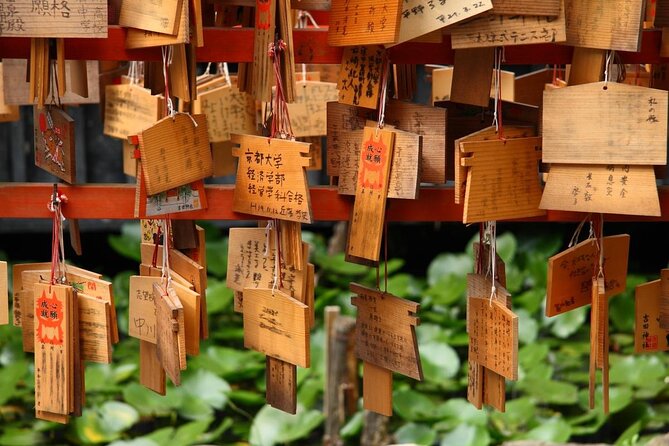
Kyoto’s entertainment districts can look like a stage set at first glance: wooden facades, narrow lanes and the chance of spotting someone in formal dress. But the meaning behind the setting is easy to miss if you only stroll through, camera ready. This tour puts context first. Your guide introduces the traditions and history of geiko and maiko, then points out places connected to that world as you walk.
In Kyoto, geiko is the local term for a professional geisha, while maiko refers to an apprentice. The distinction matters. A maiko is training in traditional arts and etiquette, and the tour gives you an opportunity to hear about that path from a guide before meeting a maiko herself. That context can help you see the performance as skilled work and cultural practice, rather than as a costume spectacle.
The walk is listed as lasting around 1.5 to 2 hours. Depending on the route, you may pass traditional streets, temples, a shrine or places connected with geiko and maiko training. Some routes also take in Miyagawa-chō, another historic entertainment district. The specific stops may vary, but the central idea is consistent: understand the neighborhood as a living community, not just a photogenic backdrop.
Guides named in connection with the tour include Kenta and Akari. Their English explanations and willingness to take questions are a major part of the experience. Kenta is also noted for helping the group understand how to behave respectfully around the geiko community. That guidance is useful in a district where visitors can easily mistake a private working life for a public attraction.
More geisha and maiko experiences in Kyoto:
- Kyoto Geisha Walking Tour: Gion District & Hidden Gems
★ 4.7 · 3,273 reviews - Kyoto: Gion Magical Night Walking Tour with Geisha Trivia
★ 4.9 · 2,393 reviews - Kyoto: Gion Geisha District Walking Tour – Stories of Geisha
★ 4.7 · 2,187 reviews
Meeting at the Izumo no Okuni statue
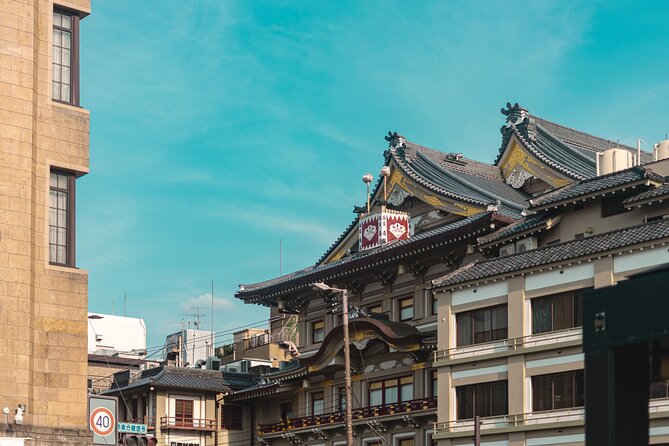
The meeting point is in front of the statue of Izumo no Okuni, near exit 4 of Keihan Gion Shijo Station. Finding this precise spot should be simpler than trying to locate a small shop or restaurant in Gion’s winding streets. Aim to arrive with enough time to get out of the station and orient yourself before the walk begins.
The tour is conducted in English and capped at eight participants. That small size matters on narrow streets: you are less likely to be stranded at the back of a large crowd, and it is easier to follow explanations and ask questions. It also makes the later conversation with the maiko feel less like a performance for a room full of strangers.
The activity is listed as three hours, with another stated duration of 210 minutes. Since the walking portion and the meeting are both substantial, I would keep some flexibility in your plans afterwards rather than scheduling a tight connection or dinner reservation.
Walking through Gion’s working traditions
The walk is the part that turns a meeting with a maiko into a more informed experience. Your guide explains the origins of geiko culture, the different roles of geiko and maiko, and the routines and traditions that shape their training. You can ask about details that are hard to sort out from films or quick online summaries.
That last point is especially valuable. Popular portrayals often blur geiko, maiko and other aspects of Japanese culture into one vague image. A guide can separate myth from daily practice and explain why the terms and customs matter. The tour is not a formal lecture, though: it takes place as you move through Gion, with room for questions along the way.
The route also gives you time to notice the district itself. Traditional streets and buildings are part of the setting, but the guide’s commentary helps explain why the area is associated with these arts. You may see temples or a shrine as part of the walk, though the exact stops can depend on the route. The focus remains on Gion and its cultural history, rather than on ticking off Kyoto’s major temples.
A practical note: this is a walking tour, not a vehicle-based overview. The route is not suitable for people with mobility impairments, and large bags are not allowed. Wear comfortable shoes and travel light. In warm weather, the walk may feel more demanding; guides have been known to bring cold drinks, but you should not count on that being included every time.
Meeting a maiko and seeing the dance
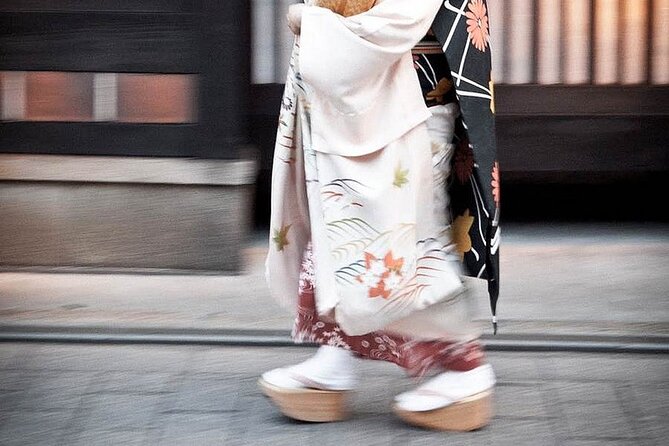
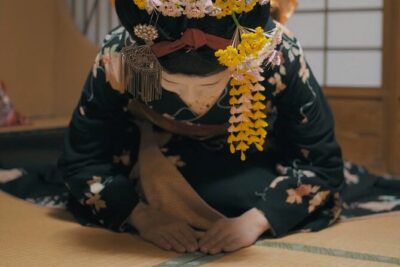
The second half brings you to a venue in Miyagawasuji, where the maiko meeting and performance take place. The scheduled session is about 50 minutes and includes a question-and-answer period, a dance performance and one or two songs. This is a compact introduction, not a full evening of entertainment, but the personal exchange gives it a different feel from watching a stage show.
You can ask about the maiko’s life and training, and see the details of her kimono, hair and makeup close up. The conversation helps make the performance legible: instead of seeing only graceful movements, you have some sense of the discipline and tradition behind them. The maiko is there as a working artist, so approach the meeting with curiosity and respect.
The dance itself is brief, but that is not a flaw. The point is not to fill the evening with a long program. It is to see a traditional performance at close range and connect it to what you have just learned on the walk. Some sessions include a game or additional interaction, but the core elements are the conversation and dance.
Photography policies can vary. Follow the instructions given at the venue, especially about sharing images. Treating the meeting as a cultural exchange rather than a photo opportunity will make it more rewarding for you and more comfortable for the performer.
More Gion tours in Kyoto:
- Best of Kyoto: Gion, Geisha, Pagodas & Cobblestones
★ 4.9 · 2,058 reviews - Night Walk in Gion: Kyoto’s Geisha District
★ 4.5 · 2,003 reviews - Kyoto Night Foodie Tour in Gion (9+ dishes + 6 Sake tastings)
★ 5.0 · 1,762 reviews - Kyoto Gion Geisha District Walking Tour – The Stories of Geisha
★ 5.0 · 1,441 reviews
Choosing lunch, tea or dinner
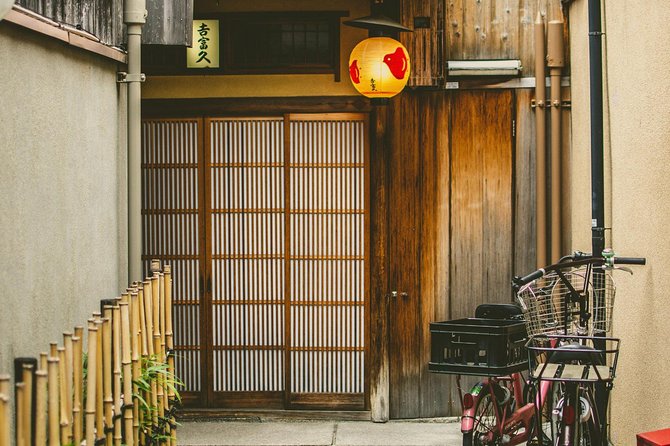
The booking choice determines what you have with the maiko. The lunch option includes a Japanese lunch plate, while the afternoon option includes a cup of tea. The dinner option provides eight different sharing dishes. These are distinct formats, not a full meal plus tea, so choose according to your schedule and appetite.
Lunch makes sense if you want a daytime activity and a meal built into the tour. The afternoon tea option is lighter and leaves your dinner plans open. Dinner can make the experience feel like a complete evening out, with food, conversation and performance in one visit.
Set expectations sensibly about portions. The dinner is served as several sharing plates, and the dishes may be nicely arranged without amounting to a large meal. If you usually eat a substantial dinner, consider having a snack beforehand or planning another bite later. The meal is part of the cultural setting, but the maiko meeting and dance are the main reasons to book.
A tea break is not a meal replacement, and lunch or dinner is not necessarily a deep introduction to Japanese cuisine. Think of the food as a way to sit together and talk, with the format varying by time slot. The available start times depend on the date, so check which option is offered when you book.
What $108 buys you
At $108 per person, this is a premium outing compared with a basic neighborhood walking tour. You are paying for more than the walk: there is an English-speaking guide, a small group, a meeting with a maiko, a live performance and a meal or tea, depending on the option you select.
The strongest value is the access and explanation. A solo walk can show you Gion’s streets, but it cannot provide the same structured context or a planned conversation with a maiko. The small group also gives the Q&A a better chance of feeling like a conversation rather than a distant presentation.
The price will feel less compelling if you mainly want a long dance show or a filling dinner. The performance is short, and the dinner plates may be modest. But if your priority is understanding geiko and maiko traditions and having a chance to ask questions, the combined format is a more useful purchase than paying separately for a generic walk and a meal.
The tour offers free cancellation up to 24 hours in advance, and you can reserve now and pay later. Those terms help if your Kyoto plans are still shifting, but do check the selected time and meal format before you commit.
Who will get the most from this tour
I would recommend this to anyone curious about Kyoto’s geiko culture who wants more than a quick photograph of Gion. It is especially well suited to visitors who enjoy asking questions, value a guide’s cultural context and are comfortable walking for a substantial part of the activity.
Families with older children may also find it rewarding. The combination of a neighborhood walk, a personal meeting and a dance gives the subject several points of entry. Younger children may have a harder time staying engaged through the explanatory walk and seated conversation, so consider your group’s interests and attention span.
You do not need to arrive as an expert. In fact, the tour’s explanation of the terms and customs is useful precisely because the subject is often misunderstood. If you already know a great deal about geiko culture, you may still appreciate meeting a maiko, though the introductory walk may cover some familiar ground.
This is not the right choice if you want a private audience, an extensive performance or a substantial multi-course dinner. The group is small, but it is still a group experience, and the meal formats are set. Nor is it suitable if walking is difficult for you.
Should you book it?
Book this if you want Gion to make sense, not merely look beautiful. The walk supplies the context, and the maiko meeting gives you a rare chance to ask questions and see a traditional dance up close. Choose lunch, tea or dinner based on your appetite and schedule, and remember that the food portions may be modest.
Skip it if your main goal is a long show, a filling dinner or a route with little walking. For most curious visitors, though, the combination of a small group, an English-speaking guide and a direct cultural exchange makes the $108 price reasonable. Arrive ready to listen, ask thoughtful questions and respect the people whose working world you are visiting.
FAQ
Where does the tour meet?
Meet in front of the statue of Izumo no Okuni near exit 4 of Keihan Gion Shijo Station.
How long does the experience last?
It is listed as three hours and also described as 210 minutes. Check the available starting time for your selected date.
What language is the tour in?
The live tour guide speaks English.
How many people are in the group?
The group is limited to eight participants.
What food or drink is included?
The lunch option includes a Japanese lunch plate, the tea option includes a cup of tea, and the dinner option includes eight different sharing dishes.
What happens during the maiko meeting?
The session includes a question-and-answer period and a traditional dance performance with one or two songs.
Is the tour suitable for people with mobility impairments?
No. The experience is not suitable for people with mobility impairments. Large bags and luggage are also not allowed.
More walking tours in Kyoto
- Nishiki Market Brunch Walking Tour (7 Tastings + Brunch)
★ 5.0 · 1,355 reviews - Kyoto Arashiyama Walking Tour: Bamboo, Monkeys, Gardens & Secrets
★ 5.0 · 1,216 reviews - Kyoto Gion: 2-Hour Geisha Culture & History Walking Tour
★ 5.0 · 1,186 reviews - Nara Half Day Trip Walking Tour (Private Option Available)
★ 5.0 · 937 reviews
More shows in Kyoto
- Kyoto Gion Cultural Walk & Geisha Show with Dining Options
★ 5.0 · 483 reviews - 1 Hour Geisha Show in Kyoto
★ 5.0 · 452 reviews - Kyoto: Samurai Kenbu Traditional Sword Dancing Show
★ 4.5 · 426 reviews - Kyoto: Nishiki Market Tea Ceremony with Koto Performance
★ 4.8 · 294 reviews
Newly added in Kyoto
- Uji: Private immersion into Kyoto’s tea and reglious culture★ 5.0 · 17 reviews
- Whisk Your Own Matcha: A Zen Matcha Experience at Temple★ 3.6 · 7 reviews
- Kyoto tea town for matcha lovers★ 5.0 · 16 reviews
- Treasures of Kyoto: Gion & historical Walking Tour★ 5.0 · 6 reviews
- Kyoto Matcha Green Tea Tour★ 4.5 · 23 reviews
- Uji and Wazuka Matcha Farm Half Day Private Guided Tour★ 5.0 · 21 reviews
- Uji Tea Ceremony and UNESCO Heritage Walking Tour★ 5.0 · 20 reviews
- Utilising upcycled Matcha! Creating matcha incense (Uji, Kyoto)★ 5.0 · 6 reviews
Kyoto Geisha Tours, compared.
Kyoto Geisha Walking Tour: Gion District & Hidden Gems
Read our review →
Gion Magical Night Walking Tour with Geisha Trivia
Read our review →
Gion Geisha District Walking Tour – Stories of Geisha
Read our review →
Best of Kyoto: Gion, Geisha, Pagodas & Cobblestones
Read our review →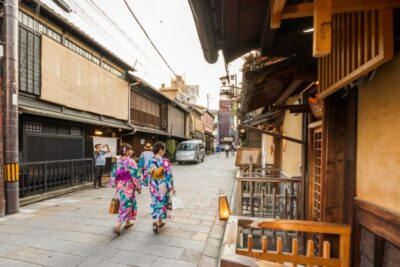

Kyoto Gion Cultural Walk & Geisha Show with Dining Options
Read our review →
Browse the lists this tour appears in