
Reviewed · KYOTO TEA CEREMONIES
Kyoto: Newly Opened Tea Ceremony – Sanjo Chasuian
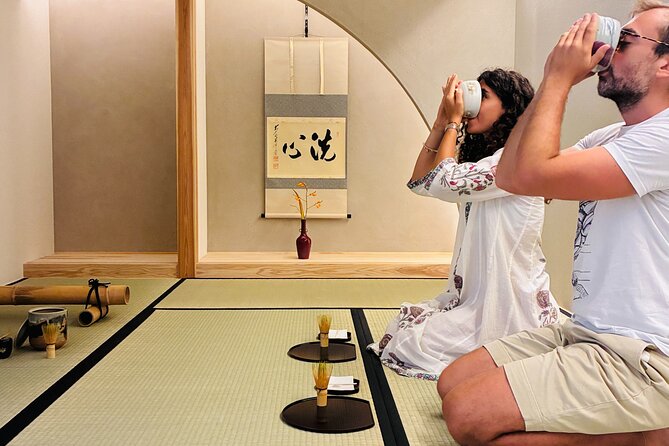
Kyoto’s tea ceremony is less about drinking a cup of matcha than paying attention to how it is prepared and served. At Sanjo Chasuian, you first watch the host make tea, then whisk a bowl yourself, with the meaning behind the movements explained in English. I like that the hour combines a calm demonstration with hands-on practice, and that the room has a nijiriguchi, the low crawl-in entrance that marks a passage from the everyday world into the tea room.
I also like the thoughtful extras: two servings of matcha and a seasonal sweet from a Kyoto confectioner with more than a century of history. The main consideration is that this is a short, structured introduction, not a long or advanced tea study. You’ll need to arrive on time, wear or bring socks, and be comfortable with the stated access limits.
What makes this tea ceremony worth considering
- Two bowls, two ways: Watch the host prepare one serving, then whisk another yourself or with a companion.
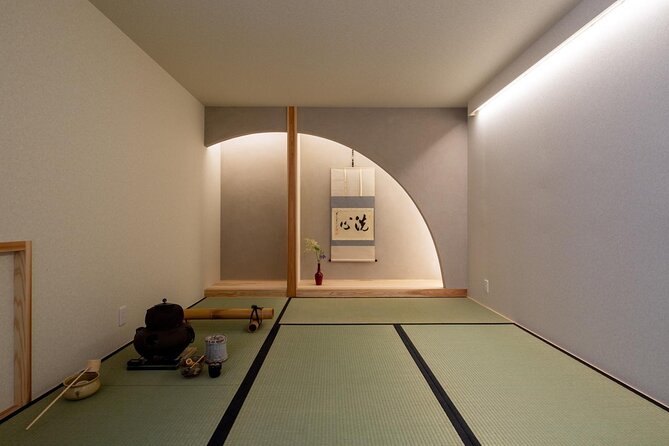
- A low doorway with a purpose: The nijiriguchi is a traditional crawl-in entrance that gives the tea room a distinct sense of arrival.
- Local sweets with the matcha: A seasonal Japanese confection from a Kyoto sweet shop with more than 100 years of history is included.
- English explanations before the quiet: Learn about the ritual first, so you can follow the ceremony without a running commentary.
- A small group in central Kyoto: Sessions are limited to 10 people, and the facility is about a five-minute walk from Karasuma Oike subway station.
- Chairs are available: You can ask to sit on a chair if kneeling is uncomfortable, though the activity is not suitable for wheelchair users.
A one-hour pause in central Kyoto
Sanjo Chasuian is a newly opened cultural facility offering tea ceremony experiences and sake tasting. This particular activity focuses on tea: it lasts one hour, costs $31 per person, and is conducted in English. The small-group plan can include other participants, with a maximum group size of 10.
The location makes it practical to fit into a Kyoto day. Karasuma Oike station is a five-minute walk away, and one participant noted that the venue was also within a short walk of their hotel. The exact walk from your own accommodation will depend on where you stay, but the subway connection gives you a straightforward way to reach the area without arranging a transfer.
The pace is part of the appeal. Kyoto sightseeing can mean temples, markets and long stretches on your feet. An hour devoted to a single ritual gives you a chance to slow down and notice small details: the tea bowl, the whisk, the sequence of movements and the quiet between them. I’d place it before dinner or between sightseeing stops, rather than treating it as a full afternoon activity.
More tea ceremonies in Kyoto:
- Kyoto: Tea Ceremony in a Traditional Tea House in Kiyomizu
★ 4.9 · 3,519 reviews - Kyoto: Tea Ceremony Ju-An at Jotokuji Temple
★ 4.9 · 3,207 reviews - Kyoto: 45-Minute Tea Ceremony Lesson Experience
★ 4.3 · 2,378 reviews
Arriving at the nijiriguchi
At the entrance, look for the large sign bearing the Sanjo Chasuian name and logo, then open the door. Staff will be there to welcome you. Entry is allowed from five minutes before the session starts, so don’t plan to arrive at the last second.
The room’s nijiriguchi is one of the most distinctive features of the visit. This small, low entrance is traditionally associated with entering the tea room in a humble manner, leaving ordinary concerns outside. It is a physical detail with a clear purpose, not just an attractive feature for photographs.
The information describes the doorway as one you crawl through, but it does not say that every participant must use it. If getting low or moving through a small opening would be difficult, contact the provider before booking to ask what arrangements are possible. The activity is not suitable for wheelchair users, and no specific accessibility accommodation beyond chairs is promised.
First, understand the ritual
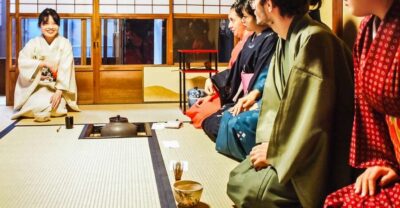
The host begins with an introduction to the history and meaning of the Japanese tea ceremony. This context helps you see why the process is deliberate. The ceremony asks you to pay attention to the setting, the utensils and the person serving the tea, rather than rushing toward the drink itself.
English is used for the guidance and explanations, and the group size keeps the session limited to 10. The introductory talk is also useful preparation for the quieter part that follows. One participant particularly valued learning the sequence beforehand, then watching the ceremony without conversation. That order lets you understand what is happening while leaving room for the ritual’s stillness.
Hosts named in accounts of the sessions include Yuko, Reina and Renna. The names are useful to know, but the person leading your session may vary. The consistent feature is an English-language explanation of the history and process, with time to ask questions.
Watch the host prepare the first bowl
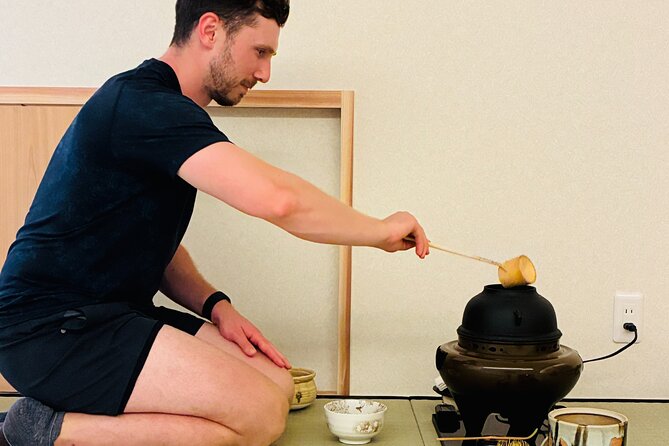
After the introduction, the host prepares matcha for you. Watch the movements closely: the point is not simply to make a drink, but to perform a series of actions with care. You can see how the tea bowl is handled and how whisking turns powdered green tea and water into a frothy serving.
This demonstration is the most restful part of the hour. Several participants have found it calming, and that makes sense: the host’s measured pace gives you a reason to stop checking the time and focus on what is in front of you. The ceremony is not a theatrical show with a large cast or elaborate staging. Its interest comes from the close attention given to small gestures.
You’ll receive a bowl of matcha and a seasonal sweet at this point. The sweet is provided by a Kyoto confectioner with more than a century of history. The exact confection changes with the season, so don’t expect a particular shape or flavor. Its role is to accompany the tea, adding a local food element to the lesson rather than making this a full tasting.
More Kyoto tours in Kyoto:
- PERFECT KYOTO 1-Day Bus Tour
★ 5.0 · 13,518 reviews - Kyoto: Fushimi Inari, Kinkakuji, Bamboo Grove 1 Day Bus Tour
★ 4.8 · 4,316 reviews - Kyoto Geisha Walking Tour: Gion District & Hidden Gems
★ 4.7 · 3,273 reviews - Kyoto: Gion Magical Night Walking Tour with Geisha Trivia
★ 4.9 · 2,393 reviews
Whisk your own matcha
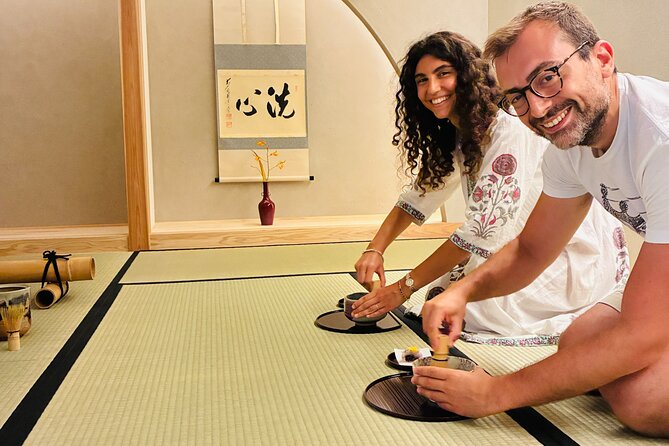
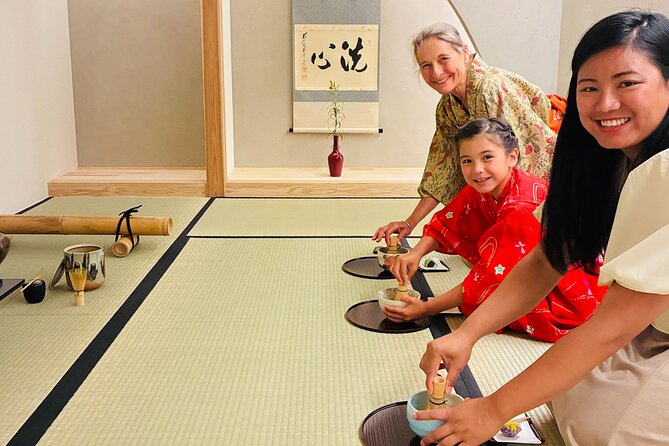
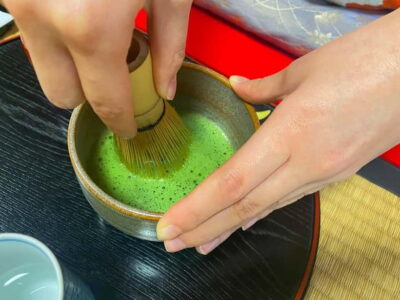
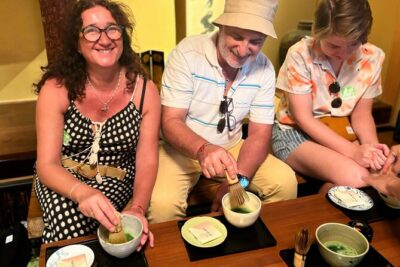
The hands-on part gives you a chance to choose a tea bowl and prepare a second serving. The host demonstrates the movements, then guides you through whisking. You can make your own bowl or share this part with a companion, depending on how you choose to take part.
This is where the ritual becomes easier to understand. Whisking matcha takes focus, and trying it yourself makes the host’s careful movements feel less like a formal flourish and more like a practiced skill. You don’t need prior experience. The point is to learn by watching and trying, not to produce a perfect bowl on your first attempt.
The activity includes two servings in total: one prepared by the host and one you make yourself or with a companion. If you’re traveling with someone, you can take turns or share the second bowl. The experience does not promise individual bowls for every person in every configuration beyond the stated two servings, so ask the provider if you need clarification for your party.
Some hosts may take photos or videos while you make your matcha. That can be a handy memento, but it is not described as a guaranteed feature. Treat it as a possible courtesy, not something to rely on.
Matcha, sweets and optional purchases
The matcha and seasonal confection are included in the $31 price. For a one-hour activity, the value comes from the guided cultural context as much as from the refreshments. You are not paying for a large meal or an extended class. You are paying for a structured introduction, the host’s demonstration, the chance to practise and an element of Kyoto confectionery.
Matcha, tea bowls and selected items are also available to buy. Some participants have purchased matcha or tea sets after the session, but there is no obligation to do so. Purchases are an option for anyone who wants to continue making tea at home; the experience itself is complete without them.
Sanjo Chasuian also offers sake tasting, but that is a separate offering. Do not assume sake is part of this tea ceremony or included in the price.
Who will appreciate it, and who should think twice
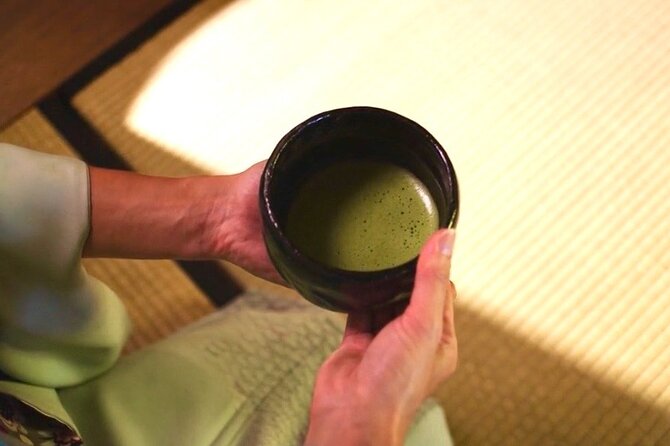
This is a good fit if you want an accessible first introduction to Japanese tea culture, prefer a small group and appreciate having the process explained in English. It also suits a packed Kyoto itinerary: the venue is close to a subway station, and the one-hour format is easy to schedule without giving up half a day.
It may be especially rewarding if you like learning through practice rather than watching a demonstration from a distance. You see a bowl prepared, then handle a whisk and make matcha yourself. The seasonal sweet, tea room and nijiriguchi add tangible details that help the ritual feel rooted in place.
It is less suitable if you want a long, advanced lesson, a private ceremony by default or a kimono rental. Standard kimono rental and dressing services are not offered. An optional uchikake, a coat-style kimono, may be available for ¥1,500 including tax, but you must ask on the day; quantities are limited and advance reservations are not accepted.
The activity is marked as unsuitable for children under six and for wheelchair users. It also states that parties with children under five or anyone requiring an interpreter must book the Private Plan, not the Shared Plan. Since the age guidance overlaps, families should confirm arrangements directly before booking. Chairs are available for those who prefer not to sit on the floor.
Practical details before you book
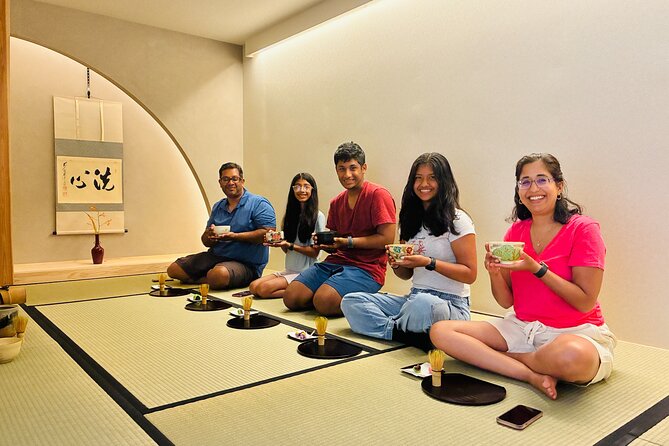
Wear or bring socks. The venue specifically asks participants to have them during the experience, so this is an easy detail to prepare before leaving your hotel.
Be punctual. The door is locked once the session begins, and even arriving one minute late means you cannot join or receive a refund. Entry is permitted from five minutes before the start, so aim to be at the door then, not just approaching the building.
The booking terms allow free cancellation up to 24 hours in advance, and a reserve-now, pay-later option is available. Check the current starting times and booking terms when choosing a date. A grand-opening discount was advertised through September 15, but that offer is date-specific and may no longer apply.
Should you book Sanjo Chasuian?
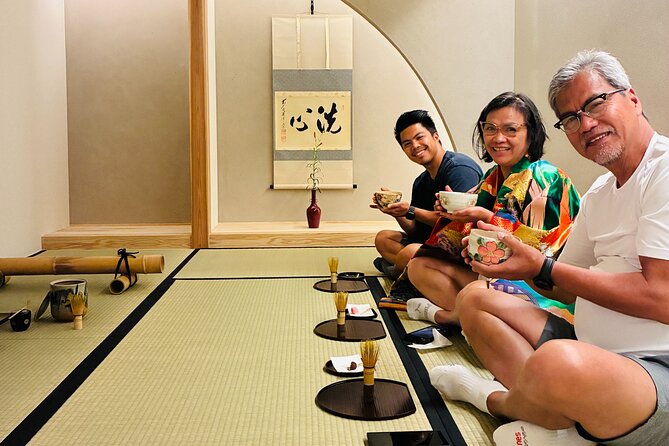
Book this ceremony if you want a clear, hands-on introduction to matcha and the customs surrounding it, without committing a large part of your day. The two bowls, seasonal sweet and low tea-room entrance make the hour more than a basic matcha demonstration, while the English explanations help you follow the meaning behind the movements.
Skip it if you need wheelchair access, want a standard kimono rental or are looking for an in-depth course. For most curious adults with an hour to spare, though, Sanjo Chasuian offers a thoughtful way to trade sightseeing pace for close attention. Bring socks, arrive early and let the ritual set the tempo.
FAQ
How long does the tea ceremony last?
The experience lasts one hour.
How much does it cost?
The listed price is $31 per person.
How many bowls of matcha are included?
Two servings are included: one prepared by the host and one you make yourself or with a companion.
Is the session conducted in English?
Yes. Guidance and explanations are provided in English.
Where is Sanjo Chasuian?
The facility is about a five-minute walk from Karasuma Oike subway station in Kyoto.
How large is the group?
The small-group session is limited to 10 participants. The Shared Plan may include other people.
Do I need to bring anything?
Bring socks or wear them during the experience.
Can I sit on a chair?
Yes. Chairs are available for participants who prefer them.
Is the activity suitable for children or wheelchair users?
It is marked as unsuitable for children under six and for wheelchair users. The provider also says that parties with children under five must book the Private Plan rather than the Shared Plan, so confirm the age arrangements directly.
Is kimono rental included?
No. Standard kimono rental and dressing services are not offered. An optional uchikake coat may be available for ¥1,500 including tax, subject to limited quantities, and must be requested on the day.
Newly added in Kyoto
- Uji: Private immersion into Kyoto’s tea and reglious culture★ 5.0 · 17 reviews
- Whisk Your Own Matcha: A Zen Matcha Experience at Temple★ 3.6 · 7 reviews
- Treasures of Kyoto: Gion & historical Walking Tour★ 5.0 · 6 reviews
- Kyoto tea town for matcha lovers★ 5.0 · 16 reviews
- Kyoto Matcha Green Tea Tour★ 4.5 · 23 reviews
- Uji and Wazuka Matcha Farm Half Day Private Guided Tour★ 5.0 · 21 reviews
- Uji Tea Ceremony and UNESCO Heritage Walking Tour★ 5.0 · 20 reviews
- Utilising upcycled Matcha! Creating matcha incense (Uji, Kyoto)★ 5.0 · 6 reviews
Kyoto Tea Ceremonies, compared.
Tea Ceremony in a Traditional Tea House in Kiyomizu
Read our review →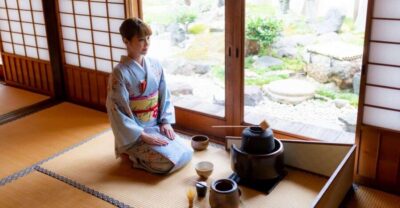
World Heritage Kyoto & Nara Uji Authentic Matcha Experience
Read our review →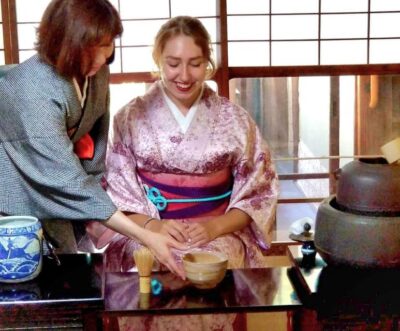
Arashiyama Bamboo Forest, Monkeys, Matcha & Temple Tour
Read our review →
Tea Museum Tickets and Matcha Grinding Experience
Read our review →Browse the lists this tour appears in