
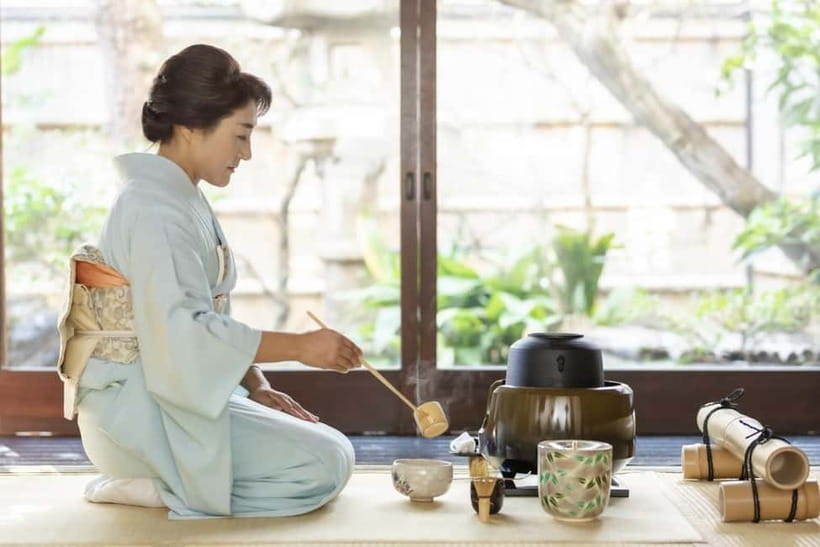
Reviewed · KYOTO TEA CEREMONIES
Kyoto: Tea Ceremony in 100-year-old Kyo-Machiya Townhouse
A matcha bowl, a few careful gestures, and the quiet rooms of a century-old Kyoto townhouse make this a thoughtful way to meet Japanese tea culture. A tea master first demonstrates the ceremony, then guides you as you prepare your own tea.
I like two things in particular: you learn the meaning behind the etiquette rather than simply watching a performance, and the setting gives the lesson a sense of place. The optional kimono rental also turns the visit into a longer Kyoto outing.
The main consideration is timing. The kimono option starts at Gojo Shop, but the ceremony takes place elsewhere and begins two hours after your chosen start time, so plan your transport and the rest of your day around that gap.
- You make your own matcha: Watch the tea master prepare a bowl, then try the process yourself with guidance.
- The townhouse is part of the experience: Tatami, paper screens, and traditional architecture give the lesson a fitting setting.
- The session teaches etiquette as well as technique: Learn how to bow, greet your host, eat the sweet, drink the tea, and appreciate the bowl.
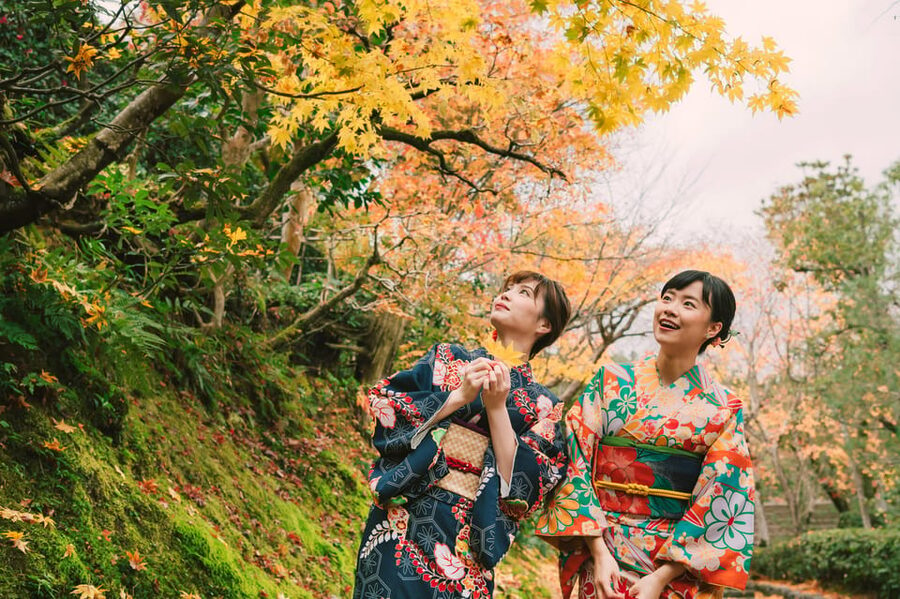
- Kimono rental adds a Kyoto stroll: Pick an outfit at Gojo Shop, wear it to the ceremony, then explore before returning it by 5:30 PM.
- A short house tour is an optional extra: Add a 20-minute walk through the machiya, followed by 10 minutes for photos.
- Expect a group, not a private lesson: The session can hold up to 20 people, and the room may change with the group size.
A bowl of matcha in a Kyoto machiya
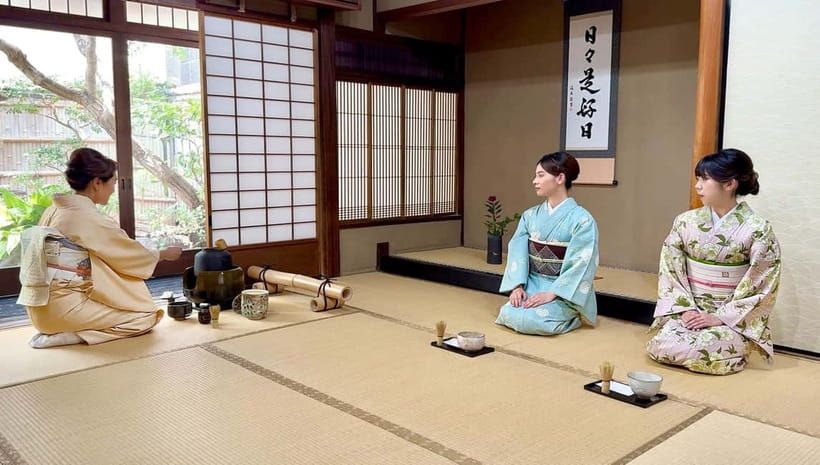
This experience is a practical introduction to the Japanese tea ceremony, held in a 100-year-old machiya, or traditional Kyoto townhouse. It lasts about 50 minutes without the kimono option, though the full outing can stretch to three hours when you add dressing, travel, and the house tour.
The ceremony has a clear rhythm. Your host explains the background and etiquette, the tea master demonstrates the preparation, and you get a turn to make matcha under supervision. A traditional sweet accompanies the tea, and there is time to ask questions before you leave.
I like the balance between explanation and participation. You are not expected to know the customs in advance, and the instructor walks you through practical details such as how to bow, what to say, and how to handle the bowl. That makes the ceremony easier to appreciate than a demonstration with no context.
The old townhouse sets the mood
The ceremony takes place in a traditional machiya near Kyoto Imperial Palace. The house’s tatami floors and paper screens help explain why this kind of quiet, attentive ritual belongs in a room like this. It is not simply a backdrop for photos; the setting gives the lesson a physical connection to Kyoto’s domestic architecture.
The room can vary according to the number of people attending, and the group may include as many as 20. That is worth knowing if you are picturing a private, hushed ceremony for two. You will still get to follow the host’s explanations and participate, but the feel of the session depends in part on the group and room assigned that day.
The house is also in a historically significant part of the city. If you choose the machiya tour add-on, the guide explains architectural details and the cultural role of these townhouses. The area around Kyoto Imperial Palace has long been associated with court life and artistic gatherings, including tea and poetry.
The same add-on points out the former residence of Nijō Yoshimoto, a 14th-century court noble associated with linked-verse poetry. That context helps connect a small-scale tea gathering with the broader world of Kyoto’s court culture, rather than treating the ceremony as an isolated custom.
More tea ceremonies in Kyoto:
- Kyoto: Tea Ceremony in a Traditional Tea House in Kiyomizu
★ 4.9 · 3,519 reviews - Kyoto: Tea Ceremony Ju-An at Jotokuji Temple
★ 4.9 · 3,207 reviews - Kyoto: 45-Minute Tea Ceremony Lesson Experience
★ 4.3 · 2,378 reviews
Etiquette first, then the tea master’s demonstration
The introduction traces tea’s arrival in Japan from China around 1,200 years ago and explains how the ceremony developed into the Japanese Way of Tea. You do not need to memorize dates or terminology. The useful part is learning how the ceremony’s small actions work together.
Your host explains how to bow, use greetings, eat the sweet, drink the matcha, and look at the tea bowl. Each step has a place in the sequence, and the explanation helps you understand what is happening instead of wondering whether you are holding something correctly.
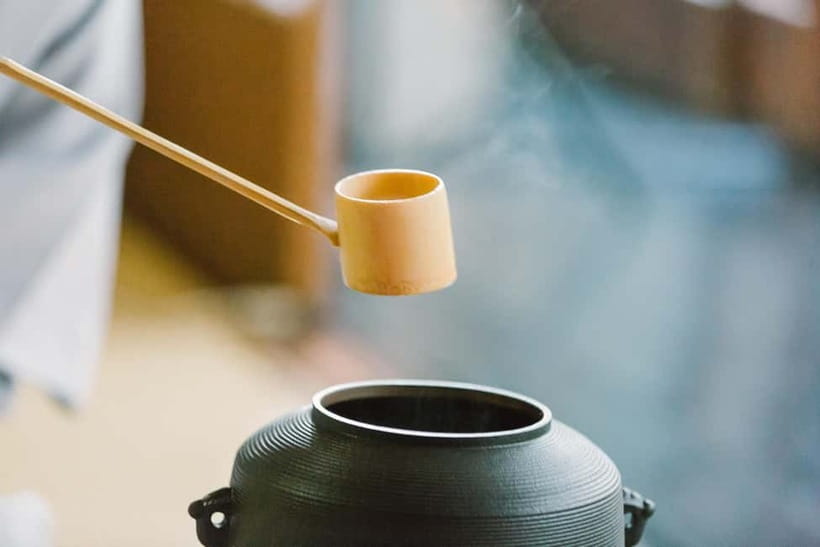
Then the tea master brings in the utensils and prepares a bowl for a guest. This demonstration is the moment to watch closely: the measured movements and attention to each object show that the ceremony is as much about care and focus as it is about drinking tea.
The instructor and interpreter work together when needed, with English and Japanese offered. Hosts vary, but recent sessions have included people named Lim, Ling, and Maki. The teaching style described across sessions is warm and clear, though one participant found the English less polished than expected. If you miss a phrase, the steps are visual, and you can ask questions at the end.
Your turn to whisk matcha
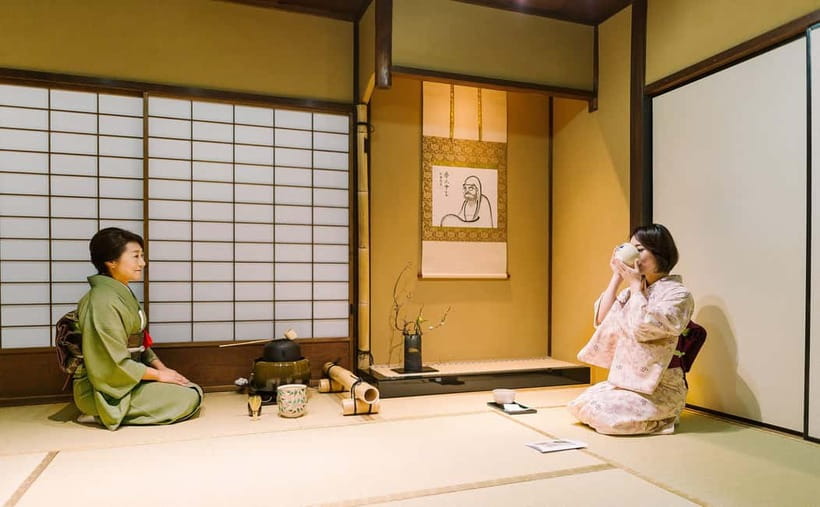
After the demonstration, you prepare your own tea under the tea master’s supervision. This hands-on part is a strong reason to choose the session over a simple tea tasting. You get to try the movements yourself, while the instructor keeps the process manageable for a first-timer.
Matcha can taste unfamiliar if you usually drink mild green tea. Here, it is served as part of a short ritual with a traditional sweet, which gives you a more complete sense of how the flavors and pacing fit together. The sweet is not an extra meal, so arrive having eaten if you need something more substantial.
The experience does not require you to sit formally on the floor for the whole session. You can sit on a small chair or on the floor, which is useful if kneeling is uncomfortable. Bring socks, and avoid sandals or flip-flops.
At the end, the tea master closes the ceremony, and you have a chance to ask questions. That final conversation can be especially useful if you want to learn more about the bowl, the utensils, or how customs vary. The pace is calm, but the session is still structured, so arriving late may mean you miss part of it. The class cannot be extended to make up the time.
Kimono rental turns it into a longer outing
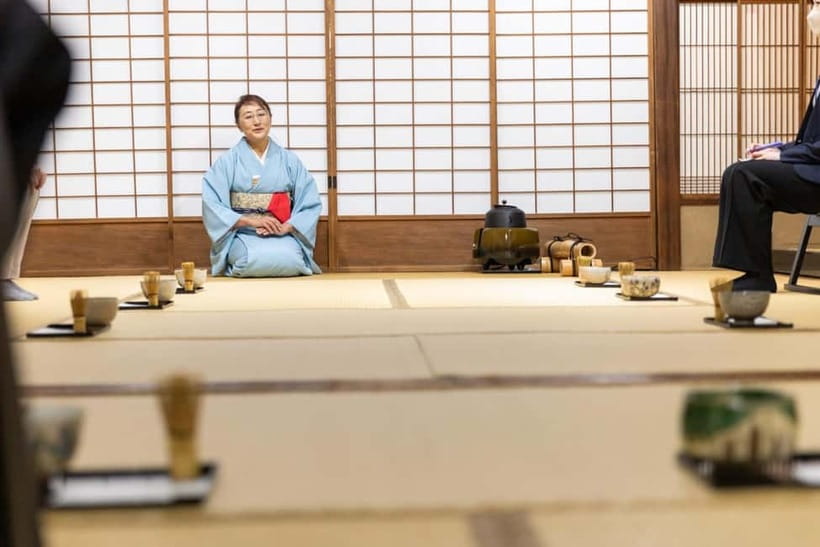
If you select the kimono option, start at Yumeyakata Gojo Shop at the time shown on your voucher. You choose from available colors, designs, and sizes, then travel on your own to Yumeyakata Oike Bettei for the ceremony. The ceremony begins two hours after your selected start time. For example, an 11 AM kimono start means a 1 PM ceremony.
That interval is part of the plan, not extra time at the tea house. You are responsible for getting between the shop and townhouse, and transport is not included. Check the route before you set out, and leave a little room in your schedule rather than assuming the change of venue takes no time.
The standard option includes a casual kimono rental. Women can select an add-on for hairstyling, makeup, a hair accessory, and an upgrade to a formal Houmongi kimono. These extras take the experience beyond simply putting on a robe, but they add time and cost, so choose them if dressing is part of what you want from the day.
After the ceremony, you can wear the kimono around Kyoto and return it to the Gojo Shop by 5:30 PM the same day. This makes the rental useful if you want photos or a short walk in traditional dress. It also means you should keep an eye on the clock, especially if you plan to stop elsewhere.
A kimono has several layers, and wearing one can feel warm or restrictive on a hot day. You may find walking less comfortable than in everyday clothes. The trade-off is that the outfit can make the tea ceremony feel more like a full cultural outing, and gives you a memorable way to spend the hours around it.
More Kyoto tours in Kyoto:
- PERFECT KYOTO 1-Day Bus Tour
★ 5.0 · 13,518 reviews - Kyoto: Fushimi Inari, Kinkakuji, Bamboo Grove 1 Day Bus Tour
★ 4.8 · 4,316 reviews - Kyoto Geisha Walking Tour: Gion District & Hidden Gems
★ 4.7 · 3,273 reviews - Kyoto: Gion Magical Night Walking Tour with Geisha Trivia
★ 4.9 · 2,393 reviews
Add the machiya tour for more context
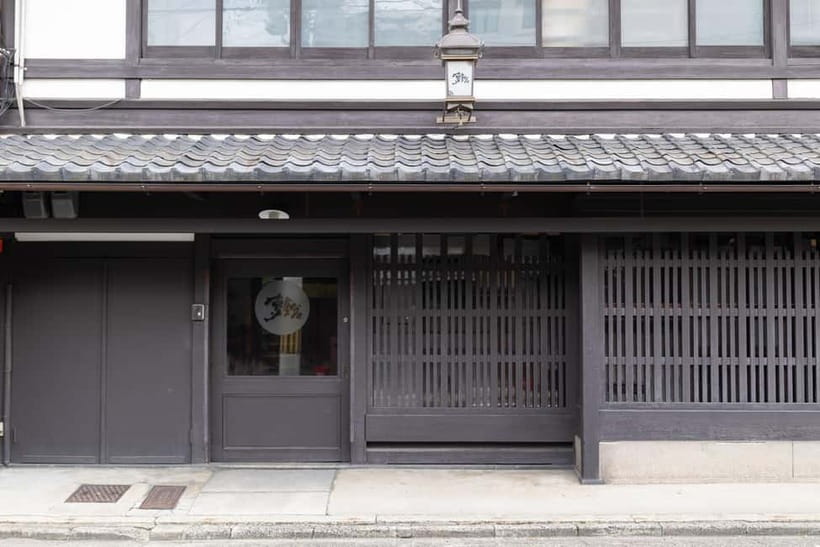
The optional townhouse tour takes place right after the tea ceremony at the same venue. It includes a 20-minute walk through the house and 10 minutes for photos. The guide discusses the architecture, the history of machiya, and details about how these homes functioned.
This is a good choice if you are interested in more than the tea ritual itself. Traditional townhouses were built for daily life as well as work, and the tour gives you a chance to notice the structure around you after sitting in one of its rooms. It is also a convenient add-on, since you do not have to travel to another site.
The final 10 minutes are set aside for photos. Professional photography and video are not included, and flash photography is not allowed. Keep your camera use quiet and follow the host’s direction so it does not interrupt the ceremony or tour.
Is the $31 starting price good value?
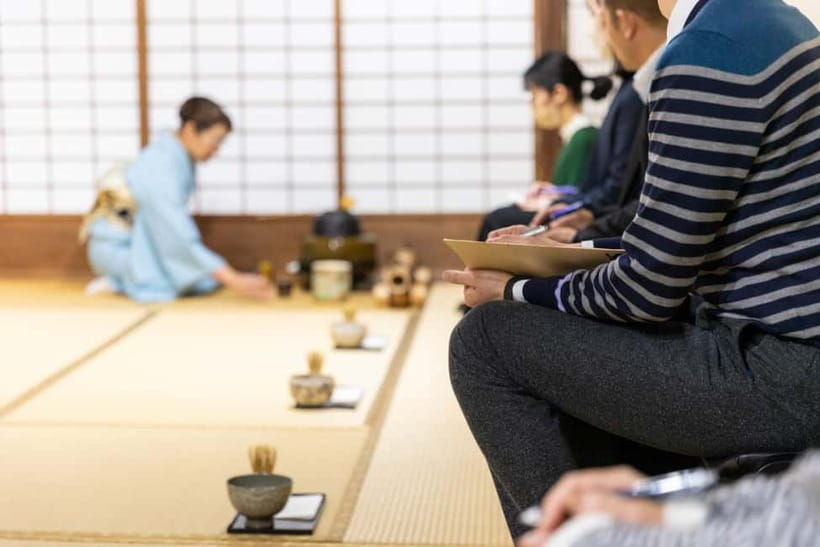
At $31 per person, the basic experience offers a tea ceremony, matcha, a traditional sweet, a tea-explaining leaflet, a tea master, and an interpreter. For a session that combines cultural background with hands-on preparation in a historic house, that is a fair price, especially if you want a guided activity rather than a quick photo stop.
The kimono plan is a separate choice, and the final cost depends on the option and add-ons you select. Think of it as a different kind of outing: you are paying not only for the ceremony, but also for dressing and time to wear the kimono around the city. The styling and formal kimono upgrade make sense if those details matter to you; they are not necessary to understand or enjoy the tea ceremony.
The experience is best for people who like learning customs through small actions and close observation. It suits couples, friends, and solo visitors who are comfortable sharing a group session. Children must be at least 10, and the quiet format is not a good match for anyone likely to need a noisy or active activity.
There are important access limits. The experience is not suitable for wheelchair users or visually impaired people, pregnant women, babies under one year, people over 200 cm tall, or people over 95 kg. The listing also advises against electric wheelchairs, so check suitability carefully before booking if mobility or access is a concern.
Who should book this Kyoto tea ceremony?
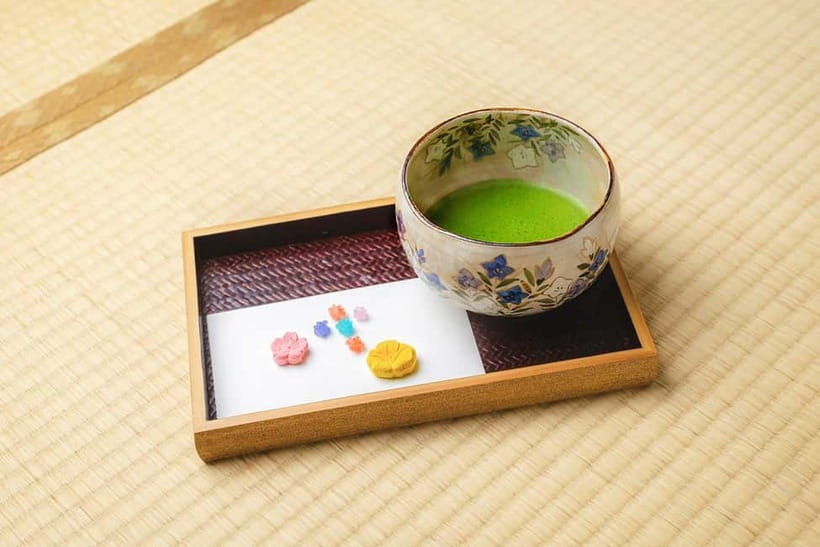
Book it if you want a clear, guided first look at tea ceremony customs and the chance to prepare your own matcha. The combination of a tea master’s demonstration, a calm townhouse room, sweets, and time for questions gives the session more substance than a quick cultural photo opportunity.
Choose the kimono option if you want to make a longer day of it and are happy to manage the trip between Gojo Shop and the ceremony venue. Pick the townhouse tour if architecture and Kyoto’s courtly history interest you. If you mainly want a private ceremony, a fast activity, or a flexible schedule with no outfit return deadline, the group format and timing may not suit you.
FAQ
How long does the experience take?
The tea ceremony lasts about 50 minutes. Depending on the option selected, the full activity can take between 50 minutes and three hours.
Where does the tea ceremony take place?
The ceremony is held at Yumeyakata Oike Bettei, a traditional machiya near Kyoto Imperial Palace. If you choose kimono rental, you first go to Yumeyakata Gojo Shop.
When does the ceremony start if I rent a kimono?
The ceremony begins two hours after the kimono option’s selected starting time. If your start time is 11 AM, the ceremony begins at 1 PM.
Do I have to sit on the floor?
No. You may sit on the floor or use a small chair.
What is included in the tea ceremony?
The session includes matcha, a traditional Japanese sweet, a leaflet about the ceremony, and instruction from a tea master with an interpreter. A casual kimono rental is included only if you book that plan.
Can I wear the kimono around Kyoto afterward?
Yes, if you select the kimono option. You can stroll around Kyoto in it, but you must return it to Yumeyakata Gojo Shop by 5:30 PM on the same day.
What should I bring, and what is not allowed?
Bring socks. Sandals and flip-flops, pets, outside food and drinks, indoor smoking, flash photography, and loud behavior are not allowed.
Newly added in Kyoto
- Uji: Private immersion into Kyoto’s tea and reglious culture★ 5.0 · 17 reviews
- Whisk Your Own Matcha: A Zen Matcha Experience at Temple★ 3.6 · 7 reviews
- Kyoto tea town for matcha lovers★ 5.0 · 16 reviews
- Treasures of Kyoto: Gion & historical Walking Tour★ 5.0 · 6 reviews
- Kyoto Matcha Green Tea Tour★ 4.5 · 23 reviews
- Uji and Wazuka Matcha Farm Half Day Private Guided Tour★ 5.0 · 21 reviews
- Uji Tea Ceremony and UNESCO Heritage Walking Tour★ 5.0 · 20 reviews
- Utilising upcycled Matcha! Creating matcha incense (Uji, Kyoto)★ 5.0 · 6 reviews
Kyoto Tea Ceremonies, compared.

Tea Ceremony in a Traditional Tea House in Kiyomizu
Read our review →

World Heritage Kyoto & Nara Uji Authentic Matcha Experience
Read our review →

Arashiyama Bamboo Forest, Monkeys, Matcha & Temple Tour
Read our review →
Tea Museum Tickets and Matcha Grinding Experience
Read our review →Browse the lists this tour appears in