
Reviewed · KYOTO TEA CEREMONIES
Kyoto: Tea Ceremony Experience
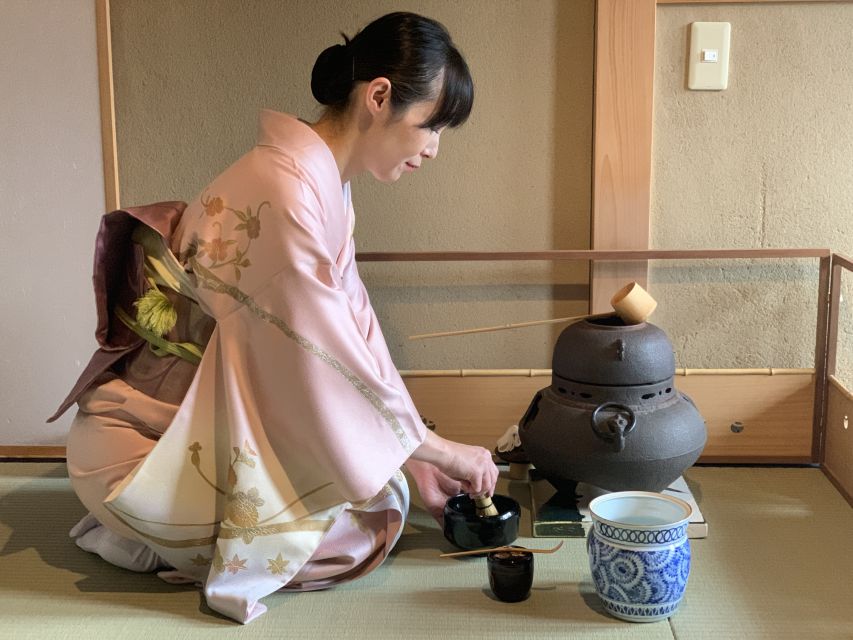
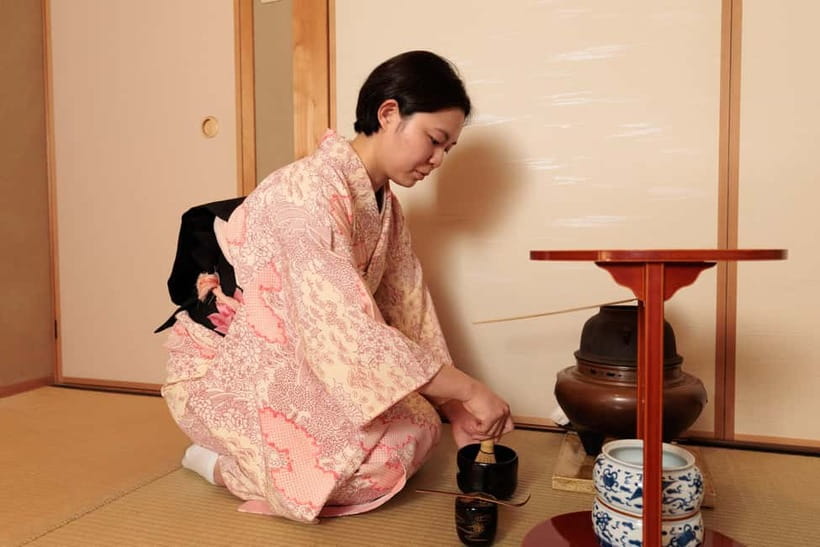
A Kyoto tea ceremony is part performance, part lesson in paying attention. In a traditional machiya in Higashiyama, your host introduces the room and its utensils, demonstrates the ritual, then helps you make a bowl of matcha yourself.
I like that you get both a clear explanation of the ceremony and a chance to whisk the tea, rather than only watching from the sidelines. The setting is another plus: the teahouse is tucked off Ninenzaka, close to several of Kyoto’s best-known sights.
The main consideration is time on the floor. Chairs and tables are available if sitting on tatami is uncomfortable, but the tearooms are upstairs, so check the access arrangements if mobility is a concern. At 45 minutes, this is an introduction, not a full course in becoming a tea master.
- Watch the ritual, then make your own matcha: Your host demonstrates the ceremony before guiding you through whisking a bowl.
- Taste Kyoto matcha with a seasonal sweet: Both are included, giving you a simple introduction to matcha’s bitter edge and its traditional pairing.
- Learn what the room and utensils mean: The introduction covers the tools, the steps and the role of the room’s decoration.
- Find it off Ninenzaka in Higashiyama: The narrow alley is just left of the Studio Ghibli store opposite the Park Hyatt.
- Plan around a 45-minute visit: It fits neatly between nearby temples and historic streets, though it offers only a short introduction.
- Choose a private or small-group session: Private booking is required if you plan to bring an interpreter or a child under three.
A tea lesson in the middle of Higashiyama
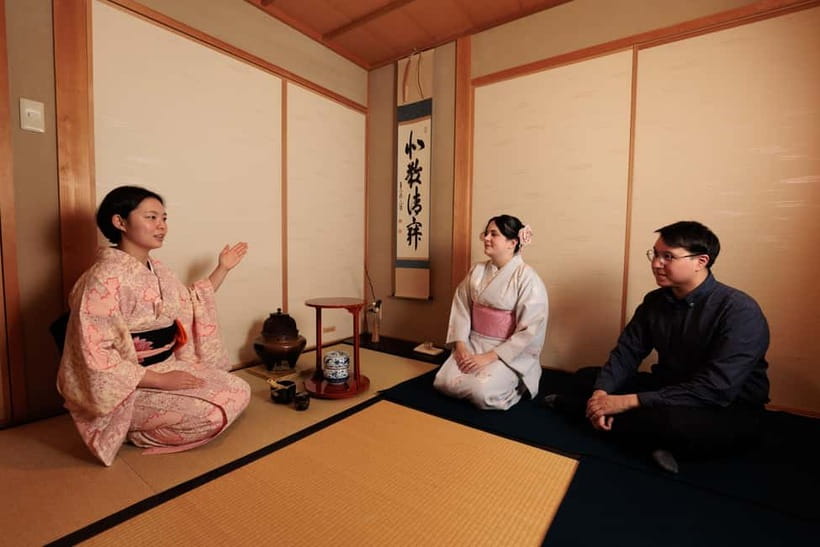
This is a short, structured way to meet one of Japan’s best-known cultural traditions. You are not expected to know the etiquette beforehand. The host explains what is happening as the ceremony unfolds, so you can follow the sequence without worrying that you have missed some secret rule.
The setting helps make the lesson tangible. The experience takes place in a traditional machiya in Higashiyama, an old Kyoto neighborhood where narrow lanes connect temples, shops and historic streets. The teahouse is down an alley branching off Ninenzaka, so it feels removed from the main pedestrian flow even though major sights are close by.
The English-speaking host is central to the visit. Past sessions have been led by Ikuko, whose explanations were described as clear and patient, but the instructor for your session may differ. The format is welcoming and conversational, with time to ask about the ceremony, the three schools of tea, or other aspects of Japanese culture.
Finding the teahouse off Ninenzaka
The meeting point can sound more complicated than it is. Head to the Park Hyatt hotel in Higashiyama, then look across the street for the Studio Ghibli store. The alley is just to the left of the shop. The route is down a narrow lane, but there is a sign at the entrance, and staff can help show you where to go.
I would allow a little extra time to find the alley, especially if you are navigating the busy lanes around Ninenzaka for the first time. Clear directions are provided, and the location is close to the well-known sights of Kiyomizu-dera, Kodai-ji, Yasaka-jinja, Maruyama Park, Chion-in and Gion.
This makes the ceremony easy to pair with a day in eastern Kyoto. You can visit the nearby temples and historic streets before or after your session. Buses run along Higashi Oji, about a 10-minute walk from the teahouse, and the city center is about a 25-minute walk away through Gion.
More tea ceremonies in Kyoto:
- Kyoto: Tea Ceremony in a Traditional Tea House in Kiyomizu
★ 4.9 · 3,519 reviews - Kyoto: Tea Ceremony Ju-An at Jotokuji Temple
★ 4.9 · 3,207 reviews - Kyoto: 45-Minute Tea Ceremony Lesson Experience
★ 4.3 · 2,378 reviews
The first lesson: matcha, tools and the room
The session begins with a short introduction to matcha and the setting. Your host explains the utensils used in tea preparation, the order of the ceremony and the importance of the room’s decoration. The point is not just to name objects, but to show how the ceremony’s details work together.
That context is useful even if you have seen a tea ceremony before. Movements that might otherwise look like quiet formality start to make sense as deliberate steps. The ceremony rewards close attention, and the host’s commentary gives you something specific to notice: how the utensils are handled, how the tea is prepared and how the room contributes to the occasion.
Expect an introduction rather than an exhaustive history. The whole visit lasts about 45 minutes, and one portion of that time is for watching the ceremony and another for making tea. If you want a long discussion of tea schools or a detailed course in every movement, a short session is not the right format. But it gives you a useful framework for understanding what you see.
Watching the ceremony unfold
After the introduction, the host performs the tea ceremony. The movements are precise and unhurried, which gives the demonstration its calm mood. One part of the visit has been described as lasting around 10 minutes, though the full activity is about 45 minutes.
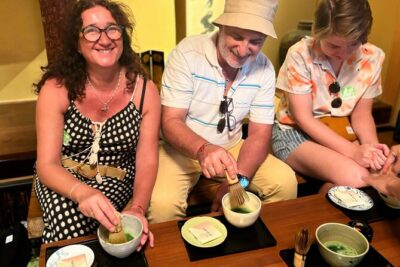
A seasonal sweet accompanies the matcha. This is a small but important part of the tasting: the sweet offers a contrast to the tea’s distinctive bitterness. The sweets change with the season, so the pairing can vary. Matcha itself is not a mild, grassy cup of everyday green tea. It has a stronger, more concentrated flavor, and this is a good setting to try it with someone there to explain what you are tasting.
You are welcome to ask questions while chatting with the host. If you are curious about the three schools of tea ceremony, the history of matcha in Kyoto or the meaning of a particular step, this is the moment to ask. The conversation is part of what makes the activity more than a brief performance.
Whisking your own bowl of matcha
The hands-on part is simple and satisfying. With the host’s help, you whisk your own bowl of matcha and try to create the familiar frothy surface. You will not learn the entire formal ceremony in a single visit, nor master every traditional movement. Instead, you get a guided taste of the preparation and a better sense of the care involved.
That distinction matters when deciding what you want from the session. If your goal is to watch a ritual and try making the tea, this format delivers both. If you want advanced instruction in the full ceremony, you will need more time and a different kind of class.
The matcha, seasonal sweet, utensils and personal host are included in the $32 price. For a short cultural activity in central Kyoto, that is a fair exchange: you get an explanation, a demonstration, a tasting and a practical turn with the whisk. Meals, hotel transfers and kimono rental are not included.
More Kyoto tours in Kyoto:
- PERFECT KYOTO 1-Day Bus Tour
★ 5.0 · 13,518 reviews - Kyoto: Fushimi Inari, Kinkakuji, Bamboo Grove 1 Day Bus Tour
★ 4.8 · 4,316 reviews - Kyoto Geisha Walking Tour: Gion District & Hidden Gems
★ 4.7 · 3,273 reviews - Kyoto: Gion Magical Night Walking Tour with Geisha Trivia
★ 4.9 · 2,393 reviews
Making the 45 minutes work for your visit
At 45 minutes, this activity is easy to fit into a day of sightseeing without taking over the schedule. It works particularly well as a pause between temple visits and walking the Higashiyama lanes. The ceremony offers a quieter counterpoint to a day spent moving between popular attractions.
You can book a private session or join a small group. A small group keeps the experience social while leaving room to see the demonstration and make your tea. Choose private if you want to bring an interpreter, since the organizers ask that interpreter-led visits be booked privately so they do not disrupt other participants.
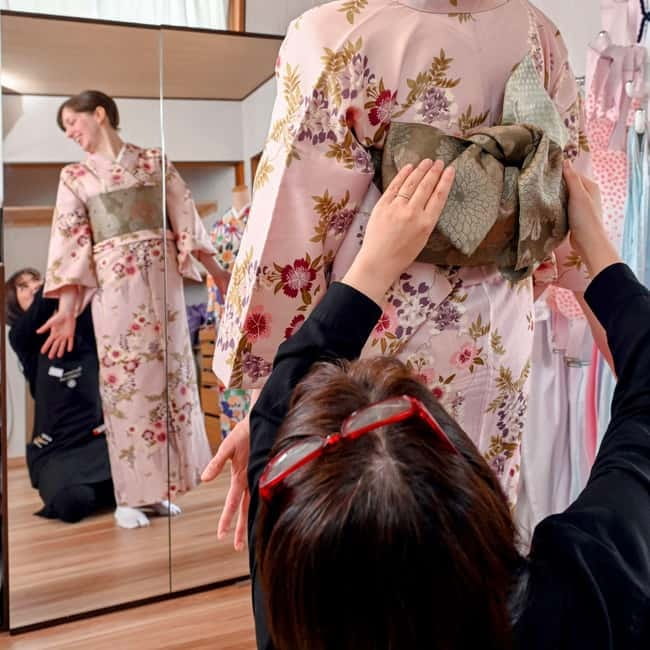
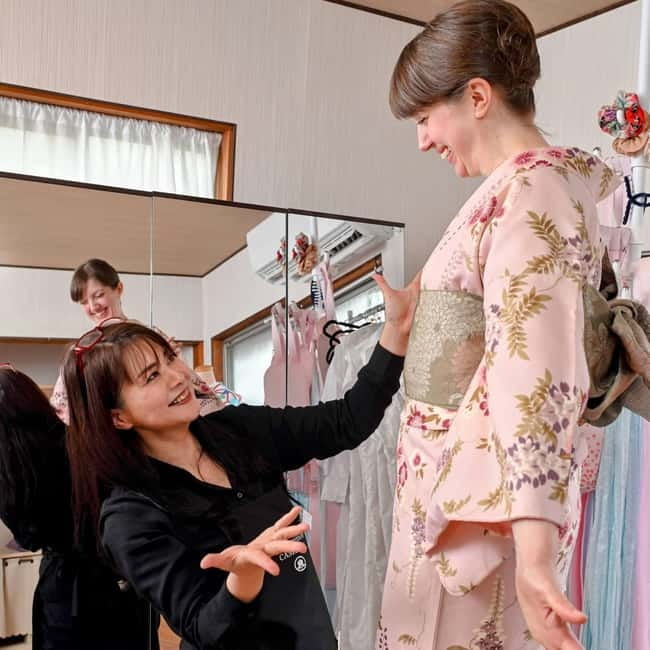
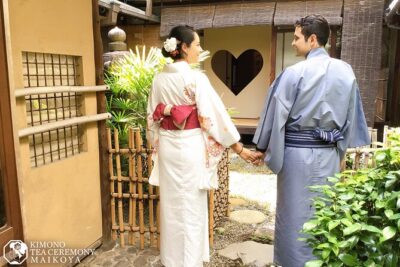
Kimono rental is not part of the activity. A nearby rental shop has been noted by people who paired the two, but plan that separately and allow time to get dressed before the ceremony. Wearing a kimono is optional; the tea lesson itself does not depend on it.
Comfort, photos and access
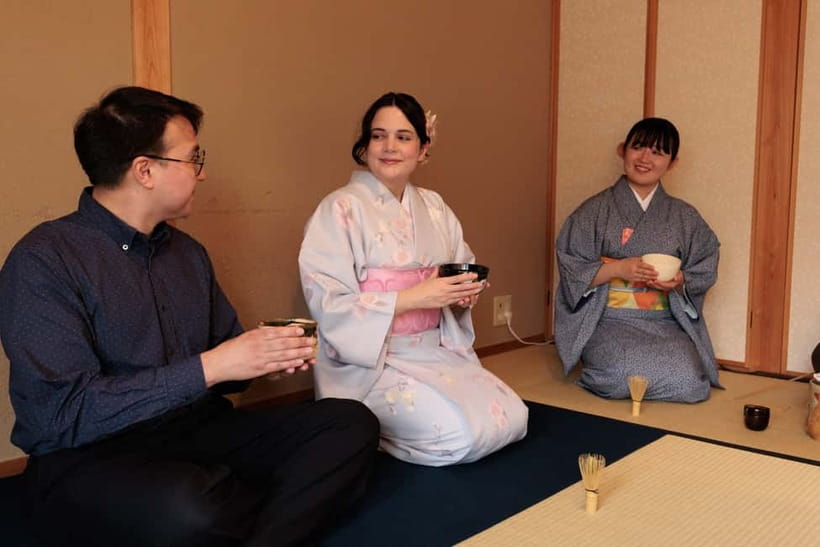
The ceremony rooms are upstairs. Chairs and tables are available for anyone who finds sitting on the floor difficult, so you do not have to sit in a formal kneeling position throughout. Still, a floor-based setting may be uncomfortable for some people, and it is worth considering before you book.
The Garden Teahouse is wheelchair accessible, according to the activity information. If you have mobility needs, contact the provider to confirm which location and arrangements apply to your session. Restrooms are available, and accompanying tour guides can wait in a room with Wi-Fi and refreshments.
You may take still photographs without flash, but video recording is not allowed. If you are bringing a baby or a child under three, book a private ceremony at the Garden Teahouse. These details are easy to overlook when planning a short activity, but they can make the visit much more comfortable.
Who will get the most from this tea ceremony
This is a good choice if you want a compact cultural lesson, not just another photo stop. It suits first-time matcha drinkers, tea fans curious about the formal preparation, and anyone who wants to understand a little more about Kyoto’s traditions. The guided format also helps if you are new to Japanese customs and would rather have the steps explained than guess what is happening.
Families and small groups can take part, with seating options for those who do not want to sit on the floor. A private session is the sensible choice for an interpreter or for a family bringing a child under three. If you need wheelchair access, ask about the Garden Teahouse before booking.
The strongest reason to come is the combination of explanation and participation. You see the host’s careful movements, learn how the room and tools fit into the ceremony, taste the tea and then make your own bowl. The most common limitation is also clear: 45 minutes only allows a first look. Treat it as an introduction, and it is time well spent.
Should you book the Kyoto tea ceremony?
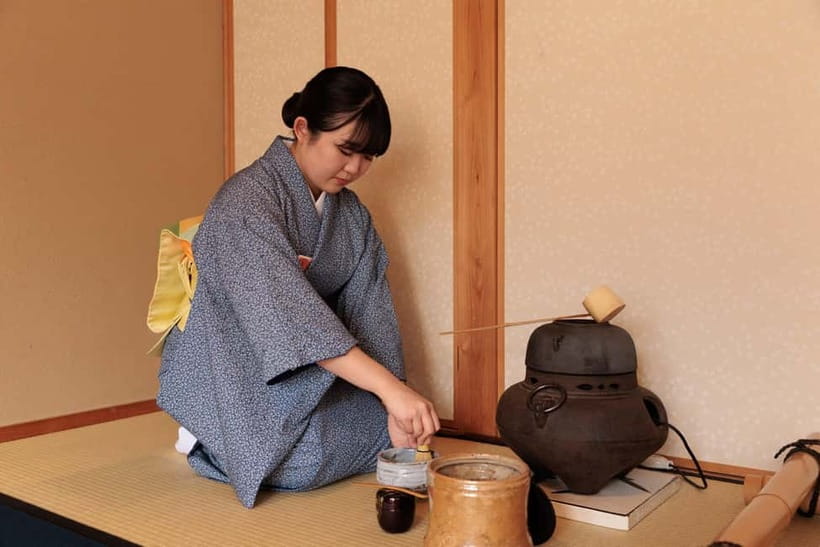
I would book this if you want a calm, hands-on cultural activity in Higashiyama and have 45 minutes to spare. At $32 per person, the price covers the matcha, a seasonal sweet, the demonstration, the lesson and your chance to whisk a bowl. Its location also makes it easy to combine with nearby temples and Gion.
Skip it if you are looking for a long, advanced tea course or cannot manage the access arrangements for the upstairs rooms. For most visitors, though, this is a thoughtful pause in a packed Kyoto day: short, practical and grounded in the details of the ritual.
FAQ
How long does the tea ceremony experience last?
The activity lasts 45 minutes. Check the available starting times when planning your day.
What is included in the price?
Matcha, a traditional seasonal sweet, tea-making utensils and a personal instructor or host are included. Hotel pickup and drop-off, meals and kimono rental are not included.
Where is the meeting point?
The teahouse is down an alley branching off Ninenzaka in Higashiyama. The alley is just left of the Studio Ghibli store opposite the Park Hyatt hotel.
Can I make my own matcha?
Yes. After the host demonstrates the ceremony, you can whisk your own bowl of matcha with guidance.
Is photography allowed?
Non-flash still photography is permitted. Video recording is not allowed.
Is the tea ceremony suitable for someone who cannot sit on the floor?
Chairs and tables are available for people who find floor seating difficult. The tearooms are upstairs, while the Garden Teahouse is wheelchair accessible.
Newly added in Kyoto
- Uji: Private immersion into Kyoto’s tea and reglious culture★ 5.0 · 17 reviews
- Whisk Your Own Matcha: A Zen Matcha Experience at Temple★ 3.6 · 7 reviews
- Kyoto tea town for matcha lovers★ 5.0 · 16 reviews
- Treasures of Kyoto: Gion & historical Walking Tour★ 5.0 · 6 reviews
- Kyoto Matcha Green Tea Tour★ 4.5 · 23 reviews
- Uji and Wazuka Matcha Farm Half Day Private Guided Tour★ 5.0 · 21 reviews
- Uji Tea Ceremony and UNESCO Heritage Walking Tour★ 5.0 · 20 reviews
- Utilising upcycled Matcha! Creating matcha incense (Uji, Kyoto)★ 5.0 · 6 reviews
Kyoto Tea Ceremonies, compared.

Tea Ceremony in a Traditional Tea House in Kiyomizu
Read our review →

World Heritage Kyoto & Nara Uji Authentic Matcha Experience
Read our review →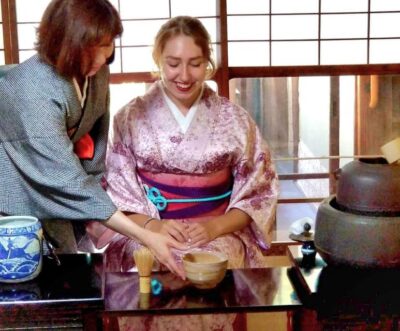
Arashiyama Bamboo Forest, Monkeys, Matcha & Temple Tour
Read our review →
Tea Museum Tickets and Matcha Grinding Experience
Read our review →Browse the lists this tour appears in