
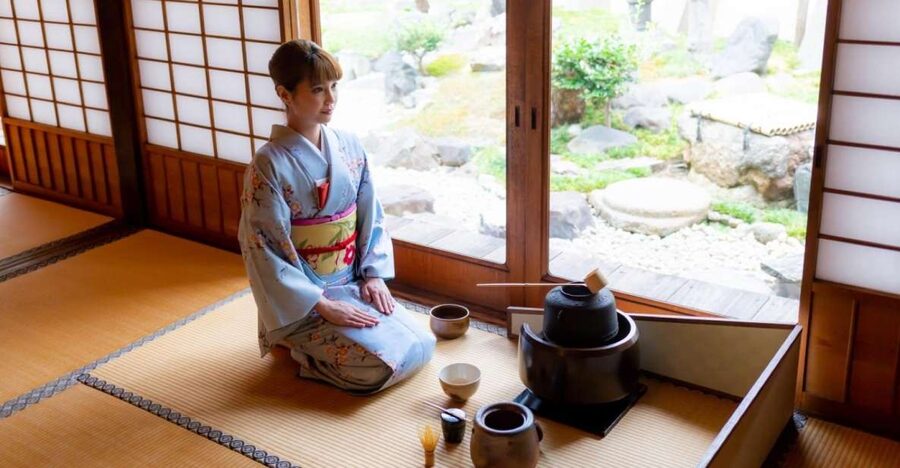
Reviewed · KYOTO TEA CEREMONIES
Kyoto: Tea Ceremony Ju-An at Jotokuji Temple
At Ju-An, a working tea ceremony is also a lesson in attention: the tea master prepares matcha with measured gestures while your guide explains what each step means. The 70-minute session takes place in a temple setting, and you get to make a cup yourself rather than only watch.
I like two things in particular: the small group, capped at 10, leaves room for questions, and the session pairs a temple introduction with the ceremony itself. One practical wrinkle: the tea room has three steps and is not wheelchair accessible, though the temple grounds are.
The details to know before you book
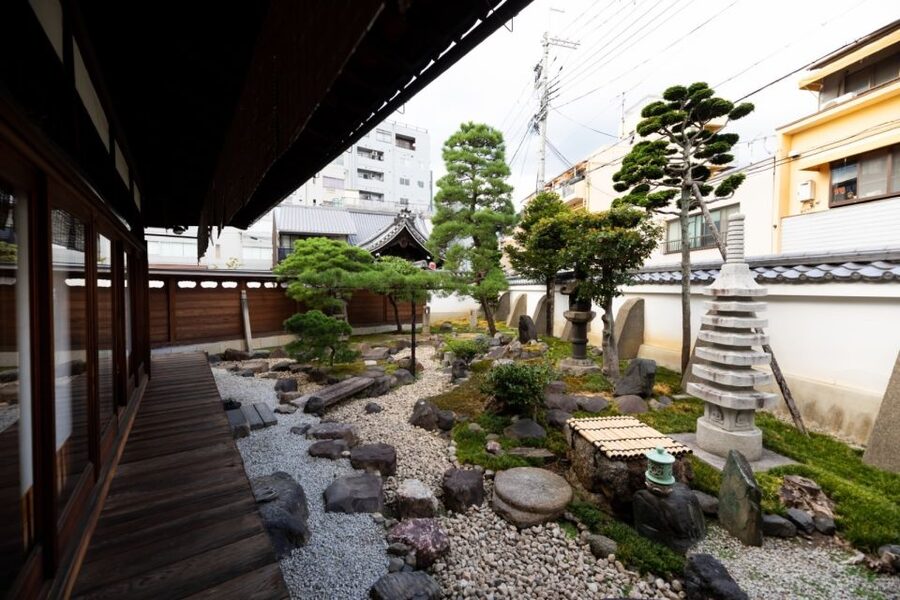
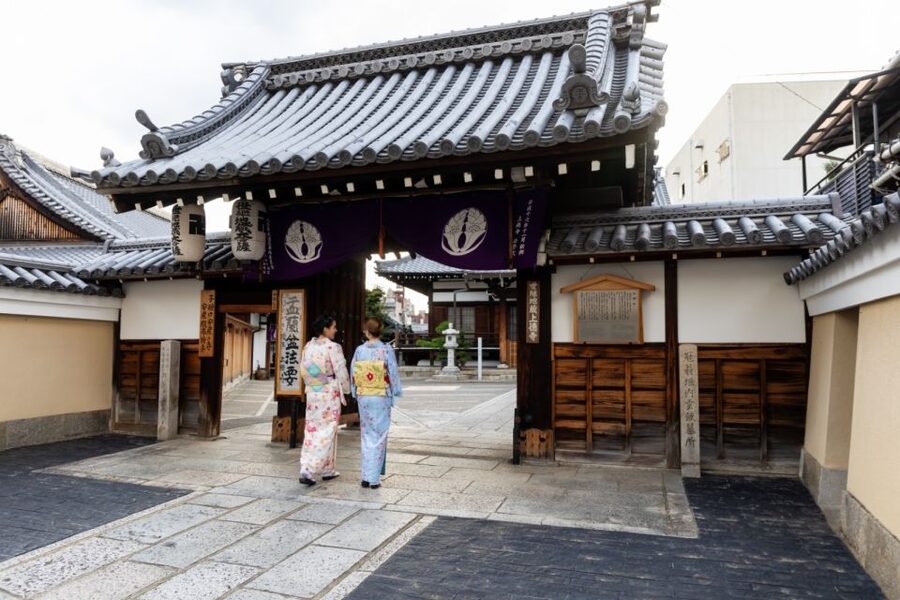
- A temple visit comes first: Enter Jotokuji Temple through the main gates, see the purification fountain and take in the grounds before going into the Grand Tearoom.
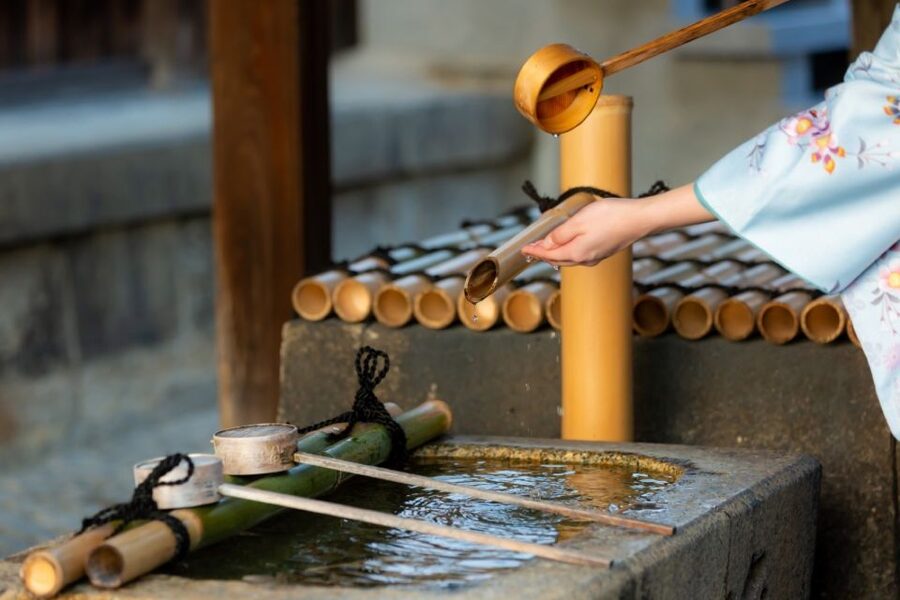
- The welcome includes a purification ritual: Your guide starts with this traditional practice, then explains the setting before the tea demonstration.
- You watch, learn, and take part: The tea master demonstrates matcha preparation and explains the ceremony’s gestures. You then have the chance to prepare your own tea with guidance.
- The group stays small: A maximum of 10 participants makes it easier to hear explanations and ask questions.
- The setting is part of the lesson: The ceremony takes place in Ju-An at Jotokuji Temple, not in a generic activity room.
- Plan for steps and floor seating: The tearoom is reached by three steps. Seats and stools can be provided if you are not comfortable sitting on the floor.
A temple entrance, then a quieter pace
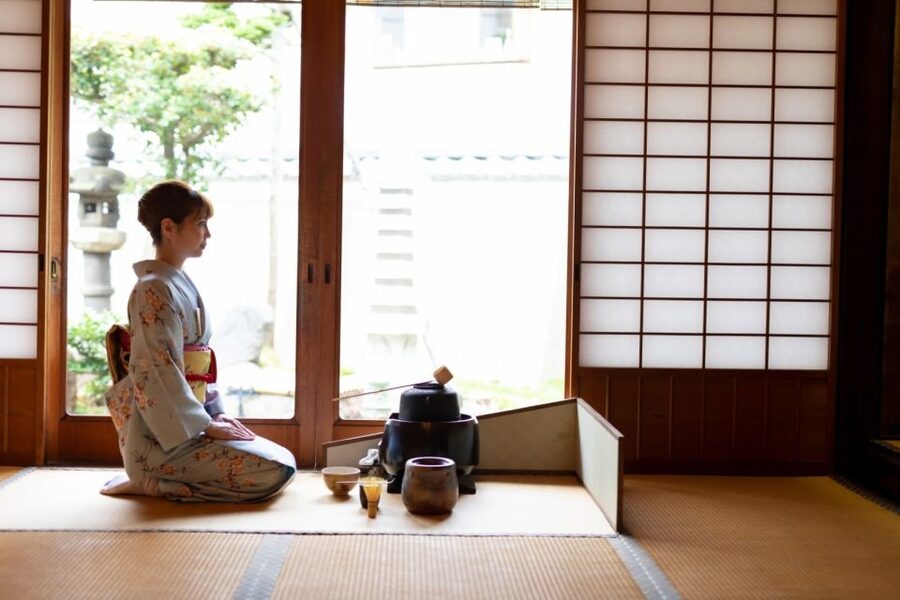
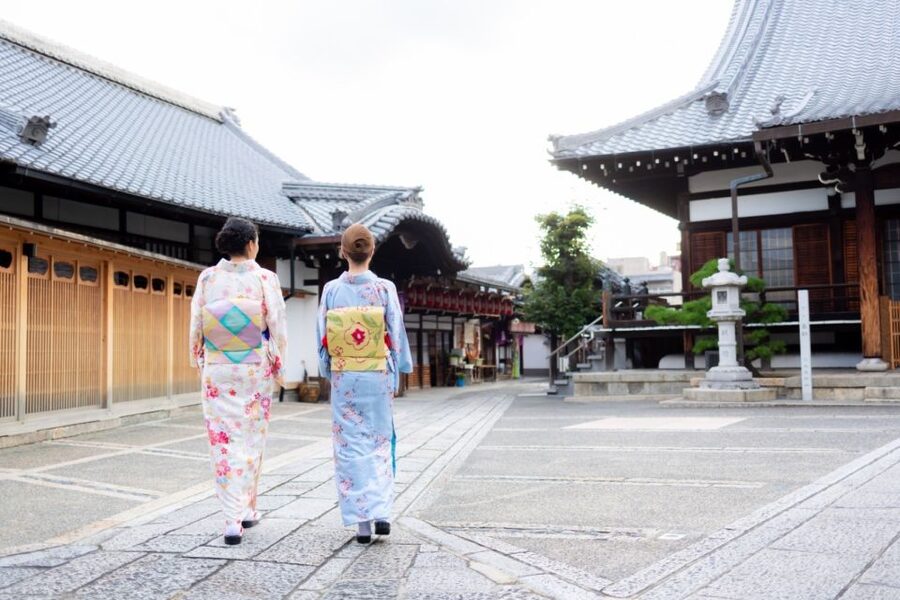
The meeting point is Tea Ceremony Juan, at 556, Gojo-sagaru, Tominokoji Dori, Shimogyo-Ku, Kyoto. Once inside the temple gates, face the Main Hall and look to your left for the steps leading to the tea room. The group meets at the red benches nearby, close to the Grand Tearoom entrance and a parish shop.
Arriving at the temple gives you a brief chance to shift gears. Kyoto’s sights can keep you moving from one crowded stop to the next; here, you can pause in the grounds before the scheduled session begins. Take a look at the architecture and the purification fountain, then sit on the red benches if the weather allows.
If it rains, you can wait beneath the shop’s gable or in the Grand Tearoom. This is a useful detail in a city where plans often need to flex with the weather. Still, do not count on a long, independent temple visit: the scheduled activity lasts 70 minutes, and the grounds are the opening scene rather than a separate guided tour.
More tea ceremonies in Kyoto:
- Kyoto: Tea Ceremony in a Traditional Tea House in Kiyomizu
★ 4.9 · 3,519 reviews - Kyoto: 45-Minute Tea Ceremony Lesson Experience
★ 4.3 · 2,378 reviews - World Heritage Kyoto & Nara Uji Authentic Matcha Experience
★ 5.0 · 1,573 reviews
The purification ritual sets the tone
The guided portion begins with a traditional purification ritual. For visitors unfamiliar with this practice, it offers a simple, physical introduction to the idea that a tea ceremony is not just about drinking tea. Preparation, conduct and attention to the setting all matter.
Your guide also introduces the temple before the group enters the tearoom. This helps connect the ceremony to its surroundings and gives you some context before the focus narrows to the tea. English instruction is included, so you can follow the explanation rather than trying to infer the meaning of each gesture.
The ceremony’s calm atmosphere is a big part of its appeal, but you do not need to arrive as a tea expert or know the rules in advance. The tea master and guide explain the process as it unfolds. That balance of demonstration and explanation makes this a friendly introduction, not a test of etiquette.
Inside Ju-An, watch each movement
Before entering the Grand Tearoom, you remove your shoes. The group then takes its seats, traditionally on the floor, though seats and stools can be provided if that position is uncomfortable. If you have mobility concerns, note the three steps into the tearoom: the temple is wheelchair accessible, but the room itself is not.
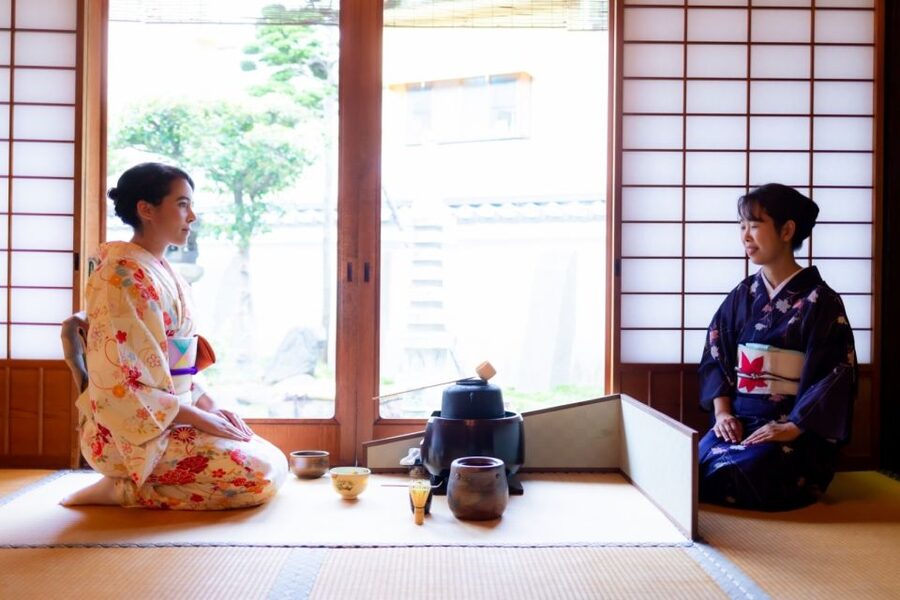
Inside, the tea master prepares matcha while your guide explains what is happening. The careful, deliberate movements give you a chance to notice the details instead of treating the ceremony as a quick serving of tea. The explanation also covers the importance of the ritual and the thinking behind its forms.
Kate is named as a guide in accounts of this session, and Taka is also mentioned as a host. The team may vary, but the format is consistent: an English-speaking guide helps interpret the ceremony, while the tea master demonstrates and leads the tea-making. That division is especially useful if you want both to watch closely and understand what you are seeing.
Make matcha, not just memories
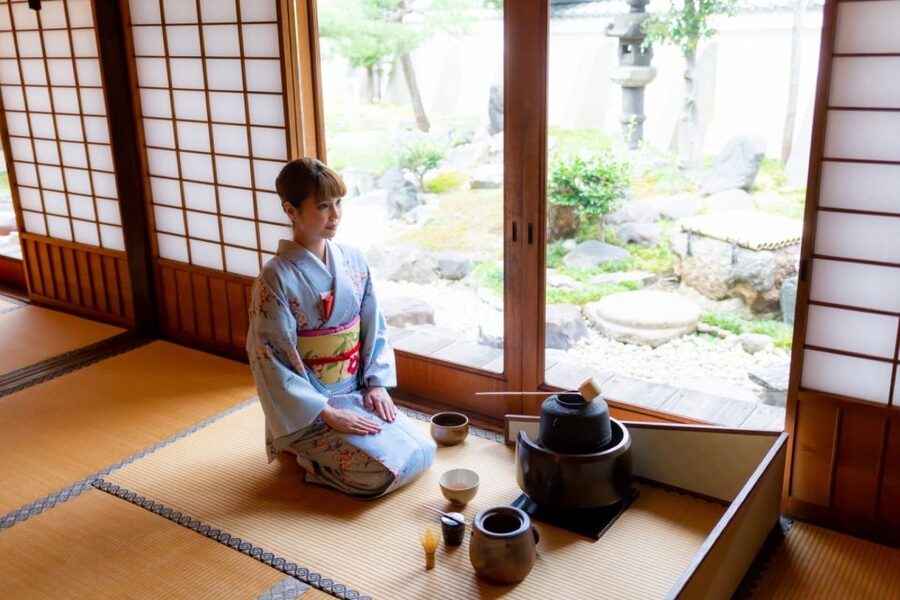
After watching the tea master, you have the chance to prepare your own cup under guidance. That hands-on moment is what makes the session more than a short performance. You can try the ceremonial implements and get a feel for the care involved, while the instructor keeps the process clear and welcoming.
You also learn how to drink matcha as part of the ceremony. The tea itself is a central pleasure, and matcha is served with sweets in some sessions. The sweets are not listed as a formal inclusion, so treat them as part of the experience described by participants rather than a guaranteed menu item.
If your only goal is to taste matcha, you can find simpler ways to do that in Kyoto. This activity makes more sense if you want to understand the ritual around it: why the tea is prepared in a particular way, how the gestures shape the experience and what the ceremony communicates about Japanese culture.
More temple and shrine tours in Kyoto:
- Arashiyama Bamboo, Temple, Monkeys, or Secret Sake Brewery
★ 4.8 · 886 reviews - Kyoto: Arashiyama Bamboo Forest, Monkeys, Matcha & Temple Tour
★ 5.0 · 759 reviews - Osaka/Kyoto: Arashiyama, Nara & Fushimi Inari Shrine w/Lunch
★ 4.4 · 754 reviews - Kyoto: Imperial Palace & Nijo Castle Guided Walking Tour
★ 4.7 · 453 reviews
What $29 buys you in 70 minutes
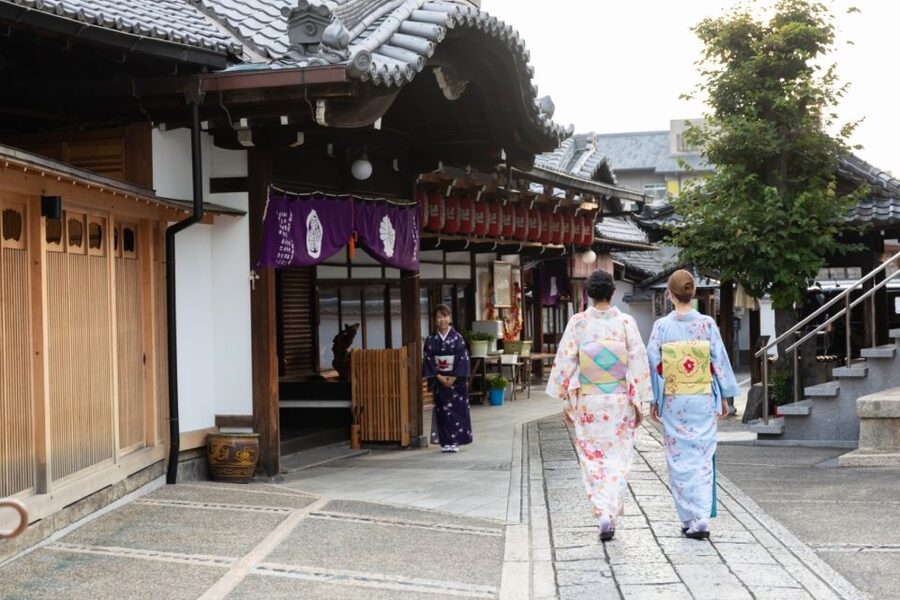
At $29 per person, the price covers an English-speaking guide and a chanoyu workshop ceremony. You are paying for instruction and participation in a temple tearoom, not simply for a bowl of tea. For a short cultural activity, the combination of temple setting, demonstration, explanation and a chance to make matcha gives the fee a clear purpose.
The small-group limit matters here. With no more than 10 participants, the room is less likely to feel like a crowd gathered around a demonstration, and there is more scope to ask questions. The short duration also makes this easy to fit between other Kyoto plans without taking half a day.
Keep the limits in mind when comparing options. Meals are not included, and kimono rental is not included, though a kimono can be rented separately. This is a focused introduction, not a full-day cultural program or a meal-centered tea gathering.
How to get the most from the session
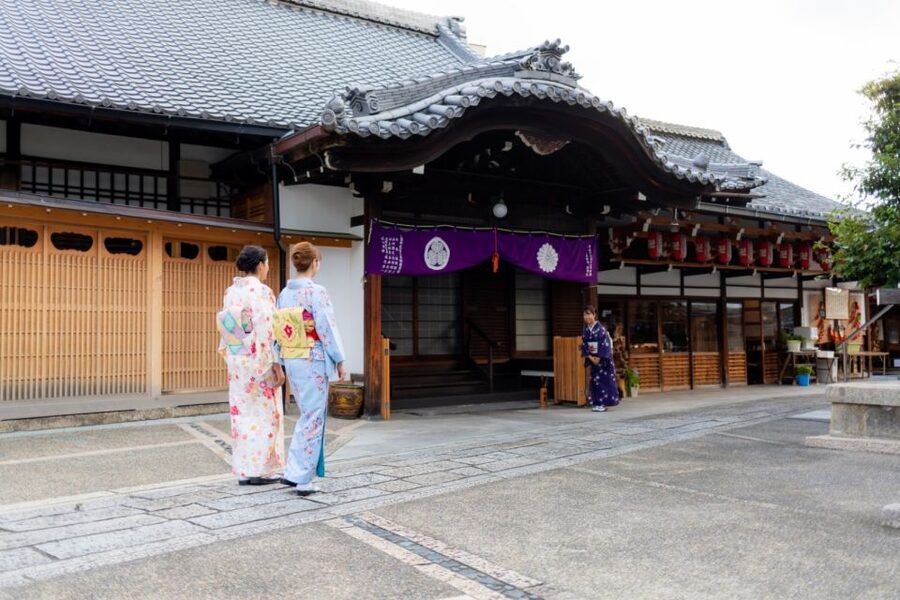
Give yourself enough time to find the temple entrance and the red benches. The address is written as 556, Gojo-sagaru, Tominokoji Dori, in Kyoto’s Shimogyo-Ku district. Once through the main gates, use the Main Hall as your reference point: the tea-room steps are to the left.
Wear footwear that is easy to remove, since you will take off your shoes before entering the tearoom. If sitting on the floor is difficult, ask for a seat or stool. The activity is in English, which lets you focus on the explanations rather than on translating the ceremony for yourself.
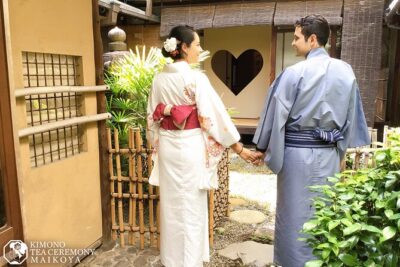
You do not need to dress in a kimono to participate. Rental is optional and separate, so book it only if wearing one is important to your plans. Most of all, arrive ready to slow down. The ceremony rewards attention, and trying to rush through the gestures would miss the point.
Who will get the most from Ju-An
I would put this near the top of the list for anyone who wants a meaningful cultural activity without committing a full morning or afternoon. It suits first-time visitors to Japan, matcha fans, and anyone curious about the connection between ritual and everyday life. The explanations make it accessible even if you have never seen a tea ceremony before.
It also works well if you want a quieter break from Kyoto’s busiest sightseeing stops. The temple setting and deliberate pace offer a change of rhythm, while the small group keeps the experience personal. If you prefer to learn by doing, the chance to prepare tea yourself is a real plus.
It may be less suitable if you are looking for a long, elaborate ceremony, a meal, or a large temple tour. The 70-minute session is an introduction, and the temple visit is brief. Wheelchair users should also note that the tearoom is inaccessible, despite the temple grounds being accessible.
Should you book it?
Book Ju-An if you want to understand the why behind a tea ceremony, not just watch someone make matcha. For $29, you get an English-led introduction, a tea master’s demonstration, a small group and the chance to prepare a cup in a temple tearoom. It is a compact, well-focused way to add cultural context to a Kyoto itinerary.
Skip it if you need step-free access to the tea room or would rather spend your time on a longer ceremony or a meal. If the steps and seated format work for you, this is a strong choice for a calm, participatory introduction to matcha and chanoyu.
FAQ
How long does the tea ceremony last?
The experience lasts 70 minutes.
What is included in the $29 price?
The price includes a tour guide and a chanoyu workshop ceremony.
Is the experience conducted in English?
Yes. The instructor’s language is English.
How large is the group?
The small group is limited to 10 participants.
Can I take part if I cannot sit on the floor?
Yes. Seats and stools can be provided if you are not comfortable sitting on the floor.
Is the tearoom wheelchair accessible?
No. The temple is wheelchair accessible, but the tearoom is not. There are three steps into the tearoom.
Is a kimono included?
No. Kimono rental is not included, but it can be arranged separately.
Newly added in Kyoto
- Uji: Private immersion into Kyoto’s tea and reglious culture★ 5.0 · 17 reviews
- Whisk Your Own Matcha: A Zen Matcha Experience at Temple★ 3.6 · 7 reviews
- Kyoto tea town for matcha lovers★ 5.0 · 16 reviews
- Treasures of Kyoto: Gion & historical Walking Tour★ 5.0 · 6 reviews
- Kyoto Matcha Green Tea Tour★ 4.5 · 23 reviews
- Uji and Wazuka Matcha Farm Half Day Private Guided Tour★ 5.0 · 21 reviews
- Uji Tea Ceremony and UNESCO Heritage Walking Tour★ 5.0 · 20 reviews
- Utilising upcycled Matcha! Creating matcha incense (Uji, Kyoto)★ 5.0 · 6 reviews
Kyoto Tea Ceremonies, compared.

Tea Ceremony in a Traditional Tea House in Kiyomizu
Read our review →
World Heritage Kyoto & Nara Uji Authentic Matcha Experience
Read our review →

Arashiyama Bamboo Forest, Monkeys, Matcha & Temple Tour
Read our review →
Tea Museum Tickets and Matcha Grinding Experience
Read our review →
Browse the lists this tour appears in