
Reviewed · KYOTO ZEN MEDITATION
Kyoto: Zen Meditation at a Private Temple with a Monk
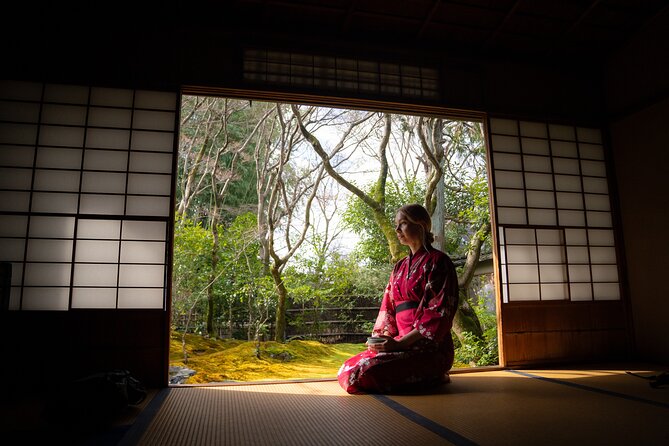
At a private Kyoto temple, a monk teaches you how to sit, breathe, and pay attention through Zazen, the seated meditation at the heart of Zen Buddhism. The 90-minute visit also includes a garden, tea, and a chance to ask the monk questions, so it offers more than a quiet sit.
I like two things in particular: you get direct instruction from a monk, with an English-speaking guide to interpret, and the temple is not open to the general public. It is a rare chance to see a quieter side of Kyoto, just a short walk from Kodaiji Park.
One consideration: $91 is a substantial price for an hour of temple time, especially if you are comparing it with self-guided sightseeing. The value depends on wanting the instruction, conversation, and private setting, not simply a garden visit.
A few things to know before you book
- The meeting point is specific: Find the toilet at Kodaiji Park and wait on its northern side. A map pin has confused some people, so follow the guide’s message if it gives more precise directions.
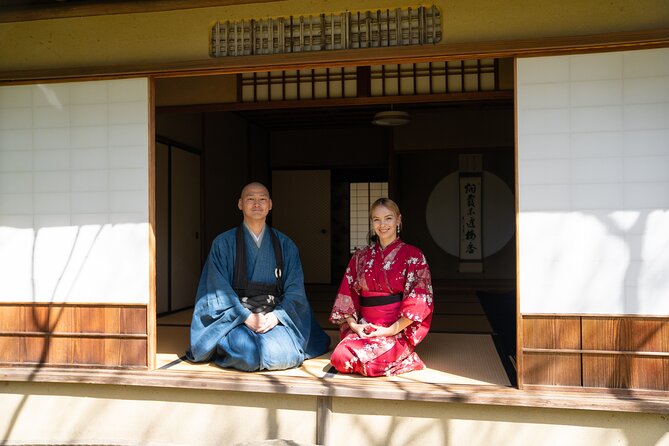
- The temple visit is guided: Walk about 10 minutes from the park to a temple that is not generally open to the public.
- Zazen is for beginners too: The monk explains the purpose, posture, and techniques before you try the practice.
- English support is provided: The guide interprets the monk’s teaching and questions, while guides such as Soma and Satoru have helped visitors feel at ease.
- Expect a reflective visit, not a sightseeing sprint: The temple class lasts about an hour, within a 90-minute experience that includes the walk.
- Tea and garden time round it out: The session ends with tea and a conversation, with time to see the grounds and take photographs.
A quieter Kyoto begins at Kodaiji Park
This experience starts at Kodaiji Park, where you meet the guide beside the toilet on its north side. It is an unusually precise meeting instruction, and worth taking literally. Some people have found a generic map destination confusing, so check any message from the guide before setting off rather than assuming the map pin will lead you to the exact spot.
From there, it is about a 10-minute walk to the temple. That short walk helps separate the session from the city’s usual sightseeing rhythm. You are not heading across Kyoto for a full-day excursion, but stepping off a busy area into a place with a different pace.
The temple has been identified as Korin-in, a private setting near Nene no Michi. It is not open to the general public, which is a major part of the experience’s appeal. You are not simply looking at a temple from a public path; you enter with a guide and meet the monk who teaches there.
The 90-minute duration includes the walk and the temple visit. The guided class itself is listed as about an hour, leaving the remaining time for the short approach and return to Kodaiji Park. That is a useful scale for a Kyoto itinerary: substantial enough to feel like an activity, but compact enough to fit around other plans.
More zen and meditation sessions in Kyoto:
- Kyoto Zen Meditation & Garden Tour at a Zen Temple with Lunch
★ 5.0 · 441 reviews - Kyoto: Zen Experience in a Hidden Temple
★ 5.0 · 437 reviews - Kyoto: Tea Ceremony Meditation – Make Matcha with Tea Master
★ 4.8 · 406 reviews
A monk explains what Zazen is for
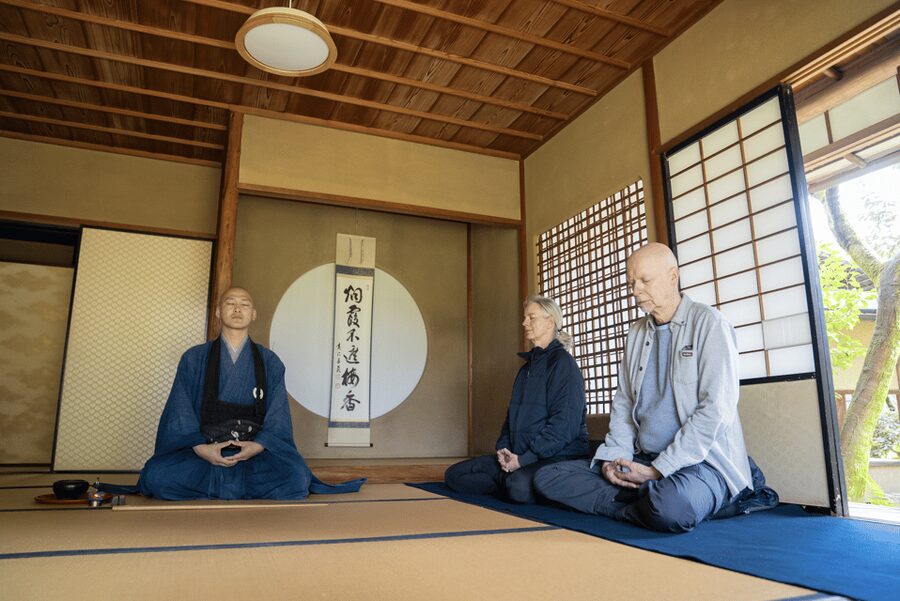
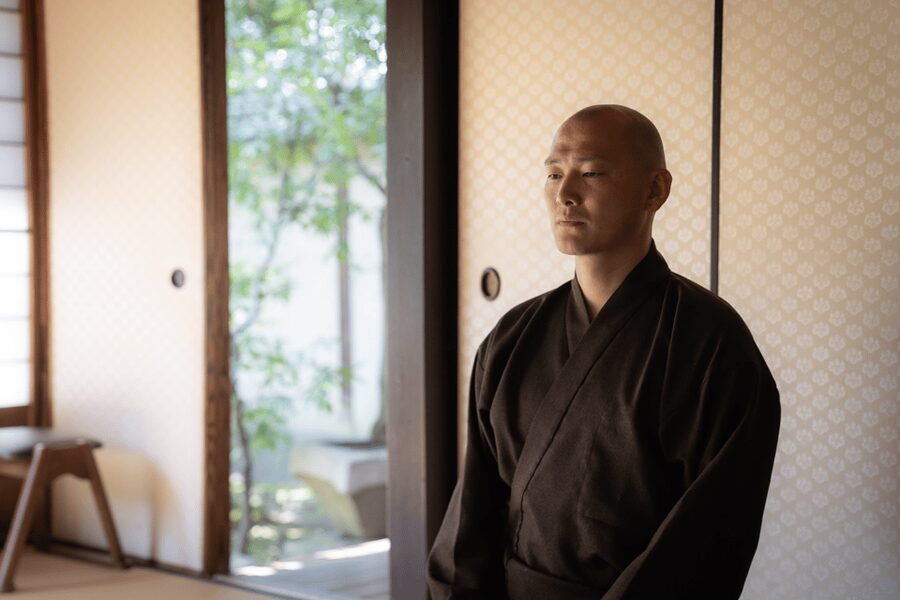
At the temple, the guide gives a brief introduction to Japanese culture and Zen. Then the monk explains the principles and techniques of Zazen, or seated meditation. You learn how to sit and breathe, and what the practice is trying to cultivate: attention, self-awareness, and some distance from the pull of everyday worries.
That context matters. Without instruction, sitting in silence can feel like waiting for the session to end. Here, the monk gives you a framework for understanding what you are doing and why. The guide translates the teaching into English, so you can follow the explanation and ask questions even if the monk speaks Japanese.
The session is welcoming to first-timers. You do not need a meditation background to take part, and the teaching covers basic posture and technique before the practice begins. People who already meditate may still find value in learning a method from a monk and experiencing it in a temple, rather than in a room at home.
Do not expect a lecture on every branch of Buddhism or a long formal retreat. This is a short introduction, shaped around the monk’s explanation and the group’s questions. Its strength is the personal scale: you have a chance to hear about the practice from someone who lives within the tradition, then try it yourself.
The quiet work of sitting still
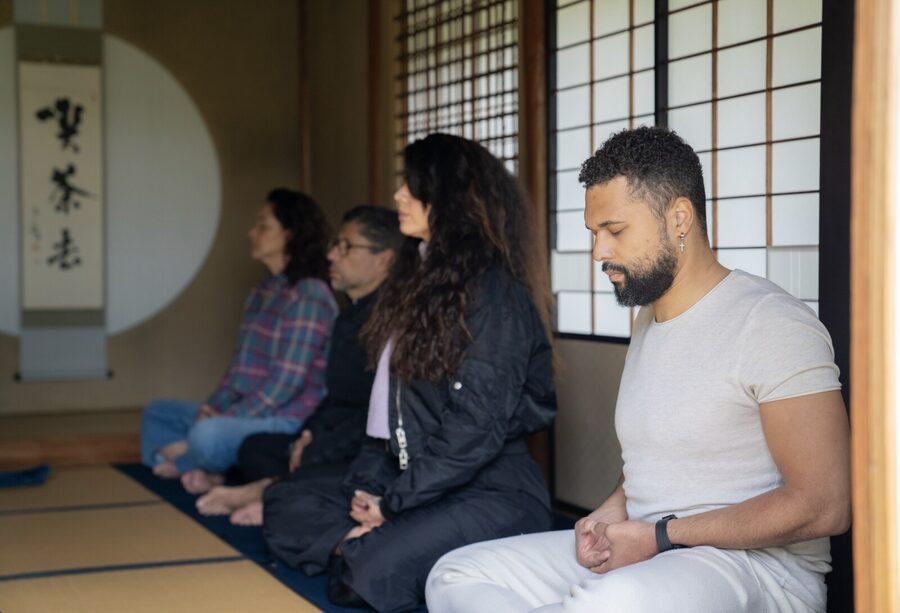
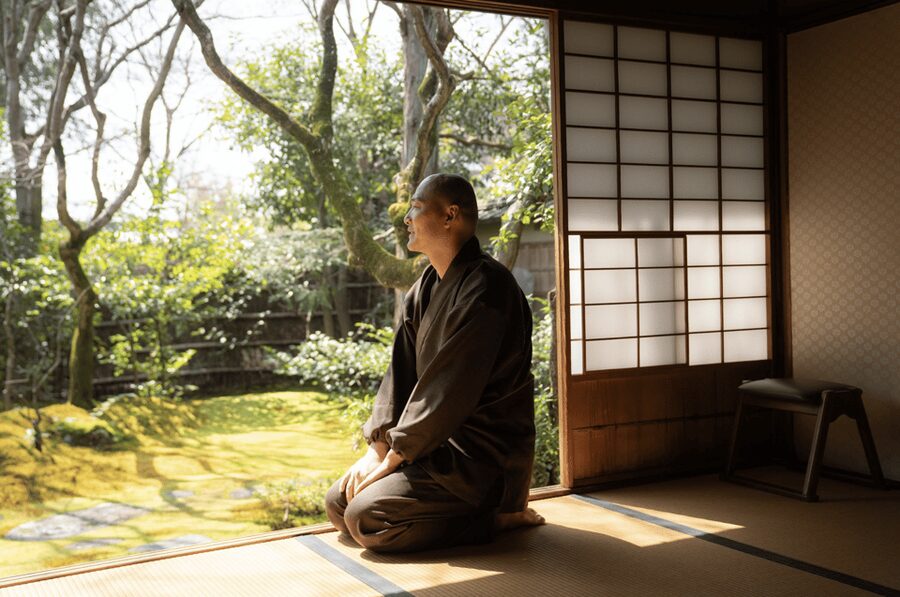
After the introduction, you practice Zazen under the monk’s guidance. The point is not to force your mind blank or to perform meditation perfectly. You are invited to sit, breathe rhythmically, and notice the mind’s activity without letting every thought carry you away.
For some people, silence is the most challenging part. The session asks for stillness and attention, not physical exertion, but you should be comfortable sitting in one place for a period of time. The exact meditation length is not specified, and can vary with the session.
The setting supports the practice without promising a sudden transformation. The temple and garden offer a calm contrast to Kyoto’s crowded streets, and the monk’s instruction gives the silence a purpose. You may leave feeling settled, curious, or simply more aware of how difficult it can be to slow down. All are reasonable outcomes.
This is also a chance to learn by doing. You can hear about posture and breathing, but a guided practice gives you a first-hand sense of what those directions mean. If you hope to continue meditating at home, you leave with a basic approach to try, though this short class is an introduction rather than extensive training.
Tea, questions, and the temple garden
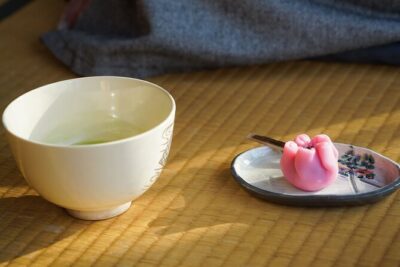
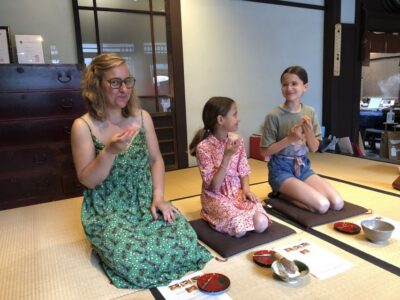
The experience closes with tea and a conversation with the monk. Matcha and sweets have been served during some sessions, adding a traditional pause after the meditation. The tea is not just a refreshment stop; it gives you a natural moment to ask about Zen, the monk’s life, or the ideas raised during the lesson.
The open conversation is one of the tour’s strongest features. You are not limited to listening to a prepared talk. The monk is described as approachable and willing to answer questions, and the English-speaking guide helps the exchange move smoothly. If something in the practice puzzled you, this is the time to ask.
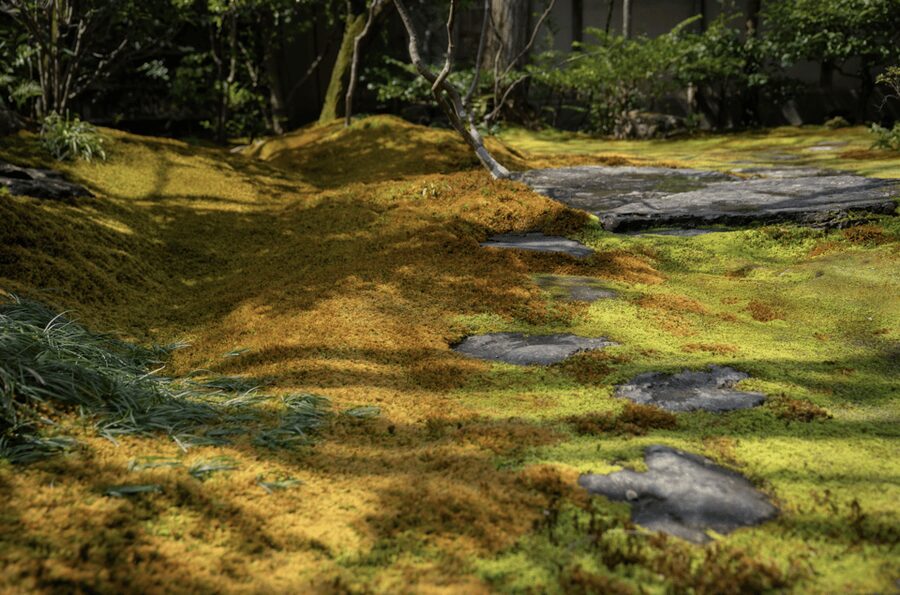
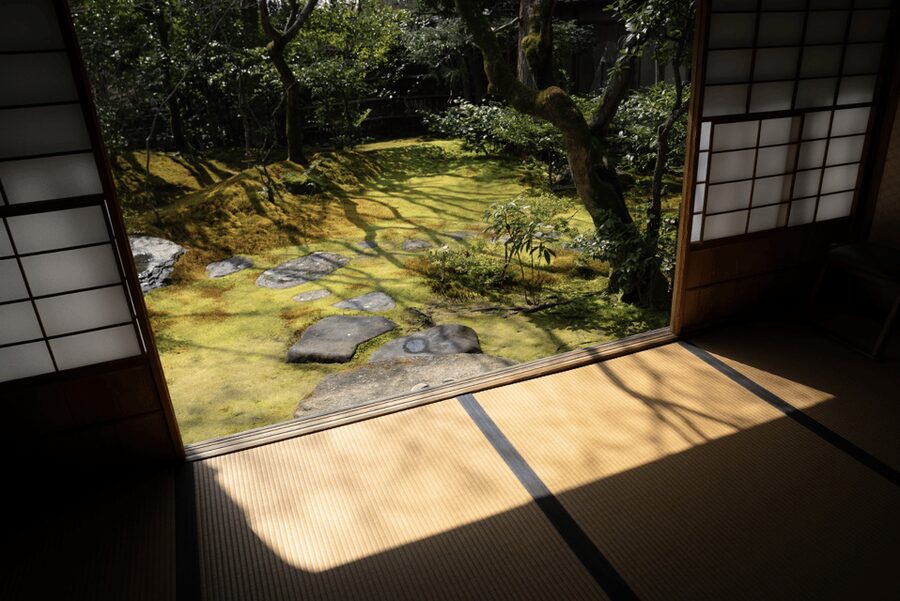
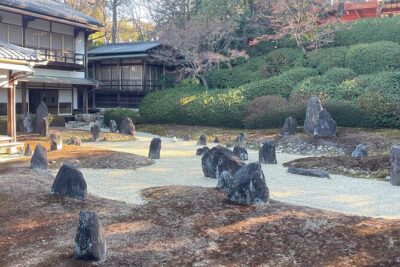
You also have a chance to see the temple garden. The grounds are often described as peaceful, with a moss garden among the features that make the setting memorable. It is a small place, not an expansive garden tour, but its quiet atmosphere adds a visual counterpoint to the meditation.
Photography is allowed as part of the experience, including photos with the monk and in the temple. Be thoughtful about when you take pictures: the session is built around a contemplative practice, so it makes sense to wait until the guide or monk indicates that photography is appropriate. You can enjoy the garden first and preserve the memory afterward.
More temple and shrine tours in Kyoto:
- Kyoto: Tea Ceremony Ju-An at Jotokuji Temple
★ 4.9 · 3,207 reviews - World Heritage Kyoto & Nara Uji Authentic Matcha Experience
★ 5.0 · 1,573 reviews - Arashiyama Bamboo, Temple, Monkeys, or Secret Sake Brewery
★ 4.8 · 886 reviews - Kyoto: Arashiyama Bamboo Forest, Monkeys, Matcha & Temple Tour
★ 5.0 · 759 reviews
Guides make the English-language experience work
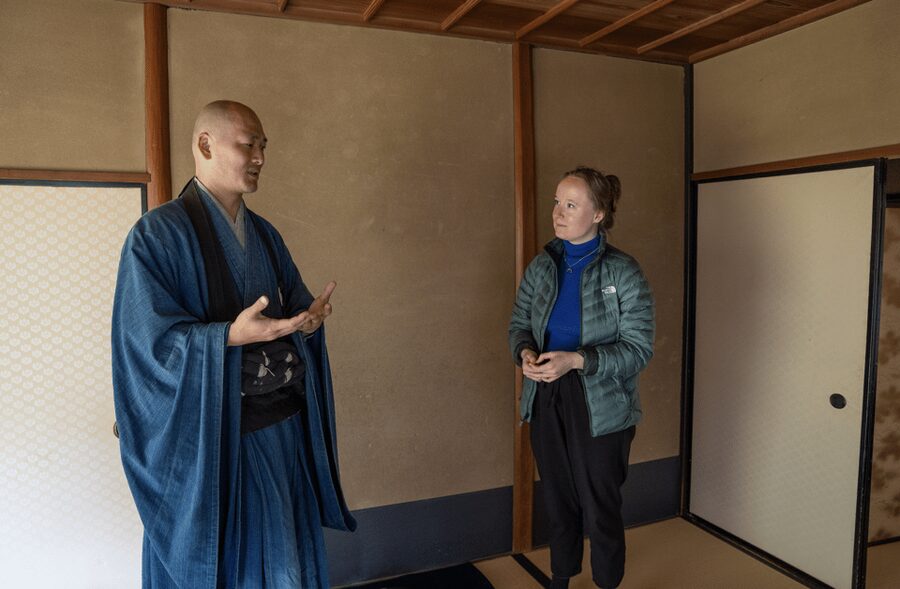
The monk leads the meditation and provides the Buddhist perspective; the guide makes that experience accessible to English speakers. The guide introduces the visit, interprets the teaching, and helps with questions. That role is important, since the value of the session rests on understanding the method and being able to speak with the monk afterward.
Guide names reported for this experience include Soma, Satoru, Kohtaro, and Ruko. The guide assigned to your session may differ, but the guiding role remains central. Past sessions have included clear translation and practical help, including taking photographs for participants.
The group size can be private or small, depending on the booking. A small group can make questions easier and the visit more personal, though it is still a shared experience unless you book it privately. On some dates, a participant has found themselves alone with the guide and monk. That can happen, but it is not something to count on.
The format also gives you a human connection beyond the meditation itself. You meet a monk in the setting where he practices, rather than learning only from a sign or recorded explanation. That makes the cultural introduction more personal, while still leaving room for a relaxed, conversational tone.
Is $91 a fair price for 90 minutes?
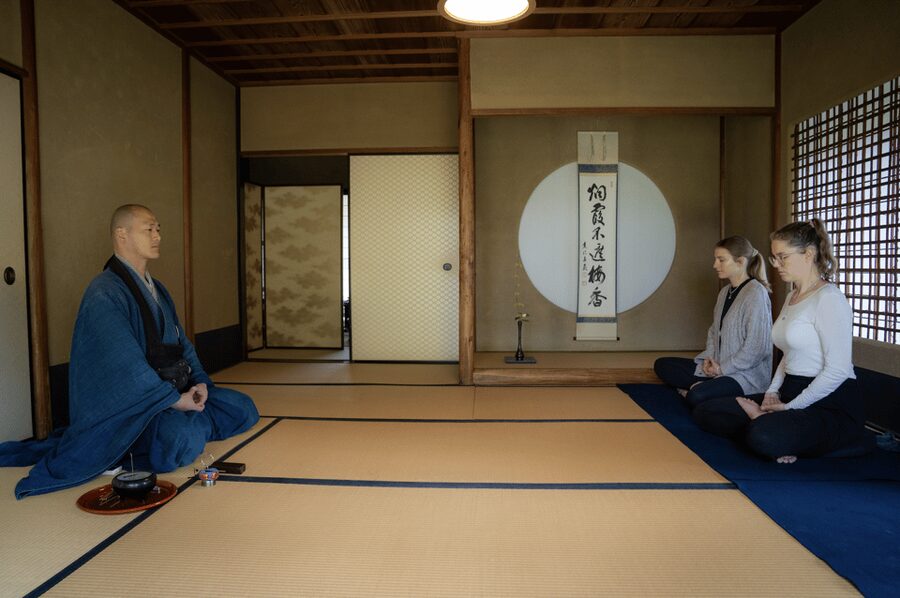
At $91 per person, this is not a low-cost way to see a Kyoto garden. You could spend less by visiting public temples on your own. But that is not a like-for-like comparison: the price covers temple entry, an English-guided introduction, a monk’s lesson, guided Zazen practice, and the opportunity to talk with him afterward.
The private access is central to the value. You are paying for a chance to enter a temple not open to the general public, not just for the time spent sitting. If the idea of meeting a monk and learning a practice directly appeals to you, the price can make sense. If your priority is a quick photo stop or a broad survey of Kyoto’s temples, it is harder to justify.
There is no transportation included. You make your own way to Kodaiji Park and walk from the meeting point to the temple with the guide. The walk is about 10 minutes, so plan around that and arrive at the exact meeting spot.
The activity offers free cancellation up to 24 hours in advance, and reserve-now, pay-later booking is available. Starting times vary, so check the available slot that fits your day. If your meeting time changes, follow the guide’s latest message.
Who will appreciate this experience most?
This is a good fit if you are curious about Zen but do not know where to begin. The monk’s explanation, practical instruction, and chance to try Zazen make the session accessible without requiring previous experience. It also suits people who meditate already and want to explore a different setting and method.
I would also consider it if your Kyoto trip feels packed with temples, shops, and crowds. The 90-minute format creates a quieter pause without requiring a full retreat. Couples, solo visitors, and small groups can all take part, and the setting can work for teenagers aged 12 and older.
It is less suitable if sitting quietly feels uncomfortable, or if you are looking for a highly active excursion. The activity is not suitable for children under 12, people with mobility impairments, people with claustrophobia, or people afraid of heights. Those listed limits are worth taking seriously before booking.
The tour is best approached with curiosity, not a demand for a life-changing moment. You may come away with a new meditation habit, a better understanding of Zen, or simply a calm hour in a place you could not otherwise enter. The value lies in the combination of practice, conversation, and access.
Should you book this Kyoto Zen session?
Book it if you want more than temple photographs and are willing to spend $91 for direct instruction and a personal exchange with a monk. The private temple, translated Zazen lesson, tea, and garden visit make a thoughtful change of pace from Kyoto’s usual sightseeing.
Skip it if you mainly want an inexpensive garden visit, dislike sitting still, or have limited mobility. For the right person, this is a meaningful way to meet a monk and try a central Zen practice. Just confirm the meeting instructions and available start time before you go.
FAQ
How long does the experience last?
The full experience lasts 90 minutes. The guided temple visit and class take about an hour, with a 10-minute walk each way from Kodaiji Park.
How much does it cost?
The price is $91 per person.
Where is the meeting point?
Meet at the toilet in Kodaiji Park. The guide waits on the northern side of the toilet.
How far is the temple from the meeting point?
The walk from Kodaiji Park to the temple takes about 10 minutes.
Is the experience conducted in English?
An English-speaking live guide is provided. The guide translates the monk’s teaching and helps you ask questions.
Do I need meditation experience?
No. The monk explains the principles and techniques of Zazen before you practice.
What is included?
The experience includes entry to the temple, a Zen session, a lecture on meditation principles and techniques, and Zazen practice.
Is transportation included?
No. Transportation is not included. You make your own way to Kodaiji Park.
Can children join?
Children under 12 are not suitable for this activity.
Can I cancel my booking?
Yes. You can cancel up to 24 hours in advance for a full refund. Reserve-now, pay-later booking is also available.
Newly added in Kyoto
- Uji: Private immersion into Kyoto’s tea and reglious culture★ 5.0 · 17 reviews
- Whisk Your Own Matcha: A Zen Matcha Experience at Temple★ 3.6 · 7 reviews
- Kyoto tea town for matcha lovers★ 5.0 · 16 reviews
- Treasures of Kyoto: Gion & historical Walking Tour★ 5.0 · 6 reviews
- Kyoto Matcha Green Tea Tour★ 4.5 · 23 reviews
- Uji and Wazuka Matcha Farm Half Day Private Guided Tour★ 5.0 · 21 reviews
- Slow Cycling Tour at Uji’s Matcha Green Tea Fields and Heritage★ 5.0 · 25 reviews
- Uji Tea Ceremony and UNESCO Heritage Walking Tour★ 5.0 · 20 reviews
Kyoto Zen Meditation, compared.
Kyoto Zen Meditation & Garden Tour at a Zen Temple with Lunch
Read our review →
Tea Ceremony Meditation – Make Matcha with Tea Master
Read our review →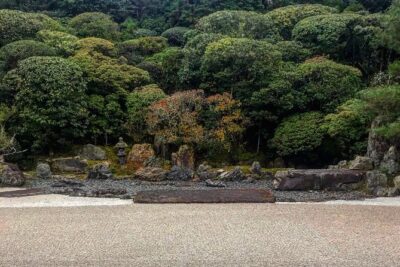
4.5-Hour Kyoto Bike Tour with Lunch and UNESCO Zen Temples
Read our review →
Arashiyama Guided Tour, Bamboo, Monkey, Zen Temple
Read our review →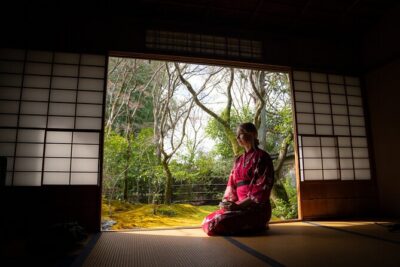
Kyoto Guided Walking Tour: Secret Zen Garden and Fushimi Inari
Read our review →Browse the lists this tour appears in