
Reviewed · KYOTO TEA CEREMONIES
Maiko Dance and Tea Ceremony on a Noh Stage in Kyoto
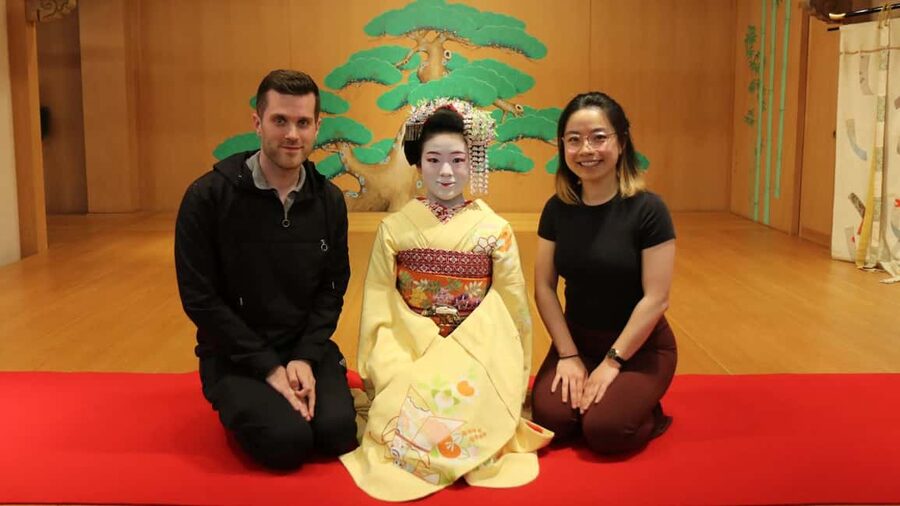
A maiko dance on an authentic Noh stage gives this Kyoto experience its special setting: you watch an apprentice geisha perform in a theater built for traditional Japanese performance, then share a tea ceremony in the same cultural spirit. It is a focused encounter, not a long show or a broad city tour.
I love two things here: the chance to see a maiko dance at close range, and the chance to take part in a tea ceremony rather than only watch one. Seasonal sweets, freshly prepared matcha, and an English-speaking interpreter add useful context without crowding out the traditional elements.
The main consideration is the price. At $141 for 60 to 90 minutes, this is a premium short activity, and private transport is not included. It makes most sense if you value the maiko, the Noh stage, and the chance to ask questions in an intimate setting.
What to know before you book
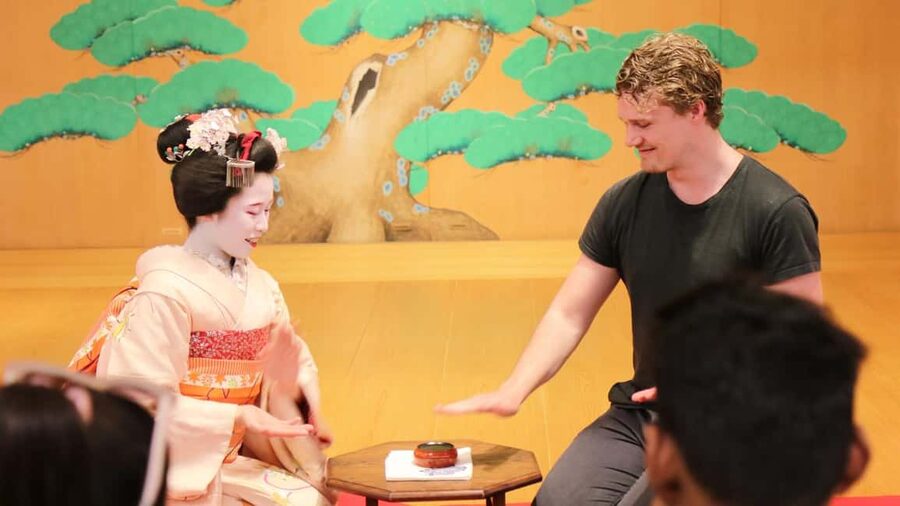
- The venue is an authentic Noh stage: The performance takes place inside a historic Kyoto theater, giving the dance a distinctive setting.
- You get both performance and participation: A maiko dances and prepares matcha for the tea ceremony.
- The tea comes with seasonal sweets: The ceremony engages more than the eye, with the taste and aroma of matcha and Japanese confectionery part of the experience.
- English interpretation is included: Staff can help you follow the cultural details, and the live tour language is listed as English and Japanese.
- You can talk and take photos: The format allows time to interact with the maiko in an intimate setting.
- Bring socks and arrive early: Shoes come off indoors, and you are asked to reach the first-floor reception at least 15 minutes before the start.
A Noh stage makes the setting part of the show
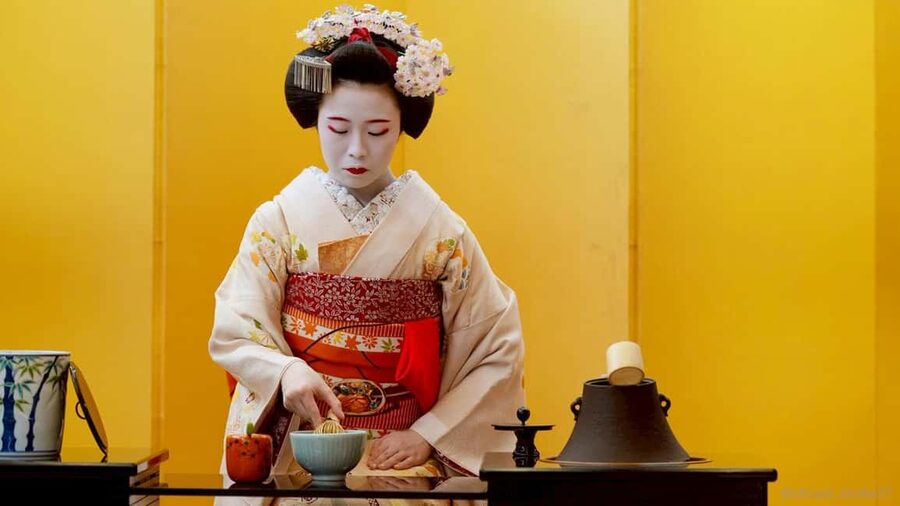
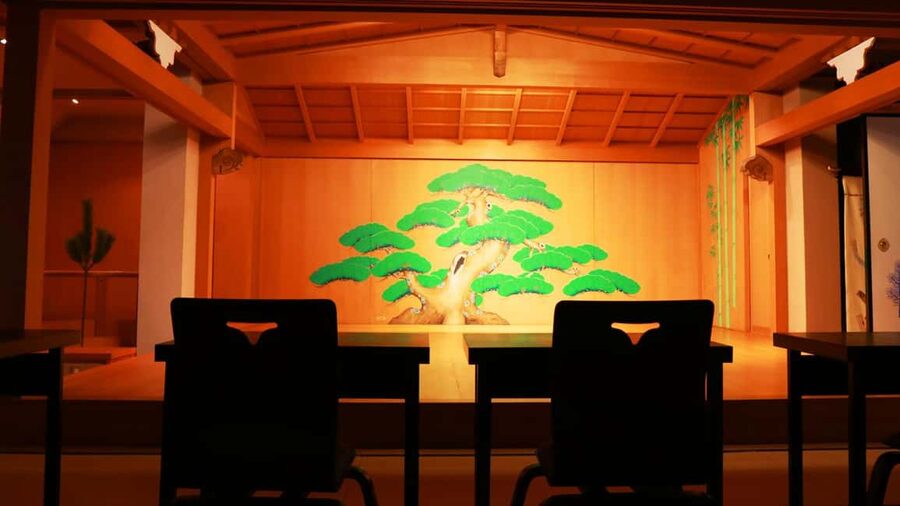
This is not a dance performance dropped into an ordinary event room. The maiko performs on a Noh stage in Kyoto, a traditional theater setting that gives the encounter a stronger sense of place. The stage matters: it frames the performance as a cultural art, not simply a photo opportunity.
You do not need to know the rules of Noh or the history of the theater to appreciate the scene. The important point is that you are watching a maiko dance in a setting connected to Japan’s performing traditions. The contrast between the stage’s formal atmosphere and the close-up scale of the event can make the movements feel especially precise.
The venue is identified as Kurochiku Tensho-kan. For the listed meeting instructions, arrive at the first-floor reception at least 15 minutes before the start. The meeting point can vary by the option you book, so check the details for your selected time and do not assume every booking uses the same entrance instructions.
More geisha and maiko experiences in Kyoto:
- Kyoto Geisha Walking Tour: Gion District & Hidden Gems
★ 4.7 · 3,273 reviews - Kyoto: Gion Magical Night Walking Tour with Geisha Trivia
★ 4.9 · 2,393 reviews - Kyoto: Gion Geisha District Walking Tour – Stories of Geisha
★ 4.7 · 2,187 reviews
The maiko dance: graceful, close, and carefully framed
A maiko is an apprentice geisha, and the dance is the visual center of this experience. Expect a traditional performance built around graceful movement and deliberate gestures rather than a long theatrical production. The listed duration for the whole activity is one hour to 90 minutes, so the dance is one part of a compact cultural program.
That shorter format is a plus if you want a meaningful introduction without setting aside half a day. It also means you should not book expecting a full-length stage production or a detailed survey of Japanese dance. This is a close encounter with one performer and one tradition, in a setting that gives the performance room to breathe.
You can take photos and chat with the maiko. That access makes the event more personal than a performance viewed from a large auditorium, though it is still worth following any instructions from the staff about when and how to take pictures. The available information does not specify how long the conversation lasts, so think of it as an opportunity to ask a few questions rather than a guaranteed extended interview.
Matcha, seasonal sweets, and a chance to take part
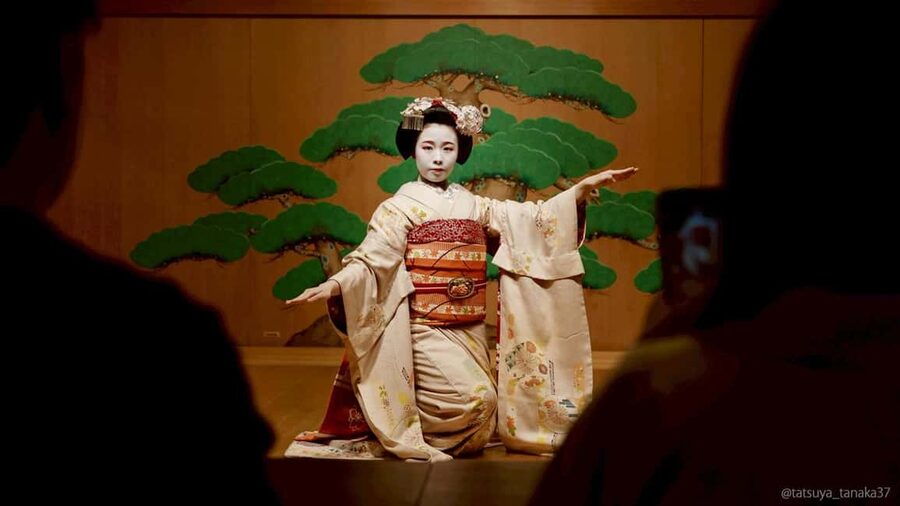
The tea ceremony gives you a second way into the culture. A maiko prepares matcha with refined precision, and you receive the tea with seasonal Japanese sweets. Rather than treating the ceremony as a quick drink break, pay attention to the preparation and presentation. The small gestures are part of what you are there to see.
For first-time visitors, having an English-speaking interpreter is useful. Tea customs can feel unfamiliar, and a little explanation can help you understand what is happening without turning the ceremony into a lecture. English and Japanese are listed as the live tour languages.
The seasonal sweets are a thoughtful detail. Their appearance and flavors can change with the time of year, so the treat is not necessarily identical on every visit. The matcha and sweets are included in the price, as is a Japanese-patterned handkerchief for each participant.
The supplied information does not set out an exact minute-by-minute schedule, so I would not count on a particular order for the dance and tea ceremony. What is clear is that both are central parts of the visit, with the maiko involved in each.
What the price covers, and what it does not
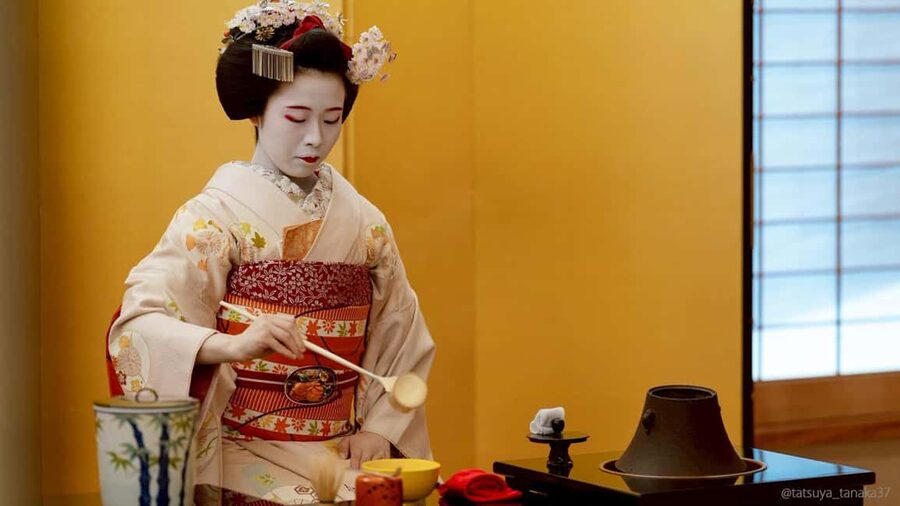
At $141 per person, this is an expensive hour if you measure value only by minutes. The better comparison is what the fee bundles: a maiko’s performance and tea preparation, use of a Noh stage in Kyoto, matcha and seasonal sweets, a professional English interpreter guide, and a handkerchief. The maiko dispatch fee is also included.
That makes the price easier to understand for someone seeking a special cultural activity, especially if meeting a maiko and seeing a traditional dance are high on the Kyoto wish list. You are paying for access to a specific performer and setting, not simply admission to a theater. If you are mainly looking for a low-cost introduction to tea, this may not be the best-value option.
Private transportation is not included. You will need to make your own way to the meeting point, and the exact location may depend on the option selected. The activity itself is short, which can work well between other plans, but do allow enough time to reach the venue early.
The experience has a 5 out of 5 rating based on four ratings. The written feedback describes it as thoroughly enjoyable, interesting, and entertaining. That matches the activity’s appeal: it combines a visual performance with participation and conversation, rather than relying on the dance alone.
More tea ceremonies in Kyoto:
- Kyoto: Tea Ceremony in a Traditional Tea House in Kiyomizu
★ 4.9 · 3,519 reviews - Kyoto: Tea Ceremony Ju-An at Jotokuji Temple
★ 4.9 · 3,207 reviews - Kyoto: 45-Minute Tea Ceremony Lesson Experience
★ 4.3 · 2,378 reviews - World Heritage Kyoto & Nara Uji Authentic Matcha Experience
★ 5.0 · 1,573 reviews
Shoes off, socks on, and other practical details
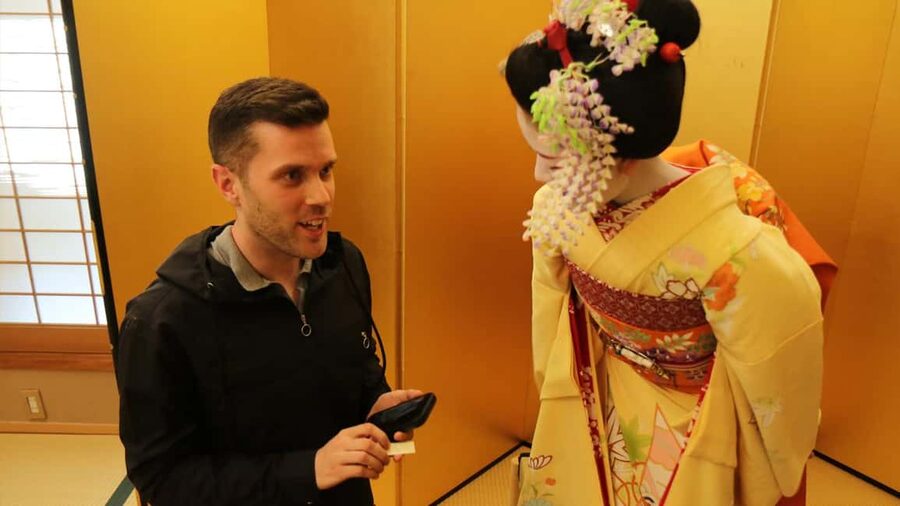
You take part indoors after removing your shoes, so bring socks. This is a small but useful detail: bare feet are not the right plan for a visit that asks you to remove footwear. Comfortable seating is arranged, so you can watch and take part at ease rather than needing to remain standing.
Plan to arrive 15 minutes before the start time. Advance reservations are required, and starting times depend on availability. The experience lasts from one hour to 90 minutes, so leave a little breathing room in your Kyoto schedule rather than booking another activity with a tight connection immediately afterward.
English and Japanese are listed as the languages. A professional English interpreter guide is included, which should help English speakers follow the program. The information does not name the guide, so there is no particular interpreter to request.
Booking offers free cancellation up to 24 hours in advance for a full refund, and a reserve-now, pay-later option is available. If the activity is canceled because of insufficient participants or operational reasons, alternative dates or a refund are provided. Those terms offer some flexibility, but check the conditions attached to your chosen booking.
Who will get the most from this Kyoto experience
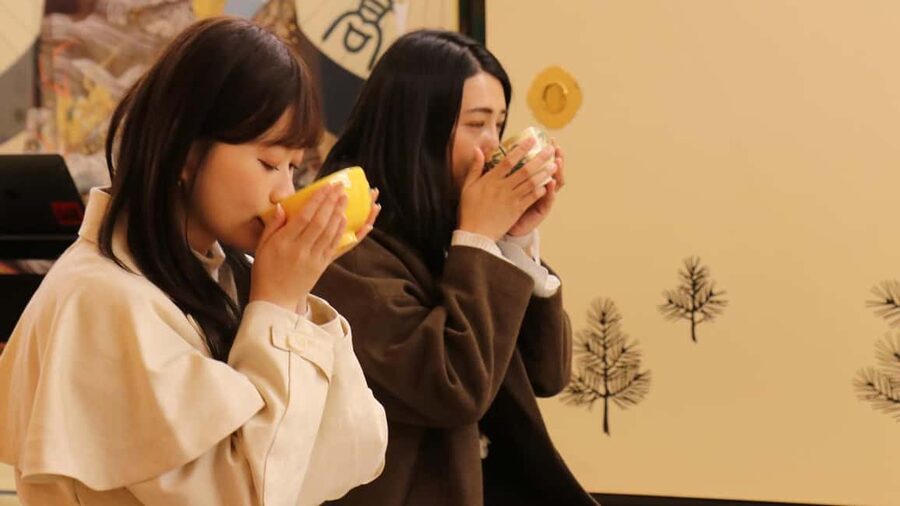
This is a strong fit if you want a short, structured introduction to Japanese performance and tea culture, especially if you are curious about maiko. The interpreter, small-scale setting, and chance to ask questions make it approachable even if you are new to these traditions.
It may also suit you if you want an indoor cultural activity that does not require extensive walking. Comfortable seating is arranged, and the main practical requirement is removing your shoes. No further accessibility details are provided, so contact the provider if you need specific access information before booking.
The experience is less suited to anyone who wants a full theater program, a long lesson in tea ceremony, or transport included. It is also a substantial cost for a short visit. Think of it as a concentrated encounter with a performer and a tradition, not a general-purpose Kyoto sightseeing tour.
Should you book it?
Book this if seeing a maiko dance on a Noh stage and taking part in a tea ceremony are experiences you have been hoping to find in Kyoto. The combination of performance, matcha, seasonal sweets, English interpretation, and time to speak with the maiko gives the hour more substance than a brief stage show.
Skip it if price is your main concern or you want transportation and a longer itinerary included. For the right person, the fee pays for a specific cultural setting and a rare chance to meet the performer at close range. For everyone else, it is best treated as a special-occasion activity rather than an essential stop.
FAQ
How long does the activity last?
The experience lasts between one hour and 90 minutes. Starting times depend on availability.
What happens during the experience?
You watch a maiko perform a traditional dance on a Noh stage and take part in a tea ceremony featuring matcha and seasonal Japanese sweets.
Is an English-speaking guide included?
Yes. A professional English interpreter guide is included. English and Japanese are listed as the live tour languages.
Can I take photos and speak with the maiko?
Yes. The experience allows you to take photos and chat with the maiko.
What should I bring?
Bring socks, since you remove your shoes indoors.
Where is the meeting point?
The meeting point may vary depending on the option booked. The stated instructions ask you to arrive at the first-floor reception of Kurochiku Tensho-kan at least 15 minutes before the start time. Check your booking details for the location that applies to you.
Is transportation included?
No. Private transportation is not included.
What is included in the price?
The price includes the maiko dispatch fee, use of a Noh stage in Kyoto, a professional English interpreter guide, matcha and sweets, and a Japanese-patterned handkerchief for each participant.
Can I cancel or pay later?
Yes. You can cancel up to 24 hours in advance for a full refund, and a reserve-now, pay-later option is available.
Newly added in Kyoto
- Uji: Private immersion into Kyoto’s tea and reglious culture★ 5.0 · 17 reviews
- Whisk Your Own Matcha: A Zen Matcha Experience at Temple★ 3.6 · 7 reviews
- Kyoto tea town for matcha lovers★ 5.0 · 16 reviews
- Treasures of Kyoto: Gion & historical Walking Tour★ 5.0 · 6 reviews
- Kyoto Matcha Green Tea Tour★ 4.5 · 23 reviews
- Uji and Wazuka Matcha Farm Half Day Private Guided Tour★ 5.0 · 21 reviews
- Uji Tea Ceremony and UNESCO Heritage Walking Tour★ 5.0 · 20 reviews
- Utilising upcycled Matcha! Creating matcha incense (Uji, Kyoto)★ 5.0 · 6 reviews
Kyoto Tea Ceremonies, compared.

Tea Ceremony in a Traditional Tea House in Kiyomizu
Read our review →


World Heritage Kyoto & Nara Uji Authentic Matcha Experience
Read our review →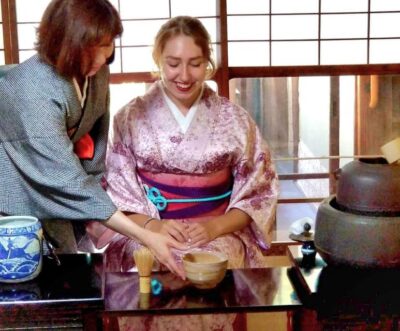


Arashiyama Bamboo Forest, Monkeys, Matcha & Temple Tour
Read our review →
Tea Museum Tickets and Matcha Grinding Experience
Read our review →Browse the lists this tour appears in