
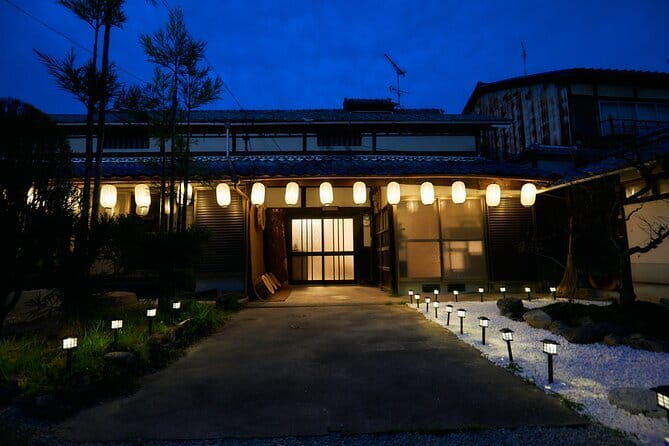
Reviewed · KYOTO SAMURAI & NINJA EXPERIENCES
Authentic Ninja Weapon Forging Experience in Kyoto
A glowing piece of steel, a hammer in your hand, and sparks at the forge: this Kyoto workshop gives you a rare chance to shape a ninja weapon rather than just admire one behind glass. You choose a shuriken or kunai, then work through the forging and finishing steps with an instructor close by.
I like two things especially: you get to take part in making the weapon, and the kanji engraving turns it into a personal keepsake. The instructors also weave in information about ninja weapons, so the session has more to offer than a souvenir. One consideration: the studio is off the beaten path, and some steps may feel more guided than hands-on if you expect to do every part of the forging yourself.
The experience at a glance
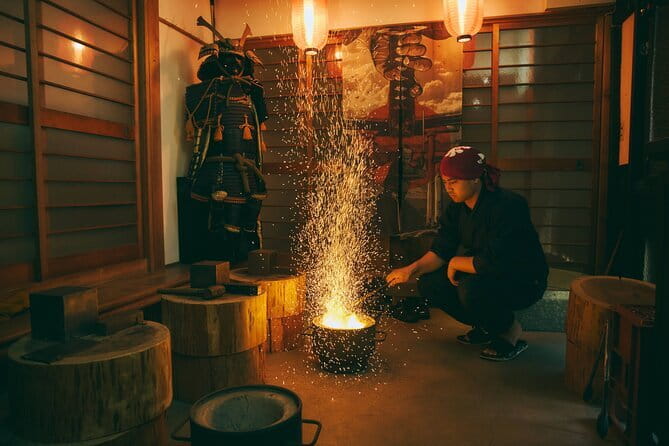
- Heat and hammer steel: Your weapon is heated in an 800°C furnace, then hammered as part of the central forging step.
- Choose your shape: Pick one of three shuriken styles or a kunai. One participant paid an extra 3,000 yen for a kunai, so check the current price for your preferred option.
- Make it personal: Select a kanji character for the staff to engrave on your finished weapon.
- Dress for the workshop: A blacksmith’s uniform, called a samue, and a tenugui head wrap set the tone.
- Plan your ride: Atelier NIN is outside central Kyoto’s usual sightseeing circuit. Public transport is nearby, but directions can be vague, so a taxi app may help.
- Bring moderate stamina: You’ll hammer, file, and help finish steel. Less strenuous sharpening options are available.
Turning a Kyoto visit into a hands-on workshop
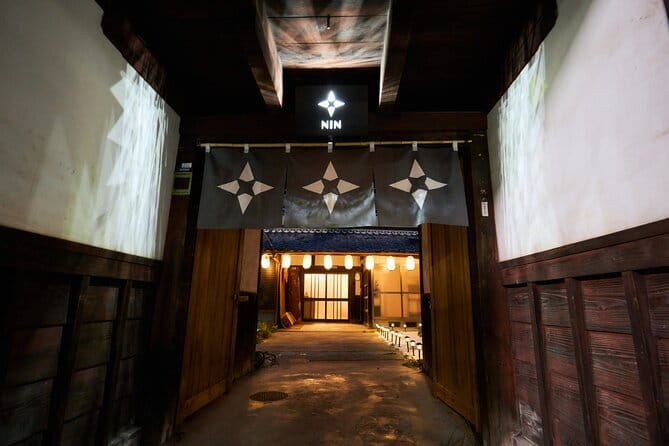
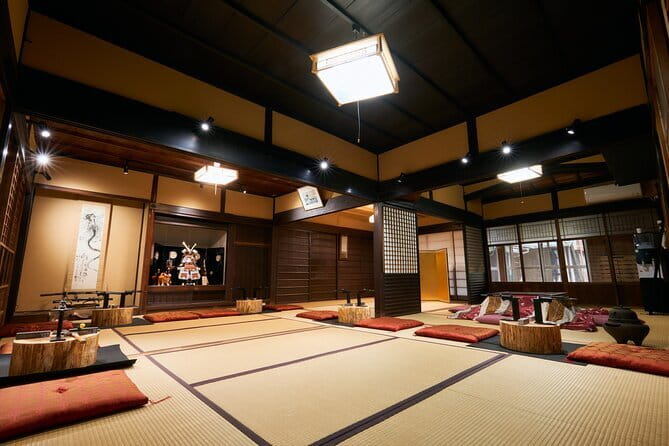
Atelier NIN’s workshop runs about two and a half hours and takes place at studio NIN in Yase, in Kyoto’s Sakyo Ward. It’s a different sort of stop from a temple visit or a walk through the old streets: here, the main event is making something with your hands.
You don’t need blacksmithing experience. The instructors guide you through the steps, from choosing a weapon to giving it a final polish. The session combines practical work with stories about ninja weapons and their uses, which helps connect the metal in your hands to the subject behind the craft.
The experience is also well suited to families with older children, couples, or friends looking for a shared activity. Families with children aged 12 and 15 have taken part, and an 18-year-old pair enjoyed the workshop, too. The stated maximum is 25 people, so it may feel livelier with a full group than with only a few participants.
More samurai and ninja experiences in Kyoto:
- Kyoto Samurai Experience
★ 5.0 · 1,294 reviews - Kyoto: Kendo and Samurai Experience with Uniform and Gear
★ 4.9 · 815 reviews - Kyoto: Samurai Sword Class by Experts in Traditional Arts
★ 4.9 · 657 reviews
Suit up, then choose your weapon
The workshop begins with a change into a samue, a traditional blacksmith’s uniform, and a tenugui head wrap. It’s a small detail, but it helps mark the shift from sightseeing to making. You’re not just watching a demonstration; you’re preparing to work at the forge.
Next comes the choice of weapon: one of three shuriken styles or a kunai. The shapes have different looks and feels, so take a moment to ask about the options before settling on one. If you have your heart set on a kunai, check whether it costs extra. One participant reported paying 3,000 yen more for that choice.
This is also the point to be clear about what you want from the session. If your main goal is to make a particular weapon, say so early. The finished piece is the souvenir, but part of the fun is having a say in the object you’ll take home.
Heating and hammering the steel
The most dramatic step is heating the metal in an 800°C furnace. Once hot, the steel is hammered to begin shaping the weapon. This is the workshop’s core forging moment: you get close to the process and help transform a piece of metal into something with a recognisable form.
An instructor provides guidance, and no previous experience is expected. Still, it’s wise to arrive with realistic expectations. One participant felt the hammering was brief, with much of the shaping and sharpening already done. If you’re imagining hours of independent blacksmithing, this may feel more like a guided introduction than a full apprenticeship.
That doesn’t make the experience a mere photo stop. The workshop includes several stages of shaping and finishing, and you take part in the process. But the amount of work you do yourself may depend on the step and the group. Think of it as a chance to handle real tools and learn how the weapon takes form, not a promise that you’ll make every decision or perform every task alone.
Filing, sharpening, and shaping the blade
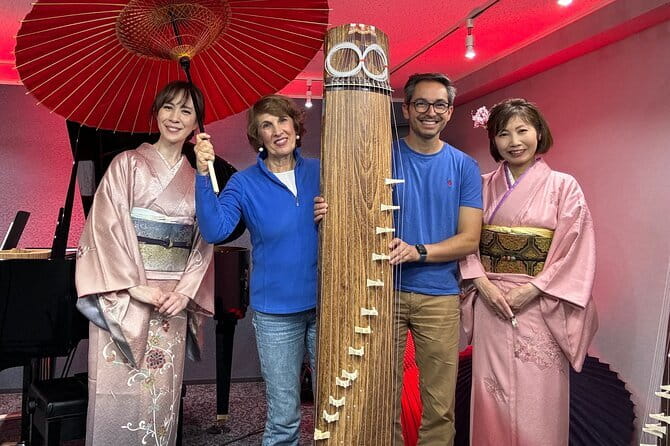
After the forging comes more precise work. You use a professional belt sander to refine the metal, and tools such as files and hammers are provided for use during the workshop. This is where the rough shape becomes more finished and the weapon starts to look like a complete object.
You’ll need a moderate level of physical fitness for the activity, but the work is not described as requiring advanced strength or skill. One participant noted that easier sharpening options are available for people with less stamina. If you have concerns about the physical work, contact the provider before booking rather than assuming every task can be adapted.
Some participants have found the instructions unclear at moments. The instructors are there to help, and participants also describe them as friendly and encouraging. If you’re not sure what to do, pause and ask. It’s better to get a quick demonstration than to worry that you’re shaping the wrong edge.
More Kyoto tours in Kyoto:
- PERFECT KYOTO 1-Day Bus Tour
★ 5.0 · 13,518 reviews - Kyoto: Fushimi Inari, Kinkakuji, Bamboo Grove 1 Day Bus Tour
★ 4.8 · 4,316 reviews - Kyoto: Tea Ceremony in a Traditional Tea House in Kiyomizu
★ 4.9 · 3,519 reviews - Kyoto Geisha Walking Tour: Gion District & Hidden Gems
★ 4.7 · 3,273 reviews
Add a kanji mark and a dark finish
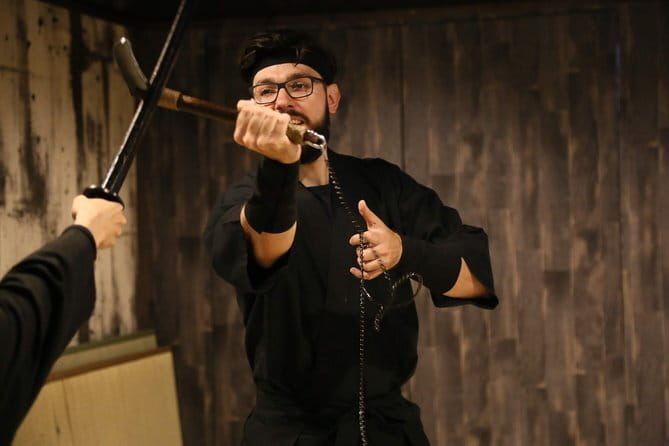
Once the weapon has been shaped, you choose a kanji character for the staff to engrave. This is one of the strongest personal touches in the workshop: the mark makes your finished piece distinct, even when everyone begins with the same general style of weapon.
Next, a special solution is applied to protect the steel and give it a dark finish. You then polish the metal, bringing out its shine and completing the piece. The order of these final steps gives the session a satisfying progression, from hot steel to a finished object that is ready to display.
The staff supplies a clean box and bag for the trip home. That’s useful, but keep in mind that a finished metal weapon is not a casual souvenir to tuck into a day bag and forget about. A participant was able to pack a kunai in checked baggage, but airline and security rules can vary. Check the rules for your route and carrier before you travel with it.
Ninja stories add context to the craft
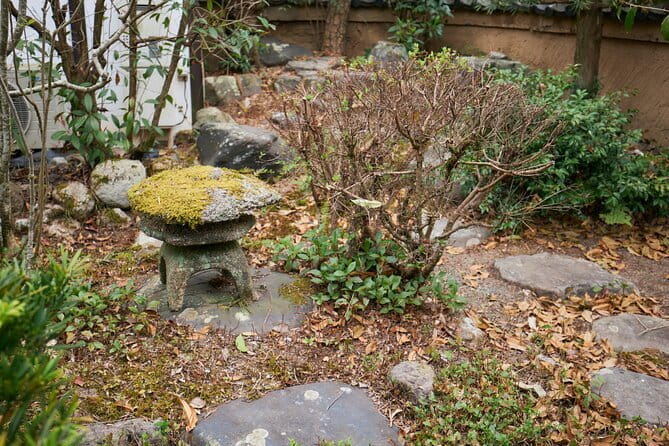
The workshop includes a session about ninja history, weapons, and secret techniques. The metalwork is the main attraction, but the talk helps explain what you’re making and why these tools have captured people’s imaginations.
The tone appears lively and informal. Instructors keep the steps moving, share information as you work, and help with the details. One instructor is called Taka by some participants, though the spelling is uncertain. English instruction has been described as adequate, but if you need a detailed explanation of a technical step, ask for it to be shown as well as explained.
This balance of activity and context is what makes the session more appealing than a simple craft class. You get the pleasure of making something, along with a bit of background that gives the finished object a story. It won’t replace a dedicated history visit, but it gives the subject a practical angle.
What $151.92 buys you
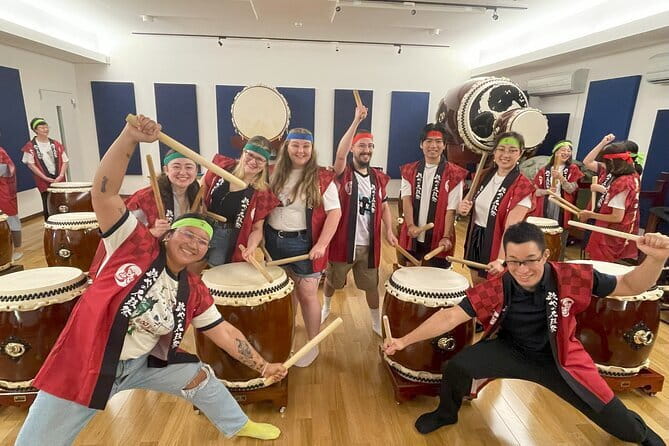
At $151.92 per person, this is a costly activity compared with a standard museum ticket or short craft demonstration. Its value depends on what you want from a Kyoto outing. If you’re after a guided, hands-on workshop and a one-of-a-kind object to take home, the price covers more than the time at the forge: tools are provided, you get instruction throughout the process, and the finished weapon is packed in a box and bag.
The price will feel less attractive if you expect a long, unstructured blacksmithing session or want to do every stage without help. A participant described the workshop as too expensive for the amount of forging they did. That’s a useful caution, especially if your priority is technical depth rather than a fun, guided introduction.
The displayed rating is 4.9 from 43 reviews, with 98% recommending the experience. The most consistent strengths are the friendly, energetic instructors, the unusual activity, and the custom souvenir. Those qualities can make the cost worthwhile for a special outing, but the price is still high enough to make expectations matter.
Getting to studio NIN
The meeting point is studio NIN at 168-1 Yasenosechō, Sakyo Ward, Kyoto. The activity ends back at the same place, and private transportation is not included. The studio is described as near public transport, but it is also off the beaten path. Several participants found the directions less clear than they would have liked.
Give yourself time to find the studio, and consider keeping a taxi app handy. A taxi may be the simpler choice if you’re unsure about the route or don’t want to risk arriving late. Since there’s no private transfer included, the journey to and from the workshop is yours to arrange.
The session lasts about two and a half hours, so allow extra time around it for transport. It may fit neatly into a day of sightseeing, but don’t schedule your next activity too tightly. You’ll want breathing room for the trip across Kyoto and for the possibility that the workshop runs at its own pace.
Who will enjoy the forge most?
This experience is a good fit if you like making things, have an interest in ninja culture, or want a souvenir with more personal meaning than a shop purchase. It can work for families with older children and groups of friends, as long as everyone is comfortable with a moderately physical workshop.
It’s less suited to someone looking for a quiet, highly technical blacksmithing course. The session is guided and social, and the work is divided into stages. If you’re mainly interested in the history, a museum visit may offer more depth; if you want to shape and finish an object while learning a little along the way, this workshop offers a memorable change of pace.
The group limit of 25 is worth keeping in mind. A lively group can add energy, but it may also mean sharing attention with others. If close, individual instruction is your top priority, contact Atelier NIN to ask what group size is expected for your date.
Should you book this Kyoto workshop?
Book it if you want an unusual, hands-on activity and would be pleased to take home a custom shuriken or kunai. The forge work, kanji engraving, and help from enthusiastic instructors make the session more personal than a demonstration, and the finished piece gives you a lasting reminder of your time in Kyoto.
Think twice if the price feels high for a guided experience, if you want to handle every step independently, or if getting to an out-of-the-way studio sounds like a chore. Check the weapon options and any extra charge before booking, leave time for the journey, and plan to pack the metal souvenir in checked baggage only after confirming your carrier’s rules. With those details sorted, this is a distinctive choice for a Kyoto day that needs a little hammering.
FAQ
How long does the workshop last?
The experience lasts approximately two hours and 30 minutes.
What weapons can I make?
You can choose from three shuriken styles or one kunai. One participant reported an extra charge of 3,000 yen for the kunai, so check the current price when booking.
Do I need blacksmithing experience?
No. The workshop is designed for people without prior experience, and instructors guide you through the process.
What is included in the price?
Specialized tools, including hammers and files, are provided for use. A blacksmith’s uniform is also rented, and you receive a box and bag for taking home your finished weapon.
Where does the workshop start and end?
It starts and ends at studio NIN, 168-1 Yasenosechō, Sakyo Ward, Kyoto. Private transportation is not included.
Can I cancel for a refund?
You can receive a full refund if you cancel at least 24 hours before the experience’s start time. Cancellations or changes made within 24 hours are not accepted for a refund.
Newly added in Kyoto
- Uji: Private immersion into Kyoto’s tea and reglious culture★ 5.0 · 17 reviews
- Whisk Your Own Matcha: A Zen Matcha Experience at Temple★ 3.6 · 7 reviews
- Kyoto tea town for matcha lovers★ 5.0 · 16 reviews
- Treasures of Kyoto: Gion & historical Walking Tour★ 5.0 · 6 reviews
- Kyoto Matcha Green Tea Tour★ 4.5 · 23 reviews
- Uji and Wazuka Matcha Farm Half Day Private Guided Tour★ 5.0 · 21 reviews
- Uji Tea Ceremony and UNESCO Heritage Walking Tour★ 5.0 · 20 reviews
- Utilising upcycled Matcha! Creating matcha incense (Uji, Kyoto)★ 5.0 · 6 reviews
Kyoto Samurai & Ninja Experiences, compared.
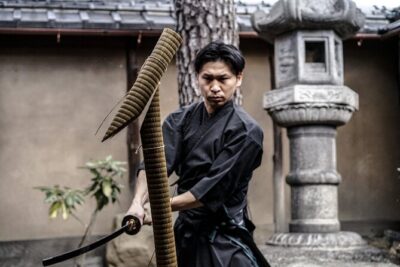
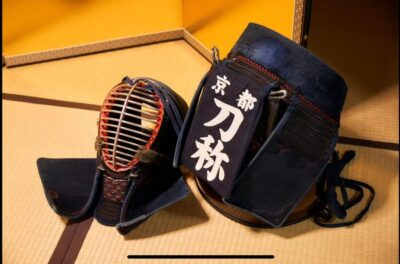
Kendo and Samurai Experience with Uniform and Gear
Read our review →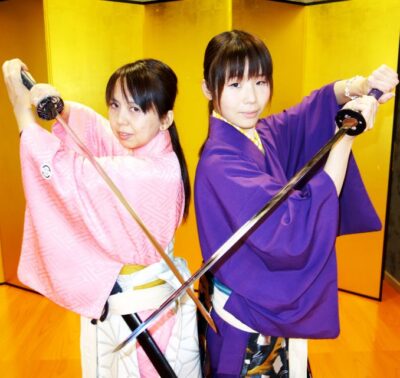
Samurai Sword Class by Experts in Traditional Arts
Read our review →
Skip the lines Basic Ticket at SAMURAI NINJA MUSEUM KYOTO
Read our review →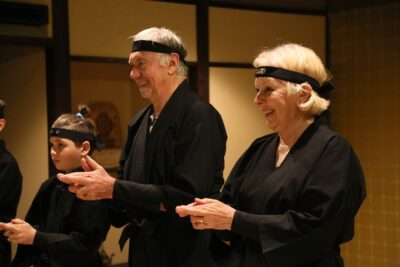
Ninja 1-hour Hands-on Lesson by Japanese master in Kyoto -Entry
Read our review →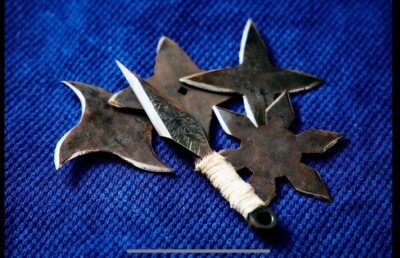
Samurai Training with Modern day Musashi in Kyoto
Read our review →Browse the lists this tour appears in