
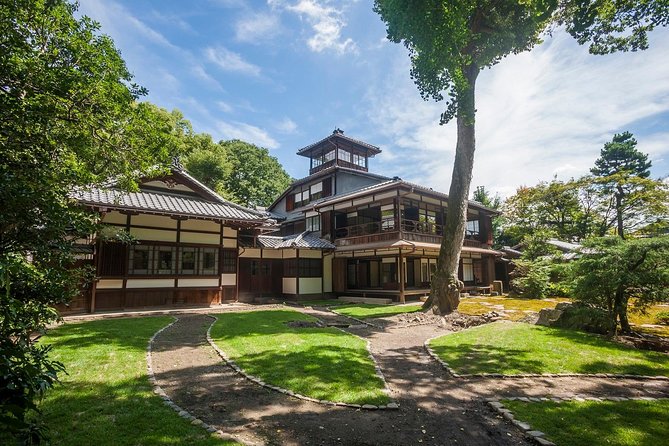
Reviewed · KYOTO TEA CEREMONIES
Family Mitsui House Museum with green tea admission ticket
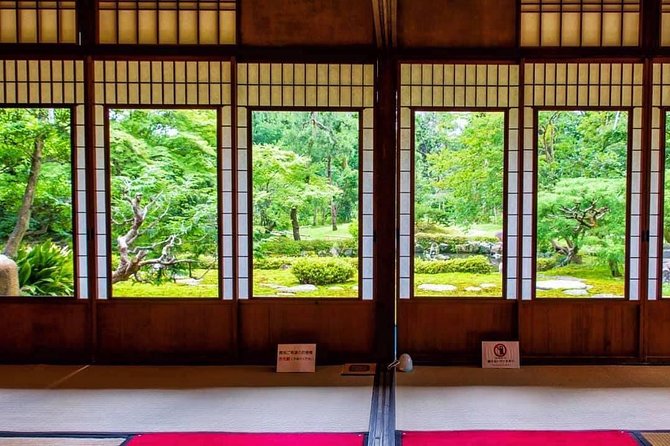
The best part of this Kyoto visit is the pause: you sit on tatami with a bowl of matcha and a garden in view, inside a carefully preserved merchant family villa. The city feels a little farther away here, with birdsong and the sound of the river adding to the calm.
I like the combination of traditional architecture and a seasonal garden, and the fact that tea is part of the admission rather than an extra decision to make once you arrive. One consideration: this ticket covers the first floor only, so you will not see the second or third floors or the tea room area.
Key points to know before you go
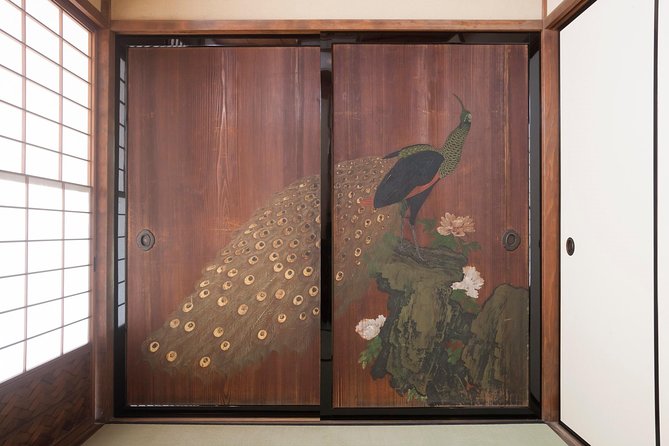
- The matcha is served on tatami: The included tea gives you time to sit and take in the garden, rather than simply walking through the house.
- The villa dates to 1880: Its preserved scale and architecture offer a glimpse of Meiji-era Kyoto and the life of a prominent merchant family.
- Your ticket covers the first floor and garden: The second and third floors and tea room area are excluded.
- The grounds change with the seasons: The garden’s character shifts through the year; flowers such as kikyo and lotus have been visible at different times.
- Plan for a quiet visit of about an hour: The calm setting is the point, not a long list of exhibits or a tightly packed tour.
- English information is limited: A standard leaflet is available, but visitors seeking detailed English interpretation may want to read up beforehand.
A quiet corner beside Shimogamo Shrine
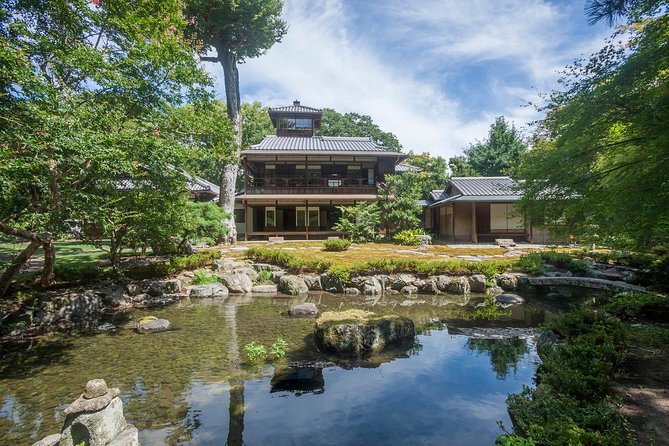
The Old Mitsui Family Shimogamo Villa sits beside Shimogamo Shrine, in a part of Kyoto where a short visit can feel quite different from time spent among the city’s busiest sights. The villa is not a grand tour with a guide leading you room to room. It is a place to slow down, look carefully at the house, and spend some time with the garden.
That quieter pace is a real part of the appeal. You can hear birds and, at times, the murmur of the river. The setting makes the visit feel removed from city noise, even though the villa is in Kyoto and near public transportation.
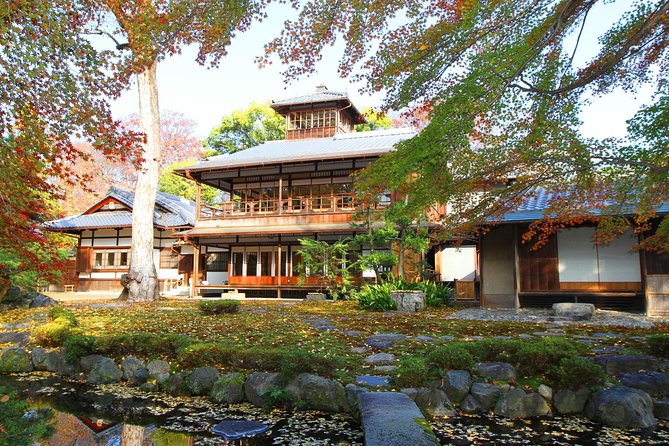
For anyone who likes old houses, this is a useful way to see a substantial residence rather than only a temple or shrine. The building was constructed in 1880, during the Meiji period, and is designated an Important Cultural Property because it has been well preserved. The villa belonged to the Mitsui family, a prominent merchant family, and its scale helps you picture the status and resources behind such a home.
The experience is also modest in length. Allow about an hour for the first-floor rooms, garden, and tea. That makes it a possible addition to a day in the area, especially if you want a calm break rather than another stop that demands a full morning.
More tea ceremonies in Kyoto:
- Kyoto: Tea Ceremony in a Traditional Tea House in Kiyomizu
★ 4.9 · 3,519 reviews - Kyoto: Tea Ceremony Ju-An at Jotokuji Temple
★ 4.9 · 3,207 reviews - Kyoto: 45-Minute Tea Ceremony Lesson Experience
★ 4.3 · 2,378 reviews
The first floor shows the house at human scale
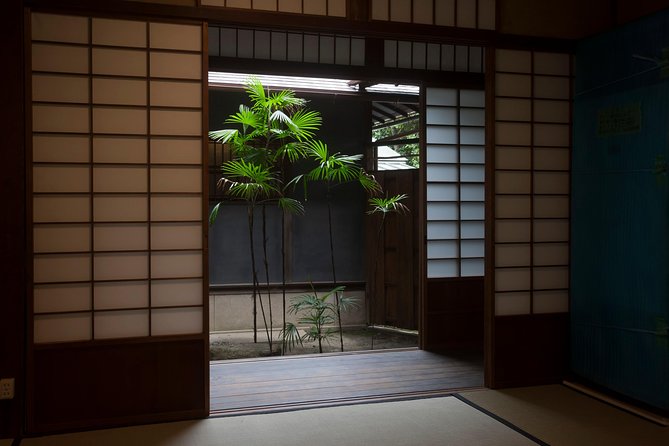
The ticket gives you access to the first floor, where you can see the interior of the house. The appeal is less about a single showpiece and more about the feeling of moving through a traditional residence that has been cared for over time.
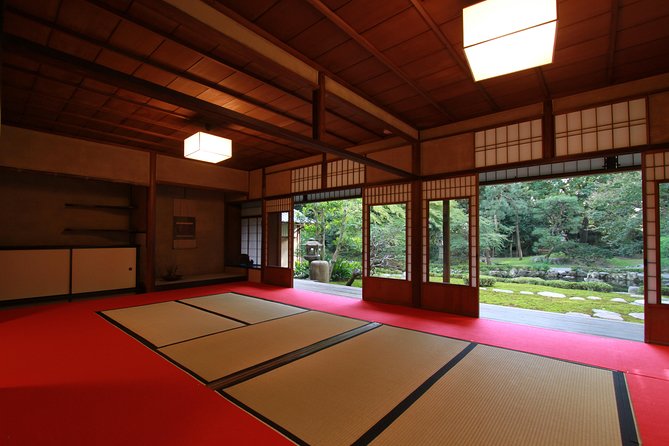
Pay attention to the way the rooms relate to the garden. The house and grounds are not separate attractions competing for your attention. The garden is part of the view from inside, and sitting on the tatami lets you take in that connection at an unhurried pace.
The villa’s size is part of what makes it notable. This is not simply a small old home preserved as a curiosity. Its designation reflects the importance of keeping a large-scale residence intact, and its rooms provide a sense of how a wealthy family’s house could be arranged in Meiji-era Kyoto.
There is not much English interpretation beyond a standard leaflet. If you want detailed architectural context, it is sensible to read a little about the villa before arriving. The house can still be enjoyed without a long written explanation, but visitors who like to understand the purpose of each room may find the limited English material a drawback.
Staff are described as courteous and willing to explain things. That can help fill in some gaps, though it is wise not to assume that a detailed English-language guided tour is part of the ticket. No guide or guide name is specified.
Matcha turns the garden view into the main event
The included matcha is more than a small extra. It changes the pace of the visit: instead of treating the villa as a quick circuit, you have a reason to sit down and look outward. The tea is served while you sit on tatami, with the garden in front of you.
That simple arrangement is one of the strongest reasons to choose this ticket. Kyoto has plenty of places where you can see a garden, and plenty of places where you can drink tea. Here, the two belong to the same visit. The house provides a quiet frame for the view, and the tea gives you time to notice it.
The garden is not static. Its look shifts from season to season, and the grounds have shown flowers including kikyo and lotus. The exact display depends on when you go, so it is better to think of the garden as a changing setting than to expect one particular flower to be in bloom.
This is not a full tea ceremony, at least not according to the information provided. The ticket includes matcha, but does not describe a formal lesson or elaborate ceremony. If your main goal is to study tea practice, check what is offered before booking. If you simply want a quiet cup with a garden view, the included tea fits the visit well.
The garden rewards a slow walk
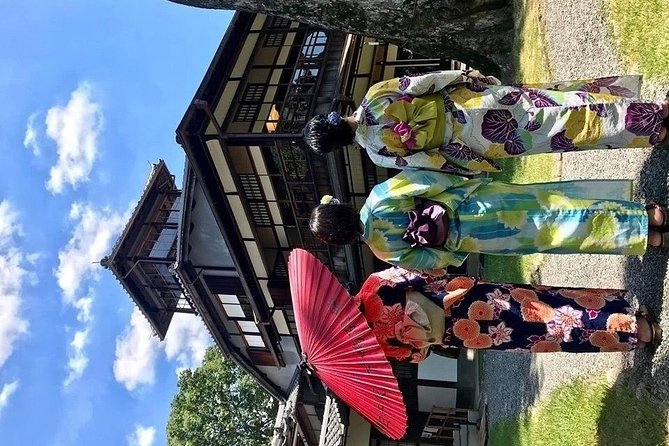
After sitting inside, you can walk in the garden and see the villa from another angle. The grounds are part of the experience, not an afterthought. Take your time with the view from the house, then step outside to look at the planting and the way the garden sits around the building.
The seasonal changes give the visit a different character throughout the year. Flowers such as kikyo and lotus have been noted in the grounds, but you should not count on seeing either during a particular month unless bloom timing is confirmed. Even without a specific flower, the garden offers a quiet place to pause.
The soundscape matters here. Birds and the nearby river contribute to the sense of calm, a contrast with the louder parts of central Kyoto. If you value stillness as much as sightseeing, this may be the part you remember most.
The grounds also make the villa a good choice for repeat visits at different times of year. A returning visitor may find a changed garden and a different mood, though the core experience remains the first-floor house, the grounds, and matcha.
More museum visits in Kyoto:
- Kyoto: Tea Museum Tickets and Matcha Grinding Experience
★ 4.9 · 739 reviews - Skip the lines Basic Ticket at SAMURAI NINJA MUSEUM KYOTO
★ 4.5 · 632 reviews - Kyoto : Geiko Maiko Dance of Kyoto & Visits of Gion Museum
★ 4.6 · 415 reviews - Kyoto Sword Experience – includes Museum Ticket/Ninja Experience
★ 4.5 · 149 reviews
Check the ticket boundaries before booking
The main limitation is clear: admission does not include the second floor, third floor, or tea room area. You can see the first floor and walk in the garden, but this is not an all-access visit to the entire villa.
That distinction matters because some visitors may expect to climb upstairs or see more of the building. An alternative tea ticket that allows access to the second floor may sometimes be available on the day, if space permits. It is worth asking at the venue if that extra access matters to you, but do not count on it or assume it is included in this ticket.
This is a good example of why the lowest-cost option is not always the right one. At about $15, this ticket bundles entry and matcha at a straightforward price. If you mainly want a quiet first-floor visit and a garden-facing cup of tea, it offers a sensible package. If seeing upstairs is central to your plans, confirm whether a different ticket is available before you commit.
The excluded tea room area is another detail to keep in mind. The included tea experience takes place while you sit on tatami and look at the garden, but the tea room itself is not part of admission. That may be a small distinction for many visitors; for architecture enthusiasts, it is worth knowing in advance.
Is an hour and $15 good value?
For about $15, you get admission to the first floor and garden, along with matcha. The value lies in combining three things that work well together: an intact historic residence, a peaceful outdoor setting, and time to sit with tea. If you would otherwise pay separately for a garden visit and a drink, the package is an easy choice.
It is not a bargain if your priority is access to every floor or an extended guided explanation. The duration is short, the interpretation in English is limited, and the ticket excludes parts of the building. Think of it as a focused cultural pause, not a full museum day.
The one-hour estimate suits visitors who want a gentle stop between other activities. You can see the rooms, spend time in the garden, and have tea without letting the visit take over the day. If you are an architecture enthusiast or want to linger over the grounds, you may want more time, though the stated visit length is approximately one hour.
The location near Shimogamo Shrine makes the villa a natural fit for a day in the area. The property is also listed as near public transportation. Exact routes and journey times are not provided, so check your map before setting out rather than guessing how long the trip will take.
Who will appreciate this visit most?
I would put this near the top of the list for anyone who enjoys traditional houses, gardens, and quieter cultural stops. It is especially suited to visitors who would rather spend ten peaceful minutes looking at a garden than rush through another crowded attraction.
It can also work well for a short break in a busy sightseeing day. The matcha and tatami setting offer a change of pace, while the house gives the visit enough historical substance to be more than a café stop. Most people can participate, and service animals are allowed.
Visitors who need extensive English explanations should set expectations carefully. The standard leaflet is the main English material described, and the experience is largely about seeing the rooms and grounds for yourself. That does not make the visit less worthwhile, but it does mean you may want to bring some background reading.
Families and groups with mixed interests may find the visit easiest if everyone is comfortable with a calm, relatively short stop. There is no information about a special child-focused program or group tour, so do not book expecting those features. The simple format is the draw: house, garden, tea.
A few practical details before you set out
The ticket is mobile, and booking confirmation is provided at the time of booking. The listed opening schedule covers January 5 through March 31, 2026, with Monday hours shown as 9:00 a.m. to 5:00 p.m. Since that schedule is limited to the dates and day provided, check current opening hours for your own visit date.
Cancellation is free up to 24 hours before the experience start time, for a full refund. Cancellations or changes made less than 24 hours before the start time are not accepted, and the amount paid is not refunded. Cut-off times use local time.
Should you book the Old Mitsui Family Shimogamo Villa ticket?
Book it if you want a measured, peaceful look at a well-preserved Meiji-era house, with matcha and a garden view built into the visit. The strongest reasons to go are the first-floor architecture, the calm atmosphere, and the simple pleasure of sitting on tatami with the grounds in view.
Skip it, or look for another ticket, if you need full access to the house or expect extensive English interpretation. Before you book, decide whether first-floor access is enough for you. If it is, this is a worthwhile, low-key addition to a Kyoto day, especially for anyone drawn to traditional homes and gardens.
FAQ
What does the ticket include?
It includes admission to the first floor and garden at the Old Mitsui Family Shimogamo Villa, plus matcha green tea.
How long does the visit take?
The experience lasts approximately one hour.
Are the second and third floors included?
No. The second and third floors are not included in this ticket.
Is the tea room area included?
No. The tea room area is excluded from this ticket.
Is the villa near public transportation?
Yes. The property is listed as near public transportation, though specific routes and journey times are not provided.
Is English information available?
A standard leaflet is available, but there is not much English translation beyond it.
Are service animals allowed?
Yes. Service animals are allowed.
Can I cancel for a refund?
You can cancel at least 24 hours before the experience start time for a full refund. Cancellations within 24 hours are not refunded.
Newly added in Kyoto
- Uji: Private immersion into Kyoto’s tea and reglious culture★ 5.0 · 17 reviews
- Whisk Your Own Matcha: A Zen Matcha Experience at Temple★ 3.6 · 7 reviews
- Kyoto tea town for matcha lovers★ 5.0 · 16 reviews
- Treasures of Kyoto: Gion & historical Walking Tour★ 5.0 · 6 reviews
- Uji and Wazuka Matcha Farm Half Day Private Guided Tour★ 5.0 · 21 reviews
- Kyoto Matcha Green Tea Tour★ 4.5 · 23 reviews
- Uji Tea Ceremony and UNESCO Heritage Walking Tour★ 5.0 · 20 reviews
- Utilising upcycled Matcha! Creating matcha incense (Uji, Kyoto)★ 5.0 · 6 reviews
Kyoto Tea Ceremonies, compared.

Tea Ceremony in a Traditional Tea House in Kiyomizu
Read our review →


World Heritage Kyoto & Nara Uji Authentic Matcha Experience
Read our review →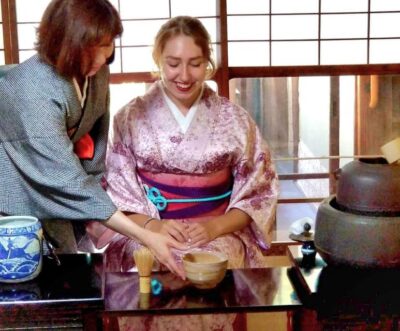


Arashiyama Bamboo Forest, Monkeys, Matcha & Temple Tour
Read our review →
Tea Museum Tickets and Matcha Grinding Experience
Read our review →Browse the lists this tour appears in