
Reviewed · KYOTO SAMURAI & NINJA EXPERIENCES
Kendo and samurai experience in Kyoto
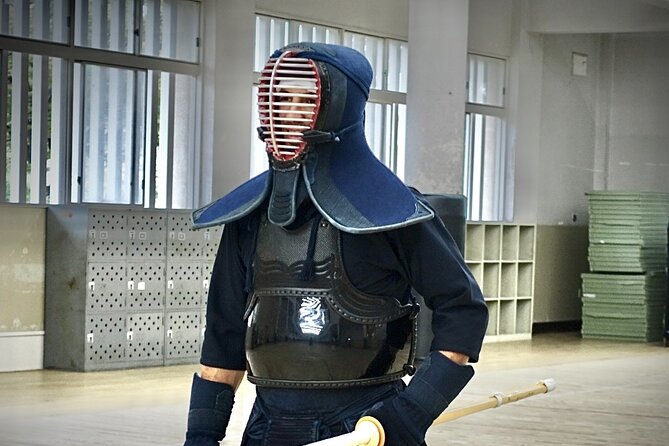
A bamboo sword in your hands, a lesson in posture, and the chance to practice the measured movements of kendo: this class offers a very different way to spend two hours in Kyoto. It focuses on doing, not just looking, and gives you an introduction to samurai-era sword culture without asking you to arrive with martial arts experience.
I like two things here: the patient, hands-on instruction and the mix of tools, from bamboo and foam swords to blunt replica blades. The main caution is that tatami cutting and full training gear are not guaranteed, despite the excitement those details may suggest.
What to know before you book
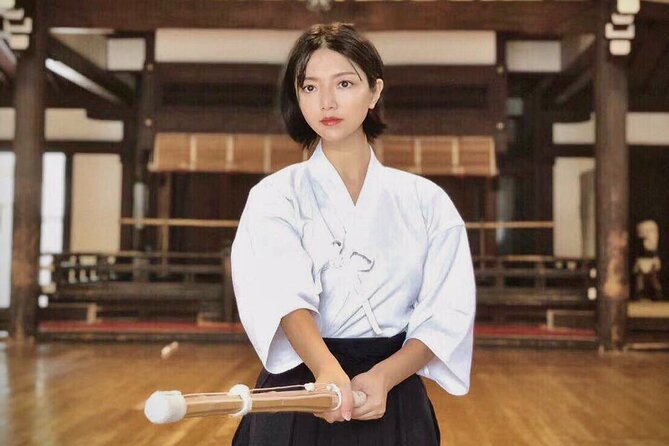
- You learn by handling the equipment: Expect guided practice with bamboo, foam, and blunt replica swords.
- The class is beginner-friendly: No martial arts background is required, and the instructor teaches basic movements and handling.
- It lasts about two hours: That gives time for instruction, practice, and photos, though the balance can vary.
- The group limit is 15: The experience is described as private, but the maximum group size means you should confirm how your time slot will be arranged.
- Tatami cutting is uncertain: It appears in the experience description, but some accounts say it was not offered. Check directly before booking if it is essential.
- The meeting point is in Shugakuin: The class begins and ends at studio NIN, not at a sightseeing stop inside Shugakuin Imperial Villa.
A Kyoto class built around practice
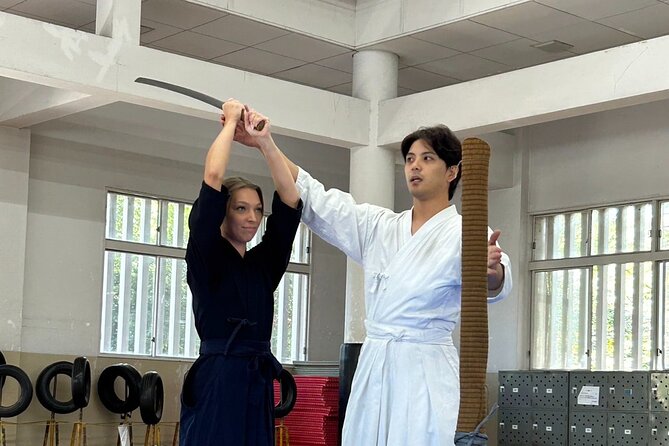
Kyoto’s temples, castles, and old streets tell you plenty about Japan’s past. This class takes a more physical route: you learn a few basic techniques, try the equipment, and get a closer look at the discipline behind sword practice.
It is not a full kendo course, and two hours will not turn you into a swordsman. Think of it as a guided introduction with room for questions and photos. Your instructor explains basic sword handling and movements, then helps you put them into practice. Some participants also report learning how to spar with a bamboo sword, but the exact session can depend on the class.
The appeal is partly the contrast. You may spend the morning visiting Kyoto’s historic sites, then spend the afternoon learning how to stand, grip, and move with a sword. It turns samurai culture from something you view behind glass into something you can try, safely and under instruction.
More samurai and ninja experiences in Kyoto:
- Kyoto Samurai Experience
★ 5.0 · 1,294 reviews - Kyoto: Kendo and Samurai Experience with Uniform and Gear
★ 4.9 · 815 reviews - Kyoto: Samurai Sword Class by Experts in Traditional Arts
★ 4.9 · 657 reviews
What happens inside the studio
The class takes place at studio NIN in the Shugakuin area of Kyoto. You start and finish at the same meeting point. Although Shugakuin Imperial Villa is named as a stop, the experience details do not describe a visit to the villa itself, so don’t plan on this as a sightseeing tour of the grounds.
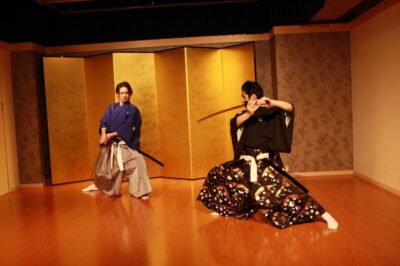
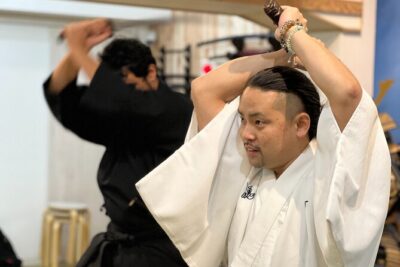
The session begins with an introduction to kendo and traditional sword practice. You can expect to hear about the history, customs, and movements involved, along with basic guidance on how to handle the equipment. The instructor may also explain how to take a sword in and out, how to hold it, and how to use posture and controlled movement rather than relying on strength.
You will use a variety of training tools. These include bamboo practice swords, foam swords, and blunt replica blades. That range gives the instructor a way to teach handling and movement in a controlled setting before you try more realistic-looking equipment. The description also says you will wear authentic training gear, but accounts of the class differ on what clothing is actually provided. Confirm what is included if wearing a full uniform matters to you.
The instruction seems to be the heart of the experience. Instructors named by participants include Taka and Kengo, as well as Matsudaira Takato Sensei. The teacher can vary, so don’t assume you will meet a particular person. The most useful qualities to look for are patience, clear explanations, and time to practice. Those matter more than a dramatic photo with a sword.
The question of tatami cutting
The most important detail to settle before you pay is whether you will cut a tatami mat. The description presents slicing a mat as the main event, and some participants say they did it. Others say the session did not include it. One account also reports a recent legal change that prevented the activity, while other accounts still describe cutting practice.
That conflict makes it unwise to treat mat cutting as a sure thing. Ask the provider directly whether it is currently offered on your date, and get a clear answer before booking if this is the feature that has drawn you in. The class still has value without it, but the experience is different if you have pictured a final cut with a katana.
If the activity is available, it is presented as a supervised exercise, not free-form swordplay. You should follow the instructor’s directions closely and expect technique to matter more than force. If it is not available, the session can still include sword handling and kendo practice, but you may want to adjust your expectations accordingly.
How much practice fits into two hours
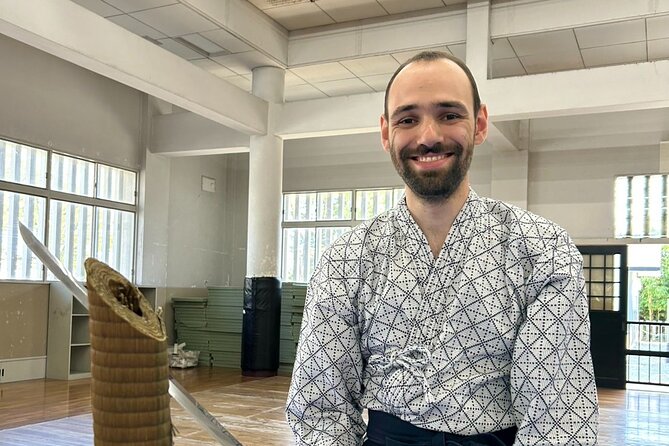
Two hours sounds generous for a first lesson, but the clock includes more than swinging a sword. There may be time spent changing, hearing explanations, taking photos, and asking questions. That can make the session feel relaxed and personal, though some people would rather spend more of the allotted time practicing techniques.
The best version of this class seems to balance context with movement. A little background helps you understand why posture, etiquette, and controlled handling matter. Too much talk, though, can leave you wishing for more time with the sword. If you want a highly technical lesson, ask how much of the session is active practice and what techniques are normally covered.
The class is not described as a fitness workout. The emphasis is on form and control. That makes it accessible if you are new to martial arts, and it should suit a range of ages and fitness levels, since most participants can take part. The provided information does not give a minimum age, so check with the provider if you are booking for a child.
More Kyoto tours in Kyoto:
- PERFECT KYOTO 1-Day Bus Tour
★ 5.0 · 13,518 reviews - Kyoto: Fushimi Inari, Kinkakuji, Bamboo Grove 1 Day Bus Tour
★ 4.8 · 4,316 reviews - Kyoto: Tea Ceremony in a Traditional Tea House in Kiyomizu
★ 4.9 · 3,519 reviews - Kyoto Geisha Walking Tour: Gion District & Hidden Gems
★ 4.7 · 3,273 reviews
Is the class really private?
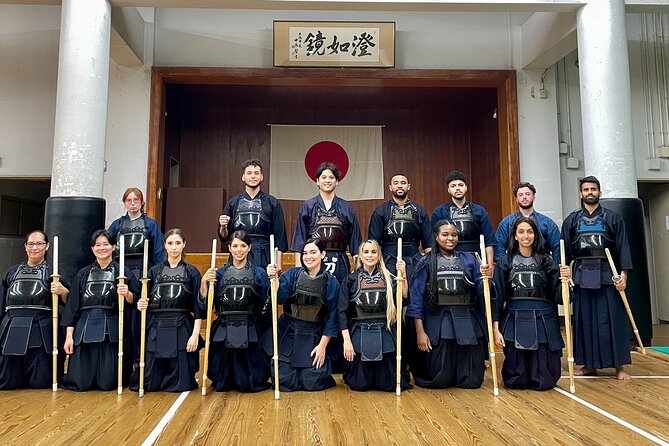
The experience is described as a private class, but it also has a maximum of 15 participants. In practice, group size can vary. A group of five may find itself alone in a time slot if no one else books, while another session could have more participants.
That matters because personal attention is part of the value. In a small group, you have a better chance to ask questions, correct your stance, and get help with photos. With a larger group, the instructor’s time is divided. The maximum is not a promise that you will have a private session, so ask how many people are booked for your preferred time if exclusivity is important.
The teaching style can also vary by instructor. Taka and Kengo are described as friendly and encouraging, and participants have praised clear explanations and help with photos. One account notes that communication in English was difficult, so English fluency should not be assumed. If detailed verbal instruction in English is important to you, confirm that before booking.
Finding studio NIN in Shugakuin
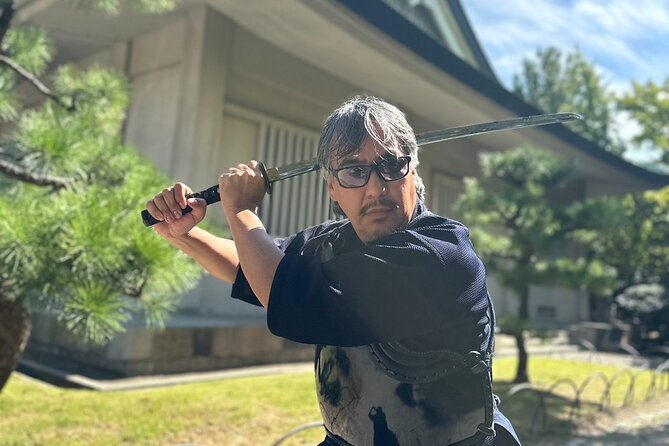
The address is 16 Shūgakuin Daidōchō, Sakyo Ward, Kyoto, 606-8037, Japan. The area is outside the busiest central sightseeing zones, and the location can be difficult to find, especially if you are unfamiliar with the neighborhood. It is near public transportation, but allow extra time to reach the studio and locate the entrance.
The meeting point is the studio, and the activity ends there. Don’t assume the class includes transport or a guided walk from central Kyoto. Save the address in your map app before setting out, and make sure your phone has enough battery to help you navigate. A participant who arrived late after missing trains said the instructor was understanding, but it is still better to arrive with a little breathing room.
Is $105.68 good value?
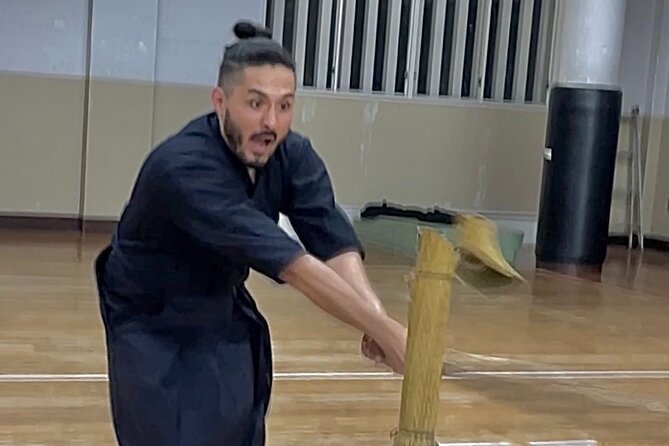
At $105.68 per person for about two hours, this is a special-interest activity rather than a bargain-priced class. That works out to roughly $53 per hour. The price makes more sense if you value direct instruction, the chance to handle several kinds of practice equipment, and the opportunity to learn about kendo and sword traditions in a small group.
It is harder to justify if you expect a long technical lesson, a guaranteed full uniform, or a definite tatami-cutting finale. Those details are either variable or not clearly settled. The session’s value rests most securely on the instruction and hands-on practice, not on a single dramatic moment.
I would consider it worthwhile for a traveler who is curious about martial arts, wants something active between Kyoto’s historic sights, or is happy to pay for a memorable two-hour introduction. If your main goal is to cut a mat, confirm that the activity is currently available before you commit.
Who will enjoy this most
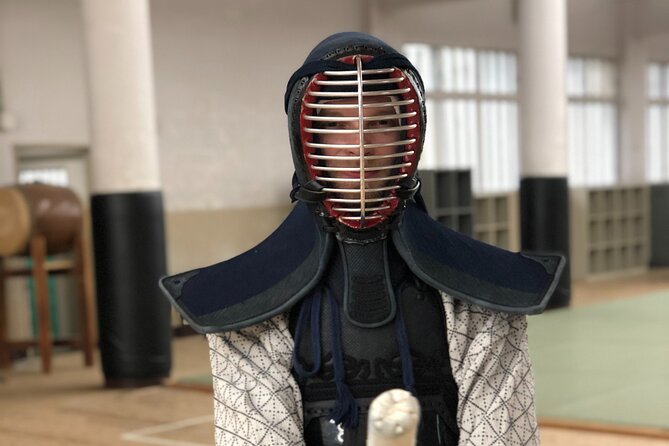
This suits first-timers well. You do not need martial arts experience, and the instructor is there to guide you through the basics. It can also be a good choice for a small family or group of friends who want to learn together and take photos along the way.
It is less suited to someone seeking a rigorous or advanced kendo course. The schedule is short, the content can vary, and photos or changing may take time away from practice. It may also disappoint if you book mainly for a tatami cut and do not confirm that it is offered.
The experience has a maximum of 15 participants, so it is worth asking about the group size if you want close instruction. It is also sensible to confirm clothing, language, and the current activity plan. Those few questions can help you decide if the class matches what you have in mind.
Should you book this Kyoto kendo class?
Book it if you want to try sword handling in a guided setting, learn a few kendo basics, and hear about the discipline behind the practice. The strongest reasons to go are the chance to handle different training tools and the possibility of personal instruction in a small group.
Pause if you are counting on tatami cutting, a full samurai outfit, or a private lesson with a named instructor. Confirm each point first. With expectations set, this can be a memorable change of pace from Kyoto’s temples and historic streets.
FAQ
How long does the kendo experience last?
It lasts about two hours. The time includes instruction and practice, and may also include changing, questions, and photos.
Where does the class meet?
It starts at studio NIN, 16 Shūgakuin Daidōchō, Sakyo Ward, Kyoto. The activity ends back at the same meeting point.
Do I need martial arts experience?
No. The class is described as suitable for beginners, and the instructor guides you through basic sword handling and kendo movements.
What equipment will I use?
The instructor uses a range of training tools, including bamboo practice swords, foam swords, and blunt replica blades.
Is tatami mat cutting included?
It is not certain. The experience description includes it, but accounts differ on whether it is available. Ask the provider directly before booking if you consider it essential.
What is the maximum group size?
The activity can have up to 15 participants. It is described as a private class, but that does not guarantee that you will be the only booking in your time slot.
Newly added in Kyoto
- Uji: Private immersion into Kyoto’s tea and reglious culture★ 5.0 · 17 reviews
- Whisk Your Own Matcha: A Zen Matcha Experience at Temple★ 3.6 · 7 reviews
- Kyoto tea town for matcha lovers★ 5.0 · 16 reviews
- Treasures of Kyoto: Gion & historical Walking Tour★ 5.0 · 6 reviews
- Kyoto Matcha Green Tea Tour★ 4.5 · 23 reviews
- Uji and Wazuka Matcha Farm Half Day Private Guided Tour★ 5.0 · 21 reviews
- Uji Tea Ceremony and UNESCO Heritage Walking Tour★ 5.0 · 20 reviews
- Utilising upcycled Matcha! Creating matcha incense (Uji, Kyoto)★ 5.0 · 6 reviews
Kyoto Samurai & Ninja Experiences, compared.
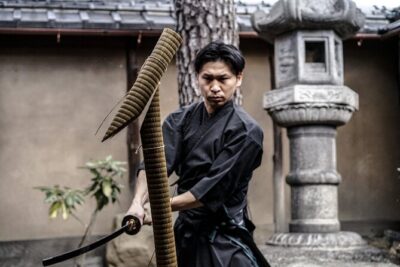
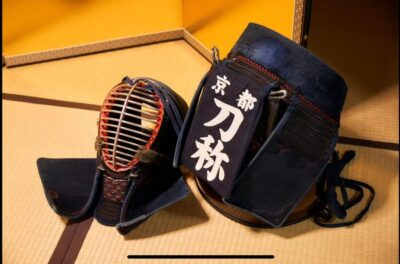
Kendo and Samurai Experience with Uniform and Gear
Read our review →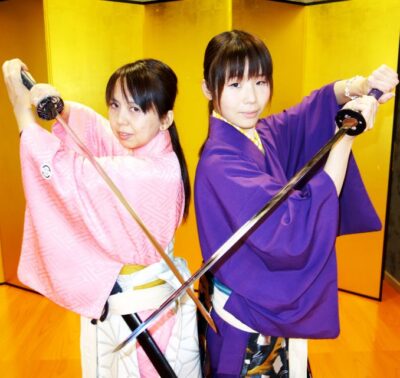
Samurai Sword Class by Experts in Traditional Arts
Read our review →
Skip the lines Basic Ticket at SAMURAI NINJA MUSEUM KYOTO
Read our review →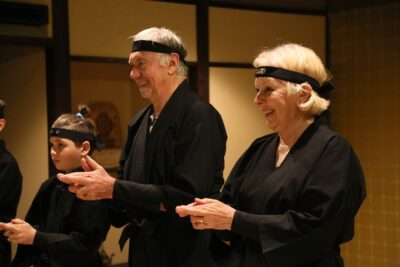
Ninja 1-hour Hands-on Lesson by Japanese master in Kyoto -Entry
Read our review →
Samurai Training with Modern day Musashi in Kyoto
Read our review →Browse the lists this tour appears in