
Reviewed · KYOTO PRIVATE TOURS
Kyoto Arashiyama & Sagano Bamboo Private Tour with Government-Licensed Guide
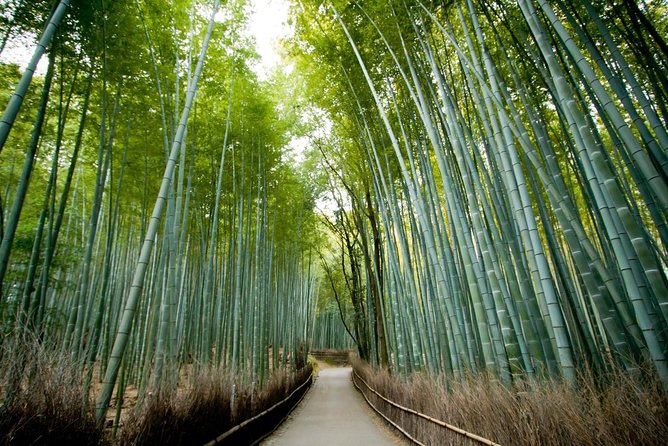
Arashiyama’s bamboo grove is famous, but the best day here need not end with a quick walk through the stalks. A private guide can link the headline sights to calmer temples and local streets, giving you a better sense of why this western edge of Kyoto has drawn visitors for centuries.
I like the choice of a private, flexible route and the chance to ask questions as you go. I also like that guides can help you avoid the busiest paths and suggest less-visited temples, which can make a familiar Kyoto excursion feel more personal.
The main caveat is that six hours is not enough to see every place named in the tour’s long menu. You choose just three or four sites, and you pay separately for admission and transport, so confirm your route and likely extra costs before setting off.
- Choose three or four sights: This is a custom walking tour, not an attempt to cover every place in the extensive list.
- Pair the bamboo grove with a quieter temple: Jojakkoji, Nisonin, Gioji, and the two Nenbutsu-ji temples offer a different pace from the central sights.
- Expect a lot of walking: The tour lasts about six hours, and some temples sit on hillsides or farther into Sagano.
- Bring your questions: A licensed English-speaking guide provides local context and can adjust the day to your interests and pace.
- Budget for extras: Admission, lunch, and public transport for you and your guide are not included.
- Plan for busy seasons: Cherry blossom and autumn-color periods are popular, and rain can make some sloping paths slippery.
A Six-Hour Walk, Not an Eighteen-Stop Checklist
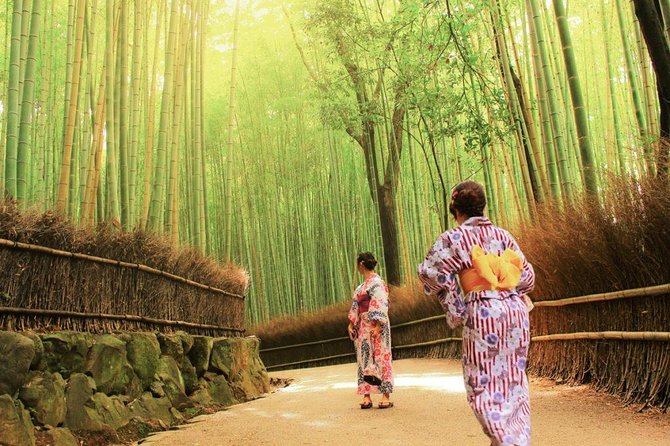
Arashiyama has been a destination since the Heian period, when Kyoto’s court nobles came to enjoy its riverside setting. Today, its best-known sights are close enough to combine on foot, but they draw crowds, especially during cherry blossom and fall foliage seasons.
The tour’s long list of possible stops can be confusing. It includes places spread across different parts of Kyoto, including Shugakuin Imperial Villa, Katsura Imperial Villa, Kurama-dera, Yoshimine-dera, and Kibune. These are options, not a realistic sequence for one six-hour walk. The tour is described as a choice of three or four sites, so agree on a practical cluster with your guide before the day begins.
The core Arashiyama route can pair the bamboo grove with Tenryuji, Togetsukyo Bridge, and one or two temples in Sagano. That gives you a mix of famous sights and quieter corners without trying to cross the city between stops. If an outlying site matters to you, ask in advance how it would affect the route and transport costs.
The Bamboo Grove and Arashiyama’s Crowded Center
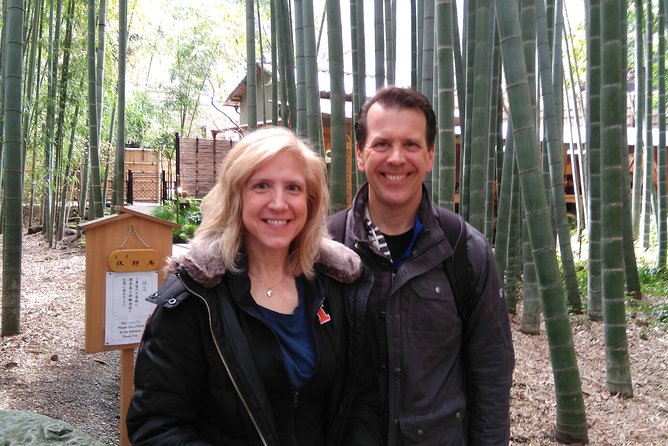
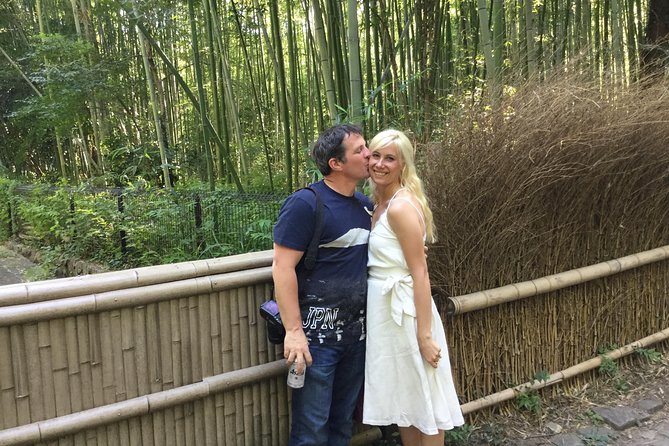
The bamboo paths are the defining image of Arashiyama. Tall stalks close in on the walkway, and a breeze can set them swaying overhead. The grove is lovely, but it is not a long wilderness walk. If you come expecting hours of solitude, the central paths may disappoint, particularly at peak times.
A guide’s value here is not simply pointing out bamboo. Local workshops have used it for products such as baskets, cups, boxes, and mats for centuries, and a guide can add that human context to the scenery. The path is free to enter, though that does not make it crowd-free.
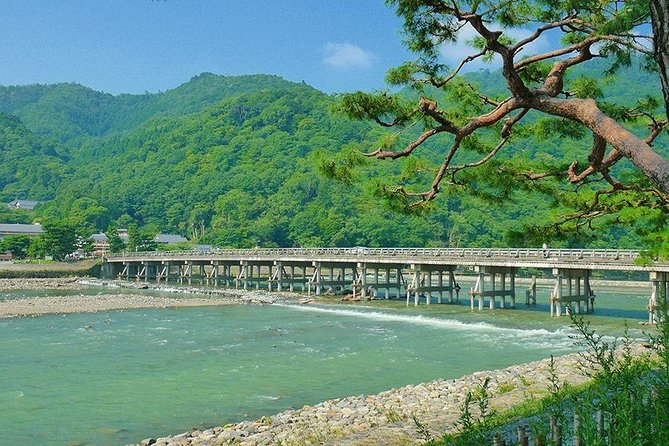
Nearby, Togetsukyo Bridge crosses the river beneath forested mountains. Its name means Moon Crossing Bridge, and the current structure dates to a reconstruction in the 1930s, though a bridge has stood here since the Heian period. The riverside park beside it has cherry trees, making this a fine place for a pause in spring. Shops, restaurants, and other attractions cluster around the bridge, so it is scenic but not secluded.
Arashiyama’s seasonal appeal is real. Cherry blossoms and autumn leaves can make the area especially beautiful, but also bring more people. In fall, rain can turn hillside paths slippery. Wear shoes with good grip and let your guide know if you need a slower pace.
More Arashiyama tours in Kyoto:
- Kyoto: Fushimi Inari, Kinkakuji, Bamboo Grove 1 Day Bus Tour
★ 4.8 · 4,316 reviews - Osaka/Kyoto:Kinkakuji,Arashiyama,FushimiInariShrine,NaraPark
★ 4.1 · 1,596 reviews - Kyoto/Osaka: Nara, Fushimi Inari Taisha, Arashiyama Bus Tour
★ 4.7 · 1,275 reviews
Tenryuji and the Choice of a Quieter Temple
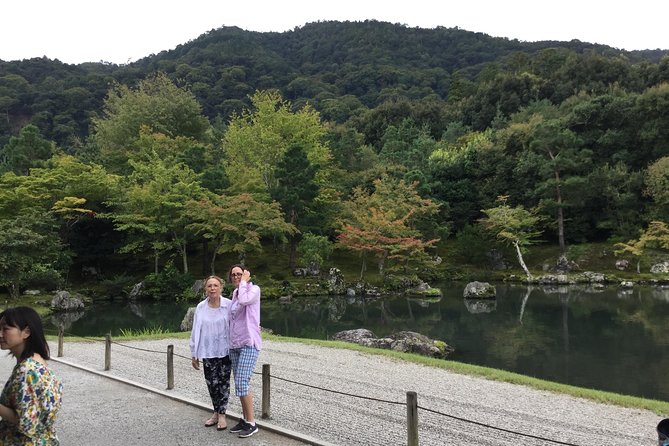
Tenryuji is the major temple in the district, founded in 1339 and counted among Kyoto’s great Zen temples. Its gardens and walking paths offer a welcome change from the busy streets, and its setting makes it an easy companion to the bamboo grove. The grounds have an admission charge, which is not included in the tour price.
For a more subdued stop, Jojakkoji sits on a slope among maple trees and moss. Its buildings are modest, and the paths and steps lead to views over Kyoto. Nisonin, another hillside temple, has a more imposing approach and upper-ground city views. Both give you a reason to keep walking beyond the central tourist area, though the hills and stairs can be tiring.
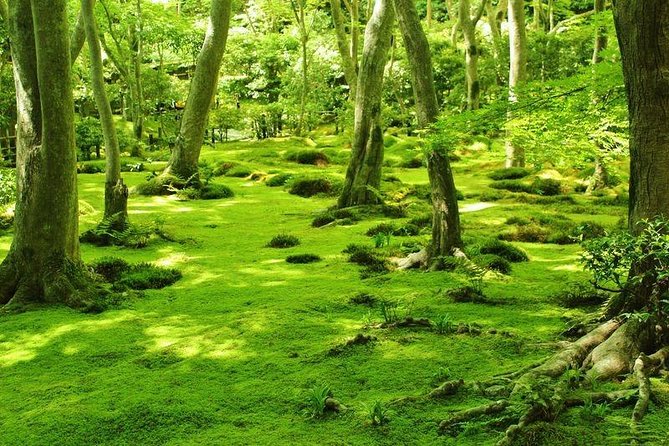
Gioji is smaller and quieter still. Its moss garden, tall maples, thatched entrance gate, and small main hall make it a good choice if you prefer atmosphere to grand scale. The round window looking into the garden is one of its distinctive details. A guide can help you decide whether to spend your limited temple time on a celebrated complex or a quieter, more intimate setting.
Okochi Sanso Garden, behind the bamboo grove, was the former villa of actor Okochi Denjiro. Its grounds include gardens, tea houses, gates, and living quarters, with buildings viewed from outside. It can add a garden-focused stop to a route, but check the current admission cost with your guide, since entrance fees are extra.
Sagano’s Stone Figures and Old Streets
If you want to trade the central crowds for a longer walk, the Sagano side of the district has a different feel. Adashino Nenbutsu-ji stands at the end of preserved Saga-Toriimoto Street. Hundreds of stone figures cover the temple grounds, placed in memory of the dead. A short path at the back passes through bamboo, offering a smaller-scale contrast to Arashiyama’s famous grove.
A further walk north brings you to Otagi Nenbutsu-ji, known for about 1,200 stone rakan figures, each with a distinct expression. The statues were made in the 1980s and early 1990s, so this is not an ancient collection, but the setting on a wooded slope gives the grounds a memorable character. These northern temples take more time and walking than a quick stop near Togetsukyo Bridge. They are best for you if you value quiet and can handle the distance.
Daikakuji, another possible choice, began as Emperor Saga’s detached palace in the early ninth century and became a temple in 876. Its large pond, pagoda, and former imperial buildings give it a different emphasis from the small hillside temples. It has a deep connection to Kyoto’s imperial past, but it is not simply another stop beside the bamboo grove. Check with your guide about whether it fits the route you want.
Farther-Afield Options Need a Separate Plan
Several choices in the menu sit well beyond a compact Arashiyama walk. Shugakuin Imperial Villa is in northeastern Kyoto, while Katsura Imperial Villa lies elsewhere in the city. Katsura is valued for its architecture and garden design, but visits follow a set garden route, buildings are viewed from outside, and photography is allowed only in designated places. English tours are available. These practical limits matter if you hope for an informal, open-ended visit.
Kurama-dera and Kibune are in the northern mountains. Kurama is known for its temple and hot spring, while Kibune grew around Kifune Shrine, dedicated to the god of water and rain. The shrine has water-revealed fortunes, and a path leads farther up the valley to its inner sanctum. These are appealing destinations, but they are not natural additions to a walking day in Arashiyama. Yoshimine-dera, in Kyoto’s western mountains, also requires a separate route and offers spacious hillside grounds and city views.
The list also repeats Katsura Imperial Villa and Daikakuji. Take that as a reason to discuss your priorities directly with the guide, not as a promise to visit every listed place. The operator’s stated format is three or four chosen sites. The farther afield you go, the more important it is to clarify how transport will work and what it will cost.
More private and custom tours in Kyoto:
- Kyoto 6hr Private Tour with Government-Licensed Guide
★ 5.0 · 1,369 reviews - 10 Must-see Spots in Kyoto One Day Private Tour (up to 7 people)
★ 5.0 · 1,108 reviews - Kyoto 4hr Private Tour with Government-Licensed Guide
★ 5.0 · 629 reviews - Kyoto: Private Tour with Local Licensed Guide
★ 4.8 · 463 reviews
What the Private Guide Adds
A private guide can shape the day around your interests, answer questions, and adjust the pace. That matters in a district where a map can show you the bamboo grove but cannot tell you which temple best suits your mood or how much walking a particular combination involves. Several guides who have led this tour include Kazuo, also called Kazz, Tomo, Ken, Satoko, and Shoji. Your assigned guide may differ, so do not book expecting a particular person.
Guides have built days around family interests, quieter temples, food breaks, and seasonal sights. One family-focused outing included the monkey park, and another included a scenic train ride along the Hozu River Valley. Those experiences show that guides may be able to discuss alternatives, but neither is listed as a guaranteed inclusion. Ask before booking if either is important to you.
The strongest reason to choose this format is the guide’s flexibility. Past itineraries have been adjusted to suit a guest with an injury, avoid busy areas where possible, or include a stop connected to a specific interest. That does not mean every crowd can be avoided. Arashiyama is popular, and a guide cannot make its central paths empty, but local route choices can improve the day.
Guide quality can vary. Most of the available feedback is very positive about clear explanations, thoughtful pacing, and personal attention, but at least one guest found the guide unprepared for questions. If the history and cultural explanation matter to you, send your interests ahead of time and ask for a route that leaves room to talk rather than rushing between stops.
Price, Walking, and What to Budget
The listed price is $157.82 per person for a private tour of about six hours. The value depends on your group size and how much you want a guide. You are paying for a licensed English-speaking guide dedicated to your party, route planning, and local interpretation, not for admission, meals, or a vehicle. Group discounts are offered, but no specific discount amount is provided.
The tour meets in Kyoto, and pickup and drop-off are on foot. There is no private vehicle included. You pay for transport for yourself and your guide, as well as any entrance fees. Lunch and personal expenses are also on you. A few paid temple visits can add up, so identify your must-see stops and check costs before you go.
Six hours on foot is a substantial outing. Wear comfortable shoes, carry water, and leave some room for a meal or snack. One guide has been praised for making time for lunch and snacks, but the exact break depends on the route and your group. In summer, heat and humidity can make the day tiring. In wet weather, sloped temple paths can be slick.
Who Should Book This Arashiyama Tour
This tour suits you if you want to understand more than the famous bamboo path, prefer a flexible day to a fixed group schedule, or value a guide who can connect temples with local history and customs. Families may appreciate the private format and the ability to set a child-friendly pace. It can also work well if you have particular temples in mind or want help finding quieter places.
You may be better off exploring independently if you only want to see the bamboo grove and bridge, are comfortable navigating, and do not need historical commentary. Those central sights are accessible without a guide. The paid tour makes most sense when you use the guide’s planning and explanation to shape a full half-day, rather than treating it as a costly escort to one short walk.
Book it if you want a personal, well-paced introduction to Arashiyama and Sagano, and you are willing to choose a focused route. Before you commit, confirm your three or four sites, ask about walking distances and transit costs, and mention any mobility concerns or interests. For a relaxed day with context and room for questions, that preparation is what turns a standard bamboo-forest visit into a worthwhile Kyoto outing.
FAQ
How long is the tour?
The tour lasts about six hours.
Is this a private tour?
Yes. Only your group participates.
How many sites can I choose?
The tour includes a customizable walking route covering your choice of three or four sites from the listed options.
Is an English-speaking guide included?
Yes. The tour includes a licensed local English-speaking guide.
Are admission fees included?
No. You pay your own entrance fees. The guide’s entry fees are covered only for sights listed among the tour options.
Is transportation included?
No. Transport costs for you and your guide are extra. The tour does not include a private vehicle, and pickup and drop-off are on foot.
Is lunch included?
No. Lunch is not included.
Can I visit Katsura Imperial Villa during the tour?
Katsura Imperial Villa is one of the listed options. Visiting it requires joining a tour of the villa grounds, and the tour’s entrance fee is not included. Confirm with your guide whether it fits your chosen route.
Can I request a particular guide?
The tour information does not promise a specific guide. Guides who have led tours include Kazuo, Kazz, Tomo, Ken, Satoko, and Shoji.
What happens if bad weather cancels the tour?
If poor weather causes the experience to be canceled, you will be offered a different date or a full refund.
Newly added in Kyoto
- Uji: Private immersion into Kyoto’s tea and reglious culture★ 5.0 · 17 reviews
- Whisk Your Own Matcha: A Zen Matcha Experience at Temple★ 3.6 · 7 reviews
- Kyoto tea town for matcha lovers★ 5.0 · 16 reviews
- Treasures of Kyoto: Gion & historical Walking Tour★ 5.0 · 6 reviews
- Kyoto Matcha Green Tea Tour★ 4.5 · 23 reviews
- Uji and Wazuka Matcha Farm Half Day Private Guided Tour★ 5.0 · 21 reviews
- Uji Tea Ceremony and UNESCO Heritage Walking Tour★ 5.0 · 20 reviews
- Utilising upcycled Matcha! Creating matcha incense (Uji, Kyoto)★ 5.0 · 6 reviews
Kyoto Private Tours, compared.
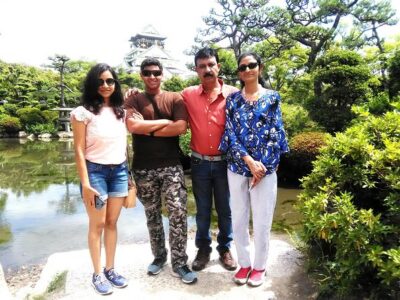
Kyoto 6hr Private Tour with Government-Licensed Guide
Read our review →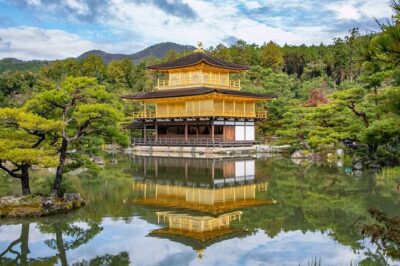
10 Must-see Spots in Kyoto One Day Private Tour (up to 7 people)
Read our review →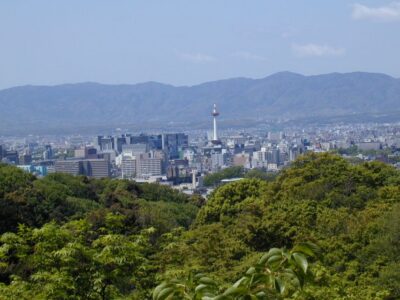
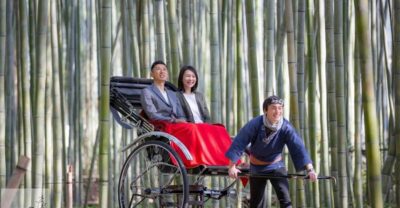
Arashiyama Customized Rickshaw Tour & Bamboo Forest
Read our review →
Private Kyoto Tour with Licensed Guide & Vehicle (Max 15 persons)
Read our review →
Private Customized Walking Tour with a Local Insider
Read our review →
Kyoto Customized Private Tour: See Top Attractions in 1 Day
Read our review →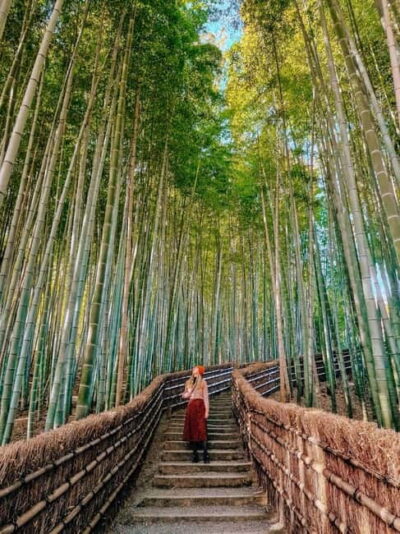
Browse the lists this tour appears in