
Reviewed · KYOTO SAMURAI & NINJA EXPERIENCES
Kyoto: Forge Your Own Ninja Weapon with Japanese Tin Casting
A tiny piece of molten tin becomes your own ninja-themed keepsake here, shaped and finished by hand rather than picked from a souvenir shelf. You choose a shuriken, kunai, or oni mask, then work through the casting process with staff close by.
I like two things in particular: you get to handle the material from mold-making to polishing, and the finished piece is small enough to take home in its own box. The workshop is also only a three-minute walk from Demachiyanagi Station, which makes it an easy fit between Kyoto plans.
One consideration: the advertised price is $103 per person, and the kunai and oni mask are listed as optional upgrades without a stated upgrade price. The mask also takes about 2.5 hours, so allow more time than the shuriken or kunai session.
What to know before you book
- Cast real tin: You make a small metal piece, about 8 to 10 cm long, rather than a plastic prop.
- Choose your design: Shuriken is the standard choice; kunai and oni mask options may require an upgrade.
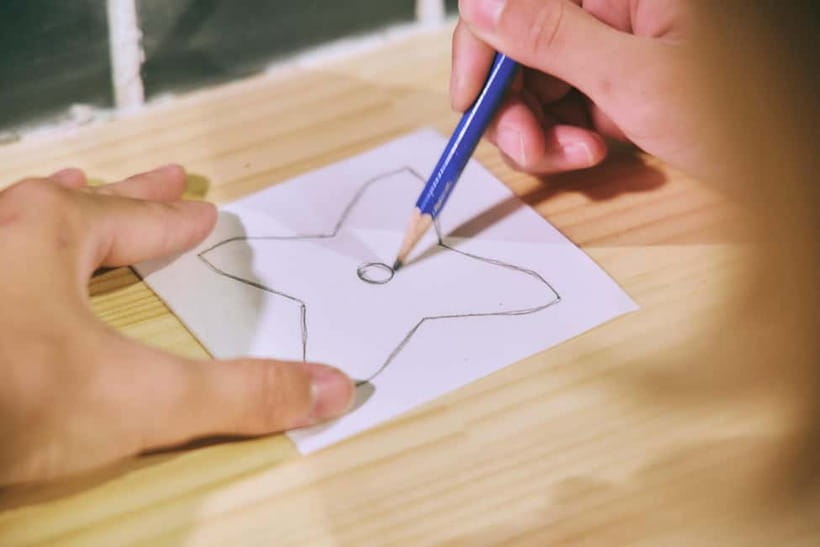
- Work through each stage: Form a sand mold, pour molten tin under staff supervision, then shape and polish your piece.
- Plan for two to two and a half hours: Shuriken and kunai take about two hours; the oni mask takes around 2.5 hours.
- Bring a drink: Drinks are not included, and you should bring your own.
- Suitable for beginners: Staff help newcomers, and children can take part with assistance. Anyone under 15 must come with a guardian.
From sand mold to finished souvenir
This is a craft workshop, not a ninja skills class. The point is to make a small metal object and understand how casting works, with a ninja-inspired shape to give the project a bit of Kyoto character. You can choose a shuriken, a kunai, or an oni mask, each with a different level of detail and time commitment.
The hands-on sequence is what gives the activity its appeal. You do not simply watch a craftsperson make something and then collect it at the end. You form the mold, see the tin melt, and take part in shaping and finishing the piece, with the instructors guiding the steps.
The material is tin, which melts at about 230 degrees Celsius and is described as easy to work with. That makes this a more approachable introduction to metal casting than a workshop using metals that require much higher temperatures. It is still molten metal, though, so the pour is supervised. Follow staff instructions closely and do not treat the process as a free-for-all.
More samurai and ninja experiences in Kyoto:
- Kyoto Samurai Experience
★ 5.0 · 1,294 reviews - Kyoto: Kendo and Samurai Experience with Uniform and Gear
★ 4.9 · 815 reviews - Kyoto: Samurai Sword Class by Experts in Traditional Arts
★ 4.9 · 657 reviews
Choosing a shuriken, kunai, or oni mask
A shuriken is the straightforward choice if you want the shorter session and a classic ninja star shape. It takes roughly two hours, and the finished piece measures about 8 to 10 cm. You will still do the main casting and finishing work, so the shorter option is not just a quick demonstration.
The kunai is another ninja-inspired option, described as an upgrade. It takes about two hours, like the shuriken, but the activity information does not give a precise difference in detail or difficulty. If you have your heart set on it, check the upgrade cost when booking rather than assuming it is included in the $103 base price.
The oni mask is the most involved choice and takes about 2.5 hours. After the casting and finishing steps, you can apply gold leaf and choose a cord, so the mask can be wearable or ready to display. That extra finish gives you a more elaborate keepsake, but it also means you should leave breathing room in your schedule.
The workshop lists one piece of material per participant. Your finished work comes in a dedicated box, a useful detail if you are carrying it around Kyoto or packing it for the trip home. The piece is small, but it is still a real metal object, so pack it with care.
What happens at each stage
You begin by choosing your design. The choice matters because it sets both the shape of the finished piece and the time needed. If you are undecided, ask the instructors what each option involves before you commit, especially if you are weighing the shorter shuriken session against the more decorative mask.
Next, you form a mold in special casting sand. This is where you define the shape that the metal will take. It is a hands-on, detail-oriented step, but staff explain the process and help you get started. Beginners are welcome, and the activity is designed to be manageable with instruction.
Then comes the dramatic part: tin is melted and poured into the mold under staff supervision. Watching solid metal become liquid makes the process feel more substantial than a simple craft class. You are involved in the casting, but the staff are there to guide you through it safely.
Once the tin has cooled in water and solidified, you move to shaping and finishing. You use tools such as a hammer and file to refine the piece, smooth its edges, and bring out the details. This is the part that makes each object personal. Even when you follow the same design as someone else, your hand-finished result will have its own small variations.
The final steps help protect the metal and improve its appearance. The piece is soaked in a rust-preventive solution and coated with a special oil. If you chose the oni mask, you can add gold leaf and attach a cord. Then your work is ready to take home.
Friendly instruction makes the craft accessible
You do not need metalworking experience to take part. The workshop is described as suitable for beginners, with staff assistance for children as well as adults. Instruction is available in English and Japanese, an important practical point when the activity involves several unfamiliar steps and tools.
The staff support is part of the experience, not just a safety measure. You can ask questions while you work, and the pace allows time to follow the process rather than rush through it. One instructor, Daiki, has been praised for being helpful and patient, though the staff working your session may vary.
Families have used the class with children aged seven, nine, and ten, and participants under 15 must be accompanied by a guardian. Children under five are not suitable for the activity, and babies under one are also excluded. If you are booking for a family, consider whether your child will enjoy a careful, tool-based project that asks for attention and patience.
Solo visitors can also enjoy the format. A session may sometimes feel especially personal if the group is small, though no group size is guaranteed. Couples and friends have a natural reason to compare designs and finished work, while solo participants can focus on their own piece and chat with the instructors.
More Kyoto tours in Kyoto:
- PERFECT KYOTO 1-Day Bus Tour
★ 5.0 · 13,518 reviews - Kyoto: Fushimi Inari, Kinkakuji, Bamboo Grove 1 Day Bus Tour
★ 4.8 · 4,316 reviews - Kyoto: Tea Ceremony in a Traditional Tea House in Kiyomizu
★ 4.9 · 3,519 reviews - Kyoto Geisha Walking Tour: Gion District & Hidden Gems
★ 4.7 · 3,273 reviews
Is $103 good value?
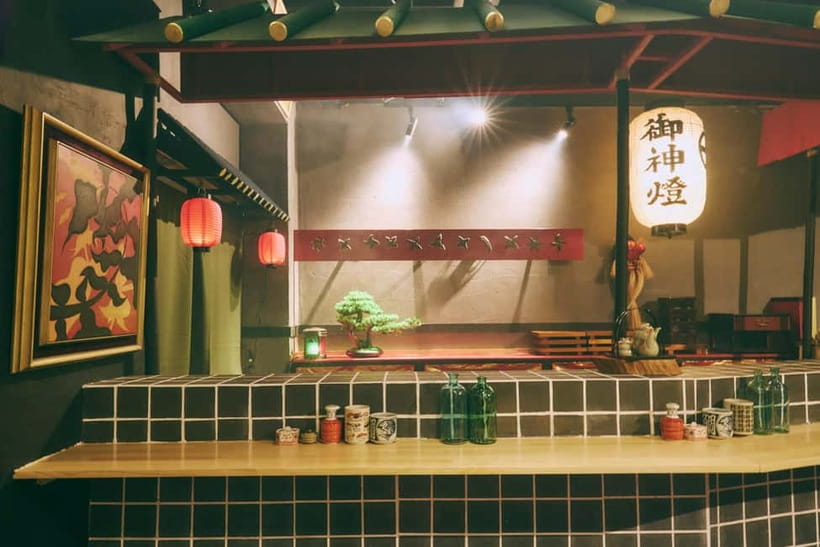
At $103 per person, this is not a bargain-bin souvenir stop. You are paying for a guided, two-hour craft session, materials for one piece, equipment and apron rental, and the chance to take home what you make. If you value doing something with your hands and learning a process, the price is easier to justify than if you are mainly looking for a low-cost keepsake.
The value comes from the full sequence: molding, casting, shaping, and finishing. You are not buying a finished object with a workshop added as decoration. Your souvenir carries the memory of making it, and that can mean more than a mass-produced ninja trinket, particularly if you enjoy crafts or Japanese metalwork.
Check the cost of the kunai and oni mask before you book. Both are described as optional upgrades, but no upgrade prices are provided here. If the base price is your limit, the shuriken is the clearest choice.
A convenient stop near Demachiyanagi Station
The studio is three minutes on foot from Demachiyanagi Station, making it relatively simple to fit into a Kyoto day. You do not need to set aside a full day for the activity, but do give it a clear block of time. Allow about two hours for a shuriken or kunai and around 2.5 hours for the mask, with a little extra flexibility in case completion takes longer.
The stated activity duration runs from two hours to 150 minutes, depending on the option and pace. Check the available start times when planning, and avoid scheduling a tight connection or timed visit immediately afterward. Metalwork is a poor place to watch the clock.
Bring a drink. Drinks are not included, and the instructions specifically recommend bringing one. Food, alcohol, smoking, and party groups are not allowed; the activity also prohibits making fire. The workshop provides an apron and equipment, so you do not need to bring your own tools.
Who will get the most from the workshop
This is a good fit if you want a Kyoto activity that is participatory rather than purely observational. It suits ninja and samurai enthusiasts, craft-minded visitors, couples, friends, and families with older children. It can also be a welcome change of pace after a day of temples and walking: you spend a couple of hours focused on one small object and leave with a personal souvenir.
The class is less suitable if you want a quick stop, prefer to avoid tools and hot metal, or are hoping to make a full-size, functional weapon. The finished item is only about 8 to 10 cm, and the experience is centered on casting and craftsmanship. Think of the result as a display piece and memento, not a practical weapon.
It is also worth weighing the mask’s extra time against your plans. Gold leaf and a cord make it a more decorated project, but that option adds about half an hour. If the process itself matters more to you than the most elaborate finish, a shuriken or kunai may be the more practical choice.
Should you book this Kyoto casting class?
Book it if you want to make something yourself, are curious about metal casting, and can spare two hours or more. The clear instruction, beginner-friendly process, and boxed finished piece give the $103 price a tangible return. I would especially consider it for a family with children old enough to follow directions, or for anyone who wants a souvenir tied to an actual experience.
Before paying, confirm the cost of any upgrade and choose a start time that leaves room afterward. Bring a drink, arrive ready to work carefully, and decide whether you want the simple shuriken, the kunai, or the longer oni mask project. If that sounds like a better Kyoto memory than another shop-bought trinket, this is a sound pick.
FAQ
How long does the workshop take?
The shuriken and kunai sessions take about two hours. The oni mask takes about 2.5 hours, and completion times can vary.
How far is the studio from Demachiyanagi Station?
The studio is about a three-minute walk from Demachiyanagi Station in Kyoto.
What can I make?
You can choose a shuriken, kunai, or oni mask. The kunai and oni mask are listed as optional upgrades.
Is the workshop suitable for children?
The activity is suitable for beginners and children with staff assistance. Participants under 15 must be accompanied by a guardian. Children under five and babies under one are not suitable.
What should I bring?
Bring a drink. An apron, equipment, and materials for one piece are provided.
What languages are available?
Instruction is available in English and Japanese.
Newly added in Kyoto
- Uji: Private immersion into Kyoto’s tea and reglious culture★ 5.0 · 17 reviews
- Whisk Your Own Matcha: A Zen Matcha Experience at Temple★ 3.6 · 7 reviews
- Kyoto tea town for matcha lovers★ 5.0 · 16 reviews
- Treasures of Kyoto: Gion & historical Walking Tour★ 5.0 · 6 reviews
- Kyoto Matcha Green Tea Tour★ 4.5 · 23 reviews
- Uji and Wazuka Matcha Farm Half Day Private Guided Tour★ 5.0 · 21 reviews
- Uji Tea Ceremony and UNESCO Heritage Walking Tour★ 5.0 · 20 reviews
- Utilising upcycled Matcha! Creating matcha incense (Uji, Kyoto)★ 5.0 · 6 reviews
Kyoto Samurai & Ninja Experiences, compared.
Kendo and Samurai Experience with Uniform and Gear
Read our review →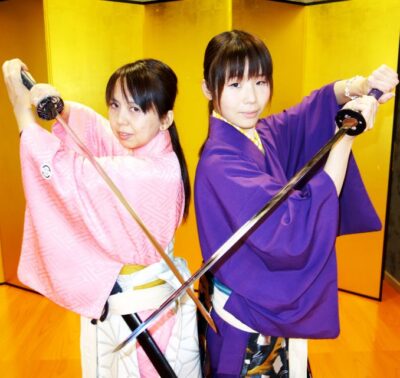
Samurai Sword Class by Experts in Traditional Arts
Read our review →
Skip the lines Basic Ticket at SAMURAI NINJA MUSEUM KYOTO
Read our review →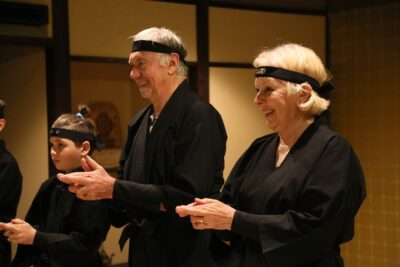
Ninja 1-hour Hands-on Lesson by Japanese master in Kyoto -Entry
Read our review →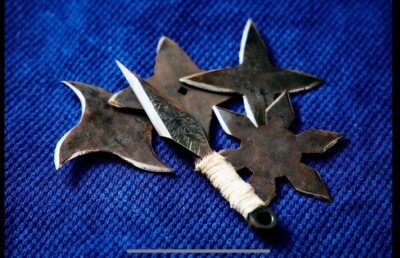
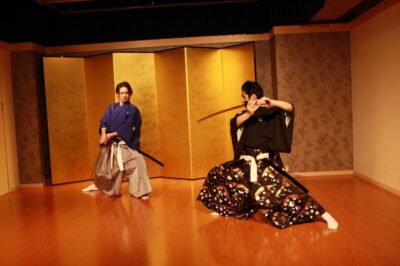
Samurai Training with Modern day Musashi in Kyoto
Read our review →Browse the lists this tour appears in