
Reviewed · FUSHIMI INARI TOURS
Kyoto: Kiyomizu-dera, Fushimi Inari & Gion Geisha District
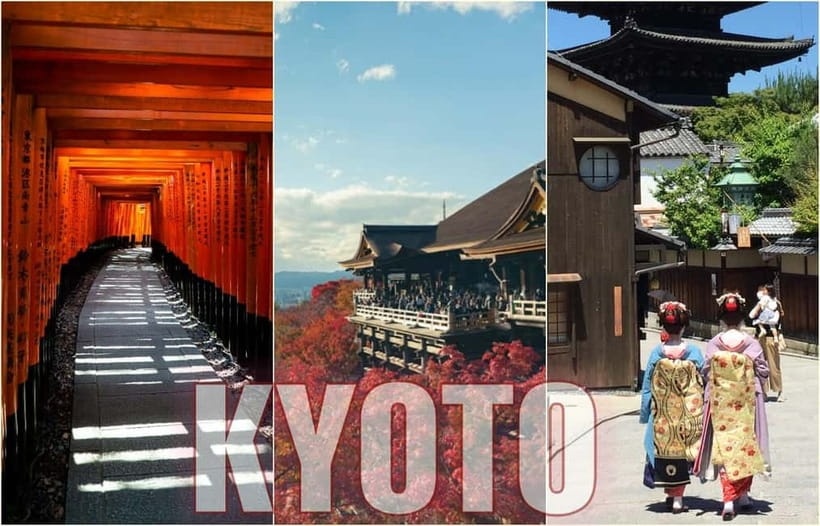
Fushimi Inari’s rows of vermilion gates and Kiyomizu-dera’s hillside temple make a memorable pair, and this tour links them with Kyoto’s old streets and Gion. With city-certified guide Roberto, you get a compact introduction to Shinto, Buddhist sites, and the geisha and maiko traditions.
I like the clear mix of famous sights and cultural explanation, and the private format means Roberto can adapt the tour to your interests. Guests particularly praise his explanations, practical Kyoto tips, and willingness to take photos, all useful extras when you are seeing several places in one morning or afternoon.
The trade-off is the pace: four hours covers a lot, including train rides and several walks, and the route is not suited to people with mobility limits or low fitness. You also pay separately for public transport and the 500-yen Kiyomizu-dera admission.
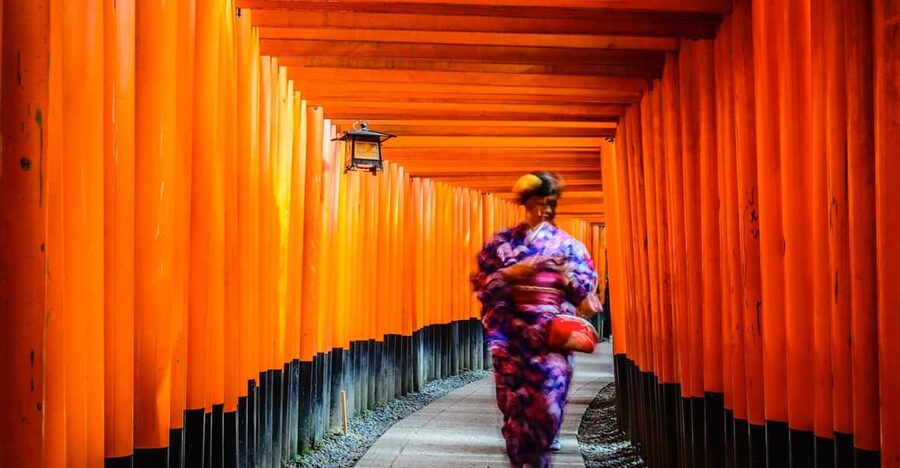
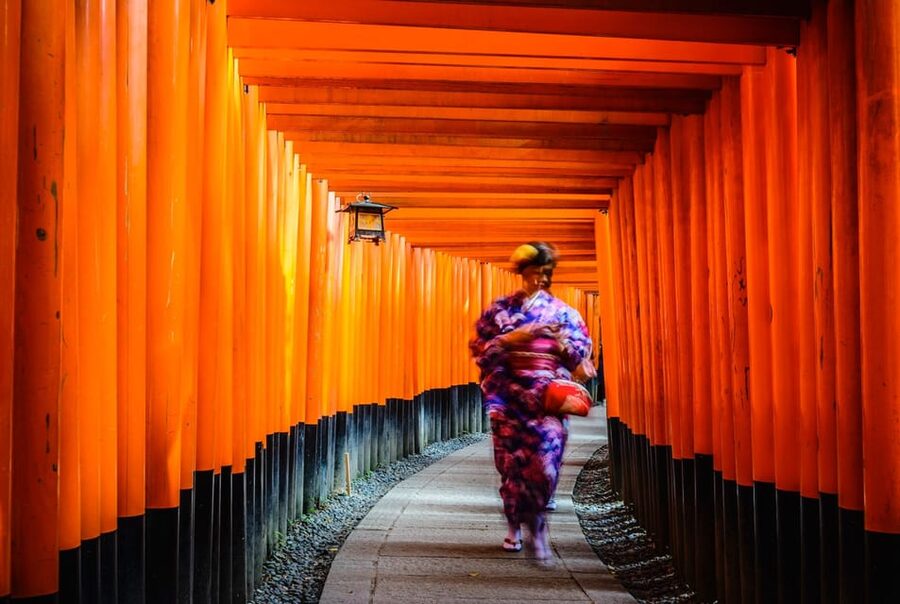
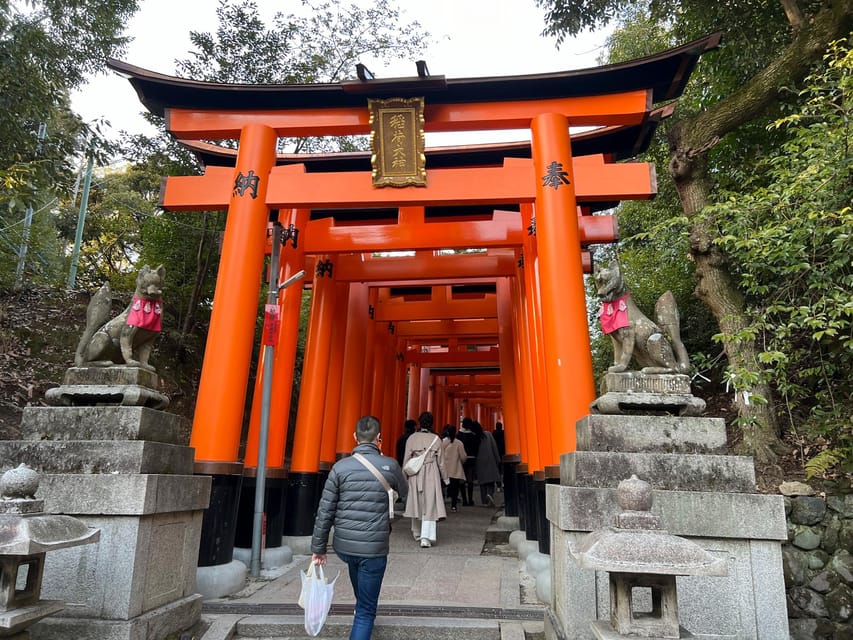
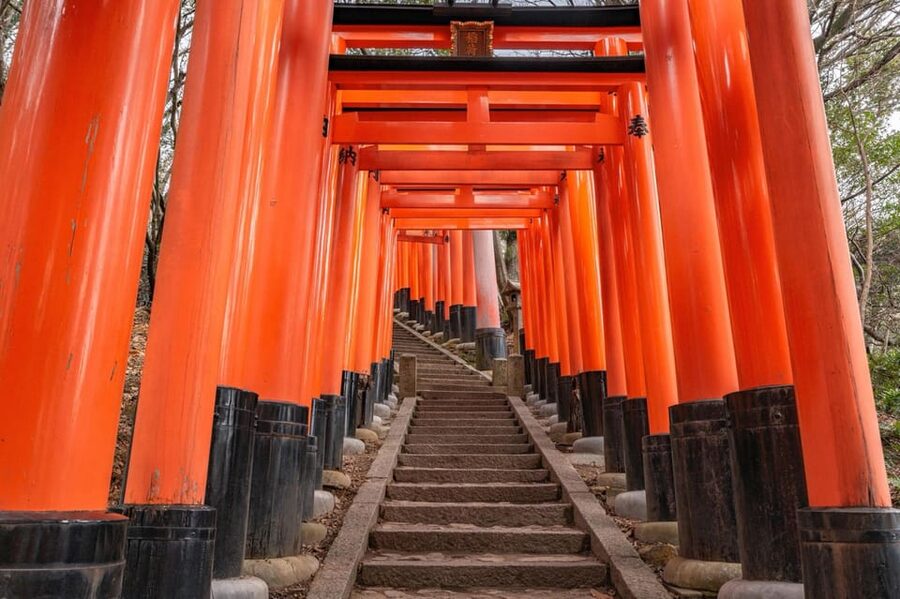
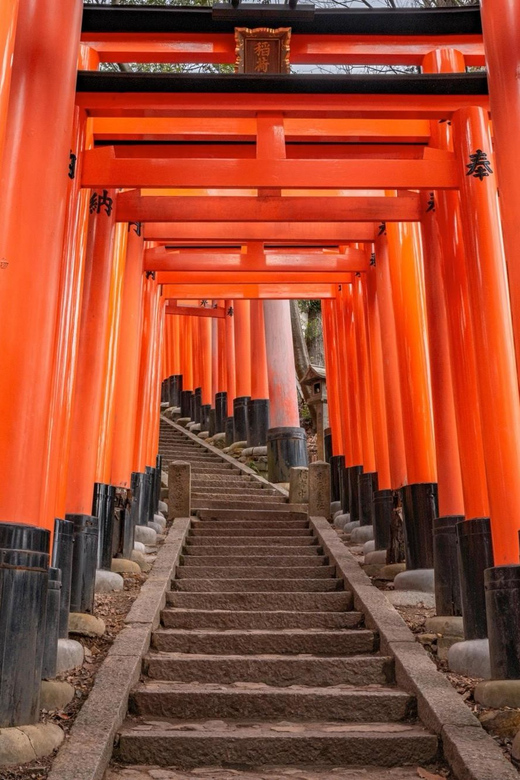
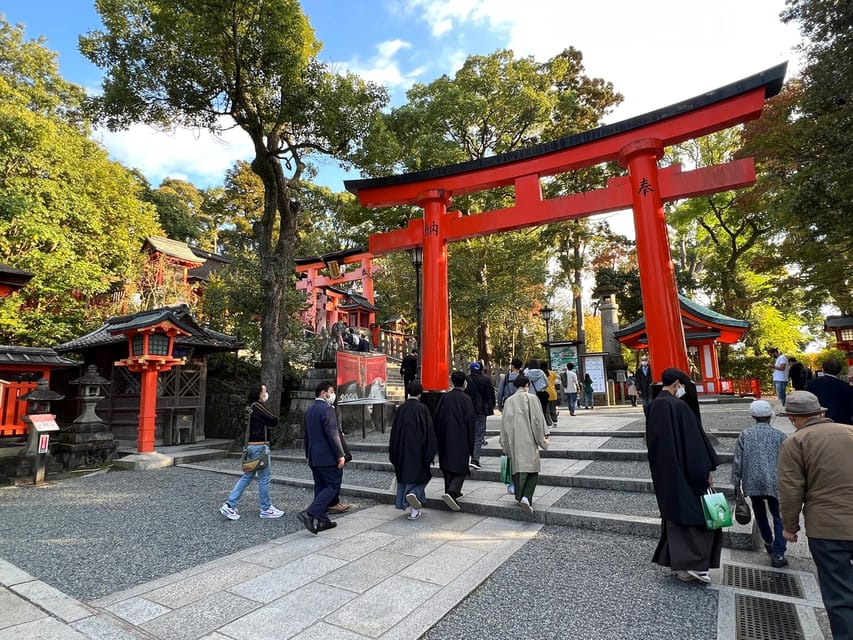
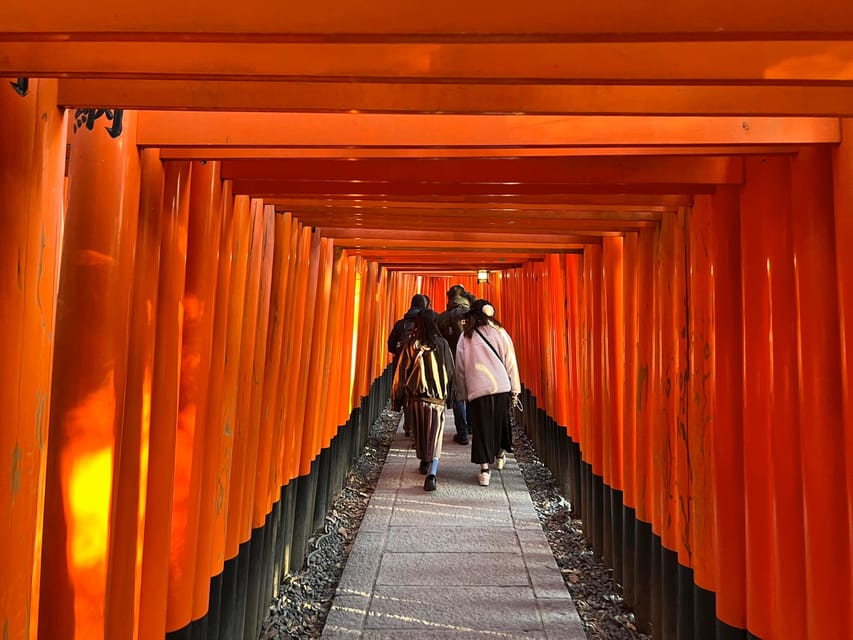
- Walk beneath Fushimi Inari’s vermilion torii gates and hear about the shrine’s ancient origins and Shinto.
- Explore Kiyomizu-dera’s power spots, associated with love, longevity, and academic success.
- Hear a guide explain geisha and maiko in Gion, where traditional wooden machiya and teahouses shape the district.
- Walk the old lanes of Sannenzaka and Ninenzaka, lined with wooden buildings and traditional shops.
- Travel by public transport between major sights, with fares separate from the $90 tour price.
- Finish in Gion, rather than returning to Kyoto Station.
A four-hour route through Kyoto’s headline sights
This private tour packs four distinct parts of Kyoto into one half-day: Fushimi Inari Taisha, Kiyomizu-dera, the historic lanes of Sannenzaka and Ninenzaka, and Gion. You meet outside the 7-Eleven by the central entrance of JR Kyoto Station, on the Kyoto Tower side. Roberto identifies himself with an iPad and a red card marked RBRT.
The plan uses trains and walking, with about ten minutes on a train to Fushimi Inari and a longer, roughly 30-minute train ride before the Kiyomizu-dera visit. The remaining route is on foot. The schedule gives 75 minutes at Fushimi Inari and 80 minutes at Kiyomizu-dera, followed by short walks through the old streets and Gion.
That structure makes sense if you want a guided overview rather than a long, unhurried visit to one site. Roberto’s explanations and images on an iPad help connect the places, while the private group format gives you room to ask questions and adjust the focus. Still, expect a brisk outing. The timing leaves limited space for extended shopping, a long meal, or wandering far beyond the planned route.
Fushimi Inari’s famous gates, with context
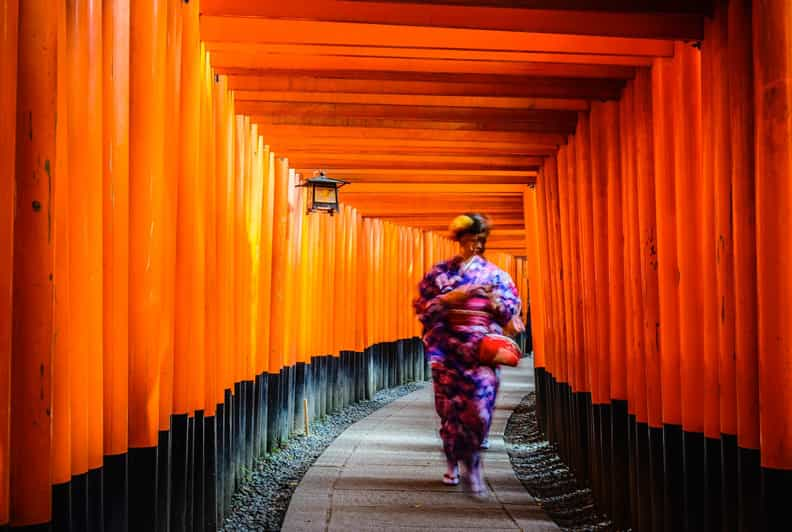
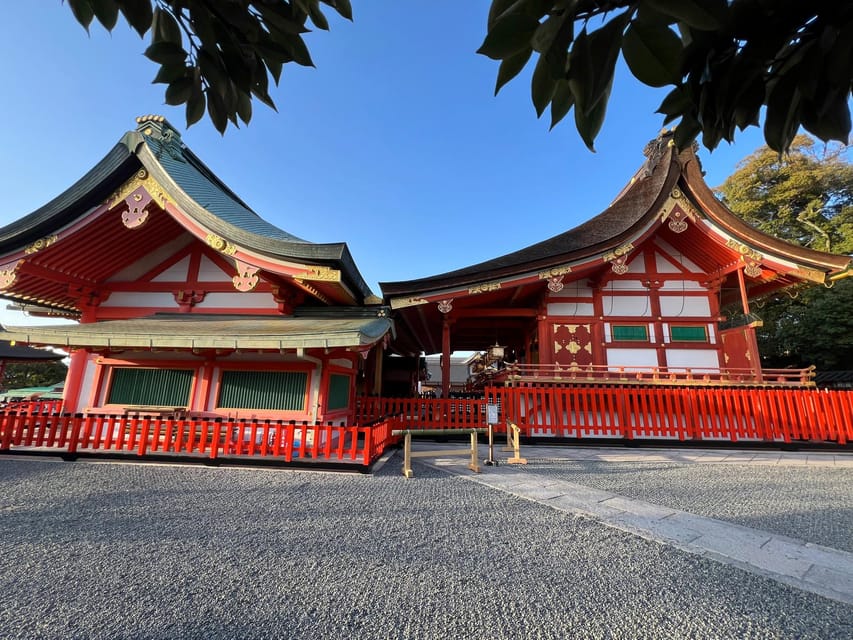
Fushimi Inari Taisha is the tour’s first major stop and one of its most recognizable sights. Its long trail of vermilion torii gates gives you the chance to walk through the striking passageways rather than simply view the shrine from the entrance. The visit lasts about 75 minutes, so you can get a meaningful taste of the site without spending half a day on the mountain route.
Roberto explains the shrine’s ancient origins and introduces Shinto, the tradition associated with the site. That context is valuable here: the gates are visually memorable, but a guide can help you look beyond the photo opportunity and understand why the shrine matters. The tour’s stated focus is on the shrine and its gates, not an extended hike, so plan your expectations around a guided visit of limited duration.
The route is a good fit for anyone who wants to see Fushimi Inari but prefers not to manage the visit alone. You can ask questions as you go, and Roberto’s iPad images offer another way to follow explanations. Bring water and comfortable shoes, especially if you are taking the tour on a warm day or have a full schedule afterward.
More Kiyomizu-dera tours in Kyoto:
- Kyoto: Tea Ceremony in a Traditional Tea House in Kiyomizu
★ 4.9 · 3,519 reviews - Kyoto: Nijo Castle, Kiyomizu & Fushimi Inari Guided Tour
★ 4.7 · 700 reviews - Kyoto: Nijo, Kinkaku-ji, Arashiyama, Kiyomizu & Fushimi Inari
★ 5.0 · 699 reviews
Kiyomizu-dera’s power spots and hillside setting
After the train ride, the tour gives Kiyomizu-dera about 80 minutes. This temple is presented through its power spots, places where visitors pay respect to deities associated with love, longevity, and academic success. That focus gives you a simple way into a large and significant site: rather than just moving from one view to the next, you learn what people come to seek there.
The guide covers points of interest in detail, and the tour’s photo support can be handy at a temple that many people want to remember in pictures. Roberto is also available to take photos and videos of you during the visit. That is a practical perk for couples or small groups who would otherwise have to take turns behind the camera.
Admission to Kiyomizu-dera is not part of the tour price. It costs 500 yen, approximately US$3.10, and you should bring cash for this and other small expenses. The tour does not include food or drinks, so eat beforehand or plan for a meal after the walk. The route continues downhill through the historic streets, making the temple visit a natural transition into Kyoto’s older commercial quarter.
Sannenzaka and Ninenzaka on foot
The tour allows about ten minutes each for Sannenzaka and Ninenzaka. These sloping lanes are known for wooden buildings and traditional merchant shops, offering a contrast to the larger temple grounds. Their appeal is not just architectural: walking them gives you a sense of how Kyoto’s old-capital character sits alongside the major religious sites.
The time is enough for a guided stroll and a look at the streets, but not necessarily a leisurely browse in every shop. If shopping is a priority, consider returning on your own after the tour. The route is on foot, and the narrow, sloping streets make comfortable shoes a sensible choice.
I like that these lanes are built into the route instead of treated as a quick transfer between temples. They help the day feel like more than a list of famous sites. At the same time, the short allotted walks reinforce that this is a highlights tour: you get an introduction and a sense of place, not a long stop for shopping or café time.
Gion’s wooden houses and geisha culture
The final part of the walk leads to Gion, where the tour ends. The district is known for its traditional wooden machiya merchant houses, shops, restaurants, and ochaya, or teahouses. Roberto explains the difference between geisha and maiko, who are apprentice geishas, and the role of teahouses as venues where they provide entertainment.
That explanation is especially useful because Gion is easy to misread if you arrive expecting a stage show or a guaranteed encounter with a geisha. The tour is a walk through the district and an introduction to its culture and buildings. It does not promise a performance or a sighting of a geisha or maiko, so treat the visit as a chance to understand the setting rather than a scheduled meeting.
The walk through Gion lasts about 15 minutes, and the tour finishes there. You can take a city bus or taxi to your hotel afterward. The end point is convenient if you want to continue exploring the area, but it means you should not expect a return trip to Kyoto Station as part of the tour.
More Fushimi Inari tours in Kyoto:
- Kyoto: Fushimi Inari, Kinkakuji, Bamboo Grove 1 Day Bus Tour
★ 4.8 · 4,316 reviews - Fushimi Inari Hidden Hiking Tour (Private Option Available)
★ 5.0 · 1,750 reviews - Kyoto/Osaka: Nara, Fushimi Inari Taisha, Arashiyama Bus Tour
★ 4.7 · 1,275 reviews - Osaka/Kyoto: Arashiyama, Nara & Fushimi Inari Shrine w/Lunch
★ 4.4 · 754 reviews
Roberto’s guiding style and the private format
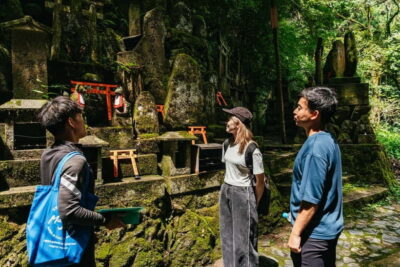
Roberto is identified as a Kyoto City certified tourist guide, and the tour is offered in English and Spanish. His explanations cover the major sites as well as Buddhism, Shinto, and Japanese culture more broadly. The guide uses images on an iPad to make explanations easier to follow, a useful aid when a site’s significance is not obvious from its architecture alone.
The strongest reason to book a guide is not simply getting from one place to the next. It is having someone connect the temple visits with the traditions behind them, answer your questions, and share practical advice for getting around Kyoto. Roberto also takes as many pictures as you wish, which can make the day easier if you want group shots without asking strangers at every stop.
Because this is a private group tour, the experience is not shared with a large, mixed group. It can be adapted to your interests, within the fixed four-hour window and route. That flexibility is particularly useful for a couple or family that wants to ask questions at its own pace. It does not remove the physical demands of the itinerary, though, and there is still a fair amount of walking.
Is $90 good value for this Kyoto tour?
At $90 per person, the main value is the guide and the way the tour links four major parts of Kyoto in a short stretch of time. You are paying for a certified guide, private-group attention, transport between areas as part of the route, cultural explanations, and photo help. If you are short on time or want context at the shrines, that can be a worthwhile use of a half-day.
The price does not cover train or bus fares, Kiyomizu-dera admission, food, or drinks. Add those costs when comparing this with a self-guided visit. The guide’s own transport and entrance fees do not need to be covered by you, but your personal transport and temple entry are separate expenses.
This tour makes less sense if you are comfortable navigating Kyoto independently, want long stretches at each site, or mainly want a slow shopping walk. It is also a poor match if steep or uneven walking is difficult for you. The schedule is active, and its compact form is both the main advantage and the main compromise.
Practical details before you book
Wear comfortable shoes and clothes, and carry water and cash. Large bags and luggage are not allowed, so leave suitcases at your accommodation or another suitable storage point before meeting the group. Smoking is not allowed on the activity.
The tour uses public transport, with transport costs excluded from the $90 price. Kiyomizu-dera admission is also extra at 500 yen. The activity lasts four hours, and you can check available start times when booking. It is offered in English or Spanish, and cancellation is free up to 24 hours before the tour. You can also reserve now and pay later.
This route is not suitable for wheelchair users, people with mobility impairments, people with back problems, people with visual impairments, people over 75, or people with a low fitness level. Those restrictions matter: the itinerary includes multiple walks and temple visits, and there is no promise of an accessible alternative route.
Should you book this tour?
Book it if you want to see Fushimi Inari, Kiyomizu-dera, the old lanes, and Gion in one guided half-day, and you value a private guide who explains what you are seeing. Roberto’s cultural explanations, practical advice, and photo help are the most compelling extras, especially if this is your first visit to Kyoto.
Skip it if you want a slow pace, substantial time for shopping, or a tour designed around limited mobility. Also compare the full cost, including transport and the temple ticket, with what you would spend exploring on your own. For a fit visitor with limited time and an appetite for context, this is a focused, useful introduction to Kyoto’s best-known sights.
FAQ
How long is the tour?
The tour lasts four hours.
Where does the tour start?
Meet outside the door of the 7-Eleven on the first floor of JR Kyoto Station’s central entrance. Use the Kyoto Tower side exit.
Where does the tour finish?
It ends in Gion. You can take a city bus or taxi to your hotel afterward.
Are transport and temple admission included?
No. Your public transport costs are separate, and Kiyomizu-dera admission costs 500 yen, approximately US$3.10.
Which languages are available?
The live guide speaks English or Spanish.
Is the tour suitable for wheelchair users?
No. It is listed as unsuitable for wheelchair users and people with mobility impairments, as well as several other groups with mobility or fitness limitations.
More Gion tours in Kyoto
- Night Walk in Gion: Kyoto’s Geisha District
★ 4.5 · 2,003 reviews - Kyoto Night Foodie Tour in Gion (9+ dishes + 6 Sake tastings)
★ 5.0 · 1,762 reviews - Kyoto Gion Geisha District Walking Tour – The Stories of Geisha
★ 5.0 · 1,441 reviews - Kyoto Gion: 2-Hour Geisha Culture & History Walking Tour
★ 5.0 · 1,186 reviews
More geisha and maiko experiences in Kyoto
- Kyoto Geisha Walking Tour: Gion District & Hidden Gems
★ 4.7 · 3,273 reviews - Kyoto: Gion Magical Night Walking Tour with Geisha Trivia
★ 4.9 · 2,393 reviews - Kyoto: Gion Geisha District Walking Tour – Stories of Geisha
★ 4.7 · 2,187 reviews - Best of Kyoto: Gion, Geisha, Pagodas & Cobblestones
★ 4.9 · 2,058 reviews
Newly added in Kyoto
- Uji: Private immersion into Kyoto’s tea and reglious culture★ 5.0 · 17 reviews
- Whisk Your Own Matcha: A Zen Matcha Experience at Temple★ 3.6 · 7 reviews
- Kyoto tea town for matcha lovers★ 5.0 · 16 reviews
- Treasures of Kyoto: Gion & historical Walking Tour★ 5.0 · 6 reviews
- Uji and Wazuka Matcha Farm Half Day Private Guided Tour★ 5.0 · 21 reviews
- Kyoto Matcha Green Tea Tour★ 4.5 · 23 reviews
- Uji Tea Ceremony and UNESCO Heritage Walking Tour★ 5.0 · 20 reviews
- Utilising upcycled Matcha! Creating matcha incense (Uji, Kyoto)★ 5.0 · 6 reviews
Fushimi Inari Tours, compared.
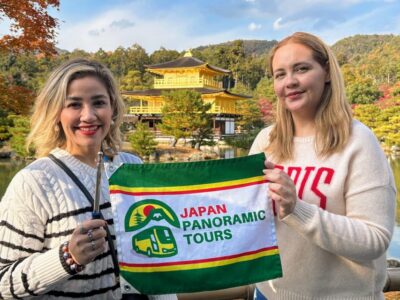
Fushimi Inari, Kinkakuji, Bamboo Grove 1 Day Bus Tour
Read our review →
Fushimi Inari Hidden Hiking Tour (Private Option Available)
Read our review →
Nara, Fushimi Inari Taisha, Arashiyama Bus Tour
Read our review →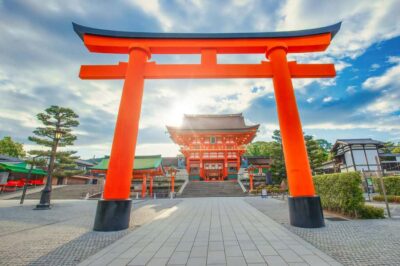
Arashiyama, Nara & Fushimi Inari Shrine w/Lunch
Read our review →
Nijo Castle, Kiyomizu & Fushimi Inari Guided Tour
Read our review →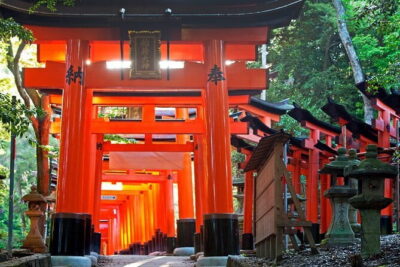
Nijo, Kinkaku-ji, Arashiyama, Kiyomizu & Fushimi Inari
Read our review →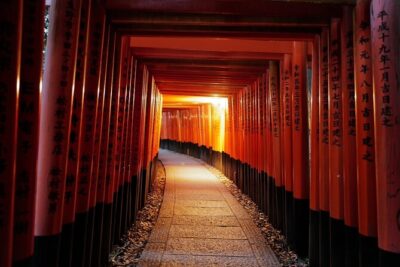
Browse the lists this tour appears in