
Reviewed · KYOTO TEA CEREMONIES
Kyoto: Mindful Tea Ceremony in 100-Year-Old Teahouse
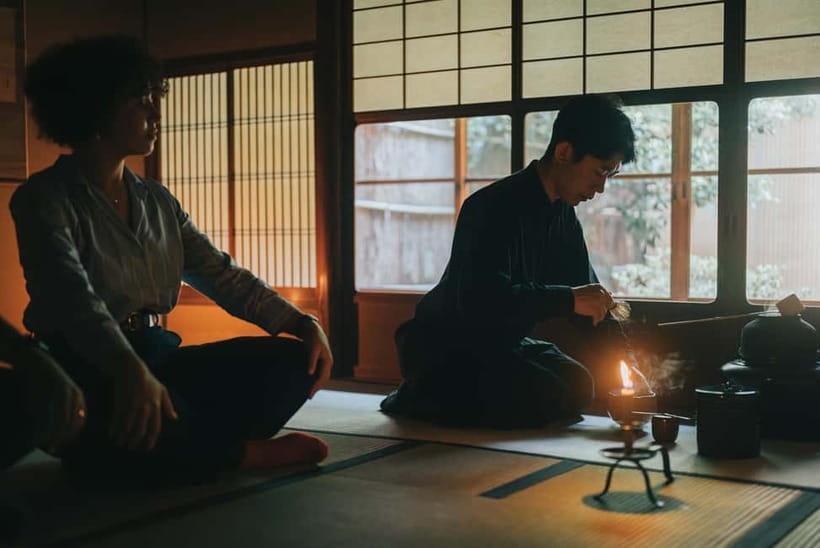
In a city that can keep your feet moving from temple to temple, Oboro offers a different kind of Kyoto moment: a candlelit tea ceremony in a 100-year-old teahouse, paced for quiet attention rather than sightseeing speed. You watch the host prepare matcha, hear what each step means, and get room to simply sit and take it in.
I like two things in particular: the small group, capped at eight, makes it easier to ask questions, and the gentle approach welcomes newcomers without turning etiquette into a test. The candlelight, garden view, seasonal sweets, and careful preparation all give the ceremony a sense of place.
One consideration: 45 minutes goes quickly, and the quiet format is not for everyone. You must remove your shoes and wear socks, arrive on time, and be able to sit comfortably; people with back problems and wheelchair users are not suited to this activity.
- A century-old Kyoto house gives the ceremony a traditional setting, with a garden view from the tearoom.
- Candlelight and quiet pacing draw attention to details such as simmering water and the aroma of matcha.
- English instruction without strict rules makes the ceremony accessible to first-timers.
- Welcome tea and seasonal sweets begin the experience before the main matcha preparation.
- A small group of up to eight leaves space for questions and a shared, calm atmosphere.
- A handmade candle to take home offers a simple reminder of the slower pace.
Candlelight, matcha, and a quieter Kyoto
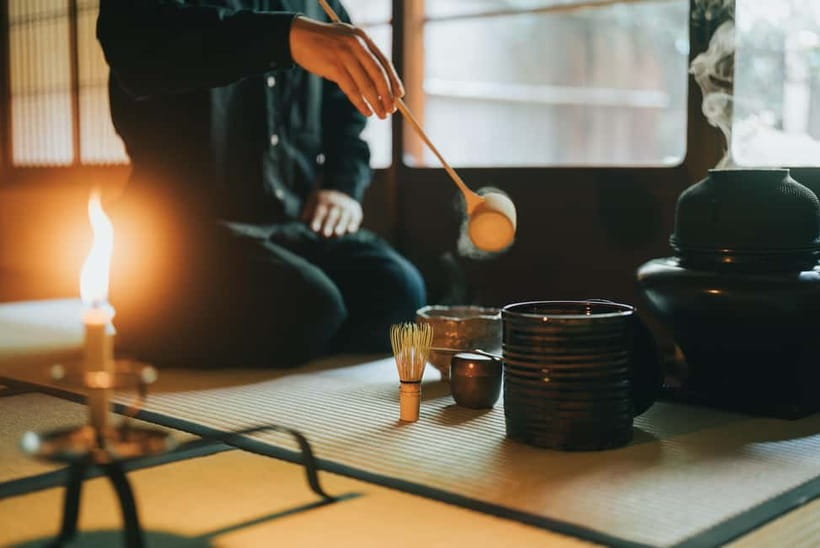
Oboro’s ceremony is not just a quick lesson in how to drink matcha. It gives you a short stretch of time to notice how a traditional tea gathering works: the host’s deliberate movements, the sound of water heating, the color of the tea, and the way a sweet changes its taste. Candlelight softens the room and keeps attention on these small things.
That focus is part of the appeal. Kyoto is full of places that reward a packed schedule, but this experience asks you to stop adding sights to the day. If you have spent hours walking or dealing with city noise, 45 minutes of quiet can make a welcome counterpoint.
The ceremony is rooted in Japanese tradition, but you are not expected to arrive knowing the rules. The host explains the flow and meaning, while leaving room for you to observe, ask a question, or sit quietly. That balance suits curious beginners who want context without feeling examined.
Arrival at Oboro: shoes off, shoulders down

Plan to arrive 10 minutes early. You will need to remove your shoes, so wear socks and clothes that feel comfortable while seated. The room is quiet, and the host has time to greet you, store belongings if needed, and give a brief introduction before the ceremony begins.
The address can be a little tricky to locate, so search Google Maps for Oboro: Mindful Tea Ceremony. Hotel pickup and drop-off are not included, and neither are meals, so plan your route and have food before or after if you need it.
The small group limit matters here. With no more than eight participants, the room is less likely to feel like a performance hall, and you have a better chance to hear the host and ask something specific. It is still a shared experience, so silence and consideration help everyone settle in.
More tea ceremonies in Kyoto:
- Kyoto: Tea Ceremony in a Traditional Tea House in Kiyomizu
★ 4.9 · 3,519 reviews - Kyoto: Tea Ceremony Ju-An at Jotokuji Temple
★ 4.9 · 3,207 reviews - Kyoto: 45-Minute Tea Ceremony Lesson Experience
★ 4.3 · 2,378 reviews
Welcome tea and sweets set the pace
The first drink is a welcome tea, served with a seasonal sweet. This opening gives you time to settle before the main ceremony and introduces the idea that tea is not simply a drink grabbed between activities. Flavor, texture, and attention all have a place.
The sweet is more than a snack on the side. Its taste helps frame the tea that follows, and the pairing gives you something concrete to notice. If you are used to thinking of matcha as a strong or bitter drink, this first part may help you approach the later bowl with a fresh palate.
Some past sessions have included a chilled green tea as the welcome drink, which is a useful detail if you are visiting in warm weather. The exact welcome tea and sweet are seasonal, so you should not count on one specific flavor. In summer, the ceremony itself uses chilled water and ice.
The main tearoom: fewer distractions, more detail
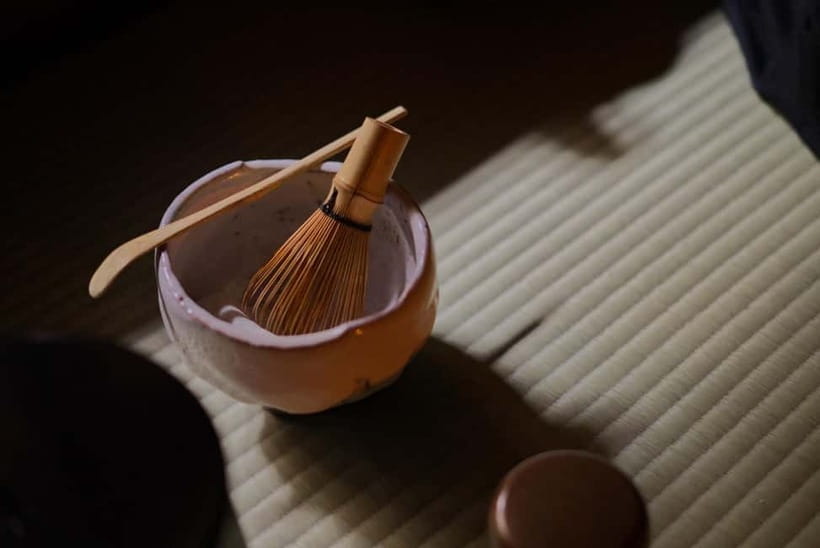
After the welcome, you move to the main tearoom, where the design keeps distractions to a minimum. A garden seen through the window adds a quiet visual focus, while the dim light makes ordinary details feel more present. You may notice the scent of fresh matcha or the sound of water simmering more clearly than you would in a brightly lit room.
This setting is not elaborate for its own sake. The restrained décor gives the host’s movements and the tea itself the attention. The house is around a century old, and its traditional interior helps explain why the ceremony can feel like a step away from modern Kyoto without requiring a long trip out of town.
The room also sets expectations. This is a calm, quiet activity, not a show with constant narration or a lively group discussion. You can ask questions, but the overall pace encourages listening and observation. If you prefer energetic guides and frequent interaction, this may feel subdued. If you appreciate a little silence, that is the point.
Watching matcha become the ceremony
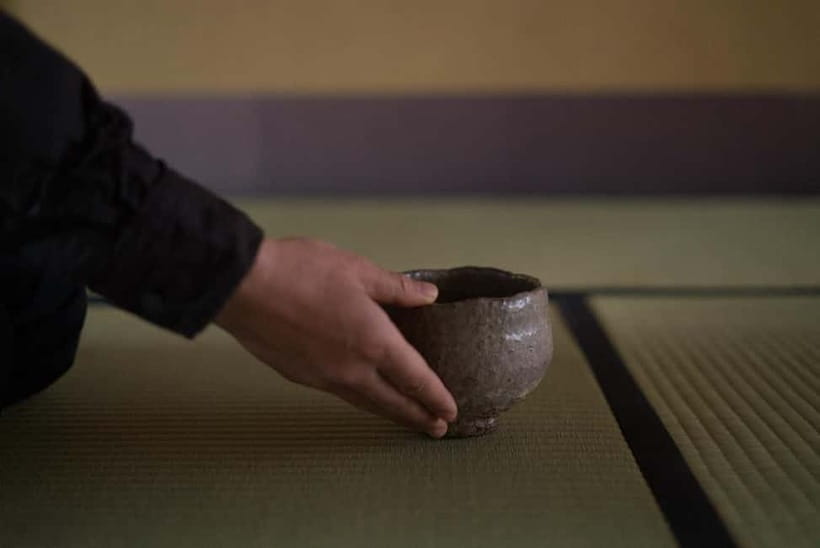
The host prepares each bowl through a series of purposeful actions, including purifying the utensils, whisking the matcha, and presenting the bowl with a graceful bow. You are shown what is happening and why, rather than being asked to copy every move perfectly. That makes the experience useful for understanding the ritual, even if you have never taken part in a tea ceremony.
The preparation is a lesson in attention as much as technique. Each movement is careful, and the quiet gives you time to see the sequence rather than treating it as a blur of formal gestures. The host’s English instruction helps connect these actions to the ceremony’s history and etiquette.
Hosts named Taku and Naoki have led sessions, and individual guides may differ. What matters for you is the format: an English-speaking instructor explains the process, answers questions, and offers gentle direction. The atmosphere is meant to be welcoming, not strict. You can follow the host’s lead without worrying that one small mistake will spoil the experience.
When the bowl is presented, you lift it gently and taste the matcha. Notice its warmth, texture, and flavor before rushing to finish it. This is not a large meal or a tasting flight, and the tea is the focus. If matcha is not usually your favorite, the careful preparation and the calm setting may change how you experience it, though no ceremony can guarantee that you will love the taste.
More Kyoto tours in Kyoto:
- PERFECT KYOTO 1-Day Bus Tour
★ 5.0 · 13,518 reviews - Kyoto: Fushimi Inari, Kinkakuji, Bamboo Grove 1 Day Bus Tour
★ 4.8 · 4,316 reviews - Kyoto Geisha Walking Tour: Gion District & Hidden Gems
★ 4.7 · 3,273 reviews - Kyoto: Gion Magical Night Walking Tour with Geisha Trivia
★ 4.9 · 2,393 reviews
A mindful pause, not a crash course
At 45 minutes, this is an introduction rather than a full study of Japanese tea practice. You will learn about the sequence, some etiquette, and the meaning behind key actions, but the experience is designed around a single ceremony and a short period of reflection. That is enough to make the tradition more legible when you encounter tea or tea rooms elsewhere.
The main value is not the number of facts you can take home. It is the way the format asks you to slow down and notice what is already there: a bowl in your hands, a simple sweet, a shared quiet, and the care involved in making tea. You do not need to treat the experience as meditation, but the mindful pacing gives you room to let the day’s hurry fall away.
The host may invite conversation, and questions are welcome, but you are not obliged to speak. That flexibility is useful for people who want cultural context as well as those who would rather listen. Come with curiosity, and take the ceremony at its own pace.
What $45 buys you in Kyoto
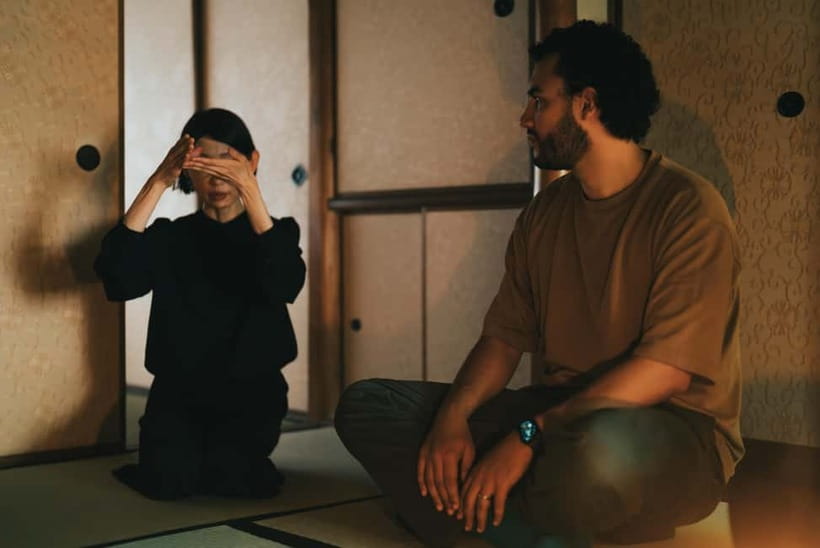
At $45 per person, the price covers the 45-minute ceremony, English instruction, tea equipment, seasonal sweets, and the candlelit matcha experience. You also receive a small handmade candle to take home. The value is not in quantity: you are not buying a meal, transport, or a long tour of the city.
Instead, you are paying for a carefully prepared setting, a host who explains the ritual, and a small-group experience in a traditional house. For someone seeking a quiet cultural activity rather than another stop on a sightseeing checklist, that can be a reasonable use of both money and time. If you are primarily looking for a large serving of food or an extended class, this is not the right fit.
The short duration is both a strength and a limit. It is easy to fit into a day, but the ceremony will not occupy an afternoon. Think of it as a pause between busier plans, not a substitute for a full tea course.
Who will appreciate this ceremony
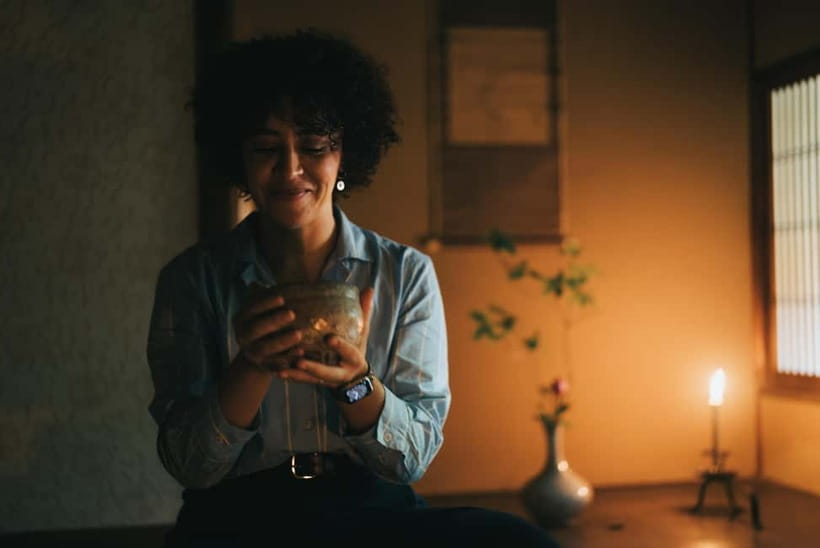
I would choose Oboro if you are interested in Japanese customs but feel unsure about formal etiquette. The host’s explanations and relaxed guidance make the ceremony approachable, while the room and sequence retain a sense of tradition. It also suits couples, friends, and solo visitors who are comfortable sharing a quiet space with a small group.
It can be especially welcome after a day of sightseeing. The garden view, candlelight, and slow preparation offer a change of pace from moving through crowded streets and major sights. The handmade candle is a thoughtful final touch, but the stronger souvenir is the memory of a few minutes spent paying attention.
This is less suitable if you need a fully accessible venue or cannot sit comfortably. Wheelchair users and people with back problems are listed as unsuitable, and shoes must be removed. Children under six are not permitted. Photography is allowed without flash, but flash photography and smoking are not allowed, and the quiet atmosphere calls for keeping conversation low.
Practical details before you reserve
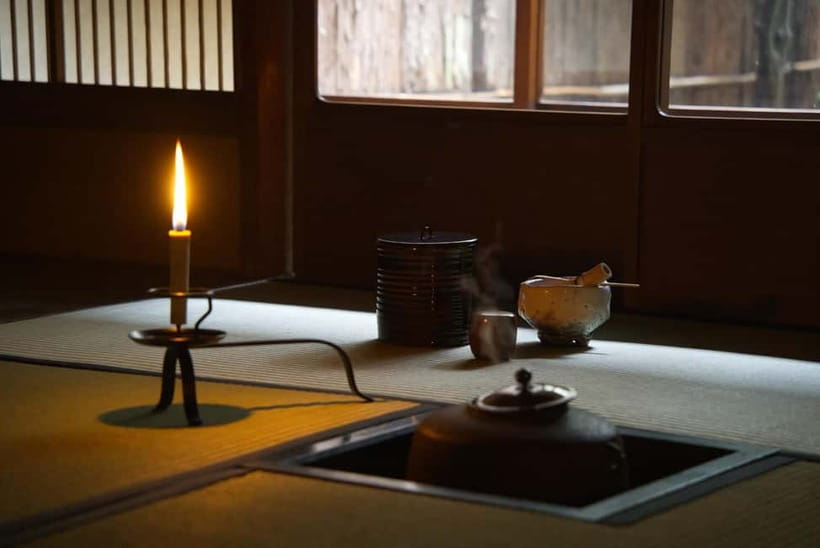
The experience is in English and groups are limited to eight. Starting times depend on availability, so check the date and time that fit your plans. The activity offers free cancellation up to 24 hours in advance and a reserve-now, pay-later option, which can help if your Kyoto schedule is still taking shape.
Be punctual. If you arrive more than 10 minutes late, you will not be allowed into the session. That rule protects the quiet flow of the ceremony, but it means you should leave extra time to find the house rather than relying on a last-minute arrival.
Wear socks, since shoes come off, and choose comfortable clothing. Keep your phone quiet and avoid flash photography. In summer, expect chilled water and ice in the ceremony, a seasonal adjustment that changes the temperature of the tea ritual without changing its unhurried approach.
Should you book Oboro?
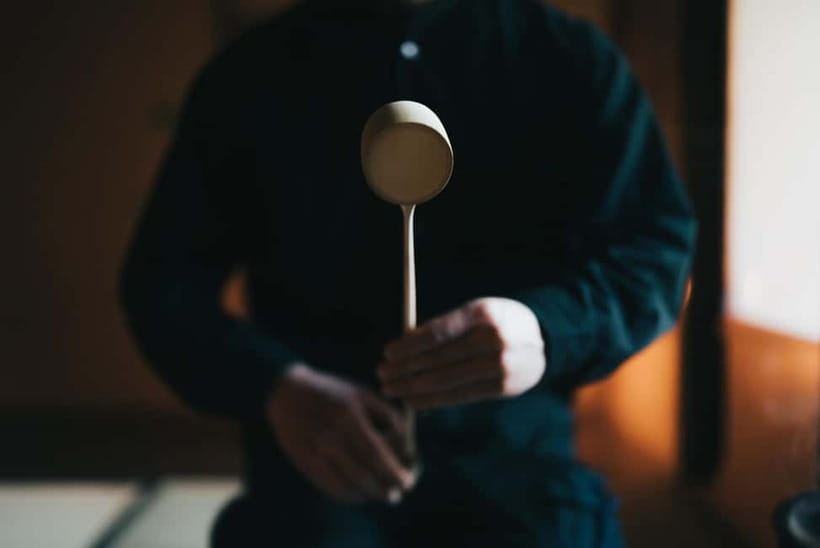
Book this if you want a small, calm introduction to matcha and tea ceremony, with clear English guidance and a traditional Kyoto setting. It is a particularly good fit for first-timers, curious culture seekers, and anyone who would welcome a deliberate pause in a busy itinerary.
Skip it if you want a long class, a meal, transport, or an activity that lets you move around freely. And be honest about the sitting and access requirements before booking. If the format suits you, 45 minutes is enough to make tea feel less like a beverage and more like a practice of attention.
FAQ
How long does the tea ceremony last?
The experience lasts 45 minutes.
How much does it cost?
The listed price is $45 per person.
Is the instruction in English?
Yes. The instructor provides the experience in English.
How many people are in each group?
The group is limited to eight participants.
What is included in the price?
English instruction, tea ceremony equipment, seasonal sweets, and the candlelight matcha experience are included. A small handmade candle is also given to take home.
What should I wear or bring?
Wear comfortable clothes and socks. Shoes must be removed inside.
How early should I arrive?
Arrive 10 minutes early. You will not be allowed into the session if you are more than 10 minutes late.
Can I take photos during the ceremony?
Photography is allowed without flash. Flash photography is not allowed.
Is the activity suitable for children or wheelchair users?
Children under six are not suitable for the activity. Wheelchair users and people with back problems are also listed as unsuitable.
Newly added in Kyoto
- Uji: Private immersion into Kyoto’s tea and reglious culture★ 5.0 · 17 reviews
- Whisk Your Own Matcha: A Zen Matcha Experience at Temple★ 3.6 · 7 reviews
- Kyoto tea town for matcha lovers★ 5.0 · 16 reviews
- Treasures of Kyoto: Gion & historical Walking Tour★ 5.0 · 6 reviews
- Kyoto Matcha Green Tea Tour★ 4.5 · 23 reviews
- Uji and Wazuka Matcha Farm Half Day Private Guided Tour★ 5.0 · 21 reviews
- Uji Tea Ceremony and UNESCO Heritage Walking Tour★ 5.0 · 20 reviews
- Utilising upcycled Matcha! Creating matcha incense (Uji, Kyoto)★ 5.0 · 6 reviews
Kyoto Tea Ceremonies, compared.

Tea Ceremony in a Traditional Tea House in Kiyomizu
Read our review →


World Heritage Kyoto & Nara Uji Authentic Matcha Experience
Read our review →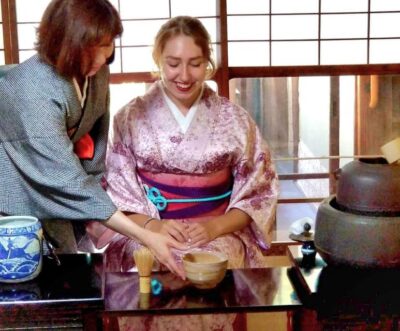


Arashiyama Bamboo Forest, Monkeys, Matcha & Temple Tour
Read our review →
Tea Museum Tickets and Matcha Grinding Experience
Read our review →Browse the lists this tour appears in