
Reviewed · KYOTO TEA CEREMONIES
Kyoto: Private Tea Ceremony at local home with tea master
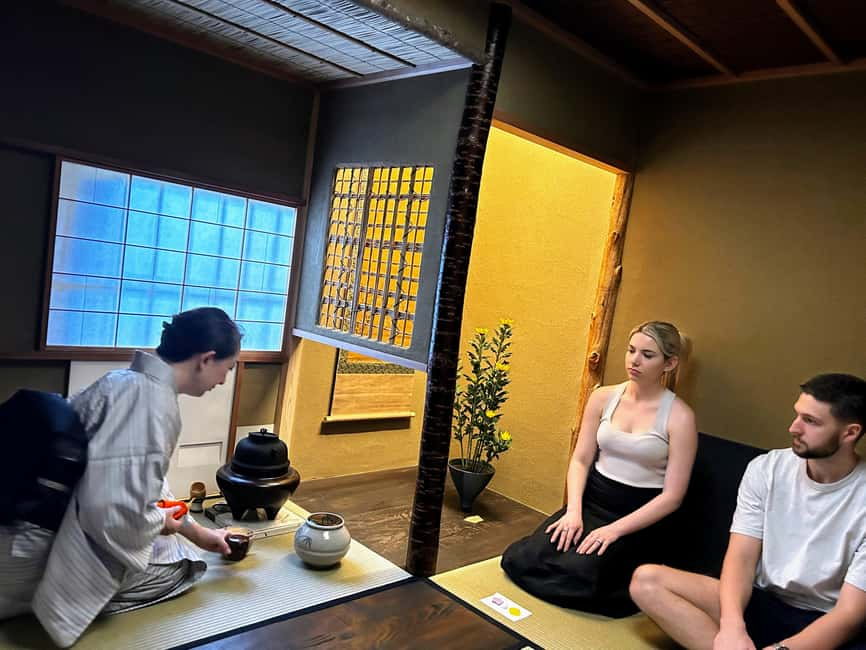
A tea ceremony is less a performance than a lesson in paying attention. In this private, one-hour session near Nijo Castle, a certified tea master explains the meaning behind the movements, then gives you a chance to whisk matcha yourself in a local home.
I like two things here: you get practical guidance on handling the bowl and utensils, not just a demonstration, and you taste Uji matcha with two kinds of traditional Japanese sweets. The host is Kyoto-born and Kyoto-based, so the cultural context comes from someone who knows the city as home.
The main limitation is the clock. One hour leaves room for an introduction, demonstration, practice, and questions, but the pace may feel brisk if you want a long, meditative ceremony. Wear socks and long trousers or a long skirt; the tea room has rules that make comfort and preparation matter.
- Private instruction: Your group has a certified tea master’s attention for the one-hour session.
- Close to Nijo Castle: The meeting point is a three-minute walk from the castle and Nijōjō-mae subway station.
- Learn by doing: You hear about ceremony history and etiquette, watch a demonstration, then prepare matcha yourself.
- Two servings of tea: The experience includes two cups of matcha sourced from Uji, Kyoto.
- Dress for the tea room: Socks and long trousers or a long skirt are required; shorts and bare feet are not allowed.
- A calm, beginner-friendly introduction: English and Japanese instruction is available, and the session is intended for people aged 13 and older.
A local home, not a stage set
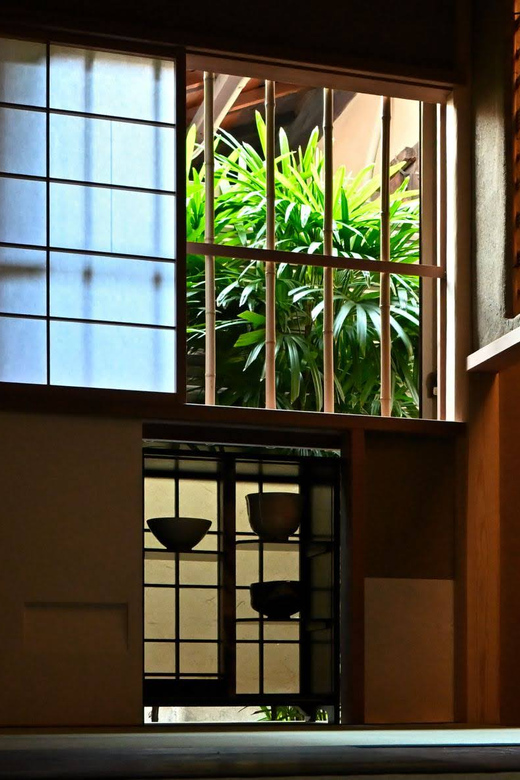
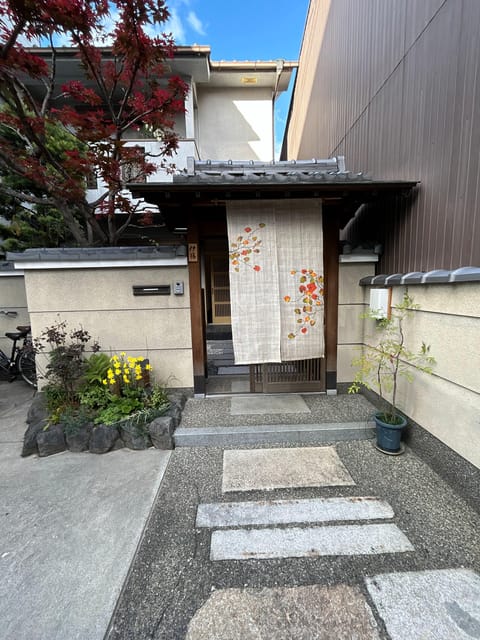
The meeting point is Sakura Japanese Cultural Experience, a short walk from Nijo Castle. The tea room is in a local home, which gives the session a more personal scale than a large demonstration hall. You are not just watching a formal display from the back of a crowd. The format is a private group, so the instructor can explain the customs at a pace that suits your party.
The setting also fits the subject. Japanese tea ceremony, often called chanoyu, gives careful attention to simple actions: preparing the space, handling utensils, serving tea, and receiving it. The point is not to rush through a checklist. It is to understand why each gesture is done with care.
A Kyoto-born, Kyoto-based certified tea master leads the class. One past visitor addressed a host as Aya-san, but the named instructor is not guaranteed for every session. What is specified is English and Japanese instruction, a useful detail if you want the explanation in English rather than relying on visual cues alone.
From tea history to the tea bowl
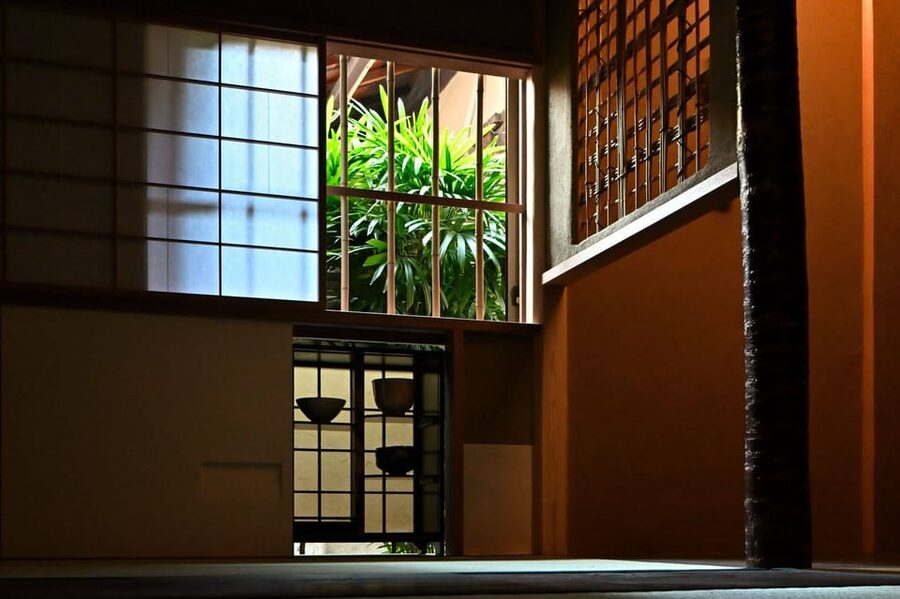
The session starts with an introduction to the history and cultural background of the tea ceremony. You learn how the practice developed and how it has continued into modern Japanese life. That context helps make the later etiquette feel less like a set of arbitrary rules.
The instructor also introduces the main utensils, including the tea bowl (chawan), whisk (chasen), and scoop (chashaku). You learn what each tool does and how it is handled and cared for. This is a practical part of the class: the objects are not merely decorative, and knowing their roles makes the ceremony easier to follow.
Expect close attention to movement and detail. One visitor described being struck by the meticulousness of the tradition, and that is precisely what this format helps you notice. A bowl is turned with intention; a cloth is folded in a particular way; the whisk is used with a measured hand. The instructor explains the reasoning rather than asking you to copy gestures blindly.
The class is designed for beginners, with complex terms and actions explained in accessible language. You do not need prior knowledge of Japanese etiquette or tea. If you have already attended a ceremony, the chance to ask questions and practice the movements may still be worthwhile, though the experience is explicitly framed as an introduction.
More tea ceremonies in Kyoto:
- Kyoto: Tea Ceremony in a Traditional Tea House in Kiyomizu
★ 4.9 · 3,519 reviews - Kyoto: Tea Ceremony Ju-An at Jotokuji Temple
★ 4.9 · 3,207 reviews - Kyoto: 45-Minute Tea Ceremony Lesson Experience
★ 4.3 · 2,378 reviews
Watch, then whisk your own matcha
After the background and utensil lesson, you watch a tea ceremony demonstration. The instructor’s movements show how hospitality, attention, and seasonal presentation come together. The demonstration gives you a reference point before you try preparing tea yourself.
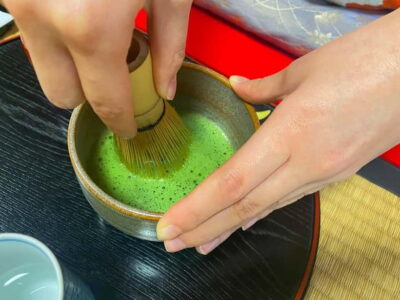
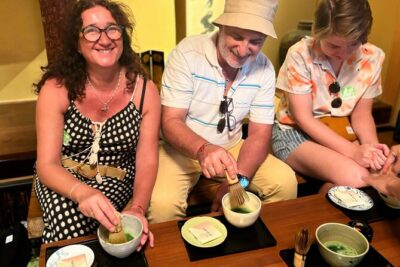
Then it is your turn to make matcha. Hands-on practice is the strongest reason to choose this class over a short public demonstration. You get a chance to work with the tools and learn the basic process, while the tea master can correct or explain as needed. The aim is not to turn you into a tea practitioner in an hour, but to let you feel the care built into the preparation.
You receive two cups of matcha sourced from Uji, the area near Kyoto known for its tea. The included sweets are two kinds of traditional Japanese dried sweets. The session also describes its sweets as seasonal and made to order, so presentation may reflect the time of year. The sweets are meant to balance the tea, not simply serve as a snack on the side.
The ceremony is a sensory experience, but it is not a long tasting. If you want extensive time to sit quietly with several teas, this is not that kind of booking. The one-hour structure favors explanation and participation, with a serving of tea woven into the lesson.
Why the etiquette matters
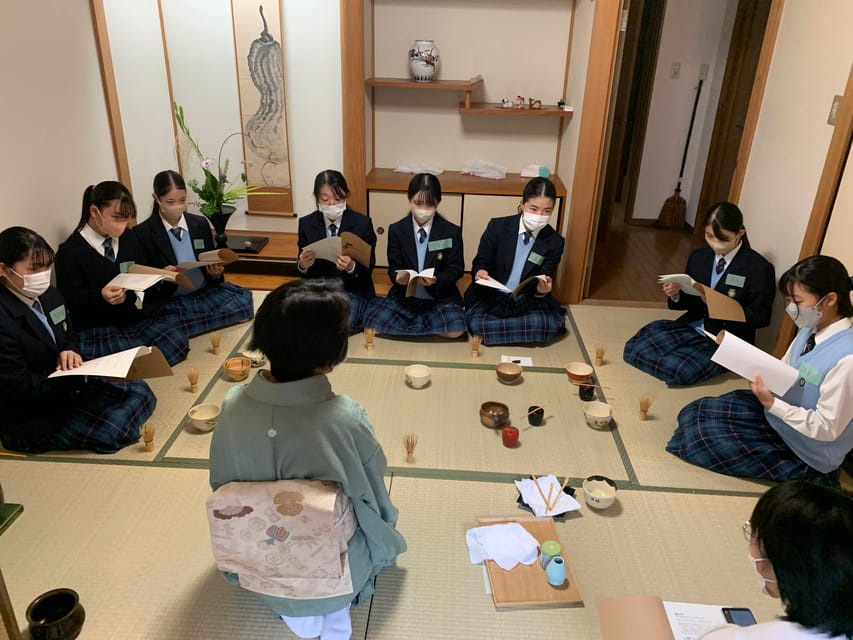
You will learn how to hold and appreciate the tea bowl, along with basic etiquette for receiving tea. These customs are useful beyond this room: they offer a small window into how Japanese hospitality can be expressed through attention to objects, timing, and other people.
The class asks you to slow down and notice what you are doing. That can feel unfamiliar if you are used to moving quickly from one Kyoto sight to another. Here, the pace has a purpose. The quiet is part of the teaching, and the gestures make more sense once you understand the values behind them.
There is time for questions and reflection, though the overall session lasts only an hour. One visitor found the end a little rushed when other people were arriving. That is a fair consideration if you tend to ask many questions or want unhurried time for photographs and conversation. Video and audio recording are not allowed, so take in the demonstration rather than planning to document it.
What the one-hour schedule means for you
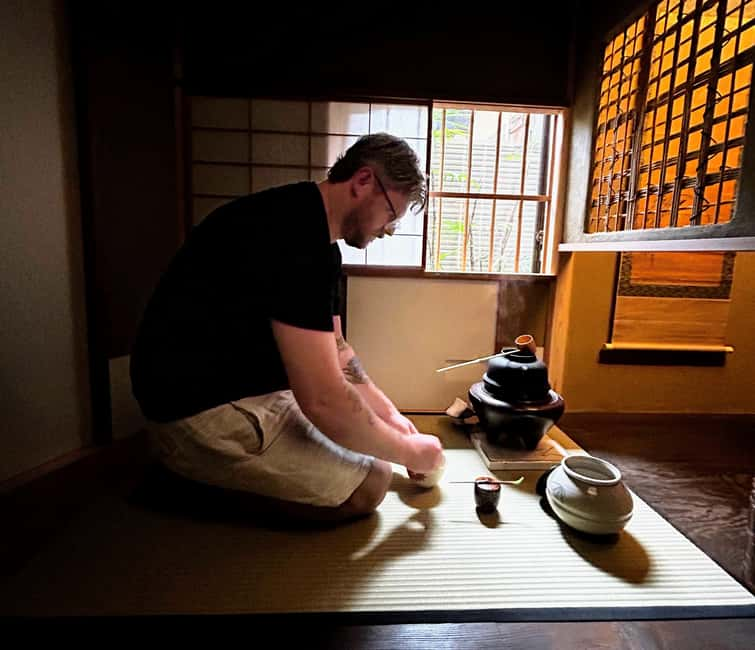
The itinerary begins and ends at the same cultural experience location. You do not travel between multiple sites, and the tea ceremony itself lasts one hour. That makes it easy to fit around a visit to Nijo Castle or the Kyoto Imperial Palace, both of which are nearby.
The meeting point is about three minutes on foot from Nijo Castle and Nijōjō-mae Station on the Kyoto subway. It is also three minutes from the Nijōjō-mae city bus stop. From Shijo Station on the Hankyu line, allow about 15 minutes on foot; from Kyoto Station, the stated taxi journey is about 10 minutes. Those options make this a practical stop in central Kyoto, though your actual journey time will depend on traffic and where you start.
Arrive ready to sit and participate. Wear socks and long trousers or a long skirt. Shorts, short skirts, sleeveless shirts, hats, jewelry, and bare feet are not permitted, and shoes stay outside. Strong fragrance is also prohibited, so skip perfume. If you arrive without socks, socks are available for purchase.
The venue is listed as wheelchair accessible. The experience is not suitable for children under 13. It is also designed for a private group rather than a shared class, which can make the atmosphere more comfortable for a couple, family, or small party wanting to learn together.
More private tours in Kyoto:
- Fushimi Inari Hidden Hiking Tour (Private Option Available)
★ 5.0 · 1,750 reviews - Private Kyoto Tour with a Local, Highlights & Hidden Gems, Personalised
★ 5.0 · 1,543 reviews - Kyoto 6hr Private Tour with Government-Licensed Guide
★ 5.0 · 1,369 reviews - 10 Must-see Spots in Kyoto One Day Private Tour (up to 7 people)
★ 5.0 · 1,108 reviews
Is $101 a fair price?
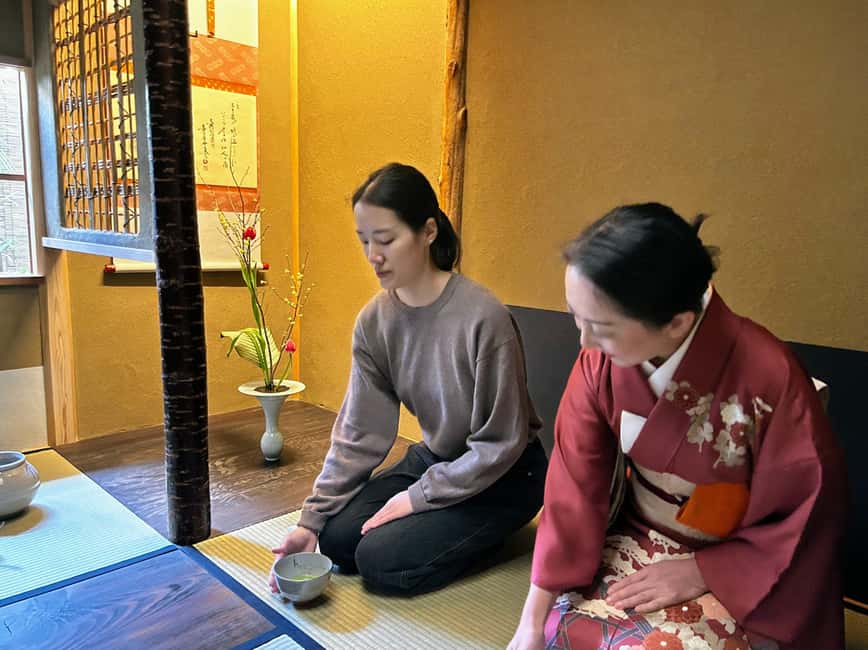
At $101 per person for an hour, this is not a budget tea stop. The value depends on what you want from the experience. You are paying for a private session with a certified tea master, cultural instruction, a demonstration, hands-on matcha preparation, two cups of tea, two kinds of sweets, and time for questions. The tea-master certification is also listed as included.
If your aim is simply to taste matcha, you can spend less elsewhere. If you want to understand the ceremony and handle the utensils yourself, the private format makes the price easier to justify. The instructor can explain the meaning of the gestures as you learn, rather than delivering a set speech to a large group.
It is especially good value for people who are curious about Japanese customs but may feel uneasy entering a formal tea setting without guidance. You are given the context and the etiquette, so you can focus on learning rather than worrying about getting every movement right.
The short duration is part of the value calculation. You get a compact cultural lesson that can fit into a day of sightseeing, but not an extended course. If you want a more leisurely, contemplative experience, consider whether an hour will feel sufficient before booking.
Who will appreciate this ceremony
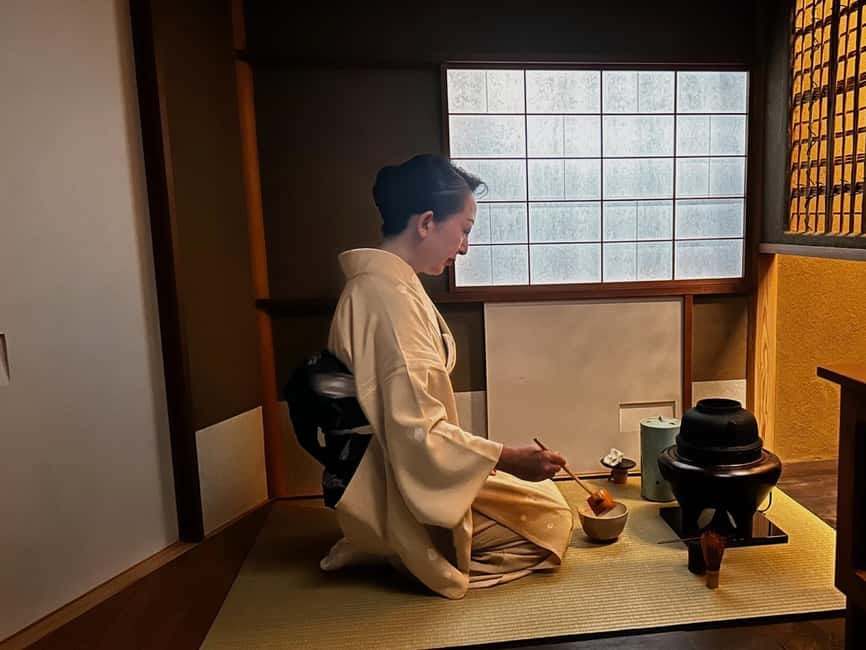
This session suits first-time visitors who want more than a quick look at a tea room. It is also a good choice if you enjoy learning how everyday objects and gestures carry cultural meaning. People interested in Japanese craft, food, hospitality, or etiquette will find plenty to take away.
It can also work well for returning visitors to Kyoto who have already seen the major sights and want a small-scale activity with local context. One past participant praised the history of Kyoto and tea traditions, as well as the careful detail of the ceremony. Another particularly valued the calm atmosphere, explanations, setting, and beautiful bowls. Those are the elements to focus on when deciding if this is your kind of hour.
The provider says it accommodates LGBTQ, Halal, vegan, and various allergy needs. Contact the provider about your specific dietary requirements before booking so the arrangements are clear. The activity is offered in English and Japanese, and cancellation is free up to 24 hours in advance. You can also reserve now and pay later.
Should you book it?
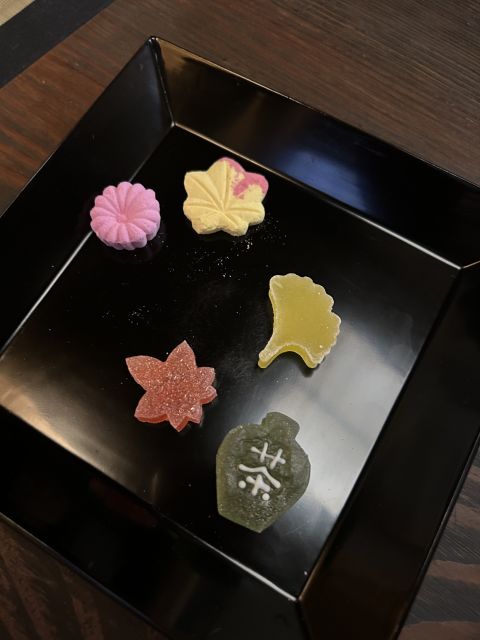
Book this if you want to understand the tea ceremony, not just watch one. Its best features are the personal setting, clear instruction, and chance to prepare matcha yourself. The nearby location also makes it easy to combine with Nijo Castle.
Think twice if you want a long, silent ceremony, a flexible dress code, or an activity for a child under 13. The hour can feel full, especially if you have many questions, and the tea room rules are specific. For a curious adult or private group willing to follow those customs, it offers a focused and worthwhile introduction to Kyoto’s tea culture.
FAQ
How long is the tea ceremony?
The experience lasts one hour, including the introduction, demonstration, hands-on matcha preparation, and time for questions.
How much does it cost?
The listed price is $101 per person.
How many cups of matcha are included?
Two cups of matcha are included. The tea is sourced from Uji, Kyoto.
Are sweets included?
Yes. The experience includes two kinds of traditional Japanese dried sweets.
What languages are spoken?
Instruction is available in English and Japanese.
Where is the meeting point?
The meeting point is Sakura Japanese Cultural Experience, about three minutes on foot from Nijo Castle, Nijōjō-mae subway station, and the Nijōjō-mae city bus stop.
What should I wear?
Wear socks and long trousers or a long skirt. Shorts, short skirts, sleeveless shirts, hats, jewelry, and bare feet are not allowed. Strong fragrance is also prohibited.
Can children join, and is the venue wheelchair accessible?
The experience is not suitable for children under 13. The venue is listed as wheelchair accessible.
Newly added in Kyoto
- Uji: Private immersion into Kyoto’s tea and reglious culture★ 5.0 · 17 reviews
- Whisk Your Own Matcha: A Zen Matcha Experience at Temple★ 3.6 · 7 reviews
- Kyoto tea town for matcha lovers★ 5.0 · 16 reviews
- Treasures of Kyoto: Gion & historical Walking Tour★ 5.0 · 6 reviews
- Kyoto Matcha Green Tea Tour★ 4.5 · 23 reviews
- Uji and Wazuka Matcha Farm Half Day Private Guided Tour★ 5.0 · 21 reviews
- Uji Tea Ceremony and UNESCO Heritage Walking Tour★ 5.0 · 20 reviews
- Utilising upcycled Matcha! Creating matcha incense (Uji, Kyoto)★ 5.0 · 6 reviews
Kyoto Tea Ceremonies, compared.
Tea Ceremony in a Traditional Tea House in Kiyomizu
Read our review →
World Heritage Kyoto & Nara Uji Authentic Matcha Experience
Read our review →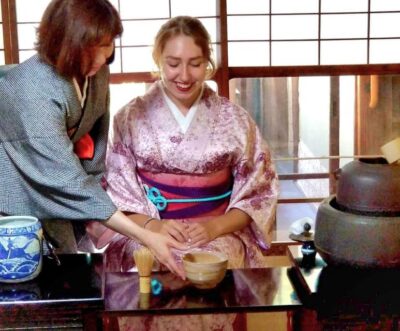

Arashiyama Bamboo Forest, Monkeys, Matcha & Temple Tour
Read our review →
Tea Museum Tickets and Matcha Grinding Experience
Read our review →Browse the lists this tour appears in