
Reviewed · KYOTO COOKING CLASSES
Kyoto: Small-Group Authentic Sushi Making Workshop
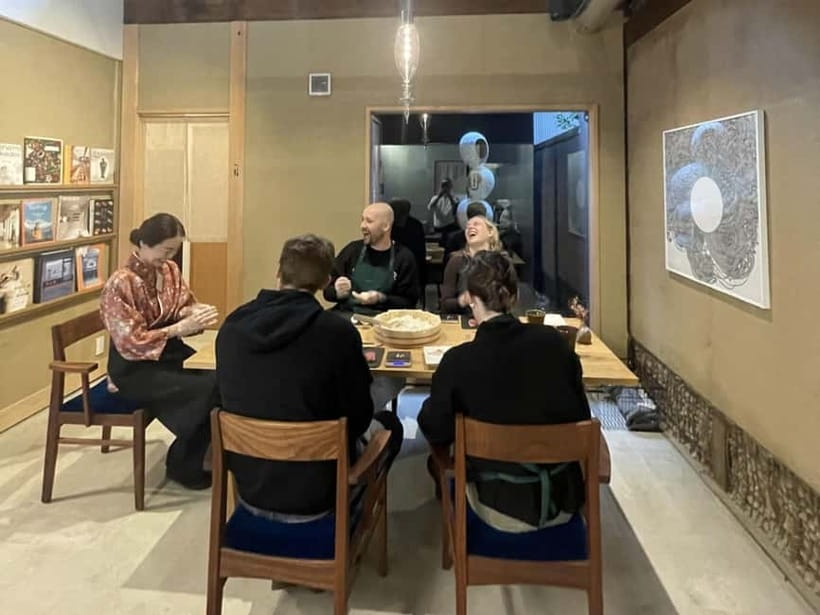
Kyoto’s small-group sushi class turns lunch into a practical lesson: you season rice, shape nigiri, and roll maki in a traditional townhouse, then eat what you’ve made. I like the cap of eight people, which leaves room for individual help, and the chance to ask Kana and her team about Japanese food and daily life as you work.
I also like that lunch, miso soup, and a small kit for making sushi at home are included in the $60 price. One consideration: the class is not suitable for vegetarians, and you won’t be learning how to cut whole fish. Tell the hosts about dietary restrictions when booking.
What makes this Kyoto sushi class worth your time
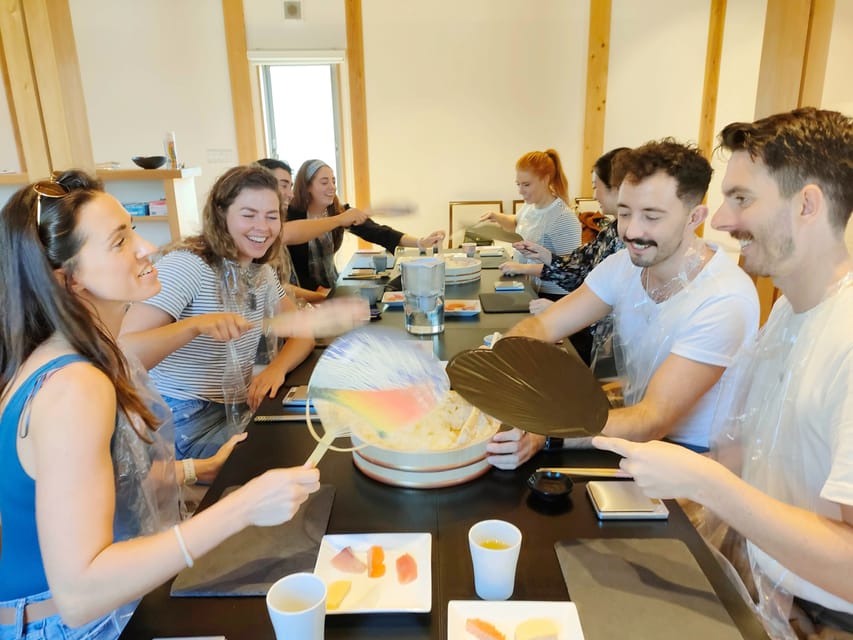
- A small class, with a maximum of eight: You have a better chance of getting personal guidance than in a large demonstration.
- Nigiri and maki, made by hand: You learn to season rice, shape rice for nigiri, and roll sushi, with gunkan also included in some sessions.
- Fresh ingredients with local ties: Fish has been sourced from Nishiki Market, and one family described the rice as grown by the instructor’s family.
- A relaxed, cultural conversation: Kana and her team share stories and answer questions about Japanese culture and Kyoto.
- Lunch plus a take-home kit: Eat your sushi with miso soup, then leave with a rolling mat, chopsticks, and a recipe card.
A townhouse setting near Kyoto’s famous sights
The class takes place in Kyoto Wand, a restored townhouse within walking distance of Kiyomizu-dera and Gion. It is also a short walk from Kiyomizu-Gojō Station on the Keihan Main Line, so you can fit the workshop into a day of sightseeing without making a separate trip across town.
The setting helps the experience feel more personal than a restaurant demonstration. You gather around the activity rather than watching a chef work from a distance, and the home-like atmosphere suits the unhurried pace. The location is useful, too: you can pair the class with a visit to nearby sights, or use it as a welcome break after a few days of temple steps and city walking.
Do check your route before setting off. The stated meeting point is the Kyoto Wand building, and the Google Plus Code is XQVC+J7 Kyoto. Hotel pickup and drop-off are not included, so plan to get there on your own.
More cooking classes in Kyoto:
- Ramen Cooking Class at Ramen Factory in Kyoto
★ 5.0 · 1,937 reviews - Sushi Making in Kyoto! Same-day bookings welcome!
★ 5.0 · 713 reviews - Kyoto: Ramen Cooking Class at a Ramen Factory with Souvenir
★ 4.9 · 532 reviews
A 90-minute lesson with room to ask questions
The workshop lasts 90 minutes and is conducted in English. The group is limited to eight, though the actual number can be smaller. That intimate size matters in a hands-on class: shaping rice and rolling maki are easier to learn when someone can watch your technique and offer a correction, rather than demonstrate once for a crowd.
Kana is the instructor most often associated with the class, and she may be joined by members of her team, including Aya or Ayumi. The team’s warmth and patience are a central part of the experience. They explain the steps clearly, give people time to try them, and welcome questions about food, local history, and Japanese culture. The conversation is not a separate lecture; it grows naturally around the table while you work.
The range of ages and experience levels appears broad. Beginners can follow the demonstrations, while people who already make sushi at home can ask about traditional technique and local ingredients. Families have also attended together, from children to grandparents. If you want a specialist course in professional sushi craft, this is a short introductory workshop, not an apprenticeship. Its appeal is learning useful fundamentals in a friendly setting.
Seasoning the rice and shaping your first nigiri
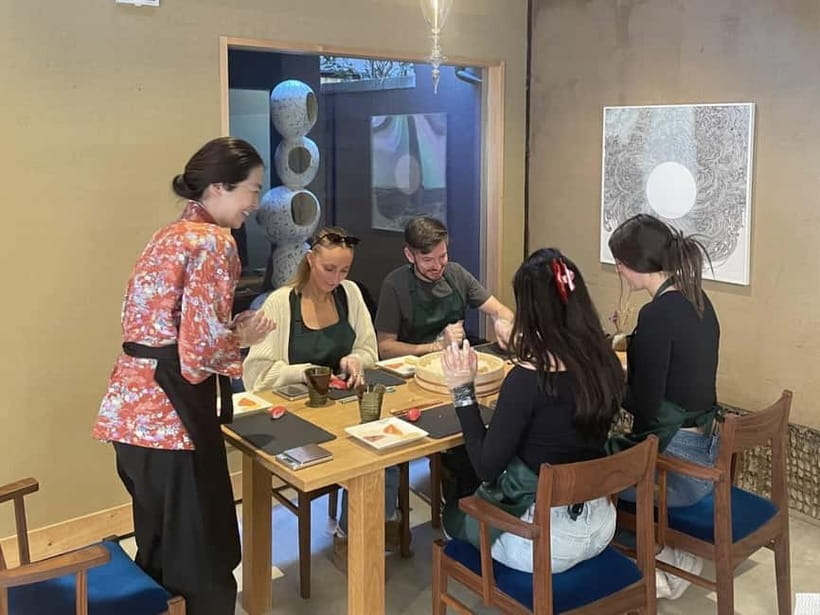
The first important task is preparing the rice. You learn how to season it before turning it into sushi, a step that can be easy to overlook when you make rolls at home. Good sushi depends on the rice as much as the fish, and the class gives you a chance to handle it rather than simply watch a host prepare it.
From there, you work on nigiri, the hand-shaped rice topped with fish or another ingredient. The technique takes a light touch: the aim is to form the rice without crushing it. Kana demonstrates and guides you as you practise, so you can adjust your grip and shape with help nearby. You don’t need prior experience, and the class is designed to make the process manageable for beginners.
The fish and other ingredients are prepared for use in the workshop. That keeps the focus on rice, shaping, and assembly, rather than fish butchery. If learning to fillet or cut fish is your main goal, this class does not appear to cover that skill. For most first-time sushi makers, though, spending the limited time on the elements you can repeat at home is a sensible trade.
Rolling maki, with other sushi to try
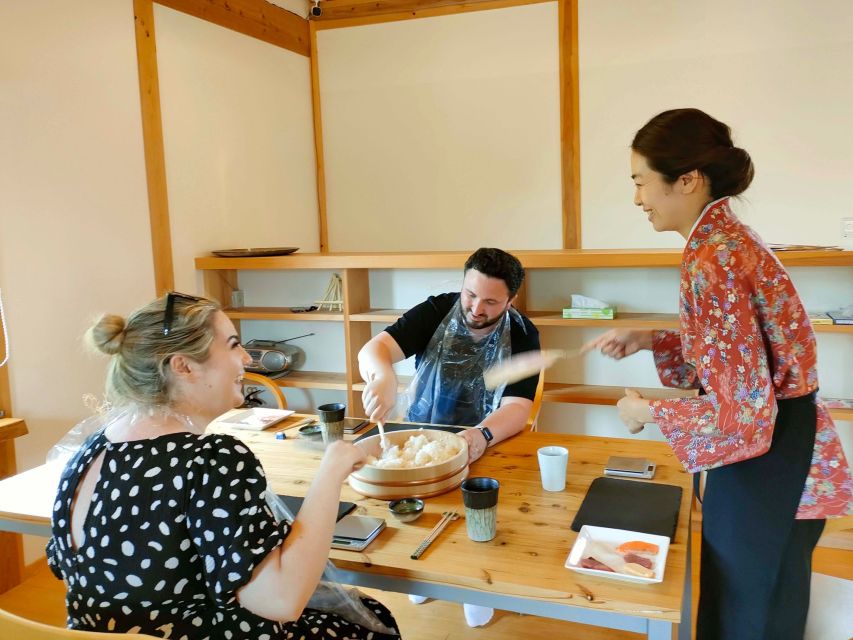
You also make maki, the familiar rolled sushi wrapped in nori. The rolling mat in your take-home bag is useful here: you can practise the same basic movement again at home, with the recipe card to help you remember the steps. The workshop focuses on doing the work yourself, not just watching a finished roll appear.
Some sessions have also included gunkan, a style of sushi with a band of nori around the rice to hold a topping. The exact range of ingredients and sushi shapes may vary, so it is best to think of nigiri and maki as the core skills rather than count on a fixed menu of every type.
The ingredient quality is part of the lesson. Fresh fish has been sourced from Nishiki Market, and one family noted that the rice came from Kana’s family. Those details offer a useful connection between the technique and the food culture around you. They also make the meal more than a practice exercise: you are learning with ingredients chosen for eating, not merely for demonstration.
More food tours in Kyoto:
- Kyoto Night Foodie Tour in Gion (9+ dishes + 6 Sake tastings)
★ 5.0 · 1,762 reviews - Kyoto: Izakaya Bars Guided Walking Tour
★ 4.9 · 815 reviews - Kyoto: Insider Sake Brewery Tour with Sake and Food Pairing
★ 5.0 · 704 reviews - Kyoto: Ramen, Gyoza, and Onigiri Cooking Class
★ 5.0 · 445 reviews
Lunch is the satisfying finish
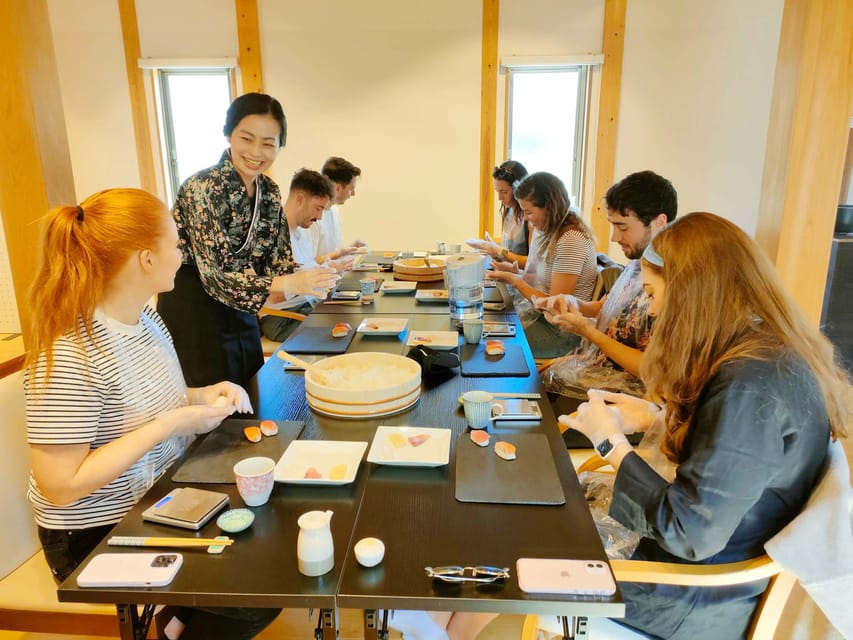
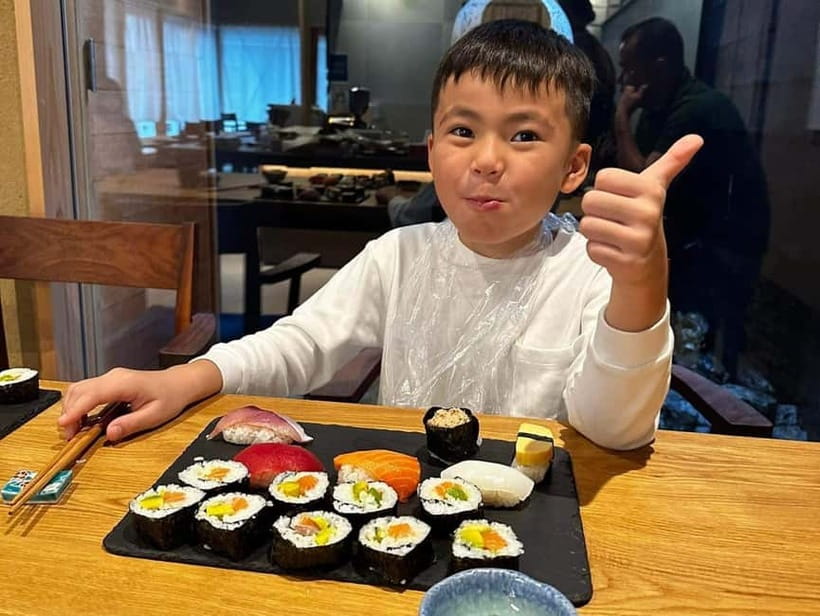
Once the sushi is made, you sit down to eat it with miso soup. The meal is part of the $60 price, and the quantity can be generous. Plan this as lunch rather than a quick snack, and consider arriving hungry. You may leave very full, particularly if you are inclined to finish every piece you make.
There is a simple pleasure in eating something you have shaped yourself, even if the first pieces look less tidy than the instructor’s. You can taste the rice, fish, and other ingredients together and see how the techniques you just practised affect the result. It is an immediate reward for a short lesson, and it makes the class feel complete rather than like a demonstration followed by a shopping stop.
Miso soup is included, but the experience is not described as a broad Japanese cooking course. You are here for sushi, with conversation and cultural context alongside it. That focus is a strength if you want a clear, hands-on activity. If you are hoping to prepare a full multi-course meal, choose a different class.
The people and conversation are part of the experience
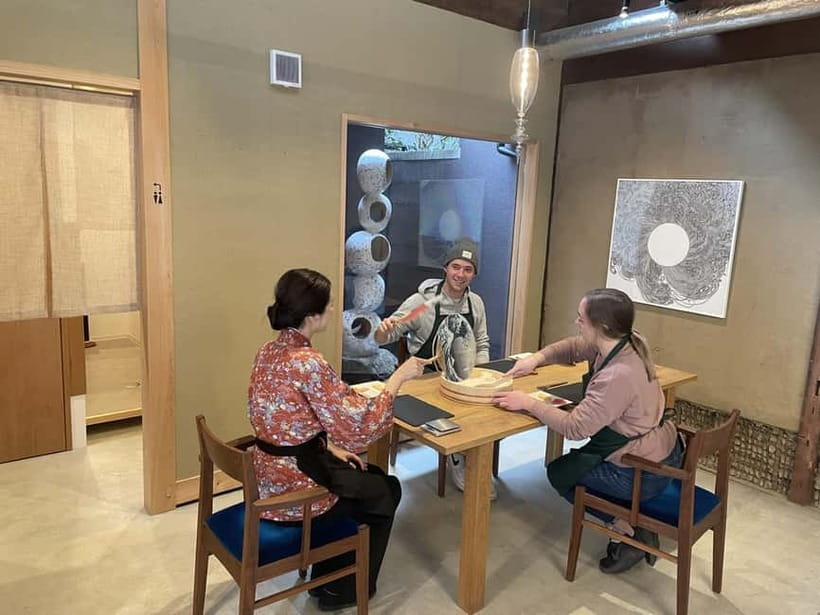
Kana and her co-hosts are not simply there to explain hand movements. They help set a welcoming tone, answer questions, and share personal or local perspectives. Past sessions have included discussion of Kyoto, Japanese history, food, and everyday culture, as well as practical tips for exploring the city.
That conversational element is particularly useful if you are visiting Japan for the first time. You can ask questions as they come to mind, without needing to commit to a long cultural lecture. The class also gives you time around a table with a small international group, which can make it a pleasant social pause in a busy sightseeing schedule.
The hosts’ approach is warm and attentive, but the experience is still a scheduled 90-minute activity. One group stayed well beyond the class chatting, but you should not assume that extra time will always be possible. If you have a train, dinner reservation, or temple visit planned immediately afterward, leave a little breathing room rather than relying on a longer conversation.
Is $60 good value?
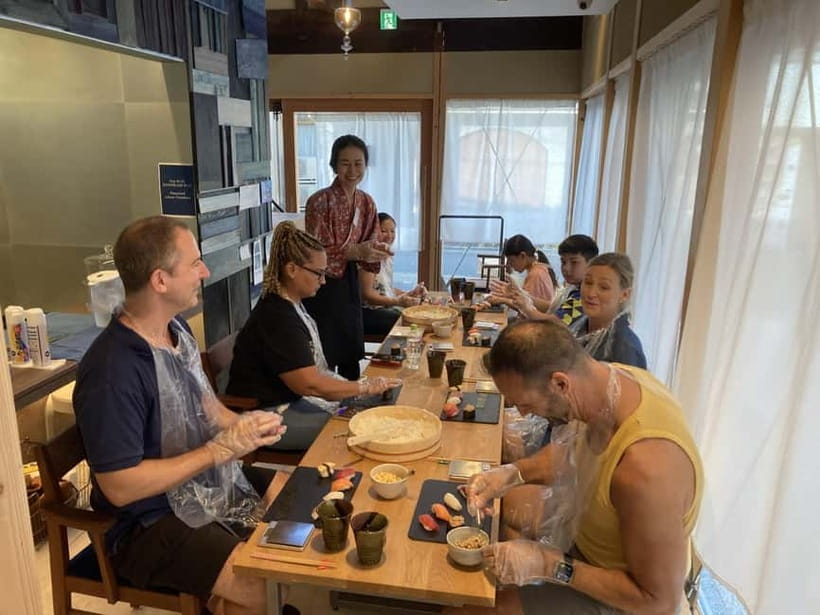
At $60 per person, the price includes the English-language workshop, the sushi you make for lunch, miso soup, disposable gloves and an apron, plus a gift bag with a rolling mat, chopsticks, and recipe card. You are paying for instruction, ingredients, a meal, and tools you can use again, not just a short cooking demonstration.
The value is strongest if you want both a cultural activity and a practical skill. The small group size makes the instruction more personal, while the meal and take-home kit extend the experience beyond the class itself. If you only want a low-cost lunch, a restaurant will be cheaper. If you want a chance to learn, ask questions, and make the food yourself, the added cost has a clear purpose.
A few limits are worth weighing. The session is brief, and you will not be cutting the fish yourself. Vegetarians cannot take part, wheelchair users are not suited to the activity, and hotel transport is not included. If you have dietary restrictions, tell the hosts when booking rather than waiting until you arrive.
Who will enjoy this workshop most
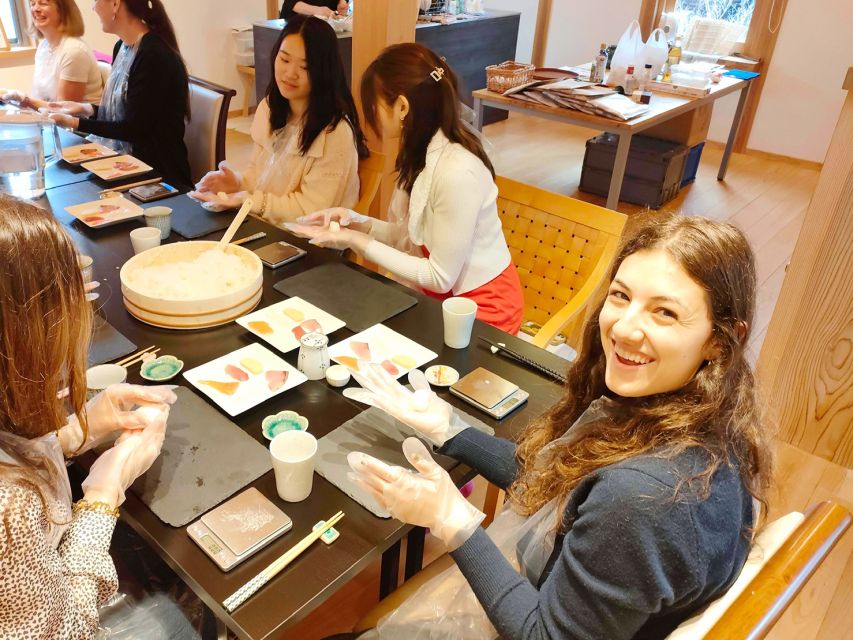
I’d recommend the class to curious beginners, sushi fans who want to improve their home technique, and families looking for an activity that gives everyone something to do. The clear demonstrations and patient help make it accessible even if your only sushi-making experience is ordering a roll. For children, family participation is possible, though the information provided does not set a minimum age.
It also suits people who want a less formal cultural experience. You learn a few techniques while hearing about Japanese food and life from local hosts, all in a traditional townhouse near well-known Kyoto sights. It offers a welcome change of pace if your itinerary is heavy on temples, museums, and walking.
I would skip it if you are vegetarian, need a wheelchair-accessible activity, or are specifically looking for fish-cutting instruction. And if your schedule is tight, remember the class itself takes 90 minutes, with no hotel transfer. The workshop is best when you can give it your full attention and enjoy the meal afterward without rushing off.
FAQ
How long is the sushi-making workshop?
The class lasts 90 minutes. Starting times vary, so check availability for your preferred date.
Is the class taught in English?
Yes. The workshop is conducted in English.
What sushi will I learn to make?
You will learn to season rice and make nigiri and maki rolls. Gunkan has also been made in some sessions, but the core listed types are nigiri and maki.
Is lunch included?
Yes. You eat the sushi you make, and miso soup is included.
Where does the class meet?
The workshop takes place at the Kyoto Wand building, a short walk from Kiyomizu-Gojō Station on the Keihan Main Line. The Google Plus Code is XQVC+J7 Kyoto.
Can vegetarians or wheelchair users take part?
The activity is not suitable for vegetarians or wheelchair users. If you have other dietary restrictions, advise the hosts when booking.
Should you book it?
Book this class if you want a hands-on lunch, a small group, and a friendly way to learn sushi basics in Kyoto. The combination of rice and roll-making, fresh ingredients, cultural conversation, and a take-home kit makes $60 reasonable for someone who values the activity as much as the meal. Skip it if you need a vegetarian or wheelchair-accessible option, or if your main goal is learning to cut fish.
More craft workshops in Kyoto
- Kyoto : Chopsticks Making Workshop in Gion with Engraving Option
★ 5.0 · 958 reviews - Kyoto: Calligraphy class at Buddhist temple in city center
★ 5.0 · 167 reviews - Kyoto: Beginner Knife Sharpening & Handle Fitting Workshop
★ 4.9 · 141 reviews - Kyoto: Japanese Archery Workshop with Experienced Instructor
★ 4.9 · 132 reviews
Newly added in Kyoto
- Uji: Private immersion into Kyoto’s tea and reglious culture★ 5.0 · 17 reviews
- Whisk Your Own Matcha: A Zen Matcha Experience at Temple★ 3.6 · 7 reviews
- Kyoto tea town for matcha lovers★ 5.0 · 16 reviews
- Treasures of Kyoto: Gion & historical Walking Tour★ 5.0 · 6 reviews
- Kyoto Matcha Green Tea Tour★ 4.5 · 23 reviews
- Uji and Wazuka Matcha Farm Half Day Private Guided Tour★ 5.0 · 21 reviews
- Uji Tea Ceremony and UNESCO Heritage Walking Tour★ 5.0 · 20 reviews
- Utilising upcycled Matcha! Creating matcha incense (Uji, Kyoto)★ 5.0 · 6 reviews
Kyoto Cooking Classes, compared.
Ramen Cooking Class at Ramen Factory in Kyoto
Read our review →
Sushi Making in Kyoto! Same-day bookings welcome!
Read our review →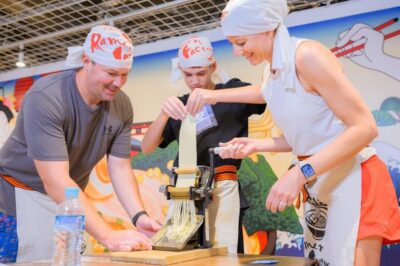
Ramen Cooking Class at a Ramen Factory with Souvenir
Read our review →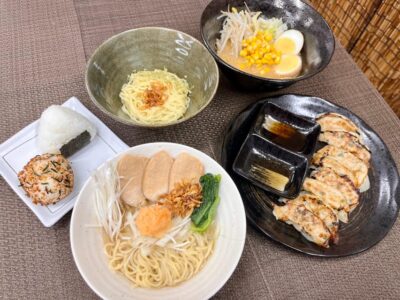
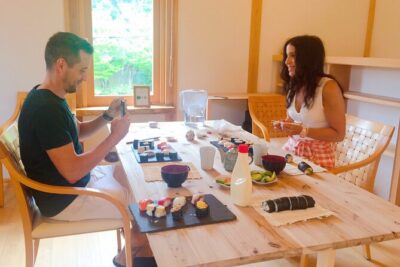
The Original Small-Group Sushi Making Class in Kyoto
Read our review →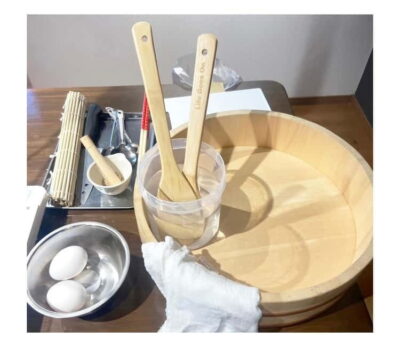
Japanese Washoku Bento Small Group Cooking Class
Read our review →
Japanese Traditional Sweets Making and Tea Ceremony
Read our review →
Kyoto Ramen and Gyoza Cooking Class with Professional Chefs
Read our review →Browse the lists this tour appears in