
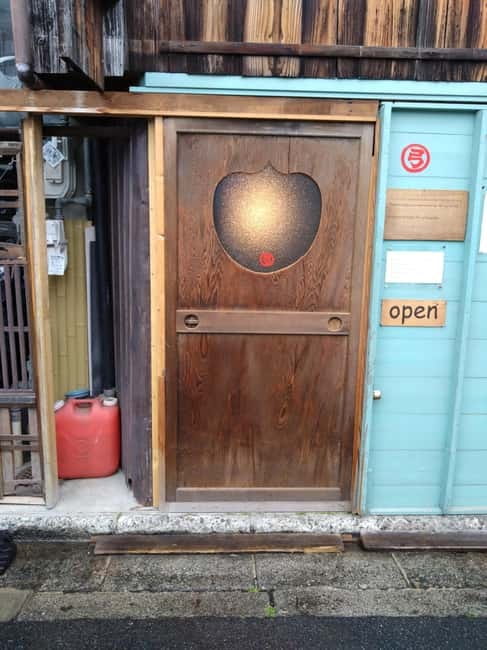
Reviewed · KYOTO CRAFT WORKSHOPS
Kyoto: Japanese Archery Workshop with Experienced Instructor
Kyudo is not simply a matter of pulling a bowstring and aiming. In this small Kyoto studio, Yamaguchi-sensei teaches the measured sequence of stance, bow hold, and release, drawing on more than 50 years of practice and a 6th-grade Kyoshi teaching rank. You get to try the equipment yourself, not just watch a demonstration.
I like two things in particular: the close, patient coaching makes a difficult art approachable, and the lesson includes Kyudo’s history and spirit, not just the mechanics of shooting. With no more than four participants, there is room for individual help.
One consideration: the instructor speaks Japanese, and his English may be limited. English materials and an assistant can help, but let the team know in advance if you have concerns about hands-on guidance, since the instructor demonstrates stance and bow hold by touch.
- A 50-year practitioner leads the lesson: Yamaguchi-sensei brings decades of Kyudo practice and a 6th-grade Kyoshi teaching rank.
- You try the bow early: This is a hands-on session, with the instructor guiding your form as you learn.
- Four participants at most: A small group means more individual attention and time to practice.
- The lesson goes beyond aiming: Learn about Kyudo’s history, technique, and peaceful, reflective ethos.
- English support is available: Expect Japanese instruction, English materials, and help from an assistant.
- Come ready to move: Wear comfortable clothes, and follow the precise entrance directions to find the studio.
A first lesson in Kyudo, not just archery
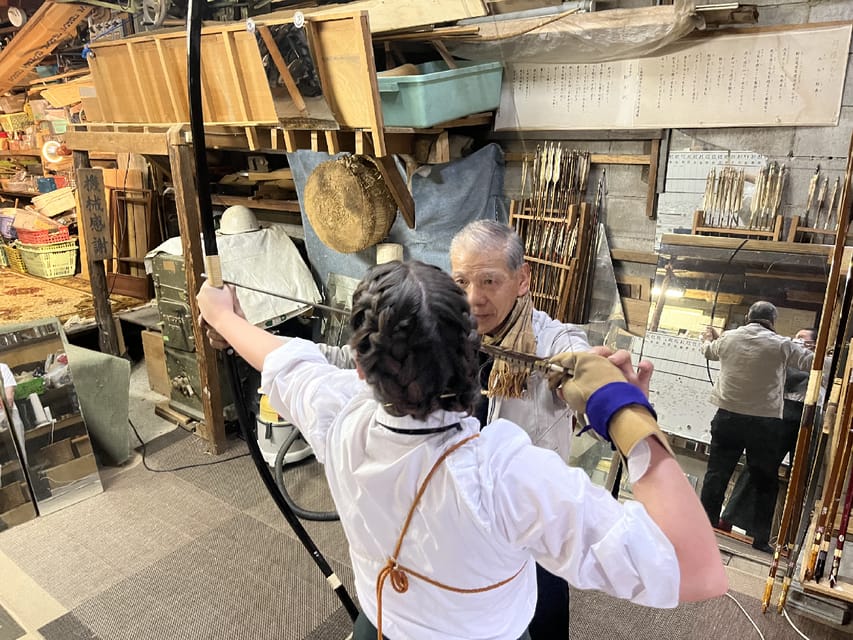
Kyudo is Japanese archery, but this hour treats it as a traditional martial art with its own form and rhythm. You learn how to stand, hold the bow, and follow the sequence of movements, as well as how to use the equipment. The steps may feel deliberate and unfamiliar, and that is part of the point: good form matters as much as where the arrow lands.
The instructor’s experience gives the lesson substance. Yamaguchi-sensei has practiced for more than 50 years and holds the rank of Kyoshi 6th grade. That is a rare chance to learn directly from someone with a long relationship to the art, rather than getting a quick introduction from a general activity leader.
The session is beginner-friendly, but do not expect Kyudo to feel easy straight away. One participant described the bow as heavier than the bows commonly used in Europe, and the technique itself takes coordination. The instructor’s patience is useful here. You are not expected to master the art in an hour; you are there to understand its demands and try its fundamentals.
What happens during the one-hour session
The lesson begins with an introduction to Kyudo and the tools used in practice. English materials help explain the art’s history and ideas, while the instructor demonstrates how to approach the bow. Expect instruction in stance, bow hold, and the movements that lead into a shot.
This is a practical class rather than a lecture. You begin trying the motions early, with the instructor close by to correct your position and help you work through the sequence. The small group cap of four is a real advantage: there is less waiting than in a large class, and the teacher can give each person attention as they practice.
As the lesson progresses, the aim is not only to send an arrow toward a target. You are learning to coordinate several deliberate actions and to stay calm while doing them. One participant likened the opening movements to a martial arts kata and found the practice meditative. That comparison helps explain why Kyudo can feel different from recreational target shooting.
You may find the technique tricky at first. That is normal, and a good reason to listen closely rather than rush. The instructor is described as encouraging and patient, and the assistant can help explain points in English. You will likely leave with a clearer sense of how much control and repetition the art asks of its practitioners.
More craft workshops in Kyoto:
- Kyoto : Chopsticks Making Workshop in Gion with Engraving Option
★ 5.0 · 958 reviews - Kyoto: Calligraphy class at Buddhist temple in city center
★ 5.0 · 167 reviews - Kyoto: Beginner Knife Sharpening & Handle Fitting Workshop
★ 4.9 · 141 reviews
Personal coaching and the language question
The instructor’s language is listed as Japanese. The experience includes English materials, and an assistant has helped interpret and explain the lesson in English. Some participants have found that support clear and thorough, including explanations of the cultural and spiritual ideas behind individual movements.
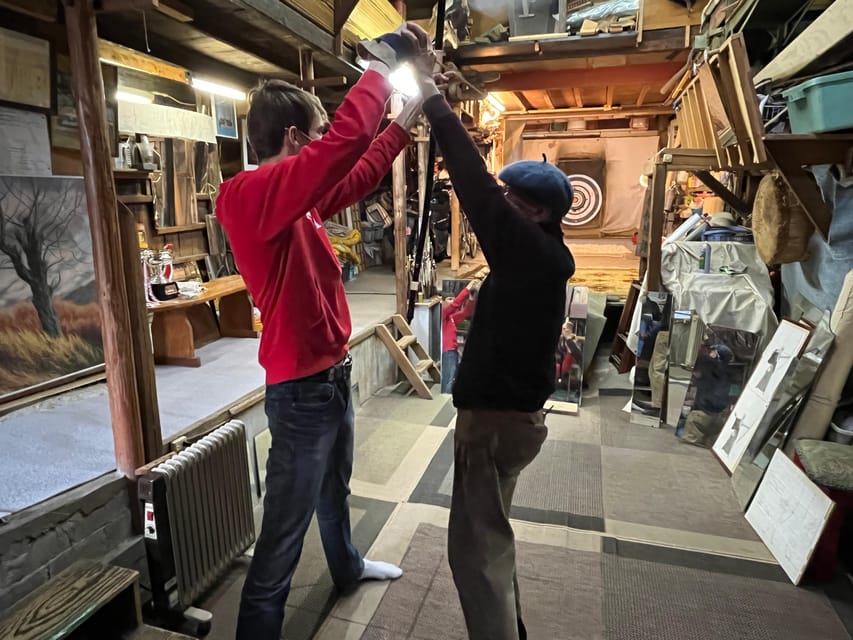
Still, set your expectations sensibly. The instructor may not speak fluent English, so communication can rely on an assistant, demonstrations, gestures, and your willingness to ask questions. The provider encourages you to raise doubts with the teacher, who is described as friendly and keen to teach. If you prefer not to receive hands-on correction, tell the team ahead of time. The instructor uses touch to demonstrate correct stance and bow hold.
That hands-on approach is valuable in an activity where a small adjustment can change how you handle the bow. It may not suit everyone, though. Knowing about it before you arrive gives you a chance to say what you are comfortable with and avoid an awkward surprise.
The bows, the target, and the learning curve
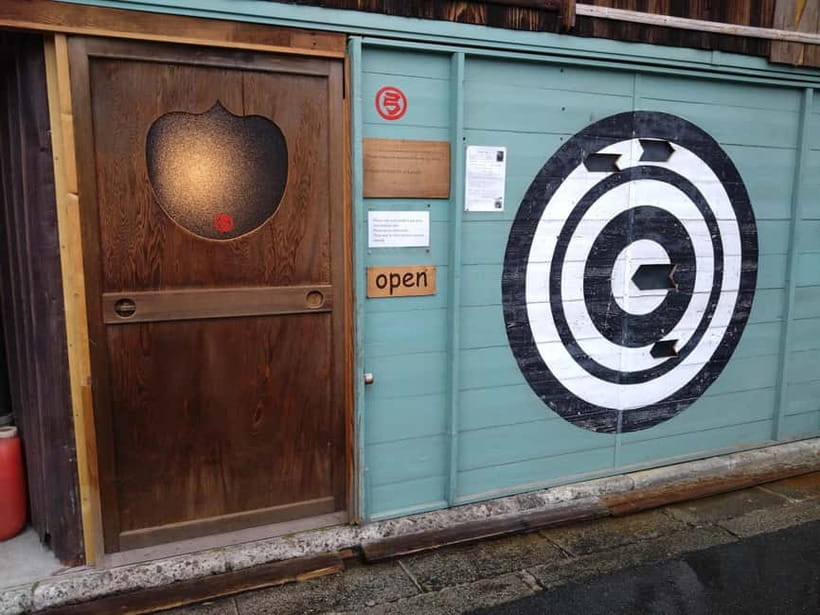
The equipment is included, so you do not need to bring a bow or other Kyudo gear. The bows are notably tall and can feel heavier than equipment you may know from other forms of archery. A smaller bow was available for a seven-year-old participant, but it is sensible to ask ahead about your own child’s needs rather than assume every size or adjustment is available.
The lesson gives you a chance to handle the bow and try shooting under guidance. Do not come expecting a string of effortless bullseyes. Kyudo demands more than strength: stance, grip, and a controlled sequence all matter. One participant found it extremely difficult but still enjoyed the chance to learn, while another described gaining confidence step by step. That is a fair picture of what a first session can offer.
There is a satisfying balance between challenge and encouragement. You will have a chance to make attempts, and the instructor can help when you struggle. A family of four reported that everyone managed to hit the target at least once, but treat that as a happy possibility, not a promise. The more useful result is understanding why each movement matters.
The history and spirit behind the movements
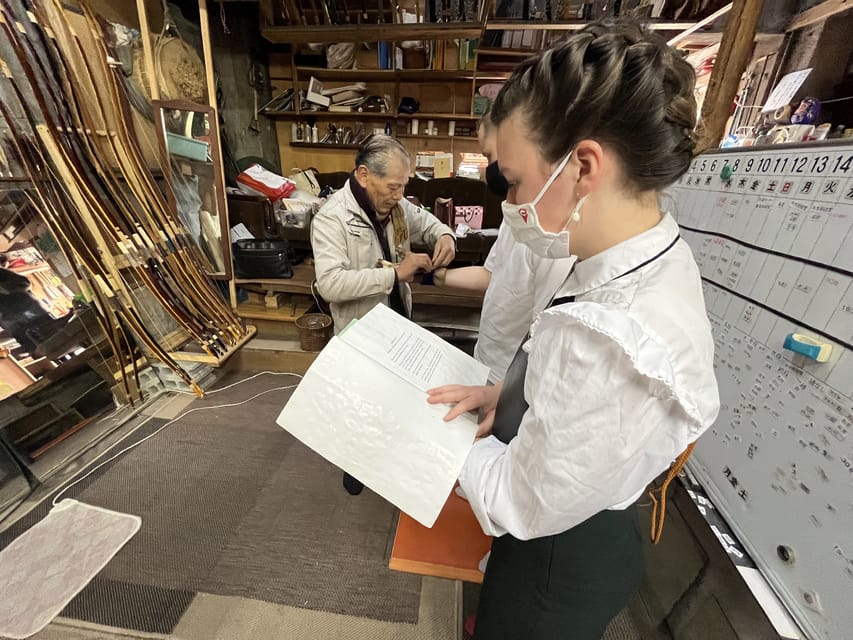
The cultural context is part of the value here. Kyudo is described as an art with a tradition dating back around 1,000 years, and the lesson explores its history along with the practice’s peaceful message. The physical sequence can seem almost ceremonial, but it is not just an elaborate way to shoot an arrow. Form, attention, and composure are central to the experience.
That makes this a good choice if you want a Kyoto activity that offers more than a photo opportunity. You handle traditional equipment, but you also get a short introduction to the ideas attached to it. The session’s focus on patience and calm may appeal to you even if you have little interest in taking up archery after the class.
At the same time, an hour can only introduce the subject. You will not gain a full understanding of Kyudo’s training or history in one visit, and there is limited time to repeat each movement. Think of this as a thoughtful first encounter, not an intensive course.
More Kyoto tours in Kyoto:
- PERFECT KYOTO 1-Day Bus Tour
★ 5.0 · 13,518 reviews - Kyoto: Fushimi Inari, Kinkakuji, Bamboo Grove 1 Day Bus Tour
★ 4.8 · 4,316 reviews - Kyoto: Tea Ceremony in a Traditional Tea House in Kiyomizu
★ 4.9 · 3,519 reviews - Kyoto Geisha Walking Tour: Gion District & Hidden Gems
★ 4.7 · 3,273 reviews
A small group changes the feel
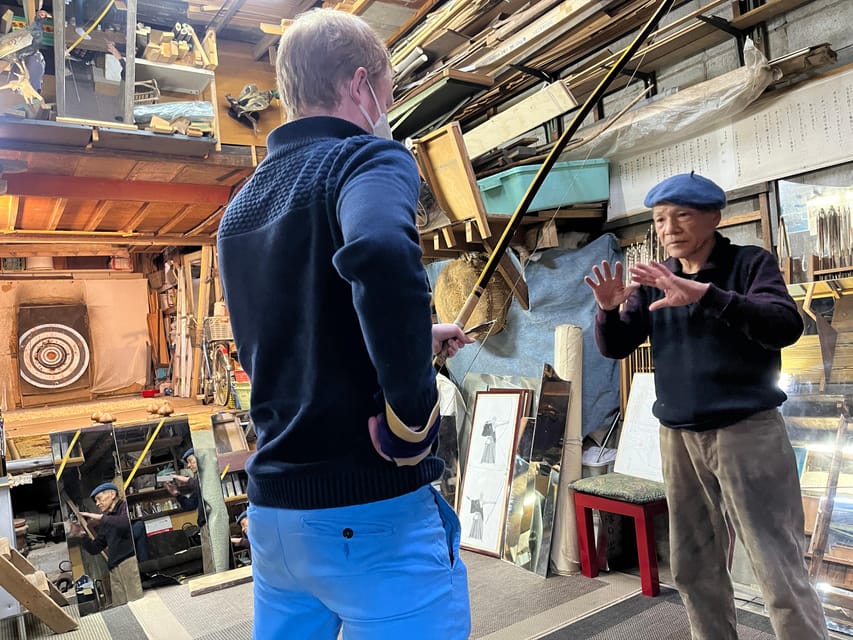
With a limit of four participants, the workshop has a personal scale. You are not part of a crowd waiting for a quick turn with the bow. The instructor can watch your movements, offer corrections, and give you time to ask questions. That intimacy suits an art where the details of posture and handling matter.
The small format also makes the session feel more like a lesson than a show. You are expected to take part, pay attention, and try the technique. If you prefer watching a demonstration without physical instruction, this may not be the right fit. The instructor’s hands-on coaching is central to how the class works.
Families with older children may find it a good shared activity. A family with teenagers described the session as suitable, and one family brought a seven-year-old who used a smaller bow. Since space is limited, only participants should attend. If you are bringing children or have questions about their participation, ask the provider before booking.
Is $38 good value for an hour?
At $38 per person, the price includes the Kyudo lesson, an experienced instructor, and all required equipment. There is no hotel pickup or drop-off, so transport to the studio is your responsibility. The value lies less in the length of the class than in the combination of small-group attention, a seasoned teacher, and the chance to try an art that is not commonly part of a standard Kyoto sightseeing day.
For comparison, a large introductory activity might offer more time or more shots, but this workshop puts emphasis on instruction and context. You are paying for an hour with a highly experienced practitioner and a chance to learn basic form directly. If you want a polished performance or a long practice session, the short duration may disappoint. If you want a focused introduction with real coaching, the price is reasonable.
The session can also be a welcome change of pace from temples and busy streets. It is indoors at a local studio, and the class is compact enough to fit around other plans. Build in time to reach the meeting point, since the entrance instructions are unusually specific and easy to get wrong if you follow a map pin without checking.
Finding the studio in central Kyoto
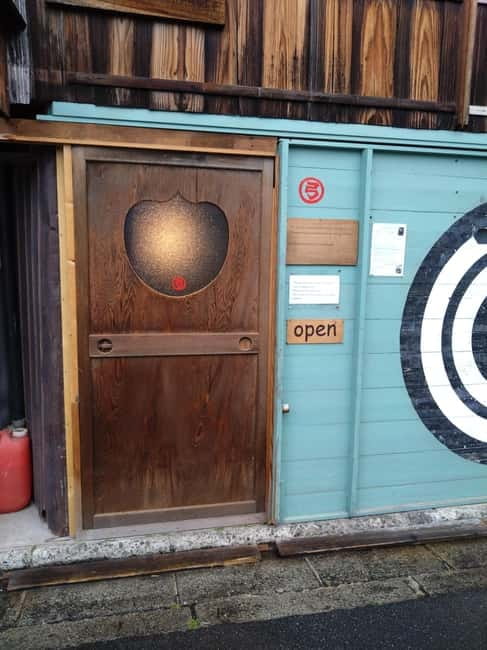
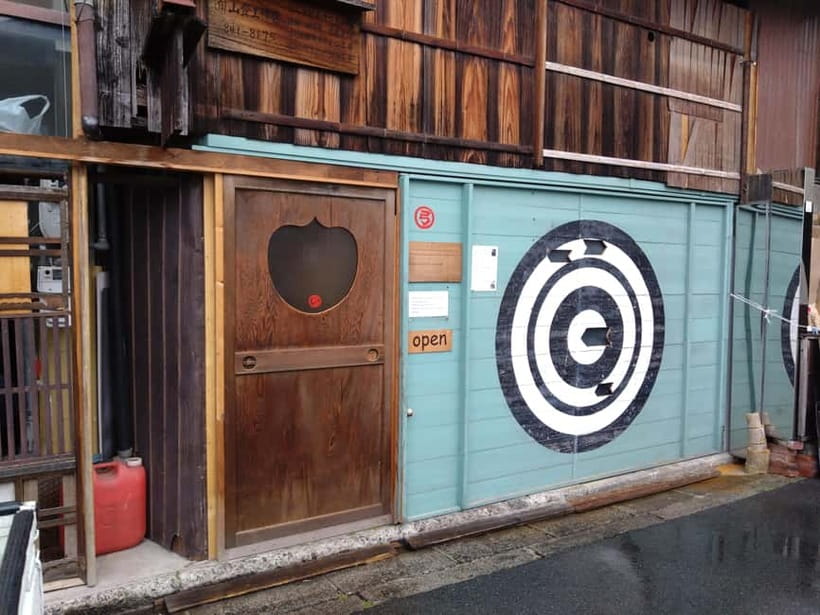
The studio is called からくり弓道体験場. It is about a 10-minute walk from JR Tambaguchi, Hankyu Omiya, or Randen Shijo-Omiya station. For Google Maps, search using the Japanese name or Kyudo Experience Kyoto, and compare the map result with the address supplied when you book.
Pay close attention at the entrance: there are no doorbells. The entrance is on the side of the building, opposite a small parking lot. Do not try other doors or ring doorbells. If you take a taxi, tell the driver Mibugawa-street, Takatsuji-street rather than relying on the address.
Wear comfortable clothes that let you move freely. The activity has limited space, so only people taking part should attend. Check the available start times when booking. You can reserve now and pay later, and cancellations made at least 24 hours in advance qualify for a full refund.
Who will enjoy this Kyoto experience
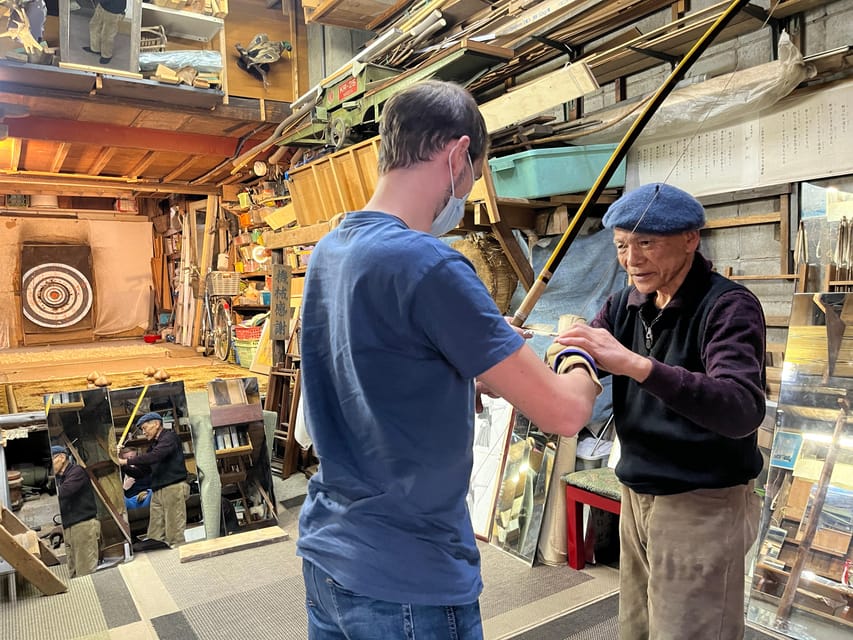
I would choose this class if you are curious about Japanese culture and want to take part in something rather than only observe it. It is especially suited to people who enjoy learning a physical skill, appreciate patient instruction, or want a quieter activity with a strong cultural thread. You do not need previous archery experience.
It can also work well for families with children, though the small space and hands-on format make it important to check suitability in advance. A smaller bow has been available for a young child, and teenagers have taken part successfully. The group limit gives everyone a better chance to receive attention than a crowded class would.
You may want to skip it if your main goal is a long stretch of target practice, if you are uncomfortable with hands-on instruction, or if you need a fully English-speaking instructor. English support is part of the experience, but the instructor’s language is Japanese. The class is brief, and the unfamiliar form can be demanding.
Should you book the Kyudo workshop?
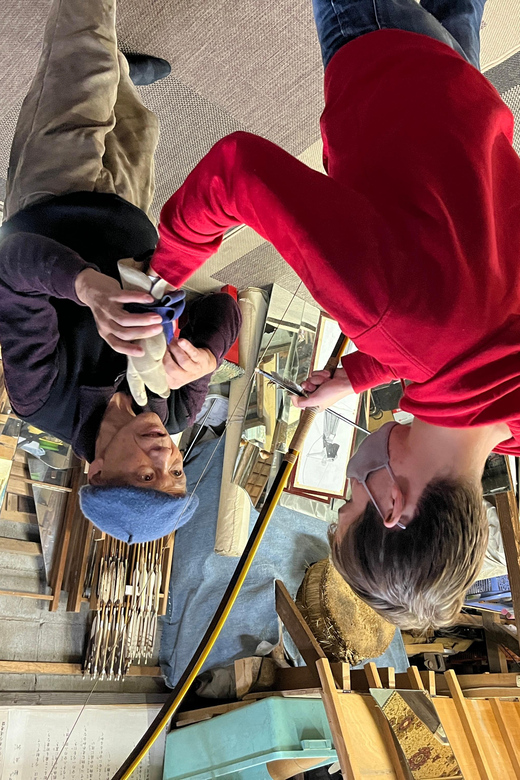
Book it if you want a compact, participatory introduction to a traditional Japanese art, and you are happy to learn through demonstration, practice, and some language bridging. The instructor’s decades of experience, the four-person cap, and the attention to Kyudo’s mindset make this more than a quick go at archery.
Before reserving, consider the Japanese-language instruction, the possibility of hands-on correction, and the one-hour format. Wear clothes you can move in, confirm any questions about children or physical comfort with the provider, and follow the entrance directions carefully. If those details suit you, this is a distinctive way to spend an hour in Kyoto.
FAQ
How long is the Kyudo workshop?
The session lasts one hour.
How much does the experience cost?
The listed price is $38 per person.
How many people can join the class?
The small group is limited to four participants.
What language does the instructor speak?
The instructor is listed as Japanese-speaking. English materials are provided, and an assistant has helped explain and translate during sessions.
Is the workshop suitable for beginners?
Yes. It is presented as a beginner-friendly introduction, and no previous Kyudo experience is specified as necessary.
What equipment is included?
The lesson and all required Kyudo equipment are included.
What should I wear?
Wear comfortable clothes that allow you to move freely.
Can children take part?
Children have taken part, including a seven-year-old who used a smaller bow. Ask the provider about your child’s needs before booking.
How do I find the meeting point?
Search for からくり弓道体験場 or Kyudo Experience Kyoto, then compare the result with the address supplied for the activity. The entrance is on the side of the building opposite a small parking lot, and there are no doorbells.
Is hotel pickup included?
No. Hotel pickup and drop-off are not included.
Newly added in Kyoto
- Uji: Private immersion into Kyoto’s tea and reglious culture★ 5.0 · 17 reviews
- Whisk Your Own Matcha: A Zen Matcha Experience at Temple★ 3.6 · 7 reviews
- Kyoto tea town for matcha lovers★ 5.0 · 16 reviews
- Treasures of Kyoto: Gion & historical Walking Tour★ 5.0 · 6 reviews
- Kyoto Matcha Green Tea Tour★ 4.5 · 23 reviews
- Uji and Wazuka Matcha Farm Half Day Private Guided Tour★ 5.0 · 21 reviews
- Uji Tea Ceremony and UNESCO Heritage Walking Tour★ 5.0 · 20 reviews
- Utilising upcycled Matcha! Creating matcha incense (Uji, Kyoto)★ 5.0 · 6 reviews
Kyoto Craft Workshops, compared.
Chopsticks Making Workshop in Gion with Engraving Option
Read our review →
Calligraphy class at Buddhist temple in city center
Read our review →
Beginner Knife Sharpening & Handle Fitting Workshop
Read our review →
Kyoto Michelin Ramen Workshop or Painting Ramen Essentials
Read our review →
Browse the lists this tour appears in