
Reviewed · KYOTO TEA CEREMONIES
Kyoto: Tea Ceremony Experience in a Small Tea Room
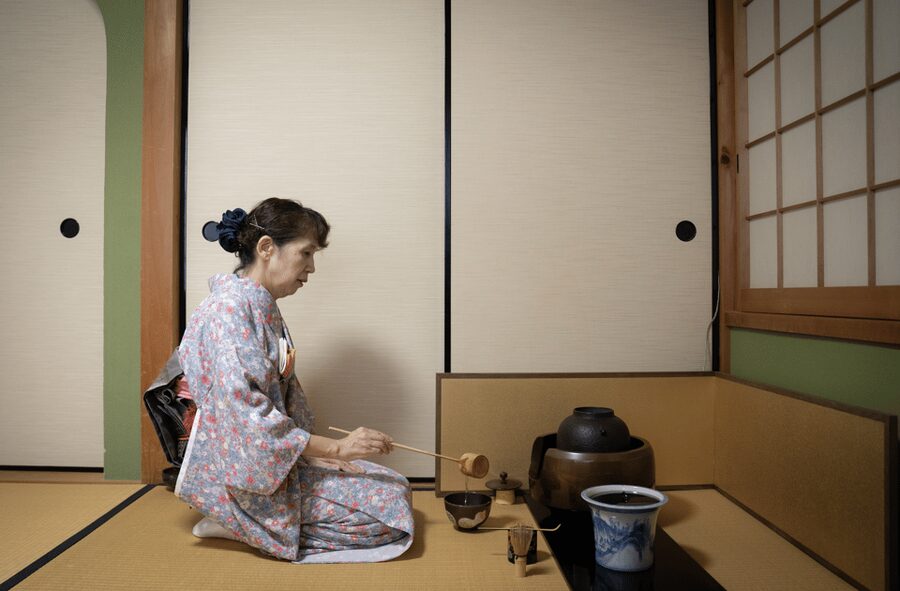
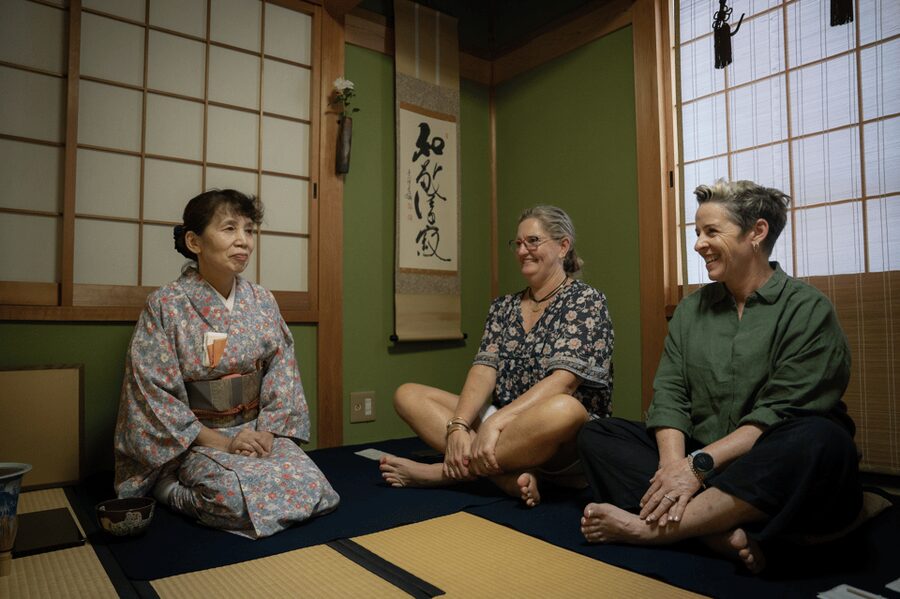
Kyoto’s tea ceremony can feel like a world of rules from the outside. Here, a teacher with 30 years of experience makes the practice approachable, guiding you through matcha preparation in a small room where you can focus on the gestures, the tea, and the moment.
I like two things in particular: you can whisk your own matcha instead of only watching, and the group is capped at six, so there is room to ask questions. The setting is also a pleasant fit for a walk around Kamogawa Delta, about 15 minutes away on foot.
One consideration: this is a one-hour introduction, not a long study of tea culture. If you want an extensive lesson or a full-day cultural program, you may need to look elsewhere. The ceremony itself is the point, and the pace is deliberately calm.
What to know before you book
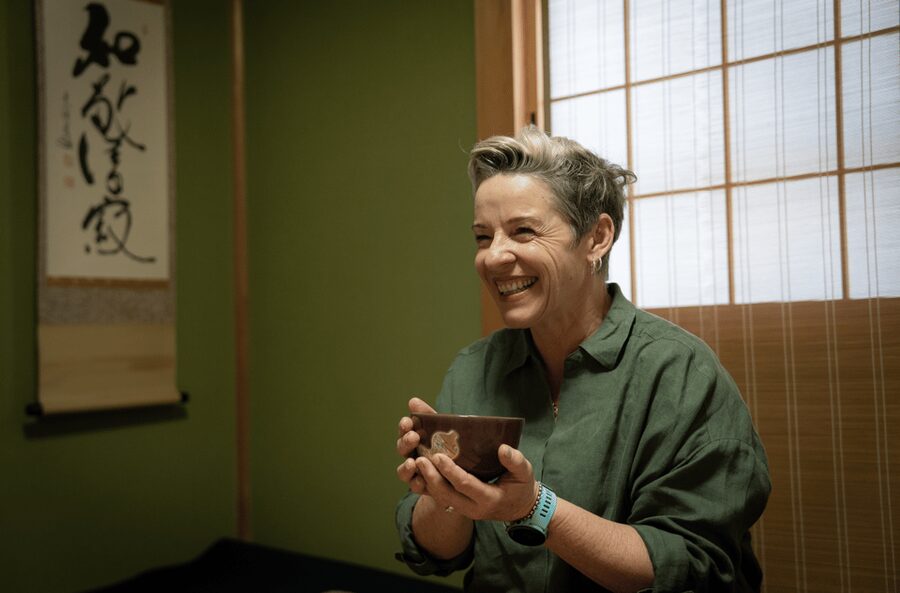
- A tea teacher with decades of experience: The instructor brings more than 30 years of experience to an introduction designed for beginners as well as people who already know a little about tea.
- A chance to make your own matcha: You can learn the basic preparation steps, including whisking the powdered tea, with the teacher guiding you.
- A small group of no more than six: The limited size gives you a more personal setting than a large demonstration.
- A quiet location near the Kamogawa Delta: The tea room is about a 15-minute walk from the riverside meeting point and scenery.
- Matcha and dried sweets are included: You do not need to arrange your own tea or accompaniment for the session.
- A practical one-hour cultural stop: At $38 per person, it can fit neatly into a Kyoto day without taking up half of it.
A small tea room, not a grand performance
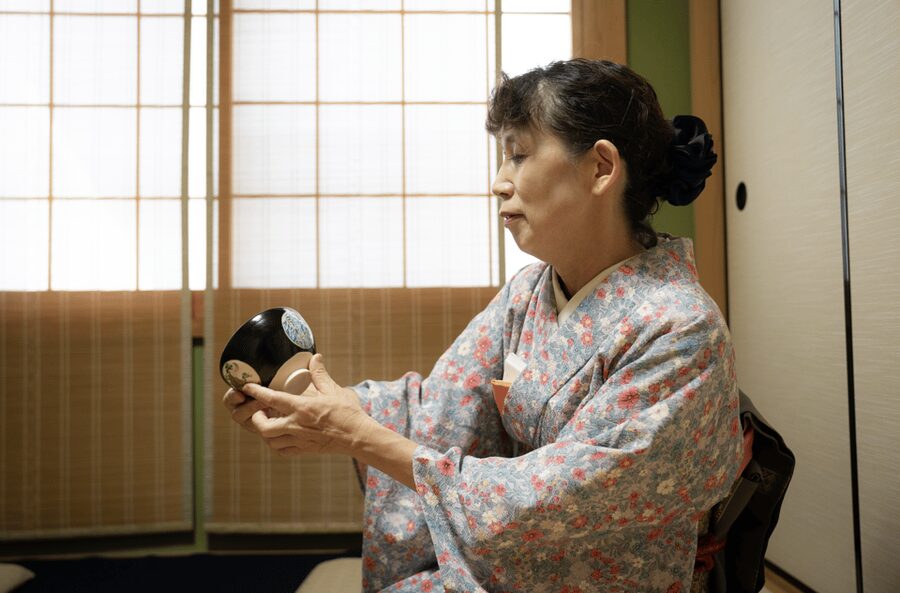
This experience is about learning the essentials in an intimate setting, rather than watching a formal ceremony from the edge of a large room. With a maximum of six participants, you have a better chance of following the teacher’s movements and asking about the details that catch your eye.
That scale matters. Tea ceremony can look precise and even a little mysterious when you have not seen it before. Here, the instructor explains the practice in English and aims to make it welcoming, so you do not need prior knowledge or confidence with tea etiquette to take part.
The teacher has more than 30 years of experience. Ms Yamazaki is a name associated with the sessions, and the teaching is described as patient, clear, and kind. Those qualities are useful in a ceremony where small movements have meaning and it is easy to worry about doing something incorrectly. The point is not to pass a test. It is to pay attention and learn.
The room is in a Japanese house marked by a sign reading Tisato. That simple meeting detail is worth remembering: look for the house and sign when you arrive, rather than expecting a large storefront or obvious tourist entrance. The setting is part of the appeal, but it may be less familiar than a standard shop or hotel lobby.
More tea ceremonies in Kyoto:
- Kyoto: Tea Ceremony in a Traditional Tea House in Kiyomizu
★ 4.9 · 3,519 reviews - Kyoto: Tea Ceremony Ju-An at Jotokuji Temple
★ 4.9 · 3,207 reviews - Kyoto: 45-Minute Tea Ceremony Lesson Experience
★ 4.3 · 2,378 reviews
The one-hour flow: explanation, matcha, and sweets
The session lasts one hour. You can expect the teacher to introduce the tea ceremony and explain the cultural ideas behind it, then demonstrate the careful steps involved in preparing matcha. The practice emphasizes harmony and mindfulness, expressed through the movements and attention given to making and serving the tea.
You are not required to know the customs in advance. The session is specifically intended for newcomers as well as people with some previous familiarity, so you can listen, watch, and ask questions at your own pace. The English instruction also helps make the finer points easier to follow.
A central part of the experience is the option to prepare your own tea. With the teacher’s guidance, you learn how powdered matcha is whisked and how deliberate movements shape the process. It is hands-on without requiring you to arrive with any special skill. If you prefer to observe rather than take the lead, the wording of the activity makes clear that making tea is optional.
Matcha and traditional dried sweets are included. The sweets provide a small taste of the customary pairing, while the tea gives you a direct connection to the work you have just watched or tried. The session is short, so you should not expect a long tasting menu or a broad survey of Japanese sweets. Think of the refreshments as part of the ceremony, not a separate meal.
The strongest feature is the balance between explanation and participation. A demonstration alone can leave you with lovely images but little sense of how the tea is made. A hands-on step gives you something specific to remember, while the teacher’s explanations help put the gestures in context.
What the setting adds to your Kyoto day
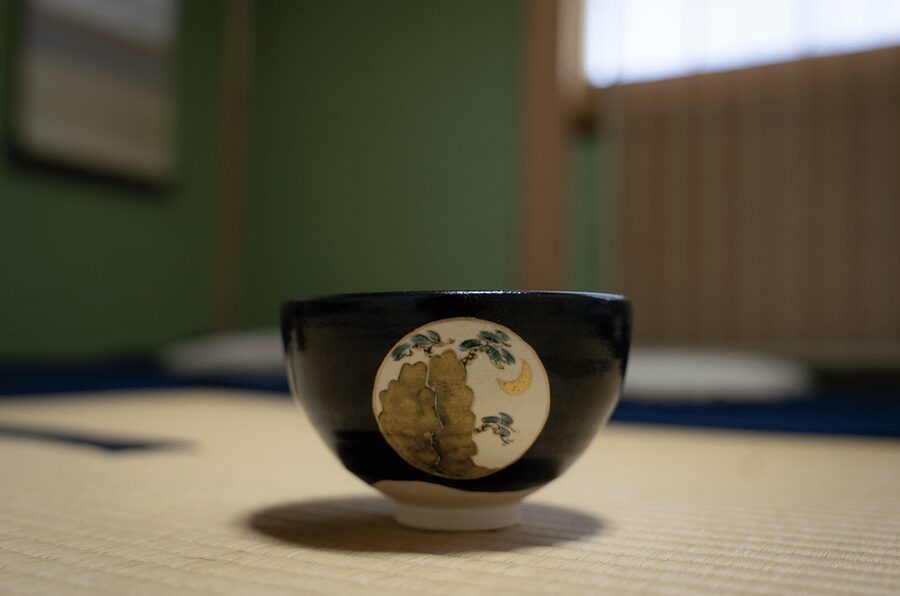
The tea room is around a 15-minute walk from the Kamogawa Delta, where the Kamo and Takano rivers meet. That nearby riverside setting gives you a natural way to extend the outing: take a quiet walk before or after your lesson, or use the ceremony as a pause between busier sightseeing stops.
Demachiyanagi Station is also about a 15-minute walk away. It is described as a starting point for visits to Kibune Shrine and Rurikou Temple, which makes the tea ceremony a possible addition to a day exploring that side of Kyoto. Keep the scale in mind, though. The ceremony is one hour, and the walks to the station and river add time, so it works best when you plan your day around the places you want to see rather than try to squeeze in everything.
The neighborhood location is useful for a different reason, too: it can make the ceremony feel like a small cultural stop woven into a day, rather than a major excursion requiring a complicated itinerary. You can combine it with a riverside stroll or nearby sightseeing, then move on. No transport or additional sightseeing is included in the price, so treat those as your own plans.
Is $38 good value for an hour?
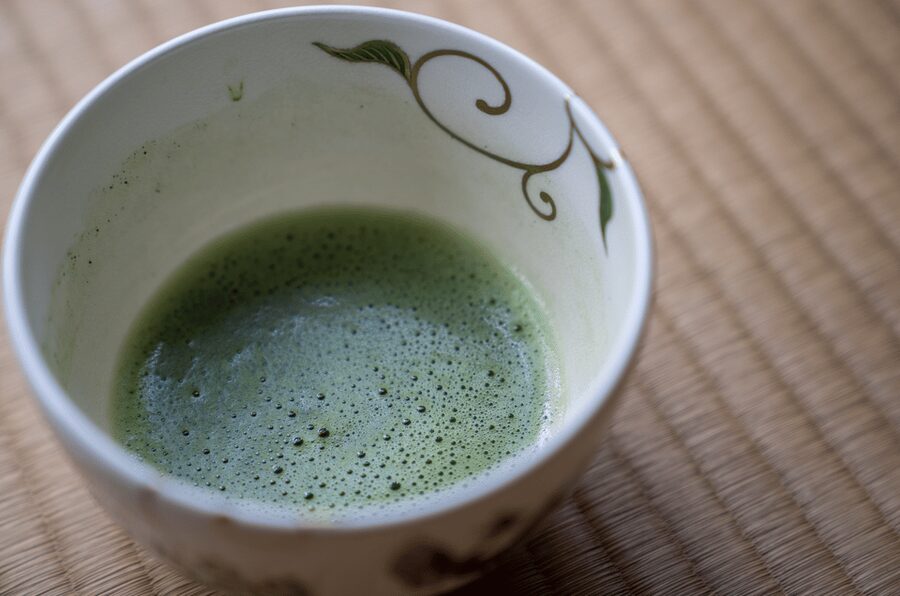
At $38 per person, this is not simply a cup of matcha and a sweet. You are paying for a guided introduction from an experienced teacher, an opportunity to prepare tea yourself, the included matcha and sweets, and a small group setting. For someone who wants to understand a traditional practice rather than just sample a drink, that is a reasonable package.
The value depends on what you want from the hour. If your aim is a quick refreshment, you can find tea elsewhere for less. If you want a clear, personal introduction to a cultural tradition, the instructor’s experience and the chance to try the preparation add substance to the cost.
The small group limit is another part of the calculation. Six participants is enough to share the session but small enough to keep it from feeling like a lecture hall. That matters when you are learning movements by watching closely and may want to ask for an explanation or another look.
There is no need to book a full day around it. The one-hour duration makes it easier to fit into a Kyoto itinerary, especially if you are already heading to Kamogawa Delta or Demachiyanagi Station. The trade-off is that the session can introduce the ceremony, but it cannot cover every custom or historical detail in depth.
More Kyoto tours in Kyoto:
- PERFECT KYOTO 1-Day Bus Tour
★ 5.0 · 13,518 reviews - Kyoto: Fushimi Inari, Kinkakuji, Bamboo Grove 1 Day Bus Tour
★ 4.8 · 4,316 reviews - Kyoto Geisha Walking Tour: Gion District & Hidden Gems
★ 4.7 · 3,273 reviews - Kyoto: Gion Magical Night Walking Tour with Geisha Trivia
★ 4.9 · 2,393 reviews
Who will enjoy this most?
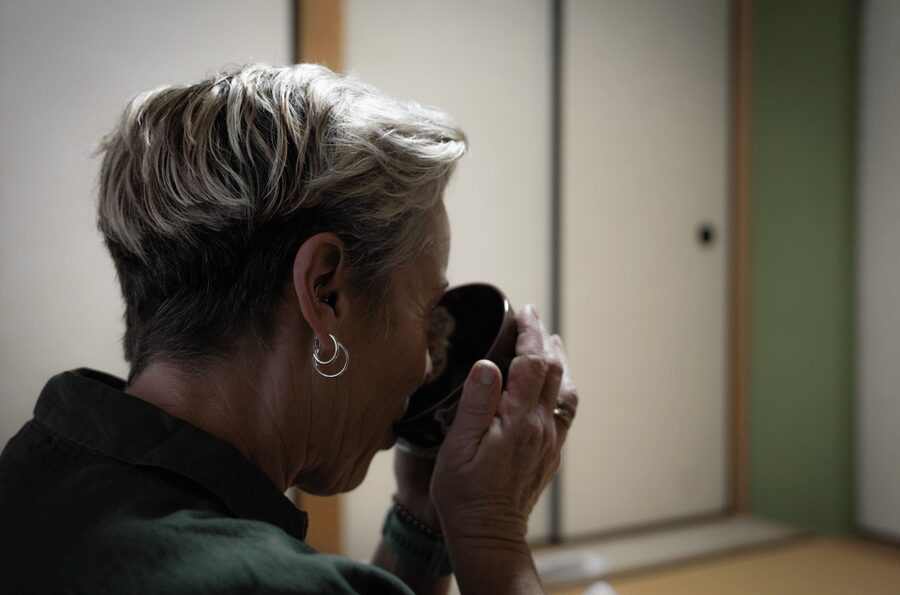
This is a good fit if you are curious about Japanese tea culture but unsure how to approach a formal ceremony. The welcome for beginners lowers the pressure, and the English instruction helps you follow the explanations without needing prior knowledge.
It also suits visitors who prefer to participate rather than only watch. You can make your own matcha under guidance, while still having the option to observe. The calm atmosphere and small group are likely to appeal if you want a quieter activity between Kyoto’s larger sights.
Families or groups considering the experience should note that the group is small, with a six-person maximum, but the supplied details do not specify age limits or child-focused activities. If you are planning for children, check directly before booking rather than assume the session is designed for them.
This may be less suitable if you want an elaborate ceremony lasting several hours, a large historic venue, or a detailed program of multiple Kyoto sites. The experience is intentionally focused: one tea room, one hour, and an introduction to matcha preparation and tea tradition.
Simple meeting details and flexibility
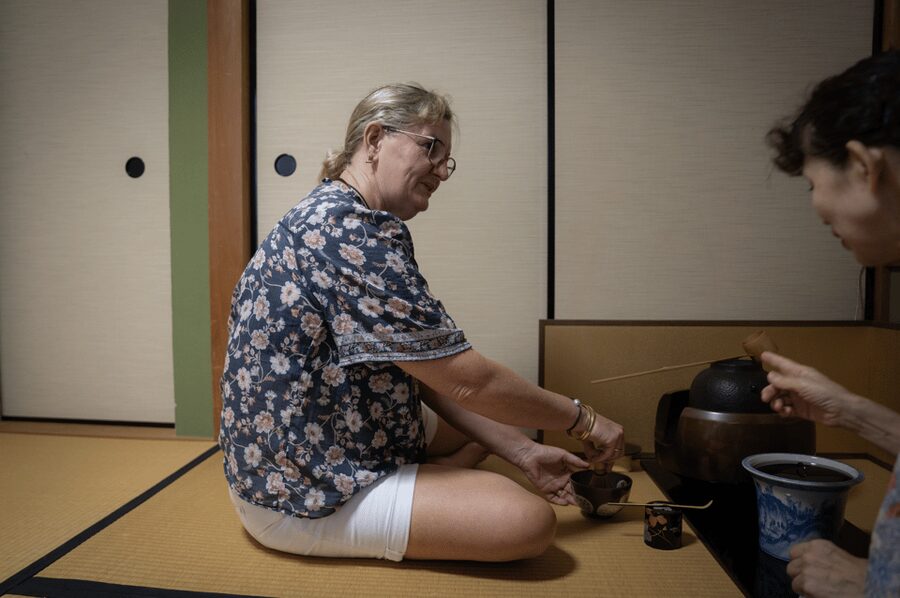
The meeting point is a Japanese house with a sign that says Tisato. Keep that name handy when finding the entrance. The location is about a 15-minute walk from both Kamogawa Delta and Demachiyanagi Station, so allow time for the walk when planning your arrival.
The instructor speaks English, and the group is limited to six participants. The price is $38 per person, with matcha, traditional dried sweets, the ceremony, and instruction included. Availability and start times vary, so check the schedule for the date you want.
Booking can be made with a reserve-now, pay-later option, and cancellation up to 24 hours in advance is eligible for a full refund. Those terms are useful if your Kyoto plans are still shifting, but the main reason to book is the chance to learn in a small group with an experienced teacher.
Should you book this Kyoto tea ceremony?
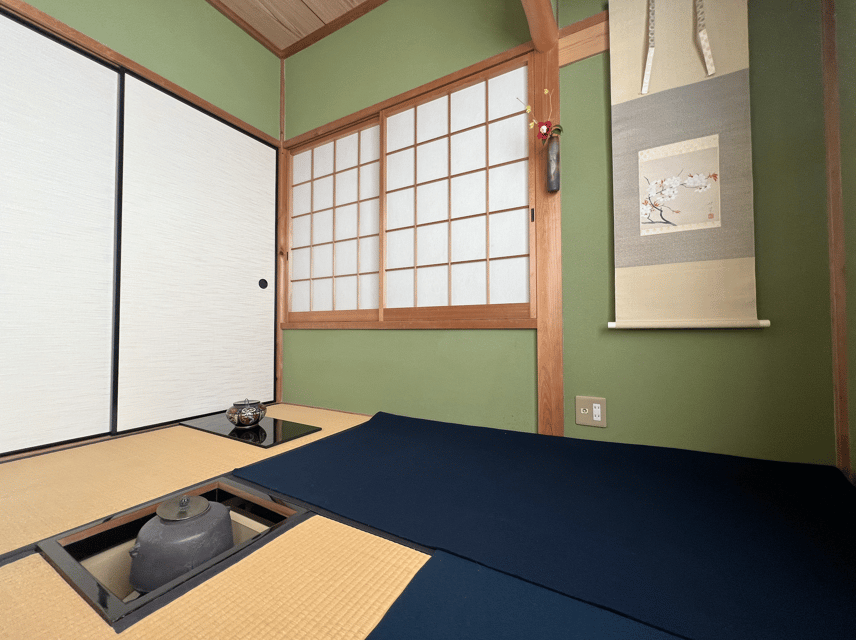
Book it if you want a calm, well-guided introduction to matcha and tea ceremony traditions, especially if hands-on learning appeals to you. The experienced instruction, six-person limit, and nearby riverside setting make this a thoughtful one-hour addition to a Kyoto visit.
Skip it if you are looking for a long or highly elaborate ceremony, or if you mainly want a quick cup of tea. For the right person, $38 buys more than a refreshment: it buys context, a chance to try the preparation yourself, and a quieter way to connect with Kyoto’s cultural life.
FAQ
How long does the tea ceremony last?
The experience lasts one hour.
How much does it cost?
The listed price is $38 per person.
Is the session suitable for beginners?
Yes. The session is designed to welcome people with no previous tea ceremony experience, as well as those who already have some familiarity.
Is the instruction in English?
Yes. English is the listed language of instruction.
Can I prepare matcha myself?
Yes. You can make your own tea under the teacher’s guidance if you wish.
What is included in the price?
The tea ceremony, instruction from an experienced teacher, matcha, and traditional dried sweets are included.
How many people are in the group?
The group is limited to six participants.
Where is the meeting point?
Look for the Japanese house with a sign that says Tisato. The location is about a 15-minute walk from Kamogawa Delta and Demachiyanagi Station.
Newly added in Kyoto
- Uji: Private immersion into Kyoto’s tea and reglious culture★ 5.0 · 17 reviews
- Whisk Your Own Matcha: A Zen Matcha Experience at Temple★ 3.6 · 7 reviews
- Kyoto tea town for matcha lovers★ 5.0 · 16 reviews
- Treasures of Kyoto: Gion & historical Walking Tour★ 5.0 · 6 reviews
- Kyoto Matcha Green Tea Tour★ 4.5 · 23 reviews
- Uji and Wazuka Matcha Farm Half Day Private Guided Tour★ 5.0 · 21 reviews
- Uji Tea Ceremony and UNESCO Heritage Walking Tour★ 5.0 · 20 reviews
- Utilising upcycled Matcha! Creating matcha incense (Uji, Kyoto)★ 5.0 · 6 reviews
Kyoto Tea Ceremonies, compared.

Tea Ceremony in a Traditional Tea House in Kiyomizu
Read our review →

World Heritage Kyoto & Nara Uji Authentic Matcha Experience
Read our review →
Arashiyama Bamboo Forest, Monkeys, Matcha & Temple Tour
Read our review →
Tea Museum Tickets and Matcha Grinding Experience
Read our review →Browse the lists this tour appears in