
Reviewed · KYOTO TEMPLE & SHRINE TOURS
Nara: Bike Tour in Ancient Capital UNESCO World Heritage
Heijo Palace’s wide grounds reveal a side of Nara that’s easy to miss if you spend your day only among the deer. On this two-hour ride, you pedal between palace gates, a Japanese garden, an excavation hall and a reconstructed ceremonial building, with a licensed guide connecting the sights to Nara’s time as Japan’s ancient capital.
I like two things in particular: a bike makes the sprawling site practical to cover, and the route pairs visible reconstructions with excavation remains, so you get both a sense of the former palace and a look at what archaeologists found. The included Tenpyo costume experience adds a playful, memorable photo stop.
One consideration: the palace site is not a continuous display of grand old buildings. Some stops are museums or open grounds, and one visitor found the remains less compelling without a strong interest in ancient Japanese culture. Summer heat can also make cycling uncomfortable.
At a glance: what makes this ride worthwhile
- See a quieter side of Nara: The palace grounds offer a history-focused change of pace from the deer and crowds around Nara Park.
- Cover more ground by bike: The route visits several distinct sites in two hours, with a guide setting an easy pace.
- Look inside an excavation: The Excavation Site Exhibition Hall preserves remains in the state they were found.
- Get the historical overview: The guide explains Nara’s role as an ancient capital and the purpose of key palace buildings.
- Try on Tenpyo clothing: The traditional costume experience is included, along with time for memorable photos.
- Keep the group small: Tours are limited to eight participants and run in English or Japanese.
Cycling through Nara’s former palace grounds
Heijo Palace was the center of Japan’s ancient capital in the Nara period. Today, the site gives you room to move and a series of landmarks that can feel disconnected without some historical context. A guide helps link the gates, garden, tomb and museums into a picture of how the palace functioned.
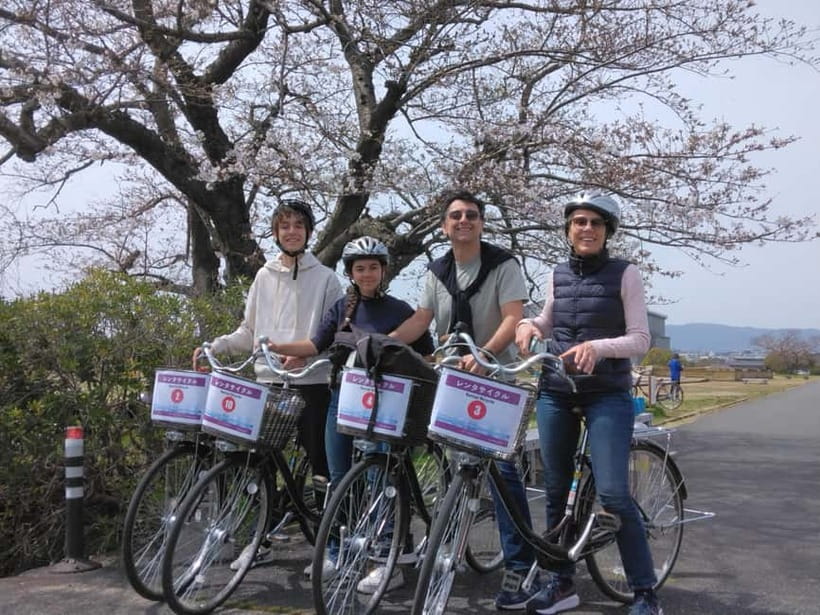
The bike is a practical choice here. You can visit several stops without spending the whole two hours walking between them, and the route itself is part of the appeal: it passes through open grounds and along Minakami Pond, where you may hear birds and spot ducks or turtles.
This is a small-group tour, capped at eight, with a national government licensed guide. Kay is a guide who has led many of the tours and is frequently named by people who have taken them. She has been described as patient with children and willing to answer questions. Your guide may vary, but English and Japanese are the stated tour languages.
The pace is meant to leave room for stops, photos and explanations rather than turning the ride into a workout. The experience is best for someone who can ride a bicycle comfortably and wants to see more than one site in the time available.
More Nara trips in Nara:
- World Heritage Kyoto & Nara Uji Authentic Matcha Experience
★ 5.0 · 1,573 reviews - Kyoto/Osaka: Nara, Fushimi Inari Taisha, Arashiyama Bus Tour
★ 4.7 · 1,275 reviews - Nara Half Day Trip Walking Tour (Private Option Available)
★ 5.0 · 937 reviews
From Suzaku Gate to the garden
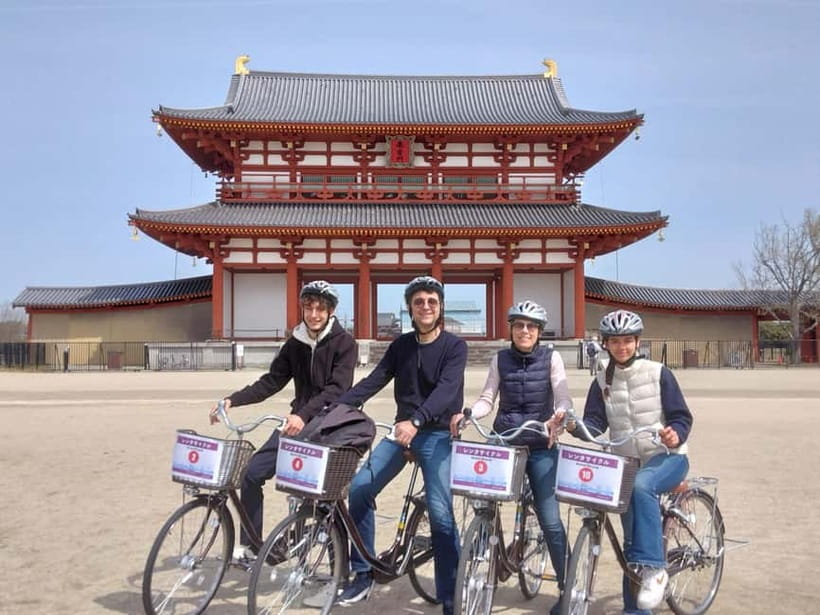
Meet at the rental-bike reception counter in Miharashi-Kan, in Suzaku-Mon Square. The group starts with Suzaku Gate, the main entrance to Heijo Palace. It is a strong place to begin: the scale of the gate helps you picture the formality of the palace, and the surrounding scenery offers a natural backdrop for photos.
The stop is scheduled for about 15 minutes. That gives you time to look at the gate and hear about the ancient capital, without making the visit feel like a long lecture. If photos matter to you, this is one of the stops where you can pause and take them.
Next comes To-in Teien, the East Palace Garden. The route allows about 10 minutes here. You’ll see the arrangement of bridges, buildings and rocks, and hear about the garden’s role as a state guest house. This is a useful contrast to the monumental gate: rather than focusing on the ceremonial entrance, the garden gives you a sense of a carefully arranged setting for hosting.
The garden is also a good reason to choose a guided visit over simply riding around on your own. Its details are easy to appreciate, but the explanation of how the space was used gives them more meaning.
Excavation remains and an ancient tomb
The Excavation Site Exhibition Hall offers something different from a reconstructed building. Remains are preserved and displayed in the same state as they were discovered, giving you a direct look at the work of uncovering the palace site. The stop is about 10 minutes, so expect an introduction and a focused look rather than a long museum visit.
That distinction matters. A reconstruction helps you imagine what stood here; an excavation display shows what survived below ground. If you enjoy archaeology, this stop may be one of the most compelling parts of the tour. If you prefer complete historic buildings, it may feel more modest.
The ride also takes in Hishiage Kofun, an ancient tomb where you can admire the tomb and its grave goods. The visit is scheduled for around 10 minutes. It provides another angle on the area’s past, beyond the formal palace buildings and gardens.
These stops suit curious visitors who like connecting separate pieces of evidence. They may be less satisfying if you are hoping every stop will offer a large, fully restored structure.
The ceremonial hall and palace museums
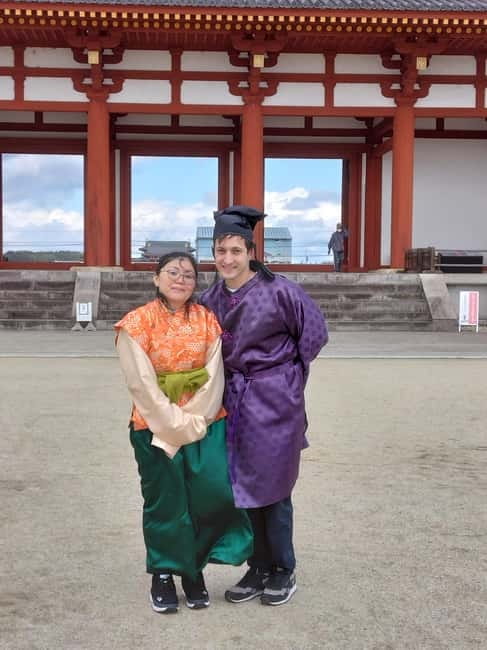
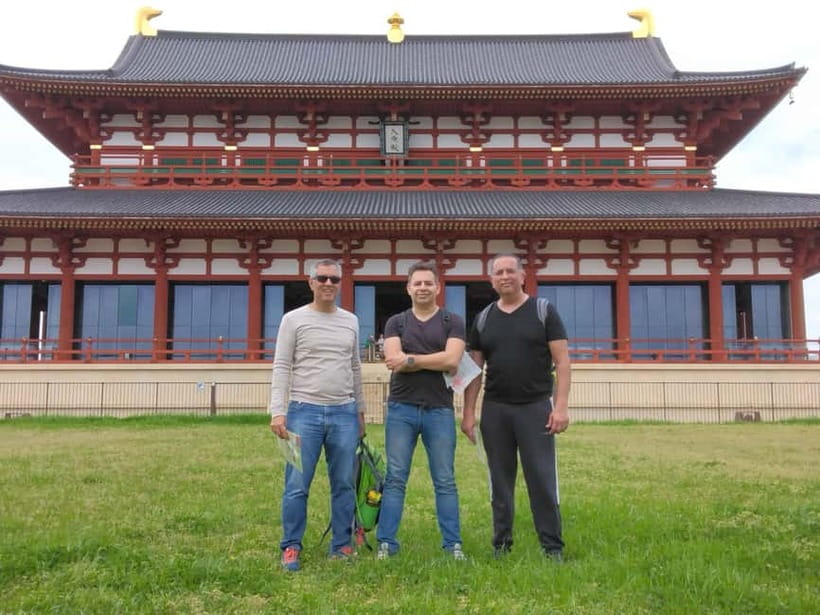
Daiichiji Daigokuden, the Imperial Audience Hall, is a reconstruction of a major palace building used for special ceremonies. It is one of the tour’s main architectural stops, with paintings, displays of ornaments and a view across the palace grounds. The planned visit is about 15 minutes.
The reconstructed hall gives you a clearer sense of the scale and visual character of the palace than a foundation or excavation can. At the same time, it is important to know that this is a reconstruction, not an intact ancient building. The guide’s explanation helps put the building in context and distinguish what you’re seeing from the archaeological remains.
The route then passes Daiichiji Daigokudenin Daigokumon, the South Gate, for a brief stop of about five minutes. It is a quick look and photo opportunity, rather than a lengthy visit.
The final museum stop is the Heijo Palace Site Museum, described as the oldest museum at the palace site. Its displays include ancient tiles, wooden tablets and models. You’ll spend about 10 minutes here, enough for a guided overview of objects that make the palace’s everyday material life easier to picture.
The planned stops add up to roughly 75 minutes. The rest of the two-hour tour allows for cycling between locations and the costume experience, though the exact timing at each part can vary.
More bike tours in Nara:
- E-Bike Nara Highlights – Todaiji, Knives, Deer, Shrine
★ 4.8 · 186 reviews - Nara – Highlights Bike Tour
★ 4.5 · 89 reviews - E-Bike Nara Highlights – Todaiji, Knives, Deer, Shrine, and Gems
★ 4.5 · 34 reviews - Nara: City Highlights Shared Group or Private Bike Tour
★ 4.9 · 34 reviews
Tenpyo clothing and the quieter pace
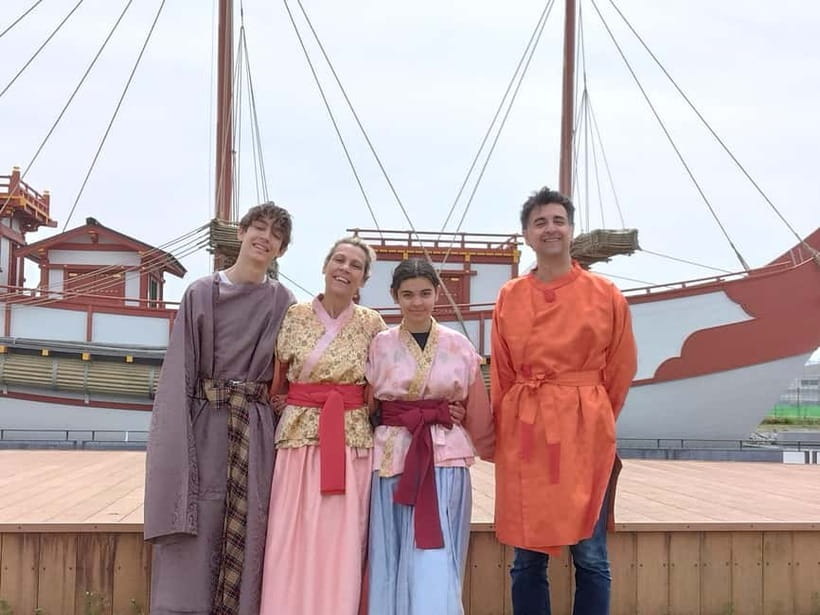
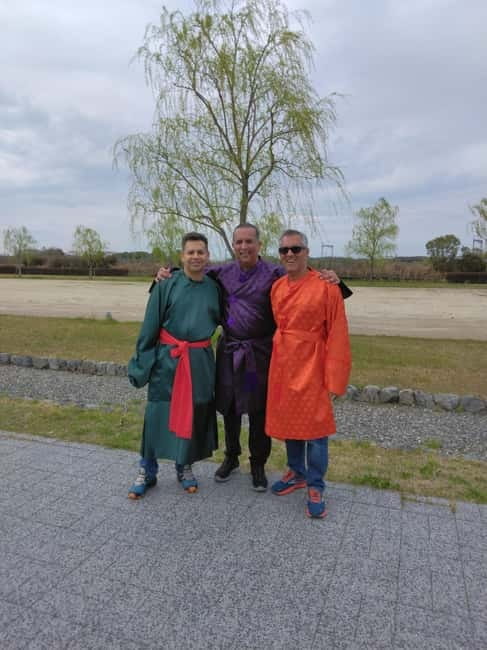
The included traditional Tenpyo costume experience is a lighthearted counterpoint to the archaeological stops. You can wear clothing inspired by the Nara period and take photos. It’s a memorable extra, especially if you enjoy making a travel album, though the available information does not specify how long the costume portion lasts.
The wider setting is another reason to choose this tour. People who have taken the ride describe a peaceful route, with a chance to see locals enjoying the grounds and seasonal outings such as hanami. The experience keeps you away from Nara’s busiest deer-focused areas for a while, while still giving you a distinctly local view of the city.
The grounds also offer a welcome change of pace if you have already visited Nara Park. This is not a substitute for the deer, temples or other parts of Nara; it is a different chapter of the city’s story, built around the palace site and its place in Japanese history.
Is $22 good value?
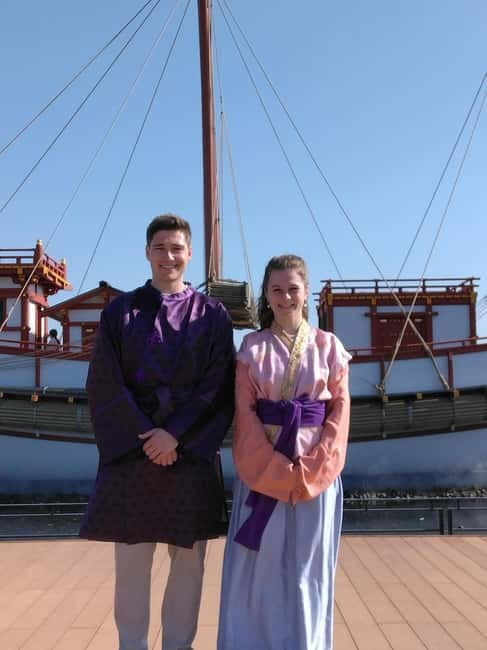
At $22 per person, the price includes the guided bike tour, rental bike, helmet, all admissions and the traditional costume experience. That is a useful bundle for a two-hour activity, particularly if you want a guide to explain the site rather than simply ride around it.
The value comes less from any single museum entry than from how much ground you can cover and the context that ties the stops together. The bike is especially helpful at a large site, and the small group allows for questions and photo pauses. People who have taken the tour have also described it as a good introduction to Nara’s history, including for families with a six-year-old.
There are limits to factor in. Food and drinks are not included, hotel pickup is not provided, and bike insurance is not included. The activity is not suitable for pregnant women, wheelchair users, people who cannot ride a bike or people with visual impairments.
Weather matters, too. The supplier may cancel for heavy rain, storms or other poor conditions, with a full refund in those cases. In hot weather, the ride may feel less comfortable, so consider the season and your tolerance for cycling outdoors.
Getting to the meeting point
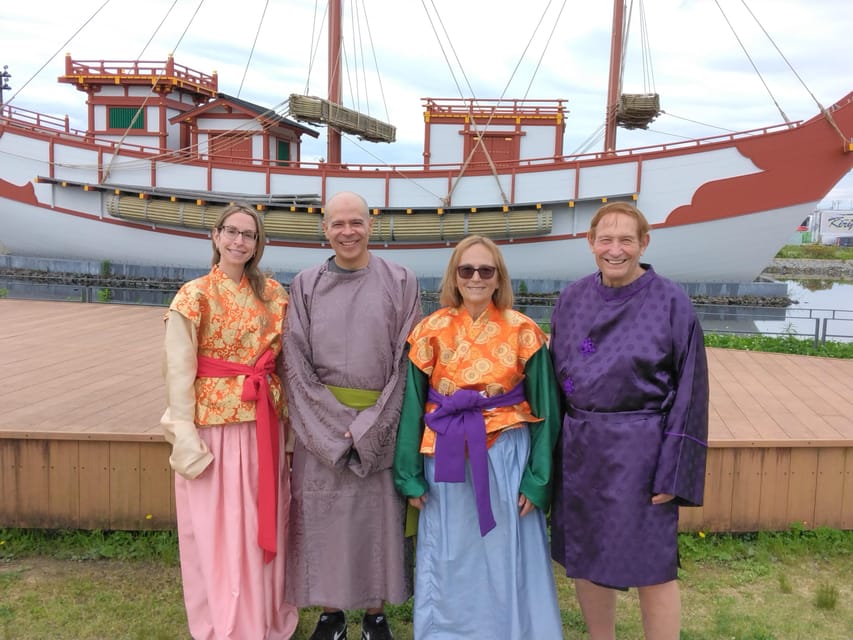
The meeting place is the rental-bike reception counter at Miharashi-Kan in Suzaku-Mon Square. Arrive 10 minutes before the start time. From Kintetsu Nara Station, the Nara Kotsu bus takes about 16 minutes to the Suzakumon-hiroba-mae stop, followed by a five-minute walk north.
From Kintetsu Yamato-Saidaiji Station’s South Exit, the bus ride is about 10 minutes to the same stop, then a five-minute walk north. From JR Nara Station’s West Exit, the listed bus journey is also about 10 minutes, followed by the same walk. You can also walk from the South Exit of Kintetsu Yamato-Saidaiji Station or from Shin-Omiya Station; each walk takes about 20 minutes.
Cancellation is free up to 24 hours before the tour for a full refund, and you can reserve now and pay later. Missing the tour or arriving too late to join is non-refundable, so plan your connection carefully.
Who should book this tour?
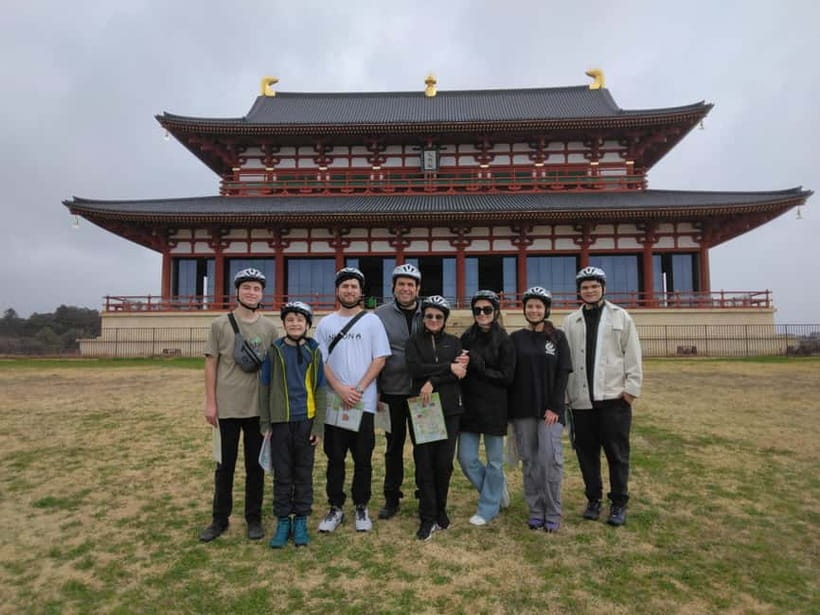
I’d choose this ride if you’re interested in ancient Japan, archaeology or gardens, and want a guided introduction to Heijo Palace without spending half a day on foot. It also suits families whose children can ride a bike, and anyone who has seen Nara Park before and wants a quieter, less familiar part of the city.
If you mainly want intact historic interiors, lots of time in each museum or a route centered on Nara’s deer, this may not be the best fit. The site includes reconstructions, excavation displays and open grounds, so your enjoyment will depend partly on whether you like piecing together a place from several kinds of evidence.
For a short, affordable look at Nara’s ancient capital, the combination of cycling, a licensed guide, a garden, a tomb and the costume experience makes this a useful choice. Book it if the palace story interests you, and choose a cooler part of the day when possible.
FAQ
How long is the bike tour?
The tour lasts two hours. It includes cycling between the palace-site stops, guided visits and a traditional costume experience.
What is included in the $22 price?
The price includes the bike tour, guide, rental bike, helmet, all admissions and the Tenpyo costume experience. Food, drinks, hotel pickup and bike insurance are not included.
Where is the meeting point?
Meet at the rental-bike reception counter at Miharashi-Kan in Suzaku-Mon Square. You should arrive 10 minutes before the tour starts.
What languages are available?
The live tour guide speaks English or Japanese. Check the available starting times when booking.
How many people can join?
The tour is limited to eight participants.
Can I cancel and get a refund?
You can cancel up to 24 hours in advance for a full refund. No-shows and missed tours are non-refundable.
What happens if the weather is bad?
The supplier may cancel for heavy rain, storms or other inclement weather. If the supplier cancels for these reasons, you receive a full refund.
More temple and shrine tours in Nara
- Osaka/Kyoto: Arashiyama, Nara & Fushimi Inari Shrine w/Lunch
★ 4.4 · 754 reviews - Nara: Great Buddha, Kasuga Shrine & Deer Park Tour
★ 4.8 · 62 reviews - Nara: Essential Private Tour with Deer Park and Temples
★ 5.0 · 24 reviews - Kyoto: Nara, Todaiji, Kasuga Taisha Shrine Private Full Day
★ 4.9 · 18 reviews
Newly added in Nara
- Nara Private Day Trip – Enjoy Your First-Time Visit to Nara!★ 5.0 · 10 reviews
- Relax in Nara: Deer Park, Todai-ji Temple and Merchants’ Town★ 5.0 · 6 reviews
- Nara Todaiji Lazy Bird Walking Tour★ 5.0 · 11 reviews
- Nara: Authentic Onigiri Cooking Class & Meal in a Local Home★ 5.0 · 4 reviews
- Private Nara Tour and Sake Tasting (Departing from Kyoto/Nara)★ 5.0 · 40 reviews
- Nara World Heritage PRIVATE TOUR★ 4.5 · 15 reviews
- Private Journey in Nara’s Historical Wonder★ 5.0 · 3 reviews
- Nara:Private Tea Ceremony(Max 5 ppl) -Master Matcha Making-★ 5.0 · 3 reviews
Kyoto Temple & Shrine Tours, compared.

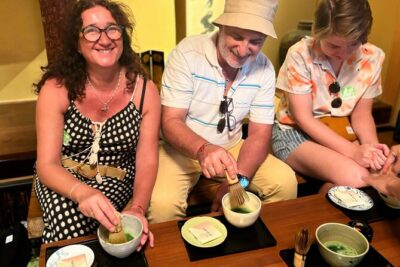
World Heritage Kyoto & Nara Uji Authentic Matcha Experience
Read our review →
Arashiyama Bamboo, Temple, Monkeys, or Secret Sake Brewery
Read our review →
Arashiyama Bamboo Forest, Monkeys, Matcha & Temple Tour
Read our review →
Arashiyama, Nara & Fushimi Inari Shrine w/Lunch
Read our review →
Imperial Palace & Nijo Castle Guided Walking Tour
Read our review →
Kyoto Zen Meditation & Garden Tour at a Zen Temple with Lunch
Read our review →
Browse the lists this tour appears in