
Reviewed · KYOTO COOKING CLASSES
Nara: Cooking class, learning how to make authentic sushi
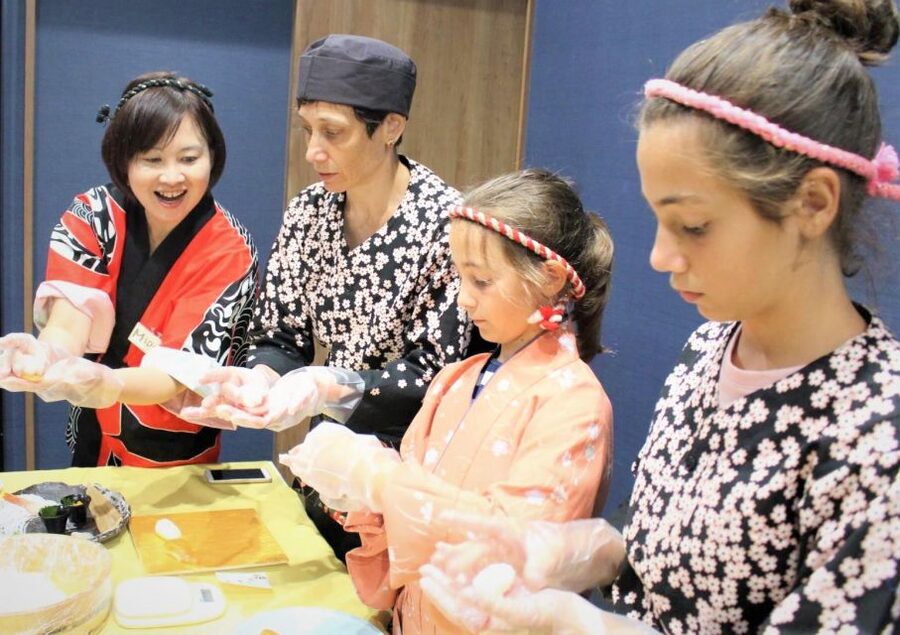
Sushi starts with the rice, not the fish. In this Nara class, you learn to mix freshly cooked rice with a specially blended vinegar, then shape sushi with prepared ingredients. The lesson is meant to give you techniques you can use again at home, not just a tasty snack.
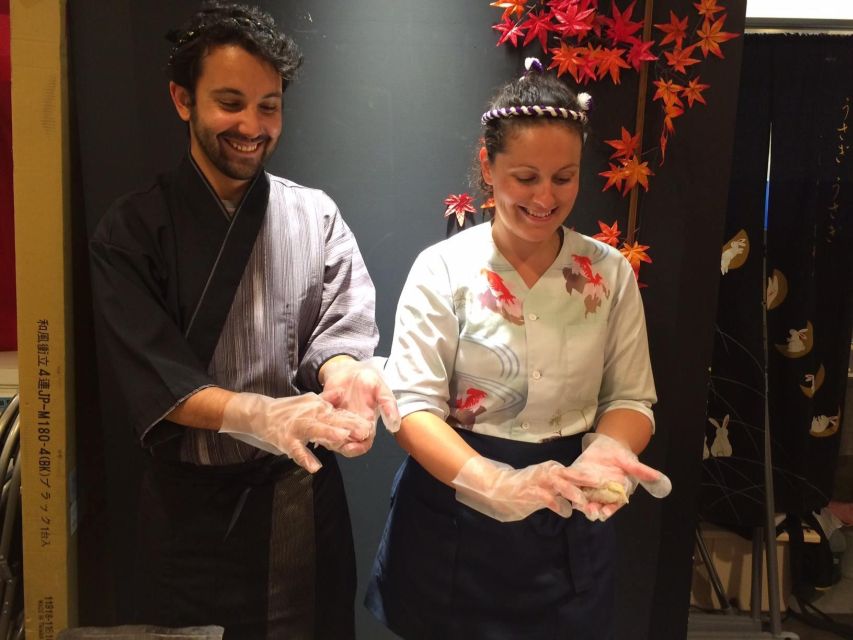
I like two things in particular: you can ask about learning fish-cutting techniques, and the class makes room for dietary needs, including vegetarian, vegan and Muslim-friendly menus. Wearing a traditional happi coat adds a playful touch without getting in the way of the lesson.
One point to plan around: the advertised class lasts 90 minutes, but it may run much longer. One participant’s session stretched to nearly three hours, so avoid scheduling a tight afternoon connection or another timed activity afterward.
- Start with sushi rice: Learn how to mix freshly cooked rice with sushi vinegar, a crucial step you can repeat at home.
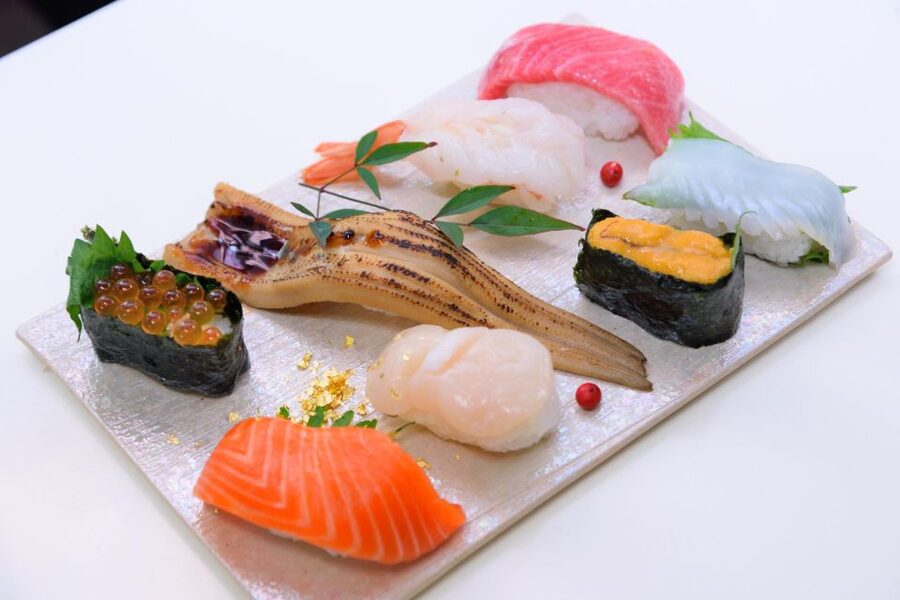
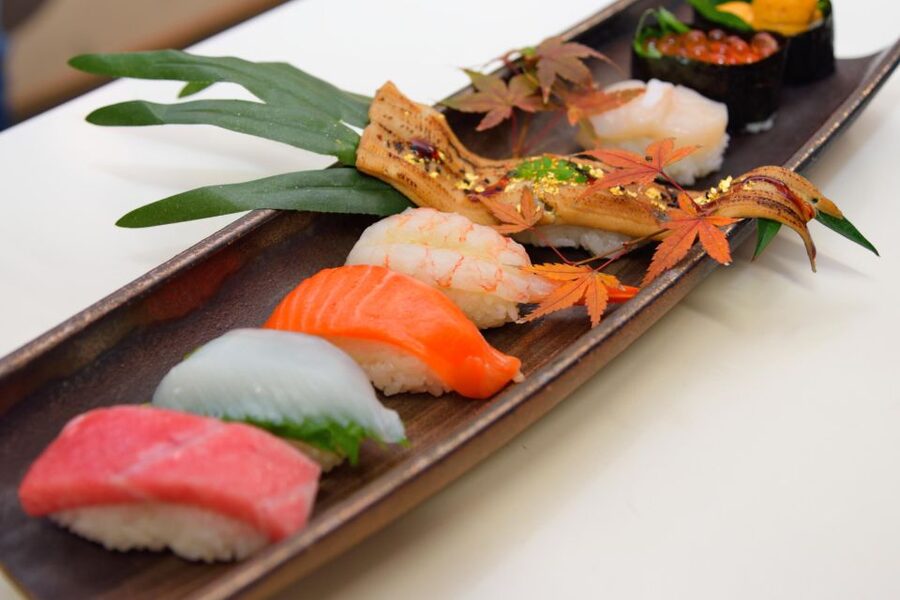
- Try special seafood: Toppings may include fatty tuna and sweet red shrimp, though ingredients change with the season.
- Wear a happi coat: Choose from the traditional garments provided for the class.
- Make and eat eight pieces: Your sushi becomes lunch or a substantial snack, depending on your appetite.
- Ask about dietary needs: Options are available for allergies, non-raw food, gluten-free diets and other requests.
- Allow extra time: The scheduled 90 minutes may not reflect the full time spent in class.
The lesson begins with rice
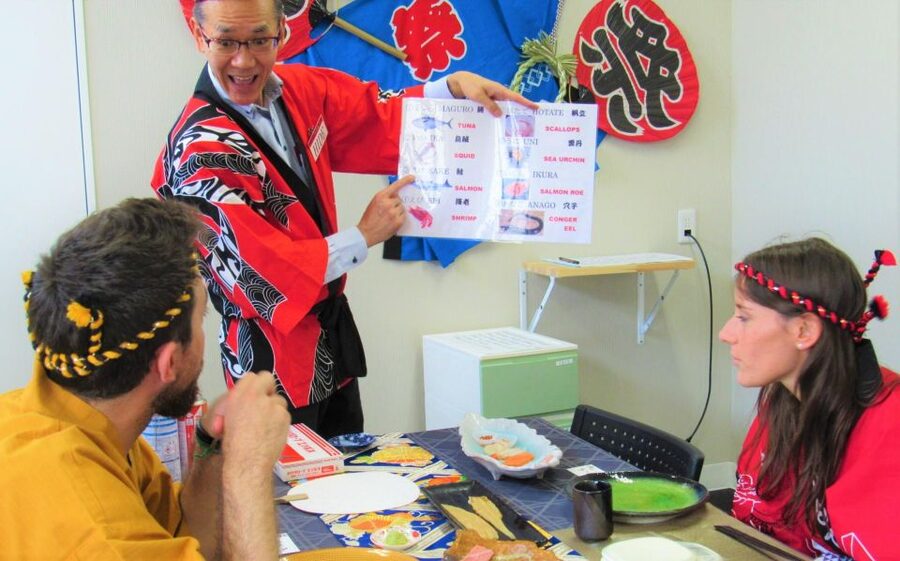
The class is run by 梅守寿司学校 near Shin-Omiya Station in Nara. An English-speaking instructor leads the lesson, with Japanese also spoken. The focus is practical: learn the basic steps behind sushi so you can try making it after you return home.
The first job is preparing shari, also called sumeshi, or vinegar-seasoned rice. You combine freshly cooked rice with a vinegar blend made for sushi. The instructor explains that there is a knack to mixing it well, which matters because the rice is the foundation of each piece.
That rice lesson is a useful part of the class, even if you have made sushi before. Recipes often tell you what to add, but technique affects the texture and how the rice holds together. Here, you get a chance to see and practise the mixing rather than simply being handed a finished bowl.
After the rice, you move on to shaping sushi and adding toppings. Ingredients are prepared in advance, so beginners can concentrate on the process instead of spending the lesson chopping. If you want to learn about cutting fish, you can ask. The class aims to accommodate requests where possible, but it is wise to raise a specific interest before or during the session rather than assume every fish-cutting technique is part of the standard lesson.
Prepared ingredients, with room to ask questions
The prepared ingredients make the class accessible if this is your first time handling sushi rice or forming sushi. You do not need knife skills to take part, and the instructor can guide you through the steps. At the same time, the lesson can go beyond assembly if you ask for more detail, including a chance to learn about fish cuts.
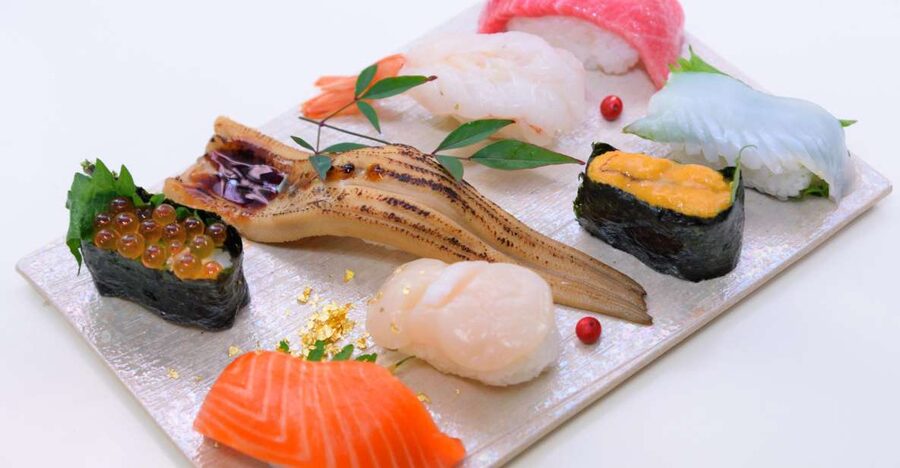
The toppings can include premium ingredients such as extra-fatty tuna and fresh red shrimp, described as sweet and creamy. The exact selection depends on the season, so do not book expecting a particular fish to be guaranteed. Green onion, ginger and other toppings are available, and you can choose favourites.
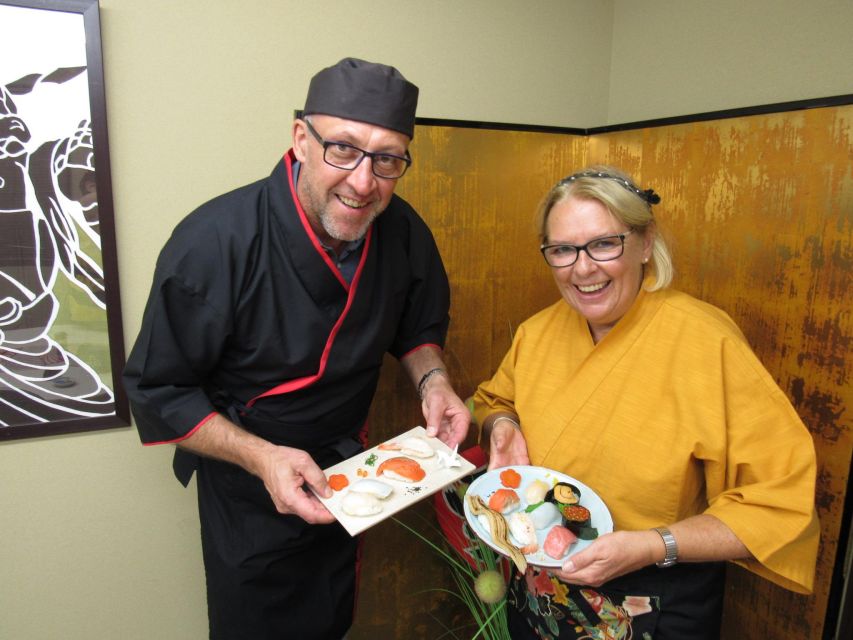
You make eight pieces and eat what you have prepared. That makes the class more than a demonstration: you handle the ingredients yourself, then find out how your work tastes. It is also a practical way to understand how rice, fish and toppings come together in a finished piece.
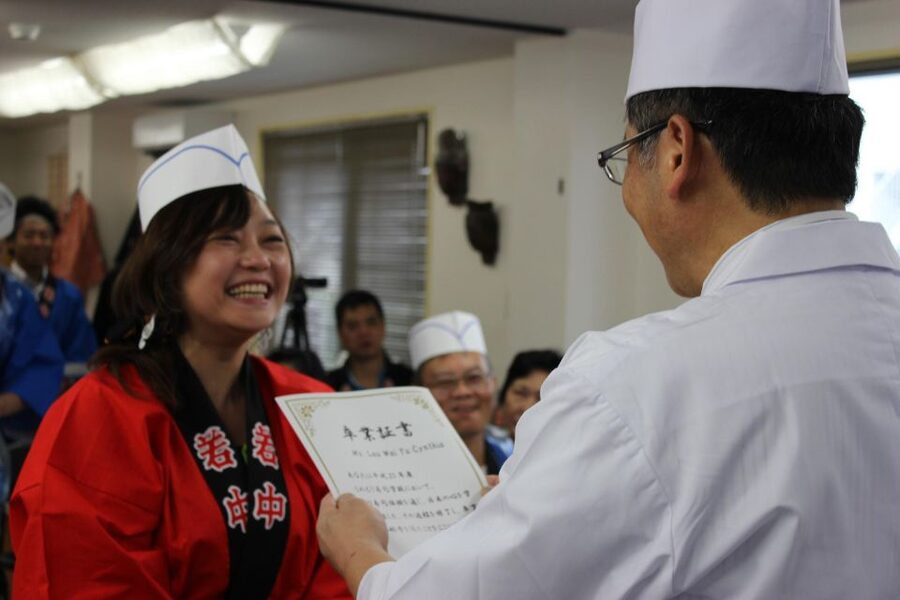
There is a certificate of completion and a graduation-style finish, along with a souvenir photo. These are cheerful keepsakes, especially for children old enough to join, but they take time. If you would rather spend the session on food technique than ceremony and pictures, say so early and ask how the class handles those parts.
More Nara trips in Nara:
- World Heritage Kyoto & Nara Uji Authentic Matcha Experience
★ 5.0 · 1,573 reviews - Kyoto/Osaka: Nara, Fushimi Inari Taisha, Arashiyama Bus Tour
★ 4.7 · 1,275 reviews - Nara Half Day Trip Walking Tour (Private Option Available)
★ 5.0 · 937 reviews
A happi coat and a taste of Japanese customs
The traditional happi coat is part of the experience, not just a photo prop. You can choose from several garments, put one on, and take part in the class in clothing associated with Japanese festival and work traditions. The provider also describes the session as an opportunity to experience Japanese spirits while making sushi.
This cultural element keeps the class light and welcoming. You are not expected to arrive with special clothing or previous cooking experience. The instructor handles the lesson in English or Japanese, and the provided garments help set the scene while you work.
The course has a friendly, lively feel, judging by the emphasis on hands-on participation and the instructor’s entertaining approach. The main strength is that the fun does not replace the practical instruction. People have especially appreciated learning how to prepare the rice and hearing about seafood, as well as the instructor’s warmth and energy.
Keep expectations grounded, though. This is a short cooking class, not a broad survey of Japanese food or culture. The included experience centres on sushi, its preparation and the traditions attached to the lesson. Tempura, tofu, pork shabu-shabu and other Japanese foods are not part of the included meal, though other food options may be offered separately.
Dietary needs and useful questions to raise
The class can offer menus suited to vegetarians, vegans and Muslims. It also states that allergy, non-raw, gluten-free and other options are available. That flexibility is valuable in a sushi class, where raw seafood and soy-based ingredients can complicate a meal.
Tell the provider about your needs in advance, especially if you have a serious allergy or need to avoid raw food. The class says it will try to meet requests, but the exact menu and ingredients can vary. No special infant meals are available, so families with very young children should plan accordingly.
The class is not suitable for children under three. For older children, the hands-on format and dress-up element may make the experience more engaging than a conventional restaurant meal, but consider whether they can take part in a 90-minute lesson that may run longer.
What the $113 price covers
At $113 per person, the price includes the instruction, eight pieces of sushi, use of a happi coat, a choice of toppings, an English-speaking instructor, a completion certificate and a souvenir photo. The value depends on what you want from the outing. If you are looking only for a meal, this is an expensive way to eat eight pieces. If you want guided instruction, a cultural activity and the chance to make the food yourself, the price covers more than lunch.
The special seafood can add interest, but seasonal changes mean the precise toppings are not assured. You are paying mainly for the guided lesson and the experience of making sushi, with the meal as the satisfying finish. Drinks are not included.
Warm udon and other Japanese dishes, including tempura, tofu and pork shabu-shabu, are listed as optional extras. Their prices and availability are not specified here, so ask before ordering if you are budgeting closely. The included sushi may be enough for a light meal, but appetite varies, and add-ons can change the total cost.
More cooking classes in Nara:
- Sushi Making Experience Luxury Course in Nara
★ 5.0 · 36 reviews - Nara: Authentic Onigiri Cooking Class & Meal in a Local Home
★ 5.0 · 4 reviews - Udon and Tempura Cooking Class in Nara
★ 5.0 · 3 reviews - Ramen Cooking Class at Ramen Factory in Kyoto
★ 5.0 · 1,937 reviews
Timing, location and access
The class is advertised as 90 minutes, with starting times depending on availability. Treat that as the planned duration, not a firm promise that you will be out the door at the 90-minute mark. A session has run close to three hours, in part because of the extra time spent on a fish-cutting demonstration, certificate and photo. Leave a generous gap before your next plan.
To reach the venue, get off at the south entrance of Shin-Omiya Station on the Kintetsu Line and turn right into the narrow street. Continue to the railroad crossing, turn right, then look for the venue in front of the Nara Loyal Hotel and behind a parking area. The building is near public transportation.
The site is wheelchair accessible, but there is no elevator. Staff can help older or disabled participants up the stairs, so contact the provider in advance if you need assistance and want to confirm what will work for your visit. The class runs in any weather. Pets are not allowed, though assistance dogs are permitted, and smoking is prohibited indoors.
You can reserve without paying immediately and cancel up to 24 hours in advance for a full refund. That flexibility is helpful if your Nara plans are still taking shape, but it does not change the need to leave room in your schedule on the day.
Who will enjoy this class most
This is a good fit if you want a hands-on activity rather than another restaurant meal, or if you have wondered how to make sushi rice and shape sushi at home. Beginners are welcome, and prepared ingredients keep the first steps manageable. You can also ask for more instruction if you already know the basics and want to learn about fish preparation.
It suits couples, friends and families with children aged three and over who enjoy cooking together. People with dietary restrictions may find the range of possible adjustments reassuring, though they should spell out their needs before the class. If you are very short on time, dislike ceremonial photos or expect a full meal, this may be less appealing.
The most useful takeaway is not the certificate. It is learning why the rice needs careful handling and getting a chance to practise the steps yourself. The certificate and photo are a pleasant finish, but the lesson’s lasting value is the technique you can carry home.
Should you book it?
Book this class if you want an enjoyable, practical introduction to sushi and can leave a wide-open stretch in your day. The English instruction, beginner-friendly setup, dietary flexibility and chance to eat what you make give the experience broad appeal. It also offers a welcome change of pace from sightseeing.
Think twice if you need the class to end exactly on time, want a guaranteed seafood selection or are mainly looking for a low-cost meal. For the right schedule and expectations, the combination of rice instruction, hands-on sushi making and a happi coat makes this a memorable way to spend part of a day in Nara.
FAQ
How long does the sushi class last?
The scheduled duration is 90 minutes. Allow extra time, as the class may run longer.
What is included in the price?
The class includes sushi instruction, eight pieces of sushi, a happi coat rental, toppings, an English-speaking instructor, a completion certificate and a souvenir photo.
Is the class suitable for beginners?
Yes. Ingredients are prepared in advance, and beginners are welcome. You can ask about learning fish-cutting techniques.
Can the menu accommodate dietary needs?
Vegetarian, vegan and Muslim-friendly menus are available. Options for allergies, non-raw food, gluten-free diets and other needs are also offered. Contact the provider about your requirements.
Where is the meeting point?
Get off at the south entrance of Shin-Omiya Station on the Kintetsu Line. Turn right into the narrow street, continue to the railroad crossing, then turn right. The venue is in front of the Nara Loyal Hotel and behind a parking area.
Is the venue wheelchair accessible?
The activity is listed as wheelchair accessible, but the building has no elevator. Staff can help older or disabled participants up the stairs.
Can children join the class?
Children under three are not suitable for the class. The provider does not have special infant meals.
More food tours in Nara
- Nara – Craft Beer, Sake, and Food Walking Tour
★ 3.5 · 9 reviews - Nara – Craft Beer, Sake & Food Walking Tour
★ 4.0 · 7 reviews - Kyoto Night Foodie Tour in Gion (9+ dishes + 6 Sake tastings)
★ 5.0 · 1,762 reviews - Kyoto: Izakaya Bars Guided Walking Tour
★ 4.9 · 815 reviews
Newly added in Nara
- Nara Private Day Trip – Enjoy Your First-Time Visit to Nara!★ 5.0 · 10 reviews
- Relax in Nara: Deer Park, Todai-ji Temple and Merchants’ Town★ 5.0 · 6 reviews
- Nara Todaiji Lazy Bird Walking Tour★ 5.0 · 11 reviews
- Nara: Authentic Onigiri Cooking Class & Meal in a Local Home★ 5.0 · 4 reviews
- Private Nara Tour and Sake Tasting (Departing from Kyoto/Nara)★ 5.0 · 40 reviews
- Nara World Heritage PRIVATE TOUR★ 4.5 · 15 reviews
- Private Journey in Nara’s Historical Wonder★ 5.0 · 3 reviews
- Nara:Private Tea Ceremony(Max 5 ppl) -Master Matcha Making-★ 5.0 · 3 reviews
Kyoto Cooking Classes, compared.

Ramen Cooking Class at Ramen Factory in Kyoto
Read our review →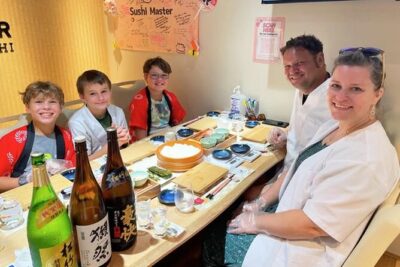
Sushi Making in Kyoto! Same-day bookings welcome!
Read our review →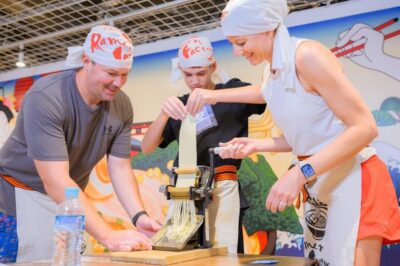
Ramen Cooking Class at a Ramen Factory with Souvenir
Read our review →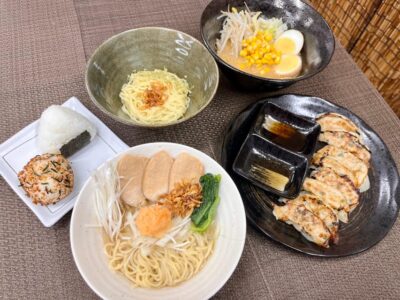
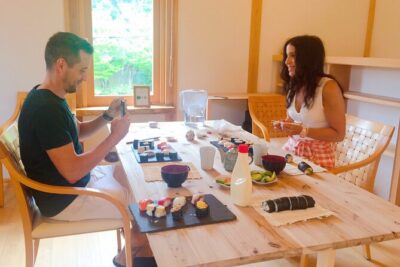
The Original Small-Group Sushi Making Class in Kyoto
Read our review →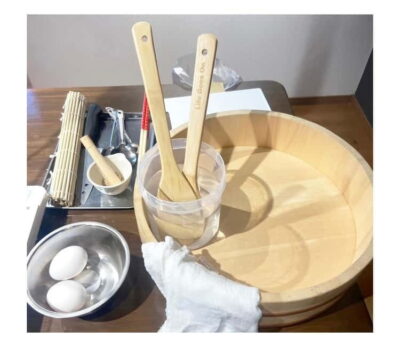
Japanese Washoku Bento Small Group Cooking Class
Read our review →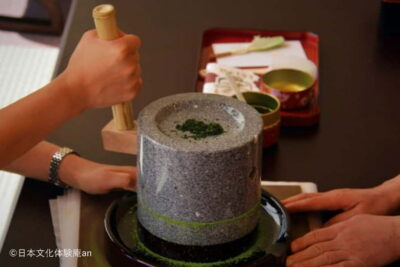
Japanese Traditional Sweets Making and Tea Ceremony
Read our review →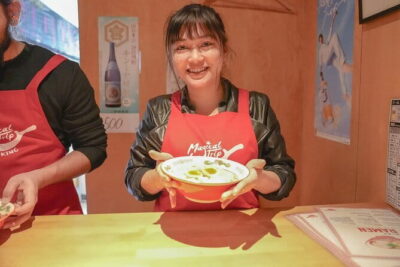
Kyoto Ramen and Gyoza Cooking Class with Professional Chefs
Read our review →Browse the lists this tour appears in