
Reviewed · KYOTO ZEN MEDITATION
Zen Meditation for Life in Kyoto
In a traditional Kyoto machiya, Buddhist priest Brian Victoria teaches you how Zen meditation works, then gives you time to try it for yourself. This is a private workshop, not a group class, and the afternoon includes both seated meditation and slow walking practice.
I like two things in particular: the session explains the ideas behind the practice, not just the posture, and you can sit on a chair if lotus position is not comfortable. Tea and a traditional Kyoto sweet round out the visit.
The main consideration is the time commitment. The advertised duration is about four and a half hours, so this is an afternoon activity, not a quick stop between temples. The teaching can also be information-rich, which suits a curious mind better than someone looking only for a quiet meditation session.
What to know before you go
- Brian Victoria leads the private session. He is a Zen Buddhist priest, and the teaching covers both meditation practice and the religious ideas behind it.
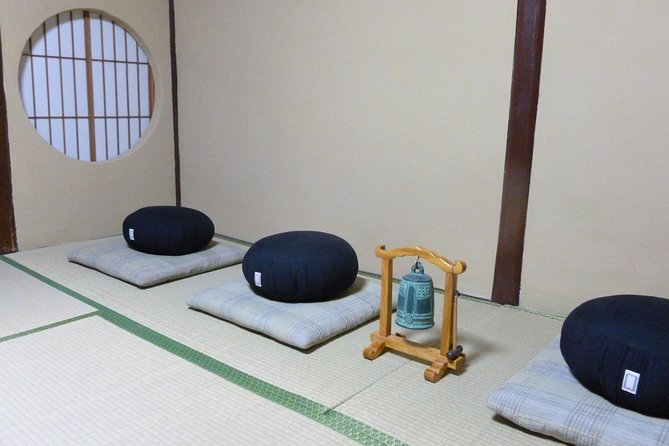
- The workshop takes place in a Kyoto machiya. The traditional home is near Nishi Honganji and about a five-minute bus or taxi ride from Kyoto Station.
- You learn two forms of practice. The session includes seated zazen and walking meditation, called kinhin.
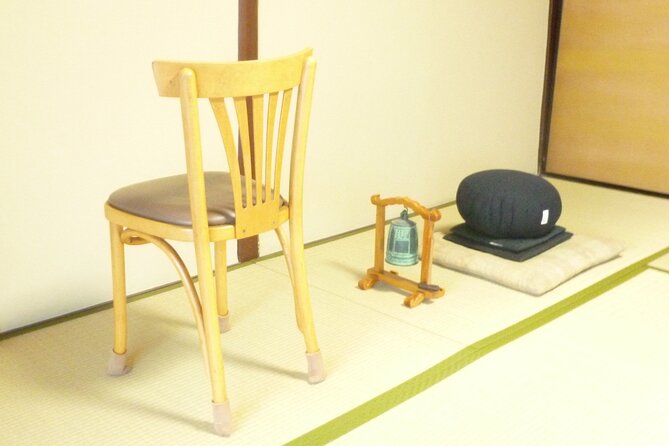
- You do not need to sit cross-legged. Lotus and half lotus are options, but a chair is available if you prefer.
- Plan on most of an afternoon. The stated duration is about four and a half hours, with a 1 pm start time.
- Tea and a Kyoto sweet are included. Public transport is not, and the stated fare is ¥240 per person.
A Kyoto meditation class with room to ask questions
Kyoto is a natural place to learn about Zen. The city is closely tied to Japanese Buddhist practice, but a temple visit often leaves you looking in from the outside. This workshop gives you a more direct way to understand one part of that tradition: how meditation is approached, why posture matters, and what you are meant to do with your attention.
The private format changes the feel of the afternoon. You take part with your own group rather than joining a roomful of strangers, and you can ask questions as they come up. That matters in a class that covers both spiritual ideas and physical technique. You are not expected to arrive with prior meditation experience.
Brian Victoria is identified as both a priest and an academic. The session is not limited to a set of breathing instructions. It also explores Buddhist history and the development of Japanese religious practices, giving context to the exercise before you try it. The teaching can be dense at times, so I would come ready to listen and think, not just switch off.
That wider discussion is a strength if you are curious about religion, culture, or the purpose of meditation. One visitor described the afternoon as a source of new perspectives on religion and life; another appreciated the link between spiritual history and the practice. If you want a quiet, wordless retreat, this may not be the right fit. Here, conversation and explanation are part of the experience.
More zen and meditation sessions in Kyoto:
- Kyoto Zen Meditation & Garden Tour at a Zen Temple with Lunch
★ 5.0 · 441 reviews - Kyoto: Zen Experience in a Hidden Temple
★ 5.0 · 437 reviews - Kyoto: Tea Ceremony Meditation – Make Matcha with Tea Master
★ 4.8 · 406 reviews
From Kyoto Station to a traditional machiya
The meeting point is Hotel Granvia Kyoto, at the station’s Central Entrance. From there, the private meditation hall is described as a five-minute bus or taxi ride away, near Nishi Honganji. Public transportation is not included, and the listed bus fare is ¥240 per person.
That short transfer is useful to know when you plan your day. You do not need to set aside time for a long trip across Kyoto, but you should still leave room to reach the meeting point and travel to the house. The activity ends back at the original meeting point.
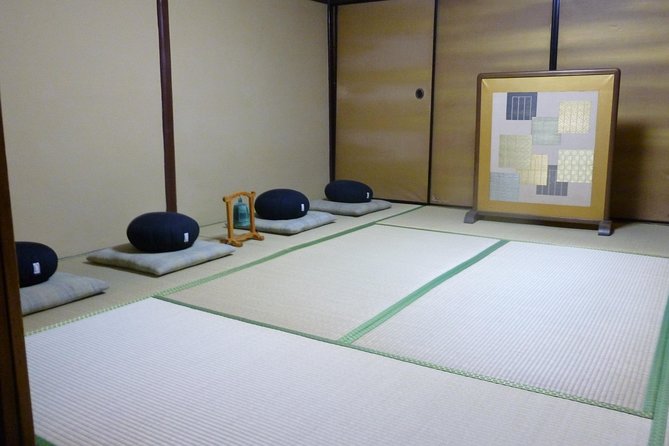
The setting is a machiya, a traditional Kyoto home adapted for meditation. This gives the session a different character from a large temple hall or a modern classroom. The house is the place where the lesson takes shape: you hear about Zen practice, learn how to sit, and then try the techniques in the same setting.
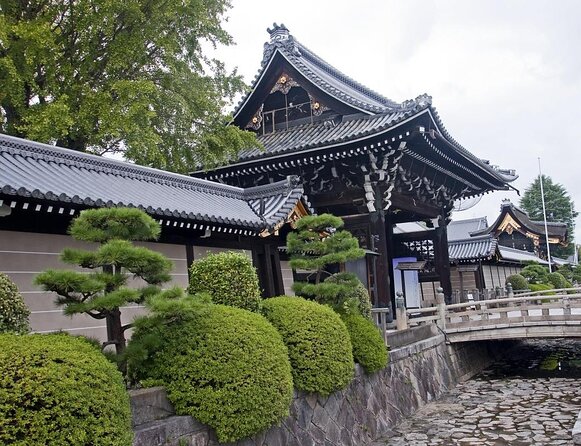
Nishi Honganji is listed as the itinerary stop, and the meditation venue is nearby. One account of the afternoon included time to explore a temple, but the exact amount of temple time is not specified as a fixed part of every session. Treat the temple as useful context for the area, rather than assuming you will have a guided temple visit.
The 90-minute introduction: ideas, posture, and attention
The first substantial part of the workshop is a 90-minute introduction to Zen meditation’s theory and practice. It focuses on the proper posture used in this form of mindfulness meditation, along with the role of breath and mind control.
That explanation is valuable because meditation can sound simpler than it feels. Sitting still is only one piece of the practice. The lesson helps you understand how posture supports attention and what to do with your breathing and thoughts. You leave with a basic method you can try again on your own, rather than only a pleasant memory of sitting in a quiet room.
The length of the introduction is also worth weighing. A visitor found the amount of information a little overwhelming, even while describing the experience as worthwhile. If you are most interested in the practical exercise, you may need to be patient through the background material. If you enjoy thoughtful discussion, the historical and religious context is likely to be a major part of the appeal.
Bring questions. The session ends with time set aside for them, but you can also use the private setting to clarify a point as you go. The aim is to help you understand both how to meditate in the Zen tradition and why the practice is done.
Seated zazen, with a chair as an option
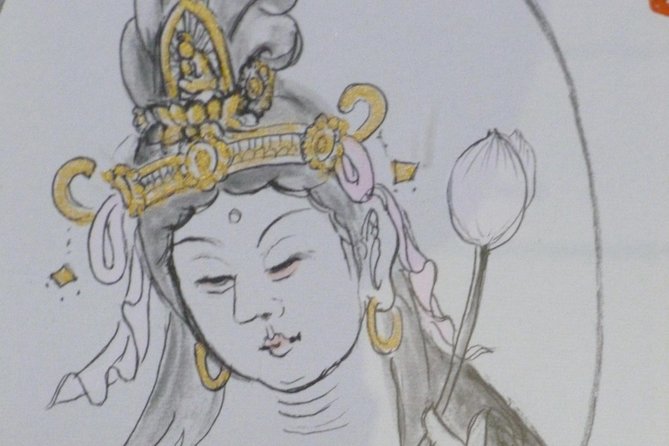
After the introduction, you try seated zazen in two 20-minute periods. The traditional choices are lotus or half lotus, but you can use a chair if sitting on the floor is not comfortable for you. That flexibility makes the class more approachable, especially if you are new to meditation or unsure how your body will manage a long seated session.
The posture instruction is central, rather than a small preliminary. You learn how to arrange your body and work with your breath and attention. Then you have time to put the instructions into practice. The two sittings are long enough to give you a genuine taste of stillness, but they are not a full-day retreat.
If you have never meditated before, do not expect your mind to become quiet on command. The value here is learning a method and noticing what the practice asks of you. The class does not promise instant calm or a dramatic spiritual breakthrough. It gives you a starting point and a chance to test it under guidance.
More Kyoto tours in Kyoto:
- PERFECT KYOTO 1-Day Bus Tour
★ 5.0 · 13,518 reviews - Kyoto: Fushimi Inari, Kinkakuji, Bamboo Grove 1 Day Bus Tour
★ 4.8 · 4,316 reviews - Kyoto: Tea Ceremony in a Traditional Tea House in Kiyomizu
★ 4.9 · 3,519 reviews - Kyoto Geisha Walking Tour: Gion District & Hidden Gems
★ 4.7 · 3,273 reviews
Walking kinhin breaks up the stillness
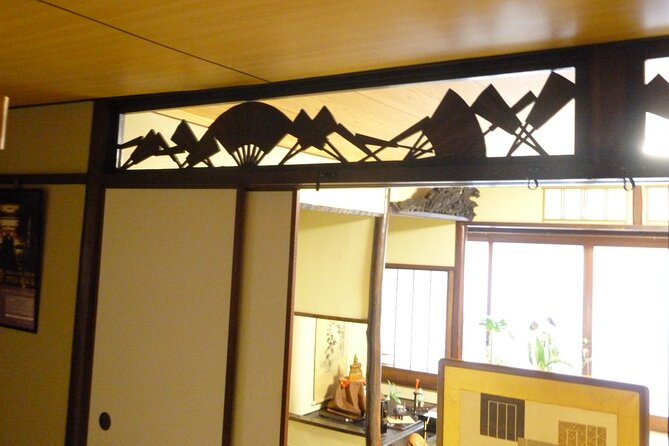
The seated periods are separated by 10 minutes of walking meditation, known as kinhin. This is a useful contrast: you carry the attention of the seated practice into movement rather than treating walking as a break from meditation.
For some people, that change makes the afternoon easier to follow. You are not expected to remain seated for one long stretch, and the walking portion lets you experience a second form of practice. Together, the seated and walking exercises make the workshop more practical than a lecture alone.
The schedule describes two 20-minute seated periods with a 10-minute walking meditation between them. That adds up to a focused practice block, supported by the longer introduction. If you are booking mainly for meditation, this is the part to look forward to. If you are booking mainly for temple sightseeing, keep in mind that the core of the afternoon is instruction and practice.
Tea, a Kyoto sweet, and time to reflect
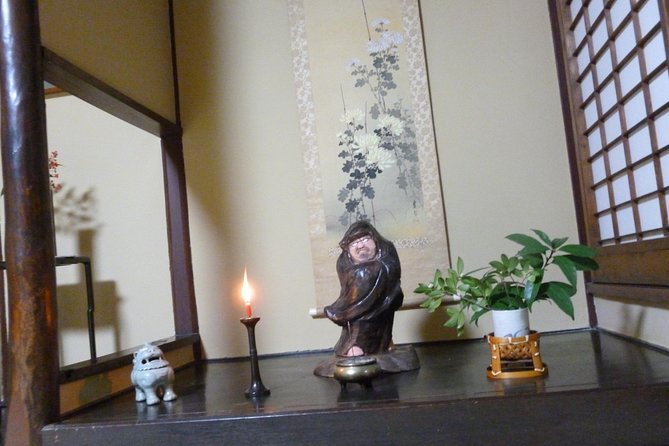
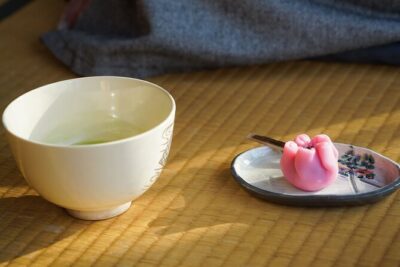
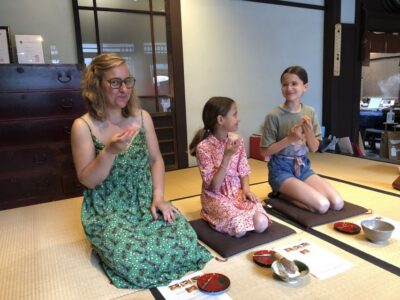
The workshop ends with about 30 minutes for green tea and a traditional Kyoto sweet. Both are included in the price. This is not just a snack stop: it gives you time to ask remaining questions and think through what you have learned before leaving.
The unhurried ending suits the subject. Meditation is personal, and you may want to talk through how to adapt the posture or practice on your own. The discussion also gives the afternoon a natural close, rather than ending as soon as the final seated session is over.
A few people have found the experience thought-provoking beyond meditation itself. Brian’s storytelling and ability to connect with different ages and interests have been part of the appeal, including a discussion about religion with an 18-year-old participant. That suggests the session can work well for a mixed-age group, provided everyone is open to a reflective afternoon.
Is $108 good value?
The listed price is $108, with coffee or tea and a traditional Kyoto sweet included. Public transport costs extra, with the stated fare at ¥240 per person. Because the activity is private, you are paying for an afternoon arranged for your group, rather than a place in a large class.
Value depends on what you want. If you are looking for a short meditation demonstration, the price and time commitment may feel high. But if you want an individual introduction to Zen practice, with a priest teaching the background and guiding you through both sitting and walking meditation, the private format gives the session a clear purpose.
The afternoon also offers something different from the usual temple visit. You are not simply moving through a site and reading signs. You learn a practice, try it, and have the chance to ask questions in a traditional home. That is a worthwhile use of time for anyone who wants to understand more than the outward form of Kyoto’s religious life.
The stated duration is about four and a half hours. One participant described an afternoon that ran from roughly 1:30 pm to 6 pm, while the listed start time is 1 pm. Since the timing may vary, keep your afternoon open and confirm the schedule when booking. Do not plan a tight dinner reservation or another timed activity right afterward.
Who will appreciate this afternoon
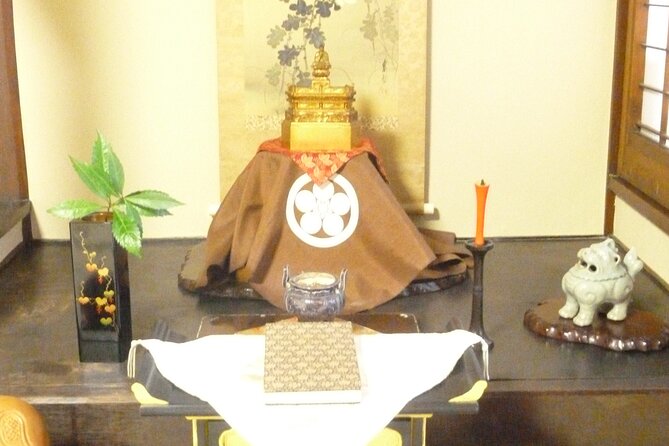
This is a good choice if you are curious about Buddhism, want to learn a meditation method, or prefer personal discussion to a large class. It is especially suited to people who enjoy asking questions and are comfortable spending a long afternoon listening as well as practicing.
You do not need to be experienced at meditation, and chair seating is available. The activity says most people can participate. Still, the session involves two periods of seated meditation, so consider your comfort with sitting before you book. The chair option helps, but the workshop remains centered on meditation practice.
Families or groups with different interests may also find common ground here. The teaching can reach beyond the physical exercise into religion and life, which may suit a curious teenager or adult. On the other hand, a companion who wants only sightseeing may find the extended discussion less appealing.
Should you book the Zen Meditation for Life workshop?
Book it if you want a private, thoughtful introduction to Zen from Brian Victoria, and you are willing to give most of an afternoon to learning and practice. The strongest reasons are the combination of clear instruction, two kinds of meditation, a traditional Kyoto setting, and time for questions over tea.
Skip it if you want a short, silent session or need to fit several other activities into the same afternoon. This is a class with substance, not a quick photo stop. If the idea of leaving Kyoto with a meditation practice you can try again at home appeals to you, it is a distinctive way to spend time near Nishi Honganji.
FAQ
How long does the experience last?
The approximate duration is four hours and 30 minutes. Keep most of your afternoon free, as one account described a session running from about 1:30 pm to 6 pm.
What time does it start?
The stated start time is 1 pm.
Where is the meeting point?
The meeting point is Hotel Granvia Kyoto, at the Central Entrance of JR Kyoto Station.
Where does the meditation workshop take place?
The private meditation hall is in a traditional Kyoto machiya near Nishi Honganji, about a five-minute bus or taxi ride from Kyoto Station.
Is this a group activity?
No. It is a private activity for your group.
Who teaches the workshop?
The workshop is led by Brian Victoria, identified as a Zen Buddhist priest.
What meditation practices are included?
You learn seated zazen and walking meditation, known as kinhin. The session includes two 20-minute seated periods, with 10 minutes of walking meditation between them.
Do I have to sit in the lotus position?
No. Lotus and half lotus are options, and you may sit on a chair if that is more comfortable.
Are tea and sweets included?
Yes. Green tea and a traditional Kyoto sweet are included at the end of the workshop. Coffee is also listed among the provided drinks.
Is public transportation included in the price?
No. Public transportation is not included. The stated bus fare is ¥240 per person.
Newly added in Kyoto
- Uji: Private immersion into Kyoto’s tea and reglious culture★ 5.0 · 17 reviews
- Whisk Your Own Matcha: A Zen Matcha Experience at Temple★ 3.6 · 7 reviews
- Kyoto tea town for matcha lovers★ 5.0 · 16 reviews
- Treasures of Kyoto: Gion & historical Walking Tour★ 5.0 · 6 reviews
- Kyoto Matcha Green Tea Tour★ 4.5 · 23 reviews
- Uji and Wazuka Matcha Farm Half Day Private Guided Tour★ 5.0 · 21 reviews
- Uji Tea Ceremony and UNESCO Heritage Walking Tour★ 5.0 · 20 reviews
- Utilising upcycled Matcha! Creating matcha incense (Uji, Kyoto)★ 5.0 · 6 reviews
Kyoto Zen Meditation, compared.
Kyoto Zen Meditation & Garden Tour at a Zen Temple with Lunch
Read our review →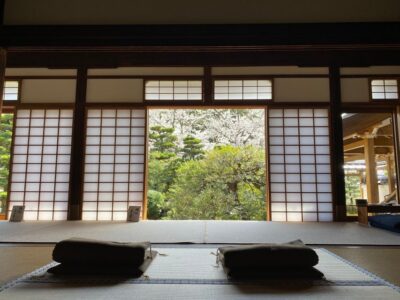
Tea Ceremony Meditation – Make Matcha with Tea Master
Read our review →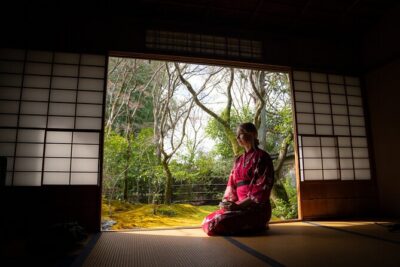
4.5-Hour Kyoto Bike Tour with Lunch and UNESCO Zen Temples
Read our review →
Arashiyama Guided Tour, Bamboo, Monkey, Zen Temple
Read our review →
Kyoto Guided Walking Tour: Secret Zen Garden and Fushimi Inari
Read our review →Browse the lists this tour appears in