
Reviewed · KYOTO TEA CEREMONIES
Kyoto: Japanese Traditional Sweets Making and Tea Ceremony
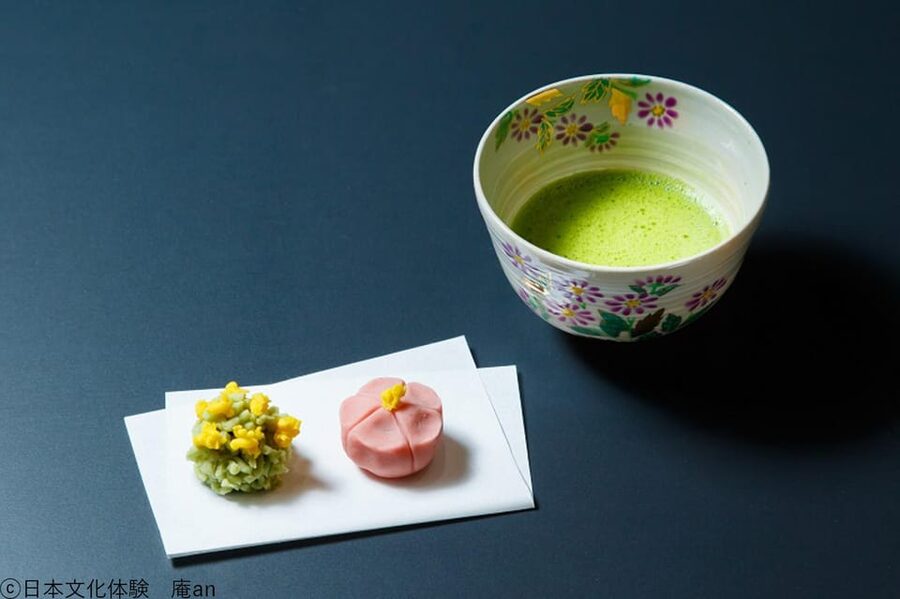
Nerikiri looks like a flower, a fruit, or a small piece of the season, but it begins as bean paste in your hands. In this 95-minute Kyoto class, you color and shape two sweets, then prepare Uji matcha and learn how to drink it. It is a friendly introduction to two traditions that pair beautifully at the table.
I like two things in particular: the sweets use white and red bean paste from long-established Kyoto shops, and you make the matcha yourself rather than just watching someone else do it. The class is also a good-value way to spend part of an afternoon indoors, with a finished treat at the end.
One consideration: this is a hands-on introduction, not an extended study of confectionery or a formal tea ceremony. English explanations are offered as much as possible, but the instructor’s main language is Japanese, and the building has stairs.
What makes this Kyoto class worth considering
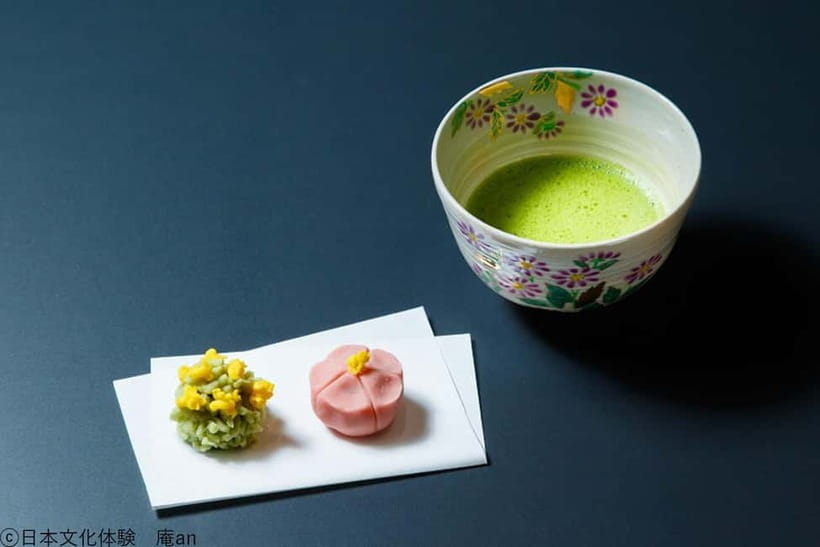
- Two seasonal nerikiri sweets: Color white bean paste and shape two high-grade Japanese confections inspired by seasonal flowers or fruit.
- Kyoto-made ingredients: The white and red bean paste comes from long-established local shops, giving the practical lesson a connection to the city’s food culture.
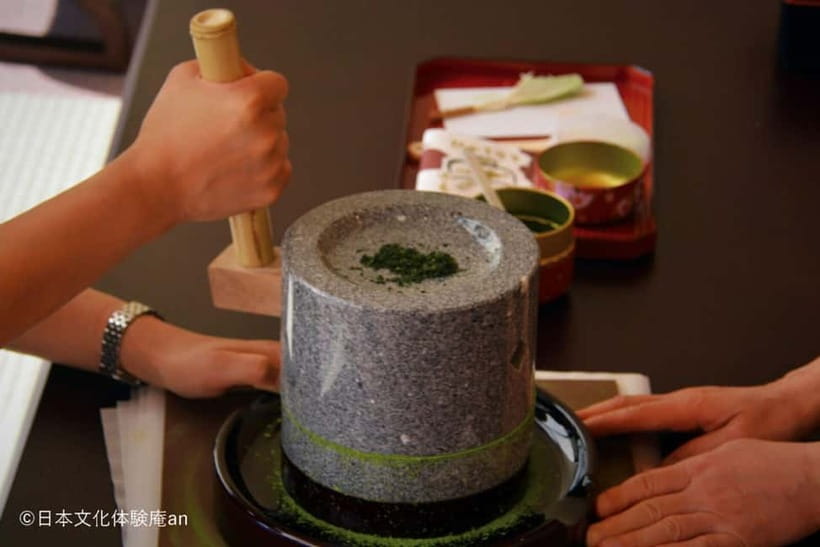
- Uji matcha you prepare yourself: Learn the basics of making matcha and the etiquette of drinking it with your sweets.
- A compact 95-minute activity: It fits neatly into a Kyoto day and offers a welcome seated break from sightseeing.
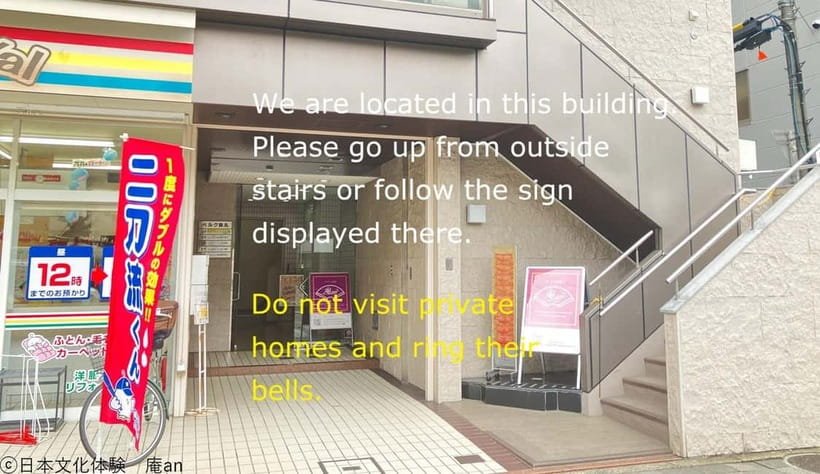
- Near Gojo Station: The venue is a one-minute walk from Exit 1 of the Subway Karasuma Line, with its entrance facing Gojo-dori.
- An accessible price, with a few extras: The class costs $18 per person. A take-out sweets box costs an additional 100 yen, and a completion certificate costs 300 yen.
Start with bean paste, color, and seasonal shapes
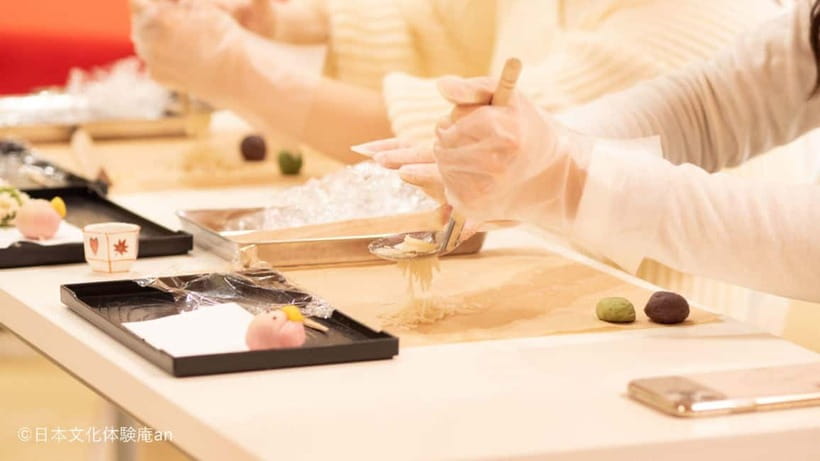
The class begins with nerikiri, a refined Japanese sweet made from colored white bean paste shaped into designs drawn from flowers and fruit. The first step is coloring the paste. From there, you shape it by hand into two sweets that reflect the season.
That simple process is more revealing than it sounds. Nerikiri is not merely a sweet with a pretty finish: its colors and forms connect it to the time of year. Making one yourself gives you a feel for the care behind a confection that can look almost too polished to eat. Almost.
The workshop uses white and red bean paste made by long-established Kyoto shops. That detail matters. You are not just copying a shape with generic craft materials; you are working with ingredients tied to the city’s confectionery tradition. The class is still an introduction, not professional training, but it lets you handle the material and see how skill turns a soft, simple paste into something seasonal.
Expect the activity to be creative and low-intensity rather than physically demanding. The shapes can be tricky, and the finished sweets may not look exactly like the instructor’s. That is part of the fun. A small class can make it easier to follow each stage, though group size can vary, and the class may share space with other participants or activities.
More tea ceremonies in Kyoto:
- Kyoto: Tea Ceremony in a Traditional Tea House in Kiyomizu
★ 4.9 · 3,519 reviews - Kyoto: Tea Ceremony Ju-An at Jotokuji Temple
★ 4.9 · 3,207 reviews - Kyoto: 45-Minute Tea Ceremony Lesson Experience
★ 4.3 · 2,378 reviews
Make two sweets, then sit down with matcha
Once your sweets are ready, the class moves to matcha. You prepare your own tea using Uji matcha, a well-known tea from the Kyoto area, then enjoy it with the sweets you have just made. The pairing is the point: the sweetness of the bean paste balances matcha’s more assertive taste.
The tea portion introduces the basics of tea-drinking etiquette. You learn how to handle the bowl and drink the tea in a traditional way. It is best to think of this as a short, practical lesson in matcha and tea customs, rather than a formal ceremony with an extended sequence of rituals. If you are specifically seeking a full tea ceremony, this class may not go far enough.
Still, preparing the matcha yourself makes the lesson more useful than a demonstration alone. You take part in both sides of the pairing, and the session gives you a small skill you can remember when you make matcha again. The sweets also give you a reason to pay attention to the tea’s flavor, instead of treating it as a quick photo stop.
The pace is designed to fit the full activity into 95 minutes. That is enough time for making, instruction, and tasting, but it is not a leisurely half-day workshop. One practical note: a few classes may overlap in the same room or share part of the tea session. If you value a quiet, intimate ceremony above all, ask about the class format before booking.
English help, group size, and the teaching style
The instructor’s language is Japanese. English translation is provided as much as possible, and you can contact the provider in advance to request it. In practice, the amount of English may depend on who is teaching and who else is in the room. Some instructors explain the steps in both Japanese and English; others may use less English, leaving you to follow the demonstration and copy the movements.
That need not prevent you from enjoying the class. The sweet-making steps are visual, and the process is broken into manageable actions. But if detailed explanations about matcha, ingredients, or tea etiquette are important to you, contact the provider before you book and make your language needs clear. Do not assume every session will have the same level of English.
The class can also feel different depending on the group. It may be a small mixed group, or it may include a larger party, such as local students. Sharing the room can add an unexpected local dimension, but it can also make the tea portion noisier or harder to hear. The instructor may need to move between Japanese and English, which can mean less detail in one language than the other.
Instructors are described as friendly and patient, with clear step-by-step demonstrations. That matters for an activity where your hands are busy and you cannot simply take notes. But if the instructor is hard to hear, or the room is shared, you may miss a few details. Arrive on time: the provider says the class cannot be held to accommodate late arrivals.
The $18 price and what it includes
At $18 per person, this is an appealingly affordable way to try two Kyoto food traditions in one visit. Your fee covers the Japanese traditional sweets-making and tea experience, including the two sweets you prepare and the matcha session. You are not paying for an elaborate private ceremony; you are paying for a practical class, ingredients, instruction, and the chance to enjoy what you make.
The value is strongest if you want an activity that is participatory, short, and easy to fit into a day of sightseeing. You get to work with Kyoto-made bean paste, learn a seasonal craft, and prepare matcha. For a single low-cost booking, that is a useful mix of cultural context and hands-on time.
There are two optional costs to keep in mind. A sweets take-out box costs 100 yen, and a completion certificate costs 300 yen. If you want to take your sweets away, budget for the box; otherwise, you can eat them with your matcha during the class.
Children under two who sit on a parent’s lap are free. Non-participants are not allowed to enter, so this is not a place to bring an extra adult who plans to watch without taking part. The activity is likely to suit families with children who enjoy making things, though the provider does not give a specific age recommendation.
More cooking classes in Kyoto:
- Ramen Cooking Class at Ramen Factory in Kyoto
★ 5.0 · 1,937 reviews - Sushi Making in Kyoto! Same-day bookings welcome!
★ 5.0 · 713 reviews - Kyoto: Ramen Cooking Class at a Ramen Factory with Souvenir
★ 4.9 · 532 reviews - Kyoto: Ramen, Gyoza, and Onigiri Cooking Class
★ 5.0 · 445 reviews
Finding the workshop and planning around the stairs
The workshop is a one-minute walk from Exit 1 of Gojo Station on the Subway Karasuma Line. Its entrance faces Gojo-dori, a useful landmark when you arrive. The location makes this an easy stop to pair with other central Kyoto plans, without setting aside a full morning or afternoon for travel.
There is a practical accessibility point to check before booking. The activity information marks the experience as wheelchair accessible, but it also states that there is no elevator and that you need to use stairs to reach each venue. Those details may not fit every mobility need. Contact the provider directly to confirm which space is used and whether it works for you.
The stated operating hours are 10:00 to 17:00. Reservations received after 17:00 are processed the next day. Free cancellation is available up to 24 hours in advance for a full refund, but the provider also says cancellation fees apply in other cases and that changing a reservation after a fee has been incurred may carry a charge. Read the current cancellation terms carefully before making plans.
Who should book this class?
I would consider this a good fit if you want to do more than watch a demonstration. You make two sweets from the start of the coloring process, prepare matcha, and then taste the results. It suits curious first-timers, families who want a calm indoor activity, and anyone who enjoys crafts or Japanese food culture.
It is also a sensible choice for a rainy afternoon or a busy itinerary that needs a short pause. The 95-minute format is long enough to do both activities but short enough to leave room for the rest of your day. And because you create and eat the sweets, the session has a clear beginning and finish.
Look elsewhere if your main goal is a formal, slow-paced tea ceremony, advanced wagashi instruction, or guaranteed detailed teaching in English. This is an introductory class, and the teaching language and room atmosphere may vary. For the price, however, it offers a pleasant, hands-on way to get acquainted with seasonal sweets and matcha in Kyoto.
FAQ
How long does the class last?
The activity lasts 95 minutes.
How much does it cost?
The price is $18 per person. A sweets take-out box costs 100 yen, and a completion certificate costs 300 yen.
What will I make?
You will make two seasonal nerikiri sweets, starting by coloring white bean paste and then shaping it.
Is matcha included?
Yes. You prepare Uji matcha during the class and enjoy it with the sweets you made.
Is this a formal tea ceremony?
The class includes an introduction to matcha and the etiquette of drinking it. It is best understood as a short tea lesson, not necessarily an extended formal ceremony.
What language is the class taught in?
The instructor’s language is Japanese. English translation is provided as much as possible. Contact the provider if you would like English support.
Where is the meeting point?
The venue is a one-minute walk from Exit 1 of Gojo Station on the Subway Karasuma Line. The entrance faces Gojo-dori.
Is the venue wheelchair accessible?
The activity is marked wheelchair accessible, but the building has no elevator and stairs are needed to reach each venue. Contact the provider to confirm access for your needs.
Can I cancel for a refund?
You can cancel up to 24 hours in advance for a full refund. Check the current cancellation terms for details about later cancellations or reservation changes.
Newly added in Kyoto
- Uji: Private immersion into Kyoto’s tea and reglious culture★ 5.0 · 17 reviews
- Whisk Your Own Matcha: A Zen Matcha Experience at Temple★ 3.6 · 7 reviews
- Kyoto tea town for matcha lovers★ 5.0 · 16 reviews
- Treasures of Kyoto: Gion & historical Walking Tour★ 5.0 · 6 reviews
- Kyoto Matcha Green Tea Tour★ 4.5 · 23 reviews
- Uji and Wazuka Matcha Farm Half Day Private Guided Tour★ 5.0 · 21 reviews
- Uji Tea Ceremony and UNESCO Heritage Walking Tour★ 5.0 · 20 reviews
- Utilising upcycled Matcha! Creating matcha incense (Uji, Kyoto)★ 5.0 · 6 reviews
Kyoto Tea Ceremonies, compared.

Tea Ceremony in a Traditional Tea House in Kiyomizu
Read our review →


World Heritage Kyoto & Nara Uji Authentic Matcha Experience
Read our review →


Arashiyama Bamboo Forest, Monkeys, Matcha & Temple Tour
Read our review →
Tea Museum Tickets and Matcha Grinding Experience
Read our review →Browse the lists this tour appears in