
Reviewed · KYOTO TEA CEREMONIES
Kyoto: Arashiyama Bamboo, Temple, Matcha, Monkeys & secret spots
Arashiyama’s appeal is bigger than its famous bamboo path. This five-hour walking tour adds a quiet garden, a major Zen temple, riverside views and a lively shopping street, giving you a fuller sense of the district than a quick photo stop can.
I like two things in particular: the small group, capped at 12, leaves room for questions and a measured pace, and the Okochi Sanso visit gives you time to sit with matcha instead of rushing from landmark to landmark. Guides named on departures include Toru, Karim, Francis and Tom, whose storytelling and local tips are a recurring strength.
The trade-off is the walking. The monkey park requires a steep uphill hike, and the route can feel strenuous in summer heat. You also leave your guide at the park, so plan to make the final climb on your own.
Arashiyama beyond the bamboo
- The bamboo grove is only the opening act: The route continues into the Kameyama area of Arashiyama Park, rather than turning back after the best-known photo spot.
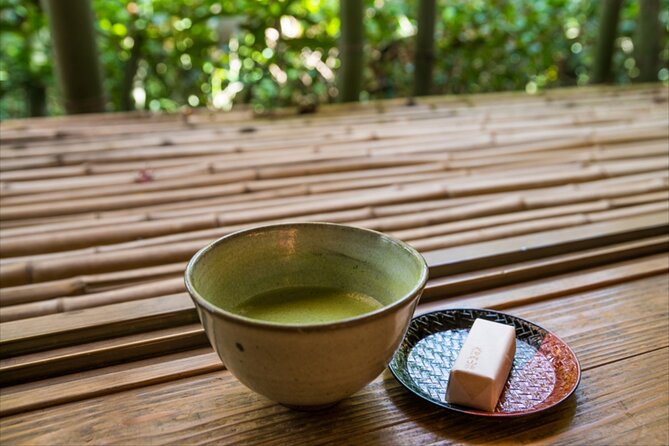
- Okochi Sanso slows the pace: You enter a private garden and pause at a former tea house, with matcha served as part of the garden stop.
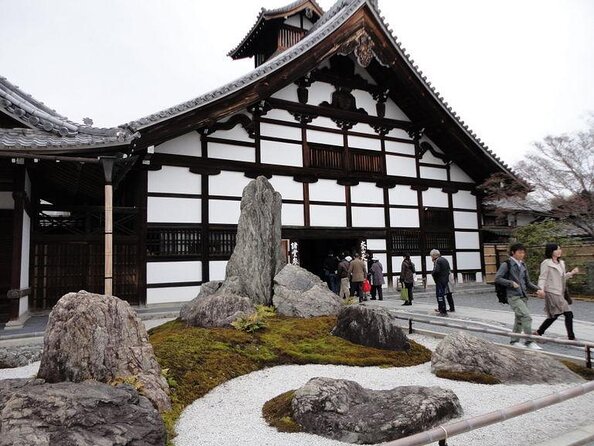
- Tenryu-ji adds cultural context: The temple visit includes its indoor and outdoor spaces, garden scenery and koi pond.
- Your guide helps make the walk personal: A group of no more than 12 makes it easier to ask questions, get shopping help and keep a steady pace.
- The monkey park takes effort: Expect a steep 15-to-20-minute climb after the guided tour ends, rewarded by monkeys and a wide view over Kyoto.
- The price covers key admissions: At $89.54 per person, the fee includes the guide and entry to Okochi Sanso, Tenryu-ji and the monkey park, but not lunch or shopping.
Start with bamboo, then keep walking
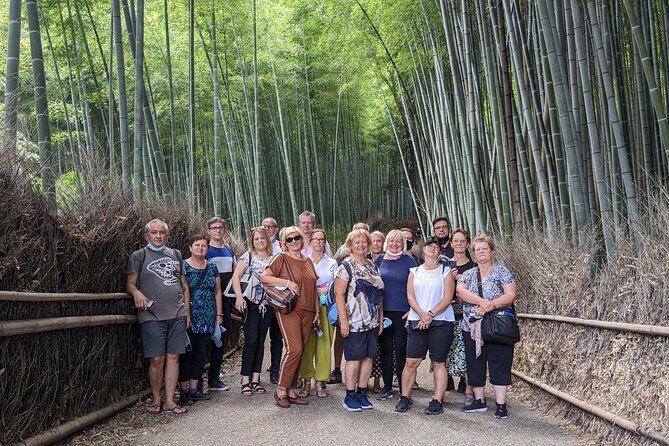
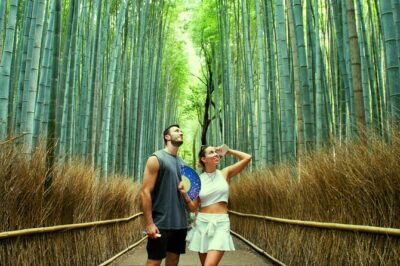
The bamboo grove gets the headlines, but it is a small part of what makes Arashiyama worth a half-day. On this walk, you begin among the tall bamboo and continue toward the Kameyama area of Arashiyama Park. The first stop is listed as an hour, which gives the group time to explore rather than simply pass through.
The guide can add details that make the setting more legible. One guide, Francis, has explained how bamboo grows and how it is used, alongside stories about shrines and local history. That kind of interpretation helps turn a striking but familiar view into a place you understand a little better.
Timing matters here. One couple described reaching the bamboo before the larger crowds, but that should be treated as a possible benefit of the day’s pace, not a promise. Arashiyama is popular, and quiet moments are never guaranteed. Still, having a guide lead the route means you can focus on the surroundings instead of spending your first minutes working out where to go next.
The park section also gives the walk a change of scene. You move away from the tight bamboo corridors and toward a broader stretch of greenery. If you are hoping for a short, flat outing, this is not it. The tour covers several stops on foot, and the route is more rewarding if you arrive ready to walk.
More Arashiyama tours in Kyoto:
- Kyoto: Fushimi Inari, Kinkakuji, Bamboo Grove 1 Day Bus Tour
★ 4.8 · 4,316 reviews - Osaka/Kyoto:Kinkakuji,Arashiyama,FushimiInariShrine,NaraPark
★ 4.1 · 1,596 reviews - Kyoto/Osaka: Nara, Fushimi Inari Taisha, Arashiyama Bus Tour
★ 4.7 · 1,275 reviews
A garden pause at Okochi Sanso
Okochi Sanso is one of the tour’s most distinctive stops. The garden is private, and the 45-minute visit offers a contrast to the public paths and busy shopping area. Instead of treating the garden as a quick backdrop for photos, you have time to look around, sit for a while and take a breath.
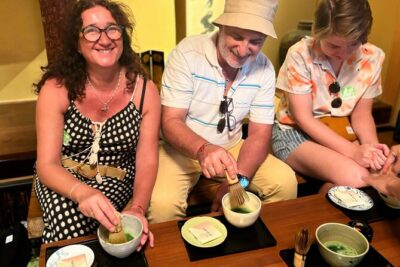
A drink is served in a former tea house that now functions as a rest area. The tour description specifically highlights a warming bowl of matcha, a welcome change after walking. The entrance ticket is included. The included-items list does not separately specify the cost of the drink, so it is sensible to confirm whether the matcha is covered or bring a little extra money.
The garden is especially appealing if you enjoy design and seasonal scenery. One visitor described the villa and its views as an unexpected highlight, while another recalled the garden in autumn foliage. The colors will depend on the season, of course, but the garden’s value is not limited to a particular time of year: it gives you a quieter, more reflective stretch in a day full of movement.
This is also where the group format earns its keep. You can ask the guide what you are seeing, then take a moment to absorb it without needing to manage the route yourself. The stop is not a formal tea ceremony, so book it for the garden, the pause and the served matcha, not for an elaborate tea lesson.
Tenryu-ji’s pond, grounds and stories
The 45-minute Tenryu-ji visit brings a temple into a day otherwise shaped by gardens, bamboo and river scenery. The tour includes the temple entrance and time to explore indoors and outdoors. The koi pond is one of the details called out on the route, and it gives you a natural place to pause while the guide explains the site.
A temple can be harder to appreciate when you are moving through it without context. Here, the guide can link the architecture and grounds to Kyoto’s wider past and customs. Guests have particularly valued guides who explain history clearly, answer questions and share personal stories along the way. Toru and Karim are among the named guides praised for combining historical detail with an engaging, easygoing manner.
The stop is a useful counterpoint to the bamboo forest. The bamboo makes an immediate visual impression; Tenryu-ji asks you to pay closer attention to its spaces and surroundings. If temples are already a major part of your Kyoto plans, you may have seen several similar sites, but this visit still makes sense as part of a carefully connected walk through Arashiyama.
Keep your expectations in proportion to the schedule. Forty-five minutes is enough to explore the main areas at a steady pace, but it is not a long, unhurried temple visit. If you want to linger over every detail, you may wish to return on your own another day.
Shopping street and Togetsukyo Bridge
The one-hour stop on Arashiyama’s shopping street gives you a chance to browse, buy a snack or ask your guide for help with a purchase. Shopping and souvenirs are not included in the price, but translation assistance is. That is practical if you are unsure how to ask about an item or want help navigating a shop.
This part of the tour is less about a single landmark and more about seeing how the area works as a place people visit and shop. Guides have shared food suggestions as well as history, and one guide helped a group find a custard-filled fish-shaped treat. You may come away with a good snack recommendation, but the tour does not include lunch. Eat beforehand or plan to buy food during the shopping stop if you need a proper meal.
Togetsukyo Bridge gets a shorter, 15-minute pause. It crosses the Katsura River and is one of Arashiyama’s signature photo spots. The brief stop gives you a chance to take in the bridge and river view, though it is not designed for a long riverside break.
Together, these two stops offer a useful shift in rhythm. You get time to browse and ask questions, followed by a quick look at the river and bridge before heading to the monkey park. If you are hoping for substantial free time to shop, the hour may feel short, especially if you want to visit several stores.
More tea ceremonies in Kyoto:
- Kyoto: Tea Ceremony in a Traditional Tea House in Kiyomizu
★ 4.9 · 3,519 reviews - Kyoto: Tea Ceremony Ju-An at Jotokuji Temple
★ 4.9 · 3,207 reviews - Kyoto: 45-Minute Tea Ceremony Lesson Experience
★ 4.3 · 2,378 reviews - World Heritage Kyoto & Nara Uji Authentic Matcha Experience
★ 5.0 · 1,573 reviews
The monkey park: a climb after the tour
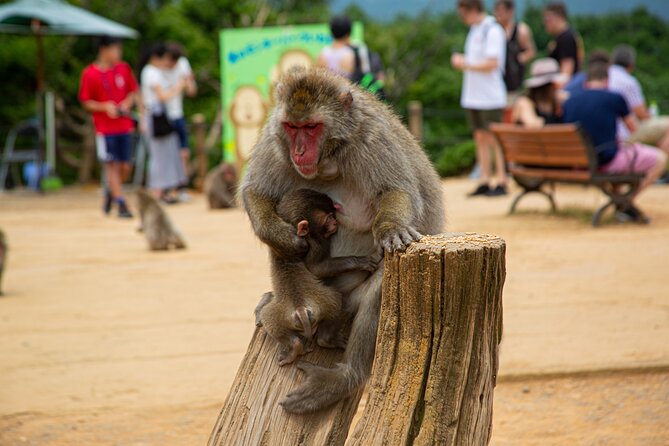
The monkey park is the day’s most demanding stop. The guided tour officially ends there, and you take your ticket and continue uphill to reach the monkeys. The path is steep and takes roughly 15 to 20 minutes to climb. It is described as a short hike, but short does not mean easy, particularly in summer heat.
Wear comfortable shoes and be honest with yourself about your fitness. The climb has been described as a struggle on hot days, including temperatures around 33°C. Bring sun protection and water for warm weather. The park is especially appealing to families and children, but the uphill path may be tiring for younger children or anyone who finds steep walks difficult.
At the top, you can watch the monkeys and enjoy one of the area’s best views over Kyoto. The park is a fun finish, but it is not everyone’s favorite stop. If your main interest is architecture and gardens, you may find the bamboo, Okochi Sanso and Tenryu-ji more rewarding. If you like animals and views, the climb adds a memorable final chapter.
Because the guide leaves you at the park, listen carefully to the instructions and make sure you have your ticket before setting off. You can take the time you need there and leave when you choose. Do not assume the guide will accompany you up or back down.
What the small group and price mean
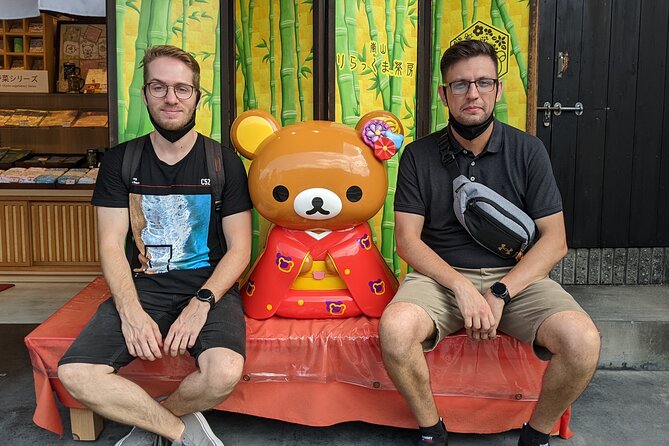
At $89.54 per person, this is not simply an admission bundle. You are paying for a guide to connect several sights into one route, explain what you are seeing and help with questions or shopping. The included fees cover Okochi Sanso, Tenryu-ji and the monkey park, along with the guide. If you planned to visit all three independently, those admissions would still be part of your budget.
The group limit of 12 is a practical advantage. It is small enough to ask questions without having to compete with a crowd, and several guides have been praised for keeping the pace relaxed and looking after people with different needs. One guide was attentive to older members of the group; another made a point of keeping the group respectful of local residents. Those details matter on a walking tour through a lived-in district.
The schedule is approximately five hours, with a possible variation of about 30 minutes. The monkey park’s uphill walk comes after the guided portion, so allow extra time if you intend to stay there. There is no lunch included, and any purchases or souvenirs are yours to pay for.
This is a walking tour, not a bus tour. You need to arrive at the meeting point 15 minutes before departure; late arrivals cannot join and will not receive a refund. A single person can book, but the tour needs at least two participants to run. If that minimum is not met, the provider offers a different date or experience, or a full refund.
Who should book this walk
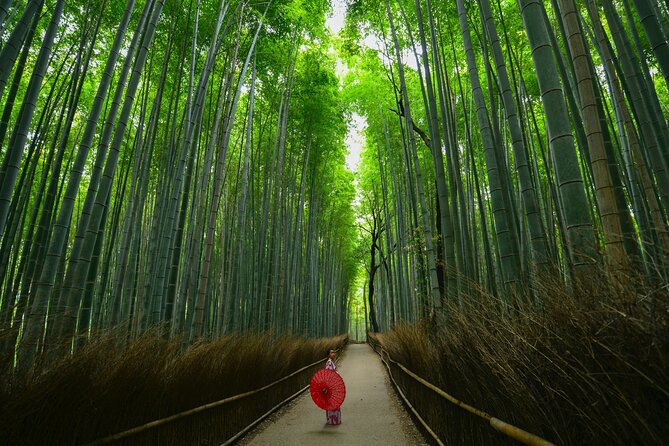
I would choose this tour if you want a structured introduction to Arashiyama and prefer to learn as you go. It is a particularly good fit if you like gardens, temples and local stories, but also want room to browse shops and see the river. Families may enjoy the monkey park, while the guide’s stories and wildlife spotting can help keep children engaged during the walk.
It is less suitable if you have limited stamina, dislike hills or want a short visit focused only on the bamboo grove. The route involves substantial walking, and the monkey park climb is steep. In hot weather, that final uphill section can feel like more than a small add-on.
The guide is a major part of the experience, and the names Toru, Karim, Francis and Tom appear among the guides who have led tours. You cannot count on a particular person or on a language other than English unless you confirm it in advance. Some guides speak French, German or Spanish, but those languages are not guaranteed on a shared tour.
Should you book it?
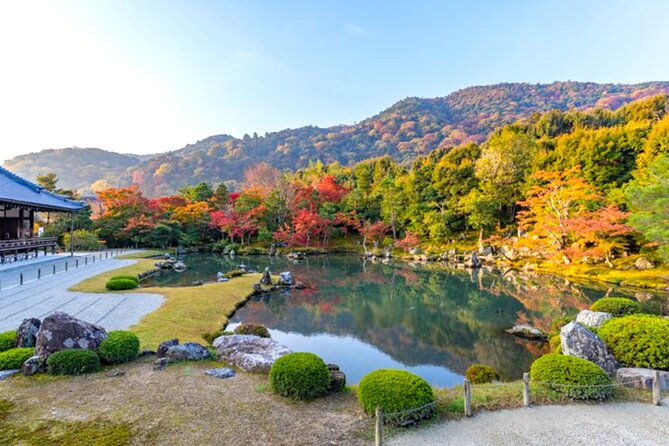
Book this walk if you want Arashiyama to feel like more than one famous bamboo path. The private garden, Tenryu-ji, shopping street and bridge make a varied half-day, while a good guide can add the local context that is easy to miss on your own. The admissions and small-group format help justify the price.
Skip it if you need a flat, low-effort outing or want to set your own pace at every stop. The walk is long, the monkey park is uphill, and the guide leaves before you make that final climb. With sturdy shoes, a little stamina and an appetite for stories, it is a strong way to see several sides of Arashiyama in one go.
FAQ
How long is the tour?
It lasts approximately five hours. The actual time can vary by about 30 minutes, and you may want extra time for the monkey park after the guided portion ends.
How many people can join?
The shared tour has a maximum of 12 participants.
Is this a private tour?
No. It is a small-group walking tour, not a private tour.
What is included in the price?
The price includes the guide fee and entrance tickets for Okochi Sanso, Tenryu-ji and the monkey park. Shopping and souvenirs are not included.
Is lunch included?
No. Lunch is not included.
Is matcha included?
Matcha is served during the Okochi Sanso garden stop, but the included-items information does not separately state whether the drink’s cost is covered. Confirm this with the provider before booking if it matters to your budget.
How difficult is the monkey park walk?
The path to the top is steep and takes about 15 to 20 minutes. Comfortable shoes and a reasonable level of fitness are recommended.
Does the guide go up to the monkeys?
The guided tour officially ends at the monkey park. You take your ticket and hike up to the monkeys on your own, and you can leave the park whenever you like.
Can I book in a language other than English?
Some guides speak French, German or Spanish, but another language is not guaranteed on a shared tour. Contact the provider before booking to check availability for your date.
What happens if the tour is canceled because the minimum group size is not met?
You will be offered another date or experience, or a full refund. Single participants can book, but the tour requires a minimum of two people to go ahead.
More temple and shrine tours in Kyoto
- Arashiyama Bamboo, Temple, Monkeys, or Secret Sake Brewery
★ 4.8 · 886 reviews - Kyoto: Arashiyama Bamboo Forest, Monkeys, Matcha & Temple Tour
★ 5.0 · 759 reviews - Osaka/Kyoto: Arashiyama, Nara & Fushimi Inari Shrine w/Lunch
★ 4.4 · 754 reviews - Kyoto: Imperial Palace & Nijo Castle Guided Walking Tour
★ 4.7 · 453 reviews
Newly added in Kyoto
- Uji: Private immersion into Kyoto’s tea and reglious culture★ 5.0 · 17 reviews
- Whisk Your Own Matcha: A Zen Matcha Experience at Temple★ 3.6 · 7 reviews
- Kyoto tea town for matcha lovers★ 5.0 · 16 reviews
- Treasures of Kyoto: Gion & historical Walking Tour★ 5.0 · 6 reviews
- Uji and Wazuka Matcha Farm Half Day Private Guided Tour★ 5.0 · 21 reviews
- Kyoto Matcha Green Tea Tour★ 4.5 · 23 reviews
- Uji Tea Ceremony and UNESCO Heritage Walking Tour★ 5.0 · 20 reviews
- Utilising upcycled Matcha! Creating matcha incense (Uji, Kyoto)★ 5.0 · 6 reviews
Kyoto Tea Ceremonies, compared.

Tea Ceremony in a Traditional Tea House in Kiyomizu
Read our review →

World Heritage Kyoto & Nara Uji Authentic Matcha Experience
Read our review →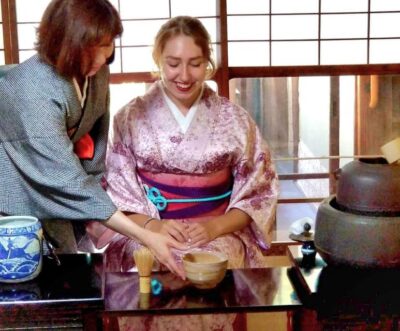
Arashiyama Bamboo Forest, Monkeys, Matcha & Temple Tour
Read our review →
Tea Museum Tickets and Matcha Grinding Experience
Read our review →Browse the lists this tour appears in