
Reviewed · KYOTO SAMURAI & NINJA EXPERIENCES
Kyoto Samurai Experience
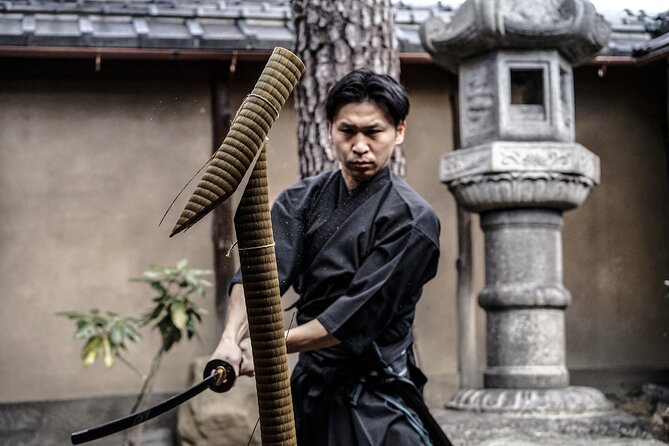
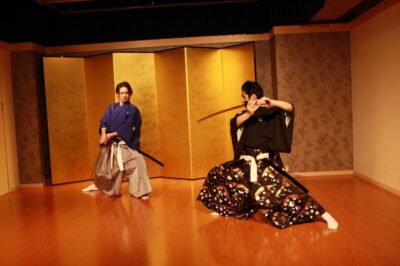
A samurai house is an apt place to learn about the warrior’s life. In this Kyoto session, you hear about Bushido, change into traditional clothing, practice basic sword movements with an instructor, and take time for Zen meditation. It’s a hands-on cultural activity, not just a history talk.
I like the mix of sword practice and meditation, which gives the session more substance than dressing up for a quick photo. I also like that it takes place in a historic samurai house, where the setting helps bring the stories to life. One consideration: the location may take some effort to reach, so check your route before choosing a time.
- A historic setting: The session takes place at a traditional samurai house in Kyoto.
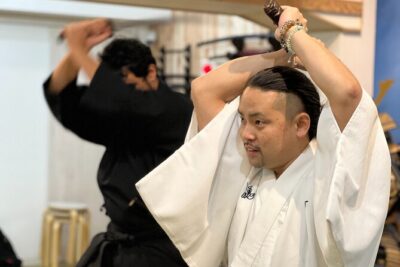
- Basic sword instruction: Learn how to handle and move with a martial arts training sword under an expert instructor’s guidance.
- Traditional clothing: Change into a kimono-style outfit before taking part.
- Bushido and Zen: Hear about the samurai code and take part in a meditation session.
- Small group size: Sessions are capped at 14 people, with morning and afternoon options.
- About 105 minutes: Allow roughly 1 hour 45 minutes at the activity, which starts and ends at the same address.
A samurai house, not a stage set
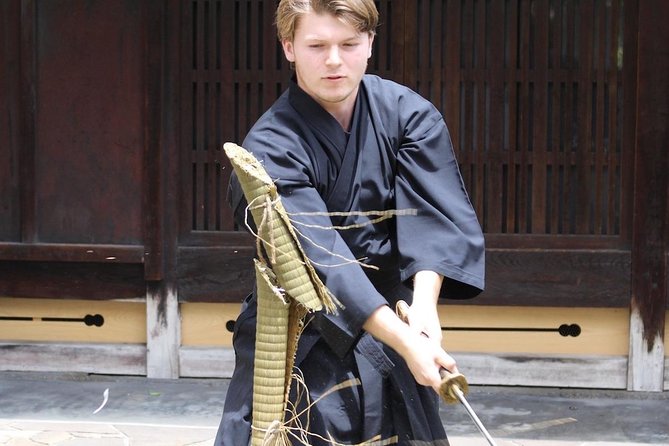
The appeal begins with the setting. Rather than meeting in a modern studio, you gather at a historic samurai house in Kyoto. That matters: a room with a past gives the instructor’s explanations about samurai life and the house itself a tangible backdrop.
The address is Kyoto Samurai Experience / Waraku111, Inabachō, Nakagyo Ward. The activity is near public transportation, but its location has been described as somewhat out of the way. I’d check the route from your hotel or your previous sightseeing stop, then leave a little breathing room before the start time. A good lesson can begin with a relaxed arrival, not a sprint down an unfamiliar street.
The group limit is 14. That is small enough to make personal instruction plausible, though it is not a private lesson. If you are hoping for one-on-one coaching or extensive time with the instructor, keep expectations measured. The session is a cultural introduction with practical elements, not a full martial arts course.
Clothing, context, and the samurai code
The session includes changing into traditional clothing, then learning about samurai dress, history, and Bushido, often translated as the Way of the Warrior. The clothing is part of the activity, not just a costume for a picture. It helps set the tone before you begin the movement practice.
The historical discussion is useful because sword techniques make more sense when they are tied to the culture and values that shaped them. You are not expected to arrive knowing Japanese history. The instructor introduces the subject as part of the session, and the house itself provides another point of reference.
The precise length of the history talk is not specified, and the activity is not presented as a lecture. Expect a blend of explanation and participation. That balance should suit you if you want context but would rather not spend the whole visit sitting still.
More samurai and ninja experiences in Kyoto:
- Kyoto: Kendo and Samurai Experience with Uniform and Gear
★ 4.9 · 815 reviews - Kyoto: Samurai Sword Class by Experts in Traditional Arts
★ 4.9 · 657 reviews - Skip the lines Basic Ticket at SAMURAI NINJA MUSEUM KYOTO
★ 4.5 · 632 reviews
Learning the sword movements
The most active part is basic swordsmanship. Under an expert sword instructor, you learn how to handle a martial arts training sword and practice fundamental movements. Several accounts of the session describe a hands-on katana strike or cutting practice, but the core promise is instruction with a training sword, not a guarantee of a particular cutting exercise. If that detail matters to you, ask the provider before booking.
This is an introduction, so don’t expect to leave with advanced technique. The value is in trying a disciplined physical skill with guidance, rather than watching a demonstration from the sidelines. The instructor’s role is important: clear direction makes the practice more engaging and helps keep it controlled.
You will need a moderate level of physical fitness. The provider also recommends comfortable clothes and suitable footwear for an athletic activity. Traditional clothing is supplied as part of the session, but practical shoes and the ability to move comfortably still matter. If you have questions about accessibility, contact the provider before you book.
The session can work for families, including adults and children, but minors must be accompanied by an adult. For a parent and child, the shared activity offers a change from sightseeing where one person reads a sign while the other waits. You learn and practice together, with an instructor there to guide the group.
A quieter pause with Zen meditation
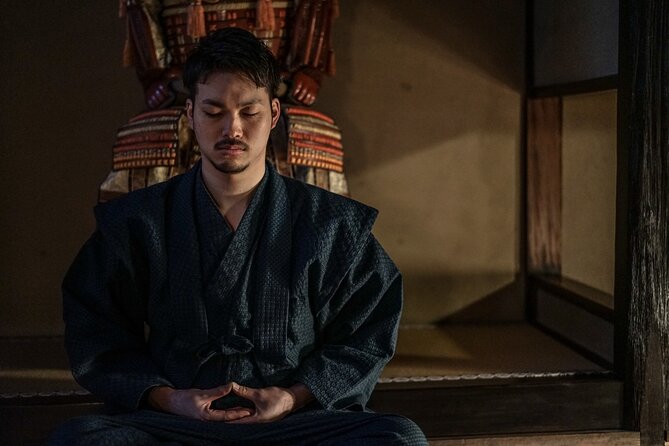
Zen meditation gives the program a calmer counterpoint to the sword exercises. It is a chance to sit, slow down, and consider the focus and discipline associated with the samurai tradition. You do not need prior meditation experience to take part.
I like this element because it keeps the session from becoming only a sequence of poses and sword movements. The physical practice asks for attention; meditation offers a different way to think about that attention. The combination gives the activity a broader cultural frame than a simple sword lesson.
The precise format and length of the meditation are not specified, so don’t plan on a long retreat-style practice. Think of it as a guided part of a compact cultural session. Some sessions may include other touches, such as tea, a sweet, music, or a brief performance, but these should be treated as possible additions rather than guaranteed features.
What the time and price buy you
At $119.38 per person, this is a premium-priced activity compared with a short museum visit or a basic demonstration. The cost makes more sense if you want a structured session that combines a historic house, traditional clothing, instruction, sword practice, and meditation in one visit.
The activity lasts about 1 hour 45 minutes. That is long enough to move through several different parts of the program, but short enough to fit into a sightseeing day. Morning and afternoon departures give you some flexibility. I’d choose the session that leaves you unhurried, rather than squeezing it between distant attractions.
The small-group format and instructor-led practice are central to the value. You are paying for participation and guidance, not simply entry to a historic building. Still, value depends on what you want: if your main goal is a detailed history lesson or extensive sword training, this short introduction may feel limited. If you want an engaging cultural activity with several distinct elements, the package is more compelling.
More Kyoto tours in Kyoto:
- PERFECT KYOTO 1-Day Bus Tour
★ 5.0 · 13,518 reviews - Kyoto: Fushimi Inari, Kinkakuji, Bamboo Grove 1 Day Bus Tour
★ 4.8 · 4,316 reviews - Kyoto: Tea Ceremony in a Traditional Tea House in Kiyomizu
★ 4.9 · 3,519 reviews - Kyoto Geisha Walking Tour: Gion District & Hidden Gems
★ 4.7 · 3,273 reviews
A few practical details before you go
Confirmation is provided at booking, and the activity ends back at its starting point. The group can include up to 14 people. The provider says rescheduling may be possible depending on availability, but changes are not accepted within 24 hours of the scheduled session.
Free cancellation is available up to 24 hours before the start time for a full refund. After that point, the fare is not refunded, and changes are not accepted. Cut-off times use local time in Kyoto, so keep the time difference in mind if you are arranging plans from abroad.
Dress for movement and wear appropriate footwear. You’ll change into traditional clothing for the session, but comfortable shoes remain a sensible choice. Arrive with enough time to find the address and settle in, especially if you are unfamiliar with this part of the city.
Who will get the most from it
This is a good fit if you enjoy learning by doing. You get history, clothing, guided sword practice, and meditation rather than a single activity stretched thin. It can suit couples, friends, and families with children who want an outing that feels different from temple visits and city walks.
It is also a strong choice if you are curious about samurai culture but do not want a full-day commitment. The instructor-led format makes it approachable for beginners, while the historic setting gives the visit a sense of place. You do not need martial arts experience, though you should be comfortable with moderate physical activity.
You may want to skip it if you are looking for a quiet visit to a historic house without group activities, or if you expect a long, intensive sword lesson. The experience is structured and interactive. Its appeal is precisely that mix, but it will not be the right pace for every visitor.
Should you book the Kyoto Samurai Experience?
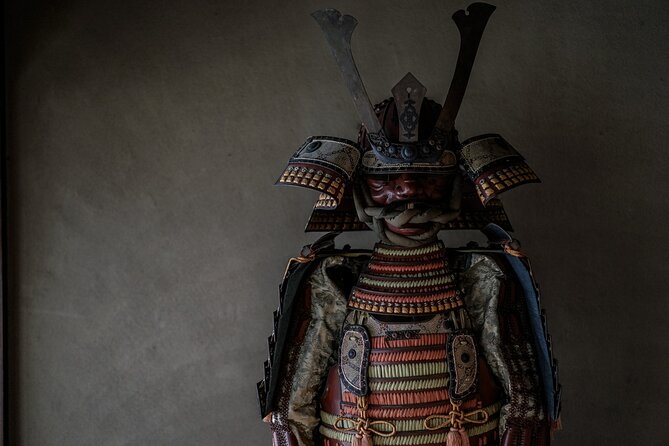
I’d book it if you want a practical introduction to samurai culture and are happy to pay for a hands-on session rather than a passive visit. The strongest reasons are the historic house, the instructor-led sword practice, and the thoughtful contrast of meditation. Together, they make a compact activity with more range than a dress-up photo stop.
Before committing, check how the meeting point fits into your day and be realistic about the price. Choose a morning or afternoon time that gives you room to get there, and wear clothes and shoes suited to movement. If those details work for you, this is a distinctive way to spend just under two hours in Kyoto.
FAQ
How long does the Kyoto Samurai Experience last?
It lasts approximately 1 hour 45 minutes. The activity starts and ends at the meeting point.
What is included in the session?
The session covers samurai history and Bushido, traditional clothing, basic swordsmanship with a martial arts training sword, and Zen meditation.
Is there a choice of start time?
Yes. You can choose a morning or afternoon session, depending on availability.
How many people can join?
The maximum group size is 14 people.
Where does the activity meet?
It meets at Kyoto Samurai Experience / Waraku111, Inabachō, Nakagyo Ward, Kyoto. The activity ends back at the same meeting point.
What should I wear?
Wear comfortable clothes and appropriate footwear for an athletic activity. You will change into traditional clothing during the session.
Can children take part?
Minors must be accompanied by an adult. The provider advises that participants should have a moderate level of physical fitness.
Newly added in Kyoto
- Uji: Private immersion into Kyoto’s tea and reglious culture★ 5.0 · 17 reviews
- Whisk Your Own Matcha: A Zen Matcha Experience at Temple★ 3.6 · 7 reviews
- Kyoto tea town for matcha lovers★ 5.0 · 16 reviews
- Treasures of Kyoto: Gion & historical Walking Tour★ 5.0 · 6 reviews
- Kyoto Matcha Green Tea Tour★ 4.5 · 23 reviews
- Uji and Wazuka Matcha Farm Half Day Private Guided Tour★ 5.0 · 21 reviews
- Uji Tea Ceremony and UNESCO Heritage Walking Tour★ 5.0 · 20 reviews
- Utilising upcycled Matcha! Creating matcha incense (Uji, Kyoto)★ 5.0 · 6 reviews
Kyoto Samurai & Ninja Experiences, compared.
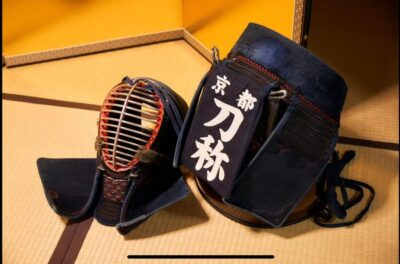
Kendo and Samurai Experience with Uniform and Gear
Read our review →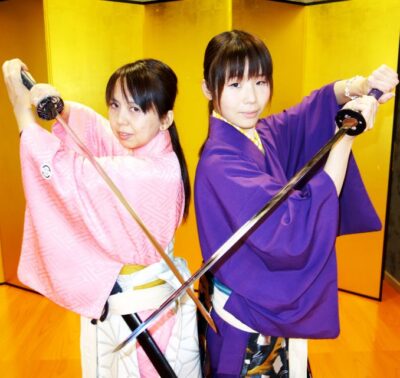
Samurai Sword Class by Experts in Traditional Arts
Read our review →
Skip the lines Basic Ticket at SAMURAI NINJA MUSEUM KYOTO
Read our review →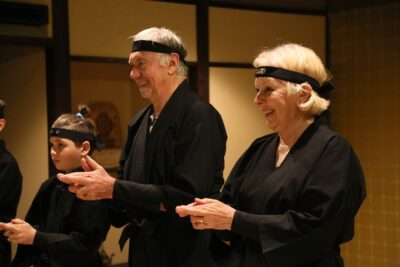
Ninja 1-hour Hands-on Lesson by Japanese master in Kyoto -Entry
Read our review →
Samurai Training with Modern day Musashi in Kyoto
Read our review →
Browse the lists this tour appears in