
Reviewed · KYOTO TEA CEREMONIES
Uji Walking Tour – Byodo-in temple and Tea Ceremony from Kyoto
Uji’s best sights fit into a half-day, and this tour links them with a short train ride, a walk along the river and a traditional tea ceremony. The final stop is Byōdō-in, a Heian-period temple whose Phoenix Hall appears on Japan’s 10-yen coin.
I like two things in particular: you get an English-speaking guide to explain the customs behind the tea ceremony, and the group is capped at 12, a useful size for walking through Uji’s streets. The tour also includes the train fare and Byōdō-in admission, so you can focus on the visit rather than sorting out each ticket.
The main consideration is time. This is a brisk tour, not a slow day out, and temple time can feel especially short if the schedule slips. You’ll also use non-reserved train seats, so a seat is not guaranteed.
What to Know Before You Book
- Uji is a tea town: The Taihoan tea ceremony gives you a chance to take part in a tradition, not just buy a packet of matcha.
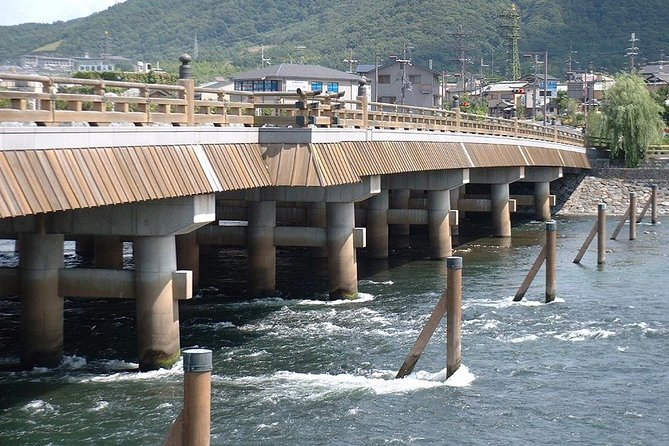
- Ujibashi Bridge has a long past: It is thought to date to the 7th century, and its small viewing section, called san-no-ma, offers a good river view.
- The group is small: No more than 12 people join, which can make a walking tour easier to manage.
- Byōdō-in is the main event: Its Phoenix Hall is a landmark of Japanese architecture and is pictured on the 10-yen coin.
- Expect a brisk pace: The tour lasts about four hours and ten minutes, with public transport and sightseeing on foot.
- Tea and park access can vary: The ceremony may feature matcha or sencha, and high water can prevent a stop at Nakanoshima Park.
A Half-Day Route From Kyoto to Uji
This tour is a tidy way to visit Uji without planning the train route, temple entry and tea experience on your own. You meet at the JTB Sunrise Tours desk in the basement of Kyoto Avanti, near Kyoto Station, at 8:20 am. The tour returns to Kyoto Station at about 12:30 pm.
The short JR ride takes roughly 20 minutes each way. You’ll travel in non-reserved seating, so you may need to stand if the train is busy. This is not a bus tour: once in Uji, you walk between sights, so comfortable shoes matter more than dressing for a long ride.
A licensed English-speaking guide accompanies the group. That helps make the short visit more useful: you can ask questions as you go, rather than trying to piece together Uji’s history from signs alone. The group is limited to 12, but the day still has a schedule to keep. If you like to stop often for photos or wander off the route, you may feel hurried.
More Uji trips in Kyoto:
- World Heritage Kyoto & Nara Uji Authentic Matcha Experience
★ 5.0 · 1,573 reviews - Osaka: Nara and Uji Day Trip with Deer Park and Hot Spring
★ 4.4 · 302 reviews - Uji: Green Tea Tour with Byodoin and Koshoji Temple Visits
★ 4.8 · 72 reviews
Ujibashi Bridge and the Uji River
Ujibashi Bridge is one of the oldest bridges in Japan, thought to have been first built in the 7th century. It is more than a way to cross the river: it gives you a useful sense of Uji’s long connection with travel, trade and tea.
Look for san-no-ma, a small protrusion from one side of the bridge that offers a good view. It is an easy place to pause for a photo, though you won’t have unlimited time to linger. Keep an eye on the group and the guide’s pace, especially if you want to take pictures along the way.
The route also includes Nakanoshima Park, known as Uji Park, on the river. It adds a quieter stretch to a tour whose two main indoor stops are the teahouse and temple. However, access is not guaranteed: high water levels in the Uji River or other conditions may mean the group skips the park.
Taking Tea at Taihoan
At Taihoan, you’ll take part in a tea ceremony in Uji, a town famous for green tea. The experience is included in the price and lasts about 20 minutes. That is enough for an introduction to the steps and manners of taking tea, but it is not a long class.
The tea may be matcha or sencha, depending on the day. You cannot choose which one you’ll have, and the ceremony may take place with other customers. If you are hoping for a private session or a particular kind of tea, this setup may not suit you.
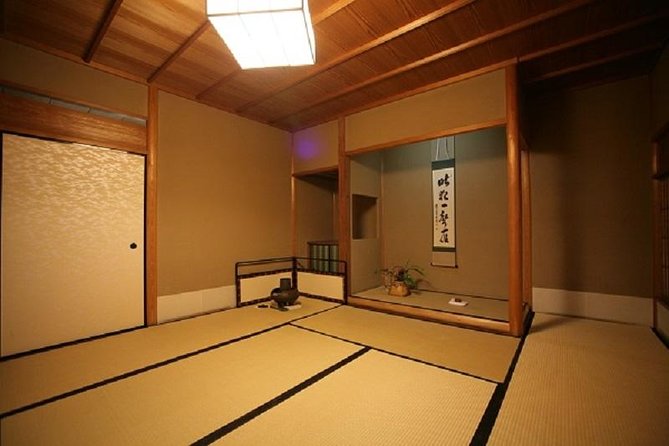
The ceremony takes place in a tatami room, so wear socks. You cannot record video in the tea room. It’s a small practical detail, but worth knowing before you arrive: the point is to take part and pay attention, not to film each step for later.
I like that the tea experience sits within a visit to Uji rather than being treated as a stand-alone performance. You’ll have a little context from the guide and a chance to encounter a local custom in the town most closely associated with tea. Still, with only about 20 minutes planned, keep your expectations in proportion. Think of it as a short, guided introduction.
Byōdō-in: The Temple Behind the 10-Yen Coin
The tour’s biggest cultural stop is Byōdō-in, built near the end of the Heian period. The temple complex includes a Buddha statue and other images, with a garden around its best-known building, Phoenix Hall. The hall is so familiar in Japan that its image appears on the 10-yen coin.
You’ll have about 50 minutes at the temple. That gives the visit more substance than a quick photo stop, but it may not feel generous if you want to inspect every detail, spend time in the museum and take photographs. In practice, the pace can be tight: some visitors have had only about 15 minutes to cover the grounds and museum. If the guide needs to keep the group moving, you may have to choose what matters most to you.
There is another qualification. The tour may not be able to enter Phoenix Hall when congestion is high. If that happens, JPY 300 is refunded at the location. The grounds and the temple’s exterior are still part of the visit, but if seeing the hall’s interior is your main reason for booking, keep in mind that entry is not certain.
The temple is registered as part of the Historic Monuments of Ancient Kyoto UNESCO World Heritage site. Its age, religious art and distinctive architecture give the visit real weight, even on a short schedule. I’d treat this as a strong first look at Byōdō-in rather than a chance to study every room and display at leisure.
More tea ceremonies in Kyoto:
- Kyoto: Tea Ceremony in a Traditional Tea House in Kiyomizu
★ 4.9 · 3,519 reviews - Kyoto: Tea Ceremony Ju-An at Jotokuji Temple
★ 4.9 · 3,207 reviews - Kyoto: 45-Minute Tea Ceremony Lesson Experience
★ 4.3 · 2,378 reviews - Kyoto: Table-Style Tea Ceremony at a Kyo-Machiya
★ 4.9 · 1,211 reviews
Is $96.06 Good Value?
At $96.06 per person, this is more than the cost of simply taking the train to Uji and visiting the temple independently. The fee includes the JR transportation listed for the tour, admission to Byōdō-in, the Taihoan tea ceremony and a licensed English-speaking guide. You are paying for a compact, organized introduction as well as the individual admissions.
That package makes the price easier to justify if you value guided context and want the tea ceremony arranged for you. It is also useful if you have limited time in Kyoto and would rather see Uji’s key sights in one morning than plan each piece yourself. The small group size is another plus, though it does not guarantee a slow pace.
If you prefer to linger, take many photos or spend a long time in the temple museum, the value is less clear. You may get more out of an independent visit, where you can set your own timetable. The tour is most appealing when you want convenience and a guided overview, not maximum time at every stop.
Pace, Practicalities and Who Will Enjoy It
The route combines train travel with walking, and the tour is not a bus excursion. Wear shoes that are comfortable for walking and bring socks for the tatami room. The tour is listed as suitable for most people, but you should be comfortable walking between stops and keeping to the group’s pace.
The early start is useful: you reach Uji in the morning and return to Kyoto around lunchtime, leaving the rest of the day open. The trade-off is a packed schedule. A pause for photos, a slower temple visit or a delay on the route can make the time feel even shorter.
Tea procedures vary, park access depends on river conditions, and access inside Phoenix Hall depends on congestion. Those variables do not make the tour a poor choice, but they do mean you should book it for the overall Uji experience rather than one guaranteed detail.
The tour suits first-time visitors to Uji, tea enthusiasts curious about the ceremony and anyone who wants a guided half-day away from central Kyoto. It is less suitable if you want a leisurely temple visit or dislike walking to a fixed schedule. Book well ahead if you have fixed travel dates: the tour is booked, on average, 214 days in advance, and confirmation is subject to availability. You can cancel for a full refund up to 24 hours before the start time.
Should You Book This Uji Tour?
Book it if you want a compact introduction to Uji with transport, temple admission, a tea ceremony and an English-speaking guide bundled together. The bridge, river walk and Byōdō-in give the morning a good mix of scenery and history, while the tea ceremony adds a cultural stop you might not arrange on a quick independent visit.
Skip it if you want to set your own pace, spend a long time inside Byōdō-in or know in advance that you’ll enter Phoenix Hall. The main strength here is efficient coverage, not lingering. If that is what you need from a Kyoto day trip, this small-group tour is a practical choice.
FAQ
How long is the tour?
The tour lasts about four hours and ten minutes. It starts at 8:20 am and ends near Kyoto Station at about 12:30 pm.
Where does the tour start and finish?
You meet at the JTB Sunrise Tours desk in the basement of Kyoto Avanti, near Kyoto Station. The tour ends near Kyoto Station.
Is train transportation included?
Yes. The tour includes train transportation between Kyoto Station and Uji Station. Trains use non-reserved seating, so a seat is not guaranteed.
What kind of tea will I have?
The ceremony may feature matcha or sencha, depending on the day. You cannot choose which tea procedure is offered, and other customers may take part in the ceremony.
Is entry to Phoenix Hall guaranteed?
No. Entry may not be possible when the temple is congested. If the tour cannot enter Phoenix Hall, JPY 300 is refunded at the location.
What should I wear for the tea ceremony?
Wear socks because the ceremony takes place in a tatami room. Comfortable walking shoes are also recommended for the tour.
More temple and shrine tours in Kyoto
- Arashiyama Bamboo, Temple, Monkeys, or Secret Sake Brewery
★ 4.8 · 886 reviews - Kyoto: Arashiyama Bamboo Forest, Monkeys, Matcha & Temple Tour
★ 5.0 · 759 reviews - Osaka/Kyoto: Arashiyama, Nara & Fushimi Inari Shrine w/Lunch
★ 4.4 · 754 reviews - Kyoto: Imperial Palace & Nijo Castle Guided Walking Tour
★ 4.7 · 453 reviews
More walking tours in Kyoto
- Kyoto Geisha Walking Tour: Gion District & Hidden Gems
★ 4.7 · 3,273 reviews - Kyoto: Gion Magical Night Walking Tour with Geisha Trivia
★ 4.9 · 2,393 reviews - Kyoto: Gion Geisha District Walking Tour – Stories of Geisha
★ 4.7 · 2,187 reviews - Night Walk in Gion: Kyoto’s Geisha District
★ 4.5 · 2,003 reviews
Newly added in Kyoto
- Uji: Private immersion into Kyoto’s tea and reglious culture★ 5.0 · 17 reviews
- Whisk Your Own Matcha: A Zen Matcha Experience at Temple★ 3.6 · 7 reviews
- Kyoto tea town for matcha lovers★ 5.0 · 16 reviews
- Treasures of Kyoto: Gion & historical Walking Tour★ 5.0 · 6 reviews
- Kyoto Matcha Green Tea Tour★ 4.5 · 23 reviews
- Uji and Wazuka Matcha Farm Half Day Private Guided Tour★ 5.0 · 21 reviews
- Uji Tea Ceremony and UNESCO Heritage Walking Tour★ 5.0 · 20 reviews
- Utilising upcycled Matcha! Creating matcha incense (Uji, Kyoto)★ 5.0 · 6 reviews
Kyoto Tea Ceremonies, compared.

Tea Ceremony in a Traditional Tea House in Kiyomizu
Read our review →

World Heritage Kyoto & Nara Uji Authentic Matcha Experience
Read our review →

Arashiyama Bamboo Forest, Monkeys, Matcha & Temple Tour
Read our review →
Tea Museum Tickets and Matcha Grinding Experience
Read our review →Browse the lists this tour appears in