
Reviewed · KYOTO TEA CEREMONIES
Kyoto Gion Tea ceremony & Wabi-sabi Walking Tour
The point of this walk is not simply to drink matcha. You trace tea culture through Gion’s temple lanes and art, then sit down for a traditional tea ceremony with a bowl chosen for the season and your taste. It gives the ritual context before you take part.
I like two things in particular: the guide connects wabi-sabi to real tea bowls, paintings and gardens, and the small group size keeps the walk personal. The temple visits also give the ceremony a sense of place rather than treating it as a stand-alone activity.
One caution: the tour lasts three and a half hours, and a start-time mix-up has left one participant with too little time to reach the ceremony. Confirm your exact start time promptly, arrive early and plan to stay for the full walk.
- A walk with a purpose: Gion’s streets and temples introduce the ideas you will meet again over tea.
- Kenninji Temple: The tour visits Kyoto’s oldest Zen temple, with a guide to explain its connection to tea culture.
- Wabi-sabi in the details: Look at tea bowls, Japanese paintings and a dry landscape garden through this aesthetic lens.
- A seasonal tea bowl: At the ceremony, you choose a bowl and enjoy matcha with a small Japanese sweet.
- Small group, English guide: The group is capped at seven, and the tour is led in English.
- Plan for three and a half hours: The route includes temple admissions, but uneven access means it is not suitable for wheelchair users.
From the Izumo no Okuni statue into Gion
Meet in front of the Izumo no Okuni statue, just outside Exit 5 of Gion-Shijo Station on the Keihan Line. Look for a guide holding an orange Magical Trip sign. The station-side meeting point is straightforward, but punctuality matters: the group sets off on time, and late arrivals cannot join or receive a refund.
The first stretch takes you through Gion, one of Kyoto’s best-known historic districts. Rather than treating the neighborhood as a backdrop for photographs, the guide uses the walk to introduce the ideas behind tea ceremony and wabi-sabi. That framing helps you notice how restraint, natural materials and age can shape an idea of beauty.
There is also a visit to a well-known matcha shop. The stop adds a useful everyday angle to the subject: matcha is not only part of a formal ceremony, but one of the Kyoto experiences many people come hoping to try. The itinerary allows about 30 minutes for Gion, so expect a guided introduction rather than a long, unhurried wander or an extensive shopping break.
Kenninji Temple and the roots of tea culture
Next comes Kenninji Temple, described as Kyoto’s oldest Zen temple. The temple visit lasts about 30 minutes, with the guide linking its history to the development and philosophy of tea ceremony. That context is a real strength of the route. You are not asked to learn a set of gestures without explanation; instead, you start to see why a tea gathering can be understood as an appreciation of beauty, attention and nature.
The distinction between outward appearance and inner beauty is central to the tour’s explanation of tea culture. That may sound abstract at first, but the walk gives you objects and places to consider: a tea bowl, a garden, a painting. The guide’s role is to connect those examples and help you form your own understanding, not just supply a list of dates.
The tour includes admission to two temples. Kenninji is one of them, while the later visit to Entoku-in is the other. The schedule gives each a defined slot, so this is not a full temple study. If you want to linger over every room or garden, plan a separate visit on another day.
More Gion tours in Kyoto:
- Kyoto Geisha Walking Tour: Gion District & Hidden Gems
★ 4.7 · 3,273 reviews - Kyoto: Gion Magical Night Walking Tour with Geisha Trivia
★ 4.9 · 2,393 reviews - Kyoto: Gion Geisha District Walking Tour – Stories of Geisha
★ 4.7 · 2,187 reviews
Tea bowls, paintings and the meaning of wabi-sabi
In Higashiyama, the route includes a traditional pottery shop where you can look at tea bowls and consider how their shape and finish affect the ceremony. The point is not just to admire a pretty object. A bowl is something you hold, turn and drink from, so its texture and form become part of the experience. Learning to notice those qualities before the tea ceremony makes the final session more engaging.
The itinerary also includes a short stop for sightseeing and shopping. These brief visits are best approached as pauses in a themed walk, not as major shopping opportunities. The tour’s focus is on seeing examples of Japanese art and craft, then carrying those impressions into the ceremony.
Wabi-sabi can be difficult to pin down with a neat definition. The tour gives you a more useful way in: see how imperfection, simplicity and signs of age appear in traditional objects and settings, then decide what those qualities mean to you. The guide adds explanation, but the aim is for you to notice and feel the idea for yourself. That makes the subject less like a lecture and more like a way of looking.
Entoku-in’s garden and Japanese paintings
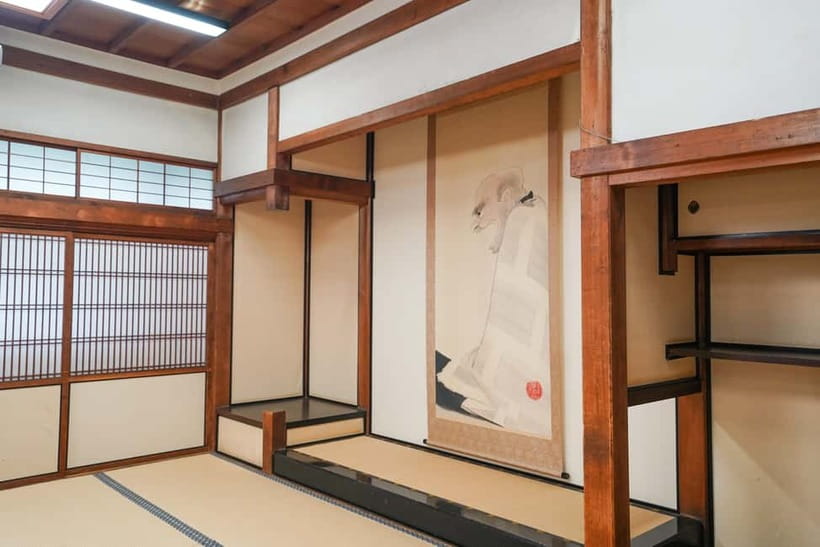
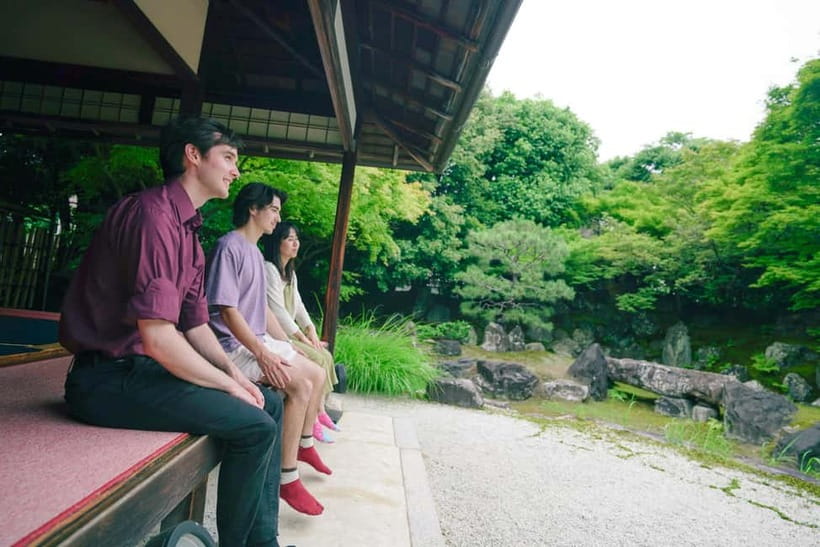
Entoku-in gives the tour another setting for thinking about Japanese aesthetics. You will see Japanese paintings and a karesansui, or dry landscape Zen garden. The stop lasts about 30 minutes, enough time for a guided visit and a closer look at the works and garden.
The dry garden is especially useful as a counterpoint to the tea bowls. It uses a spare arrangement to suggest a natural scene rather than reproduce one literally. That kind of restraint helps explain why wabi-sabi is not simply a preference for old or rough-looking things. The tour encourages you to consider how simplicity can leave room for attention and interpretation.
The temple visit also provides a quieter interval within a walk through the historic district. Still, the schedule is structured. If you prefer to sit for a long time in a garden or explore temple grounds at your own pace, this guided route may feel brisk. The benefit is that the guide helps you connect what you see here with the tea ceremony coming next.
Choosing a bowl and taking part in the ceremony
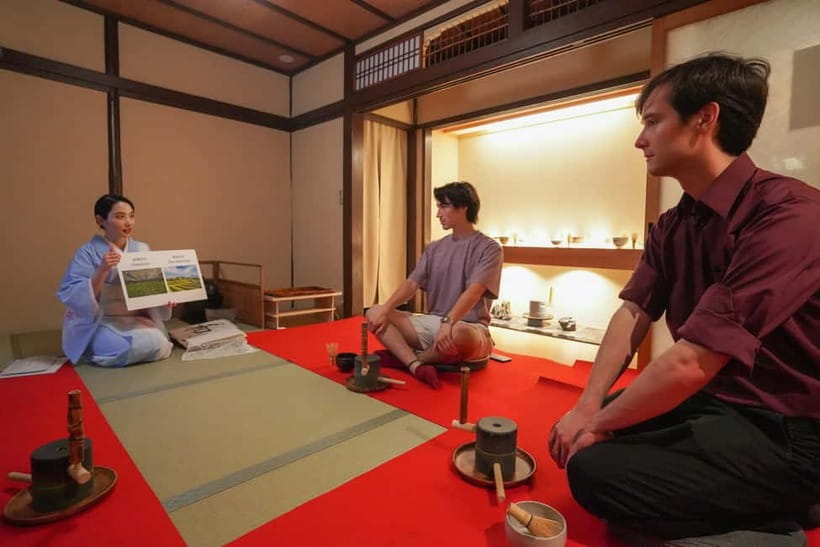
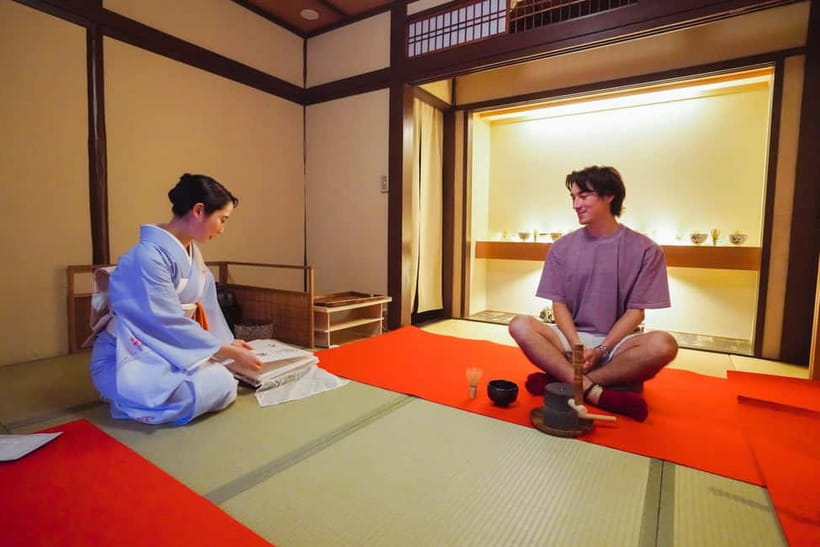
The final major stop is the tea ceremony, scheduled for about 45 minutes. A tea master leads the experience, and you choose a tea bowl according to the season and your taste. Matcha is served with a small seasonal Japanese sweet. The ceremony is the practical payoff of the earlier stops: by now, you have seen examples of tea ware and heard why the setting and objects matter.
This is an authentic tea ceremony experience, not simply a cup of green tea handed over at a counter. The careful preparation and attention to the bowl are part of the point. You do not need to arrive with specialist knowledge. The guide has already introduced the background, and the tea master leads the ceremony itself.
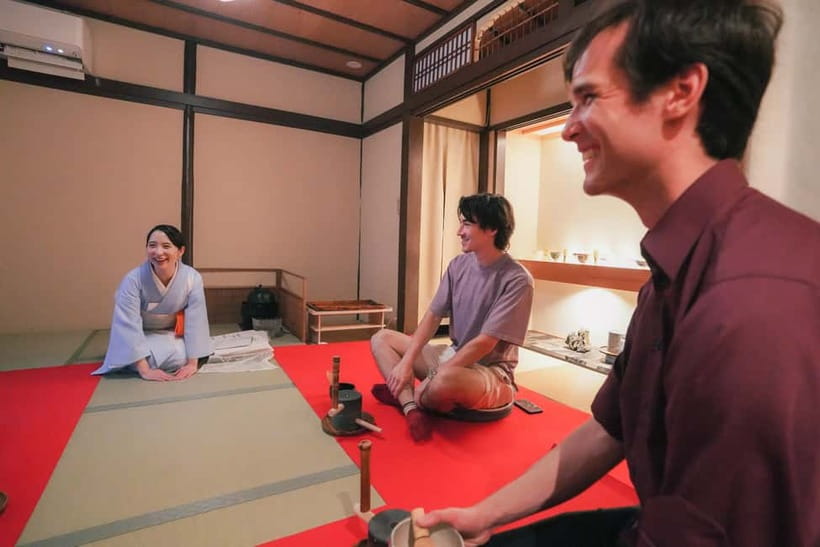
The strongest part of this format is its sequence. First, you hear about tea culture and wabi-sabi; then you encounter art and objects that make those ideas visible; finally, you take part in a ceremony. Reports of the experience have singled out the detailed explanations and the calming feel of the tea session. If you value context as much as the activity, that combination is more satisfying than booking a ceremony alone.
More tea ceremonies in Kyoto:
- Kyoto: Tea Ceremony in a Traditional Tea House in Kiyomizu
★ 4.9 · 3,519 reviews - Kyoto: Tea Ceremony Ju-An at Jotokuji Temple
★ 4.9 · 3,207 reviews - Kyoto: 45-Minute Tea Ceremony Lesson Experience
★ 4.3 · 2,378 reviews - World Heritage Kyoto & Nara Uji Authentic Matcha Experience
★ 5.0 · 1,573 reviews
What the $92 price covers
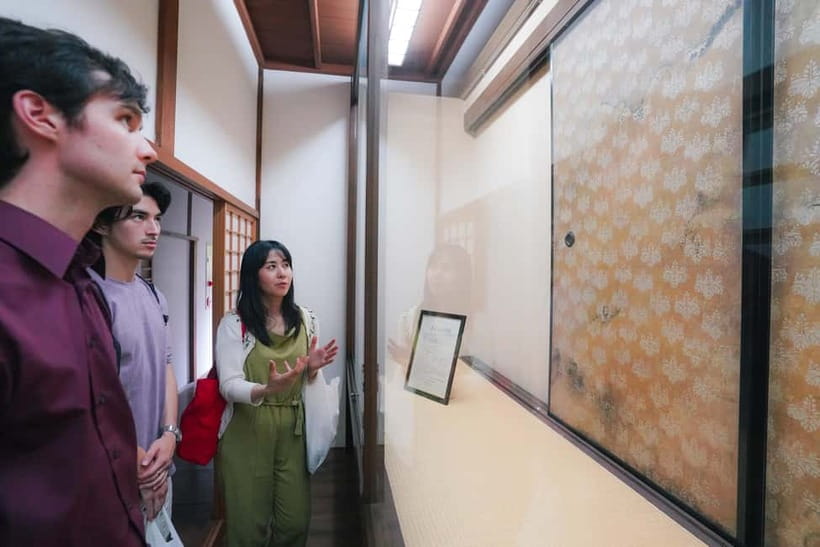
At $92 per person, this is a half-day experience with several different pieces: an English-speaking guide, admission to two temples, a guided walk through Gion and Higashiyama, the tea ceremony, matcha and a small seasonal snack. Photos during the tour are also included. The group limit of seven can make it easier to follow explanations and ask questions than on a large bus tour.
The value depends on what you want from Kyoto. If you are mainly looking for a quick cup of matcha, you can find simpler ways to have one. Here, part of the price pays for the route and the interpretation: the guide links temple history, tea utensils, paintings and garden design to the ceremony. You are paying for a guided introduction to a cultural practice, not just the drink.
The tour is also a practical choice if you have limited time and want several connected stops without planning each one yourself. On the other hand, it is not built for long visits at every location. If you are happiest setting your own pace, you may prefer to visit the temples independently and book a separate tea ceremony.
Timing, weather and access
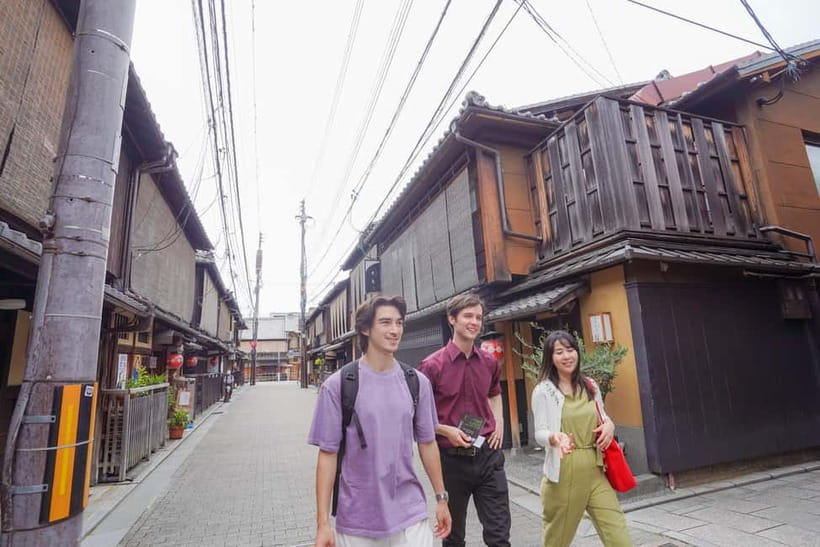
Allow the full 210 minutes, or three and a half hours. The listed stop times add up to less than that, leaving time for the walk between locations and the transitions that come with a group tour. Do not book another activity too tightly afterward. The ceremony comes near the end, and leaving early means missing the part that ties the walk together.
A timing error has had serious consequences for at least one participant, who received conflicting start-time details and had to leave before the tea ceremony. Check the confirmed time as soon as you book and again before tour day. That is a simple precaution for any guided activity, but particularly important here because the ceremony is the final stop.
Kyoto’s weather can be demanding. Summer highs may reach 40°C (110°F), while winter lows can fall to -5°C (20°F). Dress for the forecast and be ready for several hours outdoors. The tour may be cancelled if weather makes it unsafe.
The route includes places that are not accessible by wheelchair or stroller, and the experience is not suitable for wheelchair users. Children must be at least 6 to take part in the tea ceremony. Younger children may come on the walk, but an adult must accompany them outside the facility during the ceremony. You do not need to pay for the guide’s food or drinks.
Who should book this Kyoto tea walk
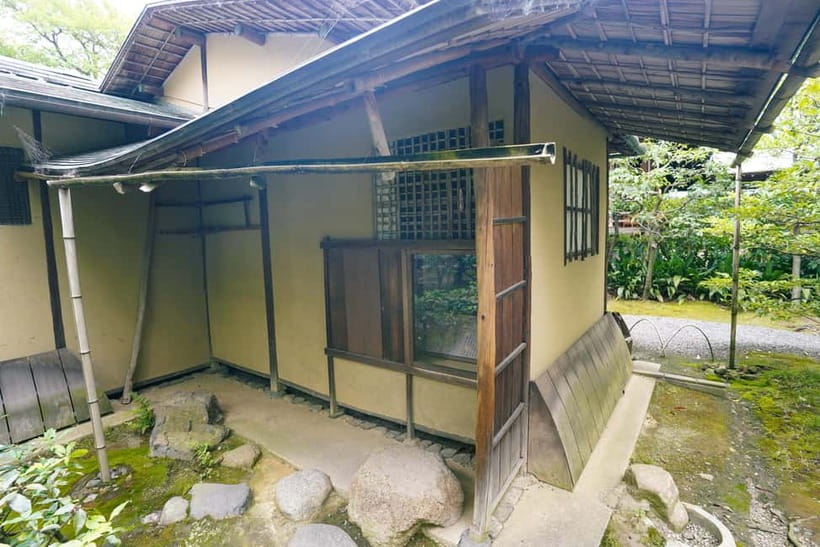
I would choose this tour if you want to understand more than the mechanics of making matcha. It suits first-time visitors who enjoy guided walks, temple visits and cultural explanation, as well as anyone curious about Japanese craft and aesthetics. The combination of small group size, English commentary and hands-on tea makes the subject approachable without reducing it to a quick demonstration.
It is a less natural fit if you need step-free access, are travelling with a child under 6 who cannot be accompanied outside the ceremony, or want to spend long stretches at each temple. The tour’s appeal comes from the guided connections between stops, which means keeping to its pace.
Masa is one guide associated with the tour, and his explanations have been described as detailed and helpful. Guide assignments can vary, so do not book on the assumption that he will lead your date. The most reliable reason to choose the experience is the format itself: a walk through Gion and Higashiyama that ends with a seasonal tea ceremony.
Should you book it?
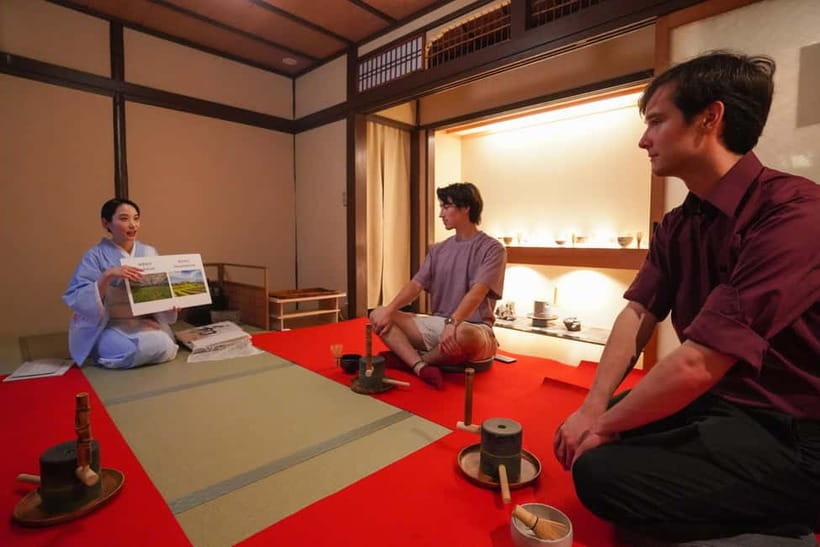
Book this tour if you want a guided introduction to tea culture that links temples, gardens, art and tea ware before you take part in the ceremony. At $92, the value is strongest for someone who will appreciate the explanations as much as the matcha. Check the meeting time carefully, keep the full three and a half hours free, and dress for the season. If you want only a short tea tasting or need wheelchair access, choose another option.
FAQ
How long is the tour?
It lasts 210 minutes, or three and a half hours. Allow the full time so you can stay through the tea ceremony.
Where is the meeting point?
Meet in front of the Izumo no Okuni statue, outside Exit 5 of Gion-Shijo Station on the Keihan Line. The guide will hold an orange Magical Trip sign.
What language is the tour in?
The live guide speaks English.
How many people can join?
The group is limited to seven participants. Other participants may join your tour.
Is matcha included?
Yes. The tea ceremony includes matcha and a small seasonal snack.
Are temple admission fees included?
Yes. Admission to two temples is included.
Can children take part in the tea ceremony?
Children must be 6 or older to take part. Younger children may come on the walk, but an adult must accompany them outside the facility during the ceremony.
Is the tour wheelchair accessible?
No. Some locations on the route are not accessible by wheelchair or stroller, and the tour is not suitable for wheelchair users.
More walking tours in Kyoto
- Night Walk in Gion: Kyoto’s Geisha District
★ 4.5 · 2,003 reviews - Kyoto Gion Geisha District Walking Tour – The Stories of Geisha
★ 5.0 · 1,441 reviews - Nishiki Market Brunch Walking Tour (7 Tastings + Brunch)
★ 5.0 · 1,355 reviews - Kyoto Arashiyama Walking Tour: Bamboo, Monkeys, Gardens & Secrets
★ 5.0 · 1,216 reviews
Newly added in Kyoto
- Uji: Private immersion into Kyoto’s tea and reglious culture★ 5.0 · 17 reviews
- Whisk Your Own Matcha: A Zen Matcha Experience at Temple★ 3.6 · 7 reviews
- Kyoto tea town for matcha lovers★ 5.0 · 16 reviews
- Treasures of Kyoto: Gion & historical Walking Tour★ 5.0 · 6 reviews
- Kyoto Matcha Green Tea Tour★ 4.5 · 23 reviews
- Uji and Wazuka Matcha Farm Half Day Private Guided Tour★ 5.0 · 21 reviews
- Uji Tea Ceremony and UNESCO Heritage Walking Tour★ 5.0 · 20 reviews
- Utilising upcycled Matcha! Creating matcha incense (Uji, Kyoto)★ 5.0 · 6 reviews
Kyoto Tea Ceremonies, compared.

Tea Ceremony in a Traditional Tea House in Kiyomizu
Read our review →

World Heritage Kyoto & Nara Uji Authentic Matcha Experience
Read our review →

Arashiyama Bamboo Forest, Monkeys, Matcha & Temple Tour
Read our review →
Tea Museum Tickets and Matcha Grinding Experience
Read our review →Browse the lists this tour appears in