
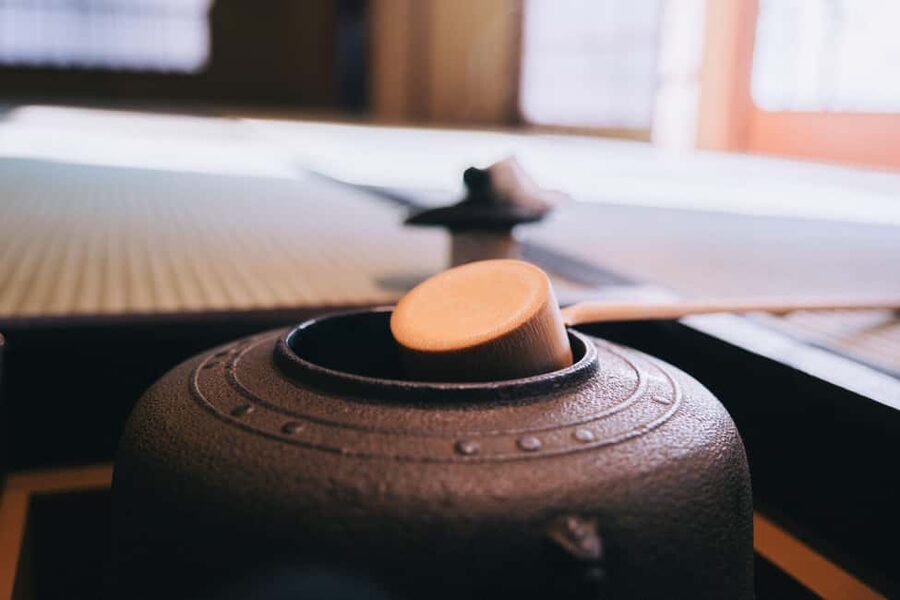
Reviewed · KYOTO TEA CEREMONIES
Kyoto: Kimono Tea Ceremony at Orizuruya Gion
A tea ceremony is easier to appreciate when someone explains the gestures as they happen. At Orizuruya Gion, you choose a kimono, learn how to prepare matcha with a bamboo whisk, and taste your tea with a traditional sweet in a small group of no more than 10.
I like two things in particular: you get hands-on practice rather than only watching, and the kimono can often be worn around Gion after the session, with a return time of 5 pm noted by many participants. One consideration: dressing and the ceremony take time, so this is a better fit for a relaxed morning or afternoon than for a packed sightseeing schedule.
What to Know Before You Go
- More than 200 kimono designs: Pick the pattern you like, with staff on hand to help you get dressed.
- A small-group tea ceremony: The group is capped at 10, giving you room to follow the steps and ask questions.
- Your own bowl of matcha: Learn to whisk the tea with a traditional bamboo chasen, then try making it yourself.
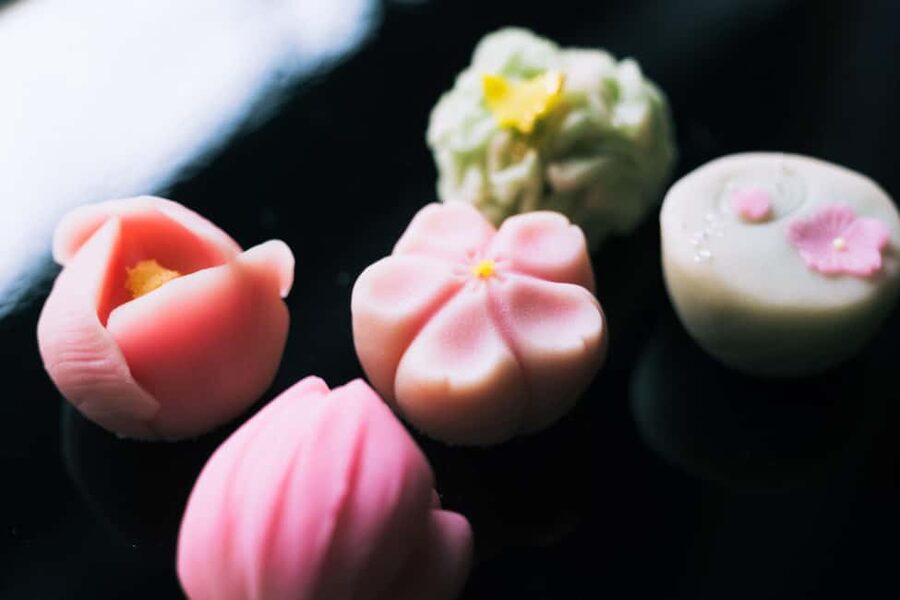
- Wagashi with the tea: The matcha is paired with Japanese sweets from a confectionery described as more than a century old.
- Calligraphy is an optional extra: Choose the two-hour version if you want to add a hands-on Japanese calligraphy lesson.
- A handy Gion location: The meeting point is a short walk from both Gion-Shijo and Kyoto-Kawaramachi stations.
Choosing a Kimono in Gion
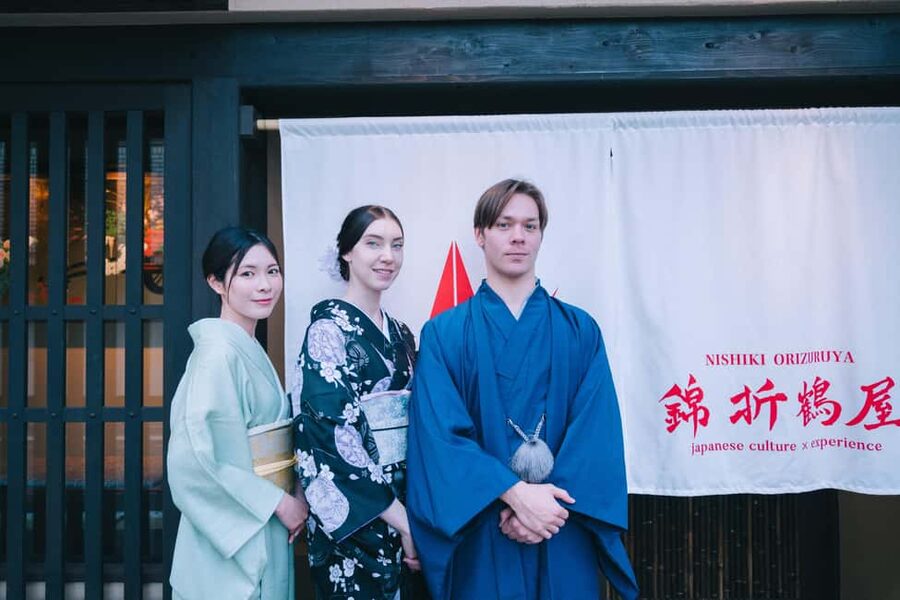
The experience starts at Gion Oritsuruya, at 572-7 Minamigawa in Gion. Staff help you select from more than 200 kimono designs, then assist with dressing. That help matters: a kimono is not simply a robe you throw on over your clothes. Here, you can enjoy wearing one without having to figure out the layers and ties alone.
For women, a simple hairstyle is included. The styling and dressing are part of the activity, not a rushed photo stop before the main event. If you enjoy making a choice and seeing the look come together, allow yourself to settle into this first stage rather than arriving with a minute-by-minute plan.
The staff are frequently praised for being kind, patient, and efficient. That combination is useful when you may be unfamiliar with the clothing or unsure what to do next. A few people have singled out individual staff members, including Juki, for warm help, but the specific person assisting you may vary.
The kimono selection is one of the experience’s pleasures, but remember that the listed activity lasts about 90 minutes without calligraphy. The two-hour option includes the extra lesson, and the dressing portion is part of that time. If you are trying to fit in a temple visit or another timed activity, leave breathing room around your reservation.
More Gion tours in Kyoto:
- Kyoto Geisha Walking Tour: Gion District & Hidden Gems
★ 4.7 · 3,273 reviews - Kyoto: Gion Magical Night Walking Tour with Geisha Trivia
★ 4.9 · 2,393 reviews - Kyoto: Gion Geisha District Walking Tour – Stories of Geisha
★ 4.7 · 2,187 reviews
Learning the Tea Ceremony, One Step at a Time
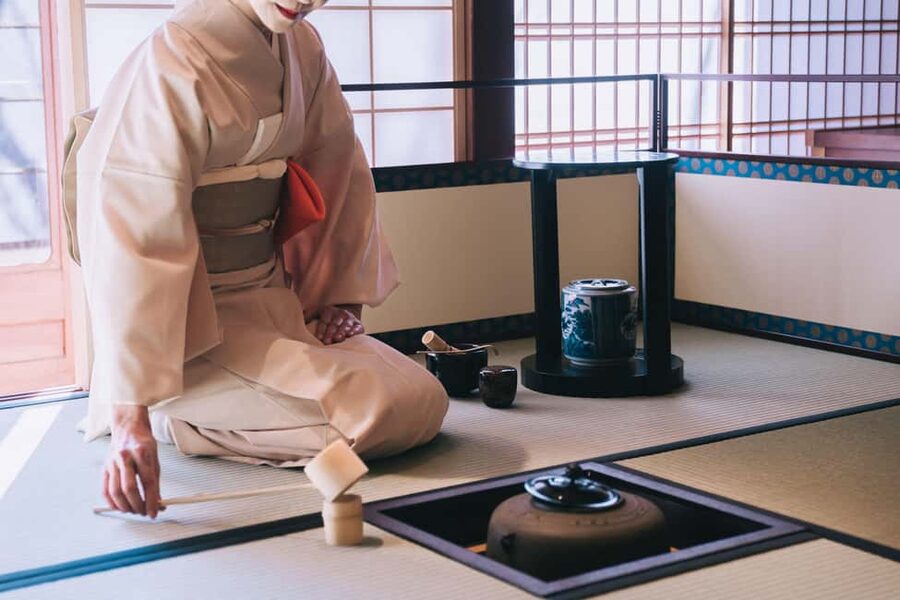
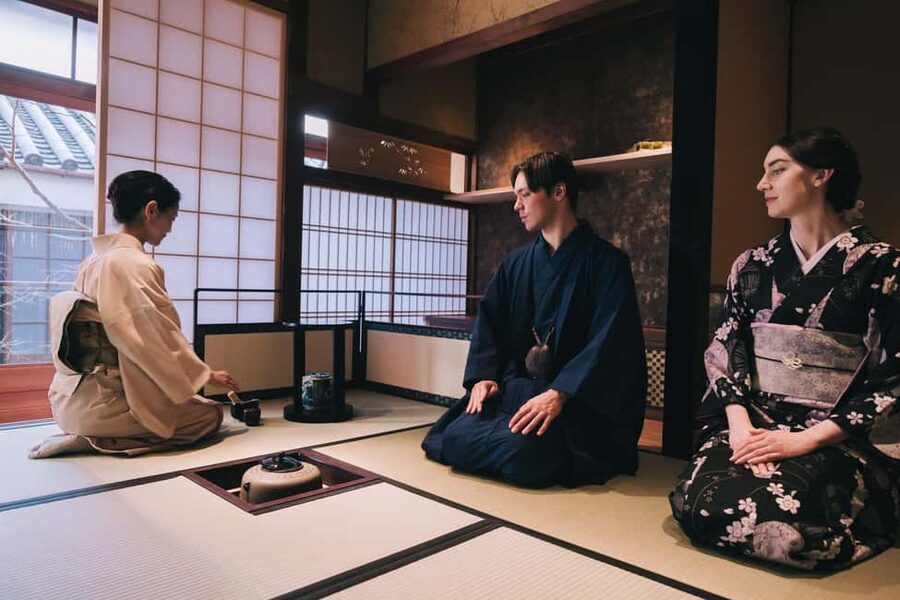
Once dressed, you move to a quiet tea room for instruction from an English-speaking instructor. Rather than being expected to know the etiquette already, you are guided through the ceremony and its meaning. That makes this a comfortable choice if you are curious about Japanese customs but worried about committing a faux pas.
The tea ceremony is the heart of the visit. You watch the instructor demonstrate the graceful movements, hear explanations of the details, and learn how to prepare matcha with a bamboo whisk, or chasen. The teaching includes both the steps and the background: people have valued learning about tea traditions, matcha, and what distinguishes different types of tea.
Then you make a bowl yourself. It is a modest but satisfying shift from watching to doing. The lesson gives you a basic skill to take away, along with a better sense of why the process is deliberate. Expect an introduction rather than an extended course in tea practice; the schedule also includes the kimono experience and, if selected, calligraphy.
The atmosphere is described as calm and mindful. That makes the ceremony a welcome change of pace if your Kyoto days are full of walking and crowded sights. You still have a clear activity to follow, but the focus is on careful movements, listening, and tasting rather than rushing from one photo opportunity to the next.
Matcha and Wagashi at the End
After preparing the tea, you enjoy it with wagashi, traditional Japanese sweets. The pairing is included in the price, so you do not need to arrange a separate tea stop or buy a snack to complete the experience. The sweets come from a confectionery described as a century-old business, which adds a small link to local food tradition.
This is a good moment to take your time. Matcha can taste different from the sweet drinks many visitors are used to, and the confectionery offers a counterpoint. You are not just seeing how the tea is made; you get to drink a bowl you have prepared and understand the experience through taste as well as instruction.
The session also gives you a chance to ask questions. That is useful if you want more than a set demonstration, particularly if you are interested in how matcha is made or why the ceremony follows particular routines. The small group helps keep the encounter personal, though the maximum is still 10 people, not a private lesson.
Add Calligraphy for a Longer Visit

You can book a version that includes Japanese calligraphy. That option lasts about two hours and includes a calligraphy set for the lesson. If you have the time, it makes the visit more varied: the tea ceremony asks you to observe and prepare, while calligraphy gives you another traditional skill to try.
The calligraphy portion has been a particular highlight for some participants, especially those who enjoy patient, practical instruction. It can be challenging, which is part of the appeal. You are not expected to arrive with experience, and the teacher helps you through the exercise.
Choose the shorter tea ceremony if matcha and kimono are your main interests, or if your schedule is tight. Pick the calligraphy version if you would like a longer cultural activity and are happy to spend two hours indoors. The supplied details do not specify how much time is devoted to each part, so do not plan a separate appointment immediately afterward.
More tea ceremonies in Kyoto:
- Kyoto: Tea Ceremony in a Traditional Tea House in Kiyomizu
★ 4.9 · 3,519 reviews - Kyoto: Tea Ceremony Ju-An at Jotokuji Temple
★ 4.9 · 3,207 reviews - Kyoto: 45-Minute Tea Ceremony Lesson Experience
★ 4.3 · 2,378 reviews - World Heritage Kyoto & Nara Uji Authentic Matcha Experience
★ 5.0 · 1,573 reviews
The Extra Value of Wearing the Kimono Outdoors
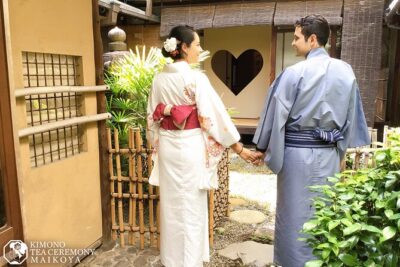
A useful surprise is that the kimono may be available to wear beyond the ceremony. Many participants describe walking around Gion in their outfit afterward, with a return time of 5 pm. That can turn a 90-minute booking into a longer outing and gives you time to take photos or visit a nearby sight.
The added time is especially valuable if you book an earlier session. It gives the kimono rental a practical role in your day, not just in the tea room. Still, the exact arrangement is worth confirming when you book, since the stated activity details do not set out the return terms.
Gion is well placed for a stroll. Some participants have walked to a temple or shrine nearby, and one account describes a temple about a 10-minute walk away. If you plan to explore in kimono, keep the weather in mind: one participant noted that it was cold outside. Wear comfortable layers under the outfit if appropriate, and avoid assuming the kimono will be as convenient for a long walk as everyday clothes.
Taking photos is part of the fun for many people, and staff have been known to help with pictures. Treat that as a welcome possibility rather than a guaranteed photo service. The main value remains the instruction and the chance to wear traditional clothing in the historic Gion district.
Is $49 a Good Value?
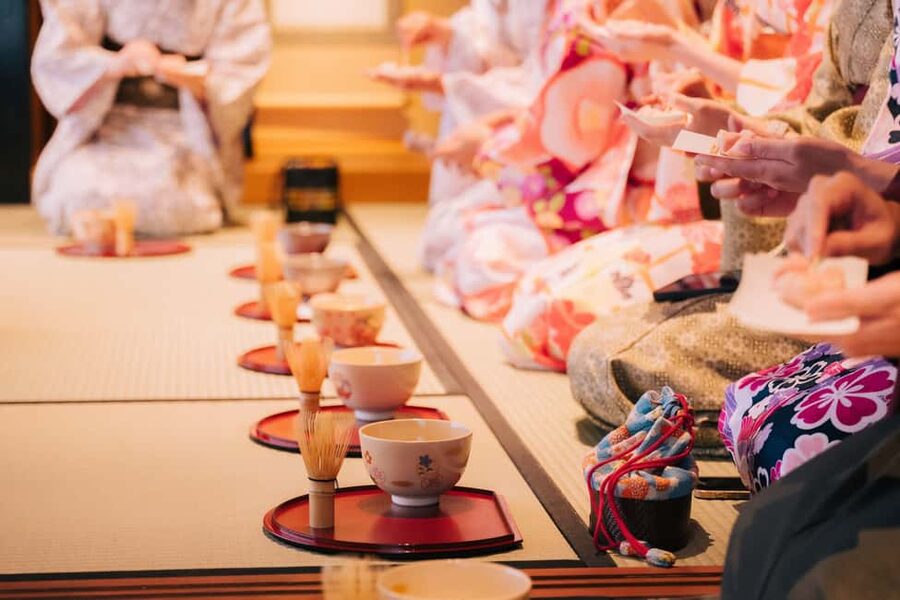
At $49 per person, the price covers quite a lot for a short cultural activity: kimono rental, help dressing, simple hairstyling for women, tea ceremony utensils, matcha, wagashi, instruction, and fees and taxes. The calligraphy set is included only with the calligraphy option. You also get an English-speaking instructor and a small group capped at 10.
The value depends partly on how you use the kimono. If you wear it only during the ceremony, you are paying for a guided cultural introduction with dressing and a hands-on tea lesson. If you can keep it on until 5 pm, the experience may also serve as a kimono rental for a walk around Gion, making an earlier booking especially appealing.
This is not a bargain if you are interested only in drinking matcha, since the ceremony and clothing are central to the activity. But if you want a structured way to learn, try the preparation yourself, and wear a kimono with help from staff, the price bundles several elements that would otherwise take separate planning.
Getting There and Planning Your Time
The meeting point is Gion Oritsuruya, 572-7 Minamigawa, Gion-machi, Higashiyama-ku, Kyoto. It is about a seven-minute walk from Keihan Gion-Shijo Station and a 10-minute walk from Hankyu Kyoto-Kawaramachi Station. You are responsible for your own transport to and from the location.
Allow 90 minutes for the kimono tea ceremony, or two hours if you add calligraphy. Starting times vary, so check the available times for your date. The activity is conducted in English, and the small-group limit is 10 people.
You can cancel up to 24 hours ahead for a full refund, and a reserve-now, pay-later option is available. Those terms offer flexibility, but the most important planning detail is still the schedule: leave time after the activity if you hope to walk around Gion in your kimono.
Who Will Enjoy This Experience Most?
I would recommend this for first-time visitors who want an introduction to Japanese tea culture without worrying about knowing the rules in advance. The guided format, staff help with dressing, and opportunity to make matcha yourself suit people who like learning by doing.
It also works well for couples, friends, and families with older children. A 14-year-old participant was especially enthusiastic, and the calm format can appeal to anyone who wants a quieter activity between Kyoto’s busier sights. The calligraphy option is a good fit for people who like hands-on lessons and do not mind extending the visit.
If you dislike dressing up, prefer independent sightseeing, or have only a narrow gap in your schedule, this may not be your best use of time. The kimono is a central part of the outing, and the activity is designed around a guided cultural experience rather than a quick tea tasting.
Should You Book It?
Book this if you want to do more than look at Kyoto’s traditions from a distance. You will choose a kimono, learn the ceremony’s basic movements, prepare matcha, and taste it with wagashi, all with an English-speaking instructor and a small group.
For the best value, choose an early time and confirm whether you can keep the kimono on until 5 pm. Add calligraphy if you have two hours and want another skill to try. If you want a low-pressure cultural activity in Gion, this is a thoughtful use of part of a Kyoto day.
FAQ
How long does the experience take?
The kimono tea ceremony takes about 90 minutes. The version that includes Japanese calligraphy takes about two hours.
How many people can join the group?
The group is limited to a maximum of 10 participants.
Is the activity taught in English?
Yes. English is listed as the activity language, and an English-speaking instructor guides the experience.
What is included in the price?
The listed inclusions are a kimono set rental, tea ceremony utensils rental, matcha and wagashi, simple hairstyling, a licensed guide, and all fees and taxes. A calligraphy set is included only with the calligraphy option.
How do I get to Gion Oritsuruya?
The address is 572-7 Minamigawa, Gion-machi, Higashiyama-ku, Kyoto. It is about a seven-minute walk from Keihan Gion-Shijo Station or a 10-minute walk from Hankyu Kyoto-Kawaramachi Station.
Can I cancel after booking?
You can cancel up to 24 hours in advance for a full refund. A reserve-now, pay-later option is also available.
More kimono rentals and experiences in Kyoto
- Kimono Tea Ceremony at Kyoto Maikoya, NISHIKI
★ 5.0 · 911 reviews - Kyoto: Kimono Rental with Hairstyling and Accessories
★ 4.8 · 653 reviews - KYOTO Tea Ceremony with kimono near by Imamiya Jinjya Shrine
★ 5.0 · 343 reviews - Kyoto: Kimono and Tea Ceremony Experience at Cultural Asset
★ 4.3 · 306 reviews
Newly added in Kyoto
- Uji: Private immersion into Kyoto’s tea and reglious culture★ 5.0 · 17 reviews
- Whisk Your Own Matcha: A Zen Matcha Experience at Temple★ 3.6 · 7 reviews
- Kyoto tea town for matcha lovers★ 5.0 · 16 reviews
- Treasures of Kyoto: Gion & historical Walking Tour★ 5.0 · 6 reviews
- Uji and Wazuka Matcha Farm Half Day Private Guided Tour★ 5.0 · 21 reviews
- Kyoto Matcha Green Tea Tour★ 4.5 · 23 reviews
- Uji Tea Ceremony and UNESCO Heritage Walking Tour★ 5.0 · 20 reviews
- Utilising upcycled Matcha! Creating matcha incense (Uji, Kyoto)★ 5.0 · 6 reviews
Kyoto Tea Ceremonies, compared.

Tea Ceremony in a Traditional Tea House in Kiyomizu
Read our review →

World Heritage Kyoto & Nara Uji Authentic Matcha Experience
Read our review →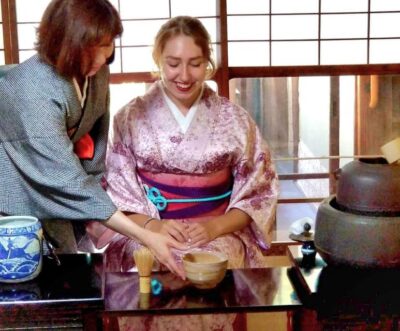

Arashiyama Bamboo Forest, Monkeys, Matcha & Temple Tour
Read our review →
Tea Museum Tickets and Matcha Grinding Experience
Read our review →Browse the lists this tour appears in