
Reviewed · KYOTO SAMURAI & NINJA EXPERIENCES
Kyoto: Ninja Weapon Forging Experience
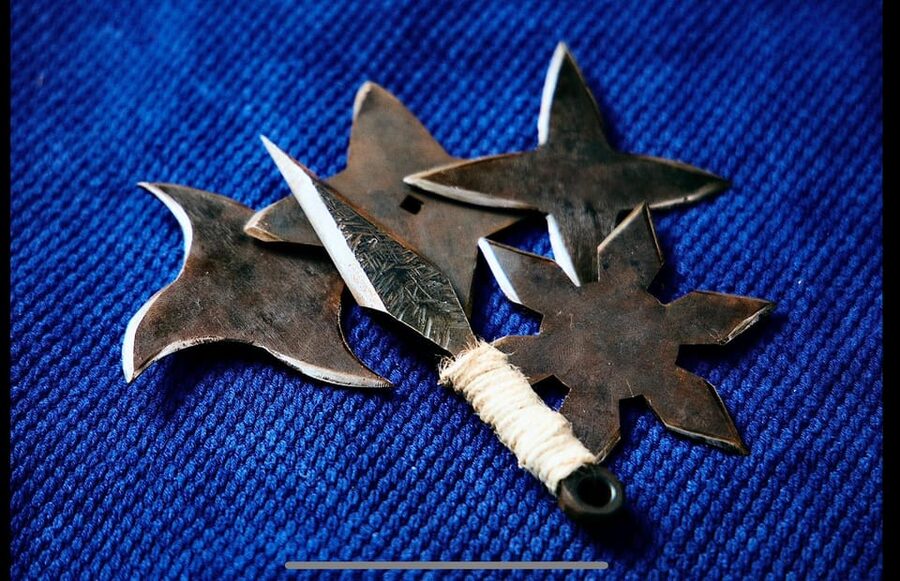
A furnace, glowing steel and a hammer make for a rather different afternoon in Kyoto. At this 150-minute workshop, you shape a real-steel ninja-style weapon with guidance from English-speaking instructors, then take your finished piece home in a presentation box.
I like two things in particular: you do real work, from hammering hot metal to sanding and polishing, and your souvenir is personal, with a kanji character engraved on it. The main consideration is the location. Hieizanguchi Station is close to the studio, but getting to that station from central Kyoto can take time, so leave room in your schedule.
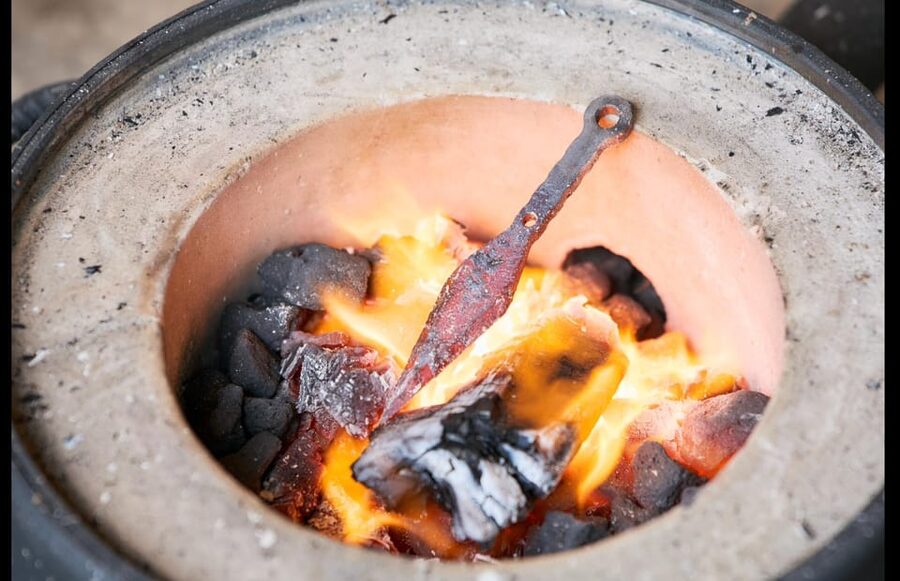
- The steel reaches about 800°C in the furnace before you hammer it under an instructor’s eye.
- Choose a shuriken or kunai. There are three shuriken styles, while a kunai costs an additional ¥3,000.
- You take part in several stages, including hammering, sanding, engraving, blackening and polishing.
- English-speaking instructors explain the process and share information about ninja history and symbolism.
- The studio is a one-minute walk from Hieizanguchi Station, up the hill by the red postbox.
- Pack your finished weapon in checked luggage. It is not allowed in carry-on luggage.
A Kyoto workshop with real heat and hammer work
Kyoto offers no shortage of temples, gardens and carefully preserved streets. This workshop gives you something different: a chance to work with steel and tools, rather than simply admire a finished craft object behind glass. You will not become a blacksmith in two and a half hours, but you will get a feel for the concentration and sequence involved in making a small metal object.
The class is run by the team at Studio NIN, with instructor Taka frequently leading the session. Other staff members, including Mits, Ako, Yok and Daiki, help guide participants through different steps. The instructors speak English, explain each task before you try it and offer help as you work. That matters here. The equipment is real, the steel is heated, and good instruction makes the difference between a thrilling activity and an uneasy one.
The listed duration is 150 minutes. One participant’s account describes a session closer to three hours, so I would not schedule a tight connection or an important reservation immediately afterward. The length also gives you time to do more than watch a demonstration: you move through several stages and leave with a piece you helped make.
Getting there: Hieizanguchi Station and the uphill walk
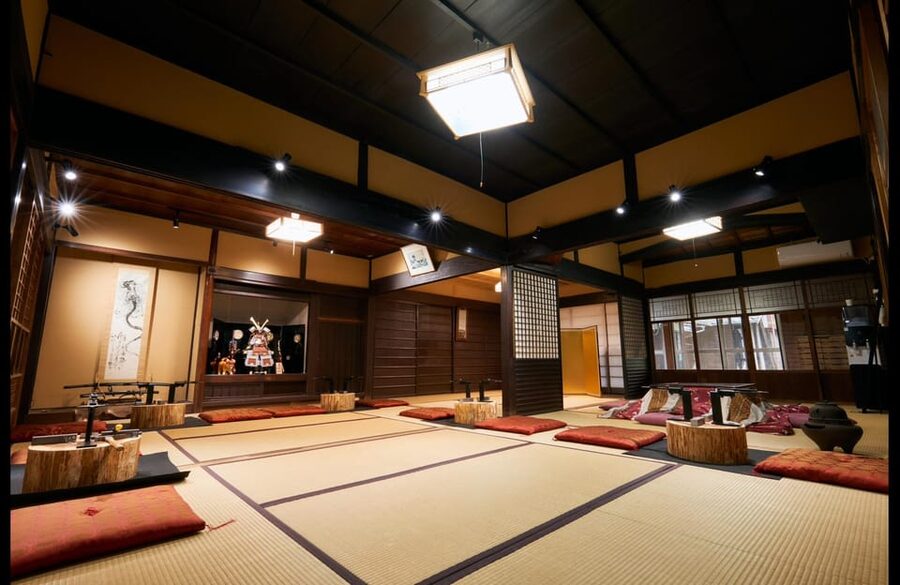
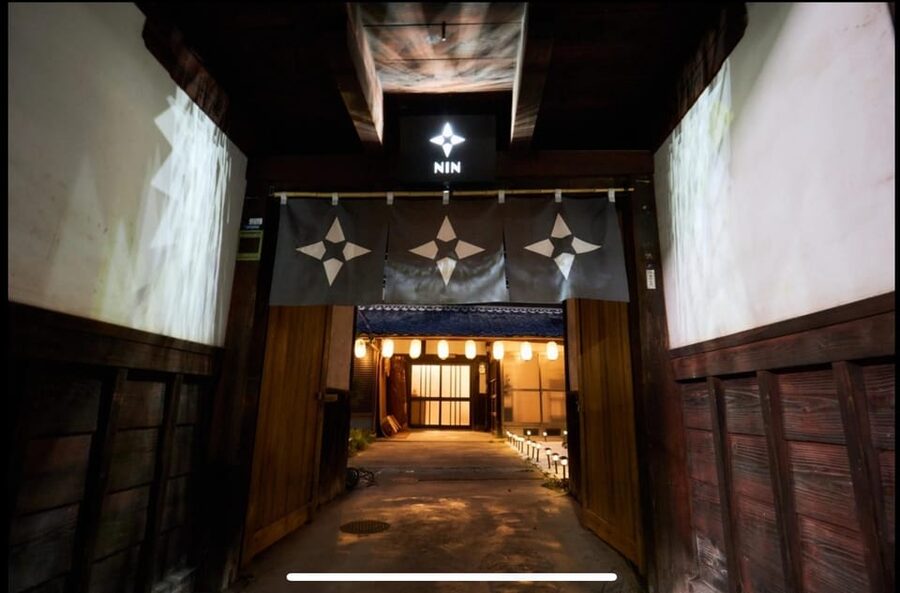
The studio is described as a one-minute walk from Hieizanguchi Station. From the station, go up the hill toward the red postbox in front. That last detail is useful when you arrive in a residential area and want a clear landmark.
The bigger question is how you will reach the station from central Kyoto. The workshop is outside the central sightseeing area. One account describes a bus ride of about 40 minutes, while another recommends a taxi because public transport may leave you with a walk uphill. Those experiences suggest allowing extra travel time and checking your route before booking. The studio’s proximity to its nearest station does not mean it is close to central Kyoto.
This setting may add to the sense of stepping away from the city’s main visitor circuit, but it is not an activity to squeeze into a spare hour between downtown stops. Plan it as a half-day outing, including transport and a little breathing room before and after.
More samurai and ninja experiences in Kyoto:
- Kyoto Samurai Experience
★ 5.0 · 1,294 reviews - Kyoto: Kendo and Samurai Experience with Uniform and Gear
★ 4.9 · 815 reviews - Kyoto: Samurai Sword Class by Experts in Traditional Arts
★ 4.9 · 657 reviews
Suit up, then choose what to make
At the start, you change into samue, traditional work clothes associated with Japanese craftspeople, and wrap a tenugui around your head. It is a simple touch, but it helps mark the shift from sightseeing to workshop time. You are here to work, not just pose beside an anvil.
Next comes the choice of weapon. You can select from three shuriken styles, or make a kunai. The kunai option costs an additional ¥3,000, charged for its materials and processing. If you want a kunai, choose that option when you reserve rather than assuming it is included in the base price.
This choice affects both the finished souvenir and the cost. The shuriken is included in the listed price, while the kunai carries the extra fee. A participant also noted that the studio lets you choose how sharp to make a piece. If you want to bring it home as a display object, or have a particular use in mind, ask the instructors about the finish available for your chosen design.
The furnace is the moment to focus
The central scene is the steel heating in a furnace to about 800°C. With an instructor guiding you, you strike the hot metal with a hammer. The heat, sparks and sound make this the most vivid part of the session, and it is also where the process feels least like a souvenir workshop and most like practical craft.
The experience is hands-on, but it is guided. You participate in shaping the metal rather than being left to figure out a forge by yourself. A basic form is provided, and the instructors explain what to do at each stage. That structure makes the activity accessible to beginners, while also setting a limit: you are learning and helping with a controlled process, not independently forging a weapon from raw stock.
Some people may wish they had more time at the hammer. The workshop has several steps to fit into its schedule, and participants move through them with help from the team. If your main goal is an extended blacksmithing course, this is not that. If you want a safe introduction to hot-metal work and the satisfaction of shaping your own piece, it offers a good balance.
Sanding gives the piece its shape
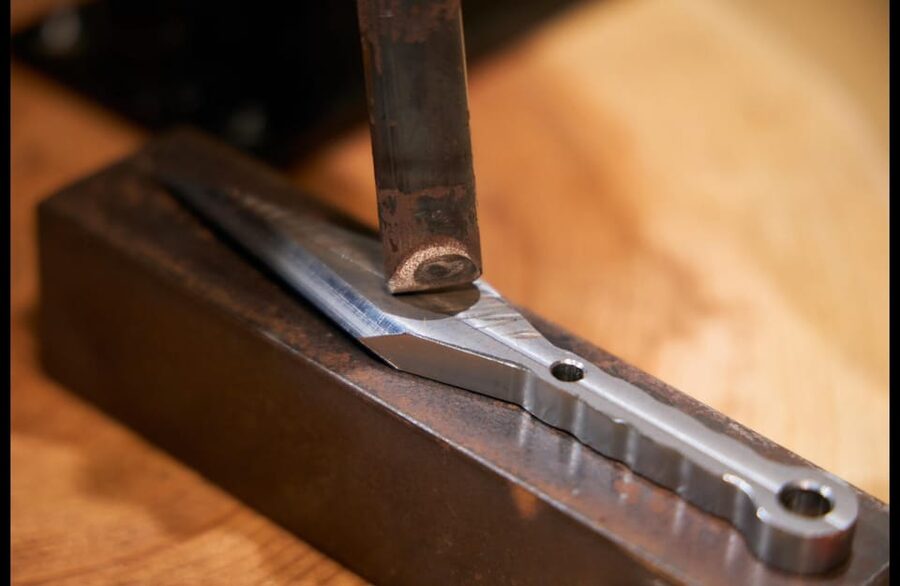
After the forge, you refine the form with a professional belt sander. This is where the lines become clearer and the object starts to look less like heated stock and more like a finished shuriken or kunai. Participants often find this stage especially satisfying because the change is visible as you work.
The tools are professional, but instructors guide you through how to use them. You are not expected to arrive with metalworking experience. That said, the process asks you to pay attention and follow directions. It is a practical class, not a passive show, and you will get more from it if you are comfortable taking part in each task.
The sanding and shaping are also good reminders that craftsmanship is not all sparks and dramatic hammer blows. Refining edges and surfaces takes patience. The finished object owes as much to these quieter steps as it does to the furnace.
More Kyoto tours in Kyoto:
- PERFECT KYOTO 1-Day Bus Tour
★ 5.0 · 13,518 reviews - Kyoto: Fushimi Inari, Kinkakuji, Bamboo Grove 1 Day Bus Tour
★ 4.8 · 4,316 reviews - Kyoto: Tea Ceremony in a Traditional Tea House in Kiyomizu
★ 4.9 · 3,519 reviews - Kyoto Geisha Walking Tour: Gion District & Hidden Gems
★ 4.7 · 3,273 reviews
Kanji engraving makes the souvenir yours
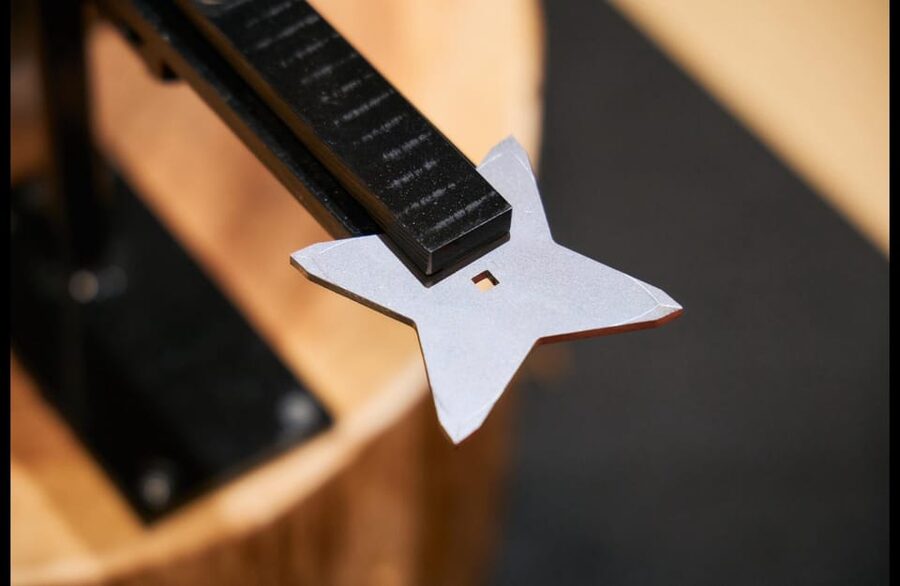
You choose a kanji character that has meaning for you, and a staff member engraves it on the weapon. This is not a step you carry out yourself, but it adds a personal mark to a piece that you have worked on through the other stages. The staff’s precision is part of the appeal: a small detail can turn a standard design into a keepsake tied to your own trip.
The team also shares information about ninja history, symbolism and techniques during the activity. That context gives the object a story beyond I made this in Japan. Keep expectations sensible: the workshop offers an introduction to ninja culture alongside the craft, not an exhaustive history course. The history is woven into a practical activity, which suits people who learn best by doing.
Blackening and polishing bring the work together
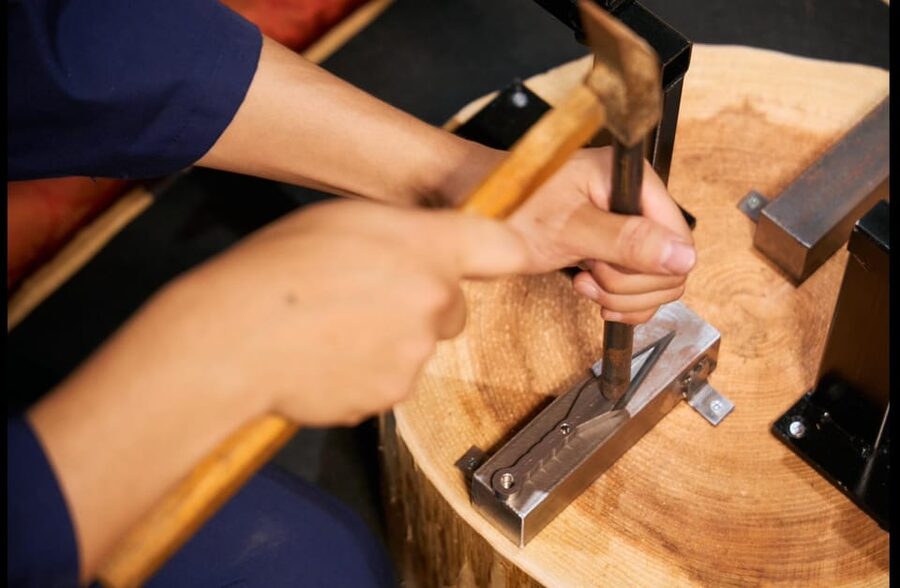
A special solution darkens the metal and helps protect it from rust. The black finish gives the piece a dramatic look associated with ninja tools, while the final polishing brings out the surface and tidies the result. Together, these finishing steps make the object feel complete rather than simply hammered into shape.
The completed weapon goes home with you in a presentation box, a useful touch if you want to display it or keep it as a memento. Some participants also describe choosing a cord for the finished piece. The exact finishing details may depend on the item you make, so follow the instructors’ guidance during the session.
You can take the weapon home on your flight, but only in checked luggage. Do not plan to carry it through airport security in your hand luggage. If your trip continues by air, think about luggage space before the workshop, especially if you are traveling with only a carry-on bag.
Is $148 good value for a hands-on craft class?
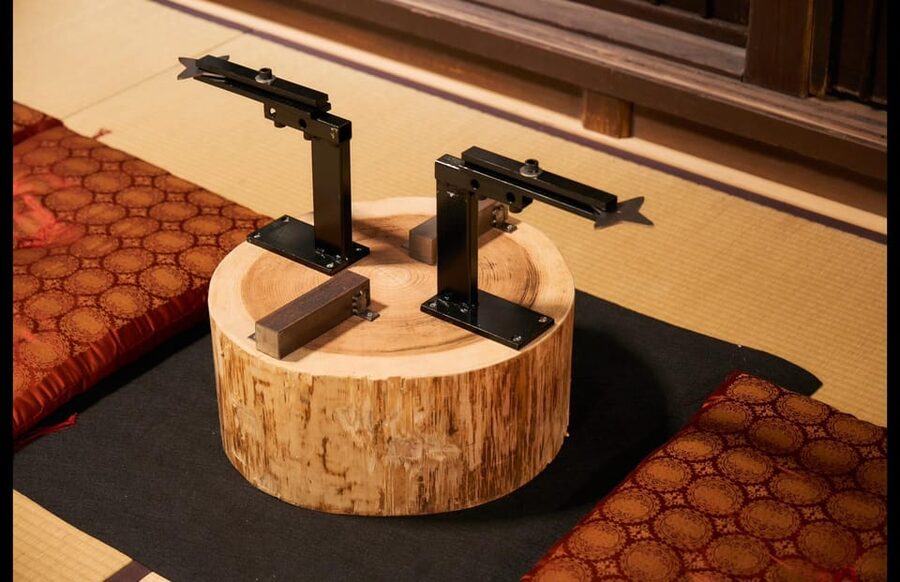
At $148 per person, this costs more than a museum ticket or a short cultural demonstration. The value comes from the combination of instruction, tools, clothing, several hands-on stages and a steel object you take home. You are paying for an activity that occupies much of an afternoon and gives you a lasting, personalized souvenir, not just a brief look at a forge.
The price includes the instructor, weapon-making class, uniform, tools and the weapon you make. The kunai costs an extra ¥3,000, and some weapon types may also carry an additional charge. Replica swords are available for purchase separately. If you want to keep the base cost down, choose an included shuriken option and confirm any extra costs before you begin.
For families or groups, the value may be especially clear: each person gets to take part and finish with an individual item. Families with children have enjoyed the activity, including a child aged eight, but no minimum age is provided. I would ask the operator directly if you are booking for a younger child or have concerns about handling workshop tools.
The class also has practical flexibility: you can reserve now and pay later, and cancel up to 24 hours in advance for a full refund. Check available starting times when choosing a date, then build in enough time for the journey to the studio.
Who will enjoy this Kyoto experience most?
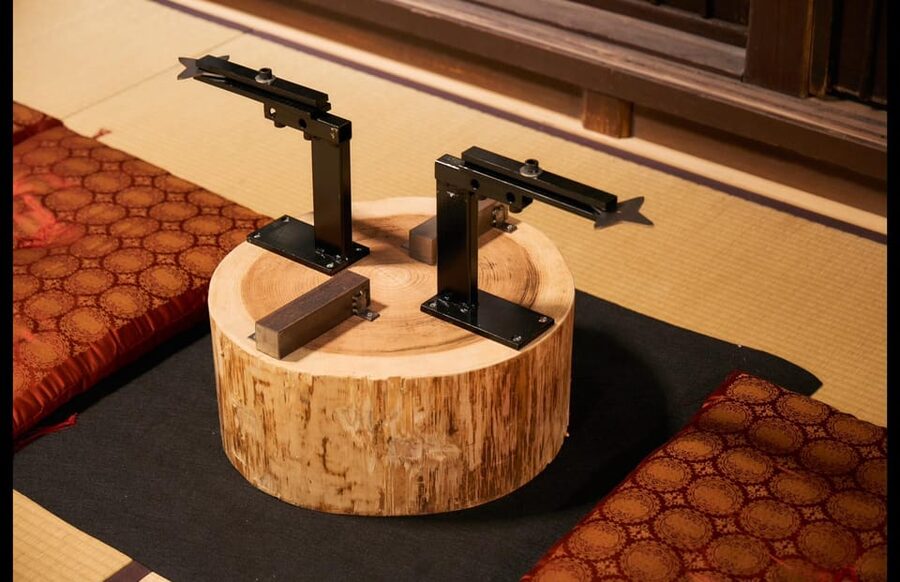
This suits you if you like to make things, want an activity that breaks up temple visits, or enjoy learning through your hands. It is also a strong choice for families with older children and teens who can follow instructions and stay engaged around tools. The team’s friendly, energetic teaching style is a major part of the experience, and the instructors help guide participants through each stage.
Solo visitors can also fit in comfortably. The shared tasks give you something to focus on, and one solo participant found the class a good way to meet people. Still, do not book it solely for a guaranteed social outing. The main draw is the craft itself and the chance to leave with an object you helped shape.
It may be less suitable if you are looking for a quiet, self-paced class or expect to spend most of the session forging. You have a structured series of steps, and the amount of hammering is only one part of the process. The studio also sells replica swords, but those are separate purchases, not part of the included class.
Should you book the ninja weapon forging class?
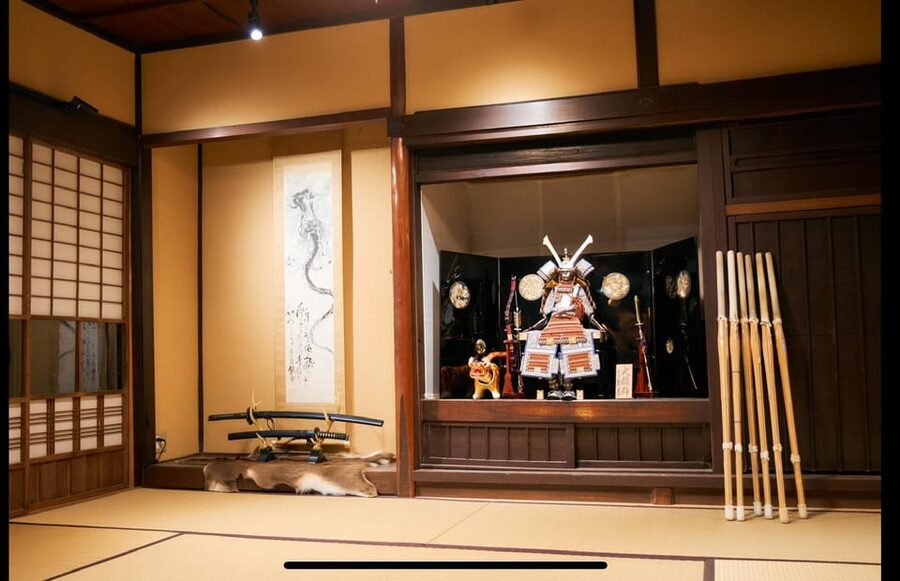
I would book this if you want a memorable change of pace from Kyoto’s usual sights and enjoy practical activities. The real steel, hot forge, guided tool work and engraved finish make the experience more substantial than a quick craft souvenir stop. The finished piece gives you something personal to take home, with the important reminder that it belongs in checked luggage.
Before you reserve, decide whether a shuriken is enough or whether you want to pay extra for a kunai, check the route to Hieizanguchi Station, and leave a generous window for the session. If those details work for your plans, this is a worthwhile way to spend part of a Kyoto day.
FAQ
How long does the experience take?
The stated duration is 150 minutes. Allow extra time around the class, as the full session may run longer.
What does the $148 price include?
The price includes an instructor, the weapon-making class, work clothes, tools and the weapon you make to take home.
Which weapons can I make?
You can choose one of three shuriken styles or a kunai. The kunai option costs an additional ¥3,000.
Is the instruction in English?
Yes. The instructor language is English.
How do I find the meeting point?
The studio is a one-minute walk from Hieizanguchi Station. Go up the hill toward the red postbox in front of the station.
Can I bring my weapon home on a flight?
Yes, but it must go in checked luggage. It is not allowed as carry-on luggage.
Can I cancel after booking?
You can cancel up to 24 hours in advance for a full refund.
Newly added in Kyoto
- Uji: Private immersion into Kyoto’s tea and reglious culture★ 5.0 · 17 reviews
- Whisk Your Own Matcha: A Zen Matcha Experience at Temple★ 3.6 · 7 reviews
- Kyoto tea town for matcha lovers★ 5.0 · 16 reviews
- Treasures of Kyoto: Gion & historical Walking Tour★ 5.0 · 6 reviews
- Kyoto Matcha Green Tea Tour★ 4.5 · 23 reviews
- Uji and Wazuka Matcha Farm Half Day Private Guided Tour★ 5.0 · 21 reviews
- Uji Tea Ceremony and UNESCO Heritage Walking Tour★ 5.0 · 20 reviews
- Utilising upcycled Matcha! Creating matcha incense (Uji, Kyoto)★ 5.0 · 6 reviews
Kyoto Samurai & Ninja Experiences, compared.
Kendo and Samurai Experience with Uniform and Gear
Read our review →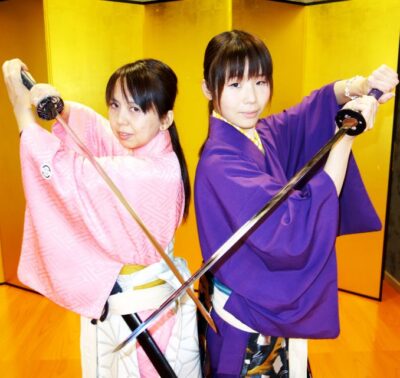
Samurai Sword Class by Experts in Traditional Arts
Read our review →
Skip the lines Basic Ticket at SAMURAI NINJA MUSEUM KYOTO
Read our review →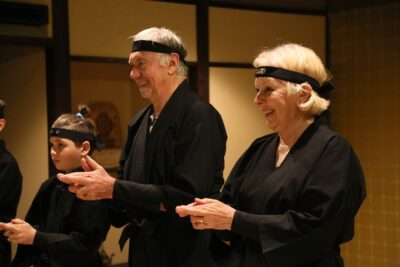
Ninja 1-hour Hands-on Lesson by Japanese master in Kyoto -Entry
Read our review →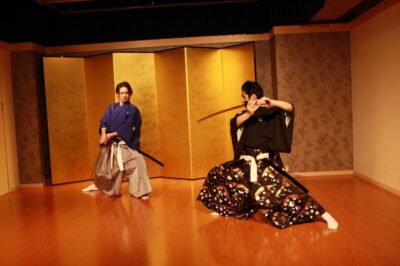
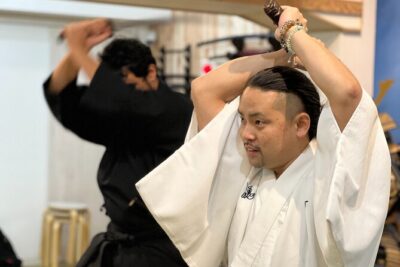
Samurai Training with Modern day Musashi in Kyoto
Read our review →
Browse the lists this tour appears in