
Reviewed · KYOTO SAMURAI & NINJA EXPERIENCES
Kyoto: Samurai Sword Class by Experts in Traditional Arts
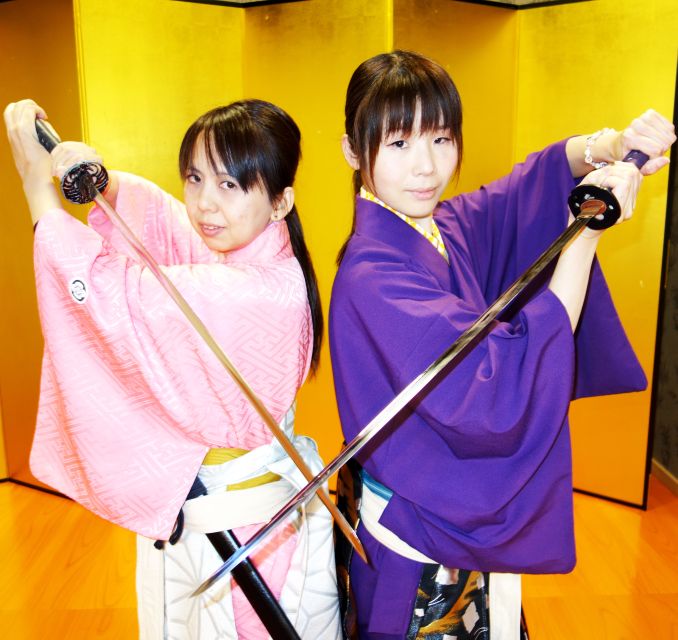
A samurai lesson here is less about pretend combat than learning a controlled art. You’ll bow to your sword, practice how to draw and return it to its scabbard, and rehearse a few stylized movements under an instructor’s eye. I like two things in particular: the chance to wear traditional samurai clothing, and the live Kenbu performance, which shows how practice movements become an expressive sword dance.
The main consideration is the format. This is a short, structured introduction, not an in-depth course in samurai history or martial arts. You’ll spend much of the session learning a small set of movements, so it suits curious beginners and families better than anyone seeking advanced sword training.
- Learn the ritual as well as the movement: Bowing and handling the sword with care are part of the lesson.
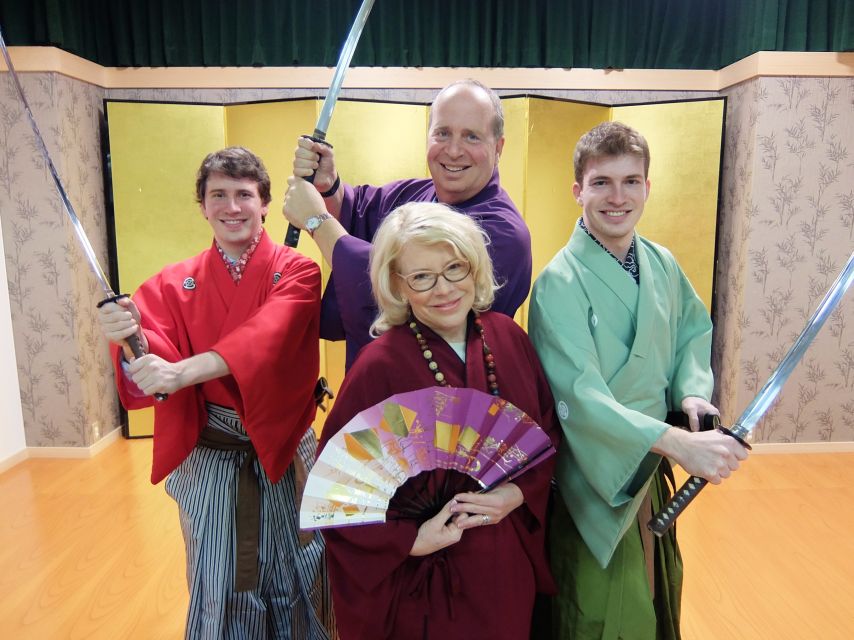
- Choose traditional clothing: You’ll change into samurai dress for the practice and photo session.
- See Kenbu performed: A 10- or 30-minute demonstration, depending on your option, puts the lesson in context.
- Expect a small class: Groups are limited to 10 participants, with English and Japanese instruction.
- Plan for a compact visit: The session lasts 90 minutes to two hours and costs $64 per person.
- Arrive ready to move: Wear exercise-friendly clothes, and leave large bags, food, and drinks elsewhere.
Start with a short film and a little context
The class begins with a four-minute film introducing the basics of samurai culture. It’s a brisk orientation rather than a full history lesson, but it gives you a framework for the practical session ahead. The focus is on Kenbu, a traditional sword dance that uses stylized movements to express the samurai art.
That distinction matters. You are not signing up for an open-ended combat class or a chance to swing a sword freely. The instructor teaches a sequence with attention to posture, control, and respect. You’ll get an introduction to the thinking behind the movements, then put that guidance into practice.
A short film also helps the class get moving quickly. With only 90 minutes to two hours, a concise introduction leaves room for changing, instruction, practice, photographs, and the performance. If you want a broad account of Japanese history, this won’t replace a museum visit or a longer course. Think of it as a focused encounter with one traditional art.
Dress for the role, then learn the etiquette
After the introduction, you put on samurai clothing and take hold of a sword. The costume is part of the experience, but it also changes the feel of the class: rather than watching a demonstration from the side, you’re asked to stand, move, and follow the instructor’s direction.
The first lessons are about respect and handling. You learn how to bow before training, draw the sword, and return it to its protective scabbard. These details make the session more than a photo opportunity. They slow you down and set the tone for the practice, where control matters more than force.
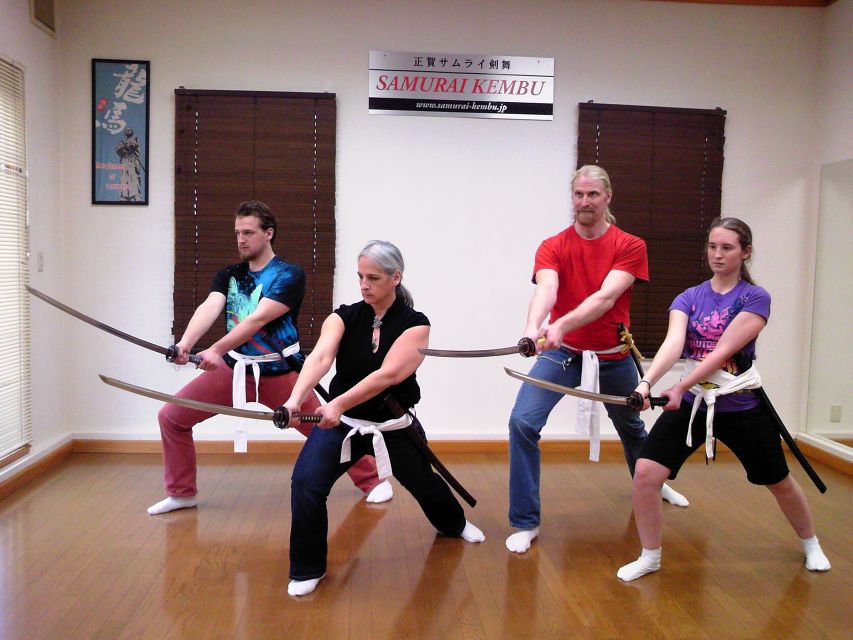
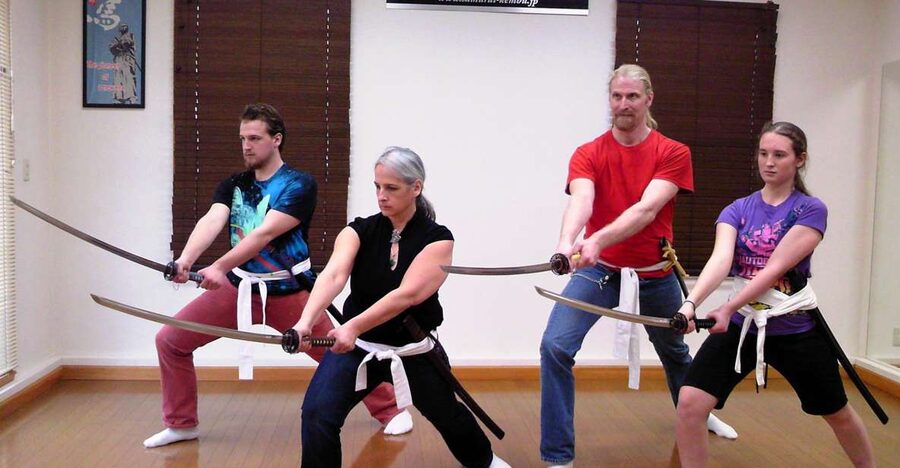
Then comes the movement work. The instructor shows basic sword techniques and stylized strikes, and you repeat them. The class is designed for newcomers, so you don’t need prior experience. Still, it asks you to pay attention and coordinate your posture and hands. Some participants find the movements a little challenging, which is part of the appeal: there’s enough to learn to keep the session engaging, without turning it into an exhausting workout.
The small-group limit of 10 is useful here. Sword movement is easier to follow when the instructor can see the participants and offer guidance. Some sessions may be smaller still, and individual lessons have happened when attendance was low. That can allow more attention to technique, though you shouldn’t count on a private class.
More samurai and ninja experiences in Kyoto:
- Kyoto Samurai Experience
★ 5.0 · 1,294 reviews - Kyoto: Kendo and Samurai Experience with Uniform and Gear
★ 4.9 · 815 reviews - Skip the lines Basic Ticket at SAMURAI NINJA MUSEUM KYOTO
★ 4.5 · 632 reviews
Practice a sequence, not a fight scene
The lesson gives you a taste of Kenbu through guided movement. You’ll practice a short sequence and learn how the sword is handled within it. The point is not to master an entire discipline in one visit. It’s to get a feel for the control, timing, and deliberate gestures involved.
That’s also why I’d recommend approaching the class with an open mind. If you come expecting a fast-paced action scene, the respectful bowing and repeated practice may seem slow at first. But those elements are the lesson. They make the difference between waving a prop and learning a small part of a traditional art.
Instructors named in past sessions include Kazu, Hoga, Rui, and Kashin. The specific instructor can vary, but the format calls for an English-speaking guide, and instruction is available in English and Japanese. The teaching style can be both precise and lighthearted, which helps if you’re worried about feeling awkward. You may feel a little self-conscious in costume, but the class is meant for beginners, not seasoned performers.
One small terminology note: the experience centers on Kenbu, a sword dance. It is not a lesson in Kendo, though some participants use that word informally when describing sword practice. The performance and the movements you learn are presented as an art passed down through generations, rather than a contest or sparring session.
Take time for the costume photos
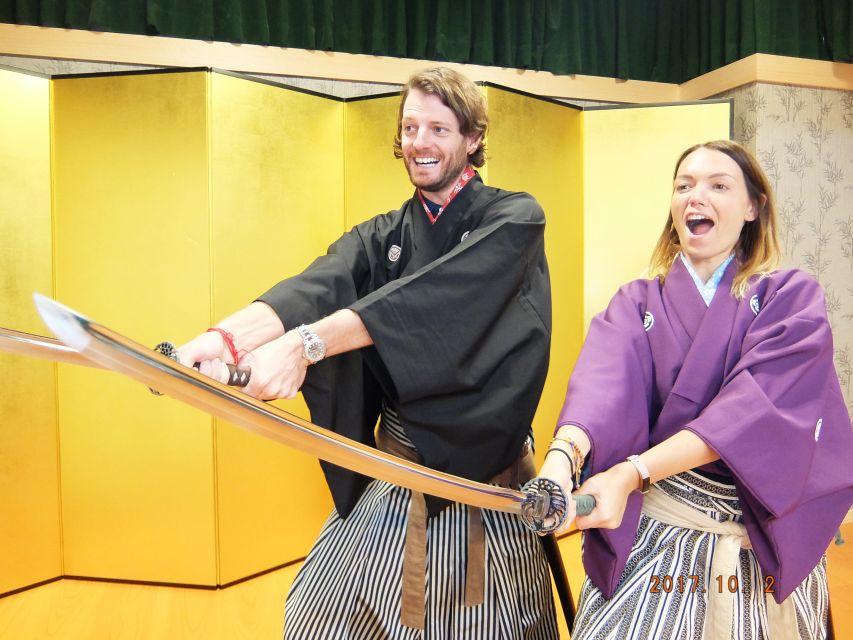
A photo session is built into the visit, and you’ll have time to pose in your samurai outfit. Staff help take photos and videos, making this a practical keepsake rather than a rushed snapshot between activities. If you’re visiting with family or friends, you can also capture the group in costume.
The photos are a clear part of the experience’s appeal, especially for children and anyone who enjoys dressing up. But they aren’t the whole point. The class gives you a short lesson before the camera comes out, and the practice helps the costume feel connected to the activity rather than simply theatrical.
A traditional tenugui towel is included, along with a completion certificate. Some participants have also been given small costume-related keepsakes, but the stated inclusions are the towel and certificate, so treat anything beyond those as a possible extra rather than something to expect.
Watch the Kenbu performance
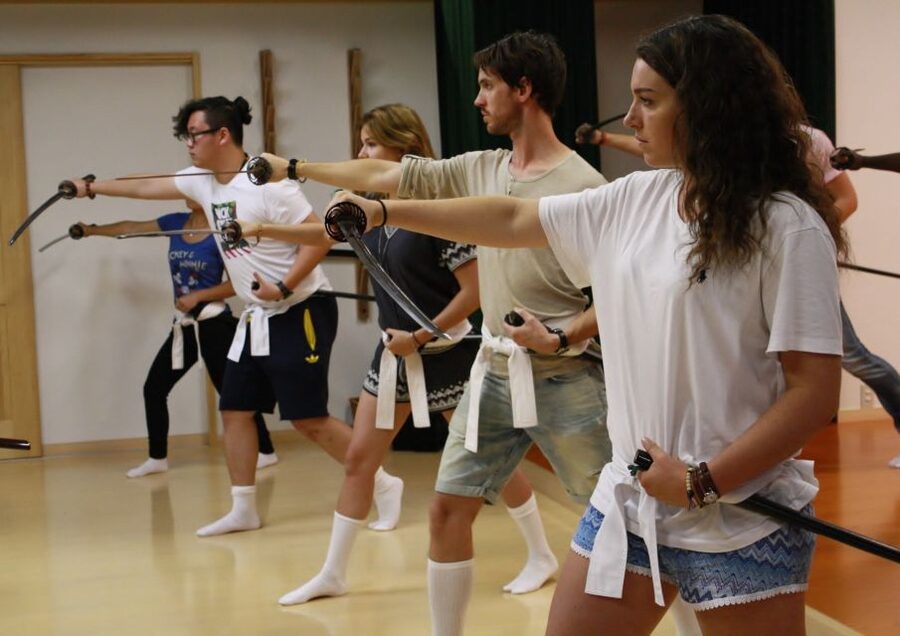
Before or after the lesson, depending on the option you choose, you’ll watch a performance with commentary from a sword dance instructor. The demonstration lasts either 10 or 30 minutes. Check the option carefully when choosing a time, since the shorter and longer performances offer different amounts of viewing time.
This is one of the most valuable parts of the visit. You’ve just tried the basic movements yourself, so watching trained performers gives you a better sense of how much precision and expression the art requires. The short practice sequence looks different when performed with control and purpose. The commentary also helps connect the movement to the tradition being taught.
If the performance is at the end, it offers a natural finish after the practice and photos. If it comes first, it gives you something to watch for when you take up the sword. Either way, the demonstration is not a lengthy stage show. It’s a compact lesson in what Kenbu can look like when practiced by skilled performers.
More Kyoto tours in Kyoto:
- PERFECT KYOTO 1-Day Bus Tour
★ 5.0 · 13,518 reviews - Kyoto: Fushimi Inari, Kinkakuji, Bamboo Grove 1 Day Bus Tour
★ 4.8 · 4,316 reviews - Kyoto: Tea Ceremony in a Traditional Tea House in Kiyomizu
★ 4.9 · 3,519 reviews - Kyoto Geisha Walking Tour: Gion District & Hidden Gems
★ 4.7 · 3,273 reviews
Who will enjoy this Kyoto class
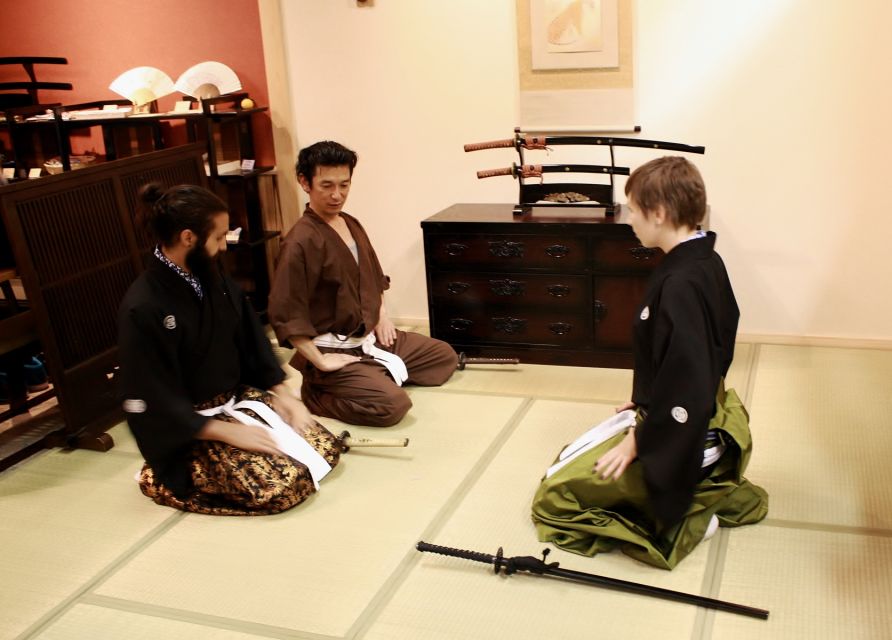
This experience is a good fit if you want a hands-on cultural activity that breaks up a day of temples and sightseeing. It combines a little history, guided practice, costume, photographs, and a performance in one visit. The mix makes it an easy choice for a group with different interests: one person can enjoy the technique, another the clothing, and someone else the show.
Families can consider it, too. Children under four are not suitable. For participants aged five to ten, it’s preferable that they have attended a martial arts class or have some experience learning one, since the lesson is conducted with adult participants. Families with older children have found the format enjoyable, but each child still needs to follow safety instructions and keep pace with the group.
This is not an observation-only activity. Everyone booked is expected to participate, and extra people cannot simply wait in the room. There is no waiting room, either, so make plans with anyone who is not taking part. The studio cannot accommodate large luggage or travel bags, and pets, food, drinks, smoking, alcohol, and sharp objects are not allowed.
Wear clothes that make it easy to move and change. A single hoodie or tights are not considered suitable for changing into costume, so arrive in practical layers. The activity lasts 90 minutes to two hours, depending on the option and schedule. There is no hotel pickup, and food and drinks are not included.
Is $64 a fair price?
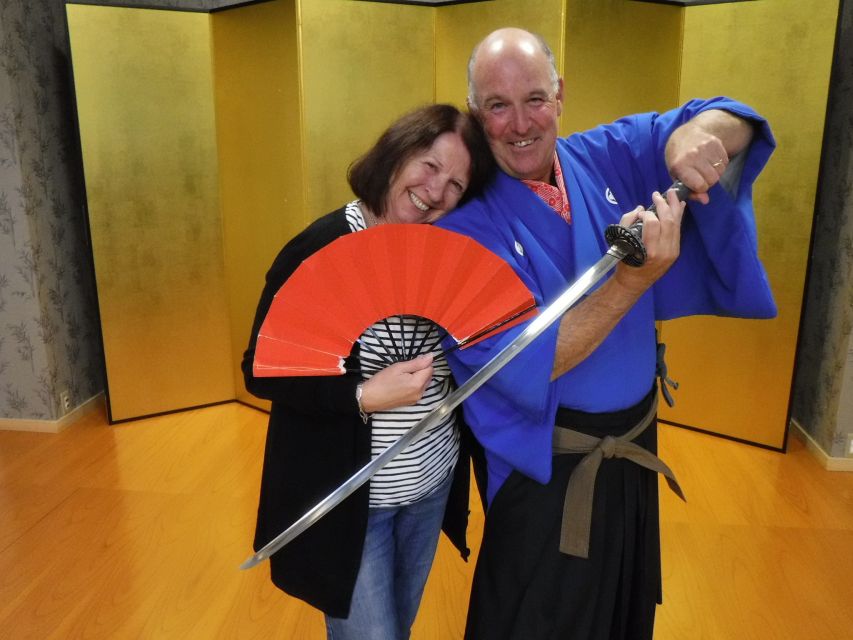
At $64 per person, the value comes from the combination of instruction, costume, photo session, performance, towel, and certificate. You’re paying for more than a few minutes with a sword. The class gives you time to learn basic handling and movement, then see the art performed by an instructor. For a short cultural activity in Kyoto, that’s a useful bundle.
The best value is for someone who wants both participation and context. If you only want a souvenir photo, the lesson may feel like more than you need. If you want a serious martial arts course, it will be too brief. But for a memorable introduction that has a clear beginning, practical middle, and performance, the price is reasonable.
The session’s small size helps, too. A maximum of 10 participants gives the instructor room to demonstrate and correct movements, while keeping the class social rather than intimate by default. If you happen to book a quiet time, you may get more individual attention, but that is not guaranteed.
Getting to the dojo and planning your visit
The meeting point is Samurai Kembu Theater, at 35-7 Sanchome, Higashiyama-ku, on the Sanjo-hanamikoji side of the address, in the basement of the Gozan Building. Allow time to find the entrance and arrive ready for the start. The exact starting times vary, so check the available session when booking.
The experience is offered by Ginbu Co. and has English- and Japanese-speaking instruction. You can reserve without paying immediately, and cancellation up to 24 hours in advance is eligible for a full refund. If the name of someone attending differs from the name on the reservation, contact the provider ahead of time. If you need to bring an extra chaperone, ask in advance, since only the booked number of people can enter.
Safety instructions matter here. Follow the instructor’s directions, don’t arrive under the influence of alcohol, and leave weapons or sharp objects at home. The sword lesson depends on everyone moving with care, so this is not a place to improvise or treat the practice as a game.
Should you book it?
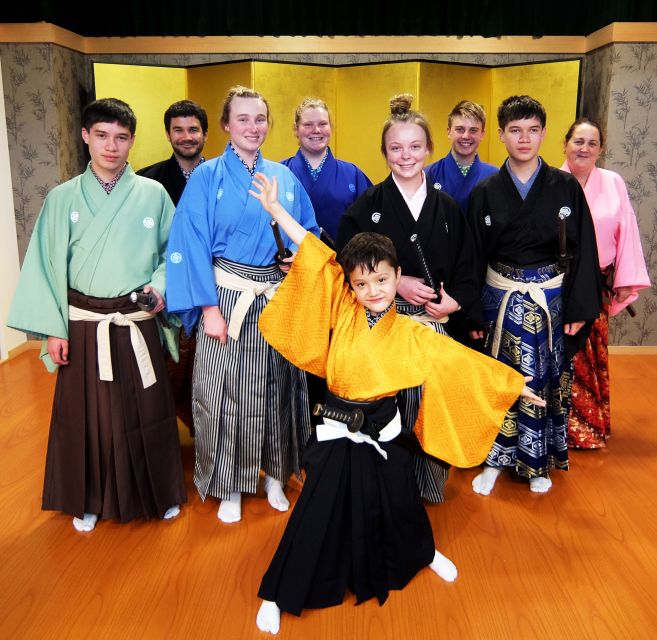
Book this class if you’re curious about samurai culture and want to try the movements rather than only read about them. The strongest combination is the hands-on lesson, the chance to dress in traditional clothing, and a live Kenbu demonstration that shows the art in skilled hands. It’s also a strong choice for families with children old enough to participate responsibly.
Skip it if you want advanced training, a long historical lecture, or a purely passive show. The visit is brief and structured, with a beginner-level practice sequence and a short performance. For a compact, participatory Kyoto activity that leaves you with photos and a clearer sense of sword dance, it makes good use of an afternoon or morning.
FAQ
How long does the samurai class last?
The activity lasts 90 minutes to two hours. The available starting times and exact duration depend on the option you select.
What is included in the price?
The experience includes an English-speaking instructor, a photo session, a traditional Japanese tenugui towel, and a completion certificate.
Is the performance included?
A Kenbu performance with commentary is included. It lasts either 10 or 30 minutes, depending on the option you choose, and takes place before or after the lesson.
How many people are in each group?
The group is limited to 10 participants. Everyone attending must be included in the booking.
Can children take part?
Children under four are not suitable. For children aged five to ten, prior martial arts class experience or some experience learning a martial art is desirable because the lesson is conducted with adults.
What should I wear and bring?
Wear clothes suited to exercise and movement, and make sure they allow you to change into the costume. Large bags and luggage cannot be accommodated.
Newly added in Kyoto
- Uji: Private immersion into Kyoto’s tea and reglious culture★ 5.0 · 17 reviews
- Whisk Your Own Matcha: A Zen Matcha Experience at Temple★ 3.6 · 7 reviews
- Kyoto tea town for matcha lovers★ 5.0 · 16 reviews
- Treasures of Kyoto: Gion & historical Walking Tour★ 5.0 · 6 reviews
- Kyoto Matcha Green Tea Tour★ 4.5 · 23 reviews
- Uji and Wazuka Matcha Farm Half Day Private Guided Tour★ 5.0 · 21 reviews
- Utilising upcycled Matcha! Creating matcha incense (Uji, Kyoto)★ 5.0 · 6 reviews
- Slow Cycling Tour at Uji’s Matcha Green Tea Fields and Heritage★ 5.0 · 25 reviews
Kyoto Samurai & Ninja Experiences, compared.
Kendo and Samurai Experience with Uniform and Gear
Read our review →
Skip the lines Basic Ticket at SAMURAI NINJA MUSEUM KYOTO
Read our review →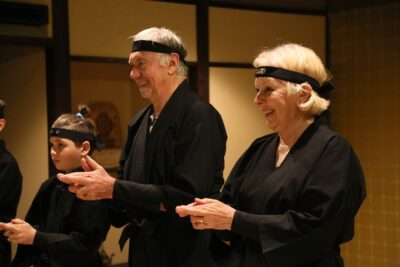
Ninja 1-hour Hands-on Lesson by Japanese master in Kyoto -Entry
Read our review →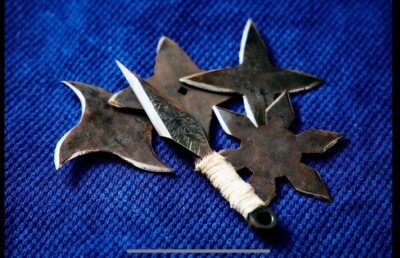
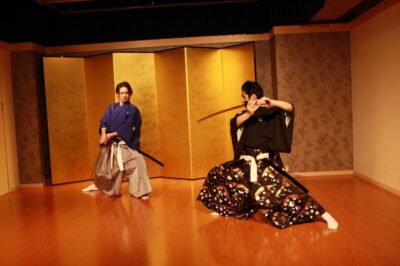
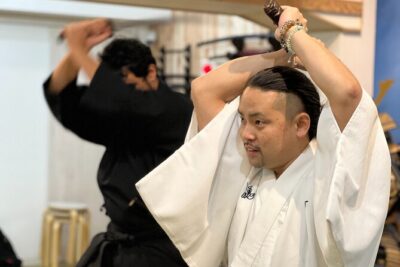
Samurai Training with Modern day Musashi in Kyoto
Read our review →
Browse the lists this tour appears in