
Reviewed · KYOTO KIMONO RENTALS
Kyoto: Traditional Kimono Fabric Handicrafts Workshop
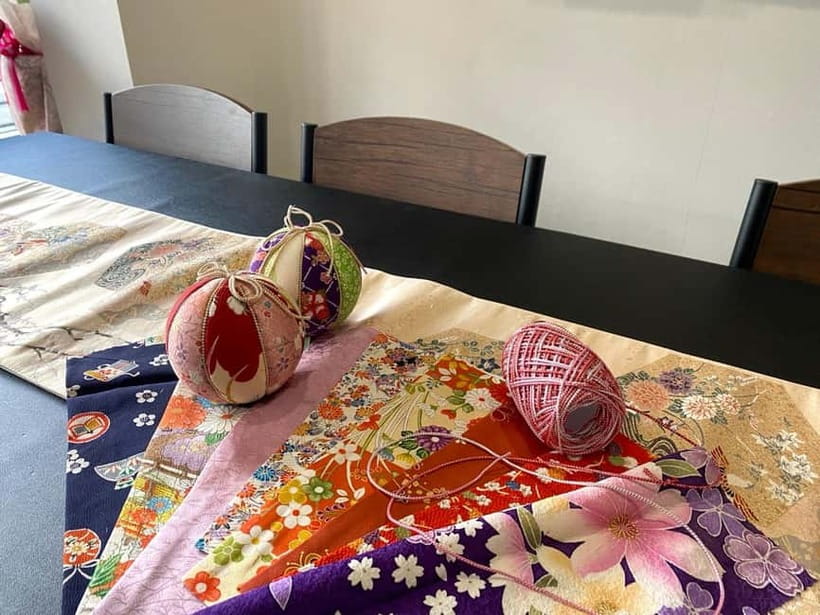
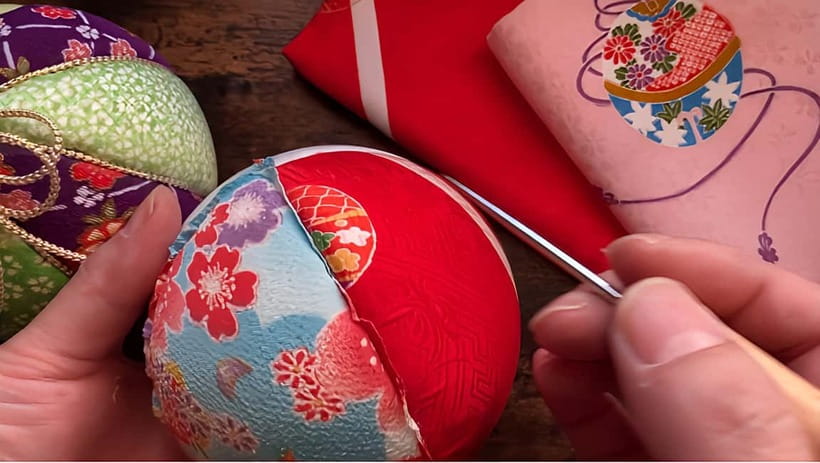
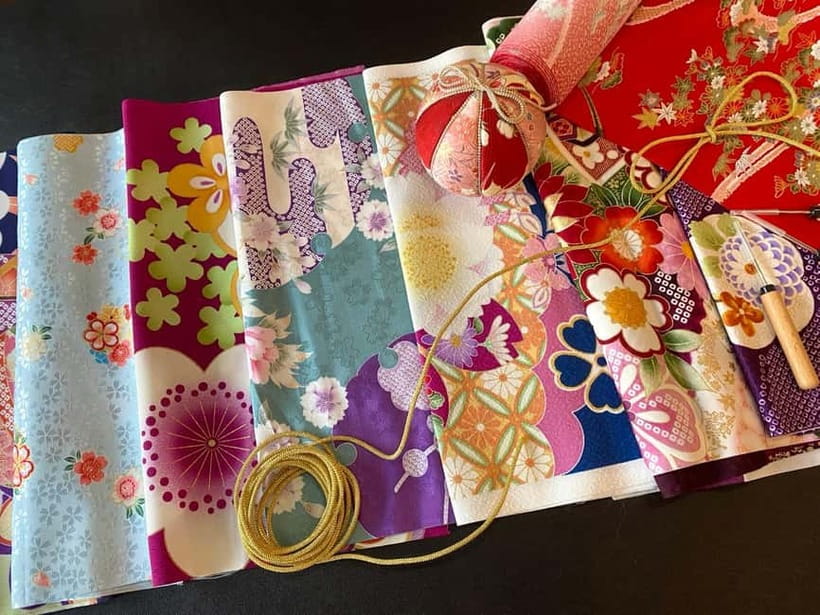
Temari begins with a pleasingly simple idea: turn pieces of patterned kimono fabric into a small Japanese decoration you can take home. In this two-hour class, local artisan May helps you choose your fabrics and make your own Temari in a traditional antique boutique. I like the chance to work with fabric from old kimonos, and I like that the small group size leaves room for patient, personal help.
The main consideration is that this is a quiet craft session, not a sightseeing tour. You’ll spend most of your time indoors making your Temari, so plan to visit nearby temples and shrines separately. At $25, though, the class offers a thoughtful change of pace and a souvenir you made yourself.
At a glance
- Choose from beautiful kimono fabrics: Picking the colors and patterns is part of the fun, and the range can make this the toughest decision of the class.
- Make a beginner-friendly Temari: No previous craft experience is required, and the process involves little sewing.
- Meet local artisan May: She guides you through each step in English or Japanese and can share background on the craft.
- Enjoy a drink and a Japanese sweet: Both are included, giving the session a relaxed pause between fabric selection and making.
- Keep the finished decoration: Your Temari is a personal memento, not a kit or a shop-bought souvenir.
- Pair the workshop with nearby sights: The shop is in Kyoto’s sightseeing area, near temples and shrines, with the Philosopher’s Path and cafes also in the vicinity.
A hands-on Kyoto souvenir with a story
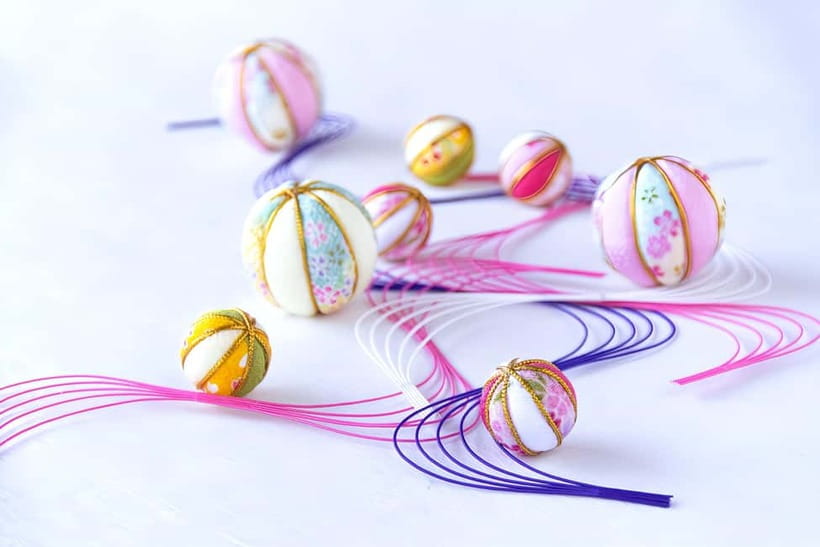
Temari are traditional Japanese handcrafted decorations used as interior ornaments and for celebrations. In this workshop, the materials give the craft a particularly Kyoto feel: you make yours from pieces of kimono fabric, selecting colors and patterns before you begin.
That choice matters. Instead of leaving with another object that could have come from any souvenir shop, you’ll have a small piece shaped by your own decisions and work. The fabrics also connect the finished decoration to Japan’s textile traditions, while the use of recycled kimono material gives old cloth another life.
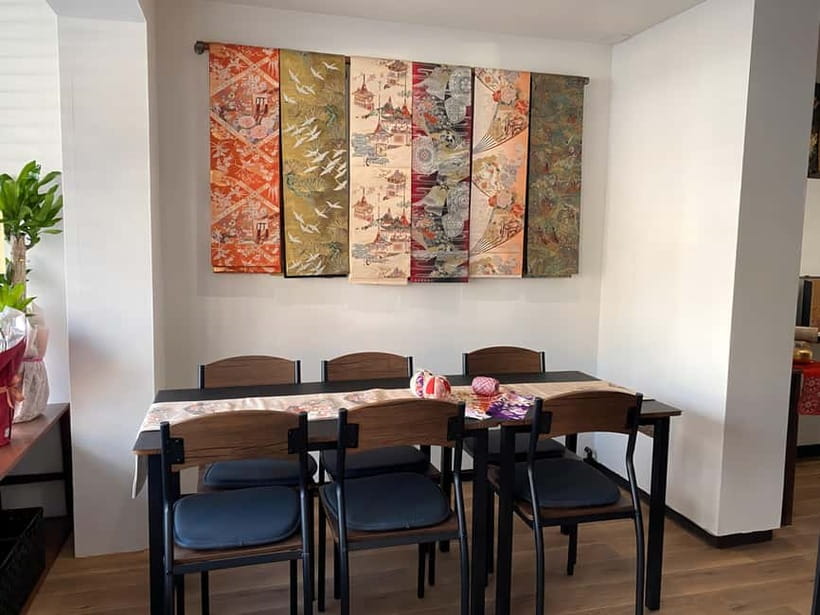
The class takes place in a renovated traditional antique boutique. The shop itself is part of the experience, with handcrafted items made from kimono fabrics available to browse or buy. You don’t need to shop to take part, but it’s a chance to see how the same materials can become different kinds of useful or decorative objects.
More kimono rentals and experiences in Kyoto:
- Kimono Tea Ceremony at Kyoto Maikoya, NISHIKI
★ 5.0 · 911 reviews - Kyoto: Kimono Rental with Hairstyling and Accessories
★ 4.8 · 653 reviews - Kyoto: Kimono Tea Ceremony at Orizuruya Gion
★ 4.9 · 618 reviews
Arriving at the antique boutique
You’re asked to enter the workshop when you arrive, where your host will be waiting to greet you. The setting is a traditional Japanese shop rather than a large activity venue, which suits a class built around careful, hands-on work.
The group is limited to four participants. That small cap is useful for a craft lesson: the instructor can demonstrate a step, check your progress, and help if you get stuck without trying to manage a roomful of people. It also makes conversation feel more natural than it would in a large group.
May is the instructor named most often in accounts of the class, though her name also appears as Mae, Mei, and Mai. She is described as a local artisan, and the shop displays her handmade pieces. Instruction is available in English and Japanese, so you can follow the process without needing to know Japanese craft terms.
Choosing your kimono fabrics
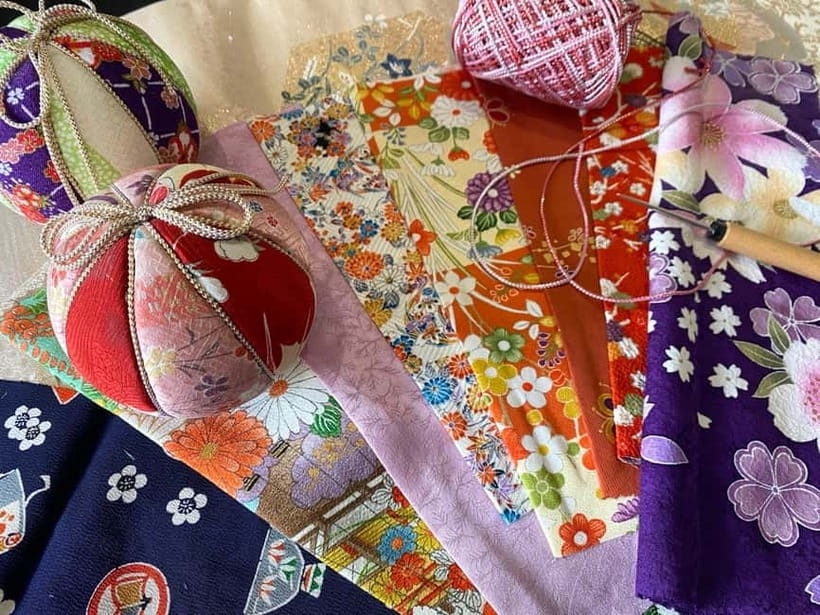
Fabric selection is one of the most memorable parts of the session. You’ll choose several pieces for your Temari, and the variety of colors and patterns can make narrowing the options harder than expected. If you tend to overthink a choice, treat this as part of the pleasure rather than a test. There is no single correct combination.
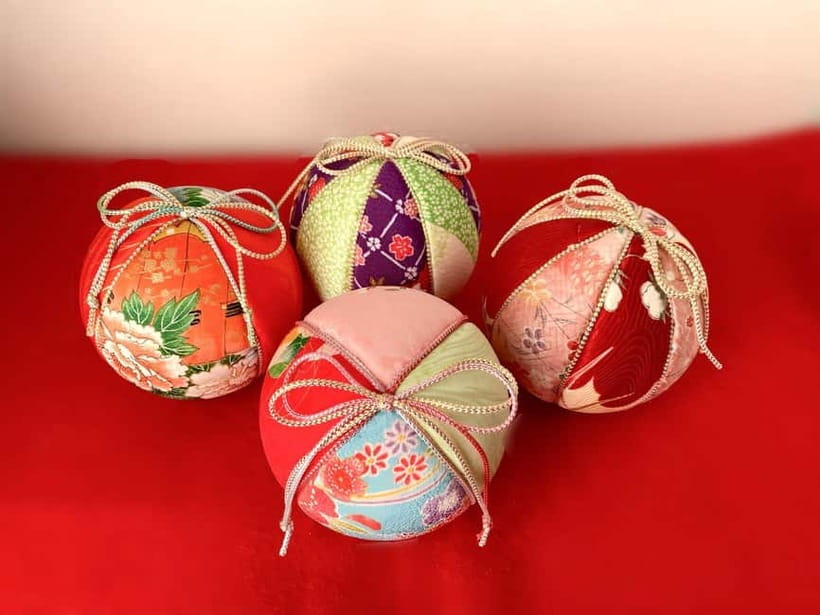
The fabric is more than decoration. It gives each finished Temari its own character, so your color choices help make the object distinctly yours. You might favor a calm palette, or put several bright patterns together. Either way, the finished piece becomes a record of the choices you made at the worktable.
The class also gives you a closer look at the texture and design of kimono cloth than you get from seeing garments at a distance. If you enjoy textiles, this part alone may be a welcome change from walking through temples and shops. If fabric isn’t usually your interest, the instructor’s guidance and the straightforward process help keep the activity accessible.
Making a Temari, one clear step at a time
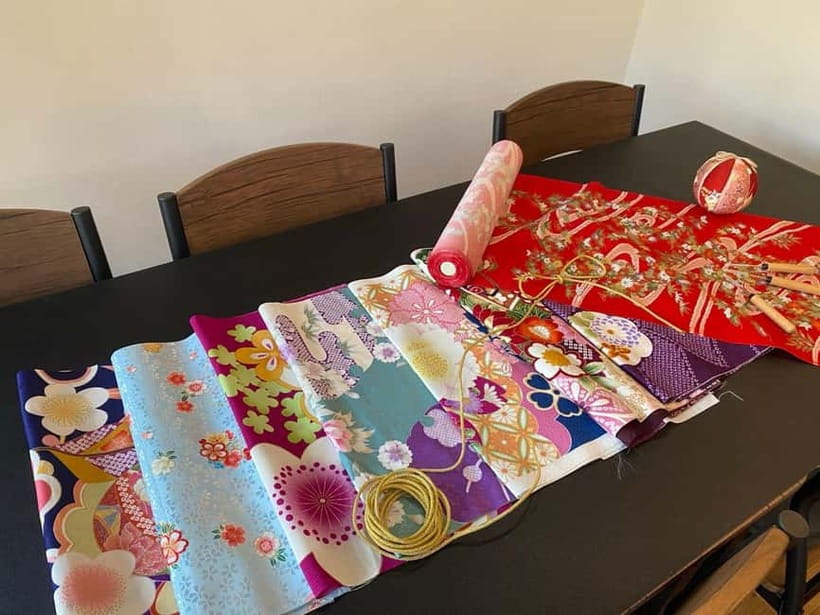
Once you’ve chosen your materials, May guides you through the making process. No prior skill is required, and the activity is designed for adults and children alike. The craft is described as beginner-friendly, with little sewing, so you don’t need to arrive with nimble fingers or a stash of crafting experience.
The instructor explains the steps clearly and helps as you work. That matters because a craft can quickly stop being relaxing if you’re left guessing what to do next. Here, the point is to enjoy the process and leave with something you’re happy to display, not to prove your technical ability.
Families with school-age children can consider this as a shared activity. Children aged 10 and 12 have taken part, and the simple process has also suited younger crafters in family groups. As with any hands-on activity, children may need help and encouragement, but the class is not aimed only at adults or experienced makers.
You’ll spend much of the two hours working at a gentle pace. This is a good fit if you want a quiet activity after a morning of sightseeing, or if you’re looking for something to do together that doesn’t revolve around shopping or taking photographs. It’s less suitable if your priority is to cover as many attractions as possible in a short visit.
More craft workshops in Kyoto:
- Kyoto : Chopsticks Making Workshop in Gion with Engraving Option
★ 5.0 · 958 reviews - Kyoto: Calligraphy class at Buddhist temple in city center
★ 5.0 · 167 reviews - Kyoto: Beginner Knife Sharpening & Handle Fitting Workshop
★ 4.9 · 141 reviews - Kyoto: Small-Group Authentic Sushi Making Workshop
★ 5.0 · 137 reviews
A drink, a Japanese sweet, and time to talk
Each participant receives a complimentary drink and a traditional Japanese confectionery of their choice. These are included in the $25 price, alongside the materials, instruction, and workshop itself. Extra food and drinks are not included.
The refreshments help make the class feel like a pause in the day rather than a rushed demonstration. You can settle in, enjoy your chosen treat, and talk with May as you work. Some people especially appreciate the chance to chat with a local artisan and exchange stories across cultures. If you’re traveling with someone, it’s also a pleasant activity to do side by side, each making a different version of the same craft.
The drink can be tea or another option available at the shop; a matcha latte has been enjoyed during the class. Don’t count on a particular drink unless you confirm it directly, but the included refreshment and sweet are part of the experience.
The shop and the neighborhood
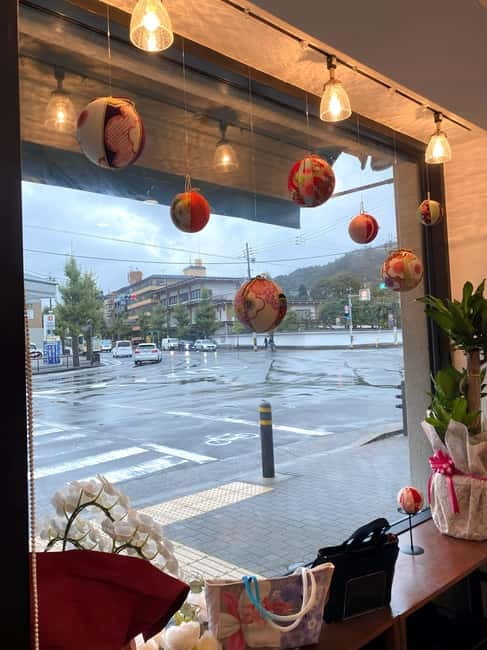
The workshop’s location makes it easy to combine craft time with Kyoto sightseeing. The shop sits in the city’s sightseeing area, near historically significant temples and shrines. The Philosopher’s Path is also nearby, and cafes in the area offer an easy next stop if you want to keep the day leisurely.
One useful way to plan is to put the class between sightseeing walks. Temples and shrines ask for a lot of attention and often involve plenty of walking; two hours at a worktable gives your feet a rest while keeping you engaged. The workshop itself does not include a guided visit to the surrounding sights, so check your own route and allow separate time for them.
The shop is described as easy to find, but no specific meeting address or transit details are provided here. Check the exact location and directions when booking, then arrive ready to enter the workshop. The activity is listed as wheelchair accessible, though it’s sensible to confirm any individual access needs with the provider before you go.
Is $25 good value for two hours?
At $25 per person, this is a reasonably priced activity if you value a hands-on cultural experience and a keepsake you make yourself. Materials, the Temari class, a local crafts instructor, one drink, and one traditional sweet are included. You’re paying for more than the finished object: you also get guidance and time in a small workshop.
The value is strongest if you enjoy crafts, fabrics, or a slower kind of cultural activity. You’ll have two hours to work at an unhurried pace, rather than simply watch a demonstration. The finished Temari is compact and personal, and it can serve as a reminder of Kyoto that is more meaningful than a generic trinket.
The price is less compelling if you want a guided temple tour, a long lesson in textile history, or a meal. None of those is part of the class. You may also find yourself tempted by the handmade bags and other shop items, which are separate purchases. Keep that in mind if you’re setting a firm souvenir budget.
Who will enjoy this workshop most
I’d recommend the class to first-time crafters, textile enthusiasts, families with children, couples, and solo visitors looking for an easy way to meet a local maker. You don’t need to be artistic. The step-by-step instruction and small group make it approachable, while choosing your own fabrics gives experienced crafters room to make something personal.
It also suits anyone who wants a break from sightseeing without giving up on cultural learning. You can hear about the Temari tradition while doing something with your hands, and the shop’s handmade items offer a glimpse of how kimono fabric can be reused in contemporary crafts.
If you dislike sitting down for a focused activity, or your schedule is packed with sights, this may not be the best use of two hours. It is calm by design. The appeal is in slowing down, making something, and enjoying the conversation and refreshments along the way.
Practical details before you book
The workshop lasts two hours, with starting times depending on availability. Instruction is offered in English and Japanese, and the group is limited to four participants. All necessary Temari materials are supplied, so you don’t need to bring craft tools or have previous experience.
The activity is suitable for all ages and listed as wheelchair accessible. You can reserve without paying immediately, and cancellation up to 24 hours in advance is eligible for a full refund. Confirm the exact meeting address and any access requirements as part of your planning.
Should you book the Temari workshop?
Book this if you want a relaxed, affordable activity that gives you a handmade Kyoto keepsake and time with a local artisan. The fabric selection, clear instruction from May, and included tea or other drink and Japanese sweet are the strongest reasons to go. It’s especially appealing for beginners and families, and it pairs neatly with nearby temples, shrines, and the Philosopher’s Path.
Skip it if you’re looking for a guided sightseeing outing or need to pack your day with major attractions. For a two-hour creative pause, though, this workshop offers a satisfying mix of craft, conversation, and a souvenir with your own fingerprints on it.
FAQ
How long does the workshop last?
The Temari workshop lasts two hours.
Do I need crafting experience?
No. The activity is designed for beginners, and no prior experience or skill is required.
What is included in the price?
The workshop, all necessary Temari materials, a local crafts instructor, one complimentary drink, and one traditional Japanese confectionery are included. Additional food and drinks are not.
What languages are available?
Instruction is available in English and Japanese.
Is the workshop suitable for children?
Yes. It is described as suitable for all ages, including adults and children.
How many people are in the group?
The group is limited to four participants.
Newly added in Kyoto
- Uji: Private immersion into Kyoto’s tea and reglious culture★ 5.0 · 17 reviews
- Whisk Your Own Matcha: A Zen Matcha Experience at Temple★ 3.6 · 7 reviews
- Kyoto tea town for matcha lovers★ 5.0 · 16 reviews
- Treasures of Kyoto: Gion & historical Walking Tour★ 5.0 · 6 reviews
- Kyoto Matcha Green Tea Tour★ 4.5 · 23 reviews
- Uji and Wazuka Matcha Farm Half Day Private Guided Tour★ 5.0 · 21 reviews
- Uji Tea Ceremony and UNESCO Heritage Walking Tour★ 5.0 · 20 reviews
- Utilising upcycled Matcha! Creating matcha incense (Uji, Kyoto)★ 5.0 · 6 reviews
Kyoto Kimono Rentals, compared.
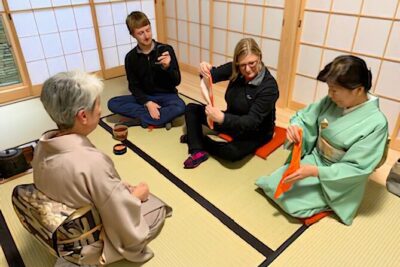
KYOTO Tea Ceremony with kimono near by Imamiya Jinjya Shrine
Read our review →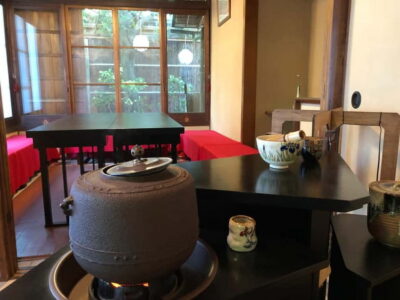
Kimono and Tea Ceremony Experience at Cultural Asset
Read our review →
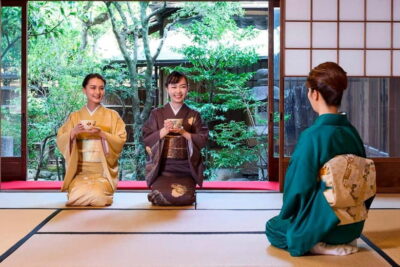
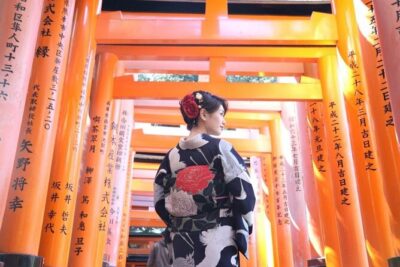
Family-Friendly Kimono & Yukata Experience at WARGO
Read our review →Browse the lists this tour appears in