
Reviewed · KYOTO TEMPLE & SHRINE TOURS
Nara: UNESCO Heritage Sites & Deer Park Tour with Pro guide
Nara’s deer are charming, but the real surprise is how quickly this tour connects them to the city’s sacred places. In three hours, you meet the deer, visit Kasuga Taisha Shrine and stand before the giant bronze Buddha at Todai-ji, with a local guide to explain what you’re seeing.
I like two things in particular: the guide puts the deer in their Shinto context, so feeding them becomes more than a cute photo stop, and the route pairs a forest shrine with one of Japan’s most imposing Buddhist temples. Guides such as Goku are also praised for sharing local knowledge and helping people make sense of the sites.
The main consideration is pace. Three hours is a short window for several major sights, and you’ll be on your feet. The tour is not suitable for wheelchair users or people with back problems, so this is best for visitors who are comfortable walking.
- Meet at Himuro Shrine: Look for the red torii gate, the designated meeting point.
- Feed Nara’s deer: Special shika-senbei crackers are included, along with guidance on how to offer them.
- Visit Kasuga Taisha: Learn about the shrine’s lanterns, Shinto role and ancient forest surroundings.
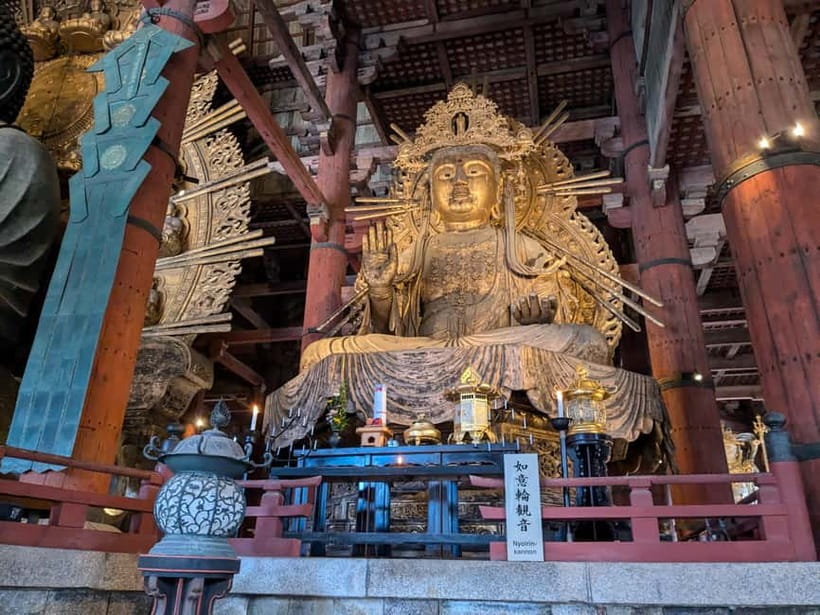
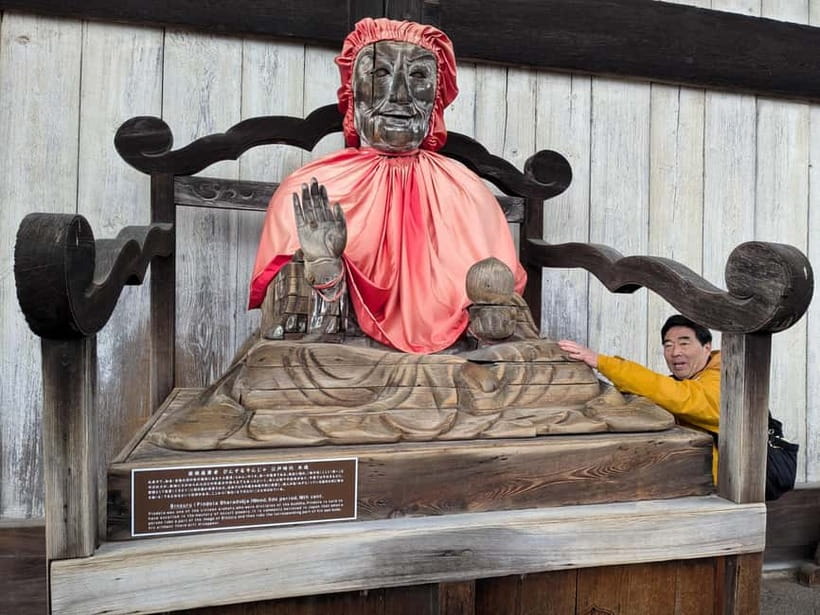
- See Todai-ji’s Great Buddha: The bronze statue sits inside a vast wooden temple building.
- Keep the group small: No more than 10 participants, with tours offered in six languages.
- Pay for a guided experience, not just entry: The $83 price includes a guide, site fees and deer crackers.
Deer crackers are a good way into Nara’s story
The tour begins at Nara Park, where deer roam freely among the grounds. They are often treated as a lighthearted part of a Nara visit, but their place here is also tied to Shinto belief. Your guide explains that connection, giving the encounter a cultural frame before you reach the shrine.
You receive shika-senbei, special crackers made for feeding the deer. That small detail matters: you don’t have to hunt for a seller or guess what is suitable to feed them. Your guide can also show you how to approach the animals respectfully and follow local guidance.
The deer are still wild animals, not tame park pets. Pay attention to your guide’s instructions and keep your belongings close while feeding them. The tour description calls them friendly, but a calm, respectful approach is sensible around any animal.
This stop is a pleasure for families and anyone who enjoys being outdoors, though the deer can also draw crowds and attention away from the history. A guide helps balance the two: you get time to enjoy the encounter without letting it become the whole Nara experience.
Kasuga Taisha’s lanterns and old forest
Kasuga Taisha Shrine is known for its spiritual significance and its lanterns. Your guide can explain how the shrine fits into Shinto practice, and why its setting matters as much as its buildings. Without that context, it can be easy to admire the lanterns and move on without understanding what makes the site sacred.
The shrine is surrounded by an ancient forest that has been protected for centuries. That forest gives the visit a different feel from the open spaces of the park and the scale of Todai-ji. You’re not only looking at a religious site; you’re seeing how nature and worship meet in Nara.
This is a useful stop if you want to understand the differences between Shinto and Buddhism. Both traditions are part of Japanese religious life, and the tour places a Shinto shrine alongside a major Buddhist temple. The guide’s explanations help you notice those contrasts without turning the walk into a lecture.
The forest setting may also mean that the route involves uneven or outdoor walking. The exact walking surface and distance are not specified, so comfortable shoes are a good idea. Bring water and sunscreen, and check the weather before you set out.
More Nara trips in Nara:
- World Heritage Kyoto & Nara Uji Authentic Matcha Experience
★ 5.0 · 1,573 reviews - Kyoto/Osaka: Nara, Fushimi Inari Taisha, Arashiyama Bus Tour
★ 4.7 · 1,275 reviews - Nara Half Day Trip Walking Tour (Private Option Available)
★ 5.0 · 937 reviews
Todai-ji and the Great Buddha
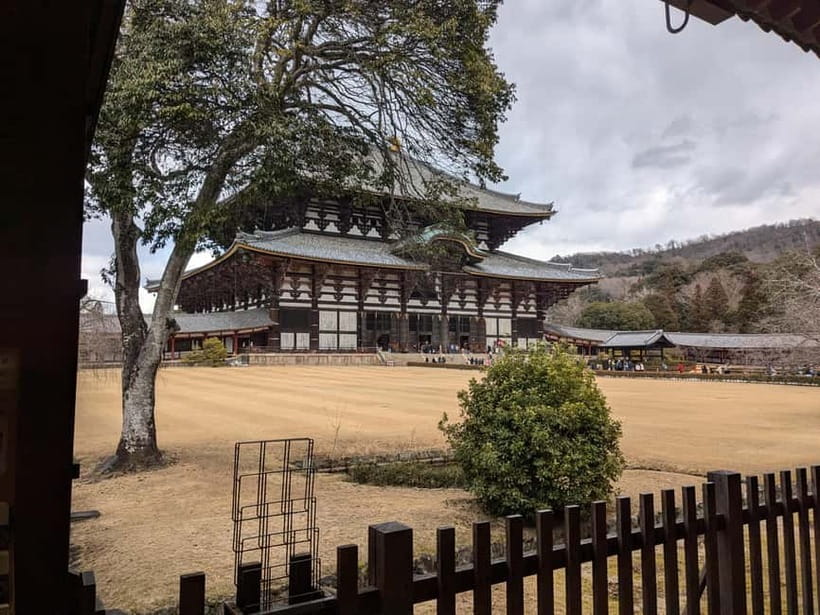
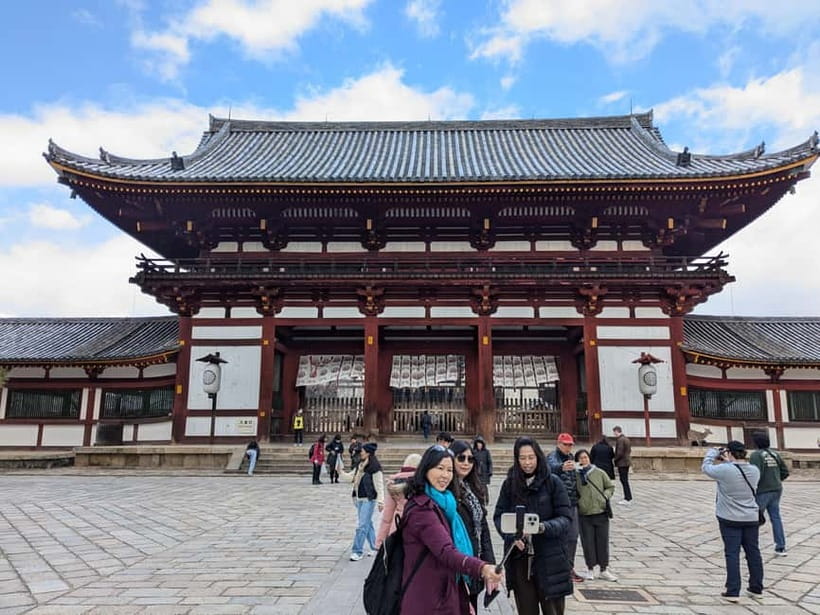
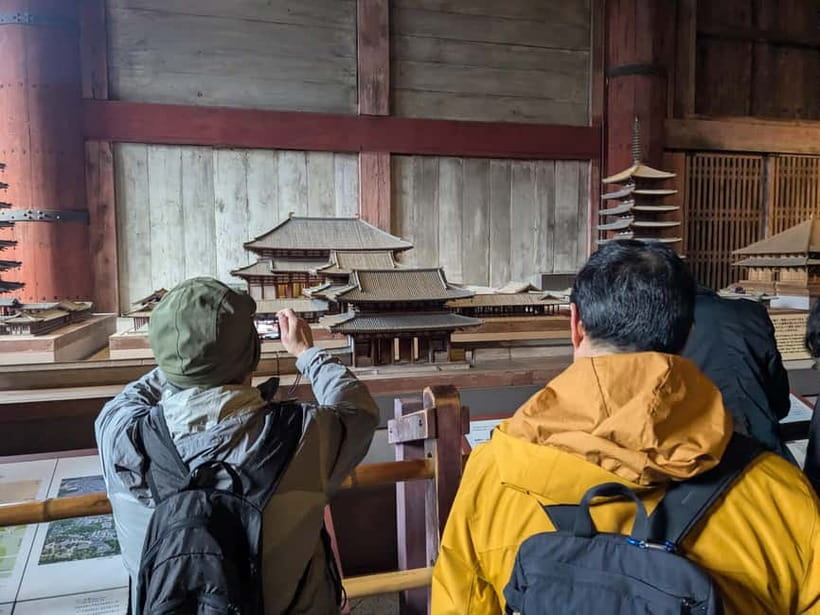
The tour ends at Todai-ji Temple, one of Japan’s major cultural landmarks. Inside its enormous wooden building is the world’s largest bronze Buddha statue, a work whose scale is difficult to grasp until you are standing in front of it.
The temple’s size is part of the story. Your guide explains its importance to Japanese Buddhism and its place in the country’s history. That background helps turn a monumental sight into something more than a quick photograph and a look around.
Todai-ji can be busy, and the experience may depend on the conditions on the day. One group has described Goku helping them avoid a long queue, but that should not be treated as a guarantee. A guide can help you navigate and make good use of your time, while crowd levels remain outside anyone’s control.
Flash photography is not allowed. Bring a camera if you like, but be ready to take pictures without flash and follow any instructions at the site. The temple is a place of worship as well as a landmark, so a considerate approach is part of the visit.
What a local guide adds to three hours
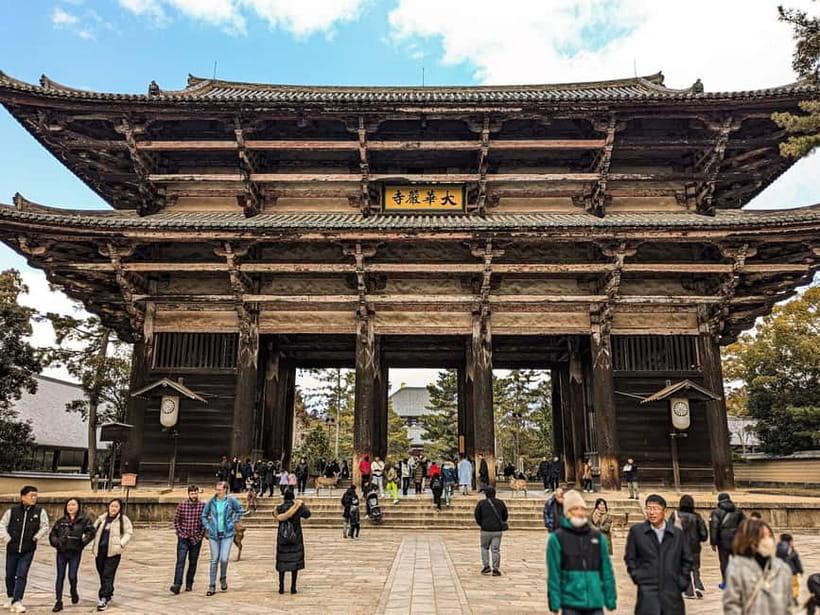
The route covers three very different sides of Nara: deer and parkland, a Shinto shrine in an old forest, and a vast Buddhist temple. A local guide links those sights through the stories of the region, its beliefs and its art. That context is especially useful if you have limited time or are visiting Japan for the first time.
Goku is the guide named most often by people who have taken this tour, and Airi is also mentioned. Goku is praised for his enthusiasm and for answering questions about Nara, Buddhism, Shinto and Japanese history. His interest in other cultures can also make the experience feel like a conversation rather than a set speech.
The guide’s help can extend beyond the main stops. Goku has helped one group find its next destination and recommended a ramen shop, then assisted with ordering around dietary needs. That is a thoughtful extra, but it is not a listed service or something to count on. Meals are not included.
The tour also offers Japanese, English, Russian, Spanish, French and Portuguese. Check that your preferred language is available at the time you want to go. With a maximum of 10 people, it should be easier to hear the guide and ask questions than in a large coach group, though the exact group size can vary.
Is $83 a fair price?
At $83 per person, this is more expensive than exploring Nara on your own. The price includes a local guide, entrance fees to all sites and deer crackers. You are paying for interpretation and a planned route as well as access, not simply for the chance to see the park and temples.
The value is strongest if you want to learn as you go. A self-guided visit can show you the deer, shrine and Buddha, but it won’t automatically explain how Shinto and Buddhism relate to the places you’re seeing. If those details matter to you, three hours with a guide can make the main sights more memorable.
If you prefer to spend a long time at one temple, stop often for photographs or move at a slow pace, a fixed three-hour tour may feel compressed. You may prefer to explore independently, especially if you already know the sites or want a flexible day. The tour is a better fit for someone who wants a focused overview.
More temple and shrine tours in Nara:
- Osaka/Kyoto: Arashiyama, Nara & Fushimi Inari Shrine w/Lunch
★ 4.4 · 754 reviews - E-Bike Nara Highlights – Todaiji, Knives, Deer, Shrine
★ 4.8 · 186 reviews - Nara: Great Buddha, Kasuga Shrine & Deer Park Tour
★ 4.8 · 62 reviews - Nara: Bike Tour in Ancient Capital UNESCO World Heritage
★ 5.0 · 43 reviews
Practical details before you go
The meeting point is the red torii gate at Himuro Shrine. Hotel pickup and drop-off are not included, so plan to reach the meeting point yourself. Meals are also not included, though the tour ends with the possibility of continuing your day in Nara.
Wear comfortable walking shoes and bring water, sunscreen and a camera. Check the weather before you leave, since the route includes outdoor areas. Flash photography is prohibited, and the guide’s directions around the deer and sacred sites are worth following.
The activity lasts three hours, with departure times depending on availability. It is not suitable for wheelchair users or people with back problems. You can cancel up to 24 hours in advance for a full refund, and the reserve-now, pay-later option lets you hold a place without paying at once.
Who should book this Nara walk?
I’d choose this tour if you want a compact introduction to Nara’s religious sites and enjoy learning from a local guide. It suits first-time visitors, history and culture fans, and anyone who wants the deer encounter to come with more meaning than a snack and a selfie.
It is less suited to visitors who need step-free access, have back problems, or want a slow, unstructured day. At three hours, the route asks you to keep moving, and the group format gives you less freedom than a solo visit.
If the price fits your budget and you’re comfortable walking, the mix is appealing: a close look at Nara’s deer, a forest shrine, and Todai-ji’s immense Buddha, all linked by a guide who can explain the traditions behind them. If you’d rather set your own pace, you can visit independently and save the guide fee. The guided option is most worthwhile when the stories matter as much as the sights.
FAQ
How long is the tour?
The tour lasts three hours.
How much does it cost?
The price is $83 per person.
What is included in the price?
A local tour guide, entrance fees to all sites and special shika-senbei crackers for feeding the deer are included.
Where is the meeting point?
Meet at the red torii gate of Himuro Shrine.
What languages are available?
Tours are offered in Japanese, English, Russian, Spanish, French and Portuguese. Check availability for your preferred time.
How many people can join?
The tour is limited to 10 participants.
Is hotel pickup included?
No. Hotel pickup and drop-off are not included.
What should I bring?
Wear comfortable shoes and bring a camera, sunscreen and water. Check the weather before your visit.
Is the tour wheelchair accessible, and can I use flash photography?
The tour is not suitable for wheelchair users or people with back problems. Flash photography is not allowed.
Newly added in Nara
- Nara Private Day Trip – Enjoy Your First-Time Visit to Nara!★ 5.0 · 10 reviews
- Relax in Nara: Deer Park, Todai-ji Temple and Merchants’ Town★ 5.0 · 6 reviews
- Nara Todaiji Lazy Bird Walking Tour★ 5.0 · 11 reviews
- Nara: Authentic Onigiri Cooking Class & Meal in a Local Home★ 5.0 · 4 reviews
- Private Nara Tour and Sake Tasting (Departing from Kyoto/Nara)★ 5.0 · 40 reviews
- Nara World Heritage PRIVATE TOUR★ 4.5 · 15 reviews
- Private Journey in Nara’s Historical Wonder★ 5.0 · 3 reviews
- Nara Sake Tasting Tour at Local Brewerie(tasting fee included)★ 5.0 · 12 reviews
Kyoto Temple & Shrine Tours, compared.

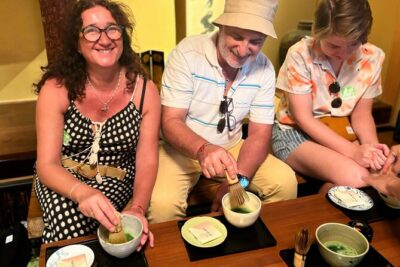
World Heritage Kyoto & Nara Uji Authentic Matcha Experience
Read our review →
Arashiyama Bamboo, Temple, Monkeys, or Secret Sake Brewery
Read our review →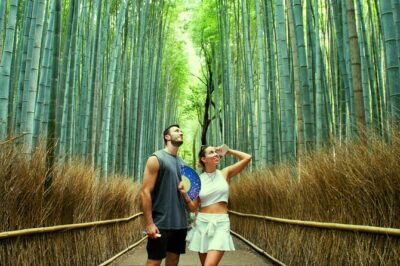
Arashiyama Bamboo Forest, Monkeys, Matcha & Temple Tour
Read our review →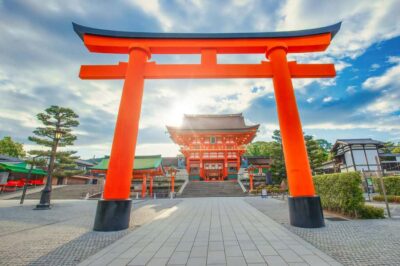
Arashiyama, Nara & Fushimi Inari Shrine w/Lunch
Read our review →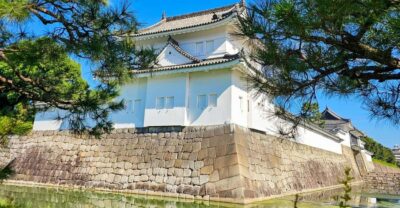
Imperial Palace & Nijo Castle Guided Walking Tour
Read our review →
Kyoto Zen Meditation & Garden Tour at a Zen Temple with Lunch
Read our review →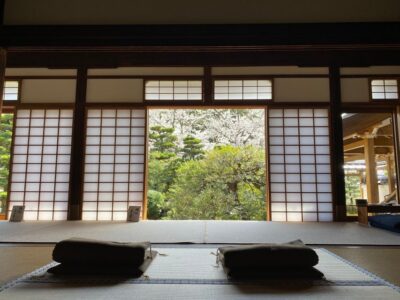
Browse the lists this tour appears in