
Reviewed · KYOTO CRAFT WORKSHOPS
Natural Indigo Dyeing with Local Masters (Private Atelier)
A 300-year-old indigo studio is a fine place to learn why a vat of dark liquid can hold centuries of skill. Here, local artisans show you how natural fermented indigo, or sukumo, works, then help you dye a cloth of your own. It is a working craft space, not a replica built for a quick photo.
I like two things in particular: you get to see the large vats used for kimono fabric, then try the process yourself, and the small group gives you room to ask questions. The indigo leaf tea and furoshiki-folding demonstration add a welcome cultural note beyond the dye table.
One consideration: the studio is in western Kyoto, about 30 minutes from Kyoto Station by train and on foot, and the exact address comes after booking. The activity is not wheelchair accessible, and you should wear clothes that can get dirty.
At a glance
- A real working studio: The historic family-run dye house preserves a centuries-old natural indigo process.
- A hands-on hour: Fold and bind your cloth, then dip it into the fermented vat with an artisan’s guidance.
- A small group: No more than six people take part, with English and Japanese support.
- One cloth is included: The basic activity includes a cotton furoshiki, about 45 to 50 centimeters across.
- Tea and craft context: Learn about indigo’s place in Japanese life, then try traditional furoshiki wrapping.
- Budget for upgrades or shopping: Scarves and other dyed goods may be available at additional cost.
Inside Kyoto’s old indigo workshop
This experience takes place in a historic dye studio in western Kyoto, a quiet working space rather than a purpose-built tourist attraction. The family has practiced indigo dyeing across generations, and the studio’s large vats are used for more than workshop samples. They are part of the day-to-day craft of dyeing fabric, including kimono material.
The distinction matters. A short craft activity can be fun even in a polished visitor center, but seeing the tools and vats in their working setting helps you understand the time and care behind the finished cloth. You are not just following a pattern: you are getting a close look at a craft that depends on the condition of the dye and the maker’s practiced hand.
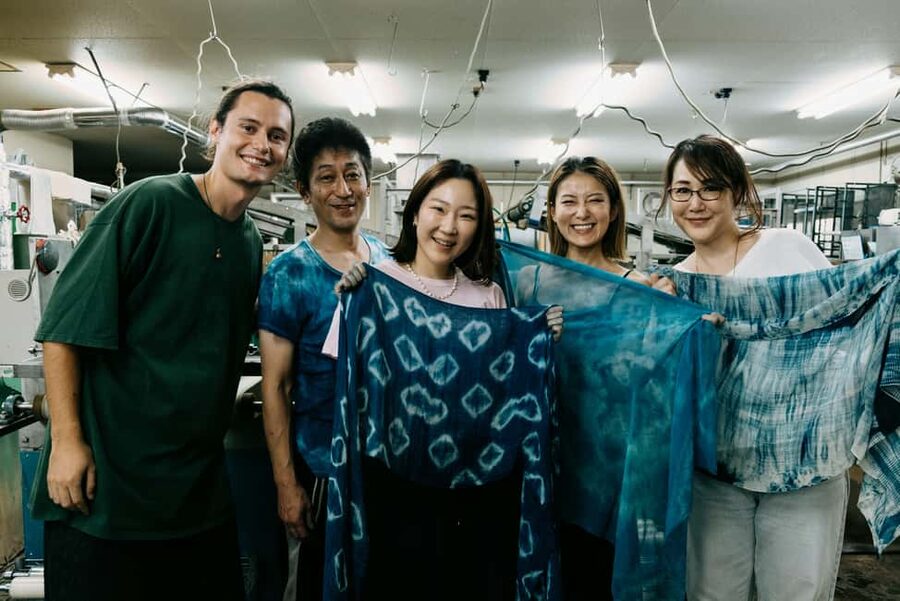
The studio is opening its doors to international visitors through a local connection. An artisan leads the craft instruction, while a bilingual cultural host helps explain what is happening in English and Japanese. Sakura, an apprentice, has helped translate for participants, making it easier to follow the artisan’s explanations and ask questions.
Expect a calm, close-up visit, not a large class with a scripted demonstration. The maximum group size is six, so you can see the work clearly and get help as you handle the cloth. The studio has wooden floorboards, and there is no wheelchair access, so those details are worth considering before you book.
More craft workshops in Kyoto:
- Kyoto : Chopsticks Making Workshop in Gion with Engraving Option
★ 5.0 · 958 reviews - Kyoto: Calligraphy class at Buddhist temple in city center
★ 5.0 · 167 reviews - Kyoto: Beginner Knife Sharpening & Handle Fitting Workshop
★ 4.9 · 141 reviews
A short history before you touch the dye
The session begins with a welcome and a tour of the studio, usually about 15 minutes. You hear about indigo’s history in Japan and its role in daily life, while seeing the tools and vats used in the process.
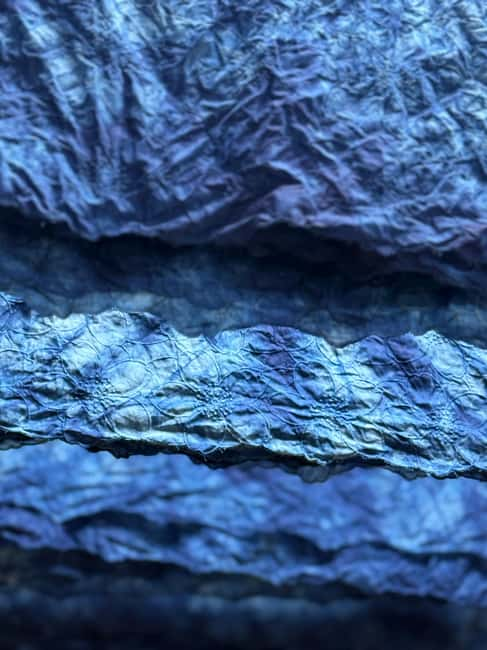
This introduction gives useful context for the hands-on part. Natural indigo dyeing is not simply a matter of putting fabric into blue liquid. The studio uses fermented indigo, known as sukumo, and the artisans explain the traditional method and how they maintain the vats. You get a sense of why consistent, deep color takes care and experience.
The setting also gives you a better feel for the scale of the craft. The large vats are used for substantial pieces of fabric, including kimono material, while your own project is smaller and manageable. You can watch the artisans at work and take photos, but remember that the focus is learning the process, not touring a museum display.
Folding, binding, and watching green turn blue
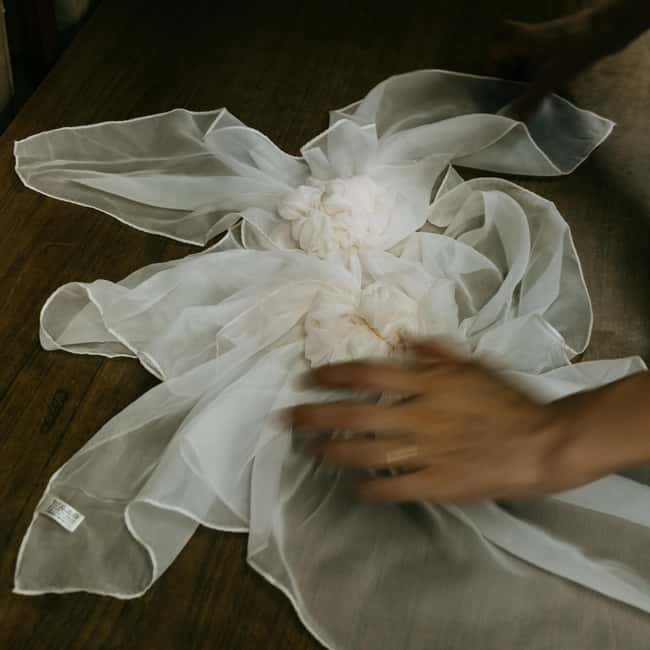
The workshop portion lasts about an hour. You choose an item to dye, then learn how folding and binding the cloth can shape the finished pattern. The included item is a cotton furoshiki, a square cloth traditionally used for wrapping and carrying things. The workshop also describes a handkerchief or tenugui as a basic option, so confirm the exact included item when booking if that choice matters to you.
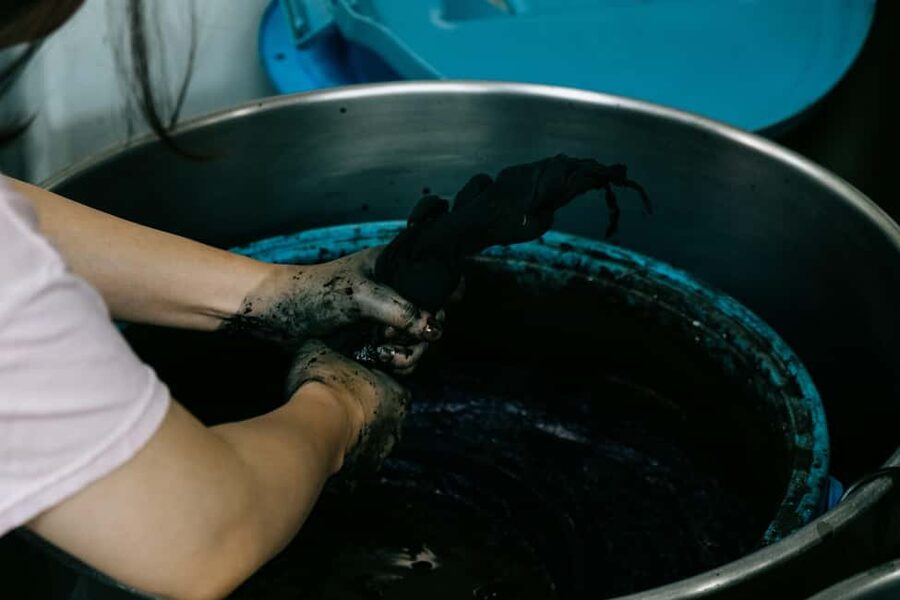
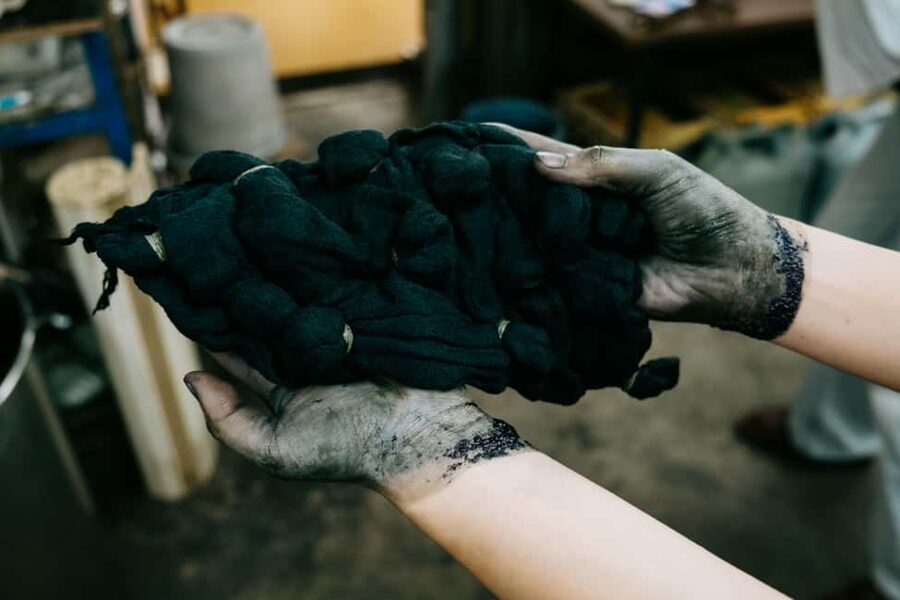
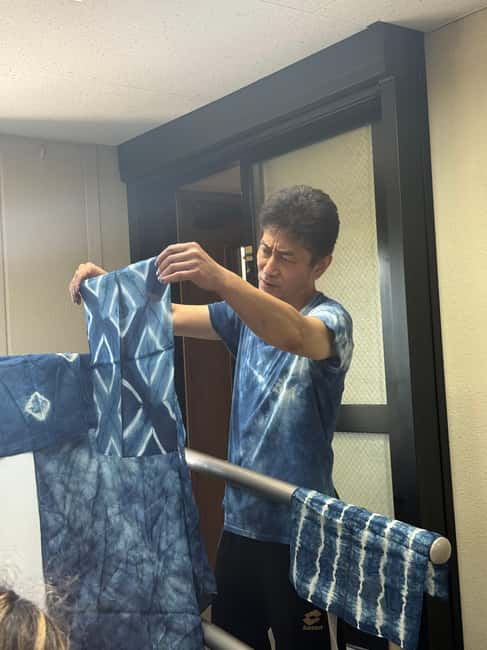
With an artisan guiding you, you fold and bind your fabric before dipping it into the vat. The dye initially appears green on the cloth. As it meets the air, oxidation changes the color toward indigo blue. Seeing that shift happen in your own hands is one of the workshop’s most satisfying details.
The instructions are step by step, so you do not need prior experience with textiles or dye. Still, the result depends in part on how you fold and bind the cloth. That leaves room for surprise: your finished pattern will be yours, rather than a factory-perfect copy of a sample.
An apron is provided, but the studio advises wearing casual clothes that can get dirty. There is no change room. Comfortable shoes are sensible, especially because the studio has wooden floors and the route includes a walk from the train.
What you take home, and what may cost extra
The basic workshop fee is $95 per person and includes one dyeable item, tools, materials, use of the natural fermented indigo vats, artisan guidance, an apron, tea, English-language support, and a small souvenir. You also get time for photos with your finished piece.
The included cotton furoshiki is a useful size, around 45 to 50 centimeters across. It is more than a keepsake: you can use it for wrapping or carrying small items, especially after the host demonstrates traditional furoshiki folding.
If you would rather make a wearable piece, upgrades may be available on the day. Choices listed include a lightweight cotton scarf, a silk scarf, and a wool stole made from Mongolian wool. The extra prices are not specified here, so ask before choosing and bring extra money if an upgrade is important to you.
There may also be dyed goods for sale in the studio’s shop and gallery. The selection can include more elaborate hand-stitched and dyed pieces, but purchases are separate from the workshop fee. If you enjoy textile craft, leave a little room in your budget; the finished work can make a distinctive Kyoto souvenir.
More private tours in Kyoto:
- Fushimi Inari Hidden Hiking Tour (Private Option Available)
★ 5.0 · 1,750 reviews - Private Kyoto Tour with a Local, Highlights & Hidden Gems, Personalised
★ 5.0 · 1,543 reviews - Kyoto 6hr Private Tour with Government-Licensed Guide
★ 5.0 · 1,369 reviews - 10 Must-see Spots in Kyoto One Day Private Tour (up to 7 people)
★ 5.0 · 1,108 reviews
Indigo tea and a slower finish
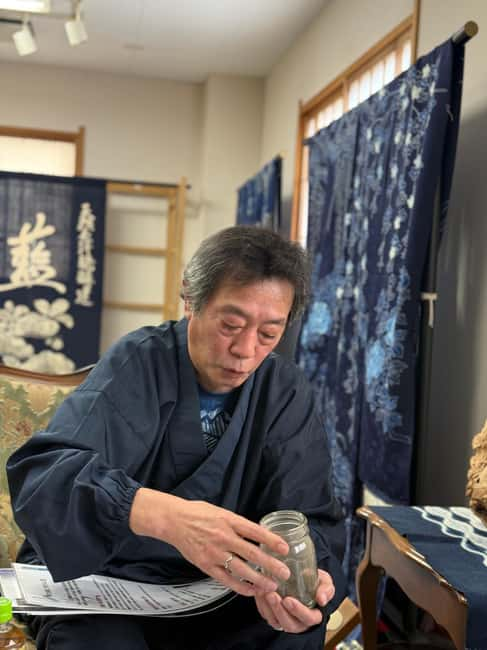
After the dyeing, allow 15 to 20 minutes for tea and a closing conversation. You are served indigo leaf tea, with time to ask questions, look at the finished pieces, and take photos. The pace is a pleasant contrast to Kyoto’s busy sightseeing spots: the workshop gives you a reason to sit, notice the craft, and talk with the people who practice it.
The closing also includes a demonstration of traditional furoshiki wrapping. That small lesson helps connect your finished cloth to its use in Japanese daily life. You leave with an object you made and a better sense of how fabric, color, and practical tradition fit together.
The listed duration is about two hours, though the hands-on schedule and tea portion add up to roughly an hour and a half. Allow the full two hours, especially if you want to ask questions, browse the gallery, or take photos without rushing.
Is $95 a fair price?
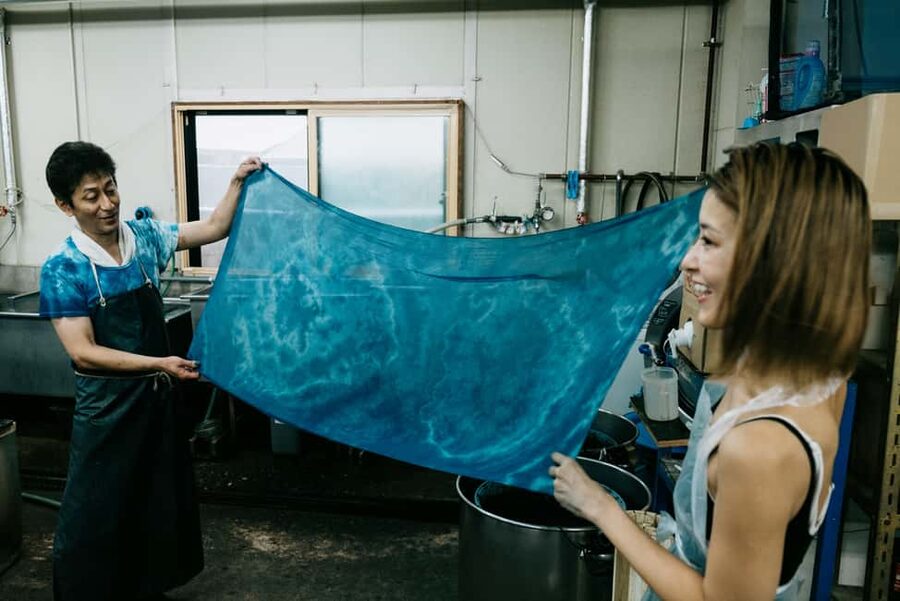
At $95, this costs more than a basic craft class, but the value is in the setting and instruction as much as in the cloth. You are paying for access to a historic working studio, a small-group session with local artisans, a natural fermented dye process, a take-home item, cultural interpretation, and tea.
The price makes the most sense if you care about craft or want a Kyoto activity that is more than a demonstration. You see the large vats, hear how the process works, and get to make something with guidance. If you only want an inexpensive souvenir, a shop purchase may be a better fit. If you enjoy textiles, handmade work, or learning by doing, the workshop offers a more memorable use of your money.
Remember to account for transport to and from the studio, which is not included. The venue is about 30 minutes from Kyoto Station by train and walking, and its precise address is provided after booking. Any upgrade fabric, additional materials, or shop purchases also cost extra.
Who will enjoy this workshop most
This is a strong choice for anyone curious about Japanese craft, natural dyes, clothing, or the work behind traditional textiles. It also suits families: children aged eight and up can take part, and the process is hands-on without requiring prior skill. The class is small enough for adults and children to receive help as they work.
You do not need to be an expert in fabric to enjoy it. The explanation makes the process accessible, while the studio’s tools and vats give the visit substance for people already interested in natural dyeing. Those with a particular interest in foraging or plant-based color may find the discussion especially rewarding.
It may be less suitable if you need step-free access, want a large garment dyed, or have only a tight gap between other Kyoto plans. The workshop includes one small cloth, not a full kimono or large textile, and shipping is not included. You can request shipping at extra cost, but the service is not automatic.
Should you book it?
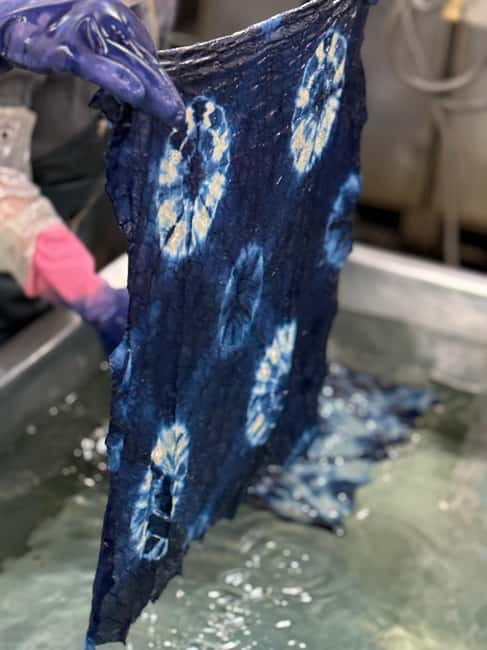
Book this if you want a small, practical encounter with a living Kyoto craft and are happy to spend close to two hours making one piece. The best reasons to go are the working studio, the real fermented indigo vats, and the chance to learn directly from artisans with English support.
Think twice if your priority is a low-cost souvenir, wheelchair access, or a quick activity near Kyoto Station. For craft-minded visitors, families with children aged eight and up, and anyone who likes understanding how things are made, this is a worthwhile use of a Kyoto afternoon. Wear clothes you do not mind getting dirty, and set aside extra funds if you may want a scarf or a piece from the studio shop.
FAQ
How long does the workshop take?
Plan for up to two hours. The welcome and studio tour take about 15 minutes, the dyeing workshop about an hour, and tea and closing time about 15 to 20 minutes.
Where is the studio?
It is in a historic dye studio in western Kyoto. The exact address is provided after booking, and the journey from Kyoto Station takes about 30 minutes by train and on foot.
What is included in the $95 price?
The fee includes the tools and materials, one cotton furoshiki of about 45 to 50 centimeters, use of the natural fermented indigo vats, artisan guidance, an apron, English-language support, indigo leaf tea, a furoshiki-folding demonstration, and a small souvenir.
Can I choose a scarf instead of the included cloth?
Cotton and silk scarves, as well as a wool stole, are listed as upgrade options. Extra costs apply, but the amounts are not specified.
Is the workshop suitable for children?
The minimum age is eight. The activity is intended for both children and adults, with hands-on guidance from the artisans.
What languages are available?
The activity is offered in Japanese and English, with a bilingual cultural host providing English-language support.
Is the studio wheelchair accessible?
No. Wheelchair access is not available, and the studio has traditional wooden floorboards.
What should I wear or bring?
Wear comfortable shoes and casual clothes that can get dirty. There is no clothing change room. Tools, materials, and an apron are provided.
Is transportation included?
No. You arrange your own transport to and from the studio. It is about 30 minutes from Kyoto Station by train and on foot.
Newly added in Kyoto
- Uji: Private immersion into Kyoto’s tea and reglious culture★ 5.0 · 17 reviews
- Whisk Your Own Matcha: A Zen Matcha Experience at Temple★ 3.6 · 7 reviews
- Kyoto tea town for matcha lovers★ 5.0 · 16 reviews
- Treasures of Kyoto: Gion & historical Walking Tour★ 5.0 · 6 reviews
- Kyoto Matcha Green Tea Tour★ 4.5 · 23 reviews
- Uji and Wazuka Matcha Farm Half Day Private Guided Tour★ 5.0 · 21 reviews
- Uji Tea Ceremony and UNESCO Heritage Walking Tour★ 5.0 · 20 reviews
- Utilising upcycled Matcha! Creating matcha incense (Uji, Kyoto)★ 5.0 · 6 reviews
Kyoto Craft Workshops, compared.
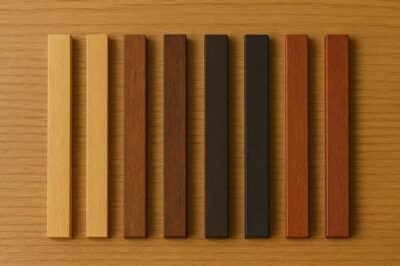
Chopsticks Making Workshop in Gion with Engraving Option
Read our review →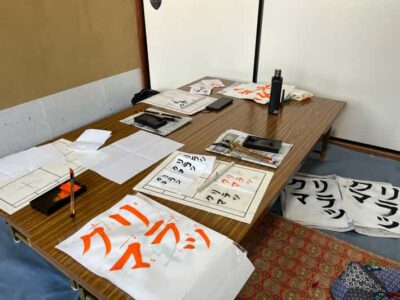
Calligraphy class at Buddhist temple in city center
Read our review →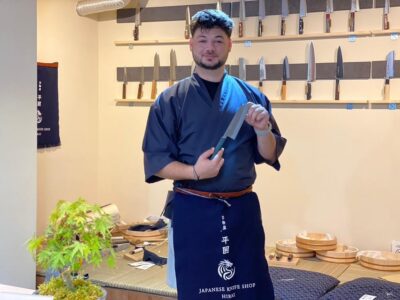
Beginner Knife Sharpening & Handle Fitting Workshop
Read our review →
Japanese Archery Workshop with Experienced Instructor
Read our review →
Kyoto Michelin Ramen Workshop or Painting Ramen Essentials
Read our review →
Browse the lists this tour appears in