
Reviewed · KYOTO TEA CEREMONIES
A Unique Antique Kimono and Tea ceremony Experience in English
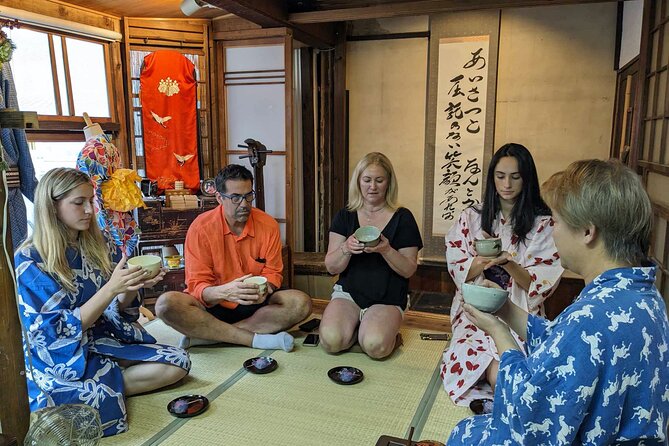
The tea ceremony here takes place in a family-run, century-old home near Katsura Imperial Villa, rather than in a busy downtown venue. Toku, who has more than 20 years of tea ceremony experience, leads the session in English and explains the customs as you go. You also get to wear an antique kimono, with time to choose one and have it fitted.
I like two things in particular: the small group limit of six makes room for questions, and the kimono is included rather than treated as an extra-cost add-on. The main consideration is the setting: this is a quiet residential neighborhood and an ordinary home, not a grand garden or a formal tea pavilion. If you want an elaborate stage set, this may not be your match.
What to know before you book
- The group is capped at six: Expect a more personal session than a large, timed demonstration.
- Antique kimono rental is included: You can choose a kimono and obi, with help getting dressed.
- Toku explains the ceremony in English: He has more than 20 years of experience with tea ceremony.
- The venue is a century-old private home: Its quiet location near Katsura Imperial Villa is part of the appeal.
- Matcha and Japanese sweets are included: You learn about the ceremony and share tea, rather than attending a meal.
- Plan for about 90 minutes: The activity starts and ends at Miyagawa Tokusaburo Shoten.
A quieter corner of Kyoto near Katsura Imperial Villa
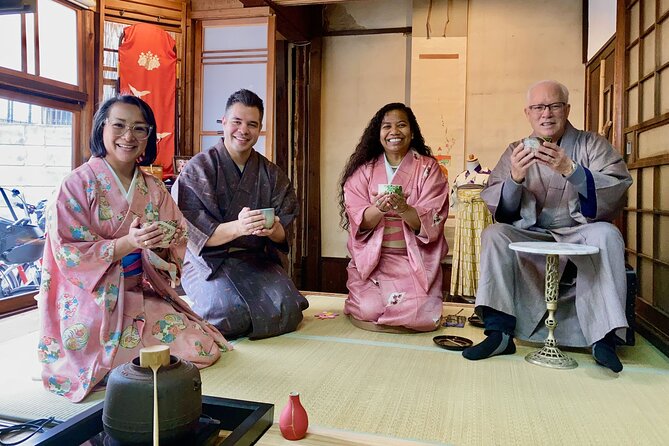
The meeting point is Miyagawa Tokusaburo Shoten at 32-4 Katsuranozatochō, Nishikyo Ward. The home is near Katsura Imperial Villa, away from the packed central streets. That setting gives the ceremony a calmer pace, though it also means you should plan your route instead of assuming the venue is close to Kyoto’s most familiar sightseeing areas.
The house is more than 100 years old, and the experience takes place in a family home and shop. You are not being led into a grand temple garden or a purpose-built cultural center. The atmosphere is domestic and personal, which can make it easier to ask questions and hear the family’s stories. It also means the surroundings are modest, and the immediate neighborhood is residential.
Some people may find the location a worthwhile change from Kyoto’s busiest sights. One visitor described making the trip by taxi in about 15 minutes, but that timing is not a guarantee for every starting point or traffic condition. The address is listed as near public transportation, so check your route from wherever you are staying and leave a little breathing room.
More tea ceremonies in Kyoto:
- Kyoto: Tea Ceremony in a Traditional Tea House in Kiyomizu
★ 4.9 · 3,519 reviews - Kyoto: Tea Ceremony Ju-An at Jotokuji Temple
★ 4.9 · 3,207 reviews - Kyoto: 45-Minute Tea Ceremony Lesson Experience
★ 4.3 · 2,378 reviews
Choosing an antique kimono with Toku
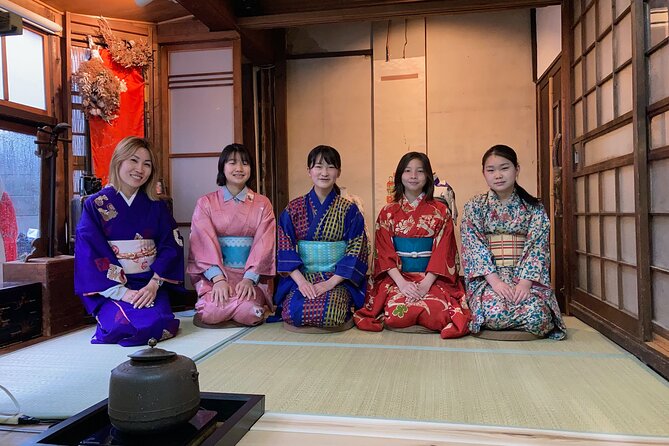
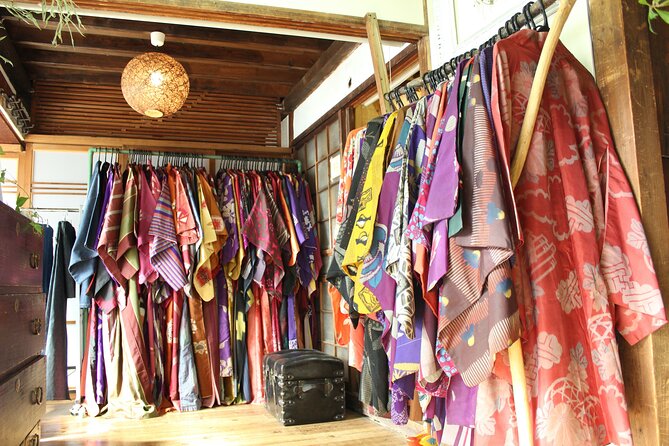
The kimono rental is part of the price, and choosing what to wear is a real piece of the visit, not just a quick costume change. Toku and his wife help you select a kimono and obi from their collection, then assist with dressing. The kimono is described as more than 80 years old, so you are wearing a garment with age and history, not simply a modern outfit made for photos.
A number of people particularly valued the careful help with fitting and styling. One visitor also described having hair accessories arranged, and others appreciated the photographs taken during the experience. The details may vary, so think of styling and photos as part of the personal welcome rather than a separate professional photo package.
The dressing takes time, and that is worth keeping in mind when you consider what a 90-minute session can cover. It is not all devoted to tea history or matcha preparation. For many people, though, choosing and wearing the kimono helps turn a lesson into a more memorable encounter with the ceremony’s customs.
The collection is described as antique, but do not expect every piece to look like an ornate display kimono. One person found the clothing less elaborate than garments seen elsewhere in Japan. If your main goal is to wear a highly decorative kimono for a polished photo shoot, clarify what is available before booking. If you are more interested in trying a genuine older garment with help from its owner, the included rental is a stronger part of the value.
Learning the gestures behind the tea
After dressing, you move into the tea ceremony. Toku explains the etiquette and manners, and the process is presented step by step in English. You learn how matcha is made and what the actions mean, then share green tea with Japanese sweets. The point is not merely to watch someone prepare a drink. The ceremony gives attention to how people meet, show respect, and share time.
That context matters. Tea ceremony can look formal from the outside, and it is easy to focus on memorizing gestures without understanding why they matter. A patient explanation makes the ritual more accessible, especially if this is your first encounter with it. The experience also touches on the connection between samurai and tea culture, an intriguing thread that links a quiet social practice to Japan’s military past.
The group limit helps here. With no more than six participants, there is room for the host to explain a step again or respond to questions. Some sessions may have fewer people, but the cap does not promise a private appointment. The tea experience is small by design, not a one-on-one lesson.
Expect a calm, measured pace rather than a rapid overview of every tea variety or a tasting flight. One person who left disappointed had hoped to learn more about tea production and sample several special teas. The included experience focuses on matcha and the ceremony, not a broad survey of Japanese teas. If you want a technical class on tea cultivation or multiple tastings, this probably is not the right format.
A family welcome, not a theatrical production
Toku, his wife, and an assistant have been described as warm and attentive, and their role is central to what makes this visit feel personal. You are welcomed into a working family setting, hear about the hosts’ connection to kimono and tea, and have a chance to learn from people who care about sharing those traditions. That personal contact is a different kind of value from a highly polished performance.
The mood is relaxed, but the ceremony itself is treated with care. The hosts explain what is happening while preserving the quiet rhythm of the ritual. Visitors have also been encouraged to take photographs, and the hosts have taken pictures for participants. Still, this is a cultural lesson first, not a staged photo session. You should be ready to take part respectfully and let the ceremony unfold at its own pace.
Families have brought children, including a very young child, and the hosts have been described as accommodating and good at involving kids. That is encouraging if you are planning a family visit, though individual children vary in how long they can sit quietly. A participant who could not kneel had the ceremony adapted, which suggests the hosts can be flexible. If sitting on the floor or kneeling is a concern, tell them when you book or contact them in advance.
More kimono rentals and experiences in Kyoto:
- Kimono Tea Ceremony at Kyoto Maikoya, NISHIKI
★ 5.0 · 911 reviews - Kyoto: Kimono Rental with Hairstyling and Accessories
★ 4.8 · 653 reviews - Kyoto: Kimono Tea Ceremony at Orizuruya Gion
★ 4.9 · 618 reviews - KYOTO Tea Ceremony with kimono near by Imamiya Jinjya Shrine
★ 5.0 · 343 reviews
What $99.10 buys you in 90 minutes
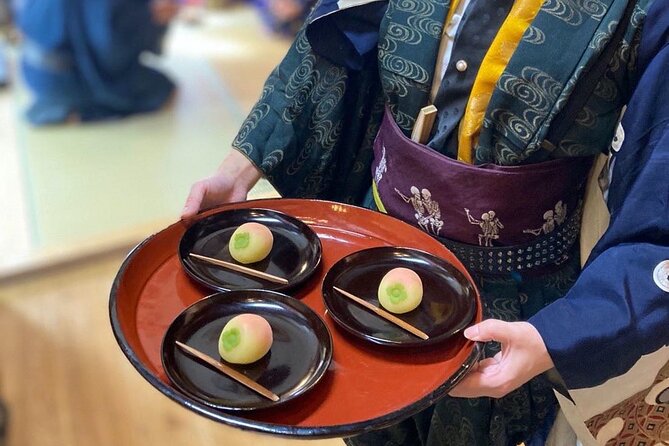
At $99.10 per person, this is not a bargain-basement activity. But the fee includes both antique kimono rental and the tea ceremony, with green tea and Japanese sweets. You are also paying for a small group, hands-on help dressing, an English explanation, and time with a host who has more than two decades of tea ceremony experience.
The value depends on what you want from the outing. If your priority is a broad lesson on Japanese tea, several tastings, or a long historical lecture, the price may feel high for 90 minutes. If you value putting on an antique kimono, learning ceremony etiquette, and meeting a family in their own home, there is more to the experience than the tea in your bowl.
Lunch and dinner are not included, and the sweets are a small accompaniment to the tea, not a meal. Treat this as a focused cultural activity to pair with other Kyoto plans, not as a way to fill half a day. The visit begins and ends at the same address, so you can plan onward travel from there.
Who will enjoy this ceremony most
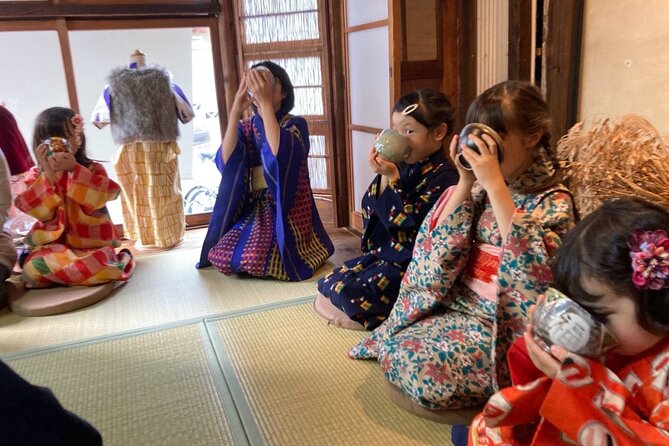
I would choose this experience if you want an introduction to tea ceremony that feels personal and participatory. It is particularly appealing if you are curious about kimono as well as tea, or if you prefer meeting a local family in a home setting to watching a large demonstration. The English instruction and six-person cap make it approachable for first-time participants.
It can also work well for families. The hosts have welcomed children and adapted the experience for different needs, but you know your child’s patience best. The quiet tone and ceremonial etiquette may suit children who enjoy listening and trying things out more than those who need constant activity.
This is less suited to someone expecting elaborate architecture, a garden backdrop, or a lengthy specialist tea course. The home is authentic in the straightforward sense that it is a private family setting, but it is not a grand historical attraction. Go for the people, the clothing, and the meaning of the ceremony, not for a dramatic venue.
Should you book it?
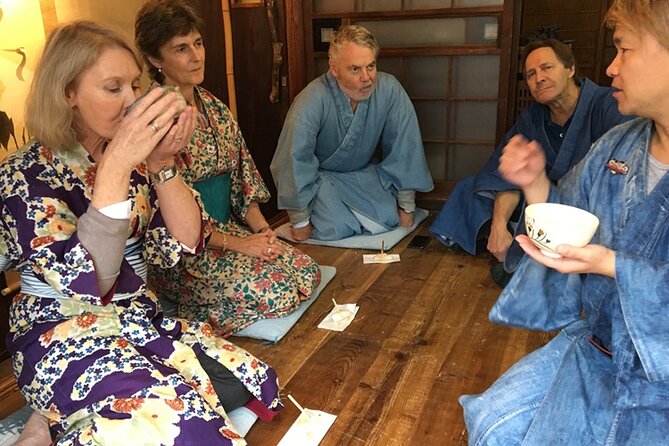
Book it if you want a small-scale Kyoto experience with a real cultural lesson, an antique kimono included, and hosts who can explain the ceremony in English. The most compelling parts are the warm family welcome, the chance to dress in a piece of older clothing, and the slow, carefully explained matcha ritual.
Think twice if you are mainly looking for a lavish setting, a full tea tasting, or a deep technical course on matcha. At this price, your satisfaction will depend on valuing the personal exchange as much as the formal ceremony. If that sounds like your kind of afternoon, this offers a thoughtful break from Kyoto’s crowded sights.
FAQ
How long does the tea ceremony experience last?
It lasts about 1 hour and 30 minutes.
Where does the experience take place?
It takes place at Miyagawa Tokusaburo Shoten, 32-4 Katsuranozatochō, Nishikyo Ward, Kyoto. The activity ends back at the meeting point.
Is the experience offered in English?
Yes. The tea ceremony is available in English.
Is kimono rental included in the price?
Yes. The antique kimono rental fee is included.
What food and drink are included?
Green tea and Japanese sweets are included. Lunch and dinner are not.
How many people can join?
The group is capped at six participants.
Can I cancel for a refund?
You can cancel at least 24 hours before the experience starts for a full refund. Cancellations or changes made less than 24 hours before the start time are not accepted for a refund or change.
Newly added in Kyoto
- Uji: Private immersion into Kyoto’s tea and reglious culture★ 5.0 · 17 reviews
- Whisk Your Own Matcha: A Zen Matcha Experience at Temple★ 3.6 · 7 reviews
- Kyoto tea town for matcha lovers★ 5.0 · 16 reviews
- Treasures of Kyoto: Gion & historical Walking Tour★ 5.0 · 6 reviews
- Kyoto Matcha Green Tea Tour★ 4.5 · 23 reviews
- Uji and Wazuka Matcha Farm Half Day Private Guided Tour★ 5.0 · 21 reviews
- Uji Tea Ceremony and UNESCO Heritage Walking Tour★ 5.0 · 20 reviews
- Utilising upcycled Matcha! Creating matcha incense (Uji, Kyoto)★ 5.0 · 6 reviews
Kyoto Tea Ceremonies, compared.

Tea Ceremony in a Traditional Tea House in Kiyomizu
Read our review →


World Heritage Kyoto & Nara Uji Authentic Matcha Experience
Read our review →


Arashiyama Bamboo Forest, Monkeys, Matcha & Temple Tour
Read our review →
Tea Museum Tickets and Matcha Grinding Experience
Read our review →Browse the lists this tour appears in