
Reviewed · KYOTO TEA CEREMONIES
Kyoto Fushimiinari:Wagashi Making & Small Group Tea Ceremony
The pleasure here is in doing, not just watching: you make a Japanese sweet in the kitchen, then carry it into a tea ceremony in a tatami room beside a small garden. I like the hands-on matcha lesson, where you prepare one of your two bowls yourself, and the small group of up to six, which leaves room to ask questions.
One thing to plan for: the ceremony usually involves sitting on the floor, and you must wear socks. Chairs and tables are available if you ask ahead, but the activity is not suitable for wheelchair users or children under eight.
At a glance
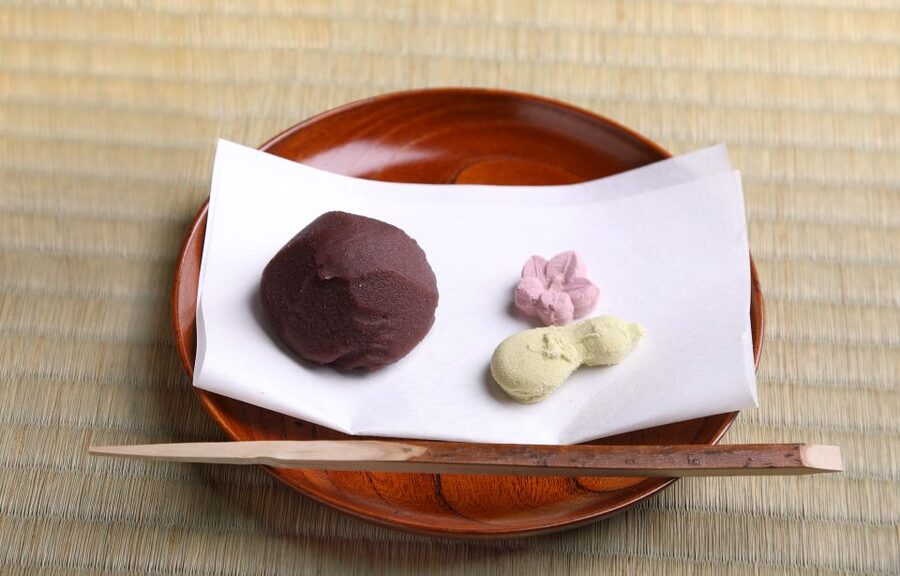
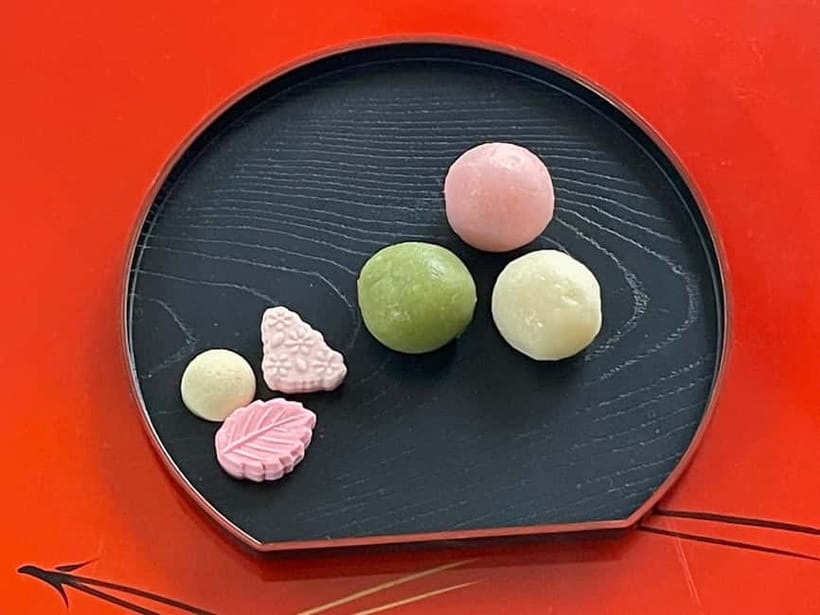
- Make a seasonal wagashi: You prepare one type of Japanese sweet yourself. The recipe can vary with the season, so the confection may not match the photos.
- Learn the tea-room routine: Your instructor explains manners and the steps of the ceremony before you enter the Japanese-style room.
- Whisk your own matcha: You receive two bowls, one prepared by you with a bamboo whisk.
- Enjoy a garden-side setting: A short walk through a tiny garden leads to an authentic-style room when the weather allows.
- Get English instruction: The instructors are licensed guide interpreters, and the group is capped at six participants.
- Allow 75 minutes: The class includes sweet-making, cultural context, a demonstration, and your own turn preparing tea.
A Kyoto tea ceremony with something to do
Many tea experiences ask you to sit quietly and watch. This one gives you a task before the ceremony begins: making wagashi, a traditional Japanese sweet often served with matcha. That simple change makes the tea portion easier to follow. You are not only learning a sequence of gestures; you are also tasting something you made moments earlier.
The setting adds a welcome pause to a day around Fushimi Inari. You visit a local house with Japanese-style rooms and a garden view, rather than joining a large public demonstration. The group is limited to six, and the class lasts 75 minutes, so it offers a focused cultural activity without taking over your whole day.
The experience is run by iroHa cooking studio. Miho has hosted sessions, while a tea master leads the ceremony. The exact instructor can vary, so don’t book on the assumption that one named person will be there. What matters more is that the instructors are licensed guide interpreters and teach in English.
More tea ceremonies in Kyoto:
- Kyoto: Tea Ceremony in a Traditional Tea House in Kiyomizu
★ 4.9 · 3,519 reviews - Kyoto: Tea Ceremony Ju-An at Jotokuji Temple
★ 4.9 · 3,207 reviews - Kyoto: 45-Minute Tea Ceremony Lesson Experience
★ 4.3 · 2,378 reviews
First, make wagashi in the kitchen
On arrival, an English-speaking host welcomes you and leads you to the kitchen. You learn to make one kind of wagashi in a hands-on class, rather than watching a demonstration from the sidelines. Mochi with red bean or white bean paste has been one version of the sweet, but the kind you make can change with the season.
That seasonal variation is worth keeping in mind if you have seen a particular sweet in a photo and hope to make that exact one. The menu is not guaranteed to match the image. If you have a food restriction or allergy, tell the studio in advance so they can advise you.
The cooking portion is also a good moment to ask questions. The process gives you a small, practical window into the care involved in Japanese confectionery, and the finished sweet becomes part of the ceremony a little later. You leave with more than a recipe in your notes: you have practiced the work and tasted the result.
A small garden leads to the tea room
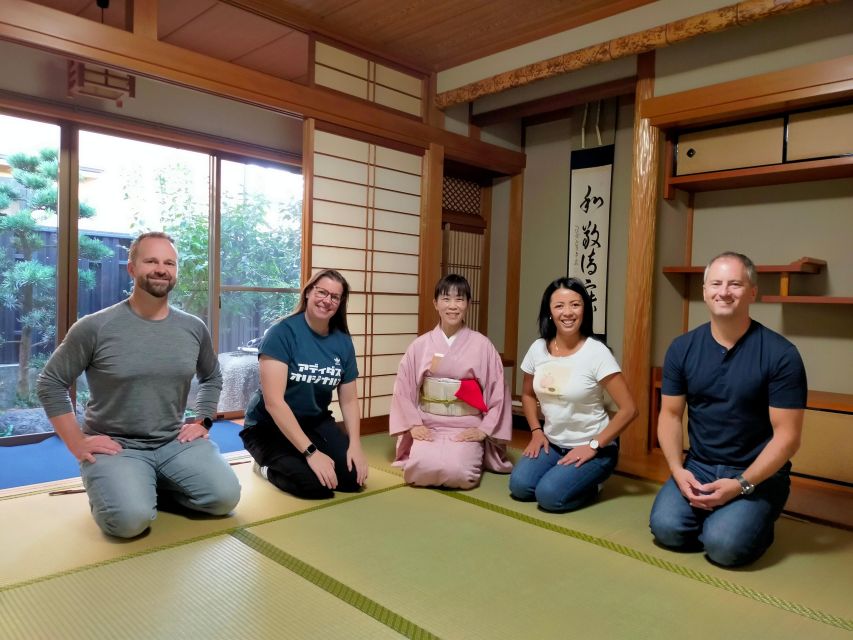
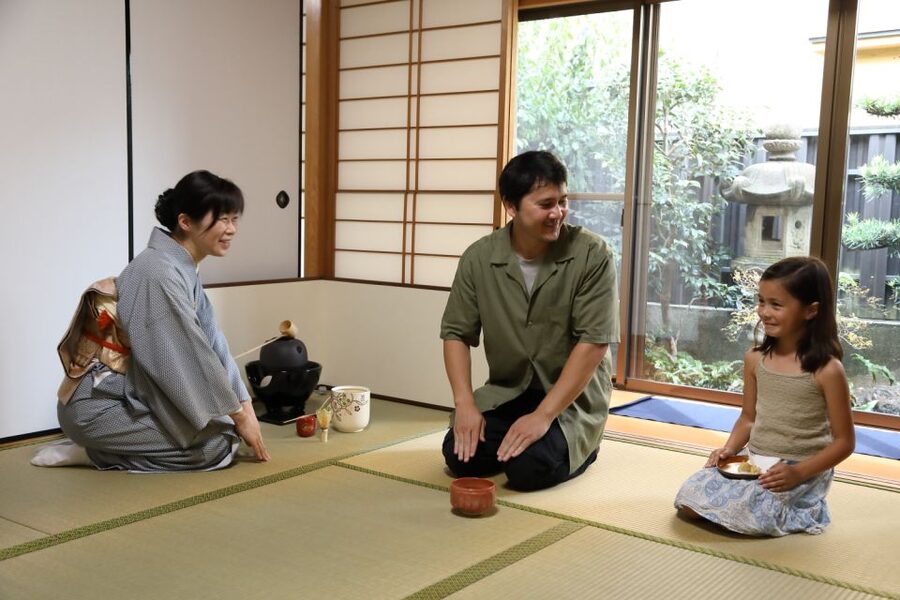
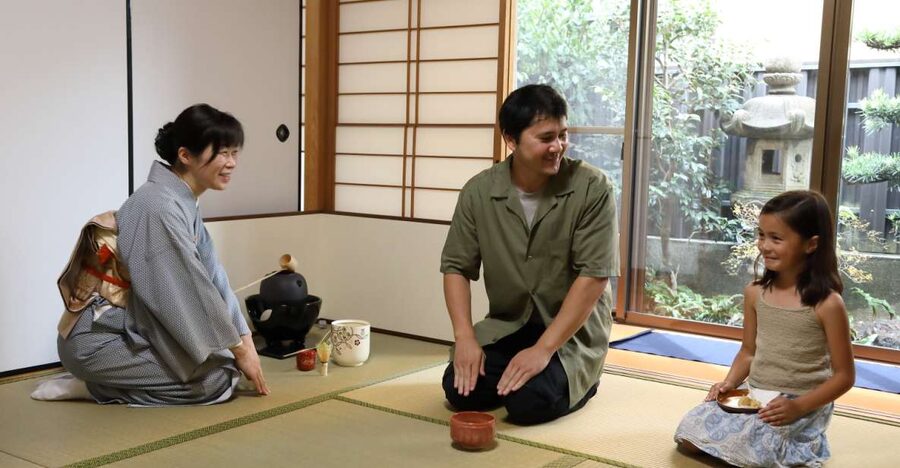
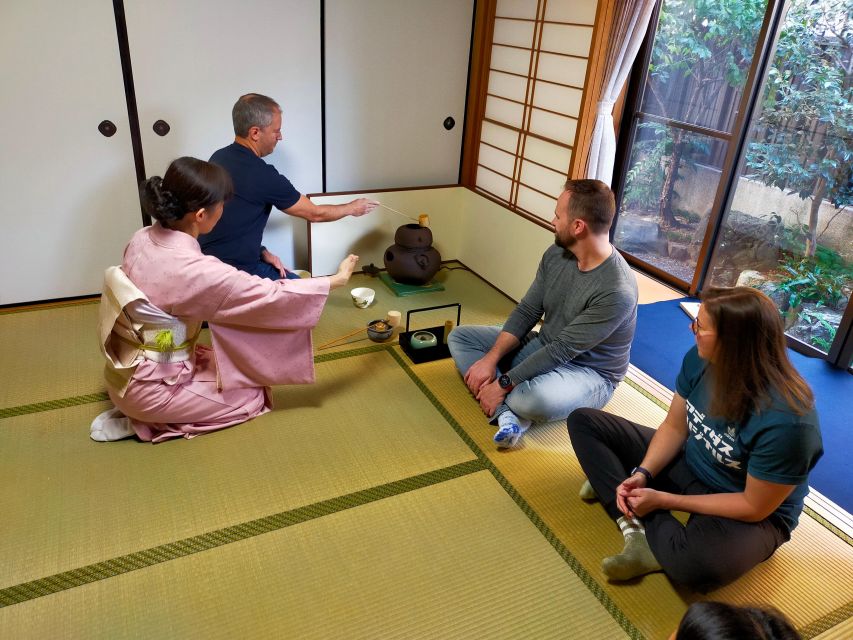
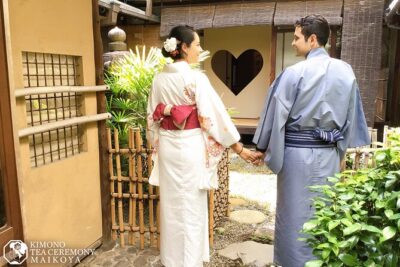
After the cooking class, your host explains how to attend the tea ceremony and the manners expected in the Japanese room. If it is not raining, you walk through a tiny garden and enter a traditional-style room with tatami flooring. The garden is part of the transition: you step away from the kitchen and into a more formal setting.
Once seated, the instructor talks about the history of tea and the ceremony, as well as the meaning of the hanging scroll in the alcove. This context helps you see the room as more than a pretty backdrop. The scroll and the arrangement of the space have a role in the experience, and the explanation gives you a reason to pay attention to them.
The atmosphere is meant to be calm, not intimidating. You are taught what to do, and questions are welcome. The ceremony is not described as rigid, so you can follow the ritual at your own pace rather than worrying about getting every movement perfect on the first try.
There is one practical catch: floor seating is standard. If sitting on tatami is difficult, chairs and tables can be provided, but you need to request them in advance. Wear socks, since bare feet are not allowed.
Taste your sweet, then watch the matcha
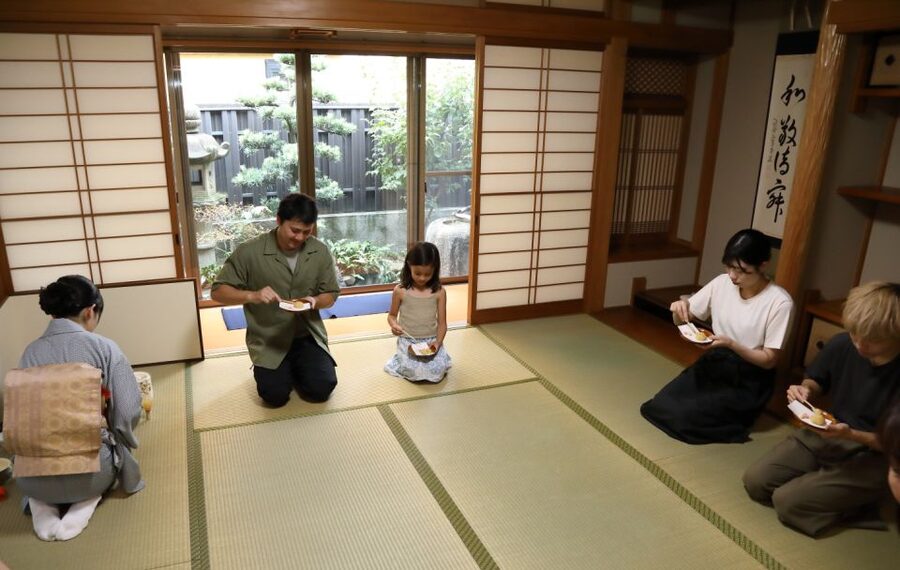
The ceremony begins with the wagashi you have just made. Your instructor shows you how to eat the sweet and explains how it fits alongside the matcha. This is a useful pairing to understand: the confection is not just a snack added to the class, but part of the way the tea is enjoyed.
Next, you watch a ceremonial bowl of matcha being prepared. The host demonstrates the movements and explains the process, while you learn how to drink the tea in the proper way. The aim is not to turn you into a tea master in an hour. It is to give you enough context to take part respectfully and understand what you are seeing.
You then get your own turn. The experience includes two bowls of matcha, with one prepared by you using a bamboo tea whisk. That hands-on step is the most useful souvenir of the session: you can remember the whisking technique and serve matcha to friends or family later.
The teaching style is informative but approachable. You can ask about the ritual and the culture without feeling that you have interrupted a performance. If you are curious about Japanese customs but wary of a formal class where every move feels like a test, this format should feel manageable.
More cooking classes in Kyoto:
- Ramen Cooking Class at Ramen Factory in Kyoto
★ 5.0 · 1,937 reviews - Sushi Making in Kyoto! Same-day bookings welcome!
★ 5.0 · 713 reviews - Kyoto: Ramen Cooking Class at a Ramen Factory with Souvenir
★ 4.9 · 532 reviews - Kyoto: Ramen, Gyoza, and Onigiri Cooking Class
★ 5.0 · 445 reviews
What the 75 minutes include
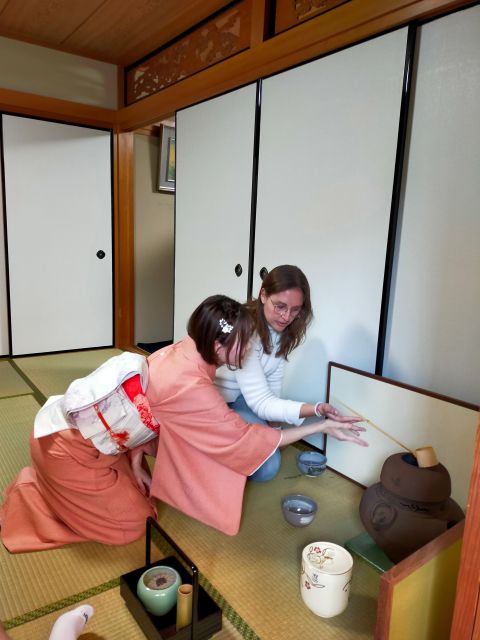
The time is split between making a sweet and taking part in the tea session. You get an English-speaking instructor, instruction on wagashi, one type of traditional confectionery, explanations of tea preparation and sweet-eating etiquette, and two bowls of matcha. All fees and taxes are included in the $55 price.
At $55 per person, this is not the cheapest way to have a cup of tea in Kyoto. The value comes from the combination: a small cooking class, a guided cultural explanation, a traditional-style room, and the chance to make your own matcha. If you only want to taste tea, you can find simpler options. If you want to understand the ritual and take part, the price is easier to justify.
The short duration also makes it practical to fit into a day of sightseeing. It is not a full-day cultural program, and you do not need to devote half a day to it. At the same time, 75 minutes passes quickly, so arrive ready to participate rather than expecting a long, leisurely visit.
The best fit, and who may want another option
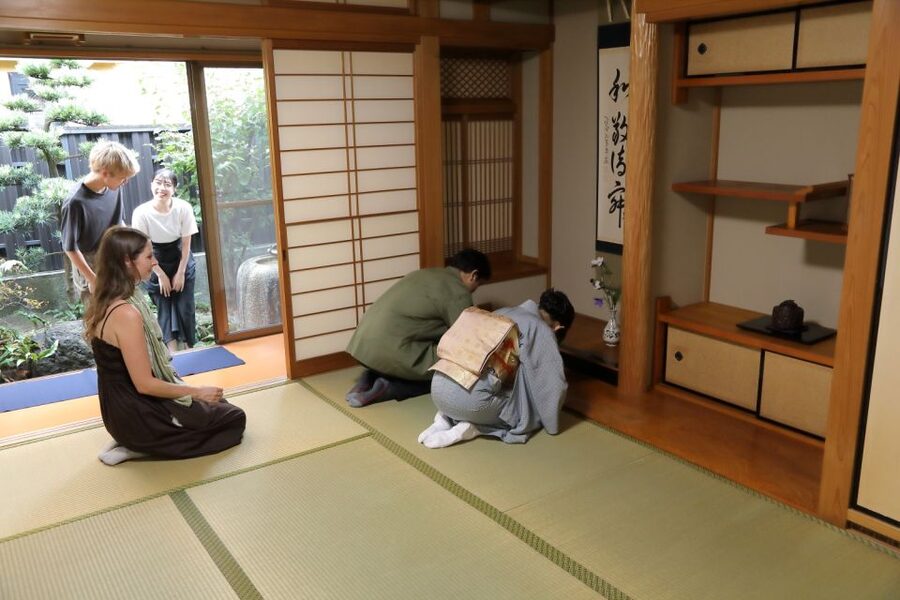
I would choose this class if you want an accessible introduction to tea ceremony with more than a demonstration. It suits couples, friends, and solo visitors who enjoy learning by doing. The small group gives the instructor a chance to explain each step and answer questions, while the kitchen activity keeps the visit lively before the quieter tea-room portion.
It is also a good choice if you want a cultural memory you can bring home. You will have practiced making wagashi and whisking matcha, and you will understand a little more about how sweets, tea, room etiquette, and the alcove setting connect. You will not leave with mastery of the ceremony, but you should have enough familiarity to prepare matcha for someone else.
Skip it if you dislike group instruction, want a long or highly formal ceremony, or cannot sit on the floor and need wheelchair access. The organizers can provide chairs and tables for people who find floor seating difficult, but they are not a substitute for wheelchair accessibility. Children under eight are not accepted.
A few details to settle before you go
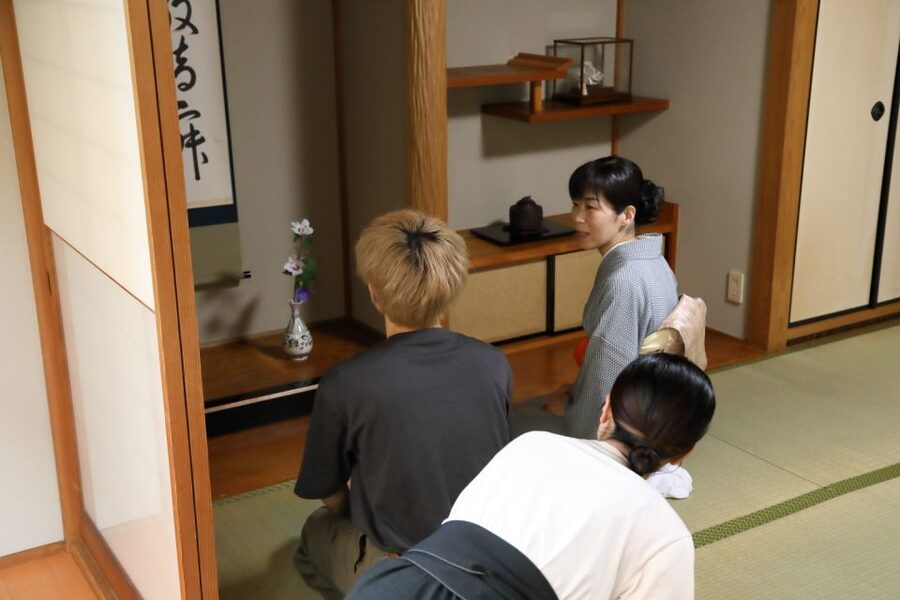
Bring socks. Bare feet are not allowed in the room, and flash photography and video recording are prohibited. The host may also ask participants to put cameras away during some parts of the session so everyone can focus on the ceremony.
Photography is not guaranteed throughout. If taking pictures is important to you, be prepared to follow the host’s instructions rather than treating every step as a photo opportunity. The point of this class is participation, and some moments are best experienced without a phone in hand.
Tell the studio in advance about food allergies or restrictions, and request chairs and tables ahead of time if you need them. Hotel pickup and drop-off, taxi calls, and gratuity are not included. Check the available start times when planning your day, since the activity runs for 75 minutes.
Should you book this tea ceremony?
Book it if you want a compact, friendly introduction to Japanese tea culture and like the idea of making both a sweet and a bowl of matcha. The combination of hands-on cooking, clear English explanations, and a garden-side tatami room makes the $55 fee worthwhile for anyone who wants to take part rather than simply watch.
Think twice if you need step-free wheelchair access, have a child under eight in your group, or want to photograph or record every moment. For everyone else, this is a thoughtful way to slow down near Fushimi Inari and leave with a practical skill as well as a better sense of the ceremony.
FAQ
How long does the experience last?
The activity lasts 75 minutes.
How many people are in each group?
The group is limited to six participants.
Do I get to make matcha myself?
Yes. The experience includes two bowls of matcha, and you prepare one yourself using a bamboo tea whisk.
What kind of wagashi will I make?
You learn to make one kind of Japanese sweet. The type can vary by season, and mochi with red bean or white bean paste has been used.
What should I bring?
Bring socks. Bare feet are not allowed.
Can I sit in a chair instead of on the floor?
Chairs and tables are available for participants who find floor seating difficult. Let the studio know in advance. The activity is not suitable for wheelchair users.
Newly added in Kyoto
- Uji: Private immersion into Kyoto’s tea and reglious culture★ 5.0 · 17 reviews
- Whisk Your Own Matcha: A Zen Matcha Experience at Temple★ 3.6 · 7 reviews
- Kyoto tea town for matcha lovers★ 5.0 · 16 reviews
- Treasures of Kyoto: Gion & historical Walking Tour★ 5.0 · 6 reviews
- Kyoto Matcha Green Tea Tour★ 4.5 · 23 reviews
- Uji and Wazuka Matcha Farm Half Day Private Guided Tour★ 5.0 · 21 reviews
- Uji Tea Ceremony and UNESCO Heritage Walking Tour★ 5.0 · 20 reviews
- Utilising upcycled Matcha! Creating matcha incense (Uji, Kyoto)★ 5.0 · 6 reviews
Kyoto Tea Ceremonies, compared.

Tea Ceremony in a Traditional Tea House in Kiyomizu
Read our review →

World Heritage Kyoto & Nara Uji Authentic Matcha Experience
Read our review →

Arashiyama Bamboo Forest, Monkeys, Matcha & Temple Tour
Read our review →
Tea Museum Tickets and Matcha Grinding Experience
Read our review →Browse the lists this tour appears in