
Reviewed · KIYOMIZU-DERA TOURS
Kyoto: Half-Day Private Tour Gion Geisha District & Kiyomizu
Gion’s wooden machiya houses and narrow historic streets are a fine place to start understanding Kyoto, but the real draw here is how the walk links that old district to shrines, shops, a famous pagoda and Kiyomizu-dera. In four hours, you get a compact route through several of the city’s best-known sights.
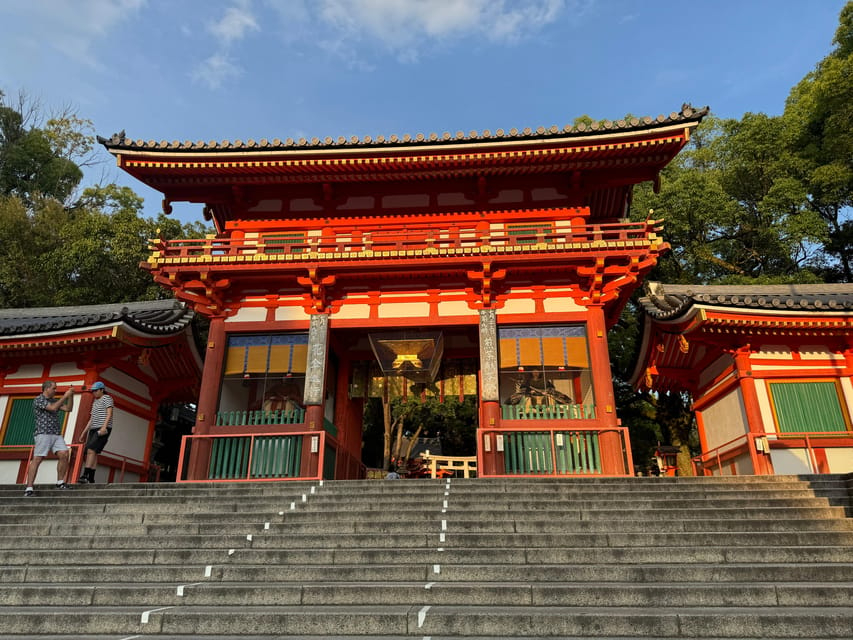
I like two things in particular: a guide can put Gion’s geisha culture in context, and the route ends at Kiyomizu-dera, where the wooden stage opens onto broad views. The visit also takes in Yasaka Shrine, a 1,400-year-old cultural landmark, rather than treating the temple as the whole story.
One point to check before booking: private and small-group options are both offered, but the format may not be what you expect. One solo guest had anticipated a small group, so confirm whether you are booking a private tour or joining others.
The route at a glance
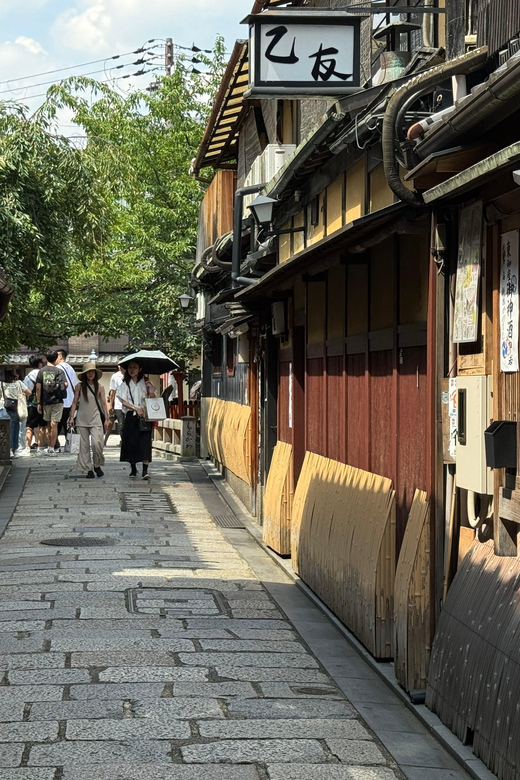
- Gion begins the walk: Spend about 45 minutes among traditional machiya houses and historic teahouses, with Hanamikoji and Shirakawa among the district’s notable streets.
- Yasaka Shrine adds context: A 20-minute guided visit introduces a site with roughly 1,400 years of history and a strong place in Kyoto’s festivals and ceremonies.
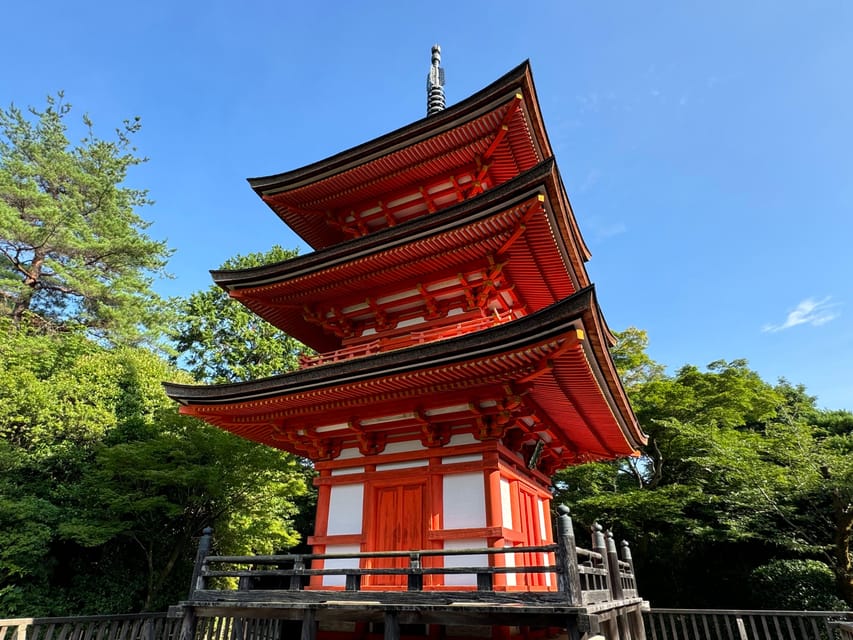
- Ninenzaka and Sannenzaka offer a slower stretch: The route includes these picturesque lanes, where small shops and teahouses sit near views of Yasaka Pagoda.
- Kiyomizu-dera is the main finale: The tour allows about an hour at the temple, including its celebrated wooden stage and panoramic views.
- The guide can shape the experience: Past guides Teppei and Julien were praised for warmth, good English, personal stories and keeping the pace comfortable. The guide you receive may differ.
- Temple admission is included: The price is $77 per person, but entry to Zuigudo Hall is not included.
Starting near Pontocho, then heading into Gion
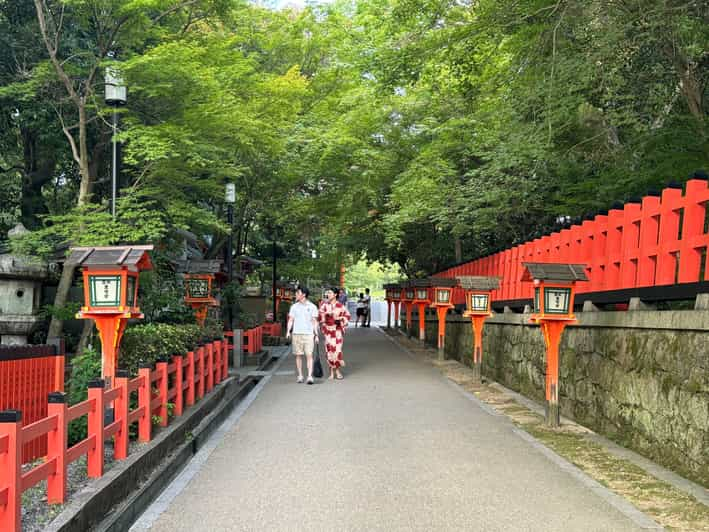
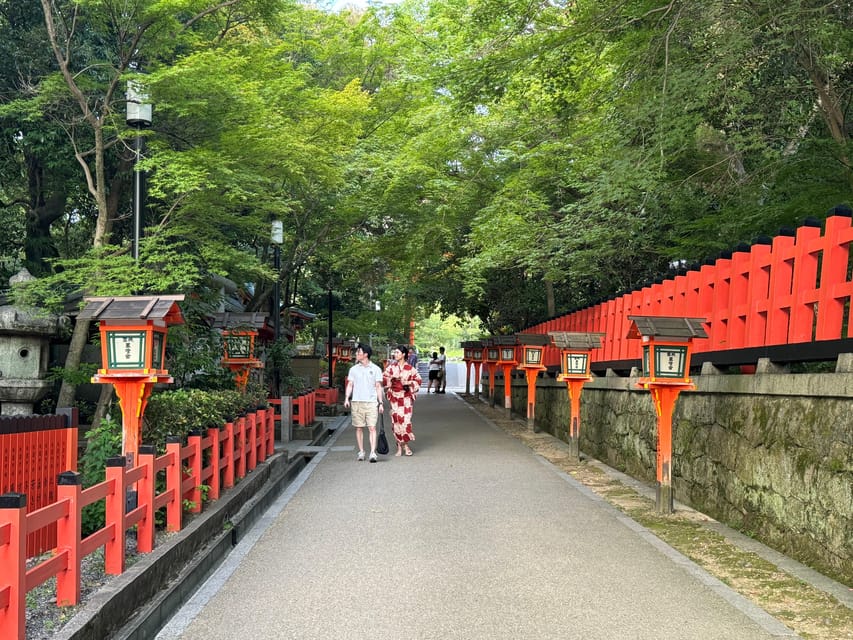
Meet your guide in front of the police box beside Pontocho Street, where they will hold a yellow DeepExperience sign. The meeting point puts you close to the historic streets you are about to explore, and it is worth checking the exact spot before you set off so you do not confuse the police box with another nearby landmark.
The tour starts in Gion, Kyoto’s best-known geisha district. Its traditional wooden machiya houses and historic teahouses give the neighborhood a different feel from a modern shopping street. Gion lies near the Kamo River, and its lanes include Hanamikoji and Shirakawa, both noted for their traditional character.
A guide is useful here because Gion is more than attractive architecture. It is also part of a living cultural tradition. The description says you may glimpse geisha or maiko, but that is a possibility, not a promise, and the point of the walk is broader than spotting someone in traditional dress. You can ask your guide about the culture and history associated with the district, and the best guides will help you see the streets with more context.
You have about 45 minutes in Gion, enough for a guided introduction and some photo stops, but not a slow, unstructured wander through every side street. That suits you if you want an overview and a clear route. If your priority is spending hours exploring Gion at your own pace, this short tour will feel more like an introduction than a deep study.
The quality of the guide matters. Teppei was described as welcoming and charming, though one person wanted more detail on history, rituals and culture. Julien, by contrast, was praised for sharing facts about Kyoto alongside personal stories about life in Japan. Those different experiences are a useful reminder: the tour’s subjects are set, but the depth and style of the explanation can vary by guide.
More Kiyomizu-dera tours in Kyoto:
- Kyoto: Tea Ceremony in a Traditional Tea House in Kiyomizu
★ 4.9 · 3,519 reviews - Kyoto: Nijo Castle, Kiyomizu & Fushimi Inari Guided Tour
★ 4.7 · 700 reviews - Kyoto: Nijo, Kinkaku-ji, Arashiyama, Kiyomizu & Fushimi Inari
★ 5.0 · 699 reviews
Yasaka Shrine, a 1,400-year-old Kyoto landmark
The next stop is Yasaka Shrine, with about 20 minutes for a visit, photos and a guided explanation. Its long history gives the walk a useful shift in focus. Gion is known for its historic teahouses and geisha culture; the shrine brings you into Kyoto’s religious and community life.
Yasaka is a key cultural site, associated with lively festivals and ceremonies. If you have mostly encountered Kyoto through temples, this stop helps show how shrines also shape the city’s identity. The guide can add context that you might miss while taking photos or moving through the grounds on your own.
Twenty minutes is a concise visit. It is enough for a short introduction, but it does not leave much room for lingering if you like to inspect every detail or ask a long string of questions. If shrine history is a particular interest, tell your guide early that you would like more explanation, especially since one participant wished for a deeper account of rituals and culture.
That is good advice for the whole tour: ask questions as you go rather than waiting until the end. The schedule moves through several places in four hours, so a question at the relevant stop is more useful than trying to circle back later.
Ninenzaka, Sannenzaka and the view of Yasaka Pagoda
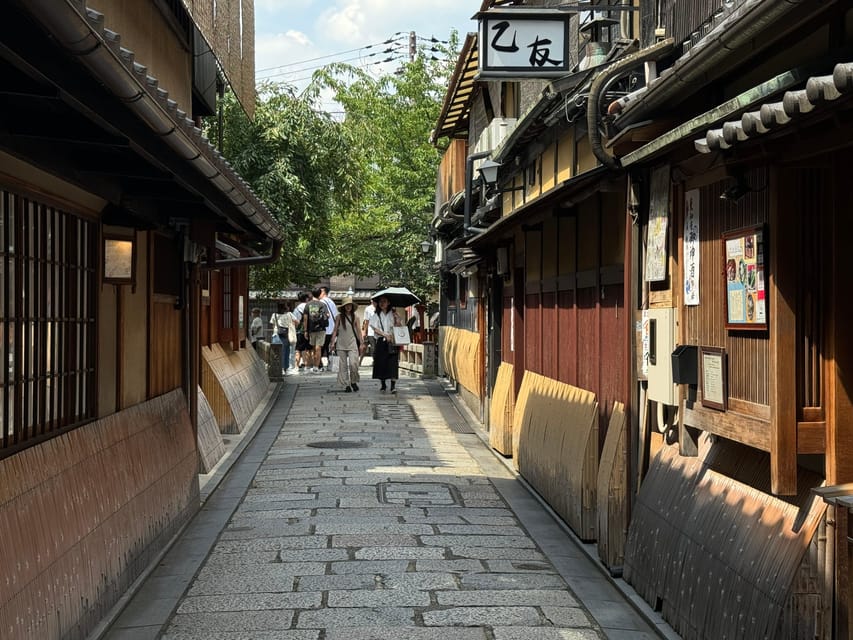
The route continues through Ninenzaka and Sannenzaka, two picturesque lanes known for quaint shops and teahouses. The stated guided time here is about 10 minutes, so think of this as a short walk and photo stop, not a long shopping break.
The appeal is the setting. These lanes offer a view of Yasaka Pagoda, a five-story structure that makes a striking landmark among the surrounding streets. The pagoda’s shape gives you a strong sense of Kyoto’s traditional architecture, while the nearby shops add a more everyday side to the scene. You can browse local crafts if time permits, but the schedule does not promise a dedicated shopping session.
This is also where a guide may help with the practical side of moving through a popular part of the city. One guide, according to a participant, found less crowded ways through the area and made it easier to get around. That is a useful skill on a compact walking tour: even a small improvement in route or timing can make a photo stop less of a squeeze.
Still, expect a brief taste rather than a leisurely exploration. If you want to shop, plan to return on your own or ask the guide what you can reasonably fit in. The schedule gives priority to seeing the district and continuing to Kiyomizu-dera.
Kiyomizu-dera and its famous wooden stage
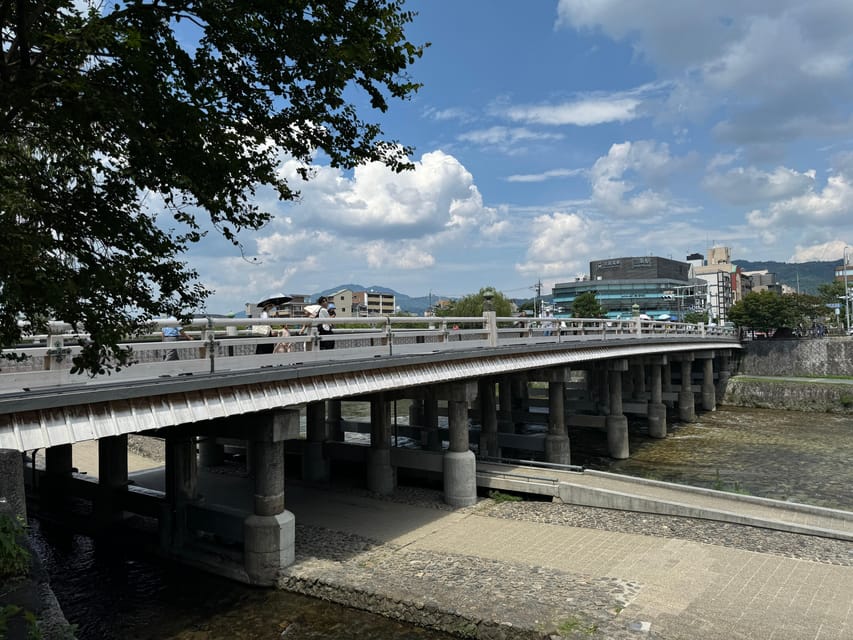
Kiyomizu-dera is the final major stop, with about an hour set aside for the visit. Its wooden stage and panoramic views are the tour’s grand visual finish. After the lanes and smaller architectural details of Gion and the shrine, the temple gives you a broader view over Kyoto.
Entry to Kiyomizu-dera is included in the $77 price, which is a practical plus when comparing a guided walk with a self-planned visit. The admission to Zuigudo Hall is not included, so do not assume every interior or added area is covered by the tour price.
An hour gives you time to see the main temple setting, take in the views and hear the guide’s explanation. It is not an unlimited visit, and you may have to choose between listening, taking photos and lingering. If the wooden stage is your main reason for booking, this is where you will want to pay attention to the guide’s timing and make the most of the stop.
The temple’s elevated outlook also makes a fitting close to the route. The attraction is not only the structure itself, but the way the stage frames a wide view of the city. You leave with a visual sense of Kyoto that contrasts with Gion’s close-set streets and the narrow lanes around the pagoda.
More geisha and maiko experiences in Kyoto:
- Kyoto Geisha Walking Tour: Gion District & Hidden Gems
★ 4.7 · 3,273 reviews - Kyoto: Gion Magical Night Walking Tour with Geisha Trivia
★ 4.9 · 2,393 reviews - Kyoto: Gion Geisha District Walking Tour – Stories of Geisha
★ 4.7 · 2,187 reviews - Best of Kyoto: Gion, Geisha, Pagodas & Cobblestones
★ 4.9 · 2,058 reviews
What four hours means in practice
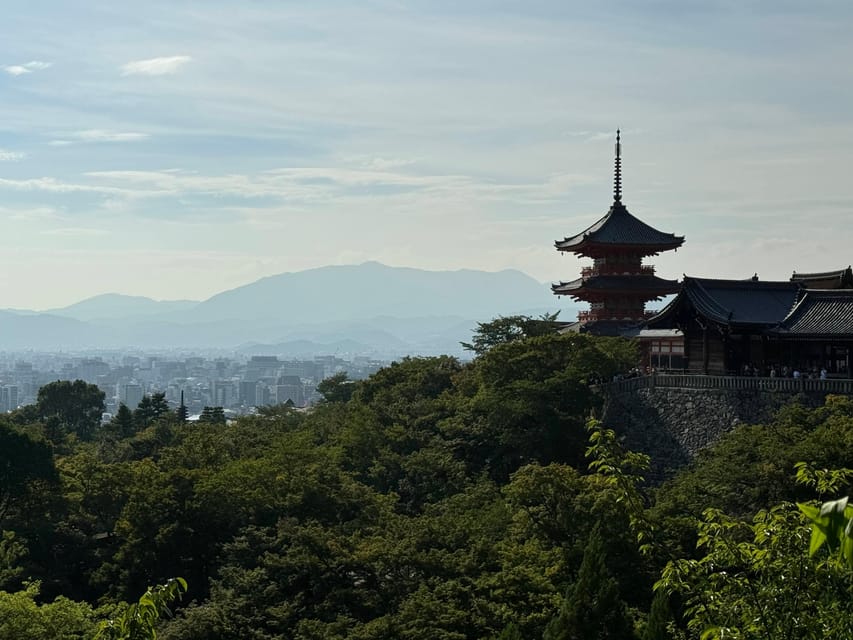
The tour lasts four hours, while the listed stop times add up to about two hours and 15 minutes: 45 minutes in Gion, 20 at Yasaka Shrine, 10 in Ninenzaka and an hour at Kiyomizu-dera. The remaining time allows for the movement between stops and the flow of a guided walk. The exact pace may depend on the group and the day, so do not treat the stop times as a minute-by-minute guarantee.
The route is designed to connect several nearby cultural sights in one outing. That makes it a good fit if you have a limited stay in Kyoto and want a guide to link the places rather than visit each without context. It also means you will spend time walking between locations; the experience is a walking tour, not a series of separate temple visits.
The tour is available in English and Japanese. Private and small-group formats are offered, but do not assume that choosing the tour automatically means you will share it with other people. One person expected a small group and found themselves alone with the guide. For some, that is a bonus: you can ask questions and move at your own pace. If you prefer company, check the group arrangement before you book.
The guide is a major part of the value. Past guides Teppei and Julien were singled out for their warm approach, English ability, personal stories and thoughtful pace. One visitor found the pace just right and learned a great deal about Gion and nearby religious sites. Another wanted deeper explanations of history and ritual. If detailed cultural interpretation matters to you, make that preference clear at the start.
Is $77 a fair price?
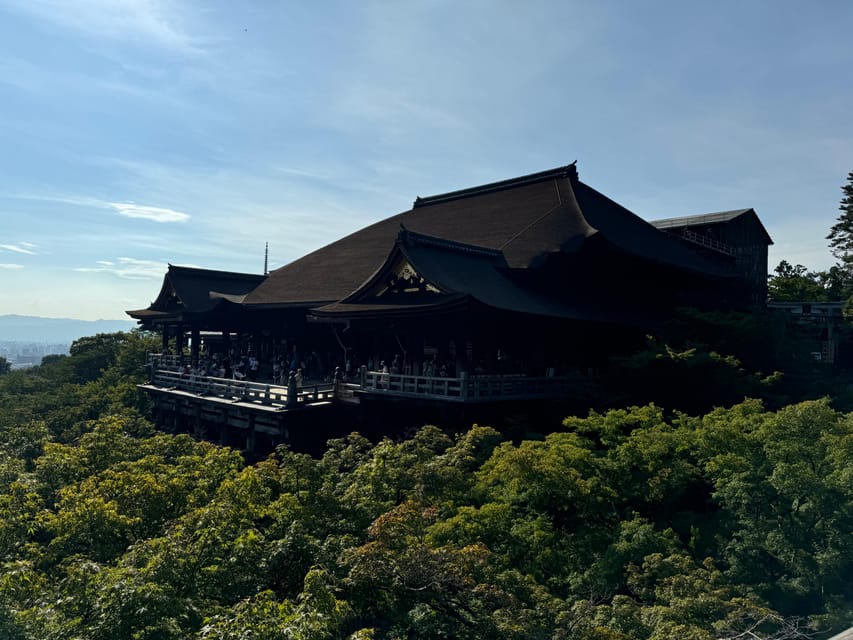
At $77 per person, this tour is not simply a walking route. You are paying for a guide, a planned sequence through several of Kyoto’s famous historic sights, and entry to Kiyomizu-dera. If you would otherwise arrange the route yourself, the main added value is the local explanation and the ease of having someone connect the sites.
The price makes the most sense if you value a guide’s company and want a compact introduction to Gion, Yasaka Shrine and Kiyomizu-dera. It may be less compelling if you prefer to wander alone, spend a long time shopping, or read about each location at your own pace. In those cases, the fixed four-hour structure can feel restrictive.
The group format also affects how you judge the cost. A private tour gives you a more personal outing, while a small group can offer a shared experience, but the available details do not specify the group size or guarantee which format you will receive. Check that point before paying, particularly if you are booking alone and hoping to join others.
You can reserve now and pay later, and cancellation is free up to 24 hours before the tour for a full refund. Those terms give you flexibility if your plans are still taking shape, though the main decision remains whether you want a guide-led walk or a self-guided day.
Who will enjoy this walk most?
I would choose this tour if I wanted an efficient first look at Kyoto’s historic center and preferred hearing explanations as I walked. It combines traditional streets, shrine culture, a landmark pagoda and one of the city’s best-known temple views in a single half-day.
It is particularly suited to people who like a measured pace and a guide who can add personal perspective. The experience with Julien, who shared both historical facts and stories from his time in Japan, shows the kind of added character a guide can bring. The report of a well-paced tour and a guide who found less crowded routes also suggests that the experience can be more comfortable than simply following the busiest streets alone.
You may want a different plan if your main goal is in-depth study of geisha traditions or a long visit to each site. The schedule is broad, not exhaustive, and guide detail can vary. Tell your guide what interests you, and be ready to make choices about how you use the short stops.
Should you book this Kyoto tour?
Book it if you want a guided, four-hour introduction to Gion, Yasaka Shrine, Ninenzaka and Kiyomizu-dera, with temple entry included and a guide who can help put the sights in context. It is a sensible way to connect Kyoto’s traditional streets with its religious landmarks, especially if your time in the city is limited.
Before you reserve, confirm whether the tour is private or small-group, and decide how much depth you want from the guide. If you are happy with a brisk overview and a strong final view from Kiyomizu-dera, the route offers good use of a half-day. If you want long, detailed visits or guaranteed company, check those expectations first.
FAQ
How long is the tour?
The tour lasts four hours.
Where do I meet the guide?
Meet in front of the police box next to Pontocho Street. The guide will be holding a yellow sign with the DeepExperience logo.
Which languages are available?
The live guide is available in English and Japanese.
Is Kiyomizu-dera admission included?
Yes. Entry to Kiyomizu-dera is included. Entry to Zuigudo Hall is not included.
Is the tour private or part of a small group?
Private and small-group options are available. Confirm the format when booking, since a small group is not guaranteed for every booking.
Can I cancel for a refund?
Yes. You can cancel up to 24 hours in advance for a full refund.
More private and custom tours in Kyoto
- Kyoto 6hr Private Tour with Government-Licensed Guide
★ 5.0 · 1,369 reviews - 10 Must-see Spots in Kyoto One Day Private Tour (up to 7 people)
★ 5.0 · 1,108 reviews - Kyoto 4hr Private Tour with Government-Licensed Guide
★ 5.0 · 629 reviews - Kyoto: Private Tour with Local Licensed Guide
★ 4.8 · 463 reviews
More Gion tours in Kyoto
- Night Walk in Gion: Kyoto’s Geisha District
★ 4.5 · 2,003 reviews - Kyoto Night Foodie Tour in Gion (9+ dishes + 6 Sake tastings)
★ 5.0 · 1,762 reviews - Kyoto Gion Geisha District Walking Tour – The Stories of Geisha
★ 5.0 · 1,441 reviews - Kyoto Gion: 2-Hour Geisha Culture & History Walking Tour
★ 5.0 · 1,186 reviews
Newly added in Kyoto
- Uji: Private immersion into Kyoto’s tea and reglious culture★ 5.0 · 17 reviews
- Whisk Your Own Matcha: A Zen Matcha Experience at Temple★ 3.6 · 7 reviews
- Kyoto tea town for matcha lovers★ 5.0 · 16 reviews
- Treasures of Kyoto: Gion & historical Walking Tour★ 5.0 · 6 reviews
- Kyoto Matcha Green Tea Tour★ 4.5 · 23 reviews
- Uji and Wazuka Matcha Farm Half Day Private Guided Tour★ 5.0 · 21 reviews
- Uji Tea Ceremony and UNESCO Heritage Walking Tour★ 5.0 · 20 reviews
- Utilising upcycled Matcha! Creating matcha incense (Uji, Kyoto)★ 5.0 · 6 reviews
Kiyomizu-dera Tours, compared.

Tea Ceremony in a Traditional Tea House in Kiyomizu
Read our review →
Nijo Castle, Kiyomizu & Fushimi Inari Guided Tour
Read our review →
Nijo, Kinkaku-ji, Arashiyama, Kiyomizu & Fushimi Inari
Read our review →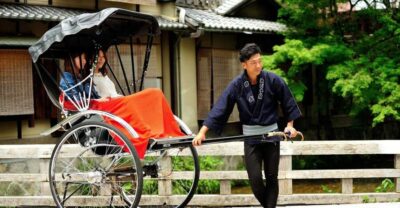
Private Rickshaw Tour of Gion and Higashiyama Area
Read our review →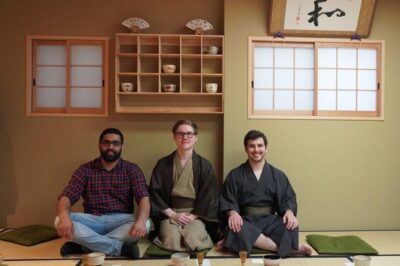
Kyoto Tea Ceremony & Kiyomizu-dera Temple Walking Tour
Read our review →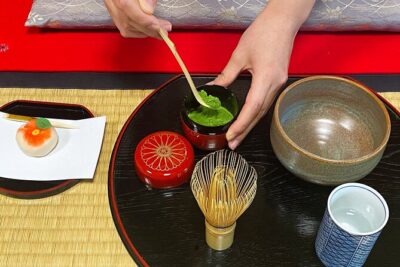
Kyoto Kiyomizu Tea Ceremony with Scenic Garden Views
Read our review →
Kimono/Yukata Rental 5 Minute from Kiyomizu-dera
Read our review →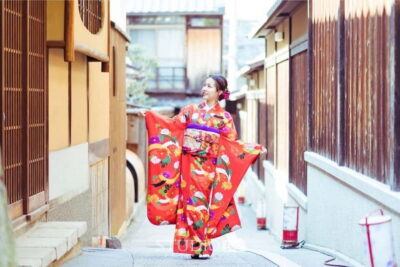
Kyoto Gion Kiyomizudera Kimono Yukata Hairstyle | Photoshoot
Read our review →Browse the lists this tour appears in