
Reviewed · KYOTO TEA CEREMONIES
Kyoto: Tea Ceremony with Kimono and Photoshoot
A kimono, a quiet tea room, and the careful steps of making matcha: this 90-minute Kyoto experience offers more than a quick costume change. I like that you make your own tea after watching a demonstration, and that the three professional photos give you a lasting memento without making the camera the whole point.
The main thing to plan around is the clock. You must arrive on time, choose the correct shop, and return the kimono by the stated deadline if you go for a stroll afterward. The session also combines the dressing and tea ceremony, so you can’t book just one part.
What makes this Kyoto tea ceremony worth your time
- Choose one of two Kyoto locations: Book either Nishiki Market or Gion, then check the address carefully. Arriving at the other shop means you cannot join.
- Dress in a kimono before entering the tea room: You can choose a kimono color, and hair accessories may also be available.
- Learn by watching, then doing: An English-speaking instructor explains the ceremony, demonstrates it, and guides you as you prepare matcha.
- Enjoy matcha with Japanese sweets: The tea and sweets are included, and food allergies should be shared in advance.
- Leave with three professional photos: You’ll also have time to take your own pictures during the visit.
- Walk around in your kimono afterward: This is optional, but you must return the outfit to the same shop by its deadline.
Getting dressed is part of the experience
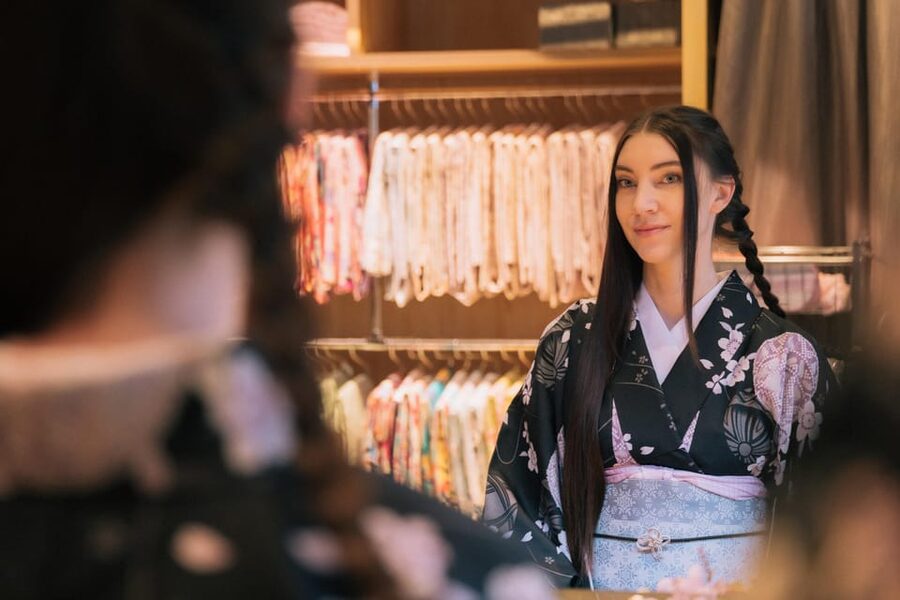
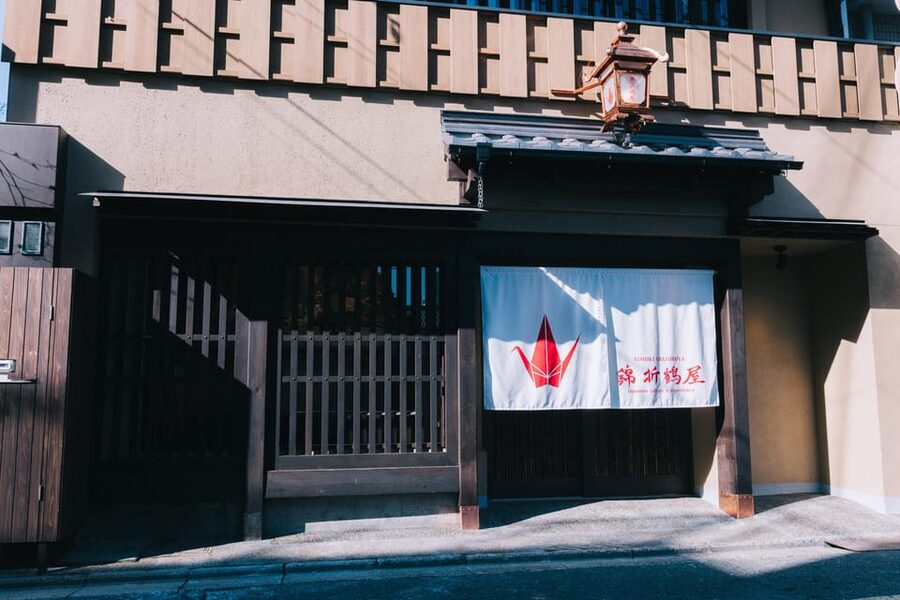
The visit begins at the location you chose when booking, either near Nishiki Market or in Gion. Staff help you change into a kimono before you enter the tea room. You need to provide each participant’s height and gender in advance so the shop can prepare suitable outfits.
Choosing a color and, where available, hair accessories makes the dressing feel personal rather than like a one-size-fits-all photo prop. The outfit also changes the pace of the visit: you’re not simply putting on a costume for a snapshot, but preparing to take part in a ceremony where the setting and gestures matter.
Expect some waiting during the changeover. One participant reported a gap between arriving and the start of the ceremony, so don’t schedule a tight appointment immediately afterward. The group is limited to 10, which keeps the session small, but dressing several people and moving everyone into the tea room can still take time.
The staff’s attention to the dressing process is a recurring strength of this activity. It is a practical reason to choose this over a kimono rental alone: here, the outfit leads into a cultural activity, rather than being the entire event.
More tea ceremonies in Kyoto:
- Kyoto: Tea Ceremony in a Traditional Tea House in Kiyomizu
★ 4.9 · 3,519 reviews - Kyoto: Tea Ceremony Ju-An at Jotokuji Temple
★ 4.9 · 3,207 reviews - Kyoto: 45-Minute Tea Ceremony Lesson Experience
★ 4.3 · 2,378 reviews
The tea room turns a lesson into a ritual
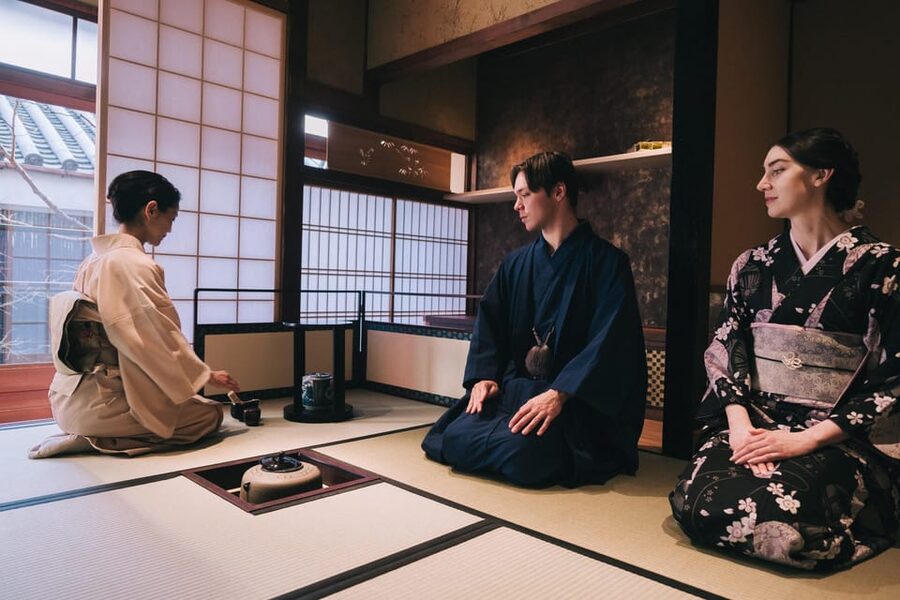
Once dressed, you enter the tea room and watch an English-language demonstration. The instructor explains the history and culture of the tea ceremony in a relaxed manner, and the demonstration shows how the preparation is carried out. One participant specifically recalled learning about cleansing and blessing the tea, a detail that helps explain why the movements are deliberate rather than decorative.
This is an introduction, not an advanced course in tea ceremony. In 90 minutes, you’ll get an explanation and a chance to take part, but not extensive training in every custom. That’s a fair trade for a short activity designed to welcome visitors who may be encountering matcha and the ceremony for the first time.
The English instruction is important here. A tea ceremony can look simple from the outside, but without context it’s easy to miss why each action matters. Clear explanations let you focus on the sequence and meaning instead of trying to guess what is happening.
The group size helps, too. With no more than 10 participants, you should have a more manageable setting than a large demonstration, though the exact amount of individual guidance will depend on the group and the pace of the session.
Making matcha gives you a turn at the bowl
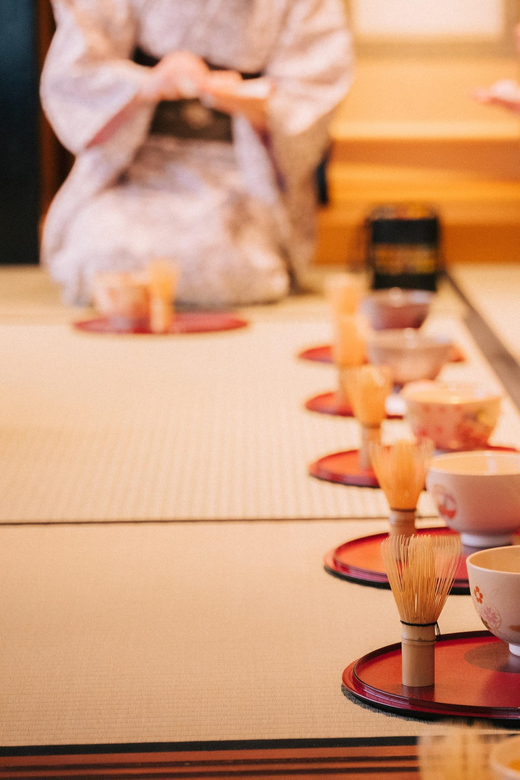
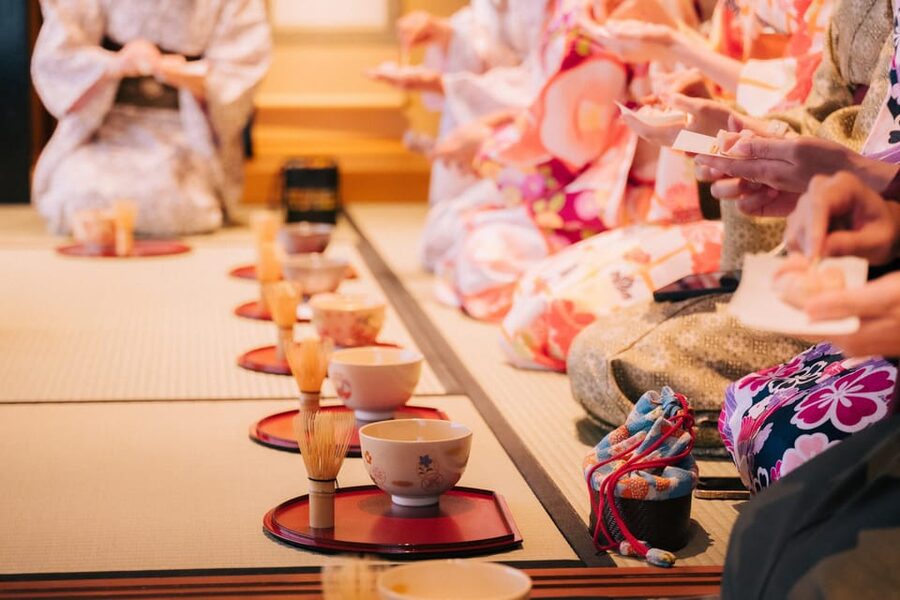
After watching the demonstration, you make your own matcha and have it with Japanese sweets. This hands-on step is what makes the activity feel like participation rather than a short performance. You see the process, then try it for yourself with the instructor’s guidance.
The tea and sweets are included in the $127 per-person price. If you have a food allergy, tell the provider in advance. The supplied details don’t specify which sweets are served, so don’t assume they will suit every dietary preference.
I like this format for first-time visitors because it keeps the lesson grounded in a real task. You don’t need prior knowledge of tea ceremony customs to follow along, and making the tea gives you a more immediate sense of the care behind the demonstration.
The ceremony is the cultural heart of the visit, but keep expectations in proportion. This is a short, welcoming introduction, not a private lesson or a full-day study of Japanese tea culture. If you want to understand the basic gestures and try matcha preparation in a traditional setting, the time is well used.
Three photos are a useful souvenir, not the main event
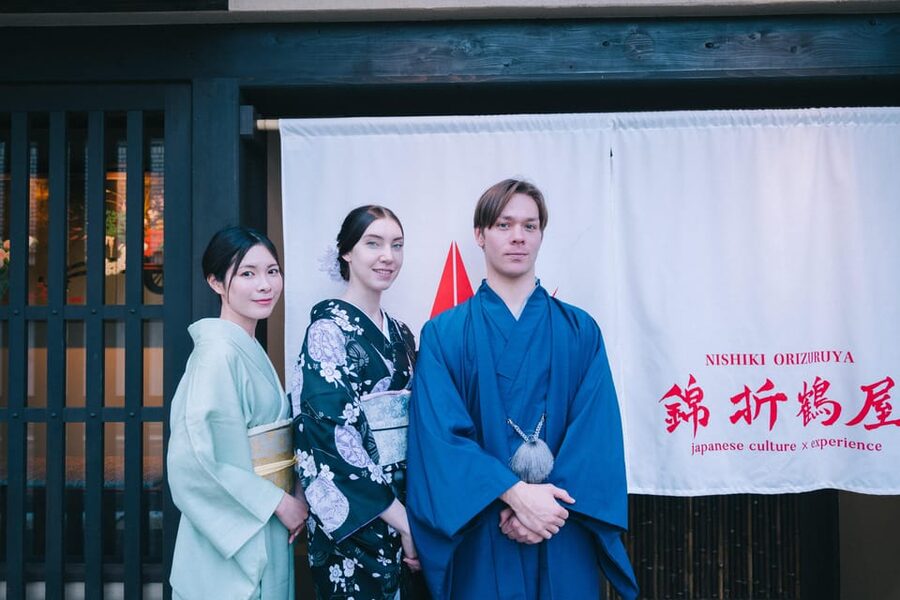
A professional photographer takes three photos during the experience, and those are included. The pictures add value if you want a polished record of wearing a kimono without spending the whole session taking selfies. Some participants have also had time to take their own photos, so you may be able to capture a few informal moments as well.
The professional shots are a particular plus for couples, families with older children, or solo visitors who want a photo of themselves in the outfit. Feedback on the finished pictures has been especially positive, with one participant describing them as first class. Still, the activity’s value shouldn’t rest on the photographs alone: the tea demonstration and the chance to make matcha are the parts that give the visit substance.
The stated inclusion is three photos. Delivery timing is not specified as a guarantee, though one participant received the images by email a couple of hours later. If you need the files for a same-day plan, ask the provider about delivery timing before you book.
More kimono rentals and experiences in Kyoto:
- Kimono Tea Ceremony at Kyoto Maikoya, NISHIKI
★ 5.0 · 911 reviews - Kyoto: Kimono Rental with Hairstyling and Accessories
★ 4.8 · 653 reviews - Kyoto: Kimono Tea Ceremony at Orizuruya Gion
★ 4.9 · 618 reviews - KYOTO Tea Ceremony with kimono near by Imamiya Jinjya Shrine
★ 5.0 · 343 reviews
A kimono stroll adds freedom, with a firm return time
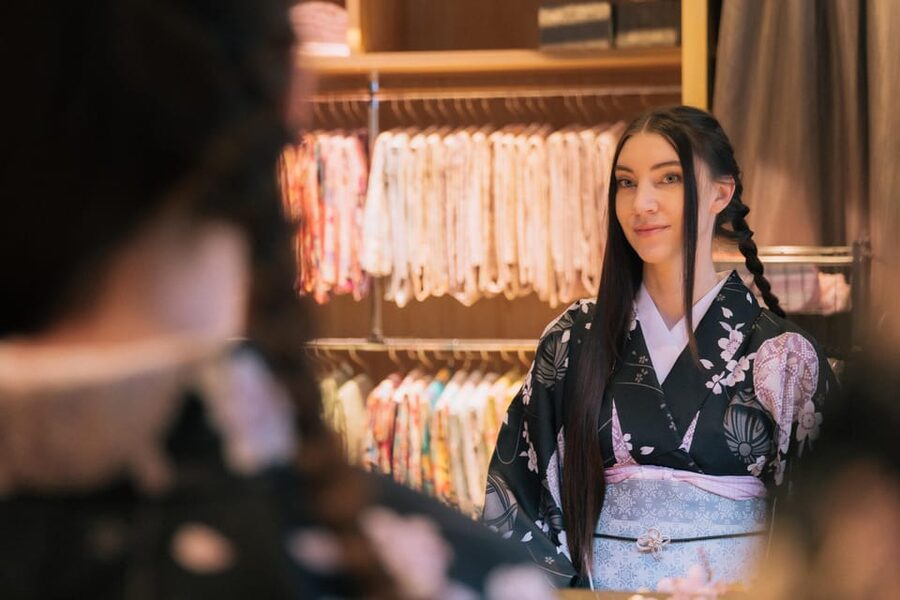
After the ceremony, you may stroll around in your kimono and enjoy the surrounding Kyoto atmosphere. This is an optional extra, not part of the 90-minute session itself, and it gives you a chance to take your own pictures outside the venue.
The return deadline depends on the location: the Nishiki Market shop requires the kimono back by 6:00 PM, while the Gion shop’s deadline is 5:00 PM. Those times matter if you’re planning lunch, a visit to another attraction, or an extended photo walk. Make your plan around the earlier cutoff if you’re unsure which location you booked, and confirm the correct shop before setting out.
The stroll is a nice bonus, but it is not unlimited kimono rental. You must return the outfit to the same shop on the same day, so this works best as a short wander rather than an all-afternoon plan. Shoes are not allowed indoors, and smoking is prohibited during the activity.
Nishiki Market or Gion: choose with care
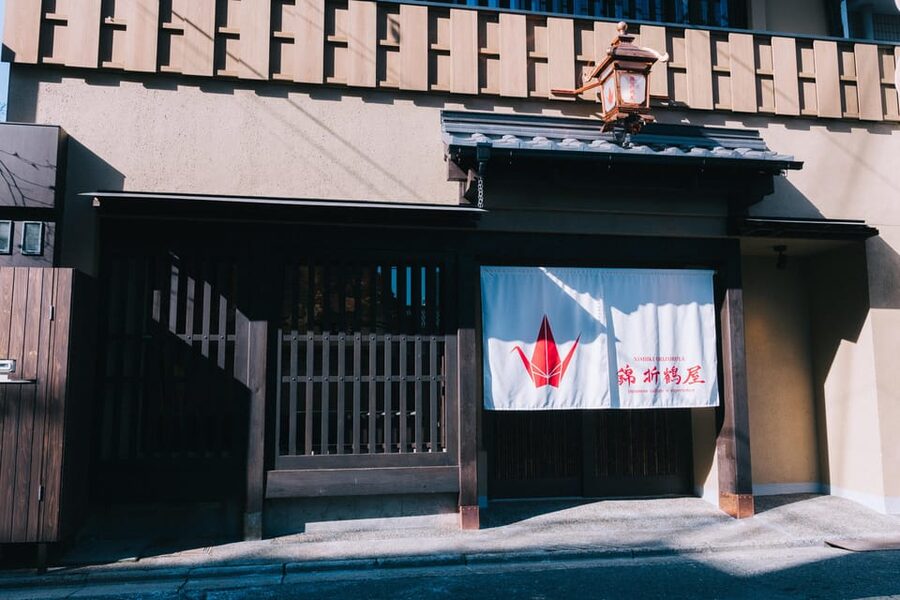
You can book at either the Nishiki Market location or the Gion location. The activity itself is described in the same way at both: kimono dressing, an English tea ceremony demonstration, matcha and sweets, and three photos. The practical difference to note is the kimono return time, which is later at Nishiki Market than at Gion.
The meeting point varies according to the option you book. Check the confirmation and go to that exact shop. The provider warns that arriving at the wrong location means you will not be able to join, so don’t rely on the neighborhood name alone when planning your route.
One guide named Mami has been praised for a kind, informative approach, but your instructor may be someone else. The activity is offered in English, and the small-group format gives the team a chance to guide participants through the steps in a personal way.
Is $127 a fair price?
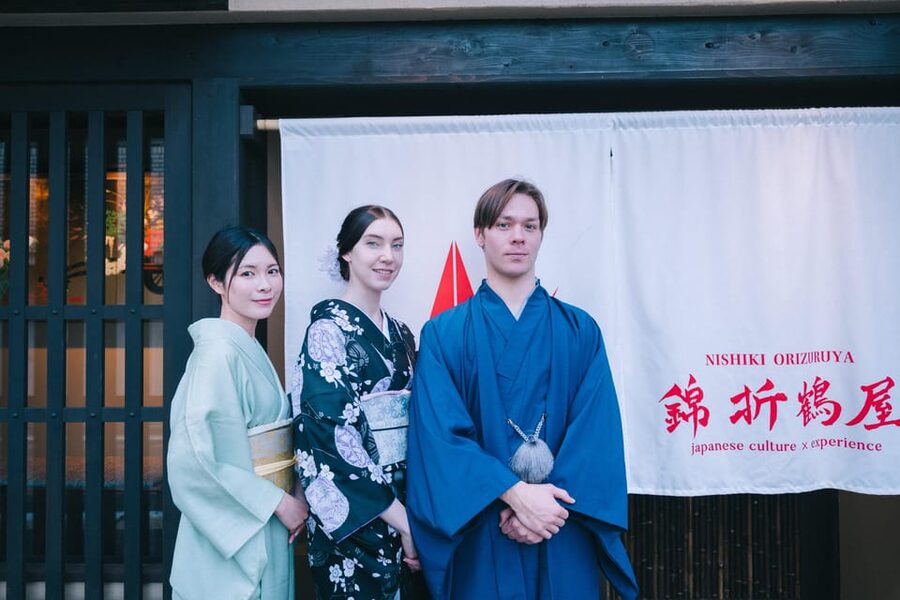
At $127 per person, this is not the cheapest way to wear a kimono in Kyoto. You are paying for several elements together: kimono dressing, an English-language ceremony demonstration, your own matcha and sweets, and three professional photographs. If you were planning to book a kimono rental, a cultural activity, and a photo session separately, combining them can make the price easier to justify.
The strongest value is the joined-up nature of the visit. The kimono is not simply a backdrop for photos, and the tea ceremony is not only something to watch. You dress, learn, participate, and leave with images of the occasion. That makes the fee more reasonable for someone who wants a compact cultural activity with a keepsake.
It may feel expensive if you mainly want a kimono for walking around Kyoto or are already attending another tea ceremony. You can’t book only the dressing or only the ceremony, so the package suits people who want the full sequence.
Timing, booking, and who should go
The activity lasts 90 minutes, and starting times vary by availability. Arrive before your scheduled start: if you are more than 10 minutes late, you cannot join and no refund is available. That rule is strict enough to build a buffer into your travel plan, especially if you’re navigating to an unfamiliar shop.
You can reserve now and pay later, and cancellation is free up to 24 hours in advance. The session is not suitable for children under 5 or wheelchair users. These details are worth checking before you book, along with the requested heights and genders for all participants and any food allergies.
I’d choose this activity if you want a guided, approachable introduction to tea ceremony and would enjoy wearing a kimono as part of it. It is also a good fit if photographs matter to you, but you don’t want a photo session to replace the cultural explanation. If you’re after a long, highly detailed tea study, or only want to rent clothing, this is not the right format.
Should you book it?
Book this if the combination is what appeals: kimono dressing, a clear English explanation, the chance to make matcha, and three professional photos in one short visit. The warm, careful service and the attention paid to dressing are central to its appeal.
Skip it if you want only a rental, need wheelchair access, are bringing a child under 5, or can’t comfortably meet the arrival and return deadlines. For everyone else, it’s a compact way to give a Kyoto afternoon a cultural focus, with a cup of tea and a few good photos to remember it by.
FAQ
How long does the activity last?
The tea ceremony and kimono experience lasts 90 minutes. Any stroll afterward is optional, but you must return the kimono to the shop by its deadline.
What is included in the $127 price?
The price includes kimono dressing, an English-language tea ceremony demonstration, matcha green tea, Japanese sweets, and three photos taken by a professional photographer.
Which locations can I choose?
You can choose the Nishiki Market location or the Gion location. The meeting point depends on the option you book, so check that you select and attend the correct shop.
Can I wear the kimono outside after the ceremony?
Yes. You may stroll outside in the kimono after the ceremony, but you must return it to the same shop by 6:00 PM at Nishiki Market or 5:00 PM at Gion.
What information should I provide before the activity?
The provider needs the height and gender of each participant to prepare kimono sets. If anyone has a food allergy, let the provider know in advance.
What happens if I arrive more than 10 minutes late?
You will not be allowed to join if you arrive more than 10 minutes after the starting time, and no refund is available in that case.
Can I book only the tea ceremony or only the kimono dressing?
No. The activity is not available as a tea ceremony-only or kimono-dressing-only option.
More photoshoots in Kyoto
- Kyoto: Maiko Makeover and Photoshoot Experience
★ 4.7 · 239 reviews - Kyoto: Private Photoshoot Service
★ 5.0 · 158 reviews - Kyoto: 2-Hour Maiko Makeover and Photo Studio Shoot
★ 4.7 · 122 reviews - Your Private Vacation Photography Session In Kyoto
★ 5.0 · 110 reviews
Newly added in Kyoto
- Uji: Private immersion into Kyoto’s tea and reglious culture★ 5.0 · 17 reviews
- Whisk Your Own Matcha: A Zen Matcha Experience at Temple★ 3.6 · 7 reviews
- Kyoto tea town for matcha lovers★ 5.0 · 16 reviews
- Treasures of Kyoto: Gion & historical Walking Tour★ 5.0 · 6 reviews
- Kyoto Matcha Green Tea Tour★ 4.5 · 23 reviews
- Uji and Wazuka Matcha Farm Half Day Private Guided Tour★ 5.0 · 21 reviews
- Uji Tea Ceremony and UNESCO Heritage Walking Tour★ 5.0 · 20 reviews
- Utilising upcycled Matcha! Creating matcha incense (Uji, Kyoto)★ 5.0 · 6 reviews
Kyoto Tea Ceremonies, compared.

Tea Ceremony in a Traditional Tea House in Kiyomizu
Read our review →


World Heritage Kyoto & Nara Uji Authentic Matcha Experience
Read our review →


Arashiyama Bamboo Forest, Monkeys, Matcha & Temple Tour
Read our review →
Tea Museum Tickets and Matcha Grinding Experience
Read our review →Browse the lists this tour appears in