
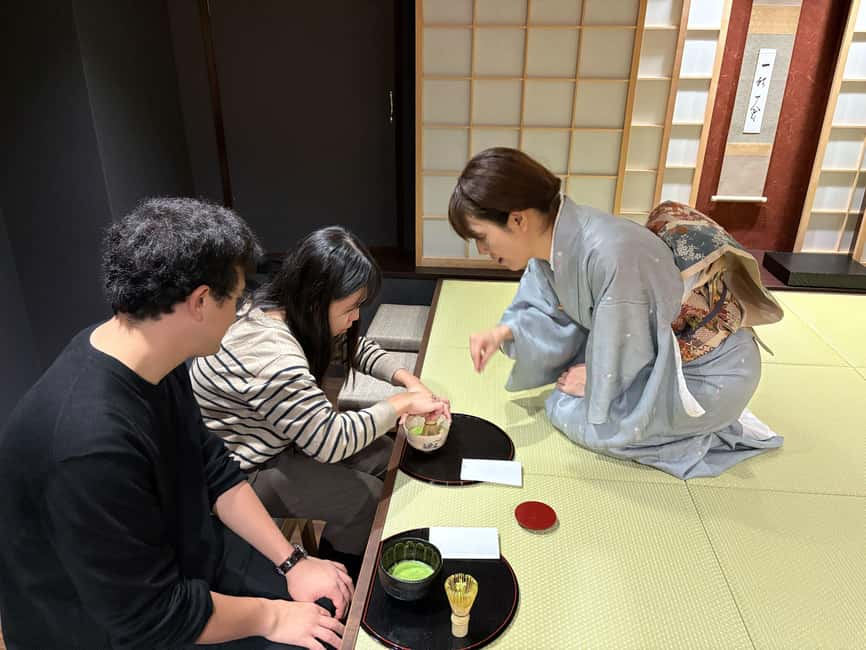
Reviewed · KYOTO TEA CEREMONIES
Kyoto: Traditional Tea Ceremony with Matcha & Sweets in Gion
In Gion, this tea session brings an old art within easy reach: you watch a tea master prepare matcha, learn why the ritual matters, then make a bowl yourself. I like the chair seating, which makes the experience practical if kneeling on tatami is uncomfortable, and the chance to taste sweets selected by the tea master alongside matcha from a family-run farm.
The tone is friendly rather than strict, so you can ask questions without worrying about getting every gesture right. One thing to check before booking is the duration: sessions are listed as lasting from one hour to 150 minutes, so confirm the time for your chosen option.
- Watch the ceremony up close: A tea master demonstrates traditional techniques before you try making matcha.
- Taste sweets chosen for tea: The session includes Japanese confectionery from long-established makers.
- Learn the story behind the ritual: Expect an introduction to tea history and the Zen ideas that shaped the ceremony.
- Make matcha with local tea: You’ll use powder sourced from a family-run tea farm, with guidance from the instructor.
- Sit in a chair, not on the floor: A thoughtful comfort feature for anyone who finds tatami seating difficult.
- Leave with a recipe: You get a simple method for making matcha at home.
Gion’s tea ritual, made approachable
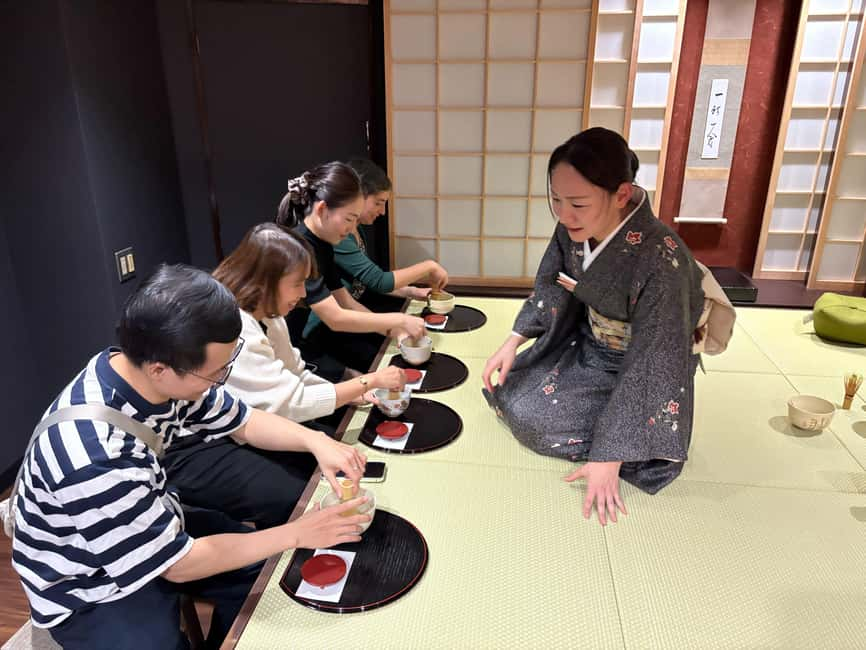
Gion is a fitting place to explore tea culture: this Kyoto district is known for its traditional atmosphere, and the experience offers a quiet pause within it. The setting is described as calm and elegant, with Japanese hospitality at the center. You don’t need prior knowledge of tea, and you aren’t expected to behave like a seasoned tea student.
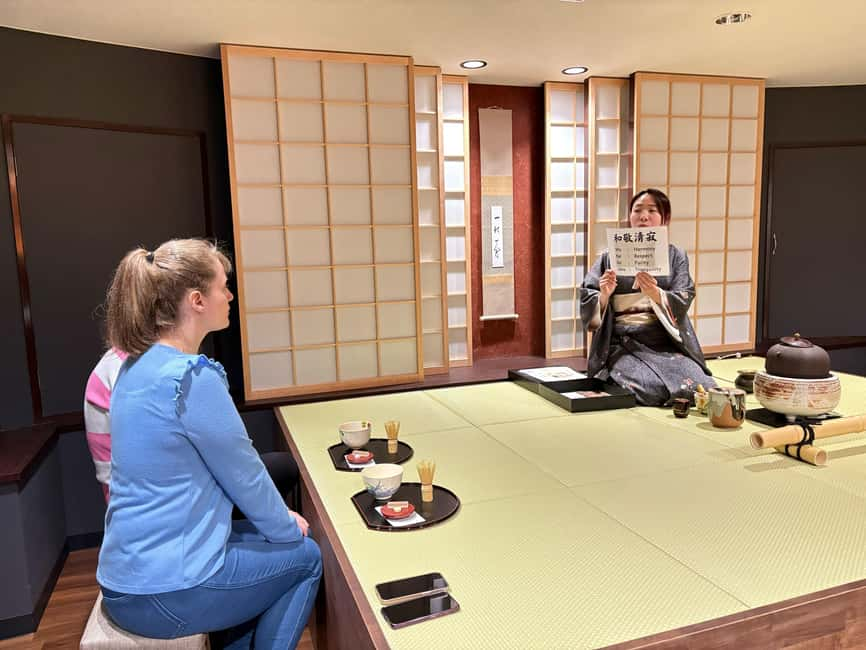
The session aims to show the ceremony’s beauty without turning it into a test of etiquette. That distinction matters. A formal tea ceremony can feel intimidating if you’re unsure when to bow, how to hold a bowl, or what you’re allowed to ask. Here, the host explains what’s happening and invites questions, so you can focus on the movements and meaning rather than worry about making a mistake.
The group may be small, which can make it easier to see the demonstration and hear the explanations. Small-group availability is noted, but group size may depend on the option you book. The instruction is in English, a useful detail when the discussion moves beyond how to prepare the drink and into the ideas behind the ritual.
Watching the tea master at work
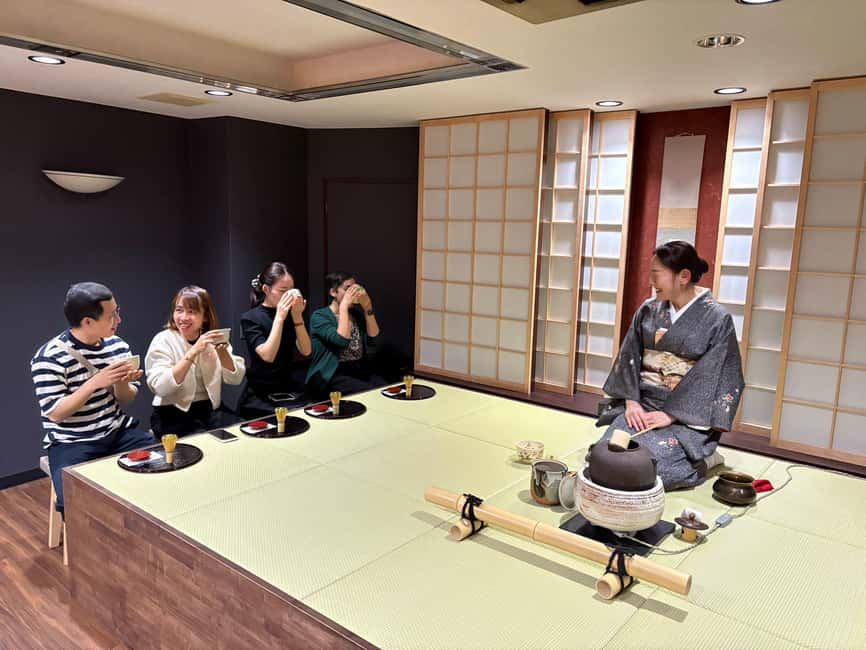
The first part of the session is observation. You’ll see a tea master perform traditional techniques at close range, with explanations about the tools and the care involved. The appeal is in the details: the deliberate movements, the way the tea is prepared, and the unhurried pace that gives each action a purpose.
This is not just a demonstration to sit through before the hands-on portion. Watching first gives you a better sense of what you’re about to try. You can notice how the host handles the preparation, then ask about the parts that seem mysterious. Tea is often described as a simple drink, but the ceremony gives it a different role: it asks you to pay attention to the preparation and the moment.
The instructor also talks about tea’s history and the influence of Zen philosophy. The experience does not promise a scholarly lecture, but it gives you cultural context for the gestures you’re seeing. That is valuable if you want more than a photo of yourself holding a bowl. A little background can help the ceremony make sense as a practice shaped by ideas of focus, care, and hospitality.
One recent host name you may encounter is Mai. She has been described as warm and clear in her explanations, though hosts can vary. The most useful thing to bring is curiosity: ask your questions during the session or save them for the closing Q&A.
More Gion tours in Kyoto:
- Kyoto Geisha Walking Tour: Gion District & Hidden Gems
★ 4.7 · 3,273 reviews - Kyoto: Gion Magical Night Walking Tour with Geisha Trivia
★ 4.9 · 2,393 reviews - Kyoto: Gion Geisha District Walking Tour – Stories of Geisha
★ 4.7 · 2,187 reviews
Making your own bowl of matcha
After watching, you get to prepare matcha yourself. The tea powder comes from a family-run tea farm, and the tea master guides you through the process. You’ll learn a simple preparation method rather than being left to guess at the right technique.
This hands-on step is a strong reason to choose the session over a tea tasting alone. You can feel how preparation changes your attention to the drink, and you leave with a recipe to use in daily life. It’s a modest souvenir, but a useful one: you can bring home a way to repeat part of the experience without needing special travel plans.
The session uses matcha, which contains caffeine. If you’re booking for a young child, take that into account: matcha is not recommended for children under five. Infants and toddlers can attend free, but they do not receive their own serving to make. If they want to try, they must use a parent or guardian’s matcha cup.
Sweets, conversation, and the closing Q&A
Traditional Japanese sweets are served with the tea. They are selected by the tea master from long-established confectioners, an appealing detail because the sweets are chosen for the ceremony rather than added as a generic snack. The pairing gives you a chance to experience how a small sweet fits into the tea ritual.
The exact sweets are not specified, so don’t book expecting a particular flavor or confection. Instead, treat this as a chance to sample something selected for the session and ask what it is or why it goes with matcha. The explanations can make a bite-sized sweet part of the lesson rather than a break from it.
The session ends with time for questions. This is a good moment to ask about the ceremony’s etiquette, tea’s history, or how to make matcha at home. The atmosphere is meant to be casual, so you don’t need to save your questions for a formal lecture. If something catches your attention during the demonstration, ask when there’s a natural pause.
Comfort without losing the ceremony
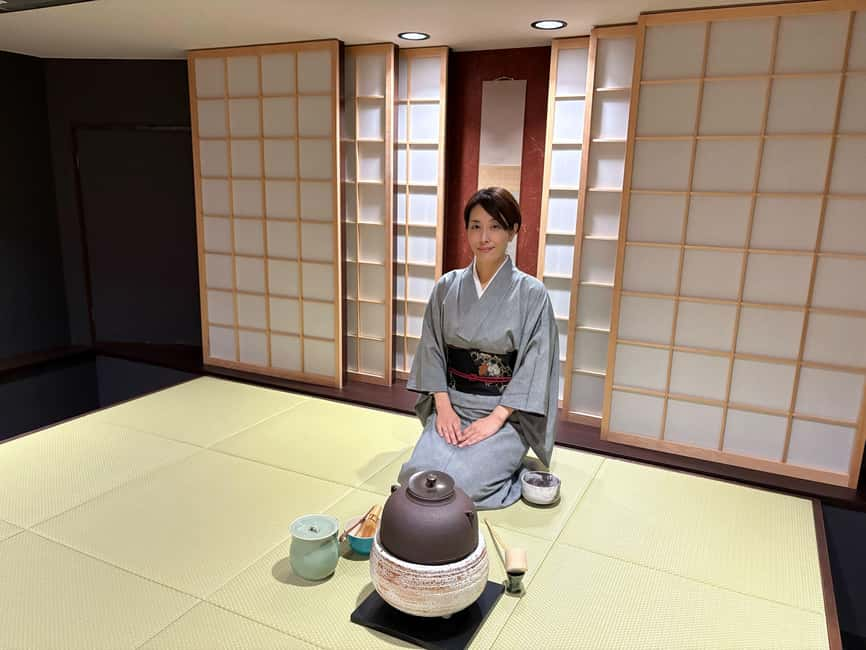
Traditional tea settings can involve sitting on the floor, which is not comfortable for everyone. This experience uses chairs, letting you take part without kneeling on tatami. That can make the session easier for people with limited mobility or anyone who simply prefers a chair.
The comfortable setup does not mean the ceremony is reduced to a quick drink demonstration. You still watch the tea master, hear about the traditions behind the practice, taste sweets, and make matcha. The goal is to make the cultural experience welcoming rather than to demand strict formality from visitors.
There is one tradeoff to keep in mind: if you are specifically seeking a highly formal ceremony with traditional floor seating and strict etiquette, this may feel more relaxed than you want. Its strength is accessibility and explanation, not a test of ceremonial discipline. For many first-time learners, that is a sensible balance.
More tea ceremonies in Kyoto:
- Kyoto: Tea Ceremony in a Traditional Tea House in Kiyomizu
★ 4.9 · 3,519 reviews - Kyoto: Tea Ceremony Ju-An at Jotokuji Temple
★ 4.9 · 3,207 reviews - Kyoto: 45-Minute Tea Ceremony Lesson Experience
★ 4.3 · 2,378 reviews - World Heritage Kyoto & Nara Uji Authentic Matcha Experience
★ 5.0 · 1,573 reviews
Timing, price, and booking details
The listed price is $22 per person. For that amount, the session includes an English-language introduction, a tea master’s demonstration, guided matcha preparation, traditional sweets, and a take-home recipe. That is good value if you want a cultural activity that combines watching, tasting, and doing rather than a brief explanation alone.
The stated duration ranges from one hour to 150 minutes, a substantial difference. Check the exact session length and starting times for your chosen option before you book. A shorter session may suit a packed Kyoto day, while the longer version could allow more time for explanation and questions. The available details do not specify what accounts for the difference, so use the booking selection as your guide.
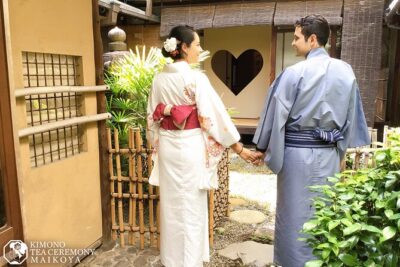
The meeting point can vary by option. If you choose the kimono option, go first to Kimono Rental wargo Gion, change there, then walk to the tea ceremony meeting point yourself. Arrive 10 minutes before the ceremony begins. The meeting point is a few minutes from the rental shop, on the fifth floor at the map location provided with the booking.
The kimono start time sets your tea ceremony time: an 11:00 rental start pairs with a 12:30 ceremony, a 12:00 start pairs with 14:00, and a 14:00 start pairs with 15:30. Return the kimono by 5:30 p.m. These linked times make planning important; don’t assume you can choose the tea session independently after selecting a kimono slot.
Booking offers free cancellation up to 24 hours in advance, and a reserve-now, pay-later option is available. Those terms can help if your Kyoto plans are still taking shape, but confirm the conditions for your selected option when booking.
Who will appreciate this tea session
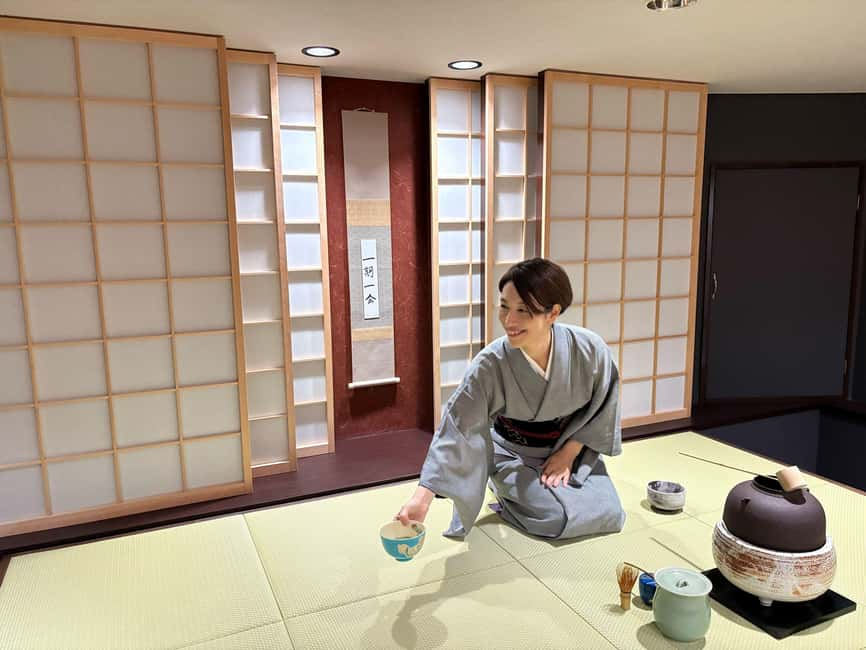
I’d recommend it to first-time visitors who want a clear introduction to matcha and the ceremony without a stern, formal atmosphere. It also suits anyone who likes learning by doing: you see the tea master’s technique, then try it yourself with guidance.
The chair seating makes it a practical choice for people who would rather not sit on the floor. Families can bring infants and toddlers, though young children will not receive their own matcha, and caffeine makes the drink unsuitable for children under five. If you’re considering the kimono option, allow time for the required change, walk, and fixed ceremony schedule.
This is also a good fit if you want a calm activity between sightseeing stops. The setting and pace are designed to encourage attention, and the sweets and conversation add variety. It may be less suitable if you want a long, highly formal ceremony or need a precise duration that has not been confirmed for your session.
Should you book?
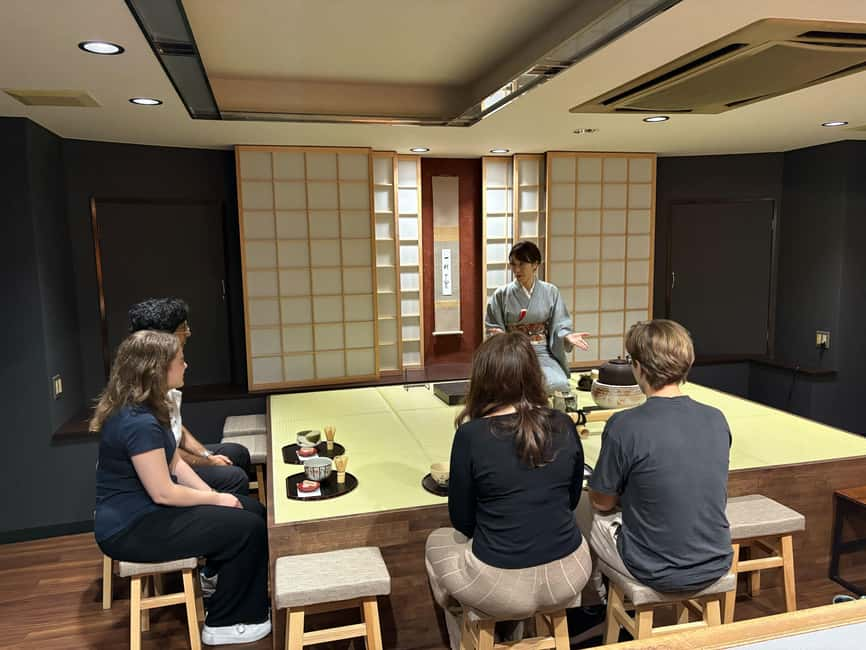
Book this if you want a friendly, hands-on introduction to Kyoto tea culture, with an expert demonstration, sweets, and a chance to make matcha yourself. The chair seating and open Q&A make it approachable, while the tea from a family-run farm and the recipe give the experience a practical thread that continues after the session.
Pause before booking if your priority is strict ceremony, floor seating, or a fixed schedule you have not yet checked. Confirm the session’s duration and meeting point, especially if you choose the kimono option. For a first encounter with matcha in Gion, though, this looks like a thoughtful way to learn more than the motions of making tea.
FAQ
How long does the tea ceremony last?
The listed duration ranges from one hour to 150 minutes. Check the available starting times and the duration for the option you select.
What language is the instruction in?
The instructor speaks English.
Do I get to make matcha myself?
Yes. After watching the tea master demonstrate the ceremony, you’ll receive guidance as you make your own bowl of matcha.
Are sweets included?
Yes. Traditional Japanese sweets selected by the tea master are included.
Is the ceremony performed with floor seating?
No. The experience uses chairs rather than requiring you to sit on the floor.
Is matcha included in the price?
Yes. The experience includes matcha made with powder sourced from a local family-run tea farm.
Can infants and toddlers join?
Infants and toddlers can attend free. If they want to try making tea, they must use a parent or guardian’s matcha cup and will not receive their own matcha.
Is matcha suitable for children under five?
Matcha is high in caffeine and is not recommended for children under five.
What should I know if I book the kimono option?
Go to Kimono Rental wargo Gion first, then walk to the tea ceremony meeting point and arrive 10 minutes early. Your rental start time determines your ceremony time, and the kimono must be returned by 5:30 p.m.
More cooking classes in Kyoto
- Ramen Cooking Class at Ramen Factory in Kyoto
★ 5.0 · 1,937 reviews - Sushi Making in Kyoto! Same-day bookings welcome!
★ 5.0 · 713 reviews - Kyoto: Ramen Cooking Class at a Ramen Factory with Souvenir
★ 4.9 · 532 reviews - Kyoto: Ramen, Gyoza, and Onigiri Cooking Class
★ 5.0 · 445 reviews
Newly added in Kyoto
- Uji: Private immersion into Kyoto’s tea and reglious culture★ 5.0 · 17 reviews
- Whisk Your Own Matcha: A Zen Matcha Experience at Temple★ 3.6 · 7 reviews
- Kyoto tea town for matcha lovers★ 5.0 · 16 reviews
- Treasures of Kyoto: Gion & historical Walking Tour★ 5.0 · 6 reviews
- Kyoto Matcha Green Tea Tour★ 4.5 · 23 reviews
- Uji and Wazuka Matcha Farm Half Day Private Guided Tour★ 5.0 · 21 reviews
- Uji Tea Ceremony and UNESCO Heritage Walking Tour★ 5.0 · 20 reviews
- Utilising upcycled Matcha! Creating matcha incense (Uji, Kyoto)★ 5.0 · 6 reviews
Kyoto Tea Ceremonies, compared.

Tea Ceremony in a Traditional Tea House in Kiyomizu
Read our review →

World Heritage Kyoto & Nara Uji Authentic Matcha Experience
Read our review →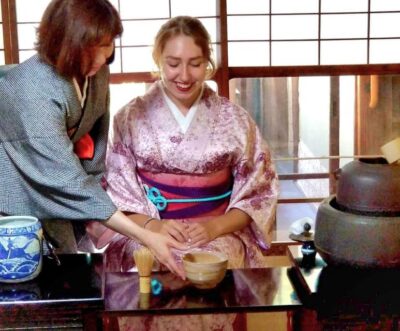

Arashiyama Bamboo Forest, Monkeys, Matcha & Temple Tour
Read our review →
Tea Museum Tickets and Matcha Grinding Experience
Read our review →Browse the lists this tour appears in